
Ginza’s premium steak tier is less about spectacle than controlled sequencing: branded wagyu, charcoal, wine, and a small-room format. Kobe Gyuu Rogama Sumiyaki Steak Ginza Ichimiya belongs in that conversation through its Tabelog Steak / Teppanyaki EAST 100 selection in 2025 and a compact 14-seat setup built around reservation-only dining.
Pearl is the En Primeur Club membership app — saves, bookings, and concierge access live there. Same editors, same standards.
- Address
- Japan, 〒104-0061 Tokyo, Chuo City, Ginza, 5 Chome−14−14 サンリット銀座ビルⅢ 8階
- Phone
- +81 3-5565-8083
- Website
- steak-ichimiya.net
 Saves & bookings on Pearl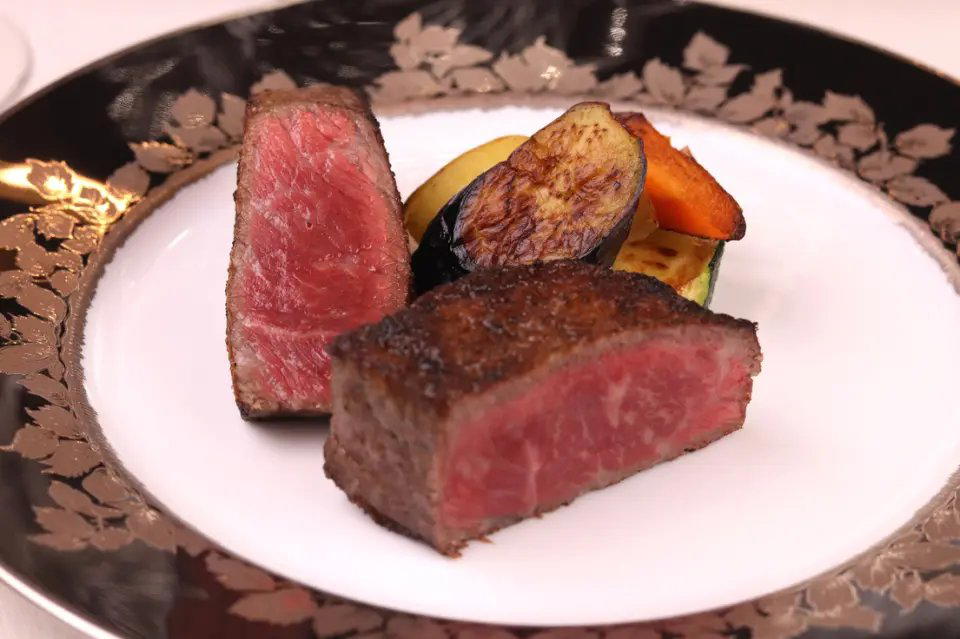
The arrival is pure upper-floor Ginza: a lift, a quiet threshold, then a room scaled for concentration rather than theatre. Tokyo has many ways to spend heavily on beef, from counter teppanyaki to yakiniku rooms and French-leaning wagyu menus, but the city’s serious steak addresses increasingly treat the meal as a progression. Fire is not just a cooking method; it becomes the pacing device.
Kobe Gyuu Rogama Sumiyaki Steak Ginza Ichimiya sits inside that Ginza subcategory where Japanese beef culture overlaps with a more composed, multi-course restaurant rhythm. Its 2025 selection for Tabelog 100 - Steak / Teppanyaki - EAST places it among the region’s recognised steak and teppanyaki rooms, a useful signal in a category where glossy interiors can obscure meaningful differences. The restaurant’s own positioning is tightly focused: Kobe beef, Sanda beef, Matsusaka beef, and Omi beef, prepared through a rogama charcoal-grill approach rather than a broad steakhouse format.
Charcoal, branded wagyu, and the logic of a paced steak meal
Tokyo’s high-end beef restaurants divide into distinct camps. Teppanyaki leans on proximity and performance; yakiniku gives control to the table; steak counters place timing and temperature in the kitchen’s hands. A rogama charcoal-grill format belongs closer to the last camp. The point is a sequence that builds toward beef rather than a single slab presented as the whole argument.
That matters in Ginza, where the surrounding dining culture trains guests to read progression carefully. Kaiseki and sushi counters have long taught Tokyo diners to notice order, pause, and escalation. Steak rooms in this tier borrow some of that grammar: lighter preparations or supporting courses first, then the principal cut, then rice or closing elements depending on the menu structure. Specific dishes change by restaurant and course, but the editorial point is stable: the meal is judged by arc, not only by marbling.
The named beef regions carry different expectations. Kobe is the international shorthand, Matsusaka and Omi have deep domestic prestige, and Sanda occupies a more specialist register for diners who follow Japanese wagyu beyond headline names. Listing all four signals a program built around comparison within wagyu rather than a generic premium-beef label. In practice, that makes the restaurant more relevant for diners who want to understand Japanese beef categories than for those seeking a conventional Western steakhouse experience.
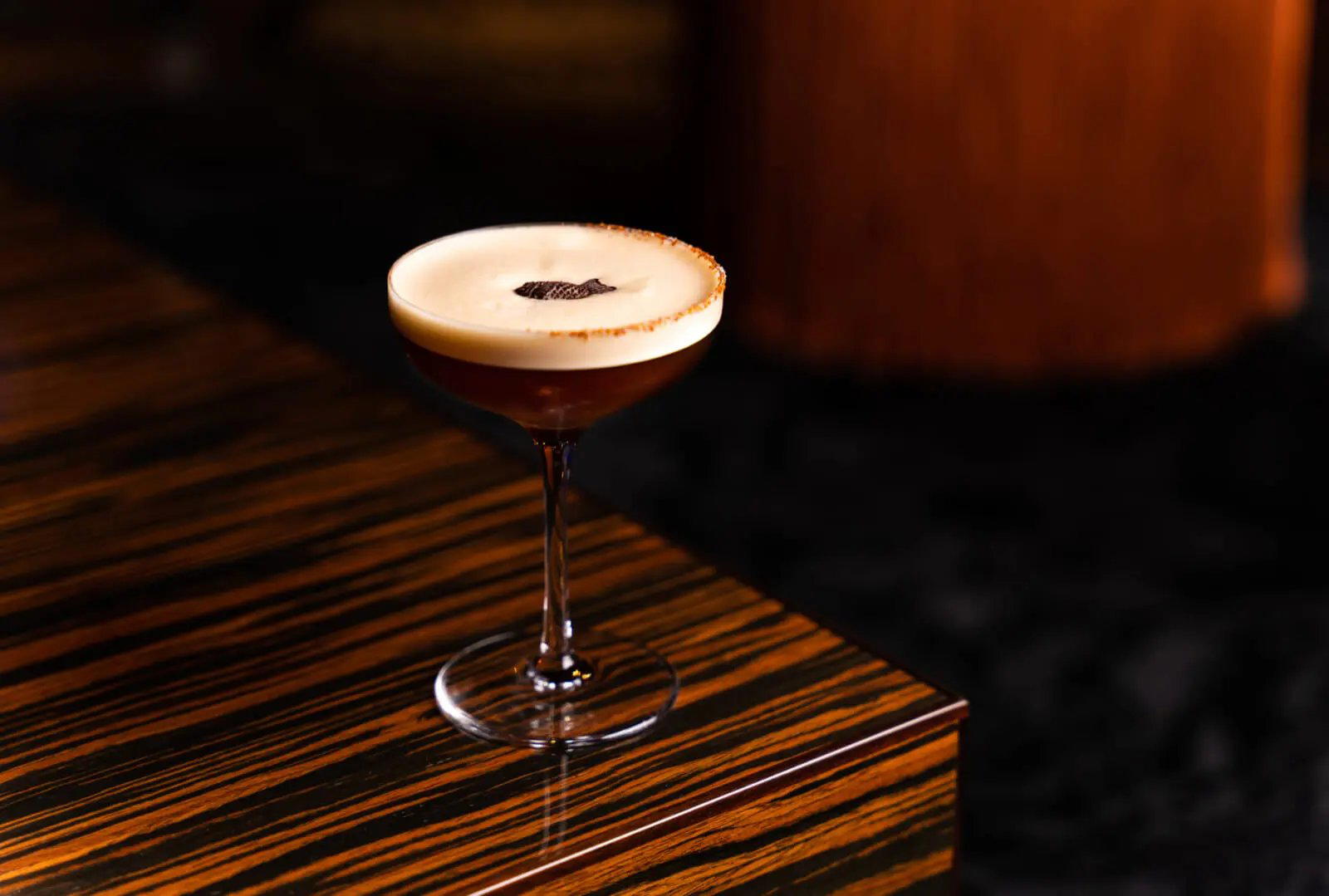
Wine is also part of the grammar here. In Tokyo’s upper beef rooms, wine service often functions as a bridge between Japanese ingredient discipline and French dining structure. The restaurant is noted for attention to wine, which places it closer to the composed Ginza steak category than to casual charcoal grill dining. It also explains why the meal reads more naturally as a long-form dinner than as a quick protein stop.
Where it fits in Ginza's expensive, reservation-led dining culture
Ginza remains Tokyo’s clearest district for polished, reservation-led dining across sushi, kaiseki, French, tempura, and beef. The neighbourhood rewards specificity. A diner choosing between Chiso Koryu, Iyuki, Ginza Kudo, Ginza Soseki, MAKIYAKI GINZA ONODERA, and a charcoal-steak room is not choosing “Japanese food” in the abstract; the decision is about formality, pacing, and the role of the main ingredient.
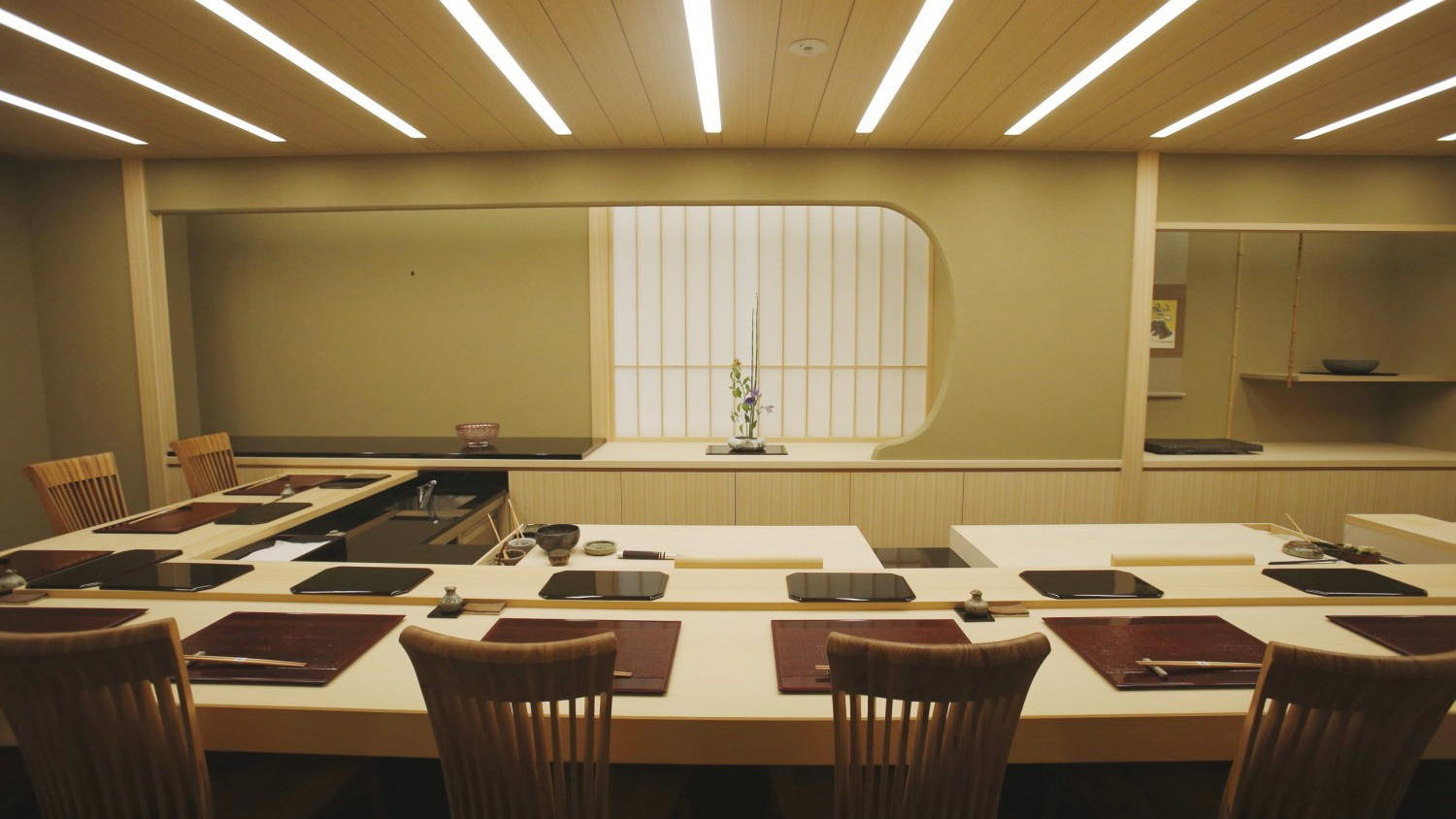
Against that field, Kobe Gyuu Rogama Sumiyaki Steak Ginza Ichimiya is the beef-led option with a compact footprint and a narrow thesis. The room has 14 seats, private-room options, and reservation-only service, so it belongs to the small-capacity side of Ginza rather than the high-turnover restaurant economy. That size also changes the stakes of the meal. Service can be choreographed around a limited number of guests, while the kitchen’s central promise remains the handling of branded wagyu over charcoal.
The Tabelog score of 3.68 should be read with local context. In Japan, Tabelog ratings cluster tightly, and scores above the mid-threes can indicate serious recognition, particularly in specialised categories. The stronger trust signal is the 2025 Tabelog 100 Steak / Teppanyaki EAST selection, reinforced by prior selections in 2024 and 2022. Those markers do not make it a Michelin-style luxury claim; they place it within a domestic, category-specific list that Japanese diners use differently from international awards.
For readers mapping a wider Tokyo itinerary, this is a useful contrast to charcoal seafood at . 鮪と炭火焼き うお炭 秋葉原店, yakitori discipline at 124. KAGURAZAKA (Yakitori), or the more casual city texture of 3 Chome no Curry Ya San and 2D Cafe. A broader night-out plan can also draw from 12/10 Shinjuku ten, then widen through Our full Tokyo restaurants guide, Our full Tokyo bars guide, Our full Tokyo hotels guide, Our full Tokyo wineries guide, and Our full Tokyo experiences guide.
The reader decision: beef fluency over steakhouse comfort
This is the kind of Ginza booking that makes sense when the purpose of dinner is to study Japanese beef through a controlled sequence. It is less persuasive for diners who want the looseness of a grill bar or the recognisable rituals of a Western steakhouse. The value proposition sits in the combination of branded wagyu sourcing, charcoal technique, small capacity, and domestic recognition.
The broader Japan comparison is useful. -Grilled beef Sukiyaki- KAMAKURA TANUKIAN 鎌倉 たぬき庵 in Kamakura points toward beef in a sukiyaki frame, while Tokyo’s Ginza model is more formal and progression-led. Outside the city, EP Club’s Japan coverage ranges from.cafe in Osaka and.know in Kumamoto to (Shoku) Vietnam in Kawasaki, [Curry Senmon Ten] Maruyama Kyoju. in Sapporo, and [ki:] in Kyoto; the contrast underlines how narrow and deliberate Ginza’s premium beef register can be. For overseas readers calibrating Japanese dining expectations from abroad, Jōdo Saké Bar in Los Angeles and Onigiri Time in Pasadena sit in a different diaspora context altogether.
The editorial recommendation is clear: choose it for a measured, beef-centred Ginza dinner where the interest lies in wagyu categories and charcoal pacing. The restaurant’s scale and Tabelog recognition give it enough substance for serious planning, while its narrow focus keeps the experience from drifting into generic luxury dining.
Comparable Spots, Quickly
Comparable venues to anchor price and recognition.
| Venue | Cuisine | Price | Notes |
|---|---|---|---|
| Kobe Gyuu Rogama Sumiyaki Steak Ginza IchimiyaThis venue — the venue you are viewing | Kobe beef rogama charcoal-grilled steak | $$$$ | Not listed |
| Morton's The Steakhouse Marunouchi | American steakhouse | $$$$ | Chiyoda |
| BLT STEAK ROPPONGI | Modern American Steakhouse | $$$$ | Minato |
| Ginza Hirayama | Binchotan-grilled A5 Wagyu steakhouse | $$$$ | Chūō |
| Wolfgang's Steakhouse Marunouchi Tokyo | Classic American Steakhouse | $$$$ | Chiyoda |
| CHACO Amemiya | Charcoal‑grilled Steakhouse | $$$ | Shibuya |
Recognition history
Dated appearances from independent guides and award organizations, with the underlying list record or original source where available.
Tabelog 100 #55 · No. 55
Tabelog · Tabelog 100 - Steak / Teppanyaki - EAST - 2025







At a Glance
- Elegant
- Quiet
- Intimate
- Sophisticated
- Modern
- Special Occasion
- Date Night
- Business Dinner
- Celebration
- Group Dining
- Private Dining
- Standalone
- Design Destination
- Extensive Wine List
- Local Sourcing
- Street Scene
Current opening hours
- Monday
- 11:30 AM–2 PM, 6–10 PM
- Tuesday
- 11:30 AM–2 PM, 6–10 PM
- Wednesday
- 11:30 AM–2 PM, 6–10 PM
- Thursday
- 11:30 AM–2 PM, 6–10 PM
- Friday
- 11:30 AM–2 PM, 6–10 PM
- Saturday
- 11:30 AM–2 PM, 6–10 PM
- Sunday
- Closed
Hours can change for holidays and private events. Last verified .
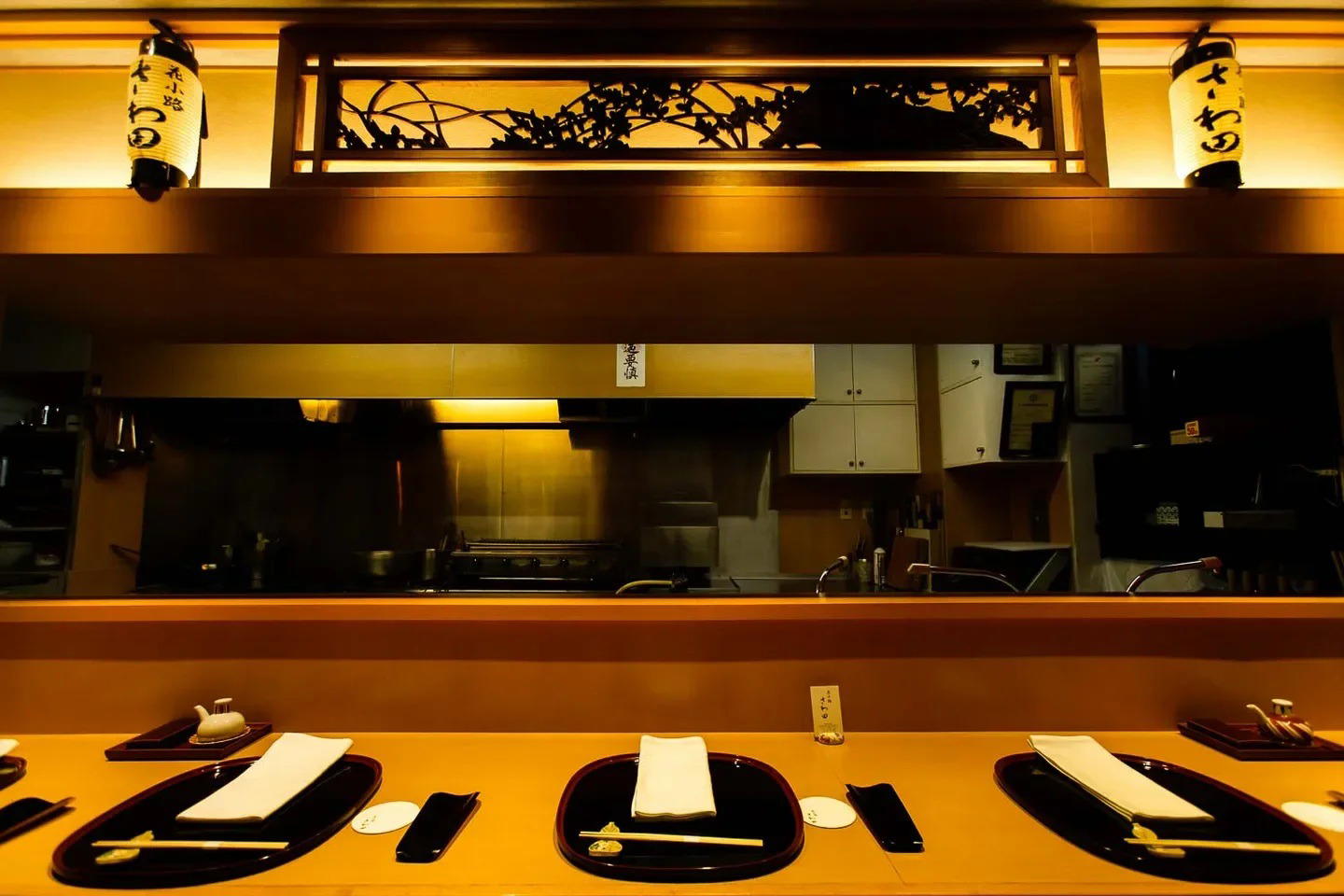
The dining room is small and quiet, with white as the main color and warm wood-grain accents creating an elegant yet relaxed atmosphere; the mood is intimate and sophisticated, suited to focused, course-style Kobe beef dining rather than a bustling steakhouse vibe.