Pauli's

Located on Salem Street in Boston's North End, Pauli's sits within among the more ingredient-rich dining corridors on the East Coast. The North End's Italian-American food tradition provides a backdrop against which a new generation of technique-forward cooking has steadily emerged, placing Pauli's in a neighbourhood where sourcing credentials and craft execution carry equal weight.
Pearl is the En Primeur Club membership app — saves, bookings, and concierge access live there. Same editors, same standards.
- Address
- 65 Salem St, Boston, MA 02113
- Phone
- +18572847064
- Website
- paulisnorthend.com
- Directions
- Get directions
 Saves & bookings on Pearl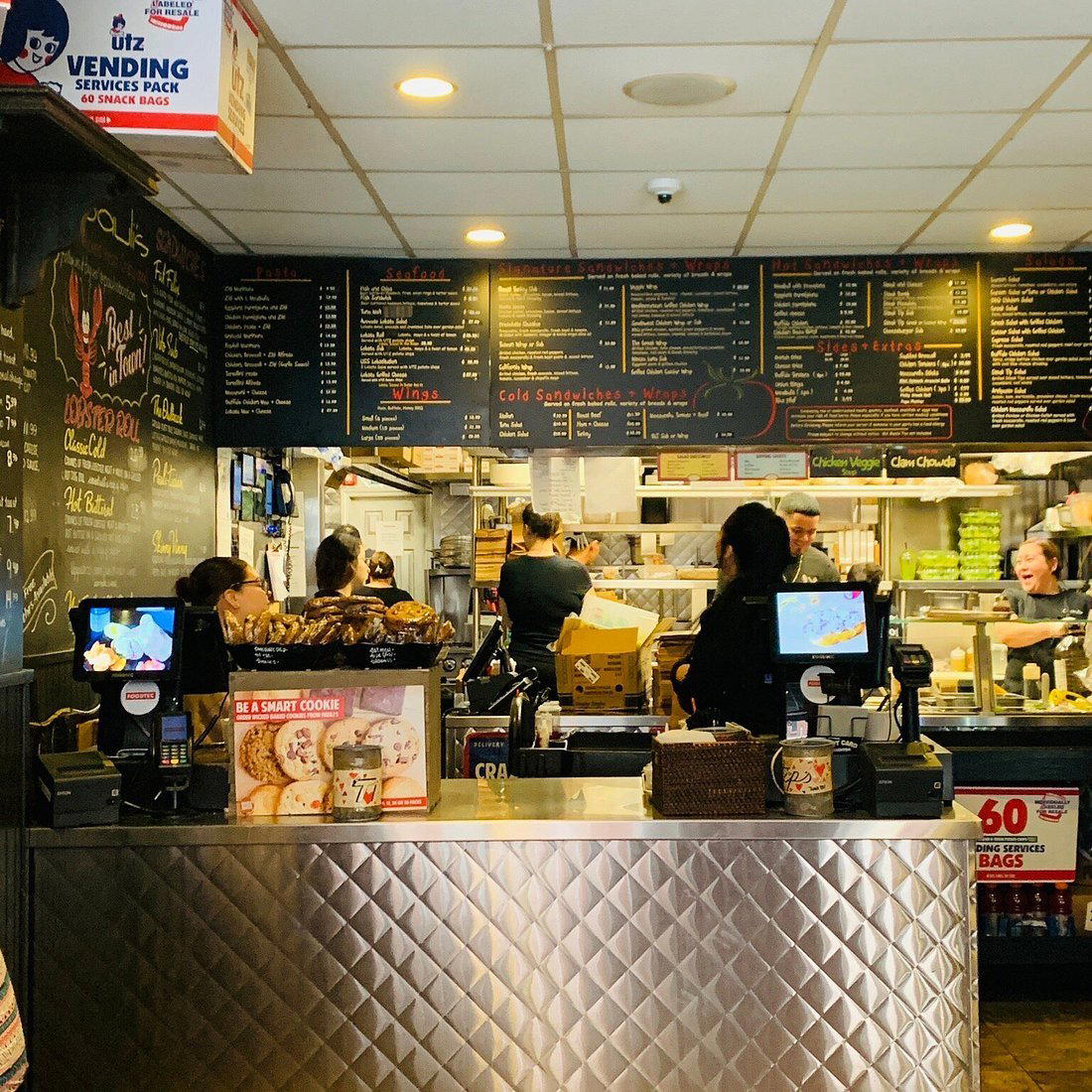
Salem Street and the North End's Evolving Food Identity
Pauli's is a fast-casual Italian sandwiches and lobster rolls restaurant at 65 Salem St in Boston's North End. What has changed is the layer of more technique-conscious cooking that has grown up alongside it. Salem Street, where Pauli's is addressed at number 65, sits at the interior of this older grid, away from the Hanover Street traffic that draws the cannoli queues.
The North End's food character is worth understanding before you arrive. It is one of the few urban American neighbourhoods where the supply chain for quality ingredients runs through the street itself: specialty importers, Italian grocers, and producers with multi-generational relationships to the area. Ingredient quality is observable and comparable. The neighbourhood holds a high baseline, which raises the bar for any venue trying to add something to it.
Where Local Sourcing Meets Imported Technique
On one side sits the classical European technique that shaped American fine dining through the second half of the twentieth century; on the other, the more recent influence of Japanese precision, Scandinavian foraging logic, and South American fermentation culture. Kitchens that work at this intersection, applying methods drawn from outside to ingredients that are fundamentally local, have produced some of the more compelling dining in the country. Pauli's address on Salem Street places it within that broader conversation, even if the specific register it operates in differs from those more formally structured formats.
Boston's position as a seafood city gives any kitchen here a particular set of raw material advantages. The Gulf of Maine, which supplies everything from dayboat cod to jonah crab and local oysters, is among the more productive cold-water fisheries accessible to an American urban kitchen. The farms of central and western Massachusetts add a further layer: heritage grain, root vegetables, and dairy with a seasonal character that rewards kitchens willing to change with it. This is the same supply geography that operations further up the prestige ladder, such as 1928 Rowes Wharf, have built reputations around. A kitchen on Salem Street sits closer to the neighbourhood provisioner end of that spectrum, which in the North End means access rather than distance.
Dining Context
Within Boston's broader dining map, the North End occupies a specific niche: it is not the city's fine-dining quarter (that gravitational pull sits more toward Back Bay and the waterfront), but it is the city's most concentrated expression of food as everyday culture. Visitors arriving from cities with more developed omakase or modernist tasting-menu scenes, coming from a meal at 311 Omakase or looking for a contrast to a steakhouse dinner at Abe and Louie's, will find the North End operating at a different frequency. It is with the neighbourhood's own internal standard: the question of whether a place earns its place on a street that has been feeding Bostonians seriously for over a century.
That standard is worth keeping in mind when thinking about how the restaurant compares to peers in different registers. Venues like Lazy Bear in San Francisco, Blue Hill at Stone Barns in Tarrytown, or Single Thread Farm in Healdsburg have built their identities around a similar local-ingredient-plus-technique logic, but at a price point and formality level that places them in a different tier entirely. The neighbourhood setting creates a practical, everyday standard.
Planning Your Visit
Salem Street runs through the heart of the North End and is walkable from several MBTA Green and Orange Line stops, with Haymarket being the closest for those arriving from downtown. The neighbourhood is compact enough that a visit to the restaurant fits naturally into a broader North End evening, whether that means starting on Hanover Street or finishing in one of the area's longer-standing pastry shops. Parking in the North End is limited and street spots are rarely available during dinner hours; arriving by transit or on foot is the practical choice.
At the more ambitious end of the American farm-to-technique spectrum, The French Laundry in Napa, Addison in San Diego, and The Inn at Little Washington each show how far that logic can be pushed under tasting-menu conditions. Emeril's in New Orleans and 8½ Otto e Mezzo Bombana in Hong Kong represent the same local-ingredient-plus-classical-technique equation applied in different cultural contexts.
Cost Snapshot
Comparable venues nearby, for context on price, style, and recognition.
| Venue | Cuisine | Price | Notes |
|---|---|---|---|
| Pauli'sThis venue — the venue you are viewing | Not listed | $$ | Not listed |
| Antico Forno | Not listed | $$ | North End, Authentic Southern Italian with Wood-Fired Brick Oven Pizza |
| CeCarré Pizza & Provisions | Prudential, Pizza & Provisions | $$ | Not listed |
| Joia | Downtown, Modern Italian | $$ | Not listed |
| Bacco | Not listed | $$$ | North End, Contemporary Italian Trattoria |
| Little Sage | North End, Modern Italian Bistro | $$$ | Not listed |
Recognition history
Dated appearances from independent guides and award organizations, with the underlying list record or original source where available.
Diners, Drive-Ins and Dives Featured Restaurant
Diners, Drive-Ins and Dives · 2026 Diners, Drive-Ins and Dives Featured Restaurants
Continue exploring
More in Boston
Restaurants in Boston
Browse all →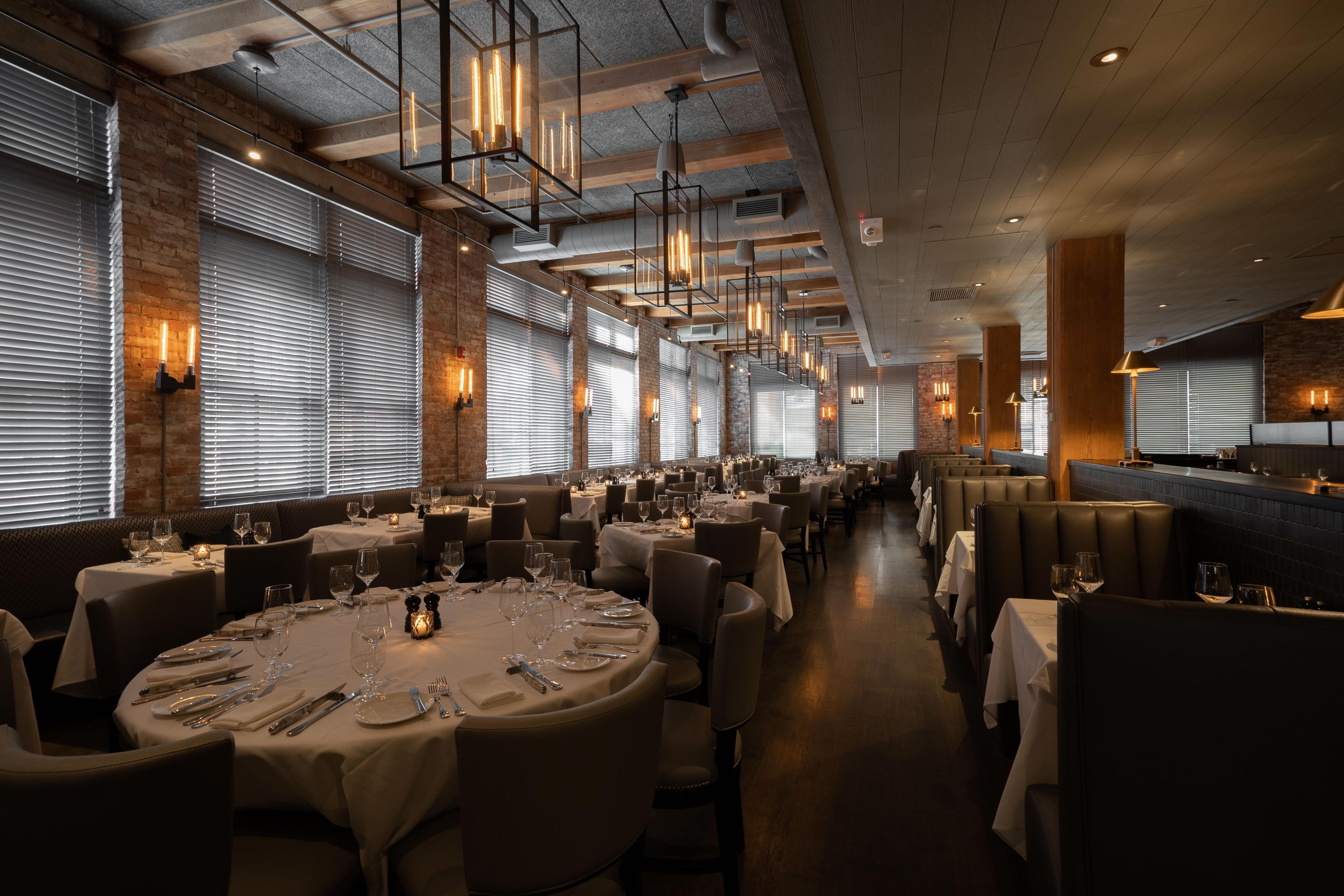
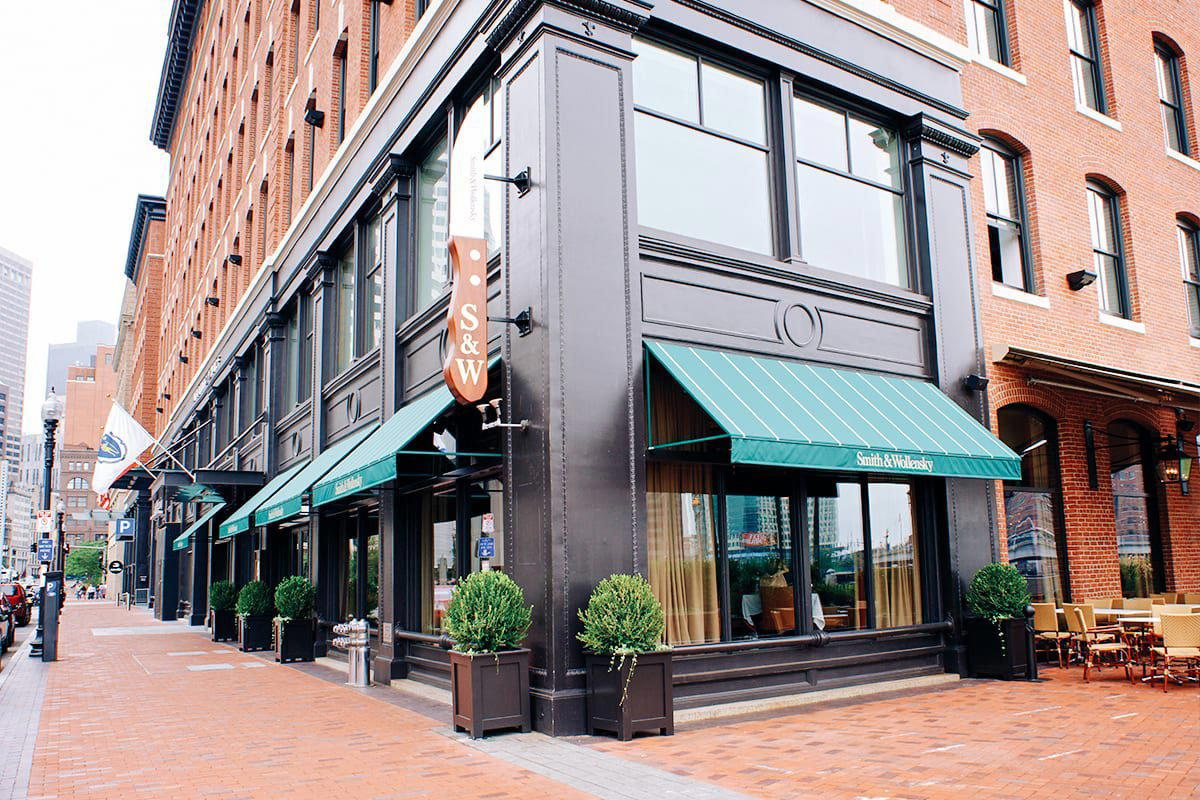
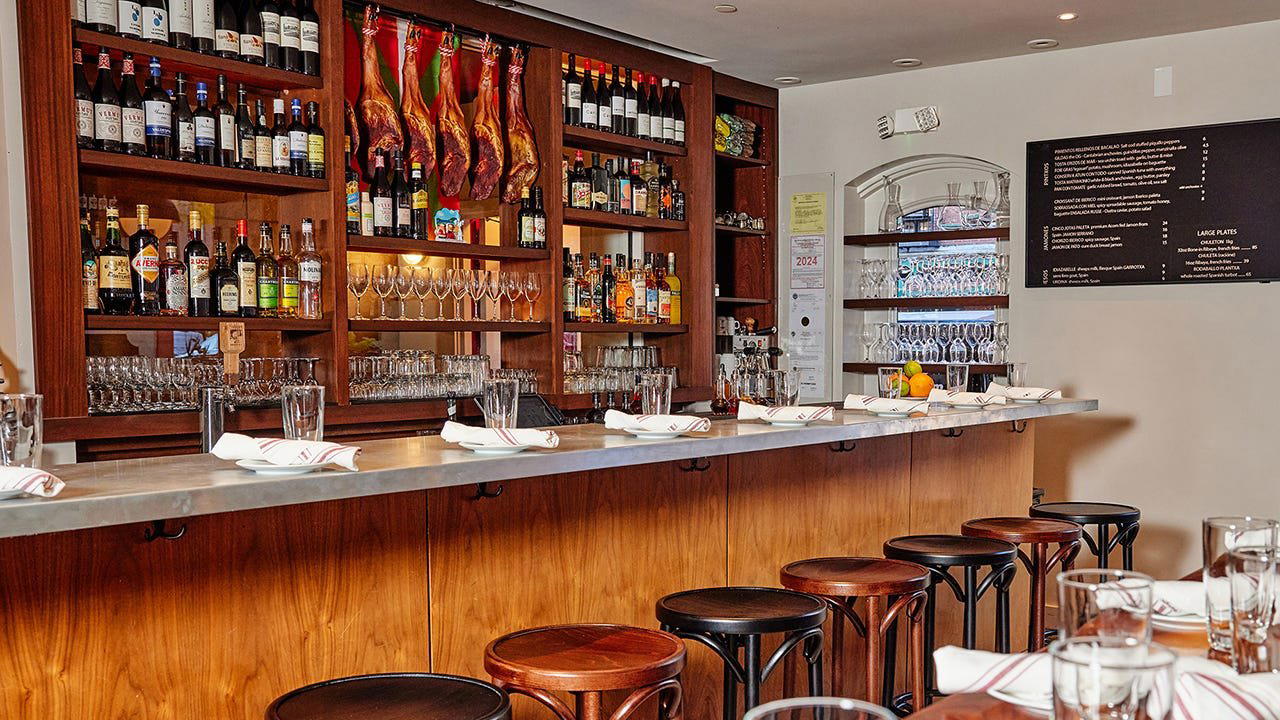
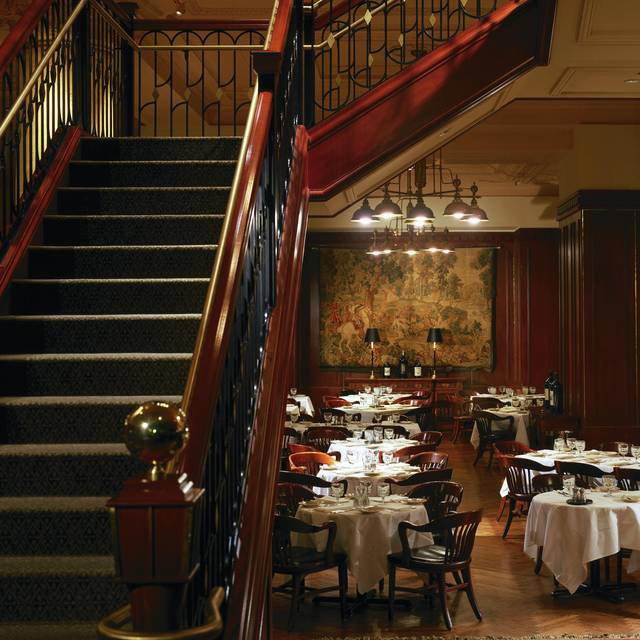
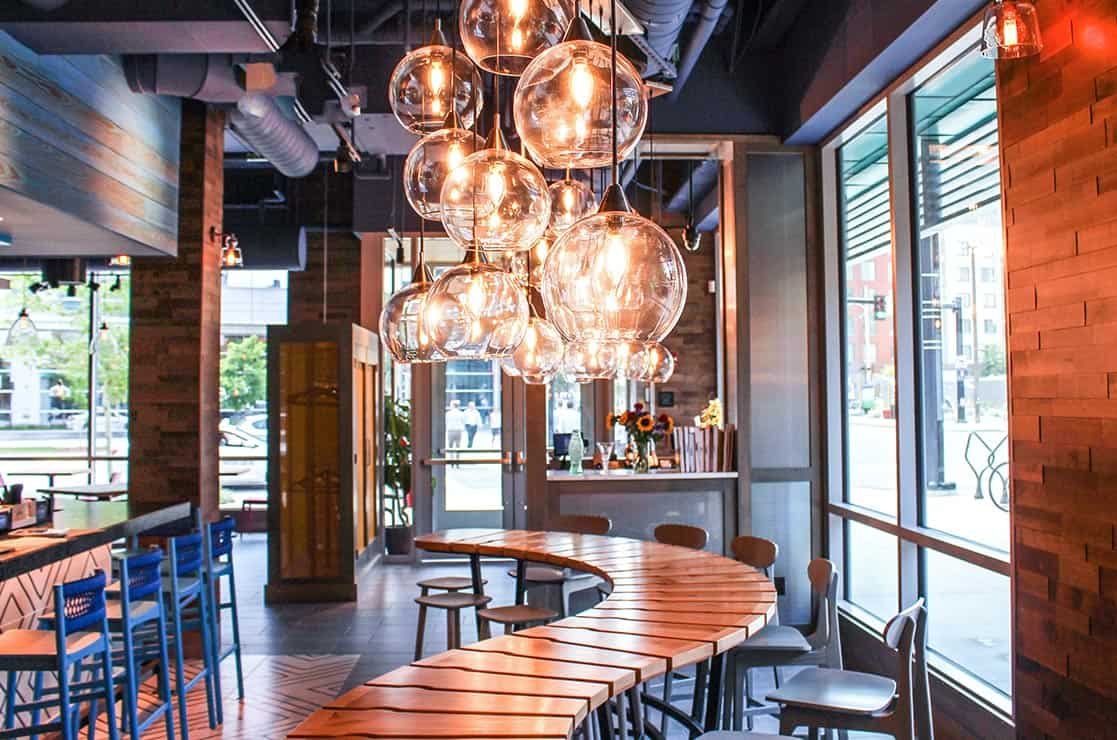
Bars in Boston
Browse all →
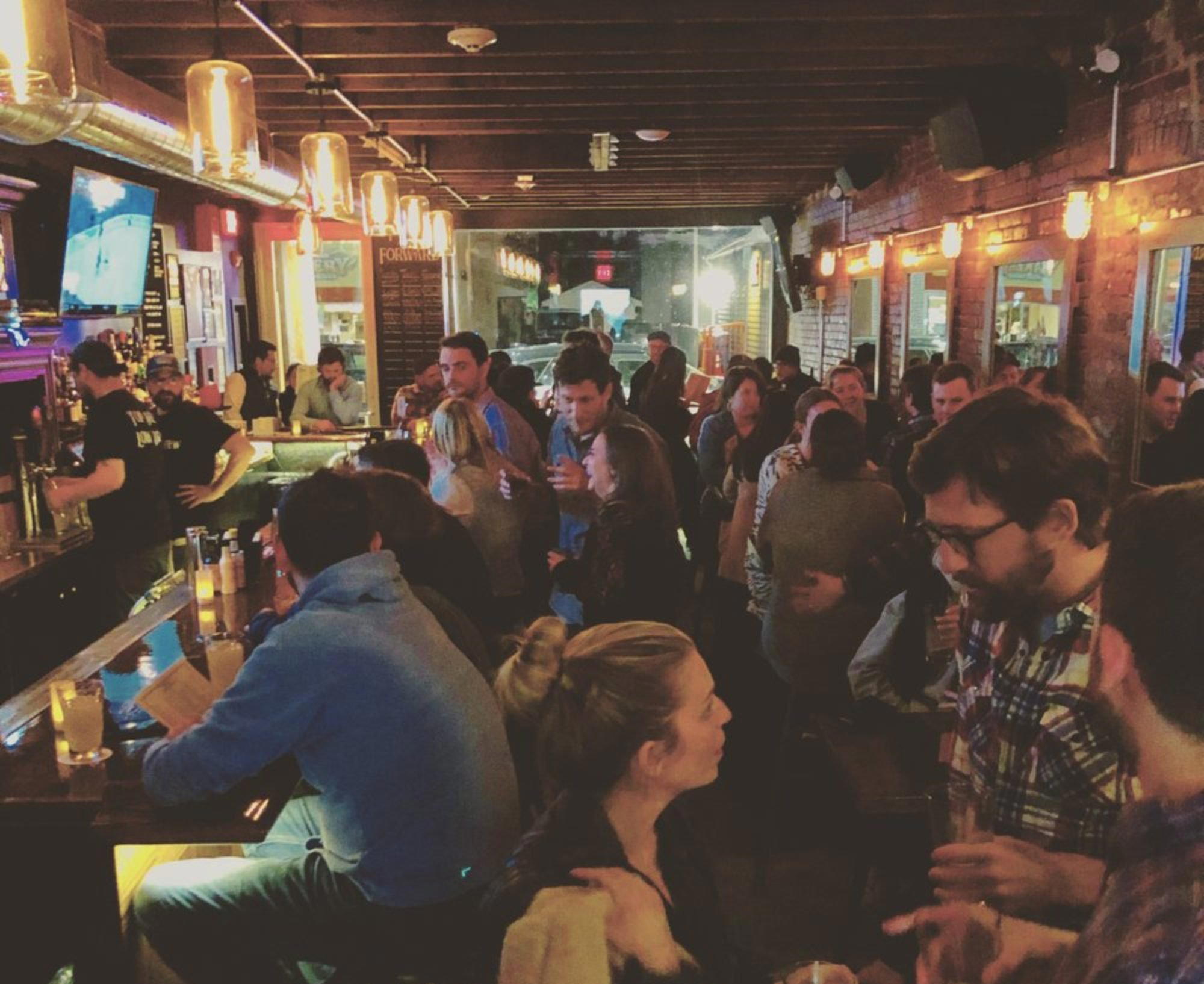
Hotels in Boston
Browse all →
Wineries in Boston
Browse all →
At a Glance
- Lively
- Trendy
- Casual Hangout
Current opening hours
- Monday
- 8 AM–9 PM
- Tuesday
- 8 AM–9 PM
- Wednesday
- 8 AM–9 PM
- Thursday
- 8 AM–9 PM
- Friday
- 8 AM–9 PM
- Saturday
- 10 AM–9 PM
- Sunday
- 10 AM–5 PM
Hours can change for holidays and private events. Last verified .
Casual fast-casual atmosphere with focus on fresh, quick service in a bustling North End setting.