Smith & Wollensky


Star Wine List · Wine Spectator Best of Award of Excellence
Our verdict
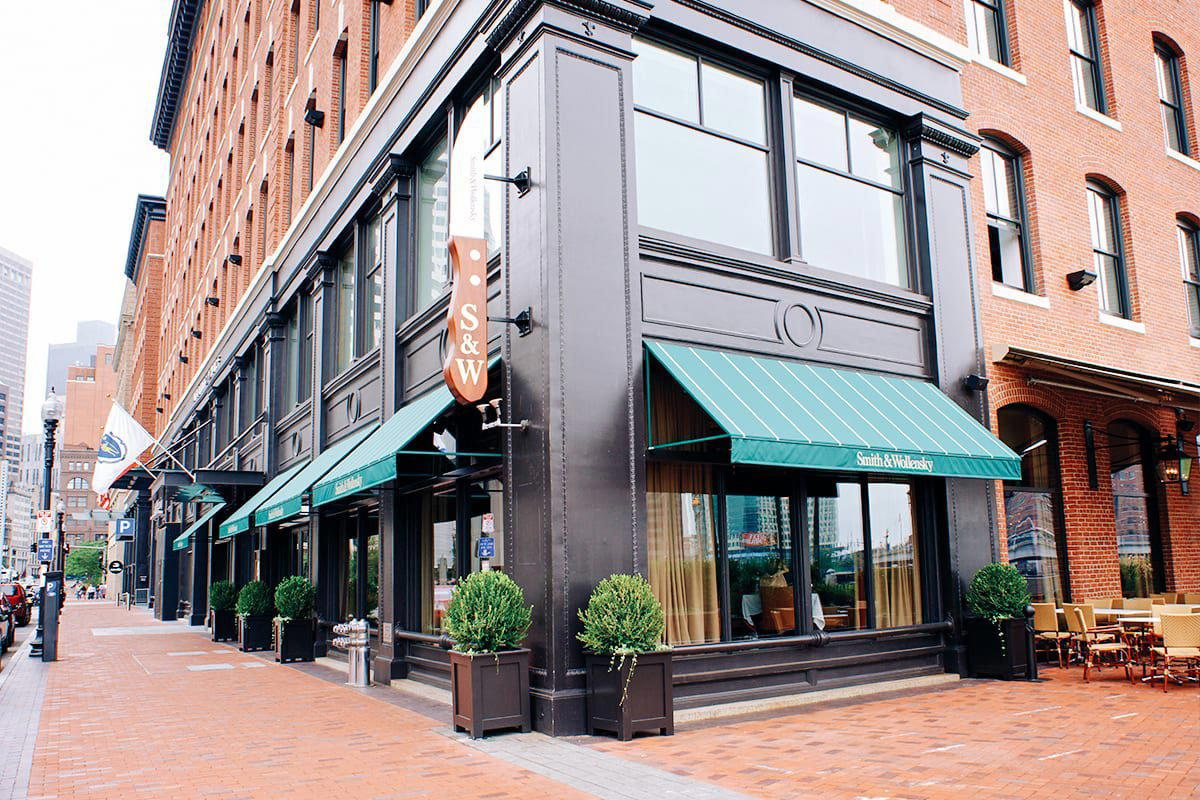
Smith & Wollensky's Boston outpost on Atlantic Wharf brings the national steakhouse group's dry-aged beef program and deep wine inventory to a waterfront setting along the Congress Street corridor. With a 3,000-bottle cellar weighted toward California and France, a wine list recognised by Star Wine List, and a kitchen under Chef Brian Doyle, it occupies the upper tier of Boston's expense-account steakhouse category.

Pearl is the En Primeur Club membership app — saves, bookings, and concierge access live there. Same editors, same standards.
- Address
- Atlantic Wharf, 294 Congress St, Boston, MA 02210
- Phone
- (617) 778-2200
- Hours
- Mon–Thu 11:30 AM–10 PMFri–Sat 11:30 AM–11 PMSun 11:30 AM–10 PM
- Website
- smithandwollensky.com
- Directions
- Get directions
The menu
What to order
- Swinging Tomahawk
- Wagyu Ribeye
- Filet Mignon
- Surf & Turf for Two
- Signature Seafood Tower
Waterfront Weight: Boston's Steakhouse Tier at Atlantic Wharf
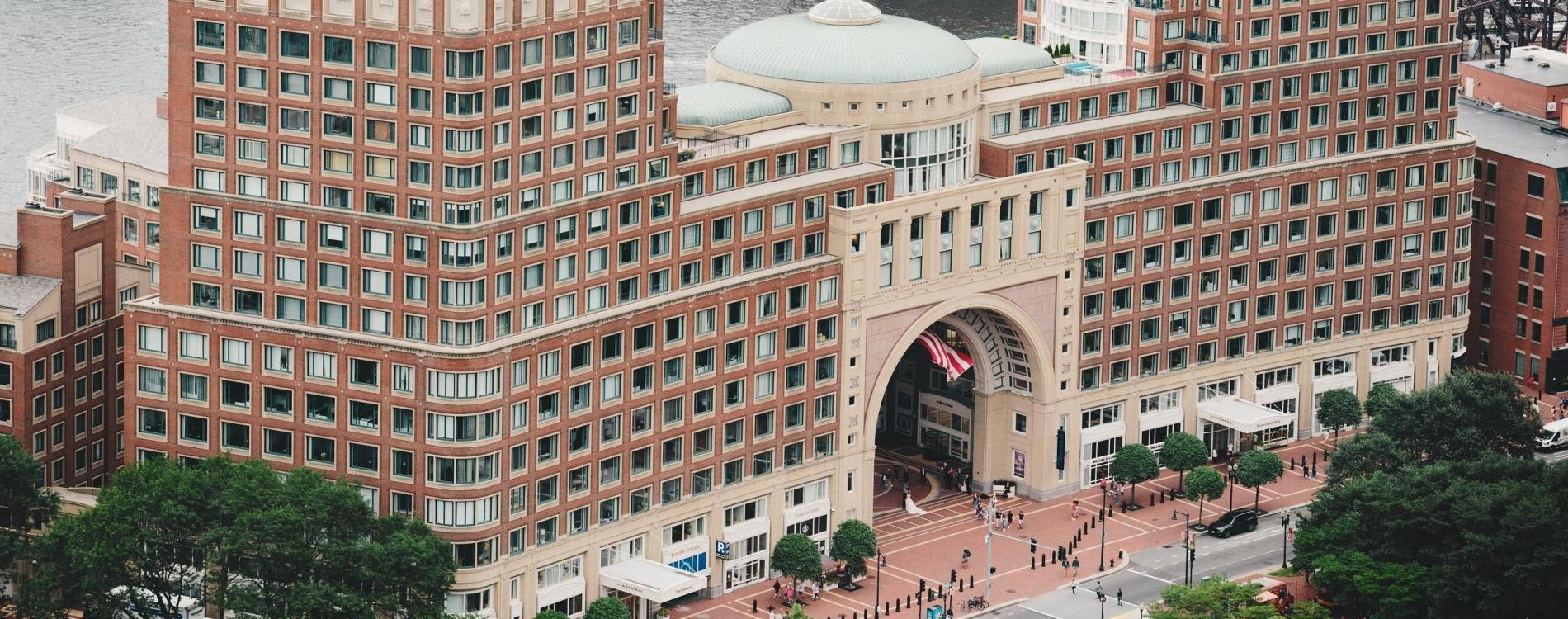
The stretch of Congress Street that runs along Atlantic Wharf has become one of Boston's more considered dining addresses, where the harbour view arrives as a structural given rather than a novelty add-on. The steakhouse format fits this part of the city with some logic: the Seaport and Fort Point corridor attracts a clientele for whom a serious beef program and a well-stocked cellar are functional requirements, not aspirational ones. Smith & Wollensky operates in that register. The room's relationship to the water means you arrive with a sense of occasion already established before you've ordered anything, and the format — long-standing, nationally recognised, priced at the top of the Boston steakhouse bracket — does nothing to undercut it.
Among Boston's steakhouse options, the category splits roughly into two camps: independents with local identity and national brands that carry a consistent dry-aging and wine program across properties. Smith & Wollensky belongs firmly to the latter, which means the kitchen works within a documented sourcing and preparation framework, and the wine program is maintained to a standard that has attracted outside recognition.
The Sourcing Logic Behind a Dry-Aged Program
The central argument of any serious steakhouse is a beef sourcing and aging program, and the national Smith & Wollensky operation has built its identity around dry-aged USDA Prime cuts, a specification that places it in a narrower tier than restaurants that serve wet-aged or choice-grade beef. Dry aging at this level requires dedicated cold storage, precise humidity and airflow control, and a commitment to yield loss that makes the economics work only at premium price points. The $$$-tier cuisine pricing reflects that overhead directly.
This matters beyond the plate itself. In a city where the seafood tradition runs deep, where places like Neptune Oyster have defined what a raw bar can be, and where Ostra has made a case for the seafood grill format, the steakhouse occupies a different protein argument entirely. It is a deliberate counterpoint: the case for land over sea, for time (weeks of aging) over immediacy, for controlled environment over terroir in the oceanic sense. Chef Brian Doyle's kitchen operates within that framework, and the discipline of the format is the discipline of the sourcing chain as much as the technique.
For anyone tracking where restaurant sourcing philosophy connects to the broader farm-to-table conversation in American dining, the steakhouse dry-aging model is worth understanding on its own terms. It predates the contemporary sourcing movement by decades and represents a different kind of ingredient custodianship, one defined by time management and cold storage rather than proximity to farm or harvest date. Nationally, this conversation appears at places like Single Thread Farm in Healdsburg, where sourcing is the editorial premise of every menu. The steakhouse equivalent is less narrated but no less deliberate.
A Wine Program Built for the Format
The Star Wine List White Star recognition, published in July 2022, positions the wine program at Smith & Wollensky Boston within a curated set of recognised lists in the city. The cellar runs to approximately 3,000 bottles across 250 selections, with documented strength in California and France, the two regions that have historically anchored American steakhouse wine culture, and for good reason. California Cabernet Sauvignon from Napa and its surrounding appellations is a structural match for dry-aged beef in a way that is about texture and tannin integration as much as preference. French selections, particularly from Bordeaux and Burgundy, extend the list into older-world structural complexity.
Wine Director Alec Bruggenthies oversees a program priced at the upper tier, with the $$$ wine pricing indicating a list oriented around $100-plus bottles. That positioning aligns the wine offer with the cuisine price point and the general expectation of the format. Steakhouse wine programs in this bracket work leading when the depth of the list, particularly in aged California Cabernet, gives the diner access to bottles with some secondary development, a consideration that a 3,000-bottle inventory makes structurally possible in ways that smaller operations cannot support.
For context on what recognised wine programs look like across different dining formats in the city, the steakhouse model here contrasts with the more eclectic and smaller-production focus you find at places like Bar Mezzana or the ingredient-driven wine approach at Asta. Each approach reflects its kitchen's sourcing philosophy; the steakhouse cellar is built to flatter a specific protein category over a long range of vintages.
Positioning in Boston's Premium Dining Map
Boston's higher-end restaurant scene has broadened considerably over the past decade, with the omakase format gaining traction at venues like 311 Omakase, and Japanese technique appearing across multiple price brackets. The steakhouse format has not evolved in the same way, and that consistency is part of its value proposition. Guests arriving at Smith & Wollensky are not anticipating a surprise tasting menu or a format experiment. They are purchasing a known quantity: dry-aged Prime beef, a serious cellar, and a room with the Atlantic Wharf setting as its physical anchor.
Lunch and dinner service means the venue functions across business meal occasions as well as the more standard evening dining set. The $$$ pricing across both food and wine anchors it at the top of the casual-formal spectrum, below the prix-fixe only tier represented nationally by something like The French Laundry or Alinea, but comfortably above the mid-market steakhouse category. Among Boston's Italian-adjacent dining options, Bar Volpe represents a different register entirely, which illustrates how varied the upper-mid to premium tier has become in the city. For a broader read on where Smith & Wollensky fits within the full range of options, the full Boston restaurants guide provides the most complete competitive picture.
General Manager Stephen Gledhill oversees operations at the Atlantic Wharf address. The Congress Street location at 294 Congress St is accessible from the South Station transit hub, which makes it a practical choice for visitors arriving by rail. For those building a wider Boston itinerary beyond dining alone, the Boston hotels guide, Boston bars guide, and Boston experiences guide provide context for the surrounding area, while the Boston wineries guide is relevant for anyone pursuing the wine angle beyond the restaurant itself.
Frequently asked questions
What's the must-try dish at Smith & Wollensky?
Should I book Smith & Wollensky in advance?
What do critics highlight about Smith & Wollensky?
At-a-Glance Comparison
| Venue | Cuisine | Price | Awards | Notes |
|---|---|---|---|---|
| Smith & WollenskyThis venue — the venue you are viewing | Classic American Steakhouse | $150–200 | Star Wine List · Wine Spectator Best of Award of Excellence | Not listed |
| La Brasa | Global Grill with Mexican & Mediterranean Influences | $50–100 | Not listed | Mexican |
| Neptune Oyster | Modern New England Seafood Oyster Bar | $50–100 | Michelin Plate | Raw Bar-Seafood |
| O Ya | Modern Japanese Omakase | $200–300 | James Beard Award Semi Finalist | Japanese |
| Oishii Boston | Modern Creative Japanese Sushi | $100–150 | Wine Spectator Award of Excellence | Sushi |
| Ostra | Mediterranean Seafood | $100–150 | James Beard Award Semi Finalist · Wine Spectator Award of Excellence | Seafood Grill |
Recognition history
Dated appearances from independent guides and award organizations, with the underlying list record or original source where available.
Star Wine List
Star Wine List
Wine Spectator Best of Award of Excellence
Wine Spectator
Full recognition history (3 entries)
Wine Spectator Award of Excellence
Wine Spectator
Continue exploring
More in Boston
Restaurants in Boston
Browse all →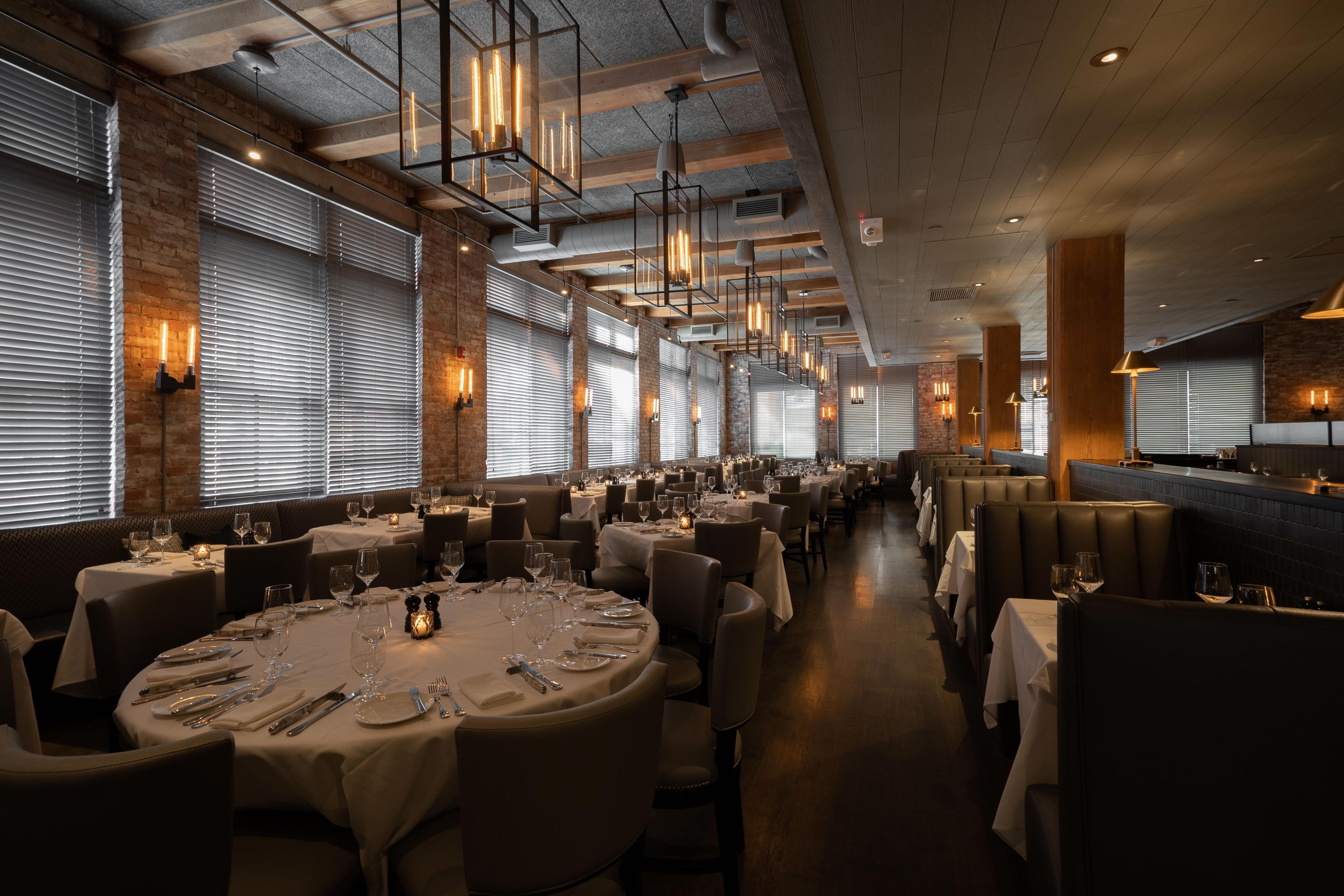
Bars in Boston
Browse all →
Hotels in Boston
Browse all →
Wineries in Boston
Browse all →
Details
- Elegant
- Classic
- Sophisticated
- Scenic
- Business Dinner
- Date Night
- Celebration
- Special Occasion
- Group Dining
- Waterfront
- Open Kitchen
- Private Dining
- Historic Building
- Panoramic View
- Extensive Wine List
- Craft Cocktails
- Sustainable Seafood
- Waterfront
- A La Carte
- Prix Fixe
- Wine
- Cocktails
- Gluten Free Options
Current opening hours
- Monday
- 11:30 AM–10 PM
- Tuesday
- 11:30 AM–10 PM
- Wednesday
- 11:30 AM–10 PM
- Thursday
- 11:30 AM–10 PM
- Friday
- 11:30 AM–11 PM
- Saturday
- 11:30 AM–11 PM
- Sunday
- 11:30 AM–10 PM
Hours can change for holidays and private events. Last verified .
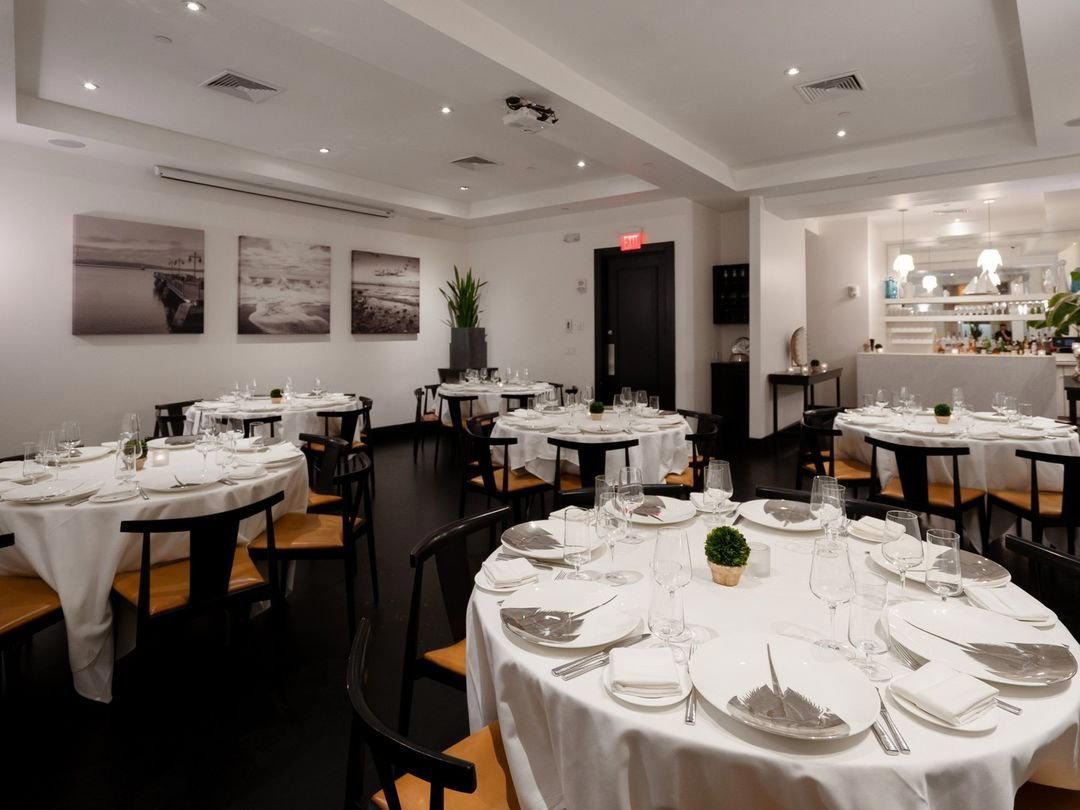
Warm and elegant dining room with lush wood and leather accents creating a cozy retreat; waterfront patio offers scenic views; can become noisy during weekend evenings and private events.