Antico Forno
Our verdict
"Pizza Favorite in the North End Brick oven classics come out of the kitchen in this North End mainstay. The traditional beehive shaped, wood burning oven makes great thin crusted pizza with all the traditional toppings. Mushroom and artichoke just happens to be my favorite. Fresh ingredients, good sized portions and Mom and Pop atmosphere keep this busy place on a short list of Italian family favorites. They also have gluten free pasta by request."

Pearl is the En Primeur Club membership app, where members save venues, book tables and use the concierge.

The menu
What to order
- Linguine con Vongole
- Rigatoni alla Boscaiola
- Brick Oven Pizza
- Saltimbocca di Pollo
Salem Street and the Weight of the Wood-Fired Oven
Walk north along Salem Street into the heart of the North End and the air changes before the address does. The smell of wood smoke, yeast, and charred crust drifts out at pavement level, the kind of signal that belongs to a neighborhood bakery tradition running well over a century in this quarter. Antico Forno, at 93 Salem Street, sits inside that tradition rather than alongside it. The room is tight, the ceilings low, the oven visible and central. This is not a setting constructed for atmosphere; the atmosphere is a byproduct of function.
The North End is Boston's oldest continuously inhabited neighborhood, and its Italian-American dining culture operates on different logic than the tasting-menu tier represented elsewhere in the city by venues like Agosto or the omakase counter format at 311 Omakase. Here, the competitive set is narrower and more neighborhood-specific: trattorias and pizzerias that have been feeding the same streets for generations, where the measure of quality is consistency rather than innovation.
What the Oven Dictates
Wood-fired cooking at the level Antico Forno practices it is not a stylistic choice so much as a sourcing and timing discipline. The oven sets the temperature ceiling, and everything that enters it must work within that range or fail. That constraint pushes the kitchen toward ingredients that respond well to high, dry heat: dough with enough hydration to develop a blistered crust without drying through, cheeses that melt at the right pace, toppings that concentrate rather than weep. The result is a menu shaped less by the chef's preferences than by what the oven will and won't accept.
In American pizza culture, wood-fired Neapolitan-style cooking split some years ago into two directions: the high-volume, VPN-certified purist operations that adhere rigidly to Associazione Verace Pizza Napoletana flour and tomato specifications, and the looser neighborhood-style wood-fired ovens that draw on Italian-American tradition without doctrinal constraint. The North End has historically favored the latter, and Antico Forno belongs to that lineage. The sourcing question matters here because the North End's relationship with Italian imports, from San Marzano tomatoes to imported flour and aged cheeses, predates the modern farm-to-table framing by decades. The neighborhood's wholesale importers and specialty grocers have fed its restaurant kitchens long before ingredient provenance became a marketing category.
Across the broader American dining conversation, the sourcing-first approach has become the organizing principle at venues like Single Thread Farm in Healdsburg and Blue Hill at Stone Barns in Tarrytown, where the supply chain is the editorial point. At a neighborhood trattoria on Salem Street, the sourcing argument is quieter but structurally similar: the quality of what goes into the oven determines what comes out, and the North End's access to imported Italian staples gives these kitchens a consistent baseline that suburban Italian-American restaurants rarely match.
The North End in Context
Boston's dining geography has grown more diverse at the top tier, with the harbor-facing waterfront anchored by venues like 1928 Rowes Wharf and 75 on Liberty Wharf, and the steakhouse tier represented by Abe and Louie's. The North End sits apart from all of this: it is the one neighborhood where the dining identity is defined by a specific immigrant culinary tradition rather than by format or price tier. Salem Street and Hanover Street together form one of the most concentrated blocks of Italian-American restaurants in the northeastern United States, and within that block, Antico Forno occupies the wood-fired, hearth-cooking position that the neighborhood's visitors tend to seek out first.
The comparison that frames Antico Forno most accurately is not with Boston's fine-dining tier but with the role that similar neighborhood anchors play in other American cities. The casual but serious Italian-American trattoria occupies a different cultural position than, say, the technically rigorous tasting menus at Smyth in Chicago or the seafood-focused precision of Providence in Los Angeles. Both traditions matter; they answer different questions. On Salem Street, the question is: what does a neighborhood oven, fed with the right ingredients, produce when it runs at full heat?
What to Order and When to Go
The practical case for Antico Forno rests on the pizza and the baked pastas, which are the categories most directly shaped by the wood-fired oven's output. The North End is walkable from the Haymarket MBTA station (Green and Orange lines), and Salem Street itself is a short walk from the Hanover Street corridor. The neighborhood draws significant weekend foot traffic, particularly during summer months when Boston's tourist volume is at its peak, and Salem Street restaurants fill early on Friday and Saturday evenings. Arriving before 6:30 p.m. or later than 8:30 p.m. gives better odds of a table without a long wait. The room's capacity is modest, which is common across the North End's older trattoria stock, and the format is not designed for extended multi-course dining in the manner of Boston's tasting-menu venues.
For visitors building a broader Boston itinerary, the EP Club Boston restaurants guide maps the full range of dining formats across the city's neighborhoods. The North End's Italian-American tradition is one strand in a city that now includes raw bar specialists like Neptune Oyster a few blocks away, Japanese-leaning counters, and the Turkish-inflected kitchen at Sarma across the river in Somerville.
Frequently asked questions
Where is Antico Forno in Boston?
Antico Forno is located at 93 Salem St, Boston, MA 02113, Boston.
How does Antico Forno compare to other North End Italian restaurants in Boston?
The North End holds the densest concentration of Italian restaurants in Boston, but few kitchens on Salem Street center their identity as explicitly around the wood-fired oven as Antico Forno does. Where many neighbors in the neighborhood lean on red-sauce tradition, Antico Forno's kitchen is organized around a live-fire discipline that affects sourcing, timing, and menu structure in concrete ways.
What should I order at Antico Forno?
The pizza and baked pastas are the strongest argument for the visit, both are shaped directly by the wood-fired oven that anchors the kitchen on Salem Street. These are the categories where the cooking format makes the most measurable difference, and where regular visitors tend to anchor their orders.
Should I book Antico Forno in advance?
The North End draws consistent foot traffic year-round, and Salem Street in particular moves quickly on weekends and in summer. Booking ahead is advisable if you have a fixed time in mind, particularly for dinner service on Friday and Saturday.
What's the signature at Antico Forno?
The wood-fired oven is the defining piece of equipment and the organizing principle of the menu. It shapes the crust on the pizzas and the texture of the baked pastas in ways a conventional oven cannot replicate, which is the reason the kitchen centers its output around those two categories.
Can Antico Forno handle vegetarian requests?
Italian wood-fired cooking at this format, focused on dough, cheese, vegetables, and baked pasta, lends itself naturally to meatless options. Vegetarian diners eating along Salem Street in the North End will find the format accommodating, though specific menu composition should be confirmed directly with the restaurant.
Quick Comparison
Comparable options at a glance, pulled from our tracked venues.
| Venue | Cuisine | Price | Awards | Notes |
|---|---|---|---|---|
| Antico FornoThis venue (the venue you are viewing) | Authentic Southern Italian with Wood-Fired Brick Oven Pizza | $20–30 | Not listed | Not listed |
| Neptune Oyster | Modern New England Seafood Oyster Bar | $50–100 | Michelin Plate | Raw Bar-Seafood |
| O Ya | Modern Japanese Omakase | $200–300 | James Beard Award Semi Finalist | Japanese |
| Sarma | Modern Mediterranean Meyhane | $100–150 | James Beard Award Semi Finalist | Turkish |
| La Brasa | Global Grill with Mexican & Mediterranean Influences | $50–100 | Not listed | Mexican |
| Sam LaGrassa’s | Classic New York-Style Deli Sandwiches | $20–30 | Diners, Drive-Ins and Dives Featured Restaurant | Sandwiches |
Continue exploring
More in Boston
Restaurants in Boston
All restaurants in Boston →
Bars in Boston
All bars in Boston →

Details
- Cozy
- Classic
- Lively
- Rustic
- Casual Hangout
- Family
- Group Dining
- Open Kitchen
- Standalone
- Beer Program
- A La Carte
- Wine
- Beer
- Vegetarian Friendly
Current opening hours
- Monday
- 11:30 AM–10 PM
- Tuesday
- 11:30 AM–10:30 PM
- Wednesday
- 11:30 AM–10:30 PM
- Thursday
- 11:30 AM–10:30 PM
- Friday
- 11:30 AM–11 PM
- Saturday
- 11:30 AM–11 PM
- Sunday
- 11:30 AM–10:30 PM
Hours can change for holidays and private events. Hours as of .
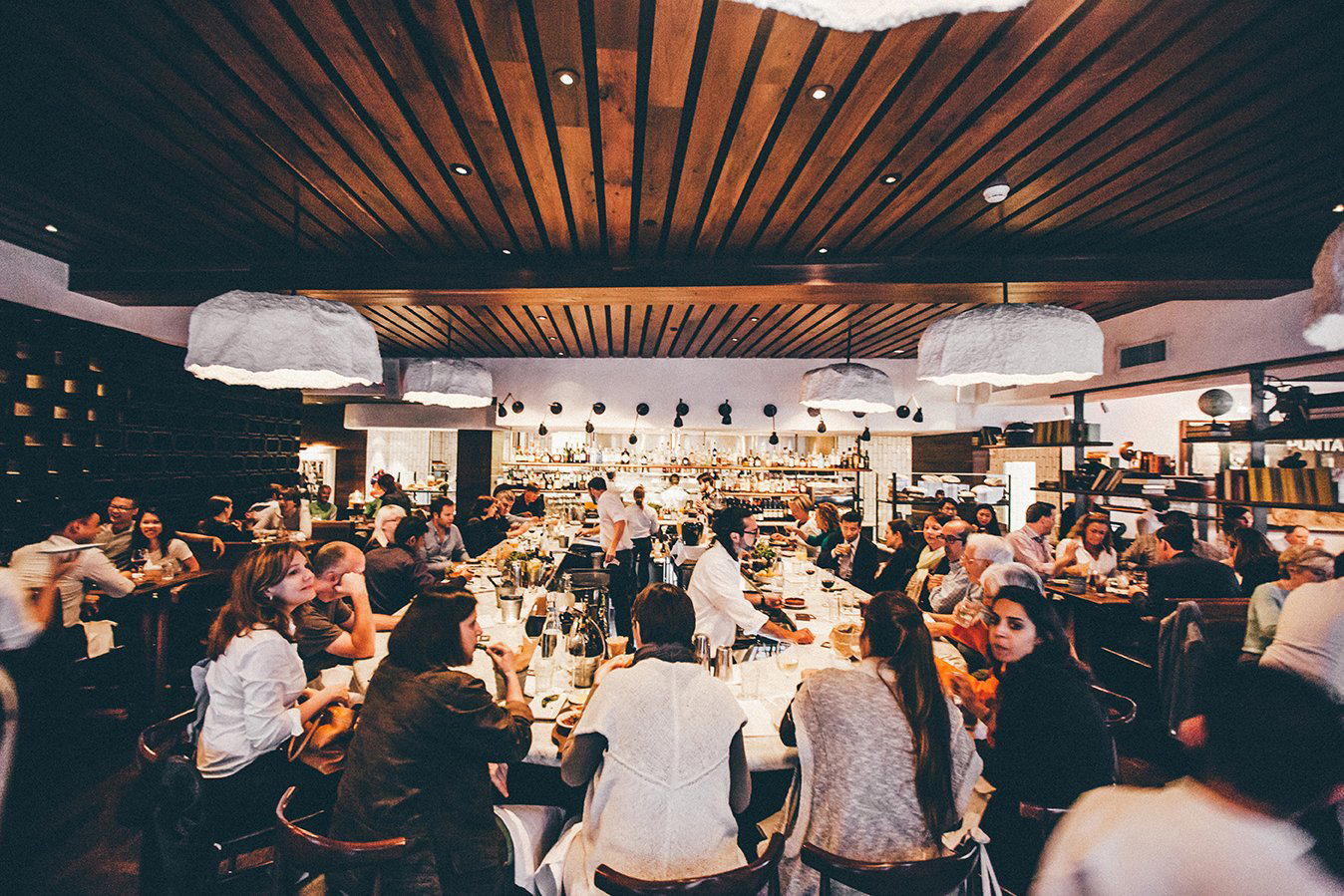
Warm, welcoming mom-and-pop atmosphere with a cozy neighborhood feel and lively energy typical of a traditional Italian trattoria.