CeCarré Pizza & Provisions
Our verdict
CeCarré Pizza & Provisions brings Roman-style pizza to Boston, a format that sits apart from the city's dominant Neapolitan and New York slice traditions. The menu architecture centers on al taglio-style pies sold by the cut alongside provisions, a structure that rewards grazing over single-dish ordering. It occupies a specific and underserved niche in the Boston casual-dining scene.

Pearl is the En Primeur Club membership app, where members save venues, book tables and use the concierge.
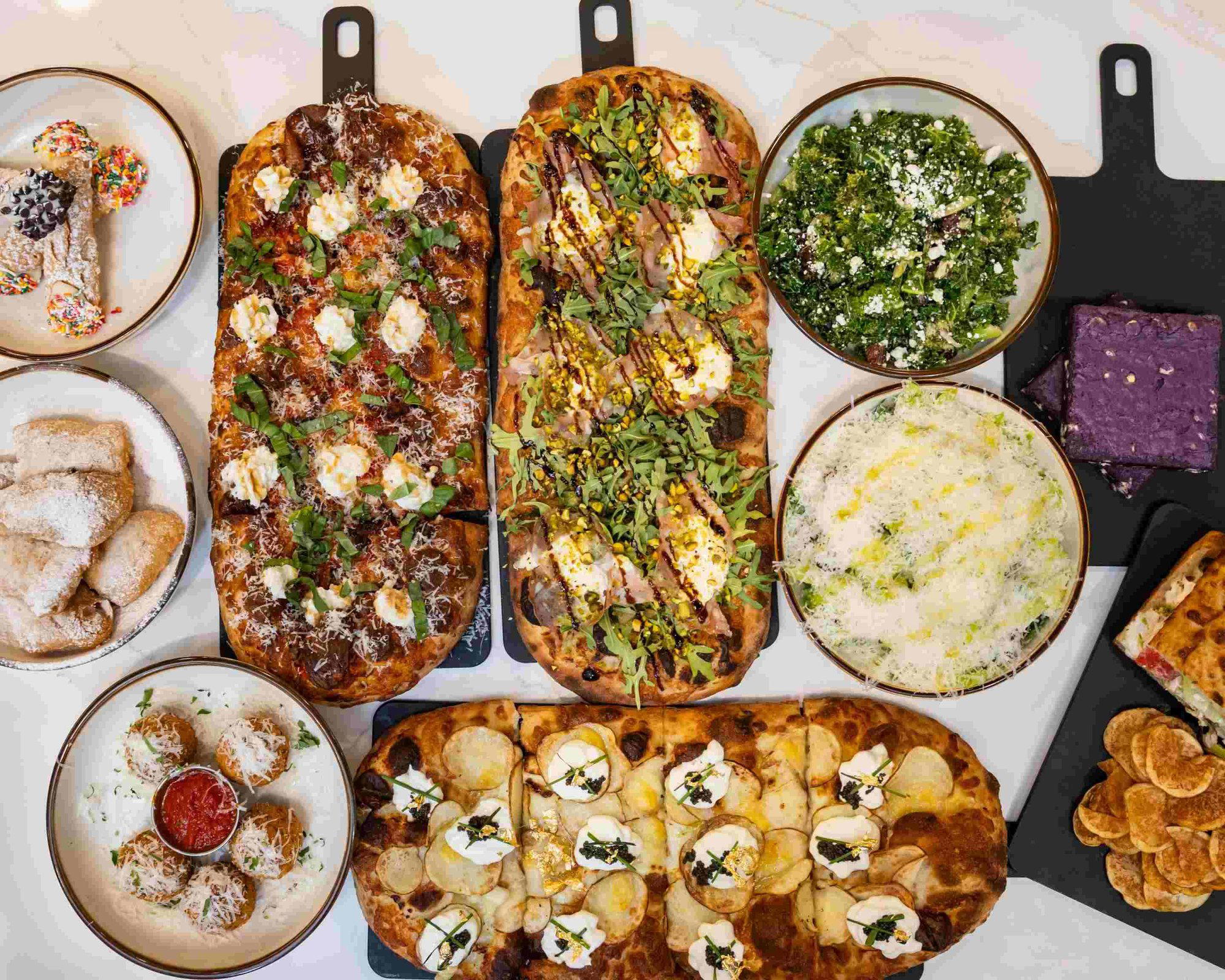
The menu
What to order
- Sweetie Puffs
- Cannoli
- Sweetie Nutella Puffs
- Ube CeCarré Blondie
Roman-style pizza operates on a different logic than the round pies Boston diners are most familiar with. Where Neapolitan commands individual servings and New York slice shops reward quick in-and-out transactions, the Roman al taglio format, rectangular trays, sold by the cut, with toppings layered across a thick, airy base, is fundamentally a grazing format. You select, you combine, you return. CeCarré Pizza & Provisions works within that logic, and understanding the format is the first step to getting the most from the visit.
The Roman Format in a Neapolitan-Dominated City
Boston's pizza conversation has long been shaped by its own neighborhood red-sauce traditions and, more recently, by the Neapolitan revival that swept American cities over the past two decades. The al taglio model, which Rome has practiced for decades as an everyday lunch and market staple, remains comparatively rare in the United States outside a handful of specialist operators in New York and Los Angeles. In Boston, the format is even less common, which places CeCarré in a niche where its primary competition is not other pizza shops but the broader casual lunch category: the sandwich counter, the salad bar, the fast-casual grain bowl.
That positioning explains the "Provisions" side of the name. Roman pizza shops have traditionally extended into prepared foods, cured meats, and deli items, the kind of counter where a neighborhood resident might pick up dinner components alongside a few cuts of pizza. That dual identity, pizza plus provisions, is structural rather than decorative. It reflects how the format was designed to be used.
For context on how Boston's restaurant scene handles specialization across other categories, the city's broader dining range runs from raw-bar institutions like 75 on Liberty Wharf and tasting-menu counters like 311 Omakase to the waterfront dining of 1928 Rowes Wharf. CeCarré sits at the opposite end of the formality spectrum from destinations like Agosto, the Portuguese-inspired tasting-menu counter, but the principle of format discipline applies across price tiers.
Menu Architecture: How to Read the Offering
The al taglio format rewards a specific ordering approach. Roman pizza trays are baked in advance and held at room temperature or gently reheated to order, a technique that differs from the immediate-oven delivery of Neapolitan or New York pies and produces a denser, crispier bottom with a more complex crumb. Toppings are applied at various stages of the bake, which means some combinations are designed to be eaten cool and others benefit from a brief pass through the oven at pickup.
The provisions component extends the menu beyond pizza into a register closer to a well-stocked Italian deli. This structure means the visit can function as a lunch stop, a component sourcing run, or something in between. The menu is not built around a single signature item that anchors the experience, it is built around selection, which means the quality of the visit scales with how deliberately you approach the counter.
This is a meaningful distinction from the way Boston's casual dining tends to operate. The city's more celebrated casual formats, the seafood shack, the oyster bar, the red-sauce trattoria, generally present a clearer singular anchor: the lobster roll, the oyster flight, the lasagna. Al taglio resists that structure by design.
Placing CeCarré in Boston's Casual Dining Tier
Boston's casual-dining tier has grown more technically serious over the past decade without always resolving the gap between ambition and format. The steakhouse tradition, represented by operators like Abe & Louie's, holds its lane through consistency and scale. The seafood-focused casual tier works from the city's geographic and supply-chain advantages. Roman pizza sits outside both traditions and draws its authority from a different source: the integrity of the format itself, the quality of the flour, the hydration of the dough, and the restraint applied to toppings.
That restraint is a feature of the Roman style. Where American pizza has often trended toward maximalism, the al taglio tradition prizes a base that can carry a simple topping without structural collapse. A well-made Roman pizza bianca needs nothing more than olive oil, salt, and rosemary to demonstrate whether the dough is worth eating. Everything added beyond that is an argument the baker is making about what the base can support.
What to Know Before You Go
The al taglio format is walk-in friendly by nature. Unlike the tasting-menu counters and reservation-dependent fine dining that occupies a different tier of the Boston scene, venues that operate on the same principles of scarcity and advance planning as Michelin-recognized restaurants in other American cities, from Lazy Bear in San Francisco to Alinea in Chicago or The French Laundry in Napa, a Roman pizza counter is designed for spontaneous traffic. The calculus changes slightly at peak lunch hours, when tray selection may be reduced and wait times at the counter can extend, but the format does not require advance booking in the way that omakase or tasting-menu formats do.
The provisions offering provides a reason to visit at times when pizza trays might be transitioning between bakes. For planning purposes, mid-morning arrivals often find the fullest tray selection; late afternoon tends to favor the deli and prepared-foods side.
For a broader read on where CeCarré fits within the city's full dining range, EP Club's full Boston restaurants guide maps the scene across price tiers and cuisine categories, from casual counters to the higher-formality end represented by destinations like Agosto.
Frequently asked questions
How does CeCarré Pizza & Provisions fit into Boston's broader pizza scene?
Boston's pizza identity has historically centred on neighbourhood red-sauce styles and, more recently, Neapolitan-influenced rounds, CeCarré's Roman al taglio format is structurally different from both. The rectangular tray-baked approach uses a higher-hydration dough that produces a crispier base and an open crumb, a technique with roots in Rome's bakery tradition rather than the Neapolitan or New York models more common across the city. That distinction makes CeCarré one of the few venues in Boston where Roman pizza is the primary format, not a side offering.
What do regulars order at CeCarré Pizza & Provisions?
At an al taglio counter, the approach matters as much as the selection, regulars at CeCarré tend to order across multiple cuts rather than committing to a single topping, using the format's portion flexibility to sample the tray rotation. Roman-style pizza holds well at room temperature, so the counter display reflects what has been freshly baked and what is ready to serve. The provisions side of the menu broadens the order beyond pizza alone, making a mixed counter run the practical move for a fuller visit.
Should I book CeCarré Pizza & Provisions in advance?
Roman al taglio is a walk-in format by design, there are no reservation windows to manage, unlike Boston's tasting-menu or fixed-seating dining rooms. Timing your visit around peak lunch or early dinner hours is the practical consideration, since specific cuts sell out as trays turn over. CeCarré operates in Boston's casual-dining tier, where counter availability and tray supply are the variables worth tracking, not a booking queue.
Recognition Snapshot
| Venue | Cuisine | Price | Awards |
|---|---|---|---|
| CeCarré Pizza & ProvisionsThis venue (the venue you are viewing) | Pizza & Provisions | $20–30 | Not listed |
| La Brasa | Global Grill with Mexican & Mediterranean Influences | $50–100 | Not listed |
| Neptune Oyster | Modern New England Seafood Oyster Bar | $50–100 | Michelin Plate |
| O Ya | Modern Japanese Omakase | $200–300 | James Beard Award Semi Finalist |
| Oishii Boston | Modern Creative Japanese Sushi | $100–150 | Wine Spectator Award of Excellence |
| Ostra | Mediterranean Seafood | $100–150 | James Beard Award Semi Finalist · Wine Spectator Award of Excellence |
Continue exploring
More in Boston
Restaurants in Boston
All restaurants in Boston →
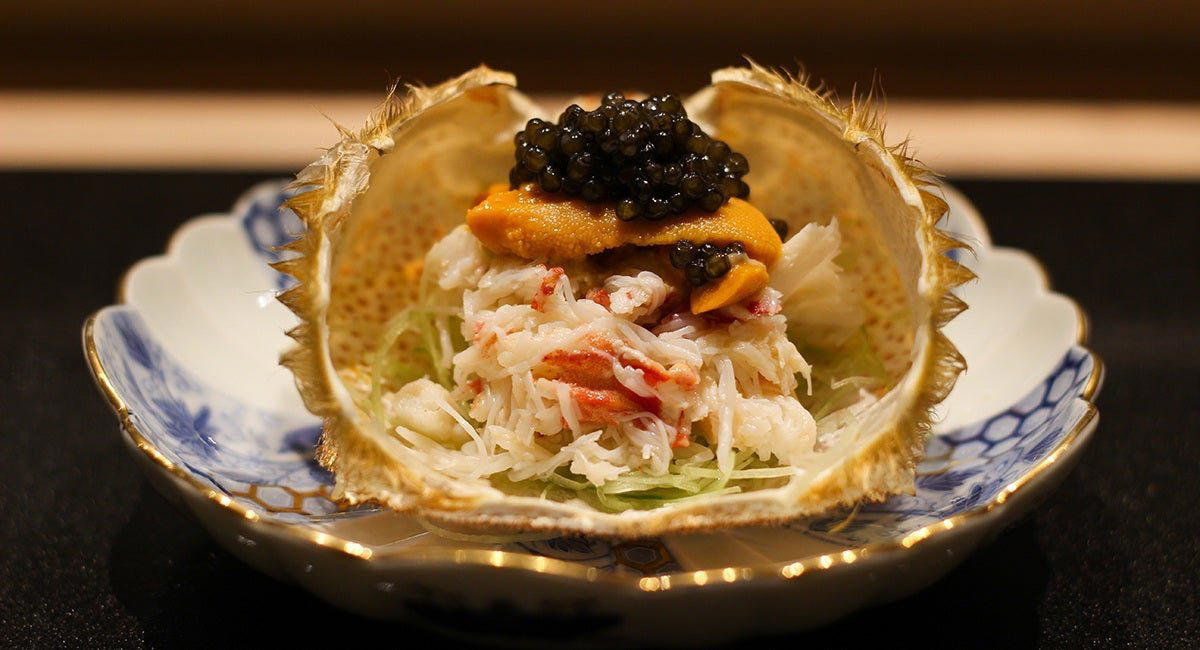
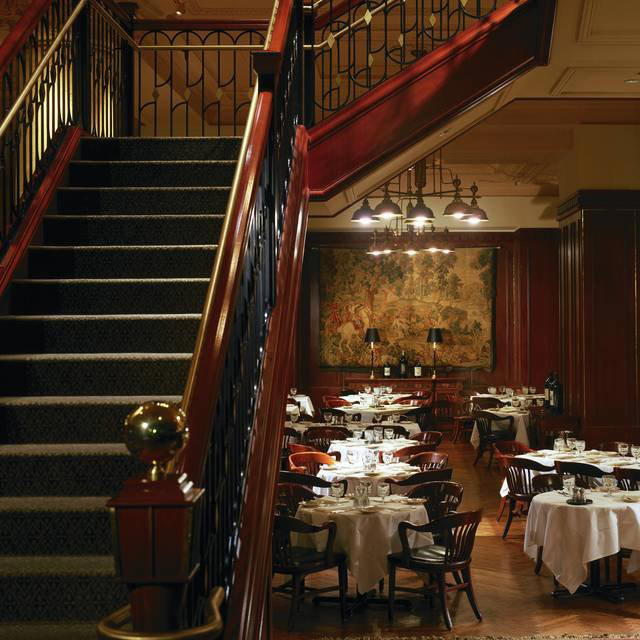
Bars in Boston
All bars in Boston →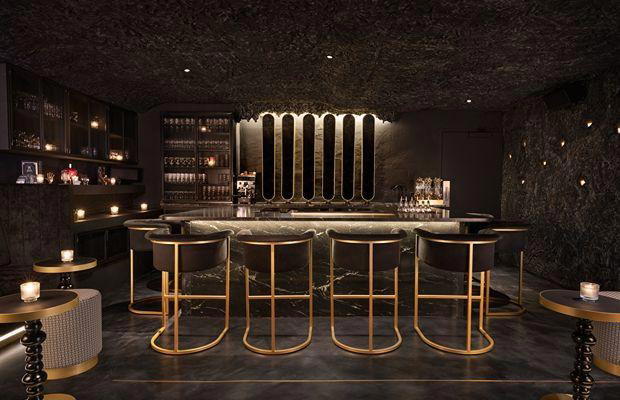
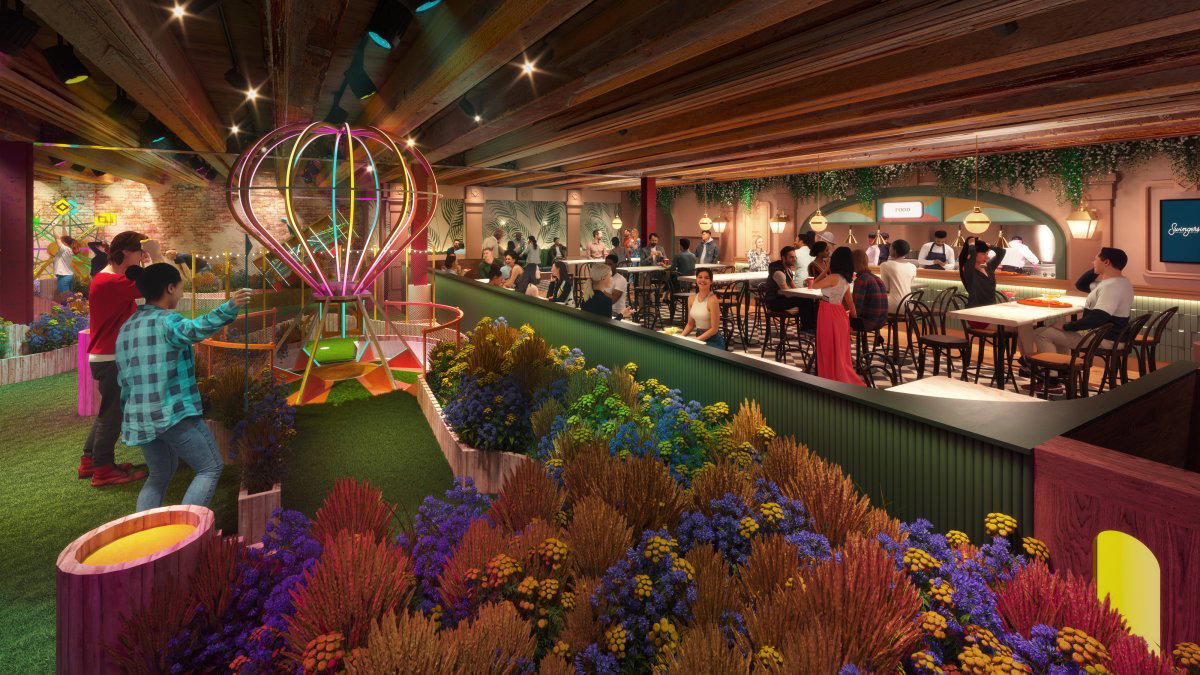




Details
- Trendy
- Casual
- Casual Hangout
- Standalone
- A La Carte
Current opening hours
- Monday
- 10 AM–9 PM
- Tuesday
- 10 AM–9 PM
- Wednesday
- 10 AM–9 PM
- Thursday
- 10 AM–10 PM
- Friday
- 10 AM–10 PM
- Saturday
- 10 AM–10 PM
- Sunday
- 10 AM–10 PM
Hours can change for holidays and private events. Hours as of .
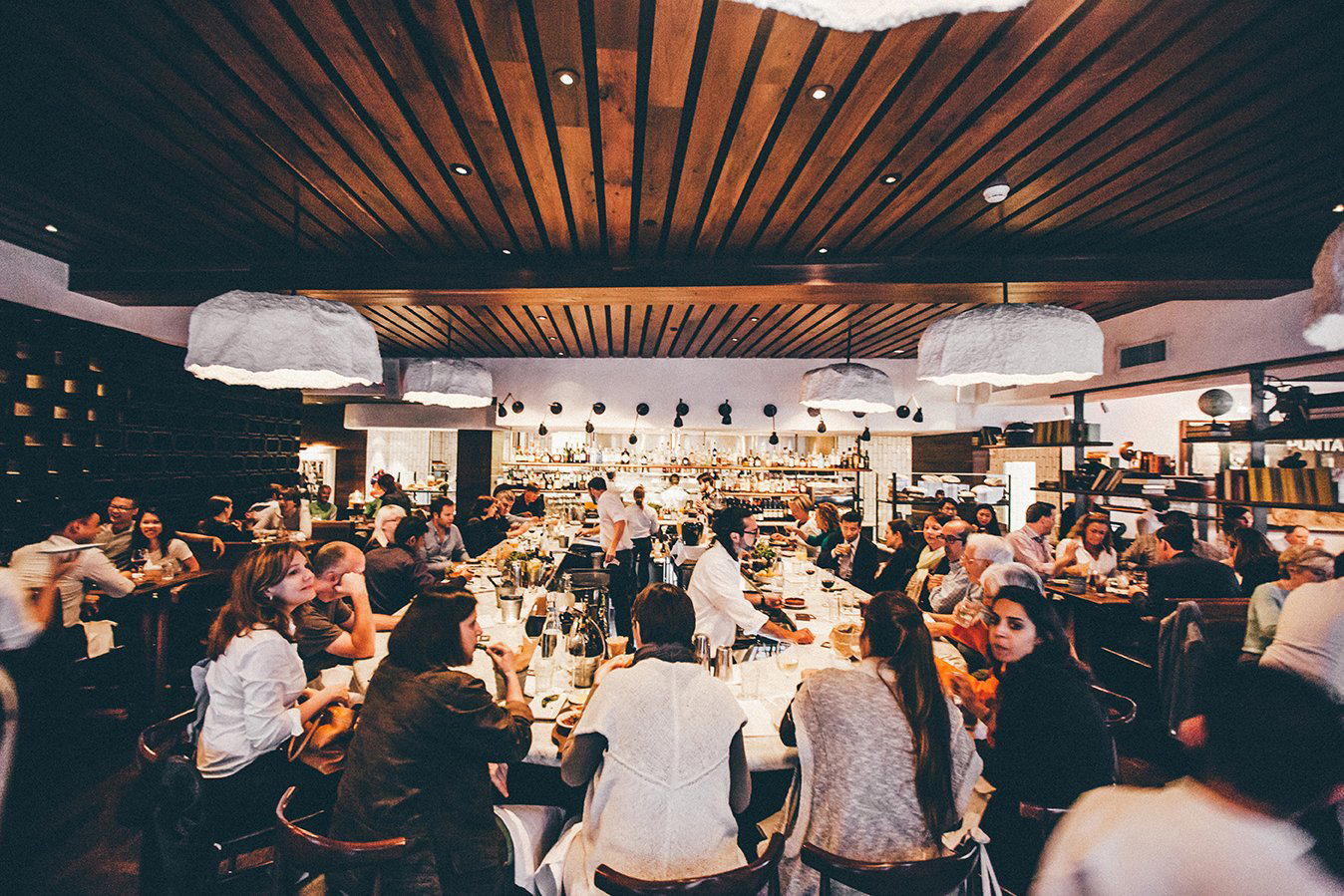
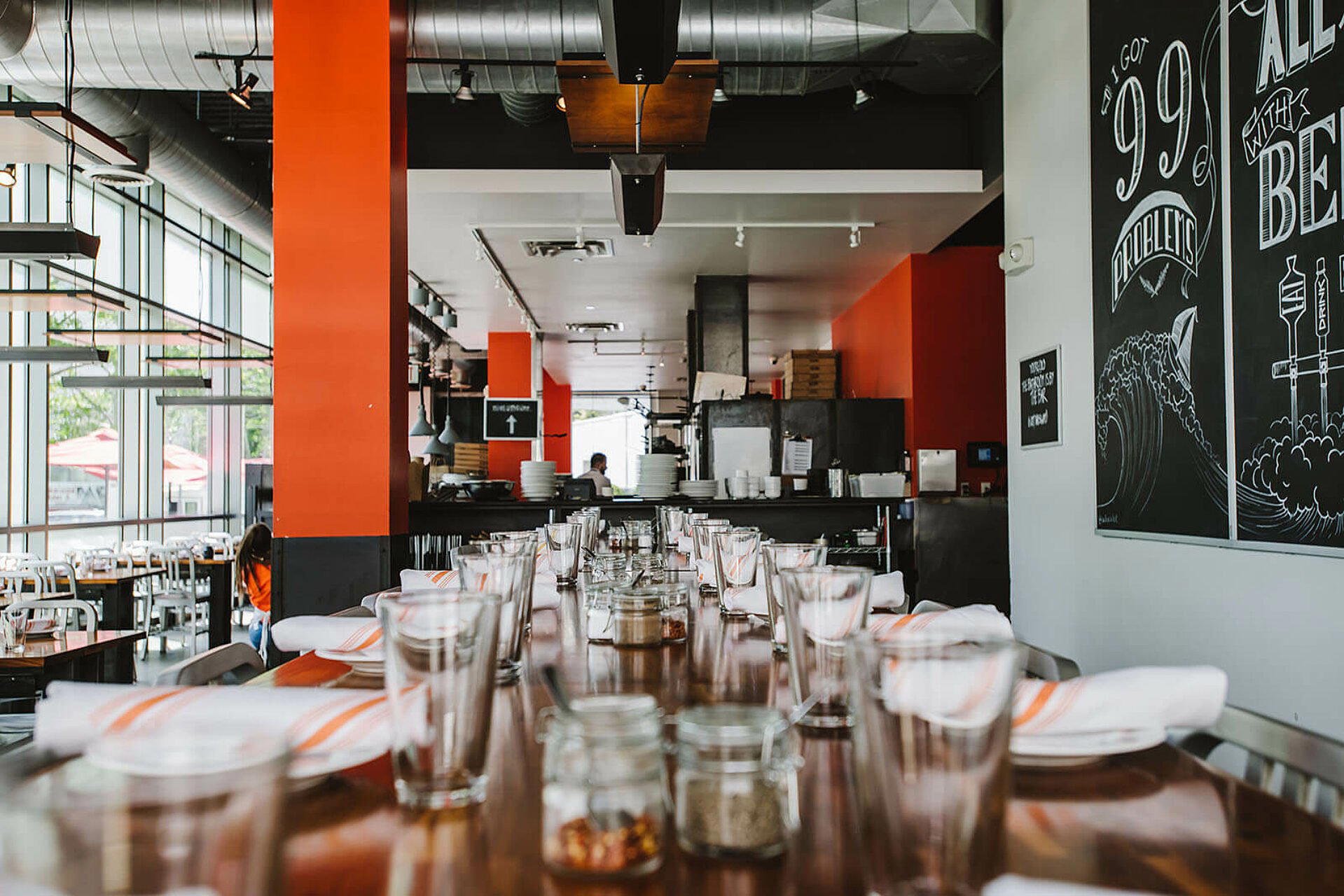
Casual mall food court atmosphere with quick-service provisions.