PatPong
PatPong occupies a corner of Clement Street in San Francisco's Inner Richmond, a neighborhood whose Thai restaurant density rivals any block in the Bay Area. The room's physical arrangement and the surrounding street's culinary character place it inside a tradition that stretches from Bangkok's street markets to the diaspora tables of California. What it offers is a case study in how Thai cooking lands in a Western city that already knows its own mind about food.
Pearl is the En Primeur Club membership app — saves, bookings, and concierge access live there. Same editors, same standards.
- Address
- 2415 Clement St, San Francisco, CA 94121
- Phone
- +14153799726
- Website
- patpongthaicuisine.com
- Directions
- Get directions
 Saves & bookings on Pearl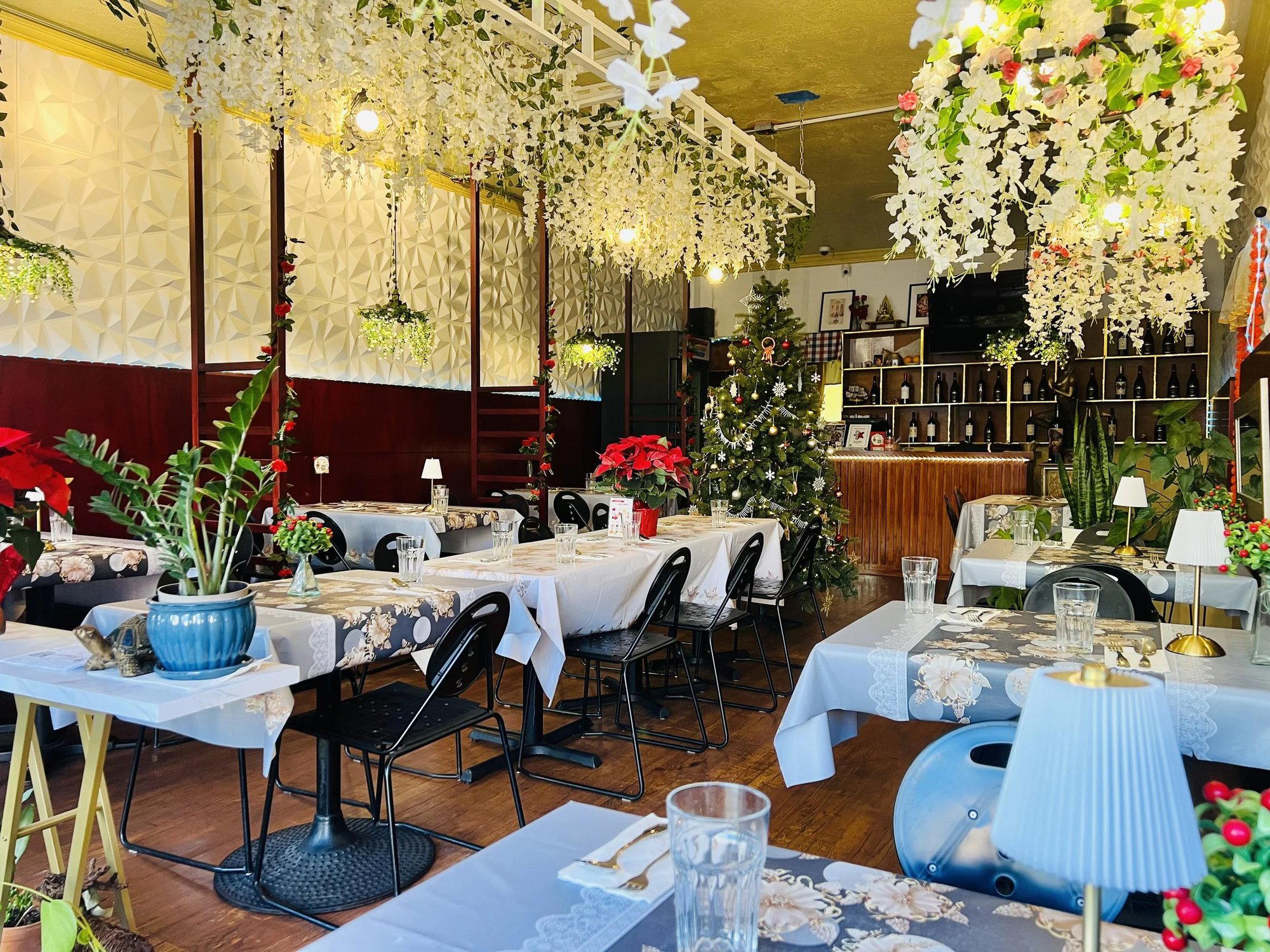
Clement Street and the Architecture of Thai Dining in San Francisco
San Francisco's Inner Richmond has one of the more concentrated runs of Southeast Asian restaurants on the West Coast. Clement Street, which stretches from Arguello west toward the avenues, reads like an informal atlas of diaspora cooking: Cantonese roast shops beside Vietnamese pho houses beside Korean barbecue beside Thai kitchens. PatPong, a Thai restaurant at 2415 Clement St in San Francisco's Inner Richmond, sits in that corridor, and the address alone places it in a specific culinary conversation. This is not the refined, modernist Thai that appeared in London and New York through the 2010s, nor the food-court Thai of airport terminals. Clement Street's Thai restaurants operate in a middle register that prizes fidelity to regional flavor over presentation theater.
That register matters more than it might first appear. American cities have spent two decades sorting their Thai restaurants into tiers: the cheapest tier defined by pad thai and green curry on laminated menus, a top tier defined by chef-driven tasting menus reframing Thai technique through fine-dining conventions, and a broad middle defined by neighborhood regulars who return for specific dishes rather than for the complete experience architecture. Clement Street belongs to that middle tier, and PatPong operates inside that expectation set. PatPong's proposition is structurally different from that comparable set, serving a neighborhood rather than an occasion.
The Room: What the Space Communicates
In Thai restaurant design across American cities, the physical container usually telegraphs the kitchen's ambitions before a single dish arrives. The high-drama, design-led Thai rooms that have appeared in major cities over the past decade, teak screens, gold-leaf detailing, custom ceramics, signal that the price point and culinary register are intended to compete with European fine dining. The stripped-back rooms, functional seating, and minimal decoration of neighborhood Thai spots signal something else entirely: the emphasis is lateral, on the plate rather than on the staging around it.
PatPong's Clement Street location anchors it in the latter tradition. The Inner Richmond built its restaurant identity on density and directness rather than on design investment. Diners on this stretch are typically regulars rather than destination visitors, and the room format reflects that relationship. Tables are arranged for turnover rather than for lingering multi-hour meals. The logic is different from the counter-dining format that defines SF's upper-tier omakase and tasting-menu rooms, where The French Laundry in Napa or Single Thread Farm in Healdsburg treat the room itself as part of the product, and closer to the working-neighborhood restaurant model that sustains most of a city's actual dining week.
Compared against the design-led ambition of places like Atomix in New York City or the grand-room tradition of Le Bernardin in New York City, Clement Street Thai operates with a different set of spatial priorities. That is not a disadvantage for its intended purpose. A room designed for neighborhood regulars requires a different calibration than a room designed to host special occasions, and the two formats are not competing for the same dinner.
Thai Cooking in a California Context
Thai cuisine in California carries specific regional pressures that differ from the Thai restaurant scenes in New York or Chicago. California's ingredient access, year-round herbs, proximity to Southeast Asian produce markets, a large Thai diaspora concentrated in Los Angeles and the Bay Area, means that sourcing fidelity is more achievable here than in cities like Alinea's Chicago or Emeril's New Orleans, where Southeast Asian ingredients require more effort to source at volume. The Bay Area's Thai restaurants have historically benefited from that geographic proximity to Asian grocery infrastructure, which shapes what a kitchen can put on the menu without compromise.
San Francisco's Clement Street specifically serves a residential neighborhood with a high proportion of Asian American households who bring more specific calibration to what they consider authentic preparation. That audience is harder to satisfy with simplified versions of regional dishes than a purely tourist-facing dining room would be. Restaurants that survive on Clement Street over years tend to do so because their cooking holds up under that more experienced local scrutiny.
Across the wider American dining landscape, Thai cooking occupies an interesting position. It is among the more widely distributed Asian cuisines in the US by location count, but restaurants translating northern Thai, Isan, or southern Thai regional specificity at the neighborhood level remain less common than their pan-Thai counterparts. Cities developing that regional Thai layer include New York, Los Angeles, and, to a degree, San Francisco, where the Inner Richmond's density of Southeast Asian restaurants creates enough competition to push kitchens toward specificity. For a picture of how California's farm-to-table ethos intersects with fine-dining formats nearby, Providence in Los Angeles and Addison in San Diego show the southern end of that conversation, while Blue Hill at Stone Barns in Tarrytown and The Inn at Little Washington anchor comparable discussions on the East Coast.
For readers situating PatPong within a broader American restaurant atlas, Bacchanalia in Atlanta and 8 1/2 Otto e Mezzo Bombana in Hong Kong illustrate how different cities position their signature restaurant experiences relative to the neighborhood dining that surrounds them. PatPong operates well below that stratum, in a register that most residents of any major city rely on more than the destination tier.
Planning Your Visit
PatPong is located at 2415 Clement Street in San Francisco's Inner Richmond district, a neighborhood accessible via the 1-California and 38-Geary bus lines. Clement Street runs as a pedestrian-busy corridor on weekends, and parking in the Richmond is characteristically limited on Saturday and Sunday evenings. Visiting on a weekday reduces both congestion and wait times.
| Venue | Cuisine | Price Tier | Format |
|---|---|---|---|
| PatPong | Thai | Not published | Neighborhood restaurant |
| Lazy Bear | Progressive American | $$$$ | Ticketed tasting menu |
| Atelier Crenn | Modern French | $$$$ | Tasting menu, Michelin three-star |
| Benu | French-Chinese | $$$$ | Tasting menu, Michelin three-star |
| Quince | Italian Contemporary | $$$$ | Tasting menu, Michelin three-star |
Cuisine-First Comparison
Comparable venues nearby, for context on price, style, and recognition.
| Venue | Cuisine | Price | Notes |
|---|---|---|---|
| PatPongThis venue — the venue you are viewing | Thai | $$ | Not listed |
| Khan Toke Thai House | Authentic Thai | $$ | Outer Richmond |
| Marnee Thai | Authentic Thai | $$ | Sunset/Parkside |
| hed verythai | Isaan Thai Khao Gaeng | $$ | Financial District/South Beach |
| Lers Ros | Authentic Thai | $$ | Mission |
| King of Thai Noodle House | Thai Noodle House | $ | Financial District/South Beach |
Continue exploring
More in San Francisco
Restaurants in San Francisco
Browse all →
Bars in San Francisco
Browse all →
Hotels in San Francisco
Browse all →
At a Glance
- Cozy
- Family
- Casual Hangout
Current opening hours
- Monday
- 11 AM–3 PM, 5–9 PM
- Tuesday
- 11 AM–3 PM, 5–9 PM
- Wednesday
- 11 AM–3 PM, 5–9 PM
- Thursday
- 11 AM–3 PM, 5–9 PM
- Friday
- 11 AM–3 PM, 5–9 PM
- Saturday
- 11 AM–3 PM, 5–9 PM
- Sunday
- 11 AM–3 PM, 5–9 PM
Hours can change for holidays and private events. Last verified .
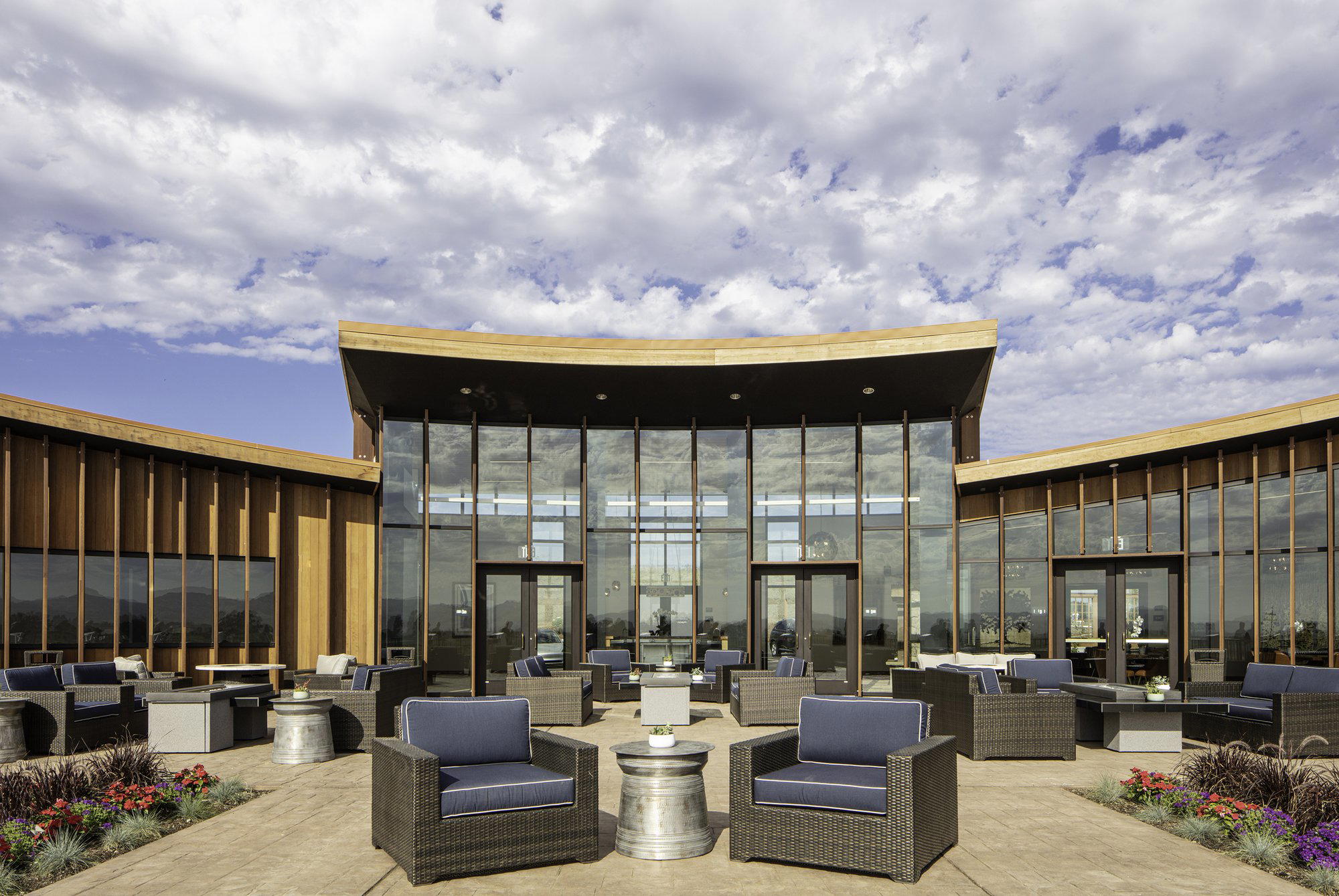
Cozy and clean open space with improved decor including tablecloths, though some note uncomfortable seating and occasional loud radio.