hed verythai
Our verdict
San Francisco's Thai dining scene has long skewed toward either cheap-and-cheerful neighborhood staples or pan-Asian fusion menus. Hed Verythai, at 88 Hardie Place in the city's downtown core, operates in a different register: a focused Thai kitchen in a city where serious regional Thai cooking is harder to find than the density of Thai restaurants might suggest.

Pearl is the En Primeur Club membership app, where members save venues, book tables and use the concierge.

The menu
What to order
- 24-hour braised beef
- Yellow curry
- Tri-colors rice
Entering the Frame: Thai Dining in a City That Prizes Californian Exceptionalism
San Francisco has spent the last two decades building a dining identity around hyper-local Californian produce, Michelin-starred tasting menus, and a progressive American sensibility visible at places like Lazy Bear and Saison. Against that backdrop, Thai cooking occupies a curious position. The city has dozens of Thai restaurants, but genuinely focused regional Thai kitchens, ones that commit to the pacing and ritual logic of how Thai food is actually meant to be eaten, are rarer than the numbers imply. Hed Verythai, at 88 Hardie Place, sits in that smaller bracket.
Hardie Place is a short alley off Kearny Street, close enough to Union Square to draw tourists but in a pocket of downtown that most visitors walk past rather than through. That location alone signals something: this is not a restaurant positioned to catch foot traffic from the Ferry Building crowd or the pre-theater FiDi dinner rush. It earns its custom from people who are looking for it.
The Ritual Logic of a Thai Meal
Understanding what Hed Verythai is doing requires stepping back from the plate and thinking about the structure of a Thai meal as a form. In Thailand, a proper sit-down meal is not sequential in the European sense. Dishes arrive in a loose order determined by cooking time, not by course logic. Rice is the anchor, not the accompaniment. The balance being managed across a table is textural and flavor-based simultaneously: something fermented against something fresh, something chile-hot against something cooling, something fatty against something acidic. The diner's job is to compose each mouthful from what is on offer.
That eating logic is frequently lost in Thai restaurants outside Thailand, which default to a westernized course structure to reduce friction for unfamiliar diners. In San Francisco, where the dominant fine-dining grammar runs through tasting-menu formats at restaurants like Benu, Atelier Crenn, and Quince, a restaurant that operates under a fundamentally different meal structure occupies a genuinely different position in the market.
What the Address Implies About Price and Access
The city's premium Thai tier is thin. Most Thai kitchens in San Francisco price at the mid-casual level, which shapes expectations around portion size, service tempo, and ingredient sourcing. A Thai kitchen that wants to work with higher-quality produce, more labor-intensive preparations, or smaller-batch imported pantry staples has to make a deliberate case for a higher price point in a category where diners have historically expected volume over refinement.
That tension is not unique to San Francisco. Nationally, serious Thai kitchens have had to argue their way into the same price conversation occupied by Japanese or French-influenced restaurants. The argument is easier to make in cities with established Southeast Asian fine-dining reference points, which is one reason why the Thai dining scene has developed differently in Los Angeles or New York than in the Bay Area. San Francisco's premium dining attention has concentrated around European and progressive American formats, with outliers in the Korean and French-Chinese fusion spaces. In that context, a Thai kitchen asking to be taken seriously is doing category-building work, not just restaurant-building work.
Placing Hed Verythai in the San Francisco Dining Map
The broader San Francisco restaurant scene that surrounds Hed Verythai runs from neighborhood Vietnamese and dim sum canteens to Michelin-listed tasting rooms. The $$$$ tier is dominated by European and progressive American kitchens: Lazy Bear, Atelier Crenn, Quince, Benu. Hed Verythai's position below that tier, in a city where mid-range Thai is crowded, means it competes partly on specificity: the argument that what it does with Thai cooking is precise enough to justify seeking it out over the broader pool of options in the same price band.
For reference, the wider US fine-dining map includes restaurants that have made similar arguments for under-represented cuisines. Atomix in New York built a case for Korean fine dining at tasting-menu prices. Providence in Los Angeles holds two Michelin stars for seafood-driven cooking that sits outside the European fine-dining default. Addison in San Diego has pushed Southern California produce through a French technical lens. The category-building challenge facing a serious Thai kitchen in San Francisco is real, but it is not without precedent elsewhere in the country.
Planning Your Visit
The address at 88 Hardie Place puts the restaurant within walking distance of BART's Montgomery Street and Powell Street stations, making it accessible from most San Francisco neighborhoods without a car. The alley location means it is worth confirming you have the right street before you arrive.
Quick Comparison: Hed Verythai vs.
| Venue | Cuisine | Price Tier | Format |
|---|---|---|---|
| Hed Verythai | Thai | Not confirmed | Not confirmed |
| Lazy Bear | Progressive American | $$$$ | Tasting menu |
| Atelier Crenn | Modern French | $$$$ | Tasting menu |
| Benu | French-Chinese | $$$$ | Tasting menu |
| Quince | Italian Contemporary | $$$$ | A la carte and tasting |
For a broader view of where Hed Verythai sits in the city's dining ecosystem, see our full San Francisco restaurants guide. Comparative reference points from elsewhere in the US include Le Bernardin in New York City, Alinea in Chicago, Single Thread Farm in Healdsburg, The French Laundry in Napa, Blue Hill at Stone Barns in Tarrytown, The Inn at Little Washington, Bacchanalia in Atlanta, Emeril's in New Orleans, and 8½ Otto e Mezzo Bombana in Hong Kong for a sense of how regional-specific kitchens build credibility in premium dining markets.
Frequently asked questions
What should I eat at Hed Verythai?
The kitchen's focus is Thai cuisine, but specific dish recommendations require current menu data that EP Club has not yet confirmed. The editorial guidance is to order as a table rather than individually, and to let the meal develop in the Thai tradition of shared dishes rather than sequential courses. That approach produces a more coherent meal than ordering around individual preferences.
Can I walk in to Hed Verythai?
Walk-in availability depends on the venue's format and current demand, neither of which EP Club has confirmed from verified data. In San Francisco's downtown corridor, mid-range restaurants with a defined niche tend to fill faster on weekend evenings than weekday lunches. If the kitchen is operating at full capacity without reservations, arriving early in the service window improves your odds.
What is Hed Verythai leading at?
Based on available information, the kitchen's commitment is to Thai cooking in a city where focused Thai kitchens are less common than the volume of Thai restaurants might suggest. That specificity is the kitchen's clearest credential. EP Club will update this section as further award, menu, and critic recognition data becomes available.
Is Hed Verythai a good option for someone already familiar with Thai cuisine?
A diner with prior exposure to Thai food eaten in Thailand or in cities with deep Thai dining scenes, such as Los Angeles or New York, will likely find the Hardie Place address worth evaluating on its own terms. That context, combined with the downtown location, makes it a practical choice for a meal that sits outside the city's dominant tasting-menu and Californian-produce frameworks.
Fast Comparison
Comparable venues nearby, for context on price, style, and recognition.
| Venue | Cuisine | Price | Notes |
|---|---|---|---|
| hed verythaiThis venue (the venue you are viewing) | Isaan Thai Khao Gaeng | $30–50 | Not listed |
| Manora's Thai Cuisine | Authentic Thai Cuisine | $20–30 | Mission |
| Osha Thai Embarcadero | Modern Thai | $30–50 | Financial District/South Beach |
| What The Cluck | Thai Chicken and Rice Street Food | $20–30 | Haight Ashbury |
| King of Thai Noodle House | Thai Noodle House | $10–20 | Financial District/South Beach |
| Marnee Thai | Authentic Thai | $20–30 | Sunset/Parkside |
Continue exploring
More in San Francisco
Restaurants in San Francisco
All restaurants in San Francisco →
Bars in San Francisco
All bars in San Francisco →


Details
- Minimalist
- Modern
- Industrial
- Casual Hangout
- Group Dining
- Open Kitchen
- Set Menu
- Small Plates
- Vegetarian Friendly
Current opening hours
- Monday
- 11 AM–2 PM, 5–9 PM
- Tuesday
- 11 AM–2 PM, 5–9 PM
- Wednesday
- 11 AM–2 PM, 5–9 PM
- Thursday
- 11 AM–2 PM, 5–9 PM
- Friday
- 11 AM–2 PM, 5–9 PM
- Saturday
- 11 AM–2 PM, 5–9 PM
- Sunday
- 11 AM–2 PM, 5–9 PM
Hours can change for holidays and private events. Hours as of .
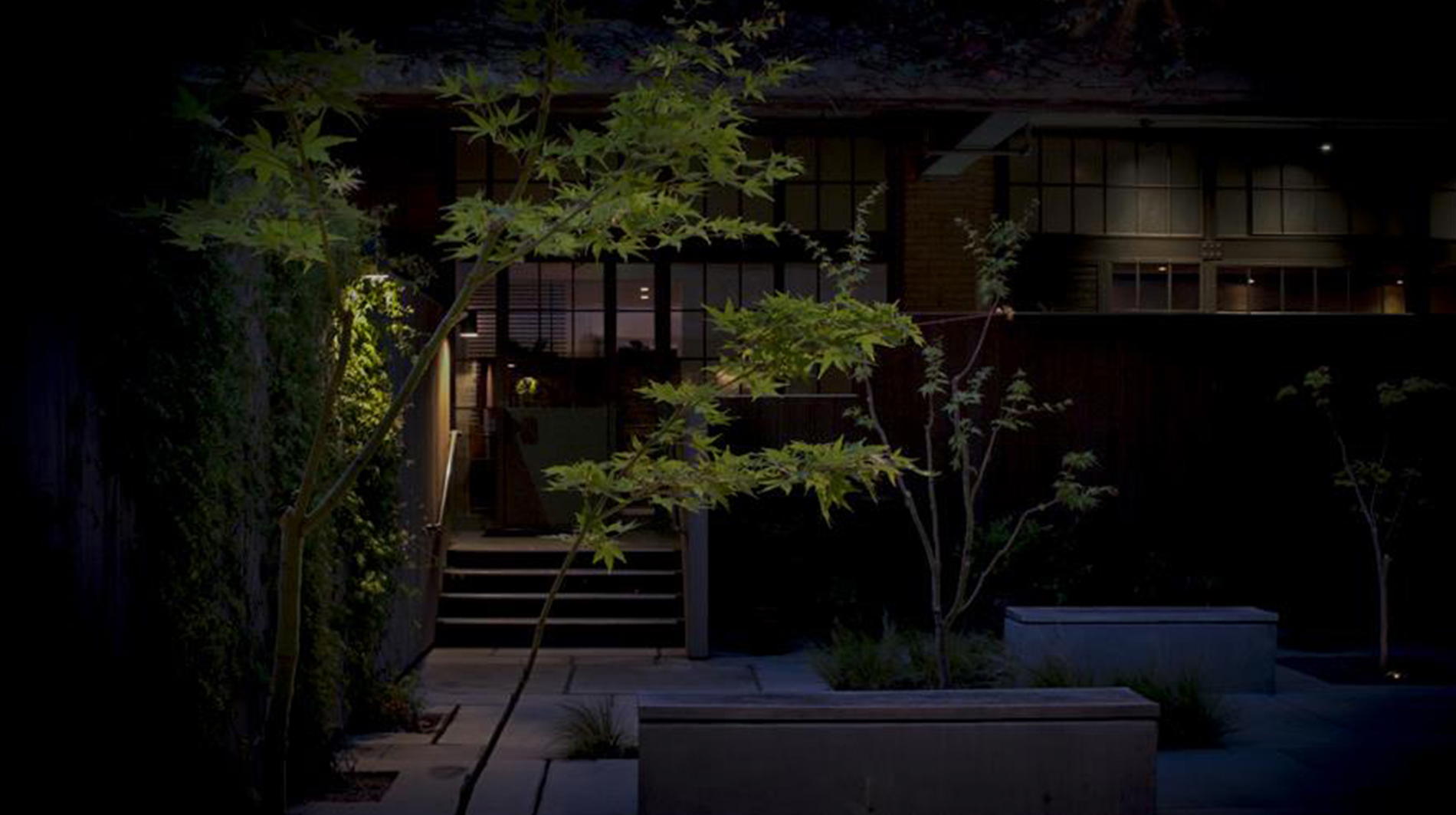
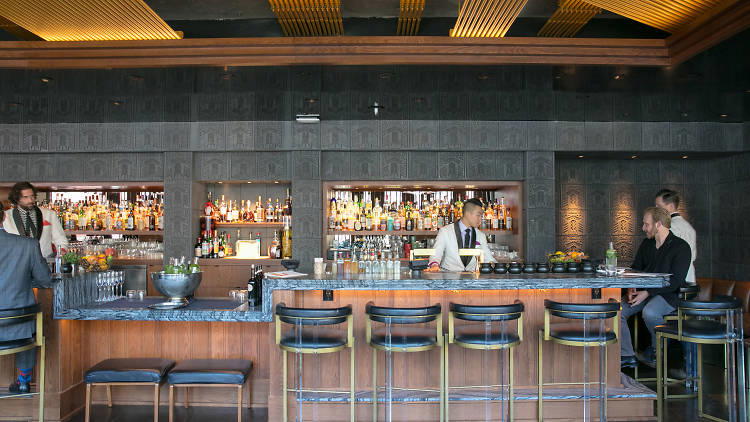
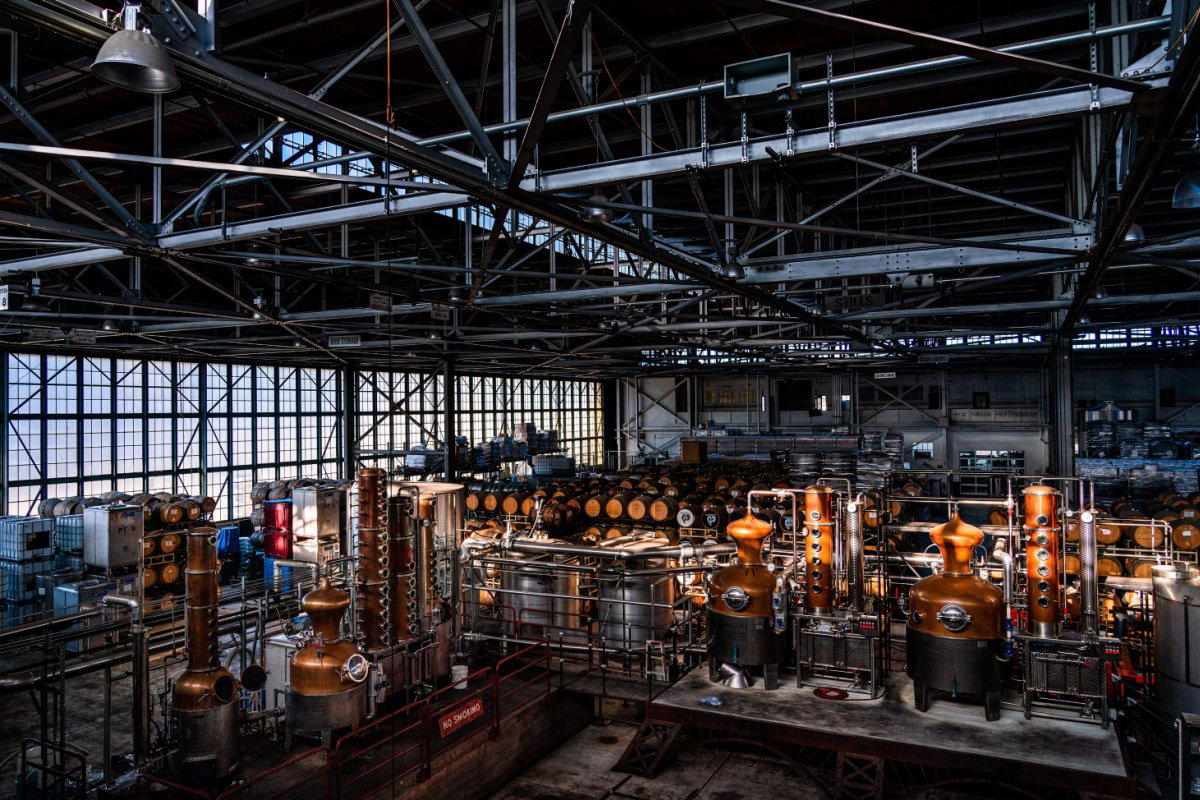
Minimalist warehouse-like space with a striking, roomy interior.