Marnee Thai
On Irving Street in the Outer Sunset, Marnee Thai has held its ground as one of San Francisco's most consistently visited Thai restaurants, drawing regulars from across the city to a neighborhood better known for fog than fanfare. The cooking sits in the register of central Thai tradition rather than fusion adaptation, and the room carries the kind of unhurried familiarity that accumulates over years of repeat custom.
Pearl is the En Primeur Club membership app — saves, bookings, and concierge access live there. Same editors, same standards.
- Address
- 2225 Irving St, San Francisco, CA 94122
- Phone
- +14156659500
- Website
- marneethaisf.com
- Directions
- Get directions
 Saves & bookings on Pearl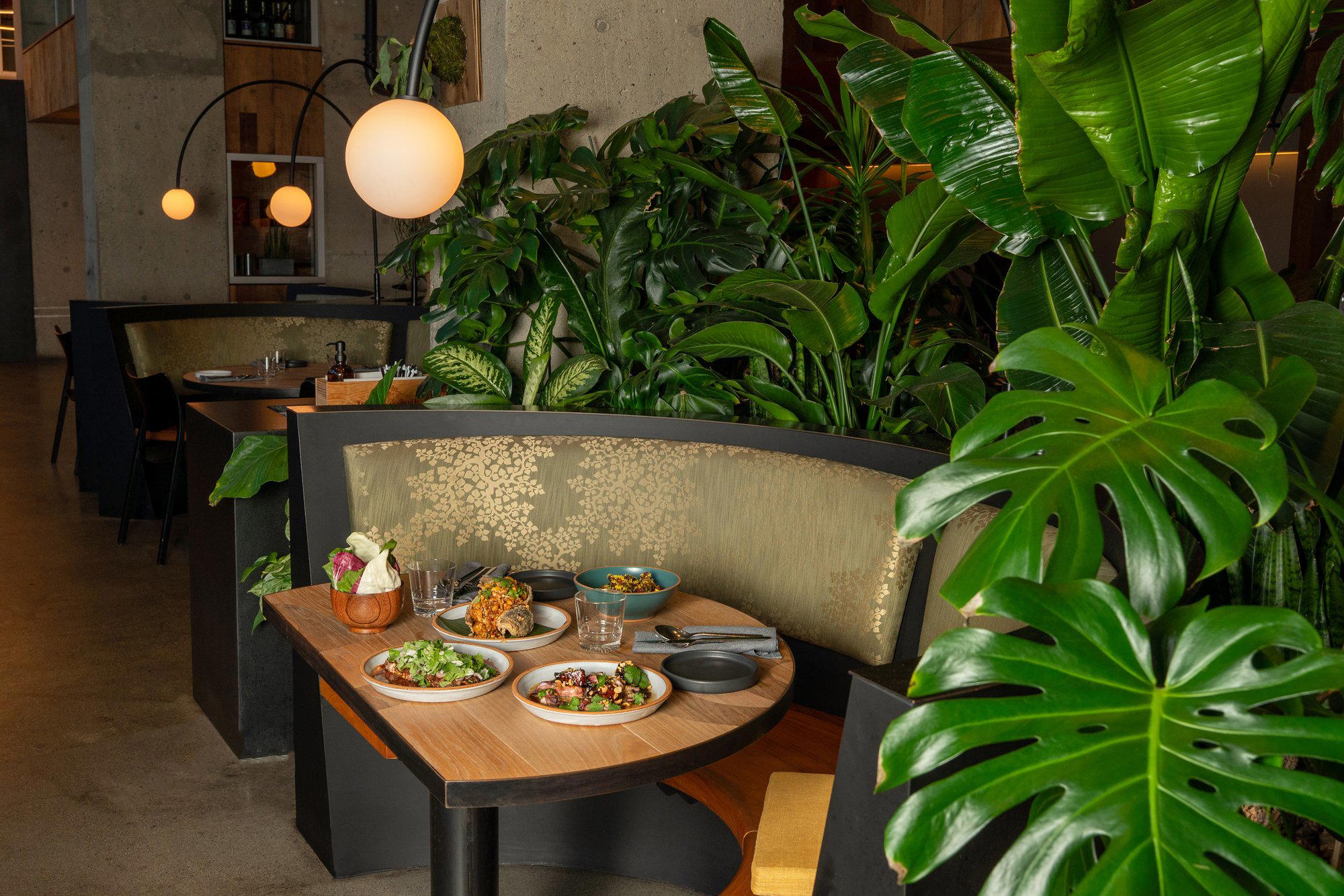
Where the Outer Sunset Eats Thai
San Francisco's Thai restaurant scene divides roughly into two tiers: the newer, higher-production rooms in SoMa and the Mission that lean into contemporary plating and natural wine lists, and the older neighborhood institutions in the avenues that built their reputations on consistency and community rather than press cycles. Marnee Thai is an Authentic Thai restaurant in San Francisco’s Outer Sunset, with. Marnee Thai, at 2225 Irving Street in the Outer Sunset, belongs firmly to the second category. Irving Street is the commercial spine of a neighborhood that has always operated on its own terms, oriented toward the Pacific rather than downtown, and the restaurants here tend to earn loyalty through repetition rather than novelty.
The Outer Sunset's food culture is shaped by proximity to UCSF's Parnassus campus, a dense residential population, and a relative distance from the city's hospitality media circuit. That geography has historically insulated certain restaurants from the pressure to reinvent, and Marnee Thai has benefited from exactly that dynamic. While the city's most discussed dining addresses, places like Lazy Bear, Atelier Crenn, and Benu, operate in a rarefied tier defined by tasting menus and Michelin recognition, the restaurant occupies a different but no less legitimate position in how the city actually eats.
The Atmosphere on Irving Street
Approaching the restaurant from the N-Judah stop, the street has the low-key texture of a working neighborhood commercial strip: produce markets, bakeries, a mix of cuisines that reflects the Sunset's demographic breadth. The restaurant's interior carries the atmospheric register typical of long-running neighborhood Thai spots in American cities: modest, well-worn, and organized around function rather than design statement. The lighting tends toward warm and practical. The room does not perform intimacy so much as simply have it, the way spaces accumulate character through years of the same tables turning over with the same faces.
The sensory experience here is less about spectacle and more about the smell of galangal and lemongrass in a small room, the sound of a kitchen that has found its rhythm. These are the details that define neighborhood dining in a city where the gap between a $35 bowl and a $350 tasting menu can feel increasingly abstract. The contrast is instructive: while Quince and Saison represent San Francisco's ambitions at the highest price register, places like Marnee Thai represent the city's actual daily dining life at the neighborhood scale.
Central Thai Cooking in a Fog-Belt Neighborhood
Thai cooking in the United States has historically been filtered through adaptation: heat levels adjusted, sauces sweetened, garnishes simplified. The more interesting question to ask of any Thai restaurant operating outside Thailand is how much of that translation remains visible in the food. The central Thai tradition, which covers Bangkok and the surrounding region, is the dominant reference point for most Thai restaurants in American cities, characterized by coconut milk curries, clear soups, wok-fried dishes with fish sauce and palm sugar as primary seasoning agents, and the balance of sour, salty, sweet, and hot that defines the cuisine at its most coherent.
The restaurant operates within this framework, drawing on the conventions of central Thai cooking rather than departing from them. For diners accustomed to the highly adapted Thai food common in American strip-mall contexts, a restaurant that holds closer to traditional balance registers differently: the heat is more present, the sourness more insistent, the sweetness less compensatory. That positioning is part of what has kept a local following intact over years of neighborhood change.
The broader American context for serious Thai cooking has shifted considerably in the past decade. Cities like Los Angeles, Houston, and New York now have restaurants operating at a level of culinary specificity, covering regional Thai cuisines from Isan, the north, and the south, that would have been unusual twenty years ago. San Francisco's Thai scene is not as deep as Los Angeles's, but the presence of neighborhood anchors that maintain consistent quality contributes to the overall ecology. The city's dining culture is better understood by tracking these neighborhood institutions alongside the tasting-menu circuit than by focusing on either in isolation.
San Francisco in Wider American Context
San Francisco remains among the more competitive restaurant cities in the United States. The concentrated density of recognized fine-dining addresses, from Single Thread Farm in Healdsburg nearby to The French Laundry in Napa in the broader Bay Area orbit, gives the region a culinary profile that competes with Le Bernardin in New York City, Alinea in Chicago, and Providence in Los Angeles at the leading end. But a city's dining culture is measured across its full range, from Addison in San Diego to neighborhood Thai spots in the Sunset, and the strength of the lower and middle tiers is what gives the upper tier its foundation.
Comparing across American cities, the neighborhood ethnic restaurant sector is under consistent pressure from rising rents, labor costs, and changing consumer patterns. In cities like Atlanta, where Bacchanalia anchors the fine-dining scene, or Washington, home to The Inn at Little Washington, the ecosystem of everyday neighborhood dining is equally shaped by economic pressures that affect the survival of long-running independent operations. That restaurant has maintained a presence on Irving Street through the various economic cycles the Sunset has absorbed is itself a data point about how the restaurant has managed its relationship with its immediate community.
Know Before You Go
Address: 2225 Irving St, San Francisco, CA 94122
Neighborhood: Outer Sunset, accessible via the N-Judah Muni line
Cuisine: Central Thai
Price tier: $25 per person
Reservations: Recommended
Hours: Mon: 11:30 AM–3:30 PM, 4:30–8:30 PM; Tue: Closed; Wed: 11:30 AM–3:30 PM, 4:30–8:30 PM; Thu: 11:30 AM–3:30 PM, 4:30–8:30 PM; Fri: 11:30 AM–3:30 PM, 4:30–9 PM; Sat: 11:30 AM–9 PM; Sun: 11:30 AM–8:30 PM
Side-by-Side Snapshot
Comparable venues nearby, for context on price, style, and recognition.
| Venue | Cuisine | Price | Notes |
|---|---|---|---|
| Marnee ThaiThis venue — the venue you are viewing | Authentic Thai | $$ | Not listed |
| Banana House Thai | Authentic Thai | $$ | Financial District |
| Hawker Fare | Modern Isaan Thai Street Food | $$ | Mission Dolores |
| Tur | Thai Brunch | $$$ | West of Twin Peaks |
| BANGKOK STREET Thai Street Food | Thai Street Food | $$ | Pacific Heights |
| Basil Canteen | Thai Street Food | $$ | South of Market |
Continue exploring
More in San Francisco
Restaurants in San Francisco
Browse all →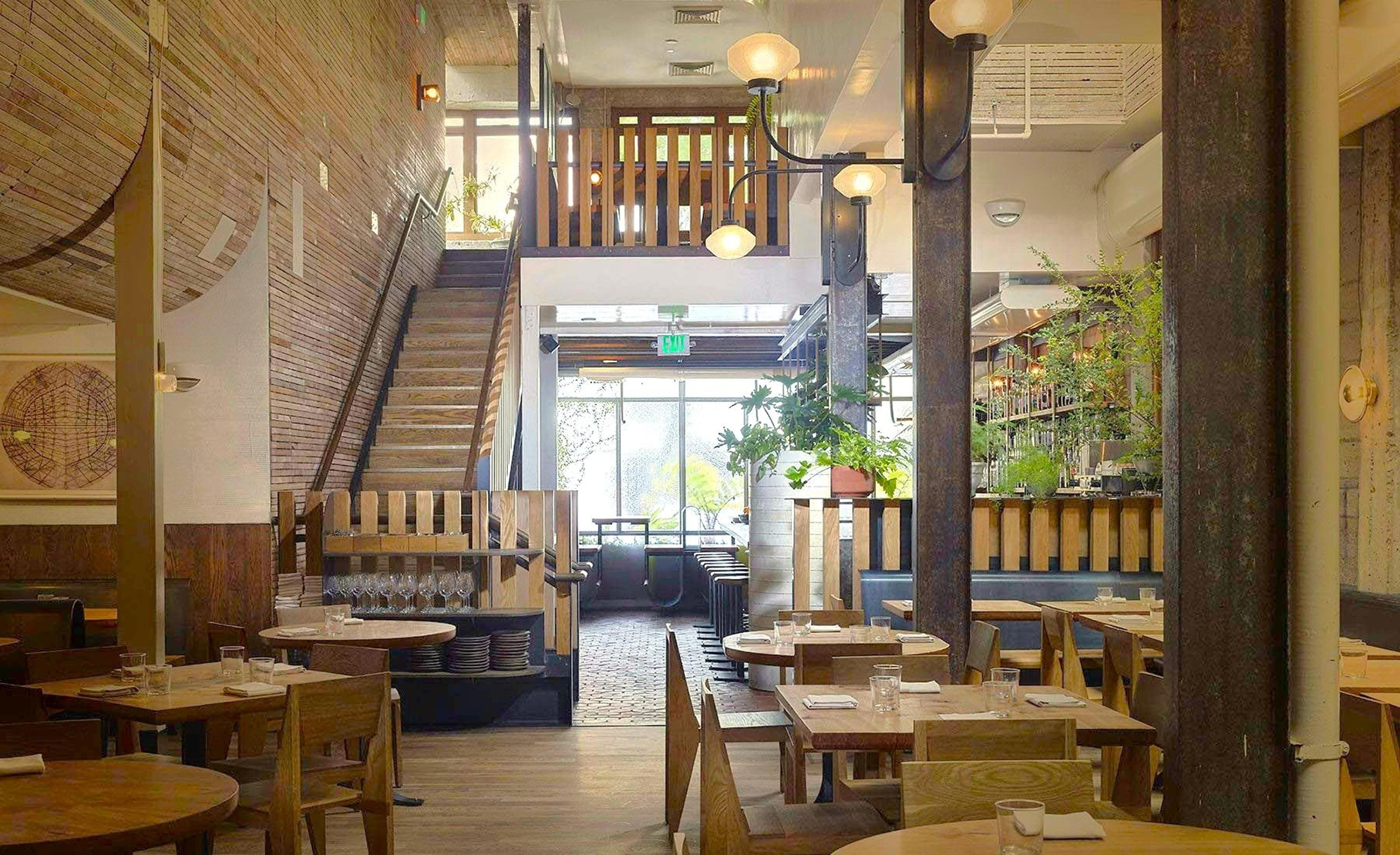
Bars in San Francisco
Browse all →
Hotels in San Francisco
Browse all →
At a Glance
- Cozy
- Classic
- Casual Hangout
- Family
- Standalone
Current opening hours
- Monday
- 11:30 AM–3:30 PM, 4:30–8:30 PM
- Tuesday
- Closed
- Wednesday
- 11:30 AM–3:30 PM, 4:30–8:30 PM
- Thursday
- 11:30 AM–3:30 PM, 4:30–8:30 PM
- Friday
- 11:30 AM–3:30 PM, 4:30–9 PM
- Saturday
- 11:30 AM–9 PM
- Sunday
- 11:30 AM–8:30 PM
Hours can change for holidays and private events. Last verified .
Warm, home-like atmosphere with slanted bamboo roof and walls covered in old photographs and art.