Our verdict
Patagonia sits on Rheinstraße in Gaißau, a small Vorarlberg community on the eastern shore of Lake Constance where the Rhine delta meets the Austrian border. The setting alone positions it within a regional dining tradition shaped by proximity to Swiss and German influences, Alpine produce, and the lake's own larder. Details on format and pricing remain sparse, making direct contact the most reliable first step for planning a visit.

Pearl is the En Primeur Club membership app, where members save venues, book tables and use the concierge.
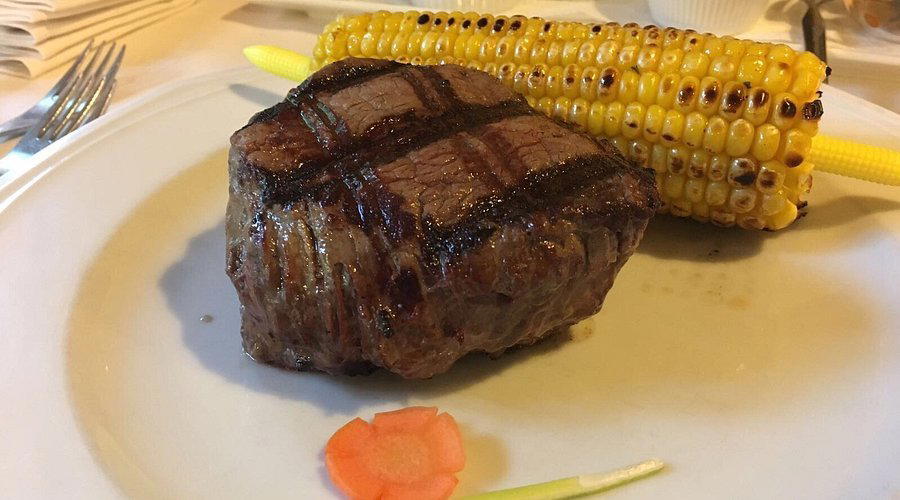
Where the Rhine Meets the Table
Gaißau is easy to underestimate. Positioned at the point where the Rhine empties into Lake Constance, this compact Vorarlberg village sits at a geographic and cultural junction that has quietly shaped the way people eat here for generations. The Austrian, Swiss, and German borders converge within a few kilometres, and that triangulation is not merely cartographic. It filters through to the produce that reaches local kitchens: lake fish pulled from one of Central Europe's largest freshwater bodies, Alpine dairy from the hillside farms that press up against the Rhine delta wetlands, and seasonal vegetables that arrive from all three national traditions. Patagonia, at Rheinstraße 97, occupies this intersection.
The address itself signals something. Rheinstraße runs alongside the river corridor, where the flatlands of the Rhine delta give way to the first rises of the Bregenz Forest to the east. Arriving here, particularly in the cooler months when the lake mist sits low over the water, gives the approach a specific atmosphere that few Austrian dining addresses can replicate. This is border-country Austria, quieter and less trafficked than the ski resort belt to the south, and the dining culture reflects that.
The Sourcing Logic of Lake Constance
In a region defined by water, the ingredient story begins with the lake itself. Lake Constance, known locally as Bodensee, supports commercial fishing for whitefish (Felchen), perch (Egli), and pike-perch (Zander), all of which have anchored the regional table for centuries. Vorarlberg's proximity to this fishery gives lakeside restaurants access to a protein source that alpine-interior kitchens cannot easily replicate. The delta wetlands surrounding Gaißau also support distinctive flora, including wild herbs and grasses that are harvested at a micro-regional scale.
This sourcing geography places Gaißau's dining in a different register from Austria's landlocked gourmet corridor. Compare the positioning to Döllerer in Golling an der Salzach, which draws its ingredient identity from the Salzach valley's limestone terrain, or Kräuterreich by Vitus Winkler in Sankt Veit im Pongau, where alpine herb cultivation is central to the kitchen's language. Gaißau operates on a different ecological register altogether: wetland, lake, and river delta rather than mountain pasture and forest.
The broader Austrian restaurant scene has moved steadily toward explicit provenance in recent years. Venues like Steirereck im Stadtpark in Vienna have made ingredient sourcing a publicly documented part of their identity, while Landhaus Bacher in Mautern an der Donau built much of its reputation on Danube-region produce long before farm-to-table became a marketing phrase. The lake and delta resources available to a kitchen in Gaißau are, by any reasonable measure, as compelling a natural larder as those better-publicised addresses work with.
Regional Context and Peer Restaurants
Vorarlberg's restaurant scene is thinner on the ground than Salzburg or Vienna, which makes each serious address in the province worth more careful attention. The western Alpine tier of Austria, running from Lech and Ischgl down to the Bregenz area, contains a handful of recognised kitchens. Griggeler Stuba in Lech and Stüva in Ischgl both operate within ski-resort contexts, where the guest profile and seasonal calendar are shaped by the winter tourism economy. Gaißau's situation is categorically different: no ski infrastructure, a year-round local population, and a natural environment that peaks in the summer months when the lake is in full use.
That seasonal logic matters for planning. Lake Constance dining makes most sense between late spring and early autumn, when the fish are active, the delta herbs are at their most varied, and the light over the water in the evenings justifies the drive. Visitors approaching from the east or south should factor in the Bregenz connection: the regional capital is roughly fifteen kilometres north along the lake, and it functions as the practical hub for accommodation and onward transport in this corner of Vorarlberg.
For those building a longer Austrian itinerary with serious dining as the spine, the lake and mountain restaurants of the west can be bracketed with kitchens further south and east. Gourmetrestaurant Tannenhof in Sankt Anton am Arlberg sits roughly ninety minutes' drive into the mountains from Gaißau, as does Restaurant 141 by Joachim Jaud in Mieming via the Inn valley corridor. Heading east, Obauer in Werfen and Atelier Fischer in Sankt Gilgen extend a western Austria dining circuit that rewards deliberate routing.
Planning a Visit
Gaißau is served by local roads connecting to the Vorarlberg motorway network, with Bregenz and Lustenau as the nearest significant towns. Given the village's small scale, dining here is likely a destination decision rather than a drop-in one, and contacting the restaurant directly to confirm hours, format, and booking procedure is essential before travelling. The address at Rheinstraße 97 is confirmed.
For a broader map of where Patagonia sits within the local restaurant picture, our full Gai Au restaurants guide covers the options across the community and the surrounding Vorarlberg lake district. Those comparing Austrian fine dining circuits further afield might also look at Ikarus in Salzburg, Taubenkobel in Schützen am Gebirge, or Artis in Graz for a sense of how the wider national scene is structured. Those planning around exceptional seafood-focused kitchens internationally might note that the commitment to freshwater sourcing in lake-region Central Europe operates on a different but equally serious axis from coastal fish restaurants like Le Bernardin in New York City or the tightly controlled ingredient programs at Atomix in New York City. References like Schwarzer Adler in Hall in Tirol and Ois in Neufelden round out the picture of how Austria's regional restaurants outside the main urban and ski-resort centres are developing their identities.
Frequently asked questions
Is Patagonia suitable for children?
The venue data doesn't specify a family policy, and the address on Rheinstraße 97 in Gaißau gives little away about format or atmosphere. Given Gaißau's scale as a small Vorarlberg village rather than a resort town, it's worth contacting the restaurant directly before arriving with young children to confirm seating arrangements and menu flexibility.
What kind of setting is Patagonia?
Patagonia sits at Rheinstraße 97 in Gaißau, a compact village at the point where the Rhine flows into Lake Constance on Austria's western edge. The location places it firmly in the Vorarlberg borderland, geographically closer to Germany and Switzerland than to Vienna or Salzburg. The surrounding environment is defined by water, flat Rhine delta terrain, and the broad expanse of the Bodensee rather than Alpine drama.
Why would someone travel specifically to Gaißau to eat at Patagonia rather than dining in nearby Bregenz?
Vorarlberg's serious restaurant addresses are spread thin compared with Austria's larger cities, which means each destination worth the drive carries more weight in the provincial context. Gaißau's position at the Rhine delta, a distinct geographic pocket separate from Bregenz's urban dining strip, gives Patagonia on Rheinstraße 97 a remove that Bregenz restaurants don't offer. For visitors already exploring the Bodensee shoreline between Lustenau and the Swiss border, it represents a logical stop rather than a detour.
What should I order at Patagonia?
What the geography strongly suggests is that Lake Constance fish, Bodensee catches such as felchen and perch are commercially fished in this stretch of water, would be a logical anchor for any kitchen operating this close to the lake. Confirm current offerings directly with the restaurant before visiting.
How do I find Patagonia?
Patagonia is located at Rheinstraße 97, 6974 Gaißau, Austria, Gai Au.
Quick Comparison
Comparable venues nearby, for context on price, style, and recognition.
| Venue | Cuisine | Price | Awards | Notes |
|---|---|---|---|---|
| PatagoniaThis venue (the venue you are viewing) | Authentic Argentine Steakhouse | Not listed | Not listed | Not listed |
| Das Himmelwärts | Modern Vorarlberg Steak & Fish | Not listed | Not listed | Nenzing |
| Hotel Gasthof Hirschen Schwarzenberg | Modern Austrian Regional | $50–100 | Falstaff Restaurant - 95 Falstaff Points | Schwarzenberg |
| Damülser Hof | Regional Austrian Alpine Cuisine | Not listed | Not listed | Damüls |
| Posthotel Taube | Regional Alpine Fine Dining | $30–50 | Not listed | Schruns center |
| Jamtalhütte | Traditional Alpine & Tyrolean | Not listed | Not listed | Galtür |
Continue exploring
More in Gaißau
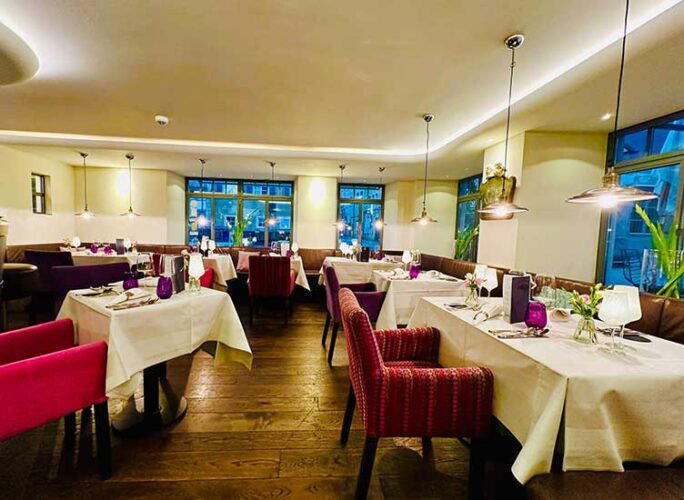
Restaurants in Gaißau
All restaurants in Gaißau →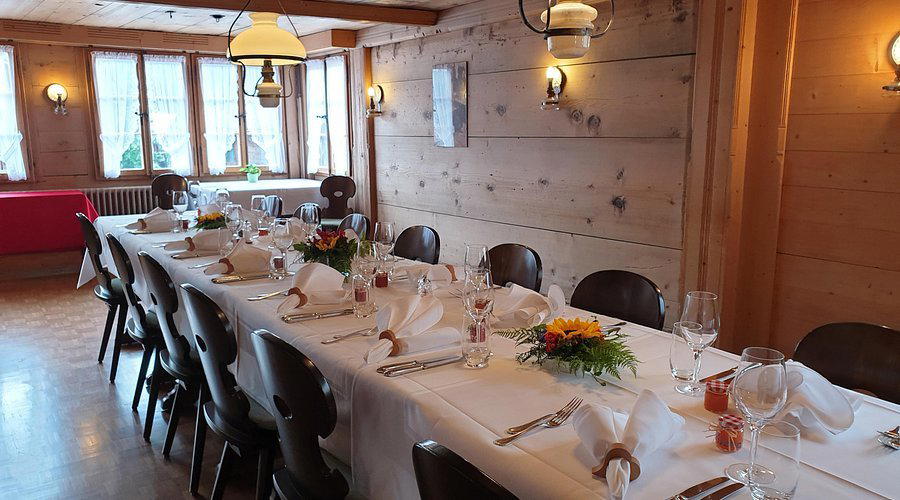
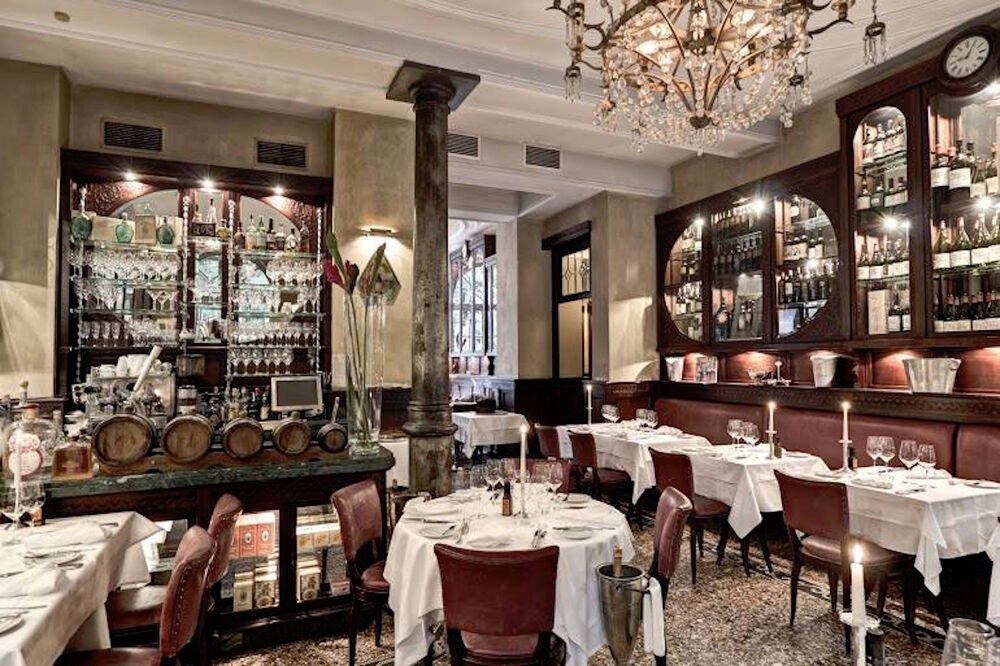
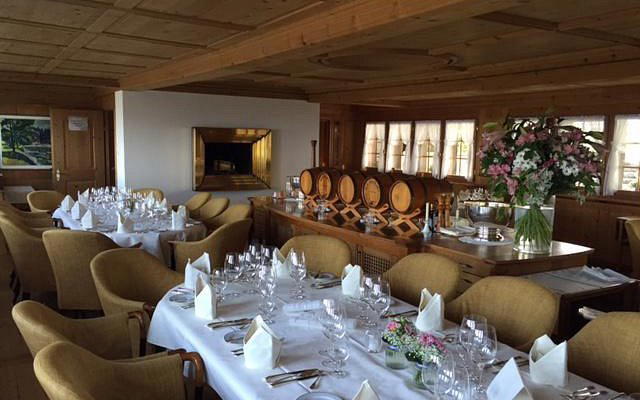
Bars in Gaißau
Browse all →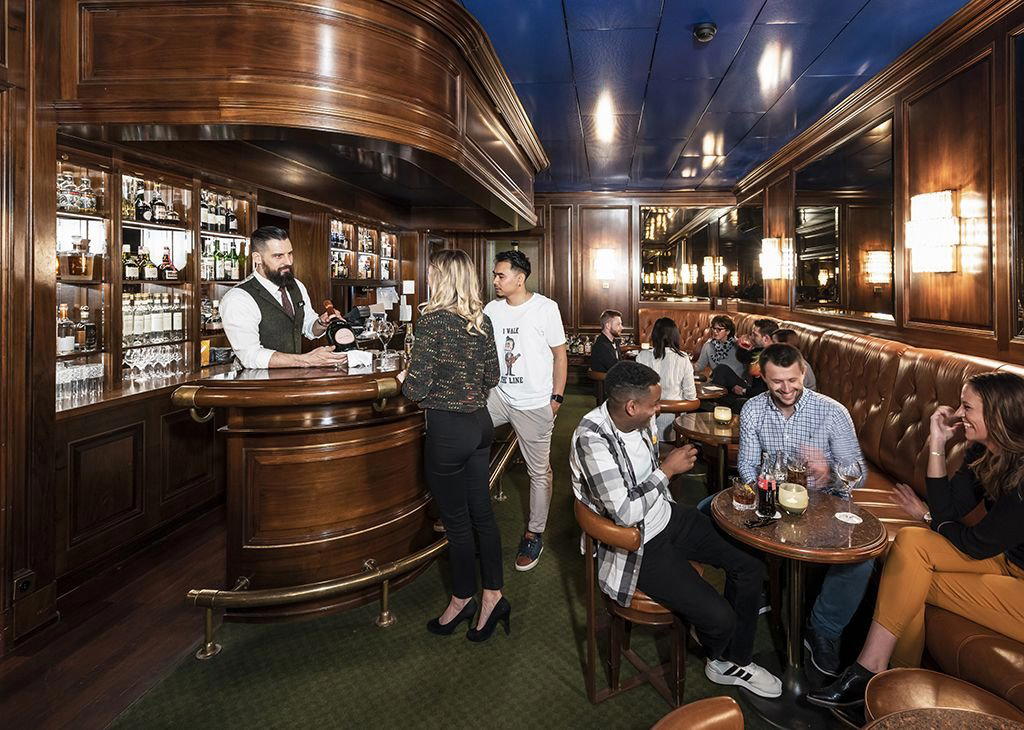

Details
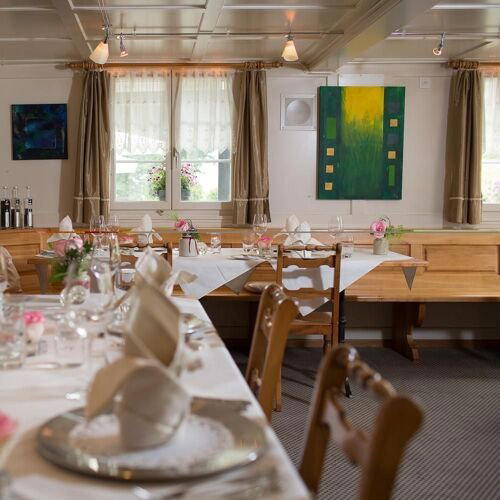
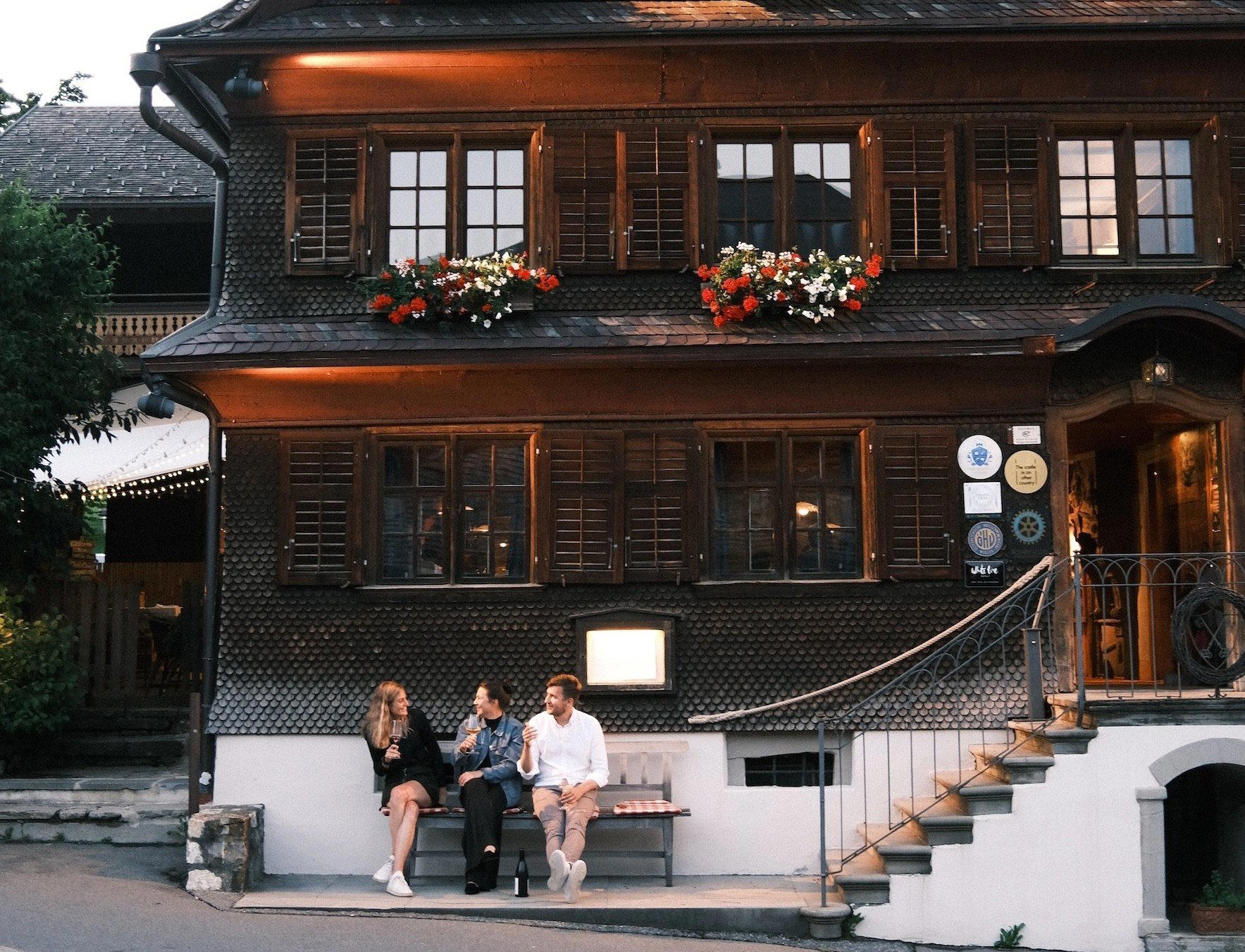
- Rustic
- Cozy
- Date Night
- Special Occasion
- Extensive Wine List
- Waterfront
- A La Carte
- Wine
Current opening hours
- Monday
- 5:30–10:30 PM
- Tuesday
- Closed
- Wednesday
- 5:30–10:30 PM
- Thursday
- 5:30–10:30 PM
- Friday
- 5:30–10:30 PM
- Saturday
- 5:30–10:30 PM
- Sunday
- 11:30 AM–2:30 PM, 5:30–10:30 PM
Hours can change for holidays and private events. Hours as of .
Personal and authentically Argentine atmosphere where every guest feels at home.