Where the Vorarlberg Alps Set the Table The road into Nenzing climbs through a fold in the Walgau valley where the Rhine plain gives way to the lower reaches of the Rätikon range. At this altitude, the distinction between what grows nearby and...
Pearl is the En Primeur Club membership app — saves, bookings, and concierge access live there. Same editors, same standards.
- Address
- Garfrenga 2, 6710 Nenzing, Austria
- Phone
- +43552562491
- Website
- alpencamping.at
- Directions
- Get directions
 Saves & bookings on Pearl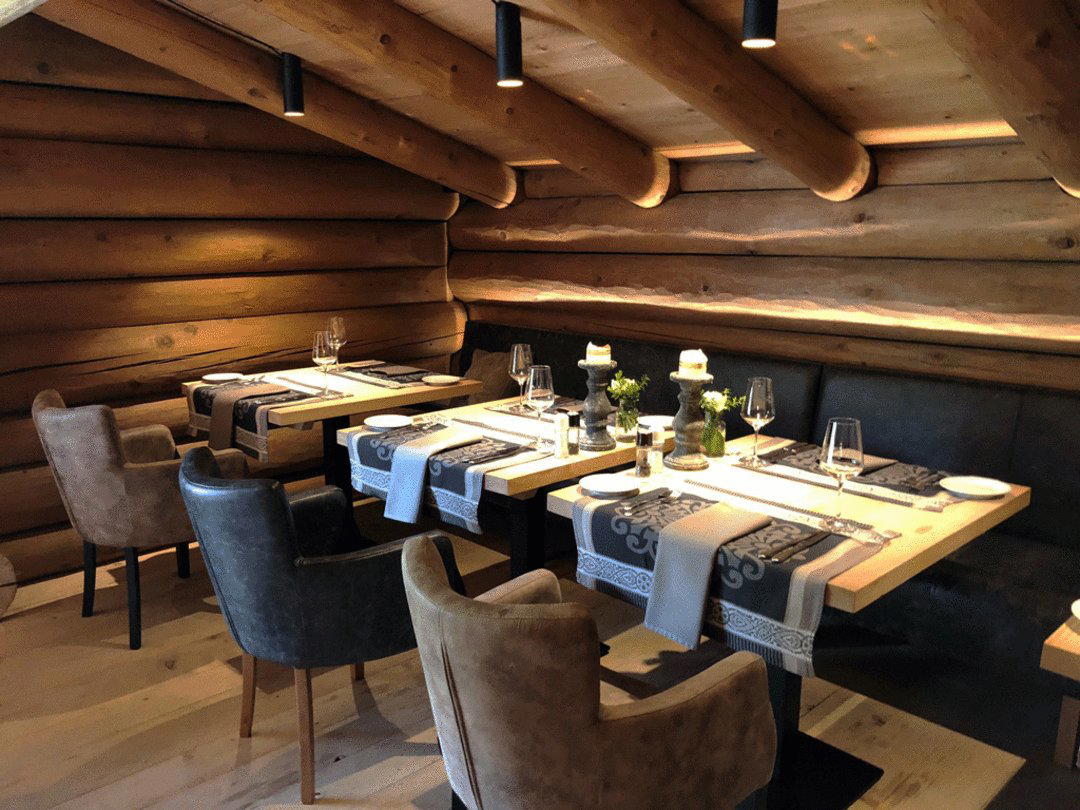
Where the Vorarlberg Alps Set the Table
The road into Nenzing climbs through a fold in the Walgau valley where the Rhine plain gives way to the lower reaches of the Rätikon range. At this altitude, the distinction between what grows nearby and what arrives by freight is not a branding exercise, it is a practical reality that shapes how kitchens in this part of western Austria have always operated. Das Himmelwärts is a restaurant in Nenzing, Austria, serving Modern Vorarlberg Steak & Fish. Das Himmelwärts, at Garfrenga 2 in Nenzing, occupies that geographic logic directly, sitting in a position where the surrounding mountain terrain is less a backdrop than an active supplier.
Austria's alpine dining tradition has always been ingredient-driven by necessity. The same conditions that limit what can be transported efficiently, narrow valley roads, seasonal access, short growing windows, are the conditions that produce some of Central Europe's most concentrated flavour in dairy, game, foraged greens, and cold-water fish. The restaurants that have built particularly durable reputations in this region, from Döllerer in Golling an der Salzach to Gourmetrestaurant Tannenhof in Sankt Anton am Arlberg, have done so by treating the surrounding landscape as a sourcing infrastructure rather than a decorative theme.
The Vorarlberg Sourcing Tradition and Where Das Himmelwärts Fits
Vorarlberg sits at the western edge of Austria, bordering Switzerland and Liechtenstein, and its food culture reflects that cross-border geography. Dairy from the Bregenzerwald, where strict grazing protocols and altitude produce milk with measurably different fat and protein profiles than lowland equivalents, has long anchored the region's kitchen identity. Game from the surrounding forests, herbs from alpine meadows, and river fish from the Rhine tributaries and Ill river system complete a sourcing map that serious kitchens in this part of Austria draw from as a matter of course.
The restaurant sits within this tradition. Its address in Garfrenga, a hamlet above the main Nenzing settlement, places it at an elevation where proximity to these raw materials is structural. The kitchen's relationship to local producers is not incidental to what the restaurant does, in alpine Vorarlberg, that relationship is the starting point from which everything else follows. Comparison venues further east in Austria, such as Landhaus Bacher in Mautern an der Donau and Obauer in Werfen, operate within their own distinct regional sourcing contexts, Wachau wine-country produce and Salzburg alpine product respectively, which underlines how granular Austria's ingredient geography actually is at the premium level.
The Nenzing Context: A Small Stage for Serious Cooking
Nenzing is not a destination that generates dining tourism in the way that Lech or Ischgl do during ski season. Griggeler Stuba in Lech and Stüva in Ischgl operate in resort environments where affluent winter visitors sustain high-end food programs year-round. Nenzing operates outside that circuit. The restaurants that hold ground in smaller alpine towns without resort infrastructure do so on the strength of local loyalty, regional reputation, and a level of cooking that draws visitors from Feldkirch, Bludenz, and across the Walgau rather than from seasonal tourist flows.
Within Nenzing itself, the dining options at this address cluster around the Garfrenga locality. Garfrenga 1 and Gasthaus Rössle represent the local reference points against which the restaurant positions itself. What distinguishes the restaurant within that local context is its orientation toward a more deliberate, sourcing-conscious approach to the alpine ingredient palette, the kind of positioning that in other Austrian settings, at places like Kräuterreich by Vitus Winkler in Sankt Veit im Pongau, has translated into sustained critical recognition.
The National Reference Frame
Austrian fine dining at the summit of the national tier, Steirereck im Stadtpark in Vienna being the obvious reference, with its sustained 50 Best presence and its long-running commitment to Austrian-sourced product, has demonstrated that ingredient provenance is not a regional quirk but a competitive differentiator at international level. The restaurants that have followed that lead most successfully, including Taubenkobel in Schützen am Gebirge in Burgenland and Ois in Neufelden in Upper Austria, have each built their identity around a specific regional product story told with culinary precision.
The western Austrian mountain kitchen, at its most considered, does something similar through different raw materials. The comparison with internationally recognised sourcing-led restaurants is instructive: Lazy Bear in San Francisco built its reputation on hyper-local foraging within a California context; Le Bernardin in New York City has long demonstrated that single-minded sourcing focus, in its case, on fish, produces a kitchen identity that outlasts individual trends. The underlying editorial point applies to alpine Vorarlberg as much as to those international cases: specificity of sourcing, when it runs through every decision the kitchen makes, creates a restaurant with a coherent reason to exist.
Kitchens in similar positions, Restaurant 141 by Joachim Jaud in Mieming in Tyrol, Schwarzer Adler in Hall in Tirol, have shown that smaller alpine towns in the western Austrian arc can sustain destination-level cooking when the sourcing rationale is strong enough to carry the proposition. Ikarus in Salzburg operates on a different model entirely, rotating guest chefs rather than a fixed regional product story, which illustrates that there is more than one viable path to recognition in Austrian dining, but that the ingredient-led approach carries particular resonance in mountain communities where the land itself is especially credible authority.
Planning a Visit
The restaurant is located at Garfrenga 2, 6710 Nenzing, Austria. Nenzing is accessible from the A14 Rheintal motorway, with the Nenzing exit placing visitors approximately ten minutes from the Garfrenga locality by car. The nearest rail access is Nenzing station on the Arlbergbahn line, with connections from Feldkirch to the west and Bludenz to the east. Given the location's elevation above the valley floor and the absence of public transport links directly to Garfrenga, a car or taxi transfer from the station is the practical approach.
Comparable Spots, Quickly
Comparable venues nearby, for context on price, style, and recognition.
| Venue | Cuisine | Price | Notes |
|---|---|---|---|
| Das HimmelwärtsThis venue — the venue you are viewing | Modern Vorarlberg Steak & Fish | $$$ | Not listed |
| Garfrenga 1 | Traditional Austrian Regional | $$ | Nenzing |
| Gasthaus Rössle | Modern Austrian | $$$ | Nenzing |
| vju | Contemporary Regional Cuisine | $$$ | Lochau |
| Jägerstube Restaurant | other | $$$$ | Lech am Arlberg |
| Alps & Ocean | Alps & Ocean Fine Dining | $$$$ | Grän |
Continue exploring
More in Nenzing
Restaurants in Nenzing
Browse all →
Bars in Nenzing
Browse all →

Hotels in Nenzing
Browse all →


At a Glance
- Elegant
- Intimate
- Scenic
- Sophisticated
- Date Night
- Special Occasion
- Panoramic View
- Extensive Wine List
- Local Sourcing
- Mountain
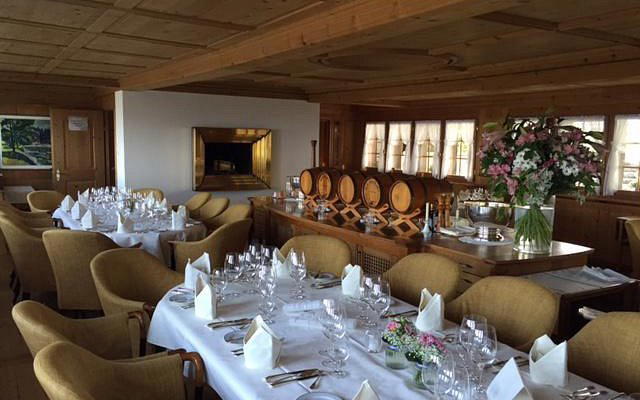
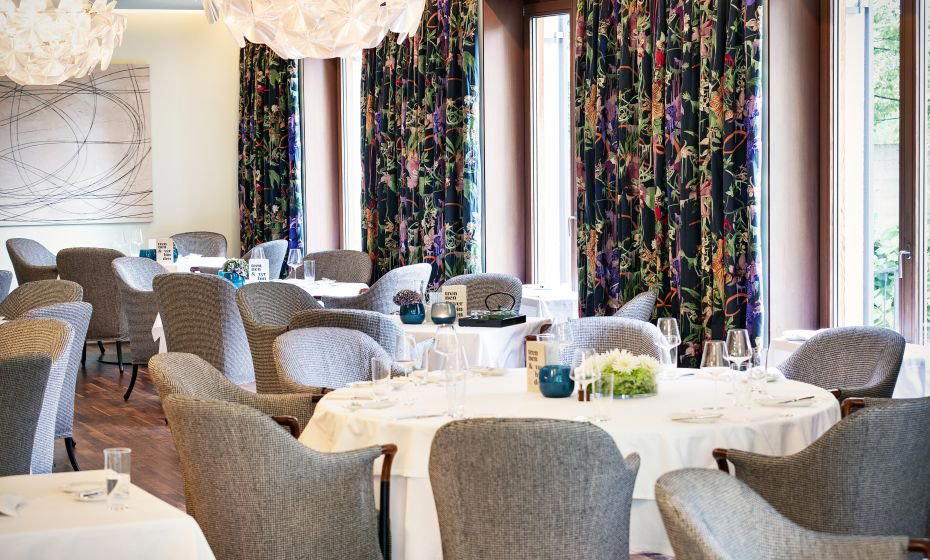
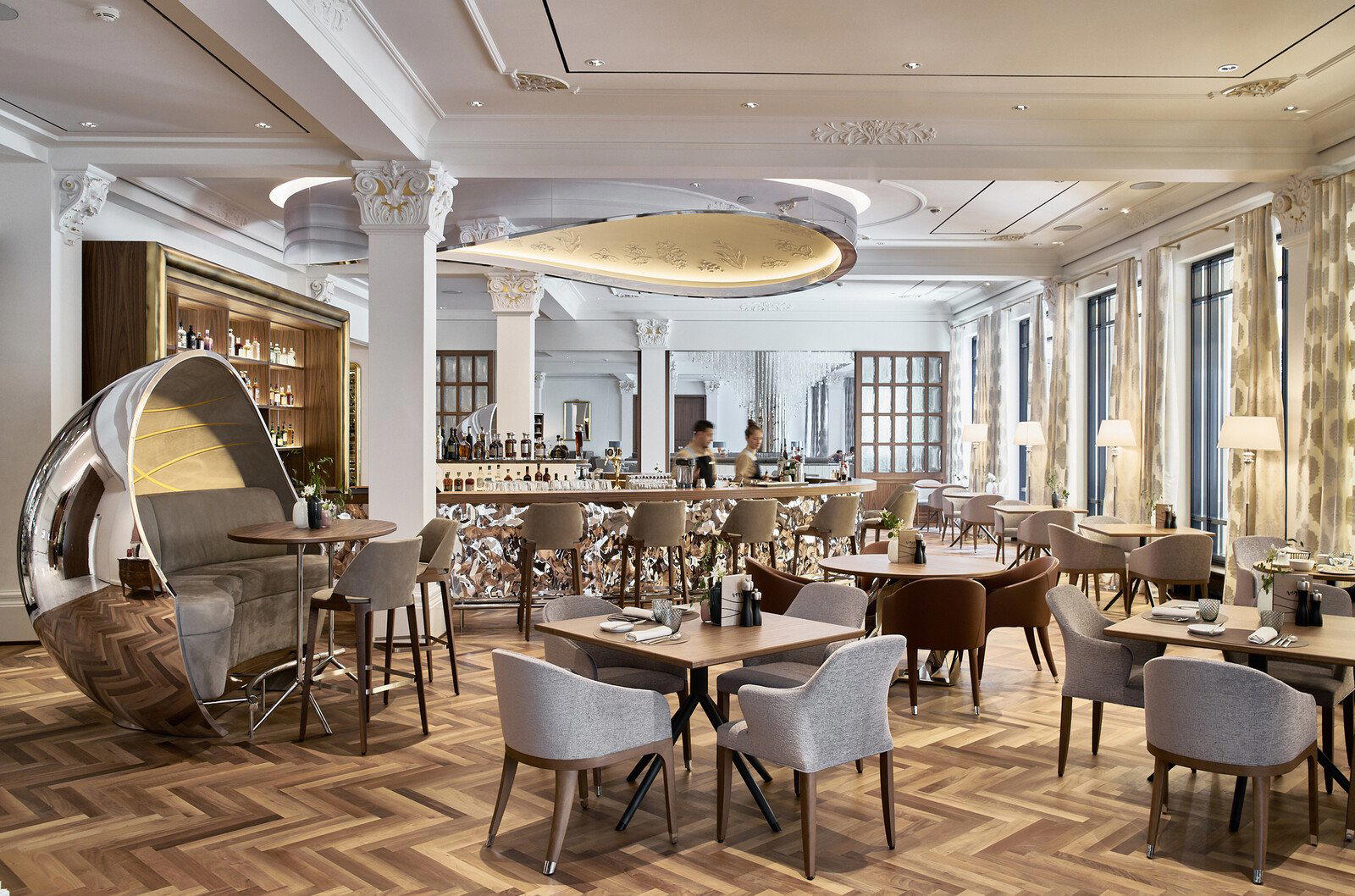
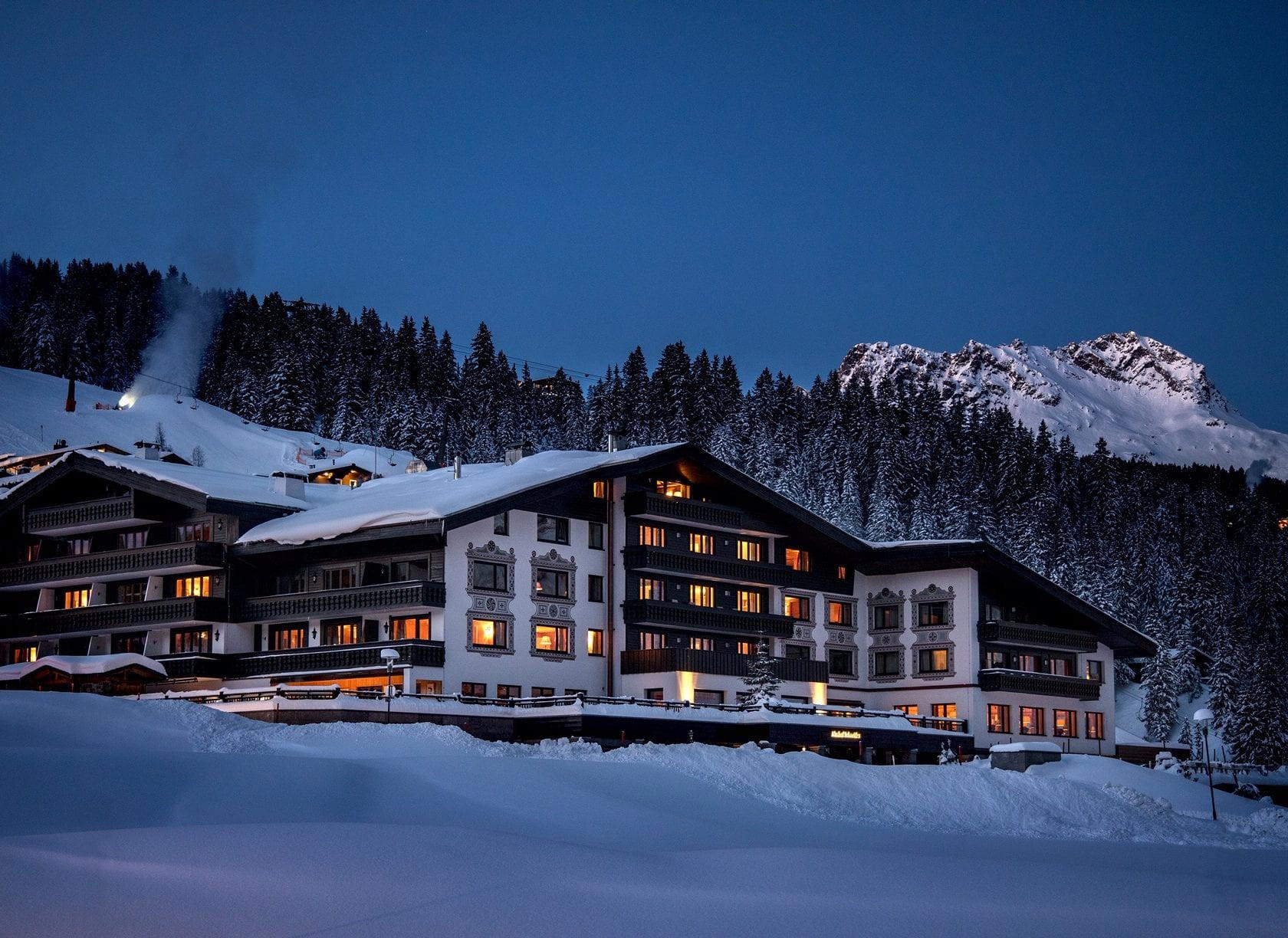
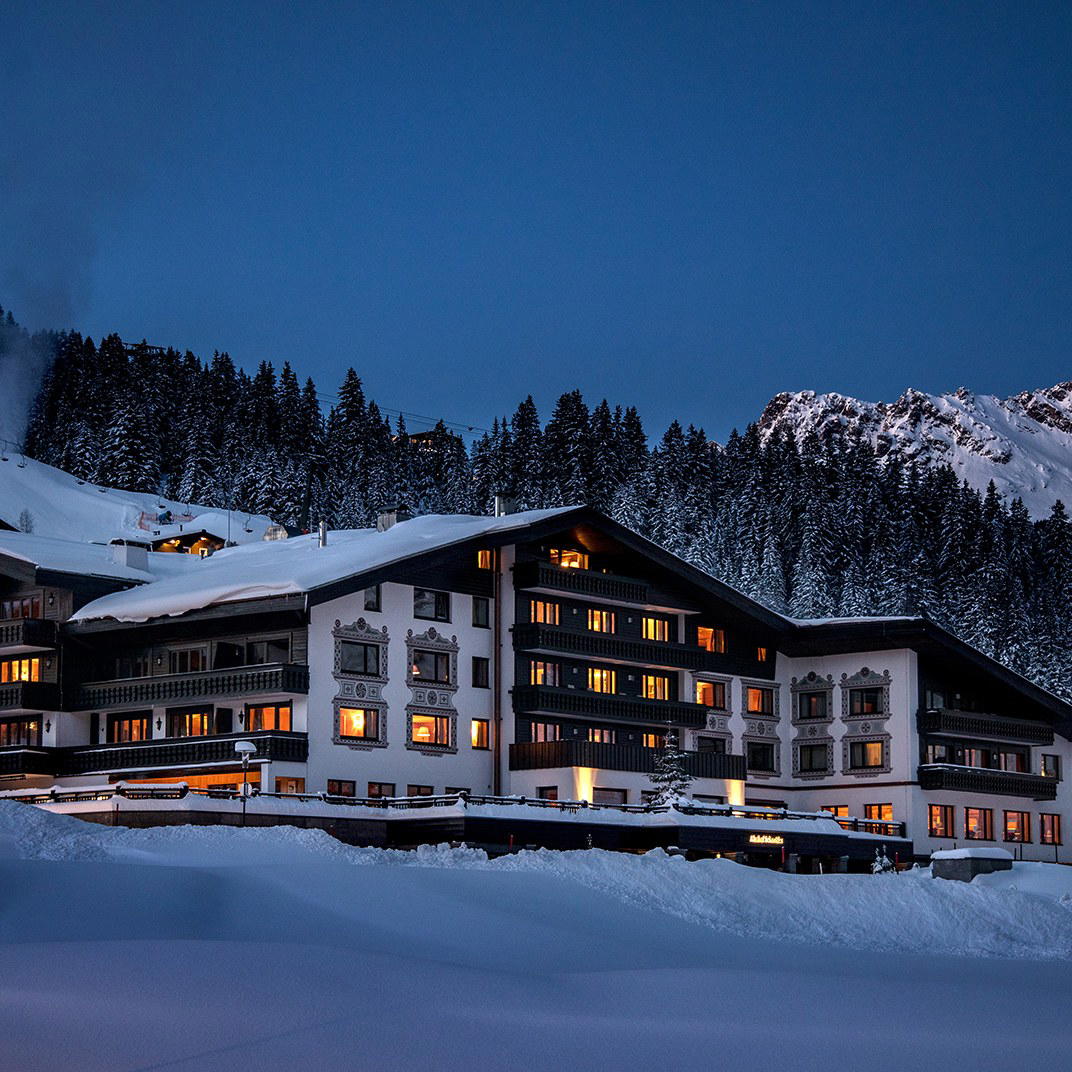
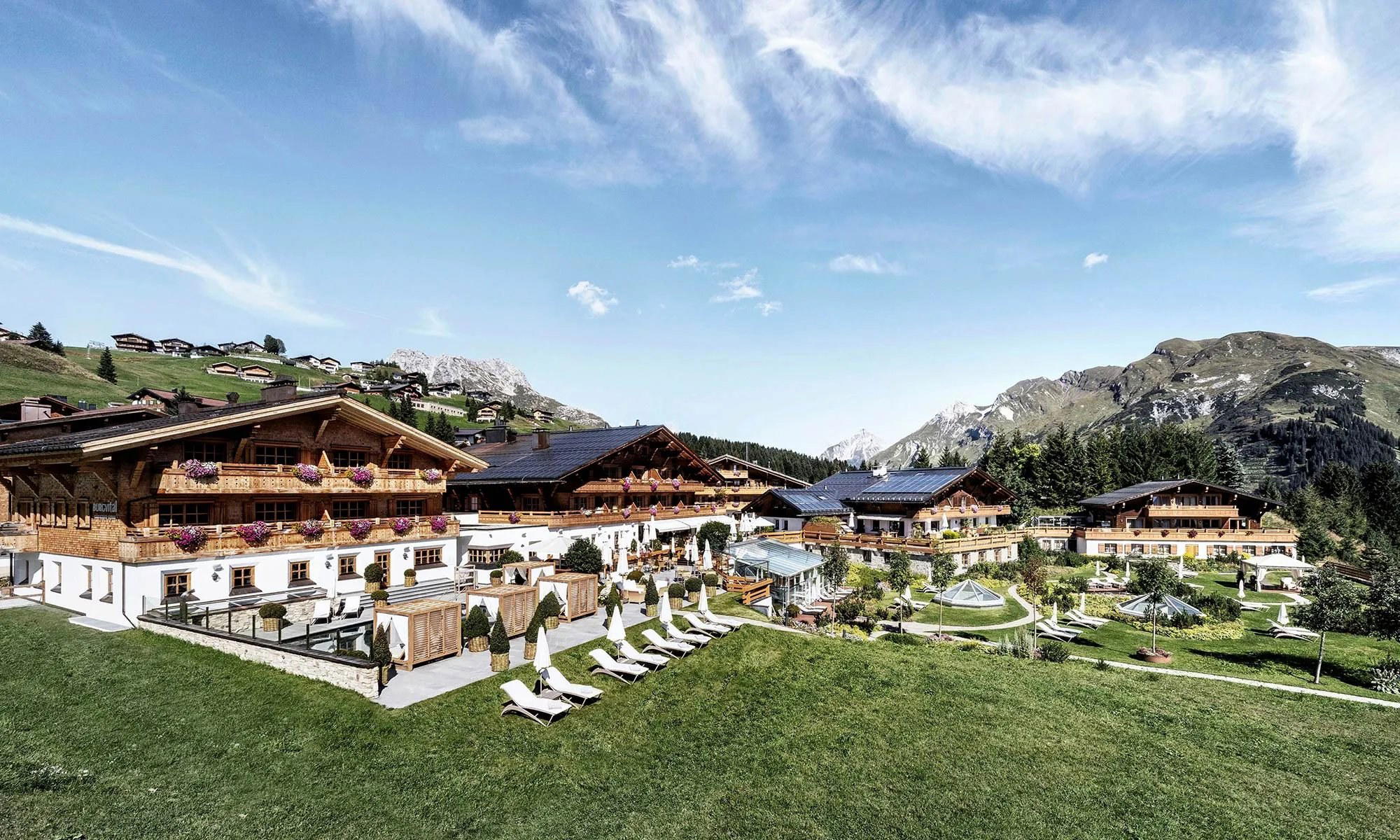
Modern alpine architecture featuring panoramic mountain views, creating a serene and mindful atmosphere centered on tranquility and indulgence.