
Valavier Aktivresort sits in Brand, a compact Vorarlberg village at the foot of the Brandnertal, and holds a place on the Michelin Selected Hotels list for 2025. The property positions itself within Austria's activity-focused alpine resort tier, where outdoor programming and architectural setting carry as much weight as the rooms themselves. It is a practical base for serious mountain activity rather than a passive retreat.
Pearl is the En Primeur Club membership app — saves, bookings, and concierge access live there. Same editors, same standards.
- Address
- Muhledorfle 25, 6708 Brand bei Bludenz, Austria
- Phone
- +43 5559 217
- Website
- valavier.at
- Directions
- Get directions
 Saves & bookings on Pearl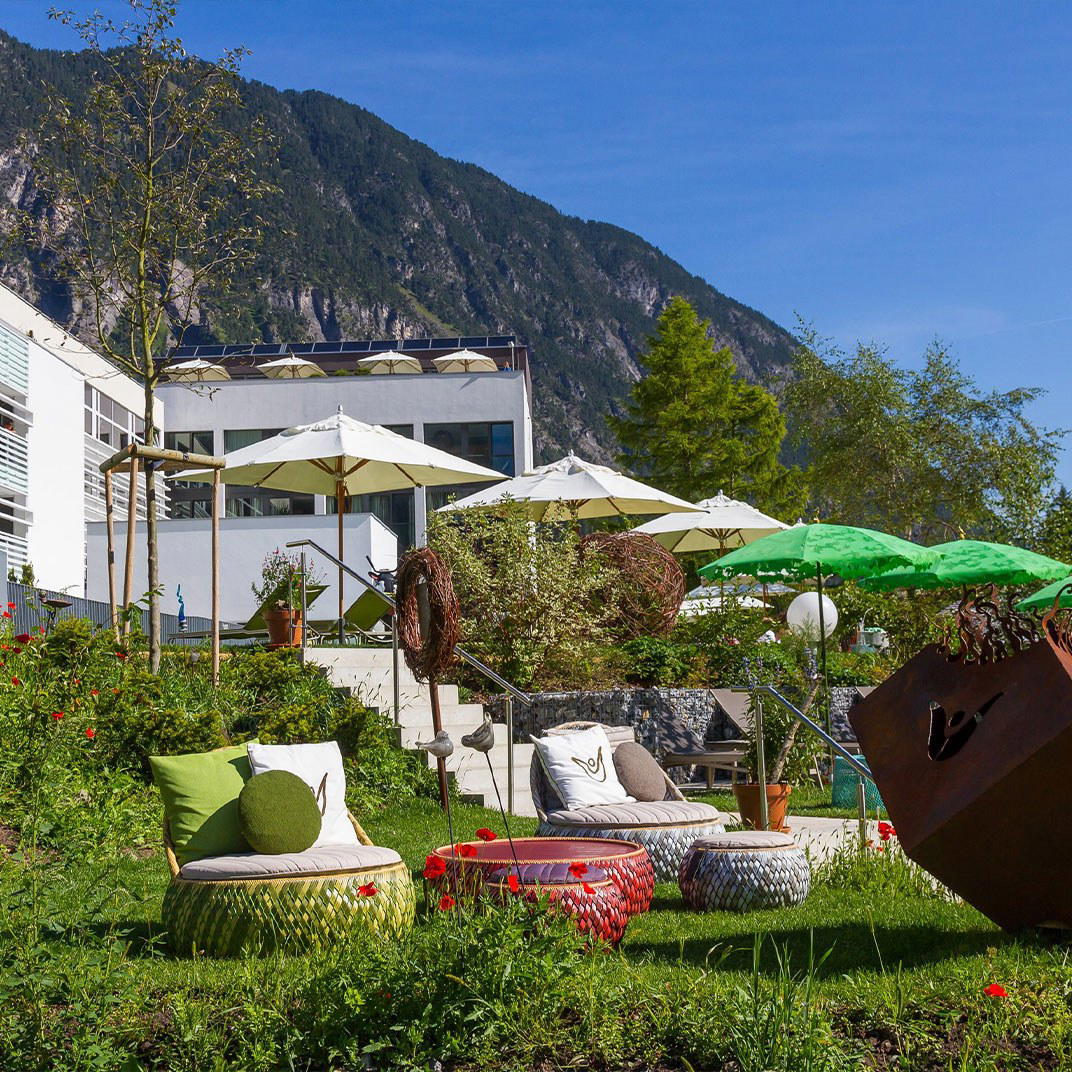
Where the Brandnertal Sets the Terms
Brand sits at roughly 1,000 metres in the Vorarlberg Alps, at the closed end of a valley that funnels traffic toward two ski areas and a network of summer hiking trails that extend into the Rätikon range. The village is small enough that a property's physical relationship to the mountain matters more than its proximity to a town centre. At Valavier Aktivresort, address Mühledörfle 25, that relationship is the starting point for understanding what the property is trying to be. The alpine activity resort format, where skiing, hiking, and wellness programming are integrated rather than optional extras, has become a distinct category in the Austrian market, and Brand is one of the valleys where that format has taken hold most deliberately. For a wider orientation to the region's accommodation and dining options, see our full Brand restaurants guide.
The Physical Frame: Design Logic in an Alpine Setting
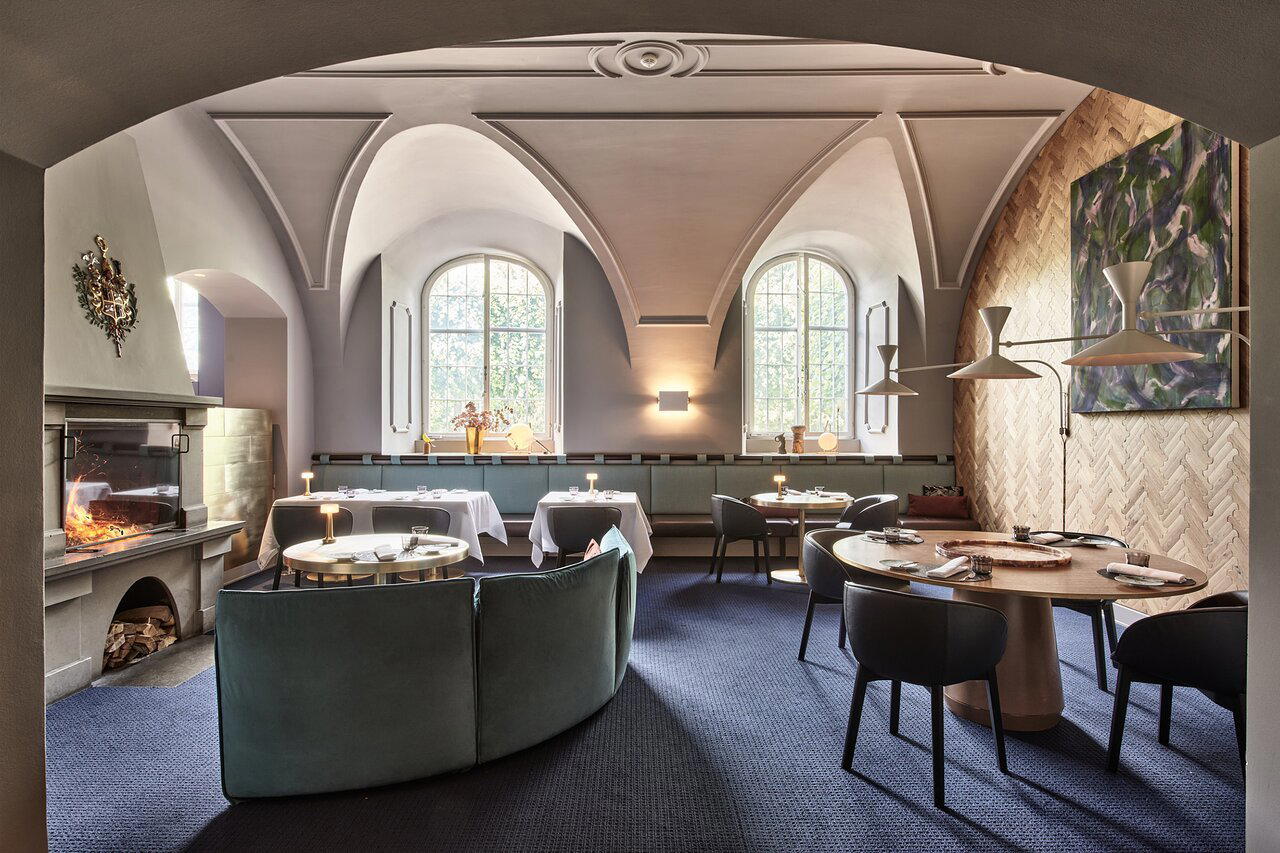
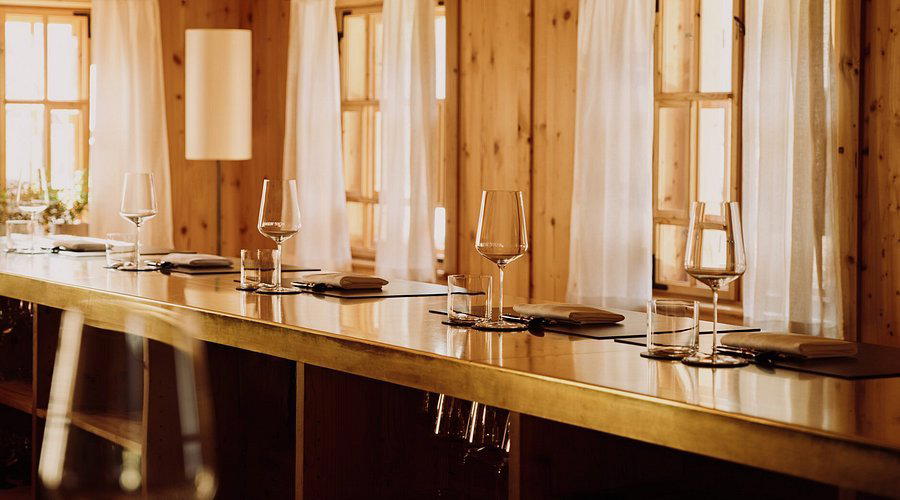
Austrian alpine architecture has split into two broad camps over the past two decades. One camp preserves or simulates the dark timber and low-eave vernacular of traditional Vorarlberg construction. The other adopts the cleaner, lighter aesthetic that Vorarlberg's architectural school has made internationally recognised: pale timber cladding, large glazed openings oriented toward the mountain view, minimal surface decoration. The Aktivresort format that Valavier represents tends toward the latter, where the building is designed to blur the boundary between interior and the landscape outside. Expansive glazing that frames the Brandnertal peaks functions as both a design choice and a practical one: light fills common spaces through winter when daylight hours are short, and the mountain view becomes a constant reference point rather than something to seek out.
The aktivresort category, as it has developed in Austrian alpine hospitality, places particular pressure on the transition zones of a building: how you move from ski storage to a warming area, from a pool to a terrace, from a dining room to the outdoors. These thresholds matter because guests are moving between high-exertion outdoor activity and recovery all day. A property that handles those transitions poorly loses coherence regardless of how well-appointed individual rooms are. Within Austria's broader alpine hotel tier, which includes larger, more infrastructure-heavy properties like LEADING Hotel Hochgurgl in Hochgurgl and the spa-oriented Alpen-Wellness Resort Hochfirst in Obergurgl, Valavier occupies a mid-scale position that relies on those spatial transitions as much as on room count or facility breadth.
Michelin Selected: What the Recognition Signals
Valavier Aktivresort appears on the Michelin Selected Hotels list for 2025, a tier that operates below Michelin's starred distinctions but represents a meaningful editorial filter. Michelin Selected properties are assessed for quality of welcome, comfort, and setting rather than luxury spend alone, which makes the designation a reasonable proxy for consistency across a stay rather than a single high-investment moment. In the Austrian alpine context, the designation places Valavier in a competitive set that includes properties of varying scale and focus. Comparable Michelin-recognised alpine properties in the country range from the wellness-heavy SPA-HOTEL Jagdhof in Neustift to the activity-and-sport-oriented Aktiv & Wellnesshotel Bergfried in Tux. What they share is a focus on programming that extends beyond the room, and the Michelin filter rewards properties where that programming is executed with some rigour.
Austria's broader pool of Michelin Selected hotels spans a wide range of settings and formats. Urban properties like Hotel Sacher Wien in Vienna and Schloss Mönchstein in Salzburg represent one end; activity-focused valley properties like Valavier represent another. The distinction matters for readers calibrating expectations: a Michelin Selected aktivresort is not competing on the terms of a grand hotel, but on the coherence of its activity and recovery offer set against a specific alpine environment.
Brand as a Base: Seasonal Calculation
The Brandnertal has two clear seasons for a property like Valavier. Winter brings access to the Brandnertal ski area, which connects to Bürs and offers a smaller, quieter alternative to the more heavily trafficked Arlberg resorts a short drive northwest. The valley's relative compactness means fewer lift queues and a more contained skiing geography, which suits a guest who prefers depth over breadth. Summer pivots to hiking and trail running in the Rätikon, where routes connect across the Swiss border into Graubünden. That cross-seasonal flexibility is what defines the aktivresort category's commercial logic: a property that can fill rooms outside the peak ski window by offering a credible summer programme.
For guests building a longer Austrian alpine itinerary, the Vorarlberg and western Tyrol hotel tier offers several useful reference points. The Hotel Almhof Schneider in Lech and the Grand Resort Zürserhof in Zürs am Arlberg operate at a higher price tier with Arlberg ski access; Bergblick in Grän and Nidum Hotel in Seefeld in Tirol occupy a more moderate register. Valavier sits within that range, closer to the accessible-but-considered end of the spectrum than to the ultra-premium Arlberg tier.
For nature-focused alternatives elsewhere in Austria, the Naturhotel Waldklause in Längenfeld and the Family Nature Resort Moar Gut in Grossarl represent comparable orientations toward the natural environment, each in different valley contexts. For larger resort infrastructure, Das Central in Sölden and the Sportresidenz Zillertal in Uderns offer points of comparison. Readers drawn to castle and lake settings might also look at Hotel Schloss Seefels in Techelsberg or the Falkensteiner Schlosshotel Velden in Velden am Wörthersee as a contrast to the mountain-valley format. Beyond Austria, the alpine luxury tier extends to properties like Badrutt's Palace Hotel in St. Moritz, which operates at a substantially different scale and price point but shares the snow-season dependency.
Planning a Stay
Brand is accessible by car from Bludenz, the nearest rail hub, in under 30 minutes. The valley road closes to through traffic at Brand itself, so the village retains a contained quality that larger resort towns lose. Booking for peak winter weeks, particularly the school holiday windows in Germany, Austria, and Switzerland, requires lead time, and the Michelin Selected designation means Valavier draws guests who plan deliberately rather than on short notice. Summer availability is generally more flexible.
At-a-Glance Comparison
Comparable venues nearby, for context on price, style, and recognition.
| Venue | Cuisine | Price | Awards | Notes |
|---|---|---|---|---|
| Valavier AktivresortThis venue — the venue you are viewing | Contemporary alpine resort blending modern design with traditional hospitality | $$$ | 4-Star | Not listed |
| The Harmonie Vienna, BW Premier Collection | Renovated classic building blending Viennese elegance with modern comfort | $$$ | 4-Star | Servitenviertel |
| Miiro Spittelberg | Lifestyle hotel with atelier-style approach in historic neighborhood | $$$ | 4-Star | Spittelberg |
| Alpinresort Schillerkopf | Traditional family-run alpine resort | $$$ | 4-Star | Bürserberg |
| Arcotel Tabakfabrik | Urban industrial-chic high-rise hotel integrated into the Quadrill Tower at the redeveloped Tabakfabrik creative campus, mixing Austria’s industrial heritage with contemporary architecture and event-focused facilities. | $$$ | 4-Star | Kaplanhof / Tabakfabrik district |
| Dorint Hotel Weitblick | Large, mixed‑use business hotel integrated into a new high‑rise in Vienna’s Viertel Zwei district, positioned as a contemporary four‑star city property. | Not listed | 4-Star | Viertel Zwei (2nd district) |
Recognition history
Dated appearances from independent guides and award organizations, with the underlying list record or original source where available.
Michelin Selected
Michelin
Continue exploring
More in Brand
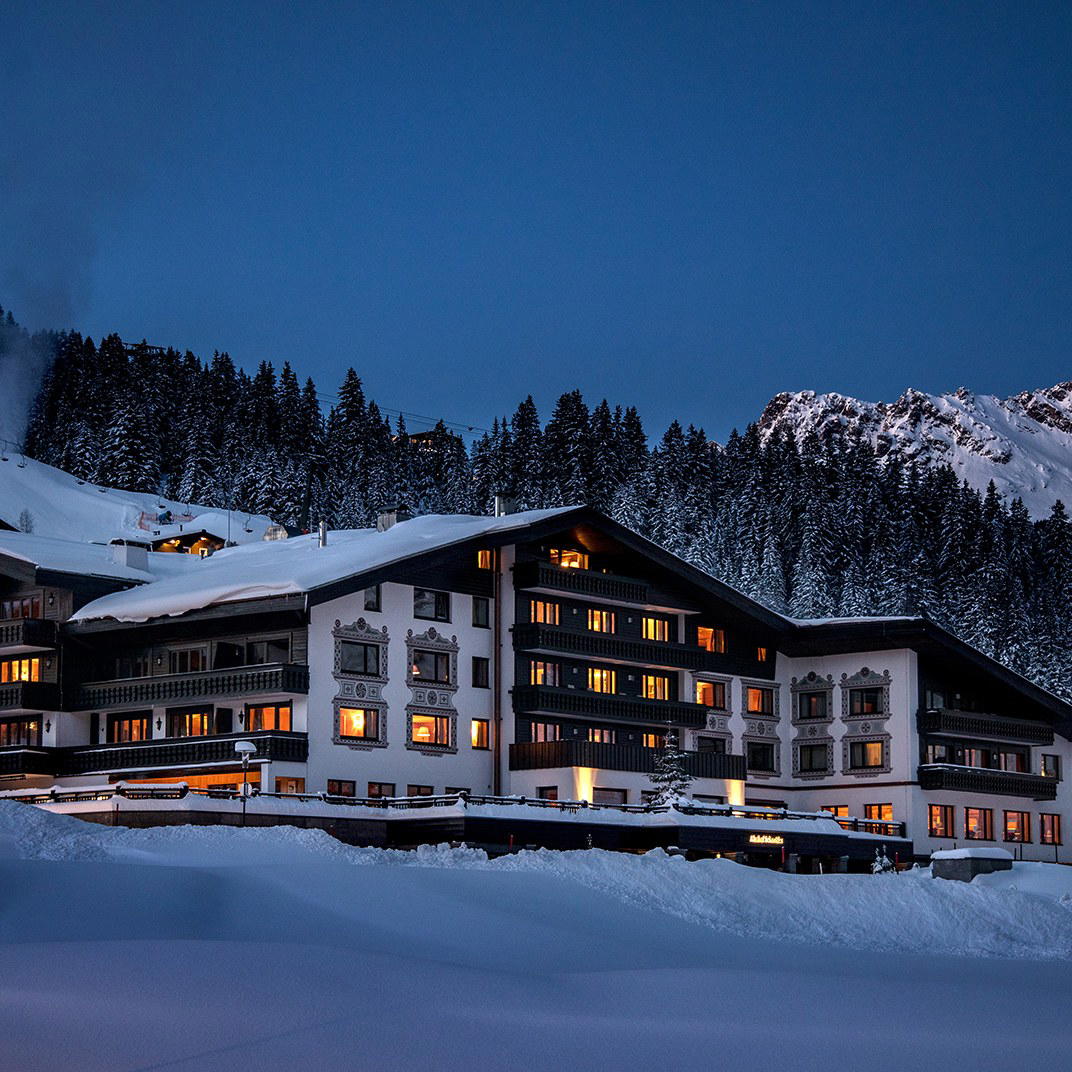
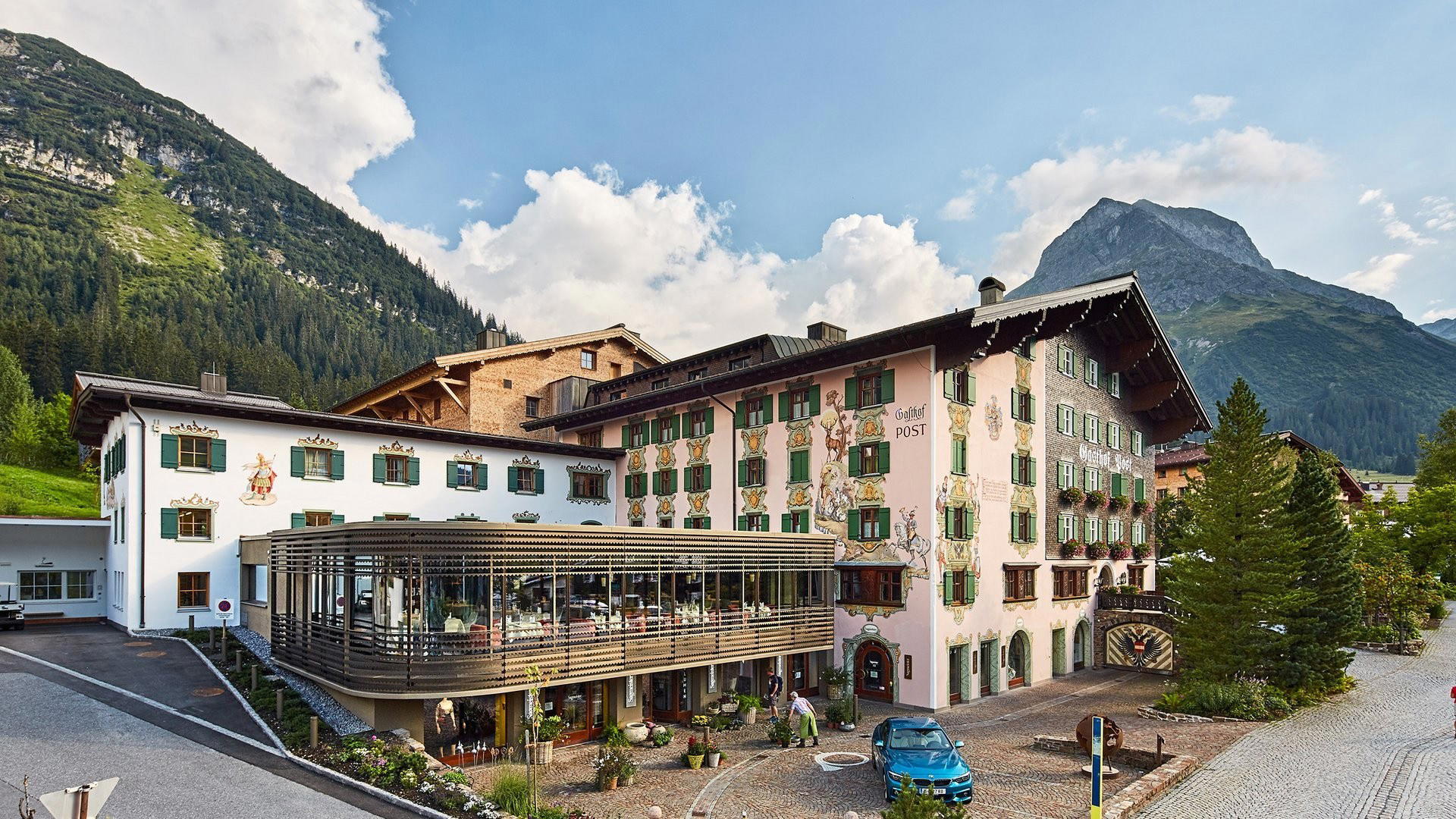
Hotels in Brand
Browse all →
Bars in Brand
Browse all →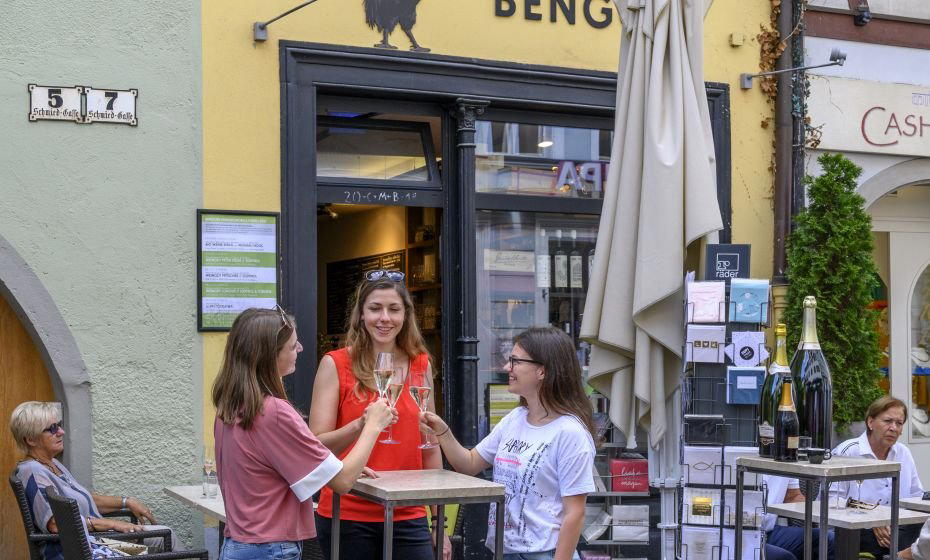
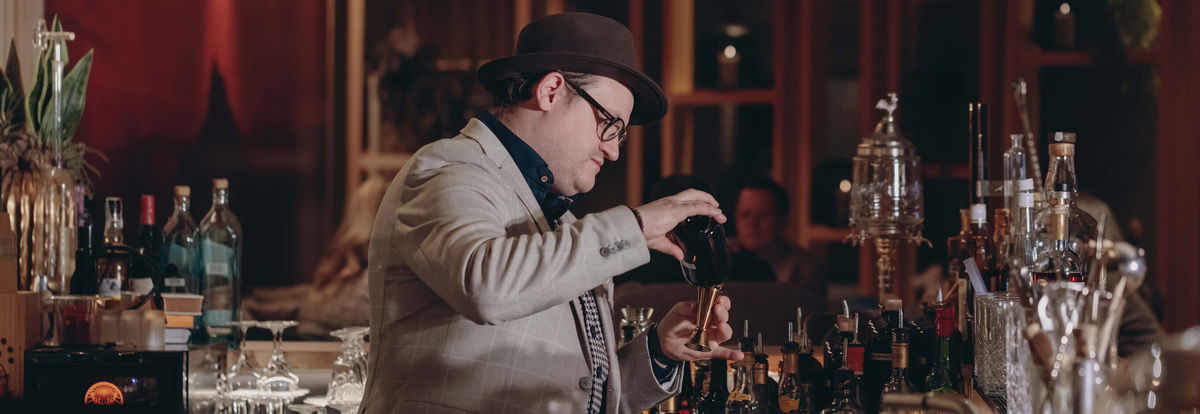
Restaurants in Brand
Browse all →

At a Glance
- Modern
- Scenic
- Cozy
- Family Vacation
- Wellness Retreat
- Weekend Escape
- Ski In Ski Out
- Panoramic View
- Pool
- Spa
- Sauna
- Fitness Center
- Wi Fi
- Concierge
- Kids Club
- Mountain
- Pool
- Spa
- Sauna
- Fitness Center
- Wi Fi
- Concierge
- Kids Club
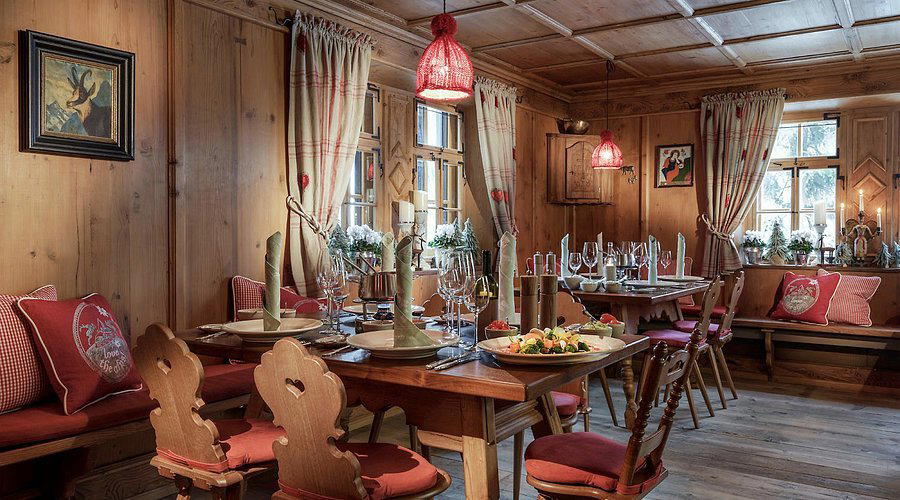
Clean, light, and modern with bright airy decor, luxe alpine wood elements, and a warm, welcoming family atmosphere.