Damülser Hof sits at the quiet core of Damüls, a Vorarlberg village whose altitude and isolation have long shaped what ends up on the table. Alpine sourcing traditions run deep here, and the property occupies a category of Austrian mountain hospitality where the surrounding landscape dictates the kitchen's rhythm. For travellers moving through the Bregenzerwald region, it represents a grounded alternative to the resort-circuit dining that dominates nearby Lech and Ischgl.
Pearl is the En Primeur Club membership app — saves, bookings, and concierge access live there. Same editors, same standards.
- Address
- Damüls 147, 6884 Damüls, Austria
- Phone
- +434355102100
- Website
- damuelserhof.at
- Directions
- Get directions
 Saves & bookings on Pearl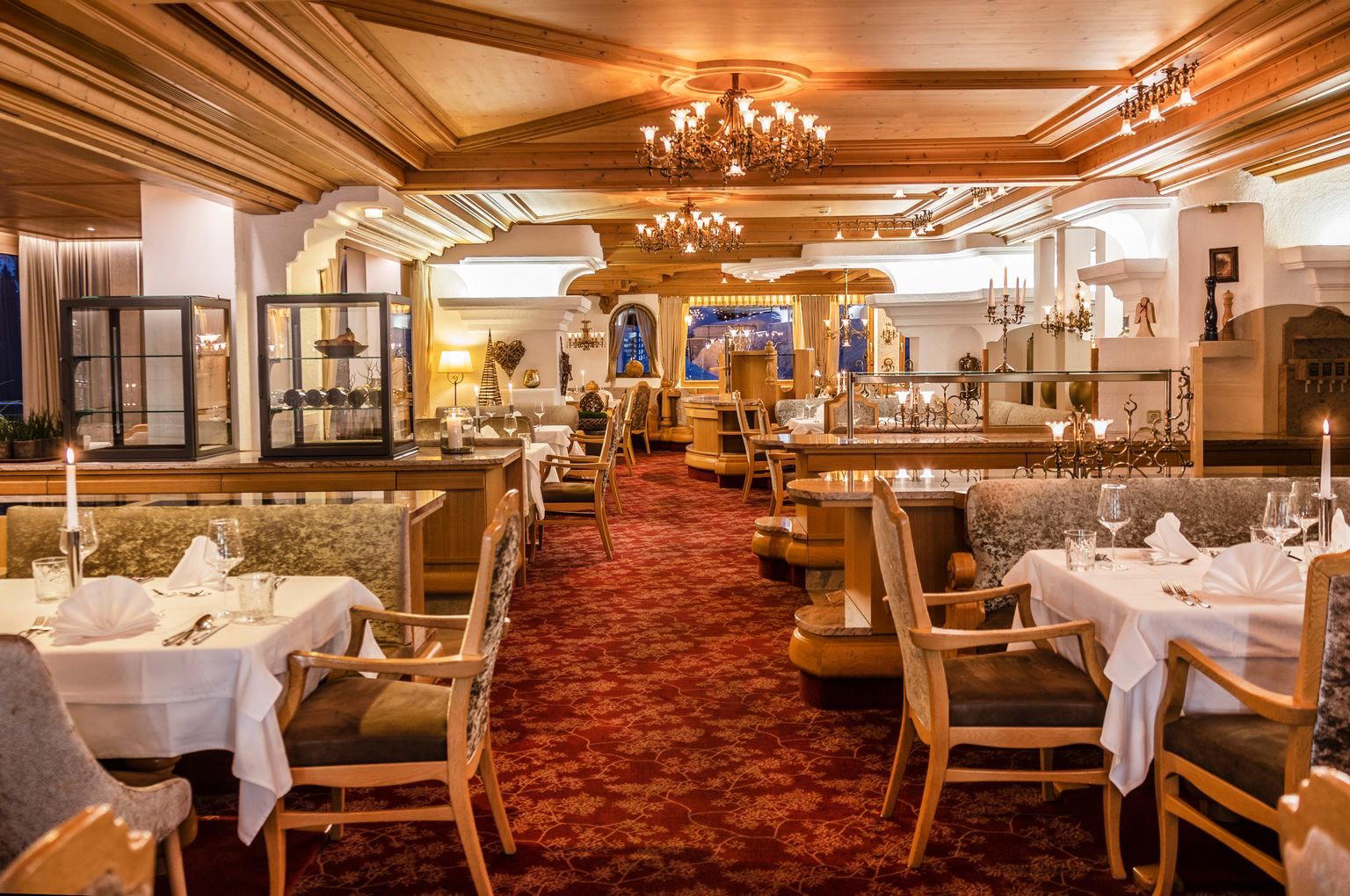
Where Vorarlberg's Altitude Shapes the Plate
Damüls sits at roughly 1,430 metres in the Bregenzerwald range of Vorarlberg, making it one of the higher-altitude village settlements in western Austria. At that elevation, the logistics of ingredient supply are not incidental, they are the defining condition of any kitchen operating here. The seasonal window for fresh local produce is compressed, the road access from the valley tightens in winter, and the dairy and meat traditions of the surrounding farms carry more weight than they would at sea level. Damülser Hof is a restaurant at Damüls 147, 6884 Damüls, Austria, serving Regional Austrian Alpine Cuisine.
Where Steirereck im Stadtpark in Vienna operates at the creative edge of Austrian cooking with an urban supply chain behind it, and where Landhaus Bacher in Mautern an der Donau draws on the Wachau valley's agricultural depth, western Vorarlberg kitchens are constrained, and liberated, by mountain geography. The Bregenzerwald has developed a distinct regional food identity, centred on its cheese-making tradition (the Käsestrasse Bregenzerwald runs through the valley below) and on the cattle that graze the high summer pastures before winter closes in.
The Sourcing Logic of a Mountain Village Kitchen
In a village the size of Damüls, the permanent population is counted in the hundreds, sourcing is necessarily local, not by marketing choice but by practical necessity. The alpine dairy farms of Vorarlberg produce milk from cattle that spend the warmer months on high-altitude pastures, which gives the region's butter, cheese, and cream a seasonal character that flatland equivalents rarely match. Kitchens in villages like Damüls have historically built menus around these cycles: richer dairy and preserved or cured meats through the long winter months, fresh herbs and vegetables in the short summer window when the pastures above the village are accessible.
This pattern aligns Damüls more closely with the sourcing logic you find at properties like Gourmetrestaurant Tannenhof in Sankt Anton am Arlberg or Griggeler Stuba in Lech than with the broader Austrian restaurant scene. In the Arlberg region, the expectation is that a property of standing will have a coherent relationship with its immediate agricultural environment. The distance between farm and kitchen is short, the supply chain is transparent, and the menu reflects the month rather than a static brand identity.
The contrast with Döllerer in Golling an der Salzach is instructive: Döllerer has built a nationally recognised program around Alpine ingredient sourcing, foraging, and regional terroir, but it does so with the infrastructure of a larger operation and a more accessible valley location. The Vorarlberg mountain village model is less visible on the national radar, which tends to mean fewer awards but also fewer of the compromises that come with destination-restaurant scale.
Damüls in the Western Austria Dining Map
Vorarlberg sits in the westernmost corner of Austria, sharing more cultural and culinary DNA with the Swiss and Swabian traditions across the border than with the Viennese school. This is important context for anyone arriving from eastern Austria or from abroad with expectations set by the Michelin-recognised tier of Austrian restaurants. The region has produced awarded kitchens, including Stüva in Ischgl to the east in Tyrol, but the village-level properties in the Bregenzerwald and Damüls area tend to operate in a less publicised register.
For the traveller who has moved through the higher-profile end of Austrian mountain dining, including Obauer in Werfen or Ikarus in Salzburg, the Damüls experience represents a shift in register. The logic is different: less theatrical presentation, more direct relationship between the landscape outside and what arrives at the table. The village also offers a quieter alternative to the resort-town dining circuit; unlike Lech or Ischgl, Damüls draws a more regionally focused visitor base, which tends to keep the dining atmosphere oriented around the local rather than the international.
Other properties in the area worth considering alongside Damülser Hof include Nevo, which represents Damüls's engagement with a more contemporary cooking style.
The Atmosphere at This Altitude
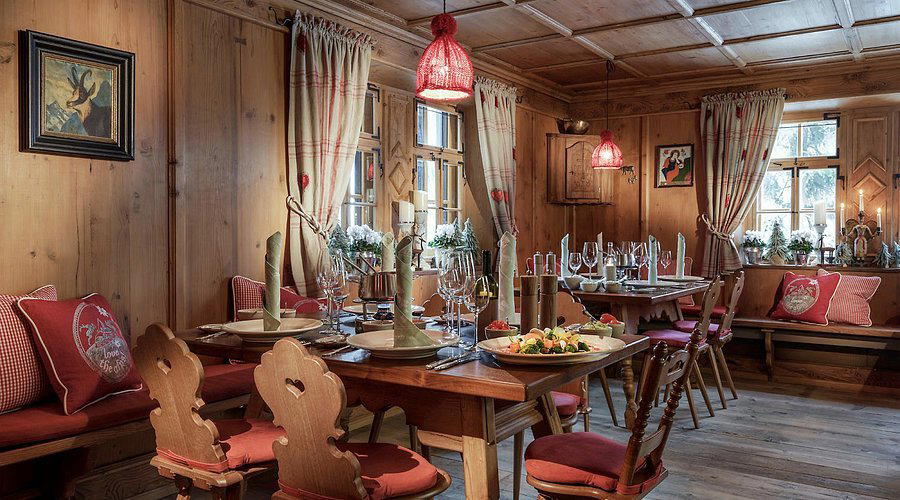
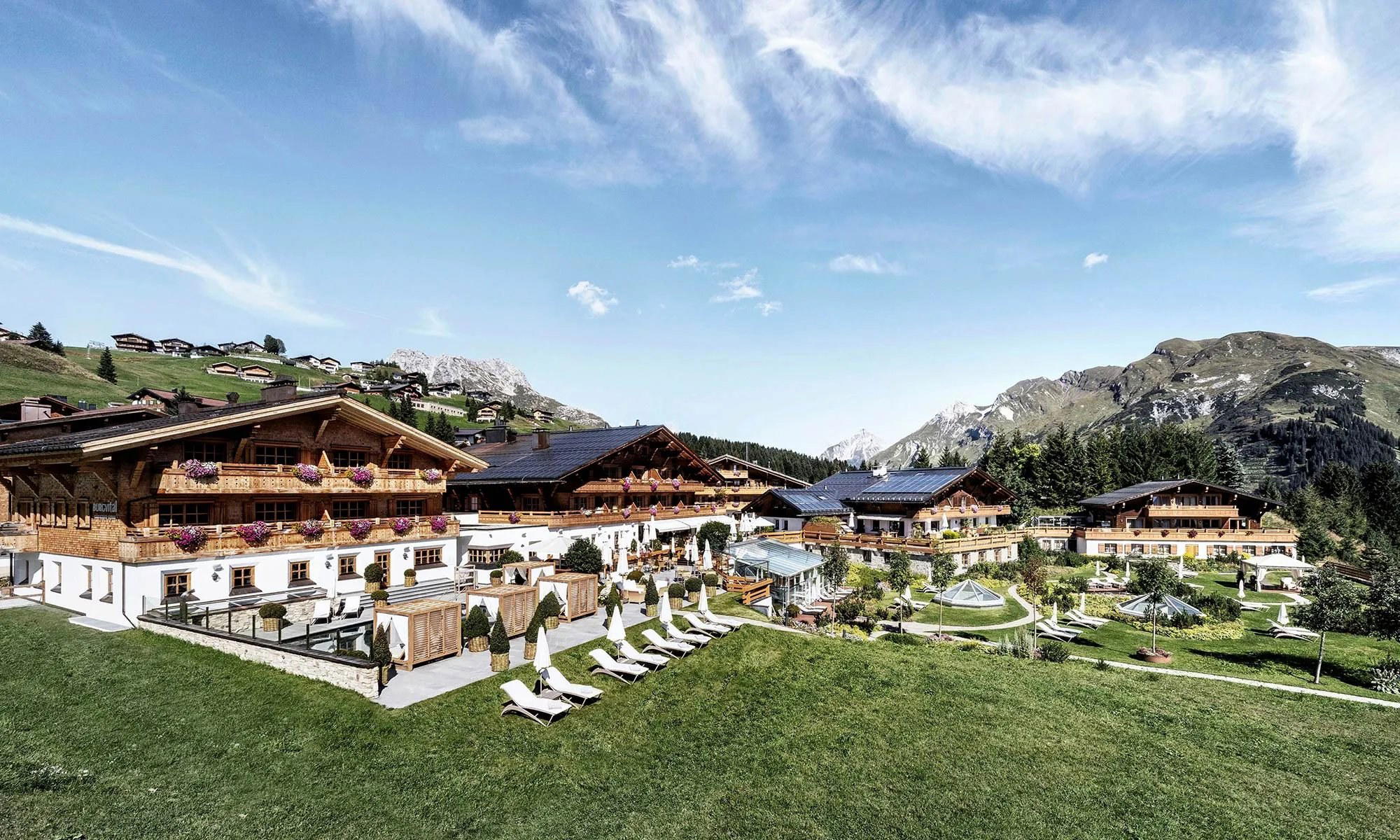
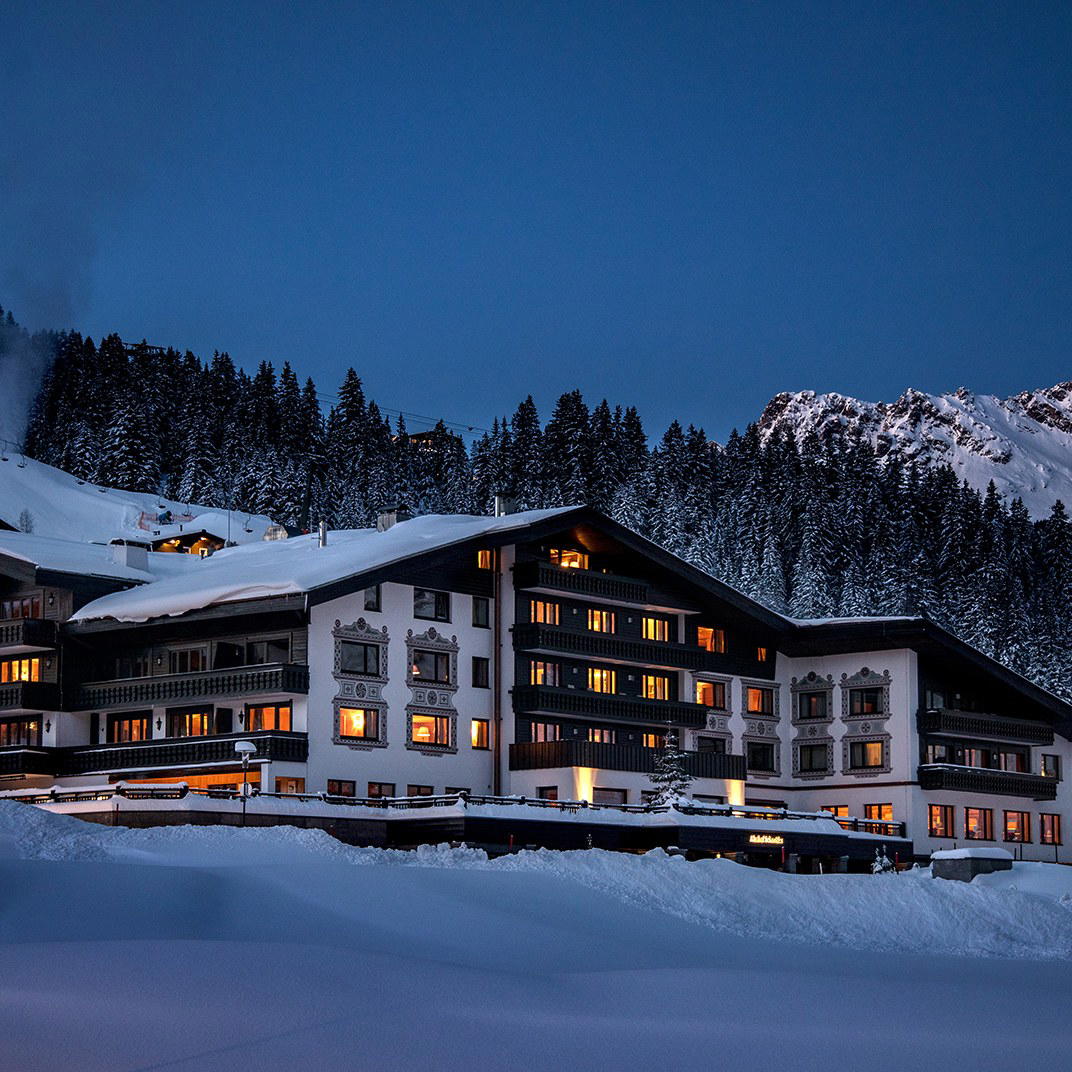
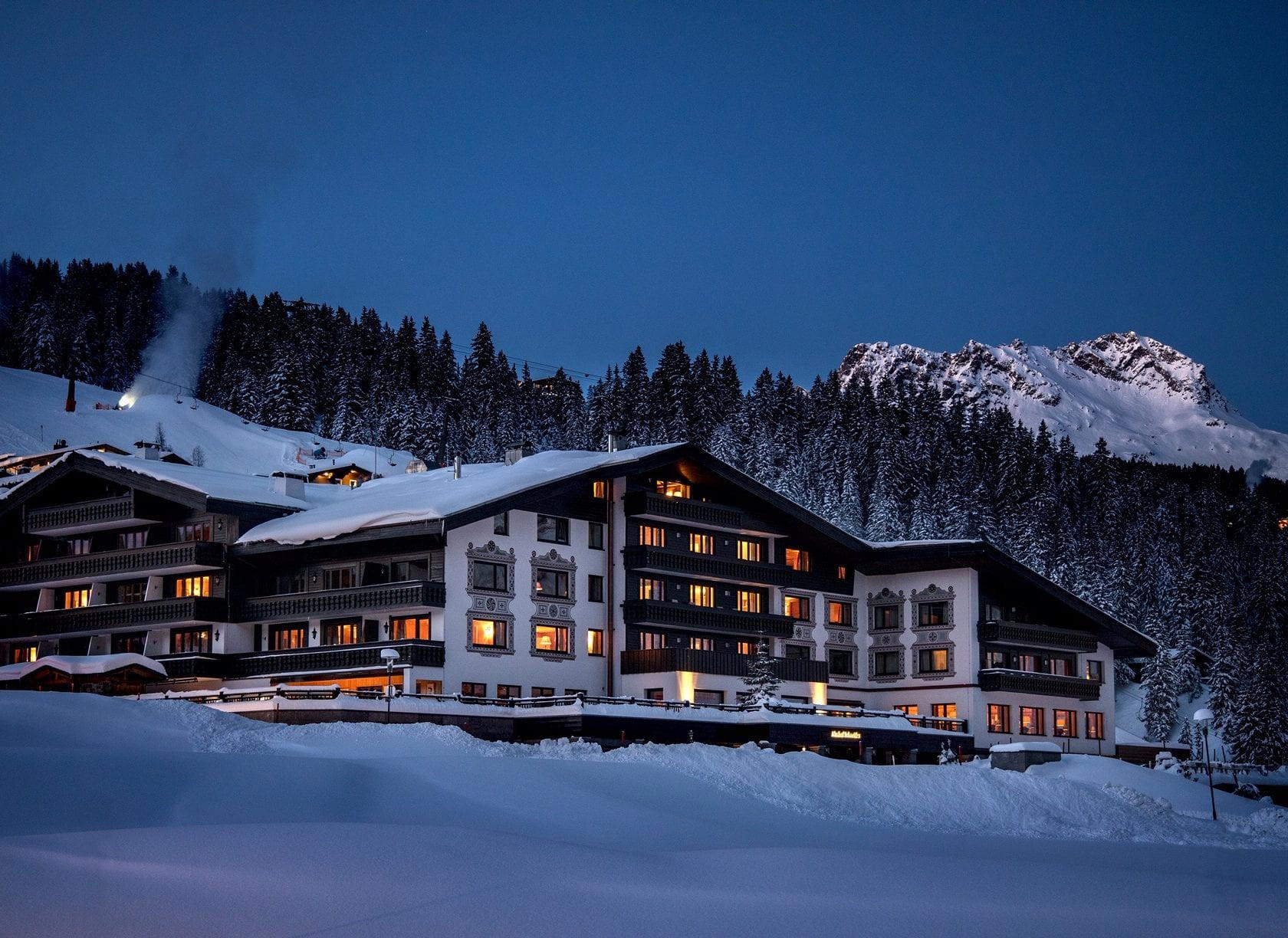
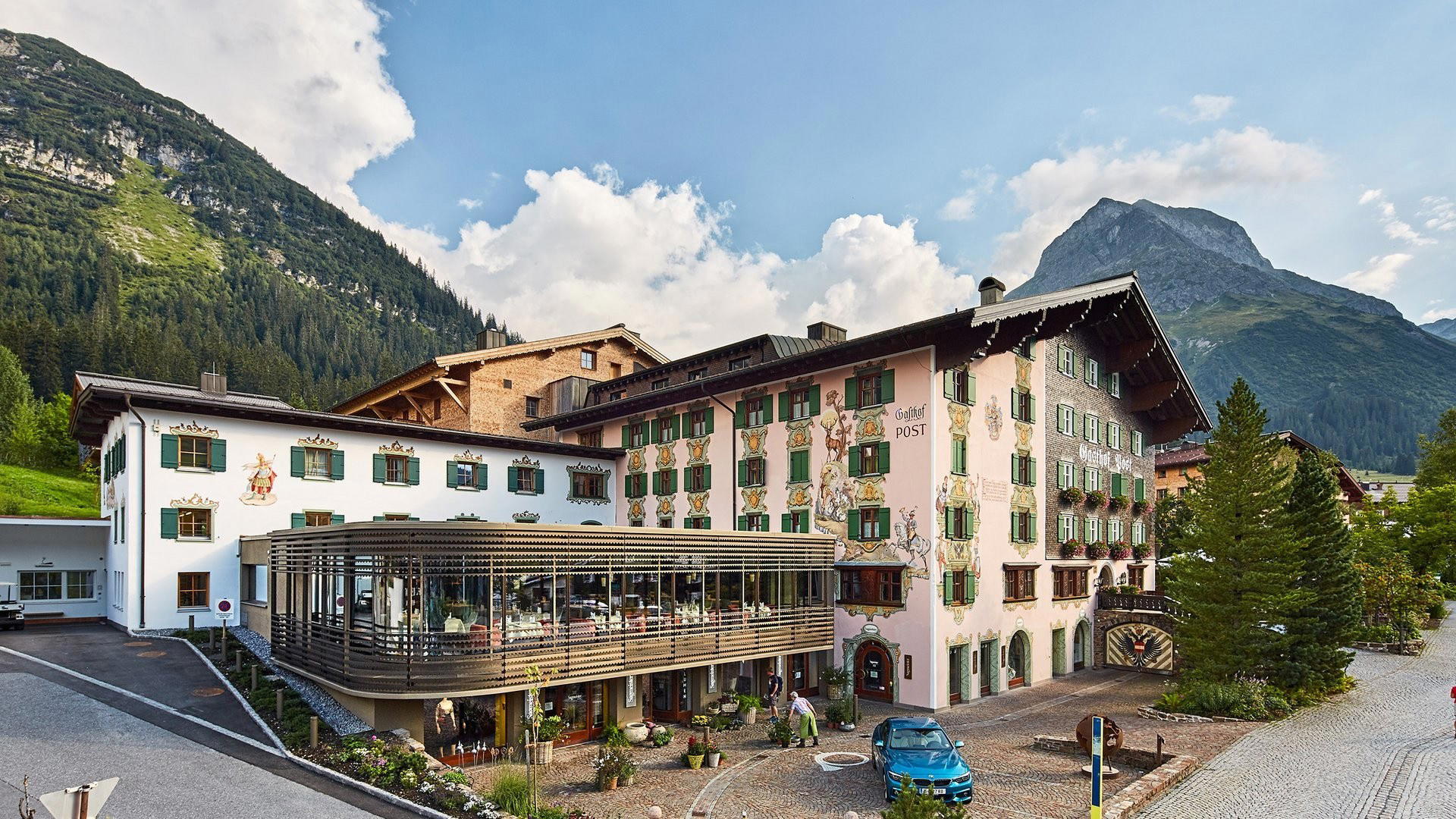
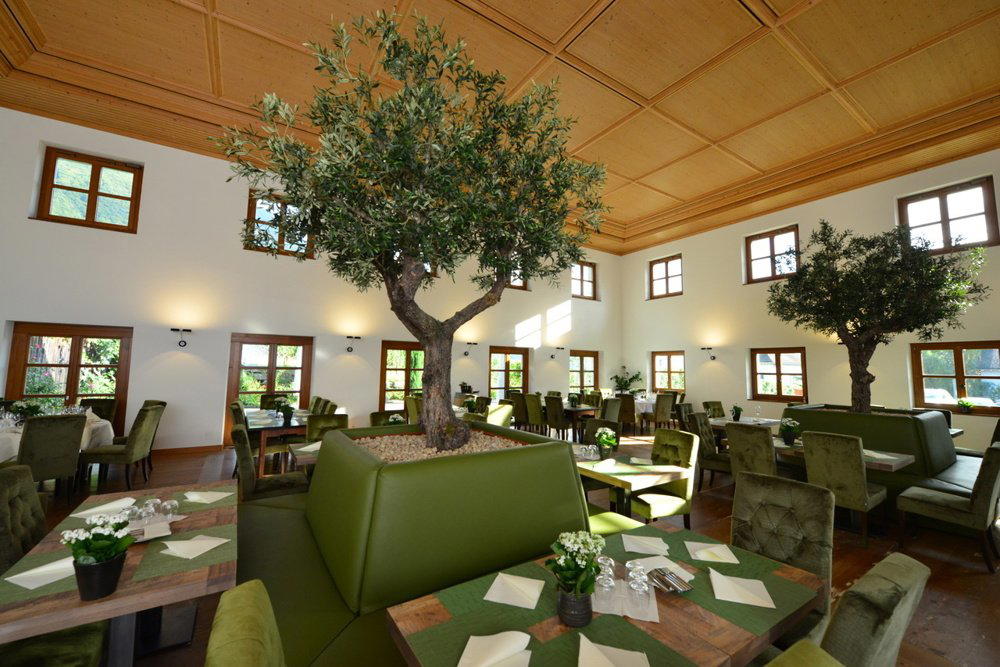
Approaching any property in Damüls in winter involves the particular compression of alpine village life: the road narrows as it gains elevation, the sky opens as the treeline thins, and the buildings cluster against the slope with the practical density of communities that have learned to conserve heat and space simultaneously. The Hof format, common across Vorarlberg and Tyrol, reflects this: a building designed around a working agricultural or hospitality core rather than around a view-maximising aesthetic. Inside, the expectation is warmth in a literal sense, the kind of interior that earns its atmosphere through timber and weight rather than through designed elements.
The winter season, when Damüls operates as a ski destination, brings the bulk of visitors. The summer season offers a different experience, with hiking access to the high pastures and a quieter village character. Both seasons have implications for the kitchen's supply situation, and the rhythm of what's available shifts noticeably between them.
Practical Considerations for Visiting
Damüls is accessible by road from Bregenz (approximately 50 kilometres to the northwest) and from Feldkirch. The village is not served by rail, so arrival by car or regional bus from the valley below is the practical approach. The road can be closed or restricted during heavy winter snowfall, which makes timing and road condition checks relevant for winter visits. Accommodation and dining in Damüls are often structured around the ski season calendar, with peak availability running from December through March. Summer visitors will find the village considerably quieter and should confirm operating status directly with any property before travelling.
How It Stacks Up
Comparable venues nearby, for context on price, style, and recognition.
| Venue | Cuisine | Price | Notes |
|---|---|---|---|
| Damülser HofThis venue — the venue you are viewing | Regional Austrian Alpine Cuisine | $$$ | Not listed |
| Hotel Alpenstern | Alpine Austrian Fine Dining | $$$ | Damüls |
| Nevo | Modern Austrian Fine Dining | $$$ | Lauterach |
| Mehdafu | Regional Austrian Fine Dining | $$$ | Eichenberg |
| Das Naturhotel Chesa Valisa | Organic Austrian Regional | $$$ | Kleinwalsertal |
| Jamtalhütte | Traditional Alpine & Tyrolean | $$$ | Galtür |
Continue exploring
More in Damüls
Restaurants in Damüls
Browse all →
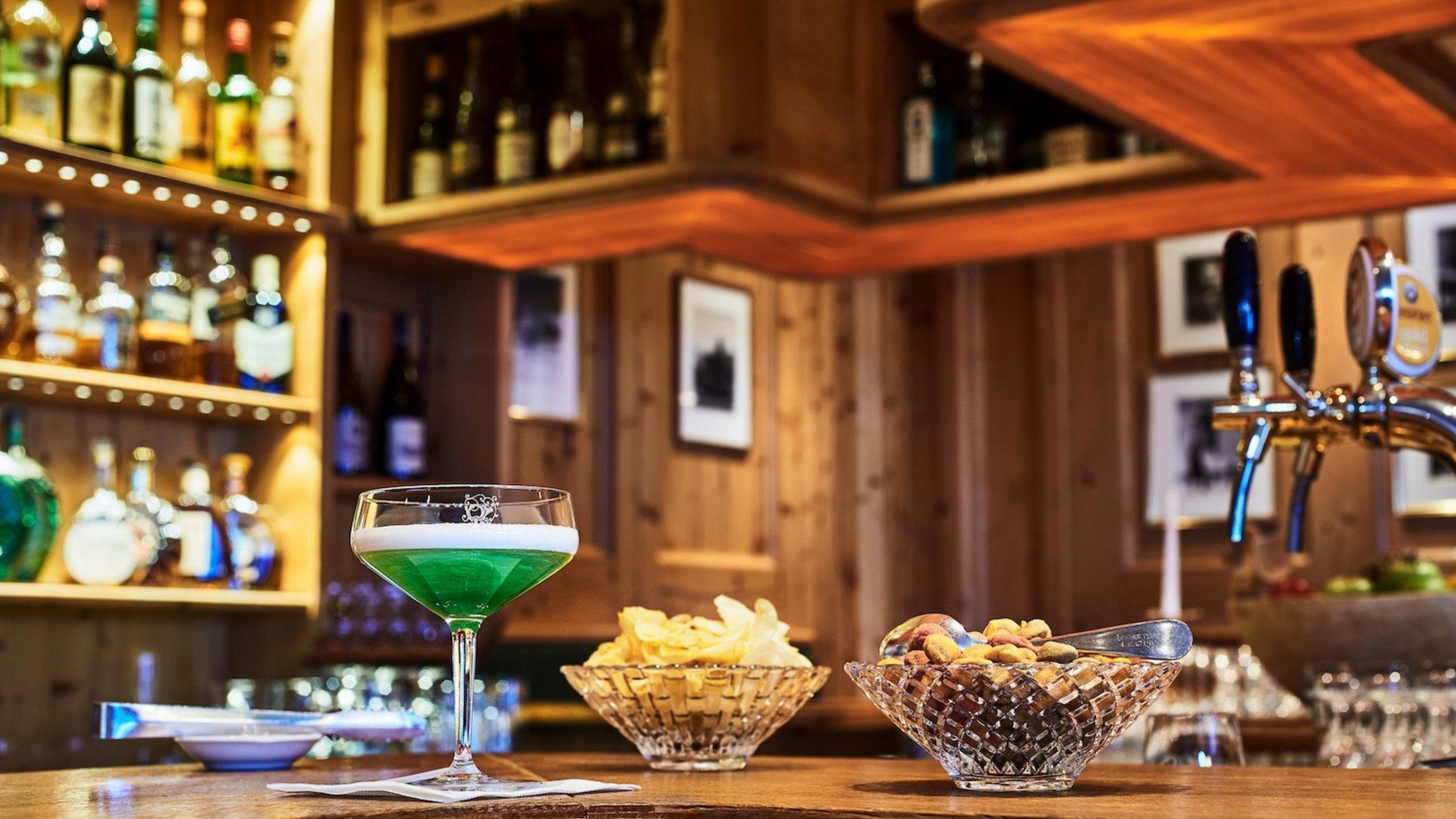
Bars in Damüls
Browse all →


Hotels in Damüls
Browse all →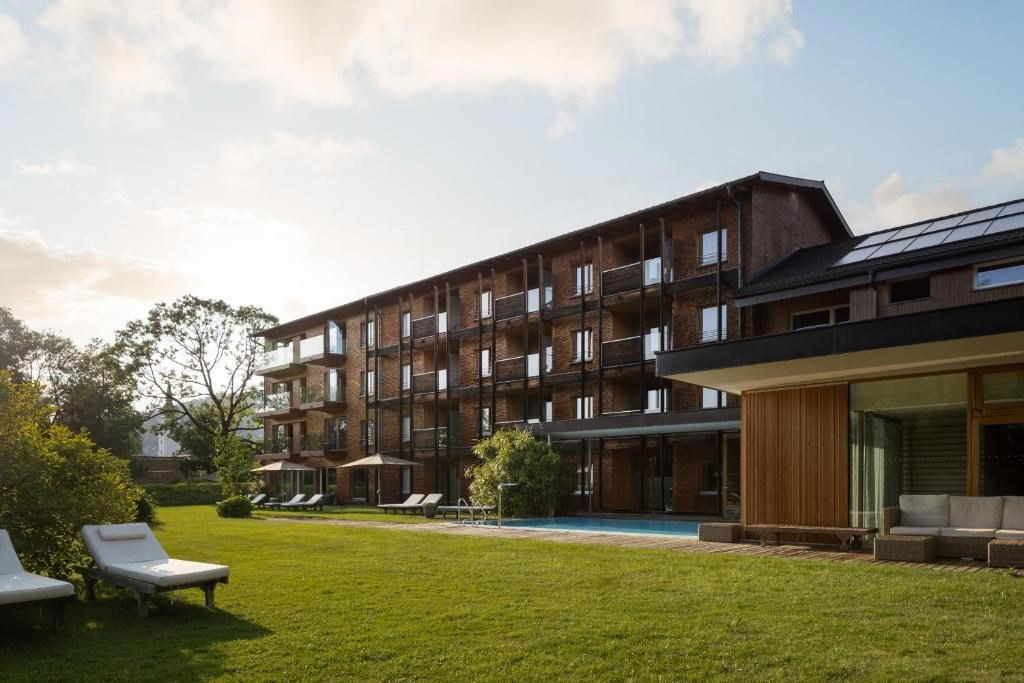

At a Glance
- Cozy
- Rustic
- Scenic
- Special Occasion
- Hotel Restaurant
- Local Sourcing
- Mountain
Heimelig (cozy) and alpine atmosphere with charming flair.