Dorfhus Gupf


Michelin Plate · Star Wine List
Our verdict
A grill-focused address in the Appenzell hill village of Rehetobel, Dorfhus Gupf holds a Michelin Plate recognition for 2024 and 2025 alongside back-to-back Star Wine List #1 rankings, all at a mid-range price point. The combination of serious wine credentials and honest fire-and-meat cooking places it in a distinct niche within the eastern Switzerland dining scene.

Pearl is the En Primeur Club membership app — saves, bookings, and concierge access live there. Same editors, same standards.
- Address
- Kirchstrasse 2, 9038 Rehetobel, Switzerland
- Phone
- +41 71 878 70 00
- Website
- dorfhus-gupf.ch
- Directions
- Get directions
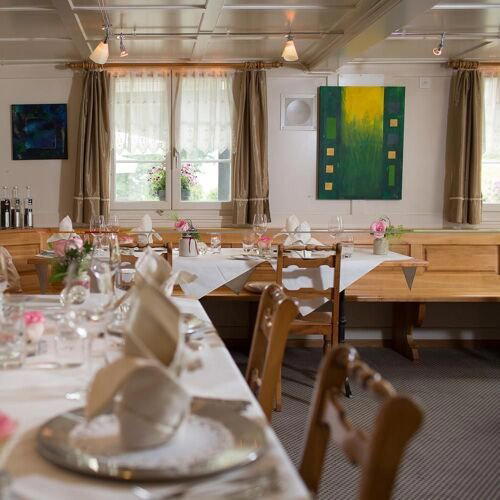
Fire and Technique in the Appenzell Hills
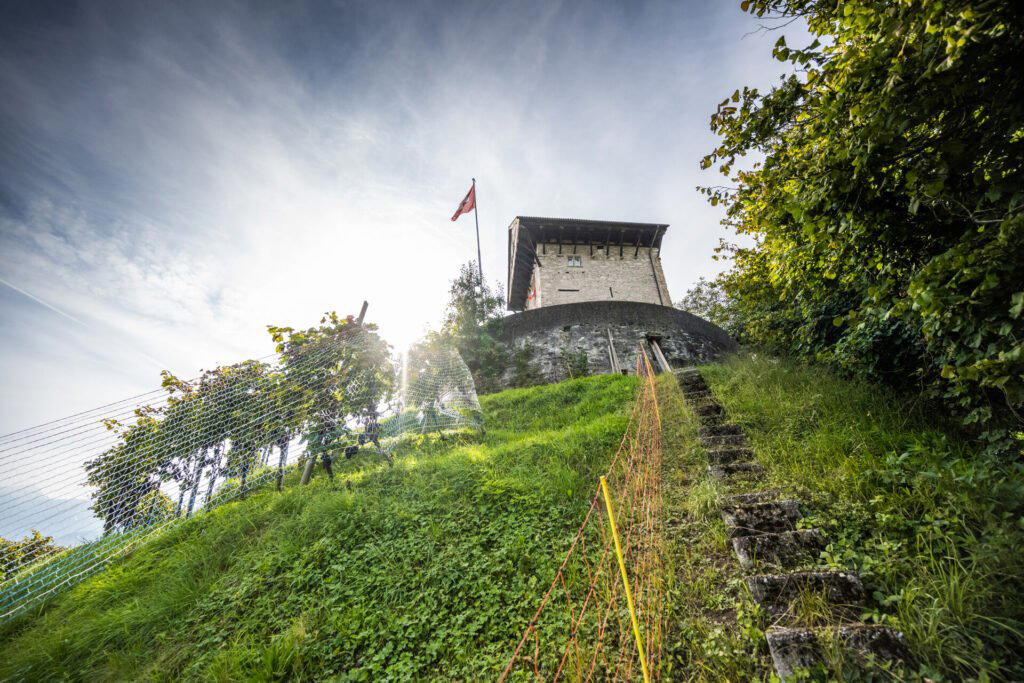
Eastern Switzerland's dining identity is often overshadowed by the Michelin-dense corridors around Zurich and the Graubünden valleys, where three-star addresses like Schloss Schauenstein in Fürstenau and Memories in Bad Ragaz set the regional benchmark for ambitious tasting menus. Against that backdrop, the grill tradition occupies a quieter but increasingly respected tier: fewer courses, more direct technique, and an emphasis on raw material quality that tasting-menu formats can sometimes obscure behind layered sauces and garnishes. Rehetobel, a compact hill village in the Appenzell Ausserrhoden canton, is not a destination that announces itself loudly. The village sits at around 900 metres above the Rhine valley floor, the kind of place where a serious kitchen tucked into a traditional building draws locals before it draws guidebook editors.
Dorfhus Gupf, at Kirchstrasse 2, operates in that context: a grill-focused address at a mid-range price point (€€) that has accumulated recognition disproportionate to its setting. A Michelin Plate in both 2024 and 2025 signals cooking that reviewers consider worth the detour, even if the starred tier remains a different conversation. More telling, perhaps, are the back-to-back Star Wine List #1 rankings for 2024 and 2025, a credential that places the wine programme at the head of a specialist evaluator's list for the region. The combination of those two signals, a kitchen acknowledgement from Michelin alongside a wine-list leadership position, suggests a house operating with coherence across both disciplines.
The Craft of the Grill: Aging, Heat, and Patience
Grill cooking at the serious end of the spectrum is less about flame theatrics and more about the decisions made days or weeks before anything touches a grate. The dry-aging tradition, now well-established in high-attention grill programmes across Europe, turns on a direct logic: controlled moisture loss concentrates flavour, enzymatic activity tenderises muscle fibre, and the result is a product that no fresh-cut piece of the same animal can replicate. Programmes at precision-oriented grill kitchens typically run anywhere from 21 to 60 days for beef cuts, with some operations extending to 90 days or beyond for specific primal sections.
The discipline required is both physical and editorial: the kitchen must manage humidity, airflow, and temperature with consistency, and it must also make decisions about which animals, which breeds, and which cuts are worth the space and the loss. Dry-aged fat changes character, developing a nuttier, more complex profile than fresh fat; the loin and rib sections that work leading for long aging carry enough intramuscular fat to survive the process without becoming brittle.
Dorfhus Gupf's Michelin Plate recognition in consecutive years points toward a kitchen that sustains its standard rather than spiking for a single review cycle. At a €€ price point, the value proposition within this craft-grill niche is also worth noting: equivalent aging programmes and sourcing rigour in urban Swiss settings typically sit at €€€ or above.
A Wine List Ranked at the Leading
Star Wine List's #1 ranking for 2024 and 2025, awarded through a process that evaluates depth, curation, and value rather than simply bottle count, places Dorfhus Gupf's wine programme in a different competitive conversation than its cuisine tier alone would suggest. The pairing of a serious wine list with grill-focused cooking is a deliberate alignment in the most considered addresses of this type: the textural richness of aged beef calls for wines with enough structure and acid to cut through fat without overwhelming the meat's own complexity.
Switzerland's own wine production, dominated by Pinot Noir in the German-speaking cantons and Chasselas further west, provides a natural regional anchor for any eastern Swiss list. Whether Dorfhus Gupf leans into local production or builds across European appellations, the Star Wine List recognition signals that the selection has been put together with genuine depth and point of view rather than as a secondary consideration to the food programme. For context on how the broader Swiss fine-dining wine culture operates, the lists at multi-starred addresses like Cheval Blanc by Peter Knogl in Basel and focus ATELIER in Vitznau represent one pole; Dorfhus Gupf's list operates at a different price tier but, according to Star Wine List's specialist evaluation, at a comparable level of intent.
Rehetobel in Context
Visitors orienting themselves around eastern Switzerland's dining geography will find Rehetobel most naturally paired with a broader Appenzell itinerary. The canton is known for its Alpine dairy tradition, its textile history, and a landscape that draws walkers and cyclists in warmer months. For those building a trip around the restaurant alone, the village is accessible from St. Gallen, roughly 15 kilometres to the northwest, where Einstein Gourmet offers a contrasting, more formal dining option in an urban setting. Gasthaus Zum Gupf, also in Rehetobel, provides a traditional alternative for those exploring the village's wider offer.
For anyone building out a fuller picture of the area, EP Club's full Rehetobel restaurants guide covers the dining scene in detail, alongside dedicated resources for hotels, bars, wineries, and experiences in the area. Elsewhere in Switzerland, those drawn to the craft-grill and natural-cooking end of the spectrum might also look at 7132 Silver in Vals, Colonnade in Lucerne, Da Vittorio in St. Moritz, IGNIV Zürich by Andreas Caminada, and Hotel de Ville Crissier to understand the range of formats the Swiss dining scene supports at different price and ambition levels.
Planning a Visit
Dorfhus Gupf sits at Kirchstrasse 2, 9038 Rehetobel, within a compact village that rewards arriving early enough to take in the hill setting before a meal. The €€ price positioning means this is not a budget address, but it sits well below the €€€€ tier that defines most Michelin-starred Swiss dining. Given the grill format and the wine list's specialist recognition, building the meal around the meat programme and asking for wine guidance from the floor will give the most complete picture of what the kitchen and cellar do at their leading.
Frequently asked questions
Is Dorfhus Gupf more mid-range or high-end?
Pricing at Dorfhus Gupf is listed as €€.
Budget and Context
| Venue | Cuisine | Awards |
|---|---|---|
| Dorfhus GupfThis venue — the venue you are viewing | Swiss Grill with Regional Specialties | Michelin Plate · Star Wine List |
| Schloss Schauenstein | Modern European, Creative | Michelin 3 Star |
| Memories | Modern Swiss | Michelin 3 Star |
| focus ATELIER | Modern Swiss, Creative | Michelin 2 Star |
| IGNIV Zürich by Andreas Caminada | Sharing | Michelin 2 Star |
| La Table du Lausanne Palace | Modern French | Michelin 2 Star |
Recognition history
Dated appearances from independent guides and award organizations, with the underlying list record or original source where available.
Michelin Plate
Michelin · 2026 Michelin Plate
Star Wine List
Star Wine List
Full recognition history (6 entries)
Michelin Plate
Michelin
Star Wine List
Star Wine List
Michelin Plate
Michelin
Star Wine List
Star Wine List
Continue exploring
More in Rehetobel
Restaurants in Rehetobel
Browse all →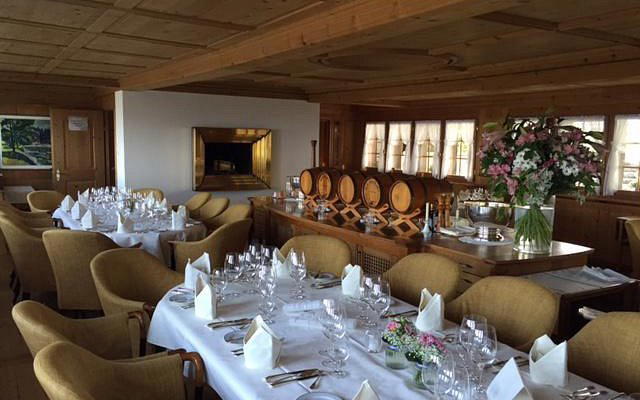
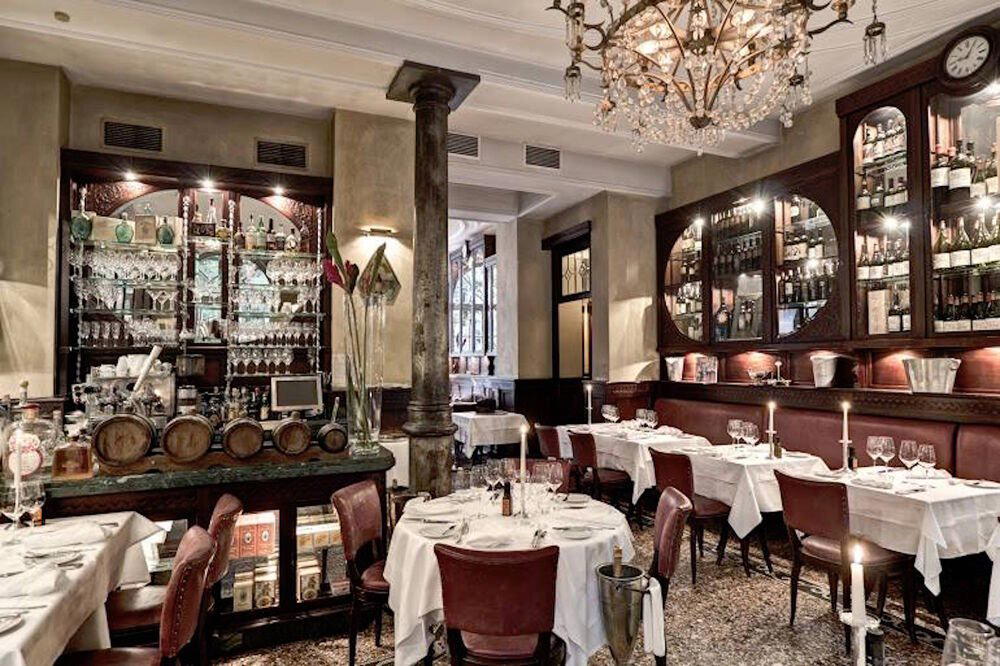
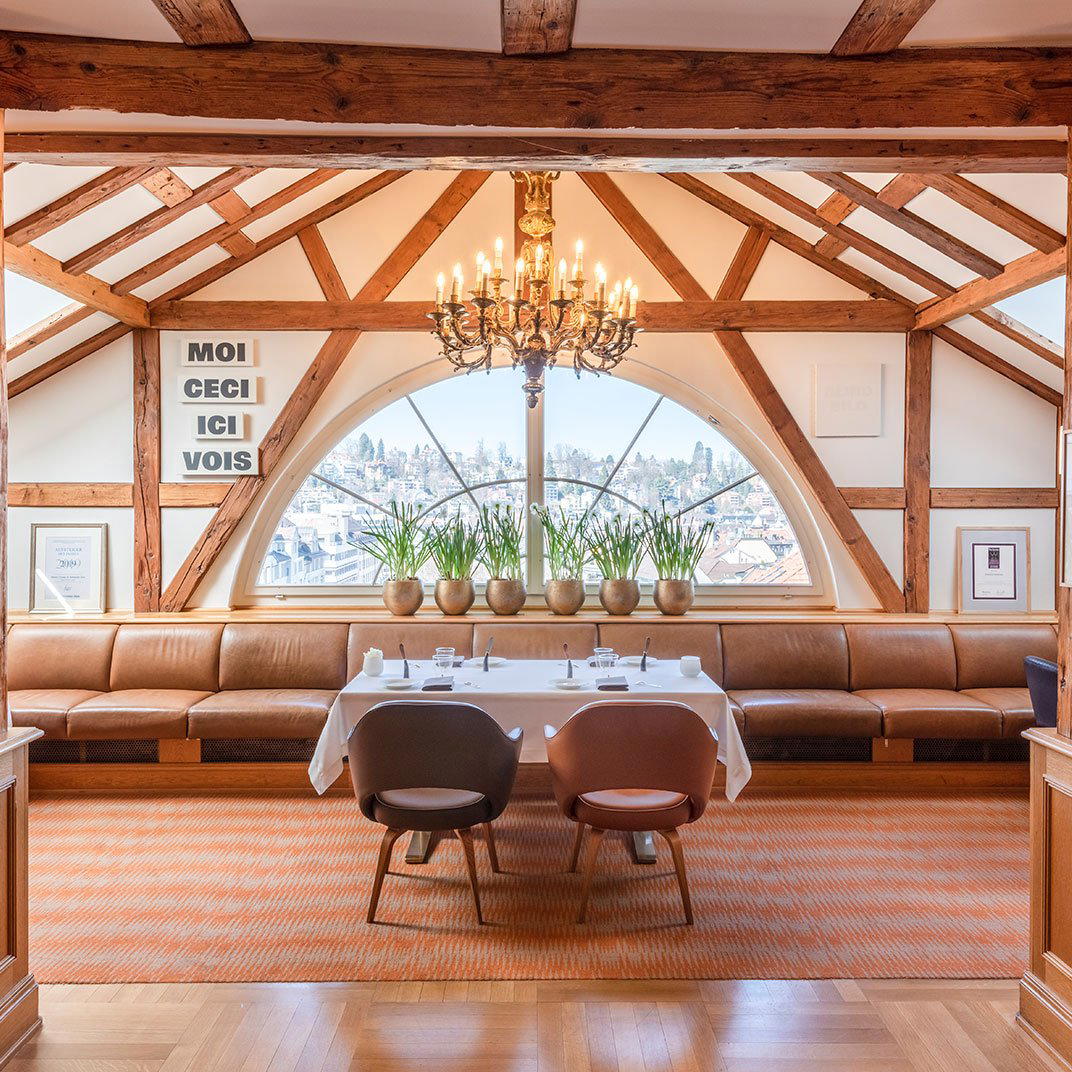
Bars in Rehetobel
Browse all →
Hotels in Rehetobel
Browse all →

Details
- Cozy
- Modern
- Rustic
- Elegant
- Date Night
- Special Occasion
- Open Kitchen
- Extensive Wine List
- Local Sourcing
- A La Carte
- Set Menu
- Vegetarian Friendly
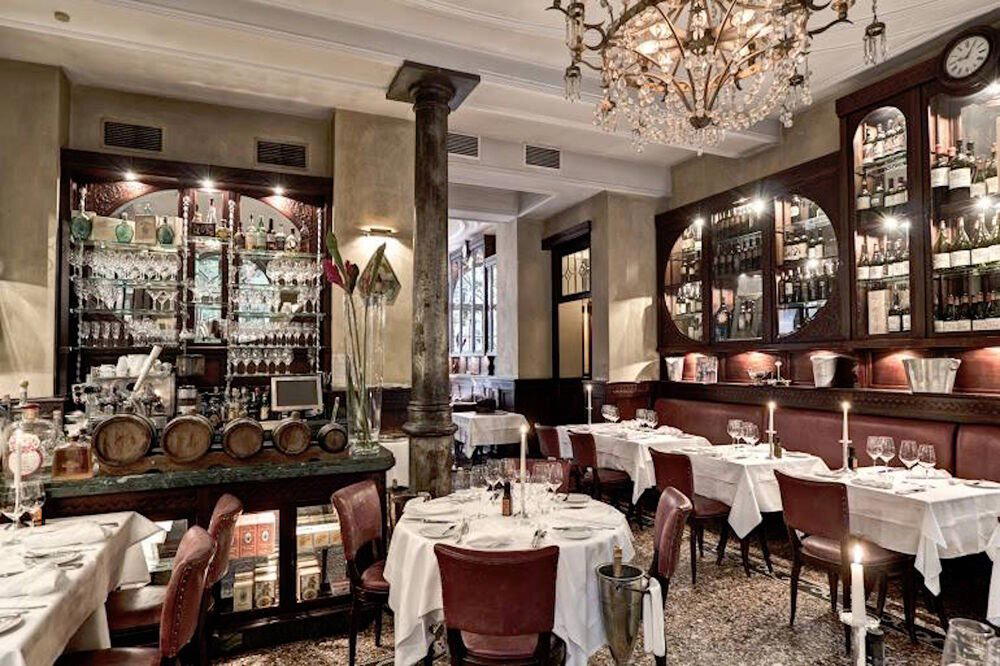
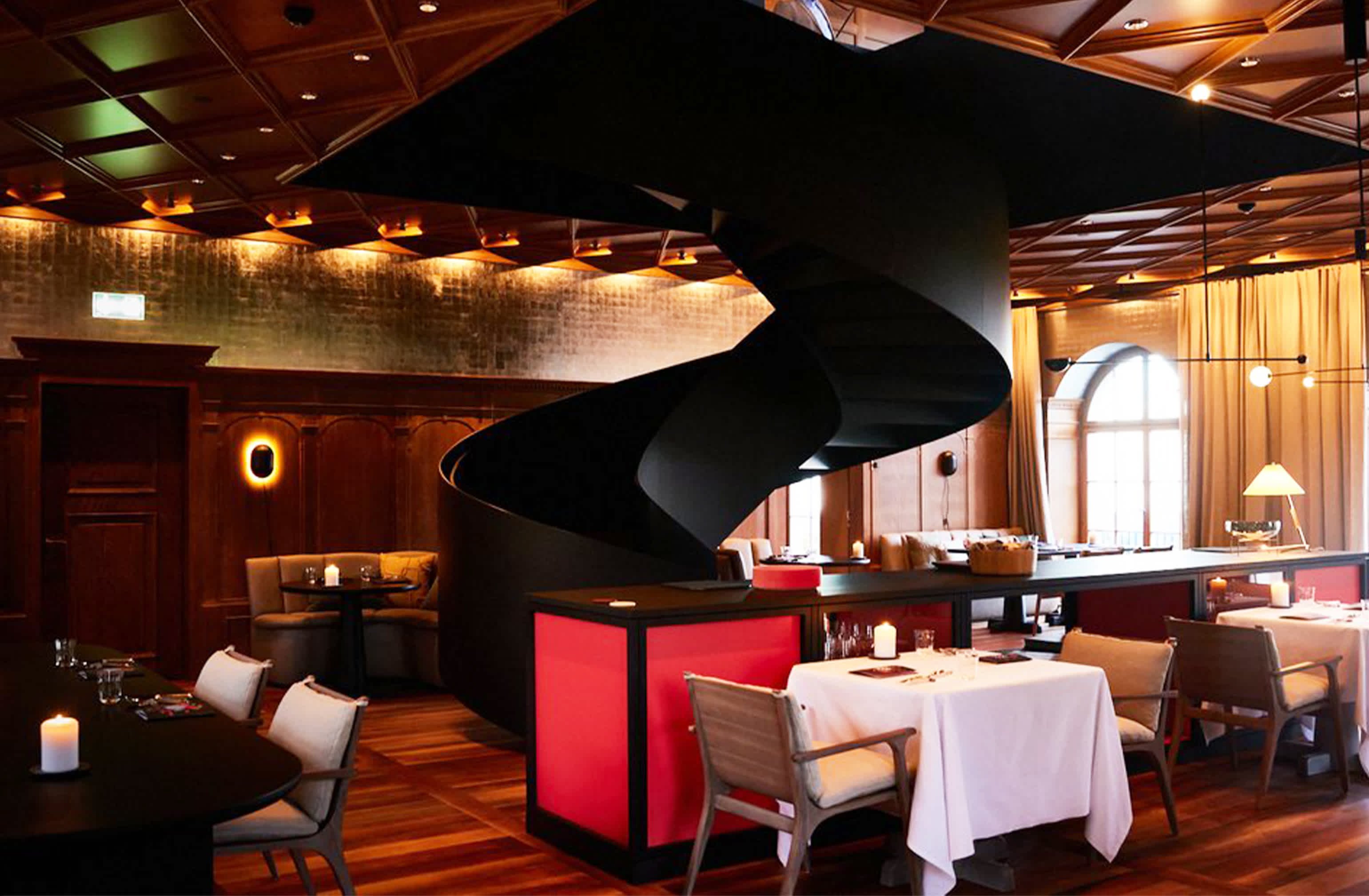
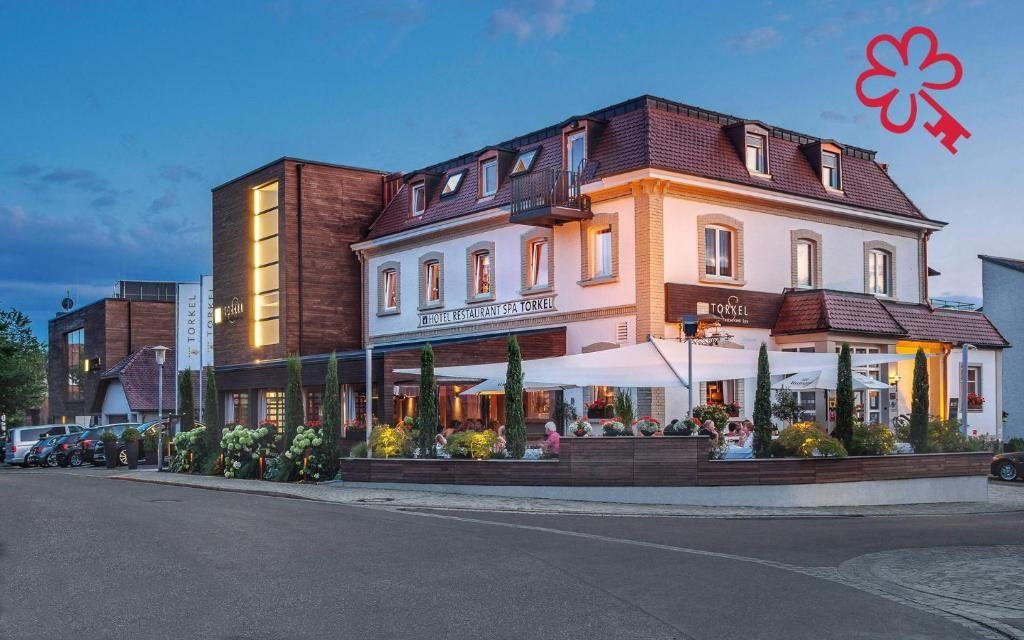
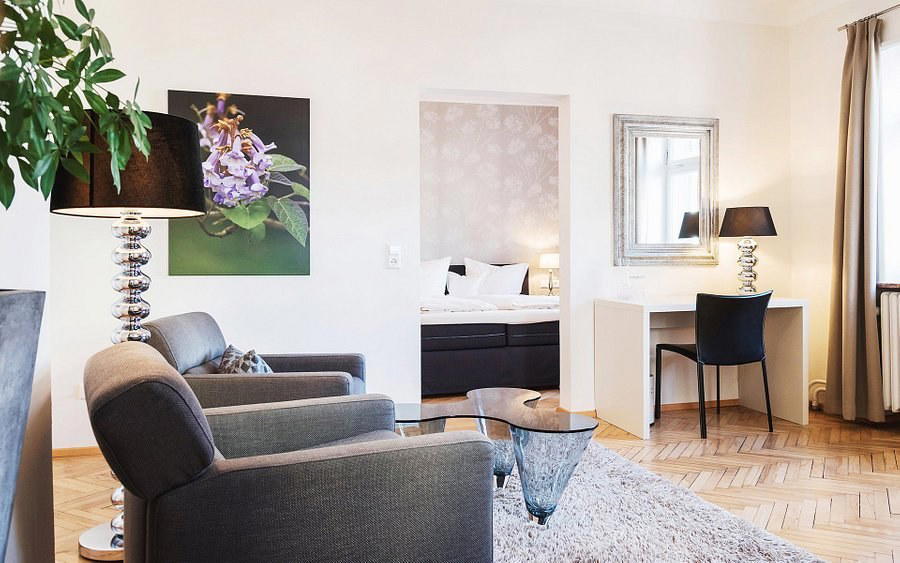
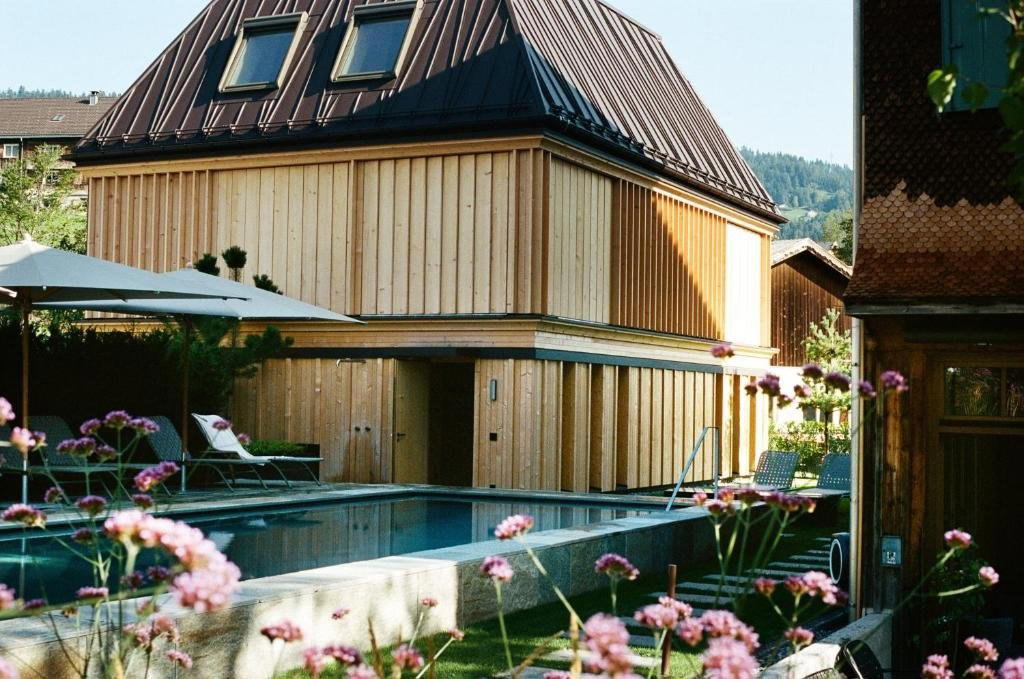
Charming setting with modern Alpine touch, light wood interiors, quiet jazz, and cozy noble atmosphere.