Hotel Hirschen · Fine Hotel, Restaurant & Spa · Schwarzenberg

Michelin Selected · La Liste Top Hotels
A La Liste Top Hotels 2026 property scoring 94 points, Hotel Hirschen sits at the centre of Schwarzenberg village in Austria's Bregenzerwald region, combining a fine restaurant and spa under one roof. The hotel occupies a historic Vorarlberg building and positions itself within Austria's small tier of rural properties that compete on craft, setting, and culinary seriousness rather than scale.

Pearl is the En Primeur Club membership app — saves, bookings, and concierge access live there. Same editors, same standards.
- Address
- Hof 14, 6867 Schwarzenberg
- Phone
- +43 5512 29440
- Directions
- Get directions
A Village Address With a Score to Match
Schwarzenberg is not a resort town in the conventional sense. There are no gondola queues or pedestrianised shopping streets. What the village offers instead is something rarer in the alpine hospitality market: a concentrated sense of place, rooted in the Bregenzerwald's woodworking and craft traditions, anchored by a cultural life that punches well above its population size. The annual Schubertiade festival, which draws serious musicians and serious listeners to this small settlement in Vorarlberg, sets the tone. The visitors who come here are not passing through; they come for something specific.
Hotel Hirschen, at Hof 14 in the centre of the village, sits inside that logic. Recognised by La Liste's Leading Hotels ranking for 2026 with a score of 94 points, the property operates as a full-service fine hotel combining accommodation, a serious restaurant kitchen, and a spa. That combination, at this scale, in a village of this size, places Hirschen in a narrow peer group within Austrian alpine hospitality: properties where the food programme and the building are as consequential as the location.
The Architecture of the Bregenzerwald
Understanding Hotel Hirschen's physical presence requires a brief orientation in Vorarlberg building culture. The Bregenzerwald is home to one of the most discussed concentrations of contemporary timber architecture in Europe. Local firms, many of them members of the Werkraum Bregenzerwald collective, have spent decades developing an approach to wood construction that draws on regional craft traditions while producing buildings that appear in international architecture publications. The result is a regional vernacular that is genuinely coherent: solid timber, precise joinery, facades that weather honestly, interiors that prioritise material quality over decorative gesture.
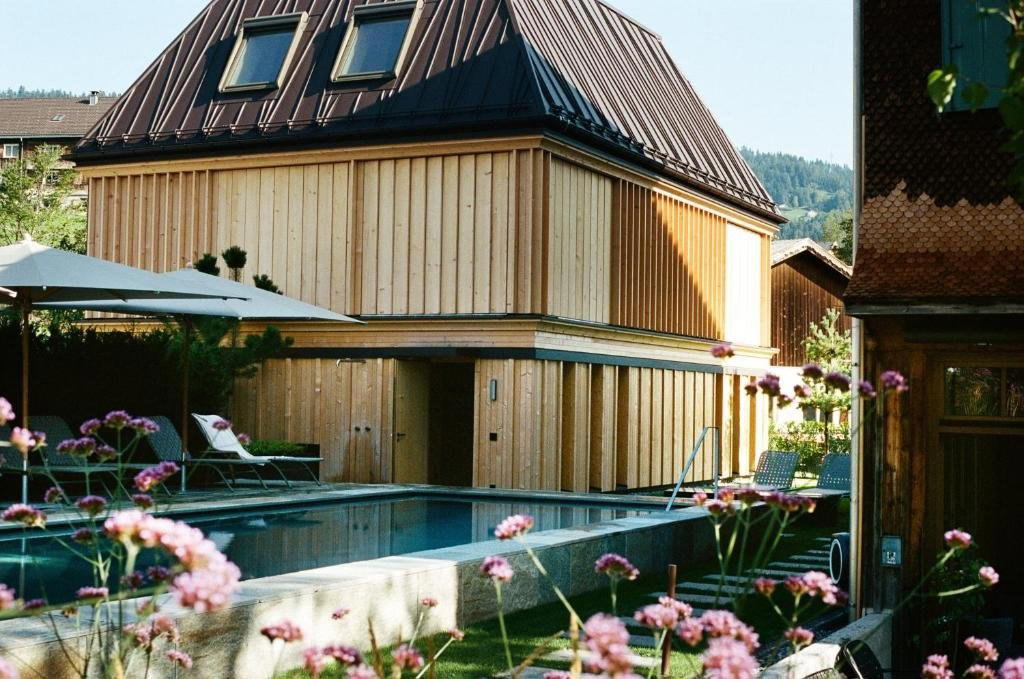
Hotel Hirschen's address places it within that tradition. The structure reads as a Vorarlberg farmhouse-inn type, the kind of building that has anchored alpine village centres for centuries, with the steep pitched roof and rendered or timber-clad exterior that characterise the form. What distinguishes properties in this category, and what the La Liste recognition signals, is not dramatic reinvention of that vernacular but disciplined execution within it: rooms that feel grounded in their materials, public spaces that connect to the landscape without performing it, a physical atmosphere that arrives at comfort through restraint rather than accumulation of luxury signals.
That restraint is a deliberate positioning choice. The Bregenzerwald's design culture tends to resist the heavy alpine maximalism that characterises resort properties elsewhere in Austria and Switzerland, and hotels that commit to the regional approach are making an argument about what premium in this context actually means. For the guest who has stayed at properties like Rosewood Schloss Fuschl in Hof bei Salzburg or Hotel Sacher Wien in Vienna, both operating with the full weight of heritage grandeur behind them, Hirschen represents a different register: intimate, material-focused, village-scaled.
Restaurant and Kitchen as Central Programme
In Austrian alpine hospitality, the designation "Fine Hotel, Restaurant and Spa" carries weight when all three components are treated as co-equal rather than hierarchical. The pattern at many regional properties is a credible room product supported by a functional restaurant; the reverse, where the kitchen drives the property's identity, is less common and tends to concentrate in a specific tier of small hotels. La Liste's evaluation methodology, which integrates food quality into overall hotel scoring, makes that distinction legible: a 94-point score is not achievable without a kitchen that contributes meaningfully to the guest experience.
Schwarzenberg's position in Vorarlberg also places the hotel within reach of one of Austria's more interesting regional food cultures. The Bregenzerwald has a dairy tradition built around Sura Kees, a sour-curd cheese produced in mountain pastures, and a broader alpine larder that supports cooking with genuine regional specificity. Hotels of Hirschen's ambition in this area tend to use that larder as a sourcing frame, building menus around producers who operate within the valley system rather than importing a generic alpine hotel food programme.
For comparison context, properties at a similar La Liste tier in Austria include Alpenresort Schwarz in Obermieming and DAS EDELWEISS in Grossarl, both of which combine wellness infrastructure with serious food programmes in alpine village settings. The competitive set here is not urban luxury; it is the smaller category of Austrian country hotels where every element of the guest experience is expected to hold.
The Spa in Context
Spa provision at premium alpine hotels in the German-speaking world has evolved considerably over the past two decades. The category moved from basic sauna suites toward full wellness architectures with dedicated thermal circuits, treatment rooms, and outdoor water features. Properties in Vorarlberg have tended to express this through timber and stone rather than the marble and chrome that characterise Mediterranean spa design. The material palette connects the wellness spaces to the broader building logic: wood-clad saunas, natural-finish pools, views framed rather than blocked.
For guests considering the wellness dimension specifically, the Austrian alpine market offers alternatives at different scales, including Aktiv & Wellnesshotel Bergfried in Tux, Alpen-Wellness Resort Hochfirst in Obergurgl, and Naturhotel Waldklause in Längenfeld. Hirschen's distinction within that field is the village location: the spa is embedded in a cultural and social setting rather than attached to a mountain resort with its own sealed ecosystem.
Placing Hirschen in the Broader Austrian Premium Tier
Austria's premium hotel market divides reasonably cleanly between urban grand hotels, ski resort properties, and a third category of refined rural addresses that trade on landscape access, culinary seriousness, and architectural character. The urban grand tier includes properties like Schloss Mönchstein in Salzburg and Falkensteiner Schlosshotel Velden in Velden am Wörthersee. The ski resort end encompasses Hotel Almhof Schneider in Lech and Grand Tirolia Kitzbühel in Kitzbühel.
Hirschen sits in the third category, sharing its competitive logic with properties that attract guests who have already worked through the resort circuit and want something smaller and more specific. The 94-point La Liste score is the clearest available signal of where it sits within that niche: high enough to be considered alongside Austria's serious hotel programme, sufficiently rooted in place to be considered apart from the grander scales of the market.
For guests planning around the Schubertiade festival, which typically runs across two periods in summer, advance planning is advisable. The festival concentrates demand across Schwarzenberg's limited accommodation stock, and a property of Hirschen's standing will fill early during those windows. Outside festival season, the village offers a different proposition: the Bregenzerwald's hiking and cycling infrastructure, the regional architecture trail, and proximity to Bregenz and the Bodensee make it a coherent base for guests who want to move through western Vorarlberg at their own pace. See our full Schwarzenberg restaurants guide for further context on eating and drinking in the village.
Planning Your Stay
Hotel Hirschen is located at Hof 14, 6867 Schwarzenberg in Vorarlberg, Austria. The property combines hotel accommodation with a restaurant and spa; specific room categories, pricing, and booking methods are best confirmed directly with the hotel. Schwarzenberg is accessible by road from Bregenz (approximately 25 kilometres) and by regional bus connections through the Bregenzerwald valley system. For guests arriving from further afield, Friedrichshafen Airport across the German border and Innsbruck Airport serve the region with onward road connections.
How It Stacks Up
Comparable venues nearby, for context on price, style, and recognition.
| Venue | Cuisine | Price | Awards | Notes |
|---|---|---|---|---|
| Hotel Hirschen · Fine Hotel, Restaurant & Spa · SchwarzenbergThis venue — the venue you are viewing | Historic inn with modern extensions in Bregenz Forest | Not listed | Michelin Selected · La Liste Top Hotels | Not listed |
| Walch's Rote Wand Gourmet Hotel | Contemporary Alpine luxury blending centuries-old Walser tradition with modern minimalist design; six interconnected historic buildings unified by underground passages. | Not listed | 1 Michelin Key | Zug am Arlberg |
| The Harmonie Vienna, BW Premier Collection | Renovated classic building blending Viennese elegance with modern comfort | Not listed | Michelin Selected | Servitenviertel |
| Wellnesshotel Theresa | Family-run luxury wellness hotel blending traditional Tyrolean architecture with contemporary spa facilities, positioned as a full-board gourmet and wellness destination. | Not listed | La Liste Top Hotels | Zell am Ziller center |
| Hotel Gletscherblick | upscale country-house style with traditional Alpine architecture and modern touches | $300–500 | Michelin Selected | St. Jakob |
| The Crystal VAYA Unique | Contemporary alpine luxury resort combining chic design with traditional Tyrolean elements; positioned as a high-end lifestyle destination. | $300–500 | Michelin Selected | Obergurgl |
Recognition history
Dated appearances from independent guides and award organizations, with the underlying list record or original source where available.
Michelin Selected
Michelin
La Liste Top Hotels
La Liste
Continue exploring
More in Schwarzenberg
Hotels in Schwarzenberg
Browse all →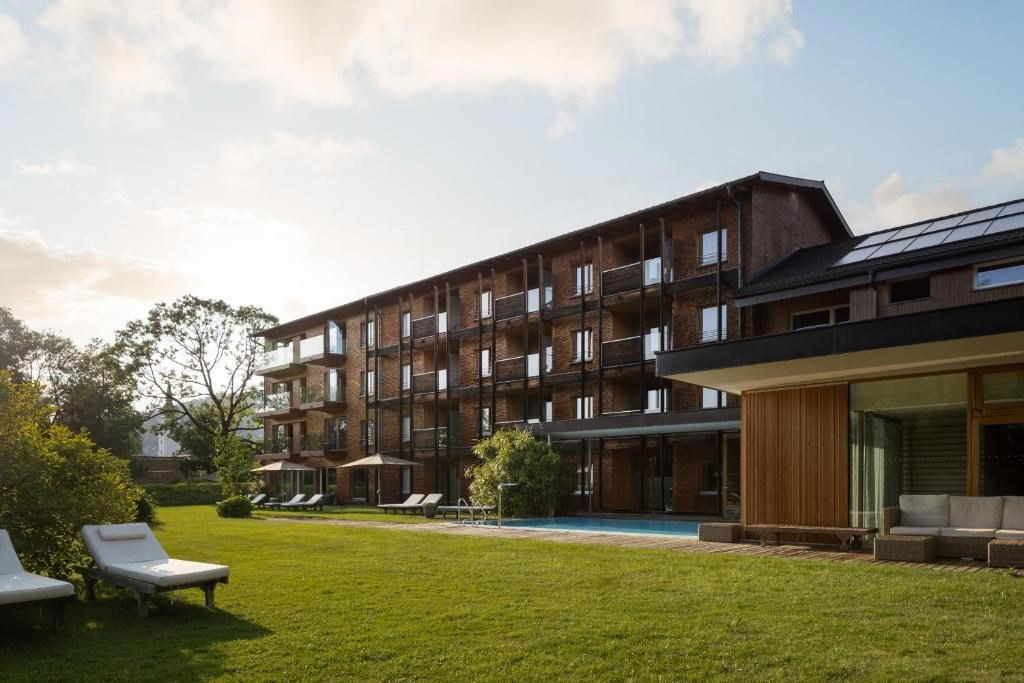
Bars in Schwarzenberg
Browse all →
Restaurants in Schwarzenberg
Browse all →

Details
- Cozy
- Elegant
- Rustic
- Scenic
- Sophisticated
- Romantic Getaway
- Wellness Retreat
- Weekend Escape
- Historic Building
- Panoramic View
- Pool
- Spa
- Wi Fi
- Restaurant
- Room Service
- Mountain
- Garden
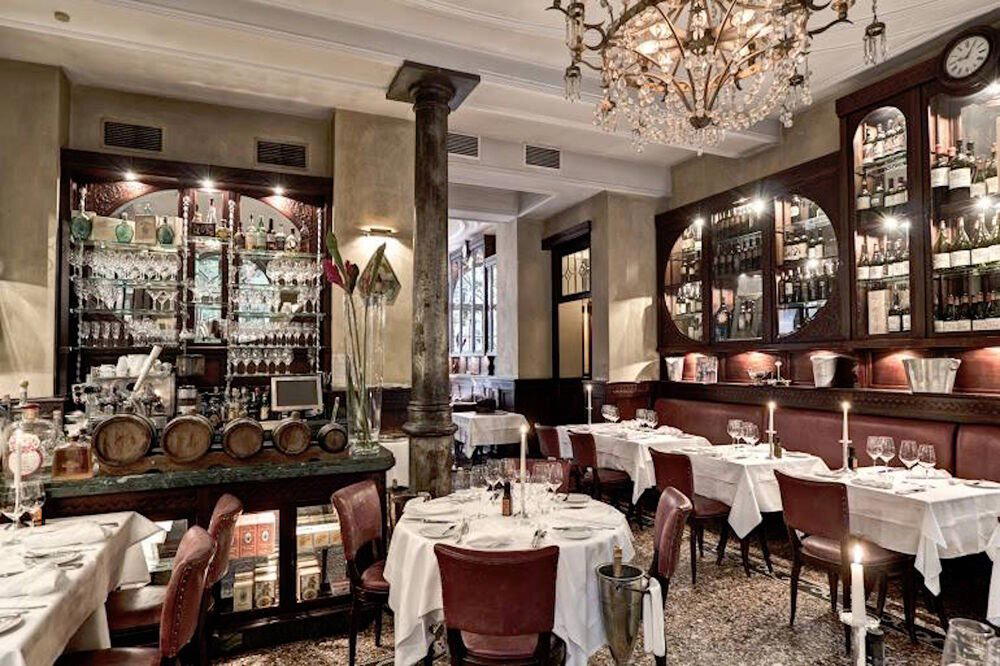
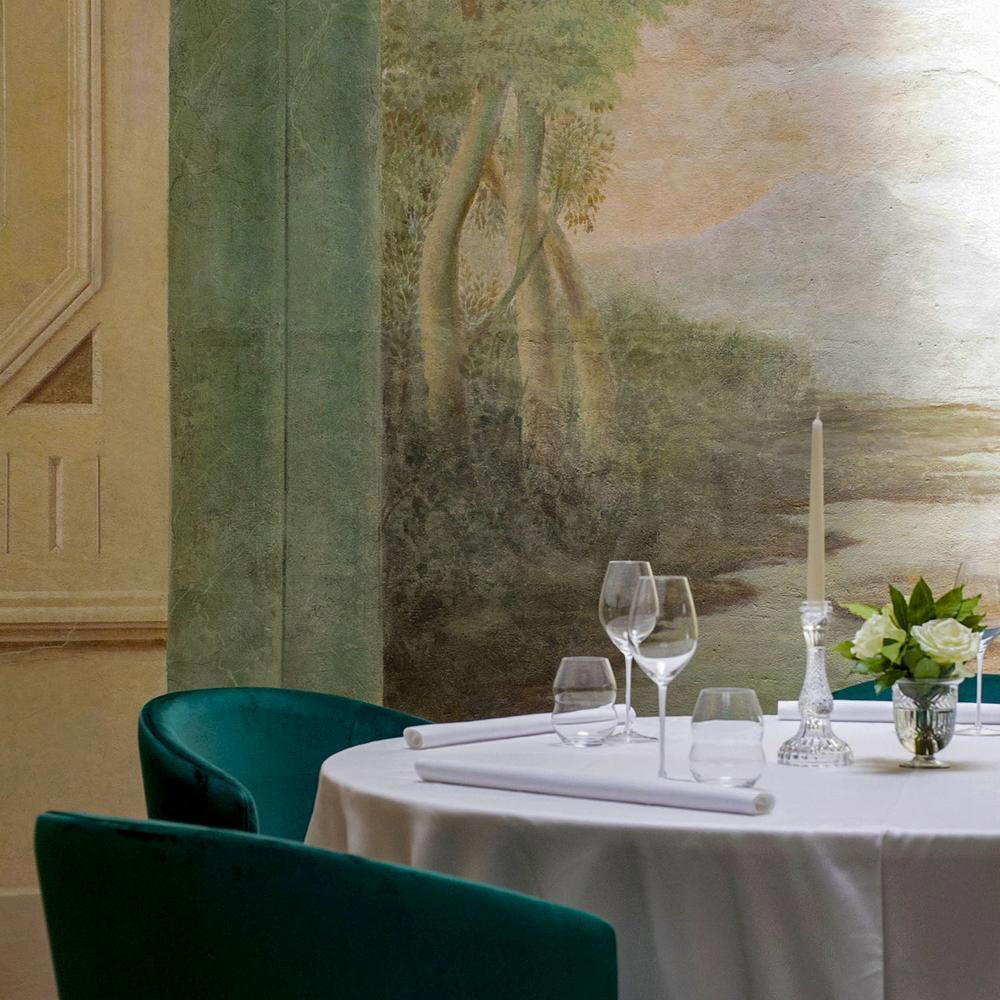
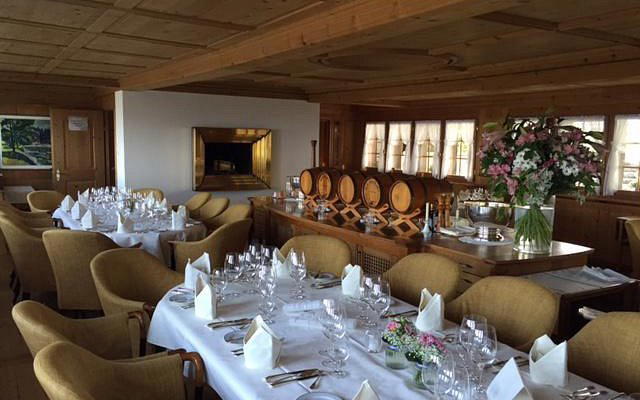
Cozy parlors with open fireplaces, carved wooden ceilings, and a warm, familial atmosphere enhanced by attentive service.