White Guide Nordic Restaurants - Fine Level
Our verdict
On Kalevankatu in Helsinki's dense inner-city grid, Passio occupies a address that places it within walking distance of the city's most-watched restaurant corridor. The kitchen works within a Finnish dining culture increasingly defined by seasonal sourcing and Nordic restraint, positioning it among a tier of Helsinki restaurants where ingredient provenance carries as much weight as technique.

Pearl is the En Primeur Club membership app — saves, bookings, and concierge access live there. Same editors, same standards.
- Address
- Kalevankatu 13, 00100 Helsinki, Finland
- Phone
- +358207352040
- Hours
- Mon–Thu 5 PM–12 AMFri–Sun 4 PM–12 AM
- Website
- passiodining.fi
- Directions
- Get directions
- Booking
- Book on Quandoo
The menu
What to order
- 3-course surprise menu
- 5-course surprise menu
Kalevankatu and the Sourcing Argument
Helsinki's central dining corridor has sharpened considerably over the past decade. The street-level restaurants between Kamppi and Punavuori no longer compete primarily on price or format — they compete on the credibility of what they put on the plate and where it came from. Kalevankatu 13 places Passio at the interior of this shift, in a neighbourhood where the surrounding competition has forced a clarity of purpose that more tourist-facing addresses rarely demand.
That context matters when reading any Helsinki restaurant operating at a serious level. Finland's relationship with its larder is not a recent marketing invention. The country's short growing season, extensive coastline, and dense forests create a genuinely constrained ingredient palette — and constraint, in the hands of a kitchen that understands it, produces a kind of editorial precision that broader menus rarely achieve. Birch, lingonberry, lake fish, foraged mushroom, rye: these are not stylistic choices so much as geographic facts that Nordic kitchens have spent decades learning to treat as assets rather than limitations.
Where Sourcing Becomes a Statement
The ingredient-sourcing argument in Finnish fine dining has been made most loudly by the Michelin-recognised tier, Palace and Grön both carry stars and both anchor their menus explicitly in provenance, but the conversation extends well beyond that bracket. Olo and Finnjävel Salonki occupy a similar register: serious kitchens where the supply chain is legible on the plate and the menu moves with what the season allows rather than what a fixed formula requires.
Passio sits within this broader pattern. The address on Kalevankatu positions it squarely in Helsinki's working restaurant district, not in the harbour-view premium tier, not in a design-hotel lobby, but on a street where the clientele is local and the benchmark is set by neighbours who take food seriously. In cities where restaurants cluster by reputation rather than tourism footfall, that kind of address is itself a signal.
The Seasonal Calendar as Menu Architecture
Finnish sourcing operates on a tight seasonal clock. Spring delivers the first wild herbs and ramps; summer produces brief windows for fresh berries and coastal fish; autumn is the larder-filling season, game, root vegetables, late mushrooms, and winter demands either preservation or the pantry built during the months before it. A kitchen in Helsinki that respects this calendar will look almost like a different restaurant across four visits spaced evenly through the year.
This is not a purely Finnish phenomenon. The sourcing-forward model has become the dominant grammar of serious Nordic cooking since the early 2000s, and its influence is visible as far from Helsinki as Le Bernardin in New York City, where ingredient integrity and sourcing transparency have long been treated as the foundation of technical ambition rather than an alternative to it. What Finland adds to that conversation is geography: the specificity of Finnish producers, Finnish waters, and Finnish seasons produces a version of that argument with a regional accent that imported technique alone cannot replicate.
For visitors planning around peak ingredient windows, late summer through early autumn is the moment when the Finnish larder is most expressive, chanterelles from the forests, Baltic herring in season, the last berries before the cold sets in. A table at Kalevankatu 13 during those weeks offers a different proposition from a midwinter visit, though winter cooking in Finland carries its own logic of fermentation, smoke, and root-vegetable depth.
Reading Passio Against Its Helsinki Peers
Helsinki's restaurant scene has developed a clearly stratified structure. Below that, a mid-tier of serious, format-disciplined kitchens handles the everyday ambitions of a food-literate local population. Passio's position within this structure informs both what to expect and how to book: mid-tier Helsinki restaurants rarely require the three-month lead times of the starred bracket, but addresses with local followings on residential-facing streets can fill quickly during the week.
The comparison set extends outside Helsinki too. Finland's regional dining scene has quietly developed its own credible addresses: Kaskis in Turku has built a national reputation from the country's second city, VÅR in Porvoo works the same sourcing-forward line from a historic coastal town less than an hour east of Helsinki, and Bistro Henriks in Tampere represents the inland version of the same discipline. The range across these cities, from Hai Long in Rovaniemi in the north to Filipof in Joensuu in the east, Gösta in Mänttä, Figaro in Jyväskylä, JJ's BBQ in Salo, Vintti in Hämeenlinna, and Hejm in Vaasa, illustrates how broadly the sourcing conversation has spread beyond the capital. Our full Helsinki restaurants guide maps the capital's current tier structure in more detail.
Within Helsinki specifically, the technical ambition of the starred tier does create a useful calibration point. Kitchens like Atomix in New York City demonstrate what happens when a sourcing-forward philosophy meets exhaustive technique, the result is a menu where every element earns its place through traceability and craft simultaneously. Helsinki's serious mid-tier aspires to that same discipline at a different price register.
Planning a Visit
Kalevankatu 13 is reachable on foot from the Kamppi metro station in under ten minutes, placing it within easy range of central Helsinki accommodation. The street is walkable in all seasons, though the Finnish winter between November and February rewards dressing for temperatures that regularly fall below zero. For visitors combining Passio with the broader Helsinki dining map, the Punavuori neighbourhood extending south from Kalevankatu contains several of the city's more interesting mid-range addresses, making it a logical base for an evening that moves across more than one stop. Booking directly through the restaurant is standard practice for Helsinki addresses at this level; specific hours and reservation policies are best confirmed in advance given seasonal variation in service schedules.
Frequently asked questions
Would Passio be comfortable with kids?
Passio sits on Kalevankatu 13 in central Helsinki, where the surrounding restaurants trend toward adult-focused, ingredient-led dining rather than family-casual formats. The neighbourhood and dining style suggest a quieter, more considered atmosphere.
How would you describe the vibe at Passio?
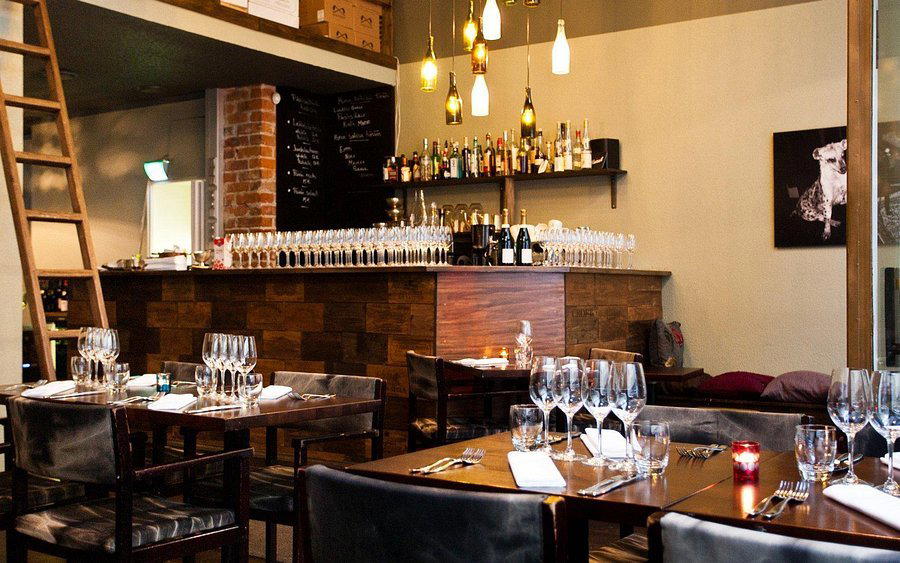
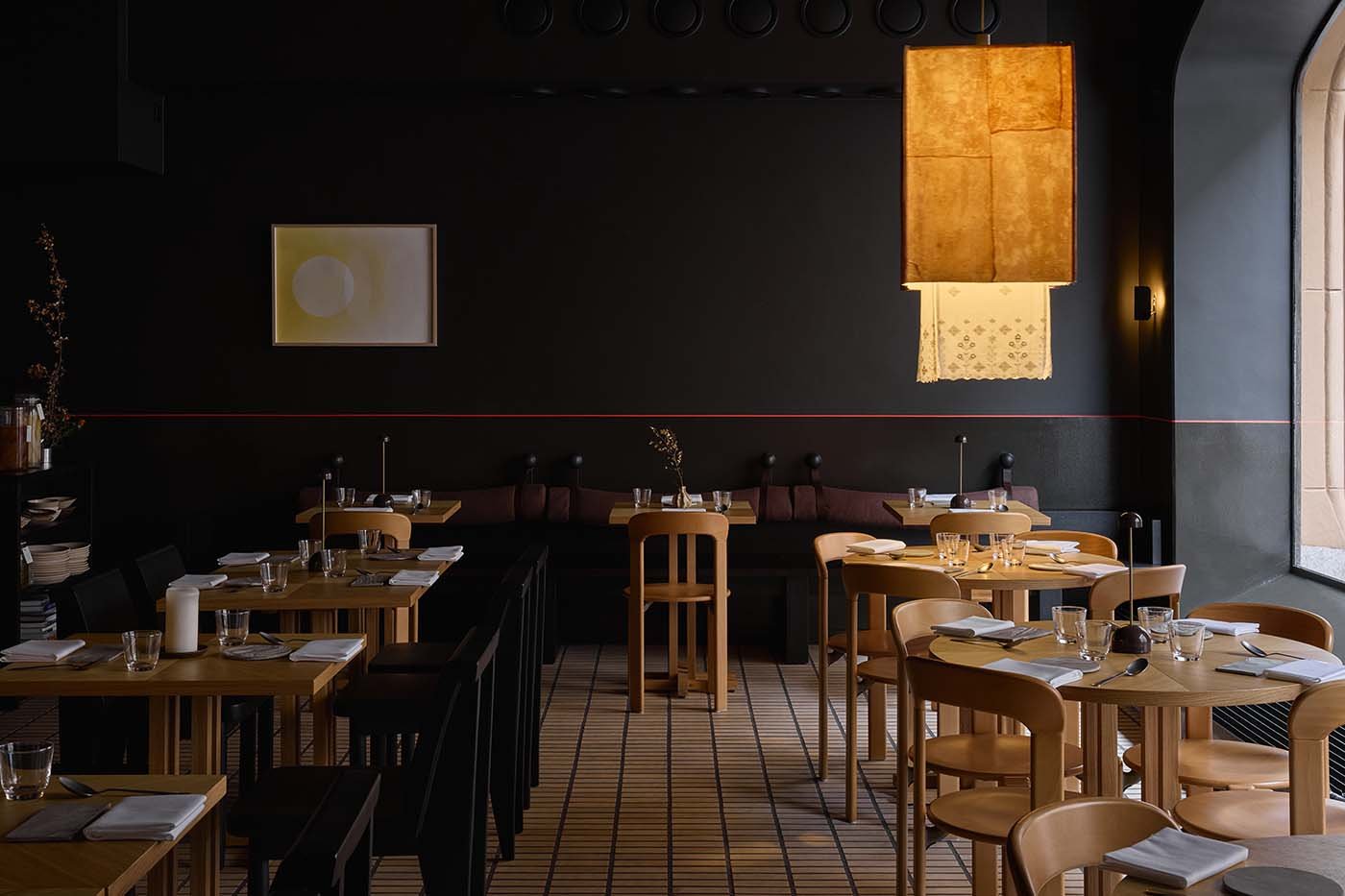
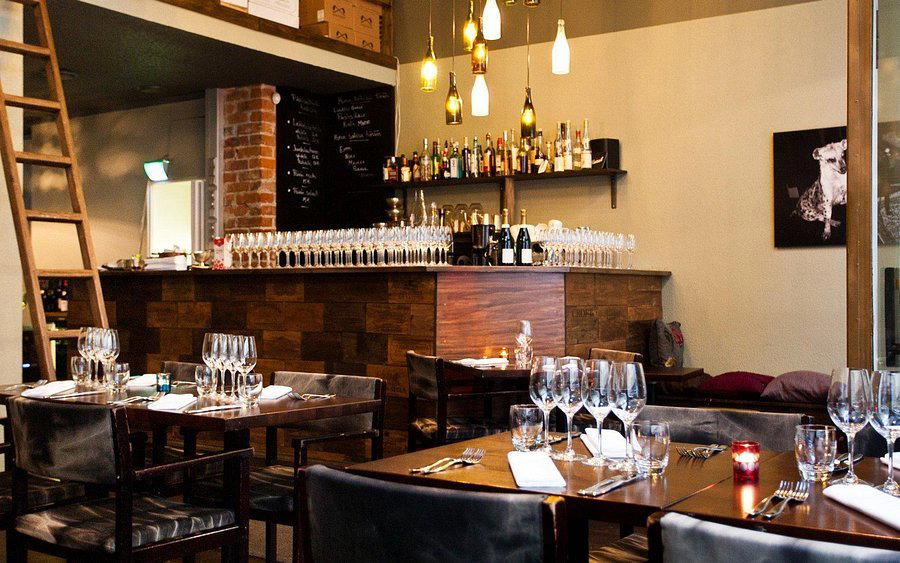
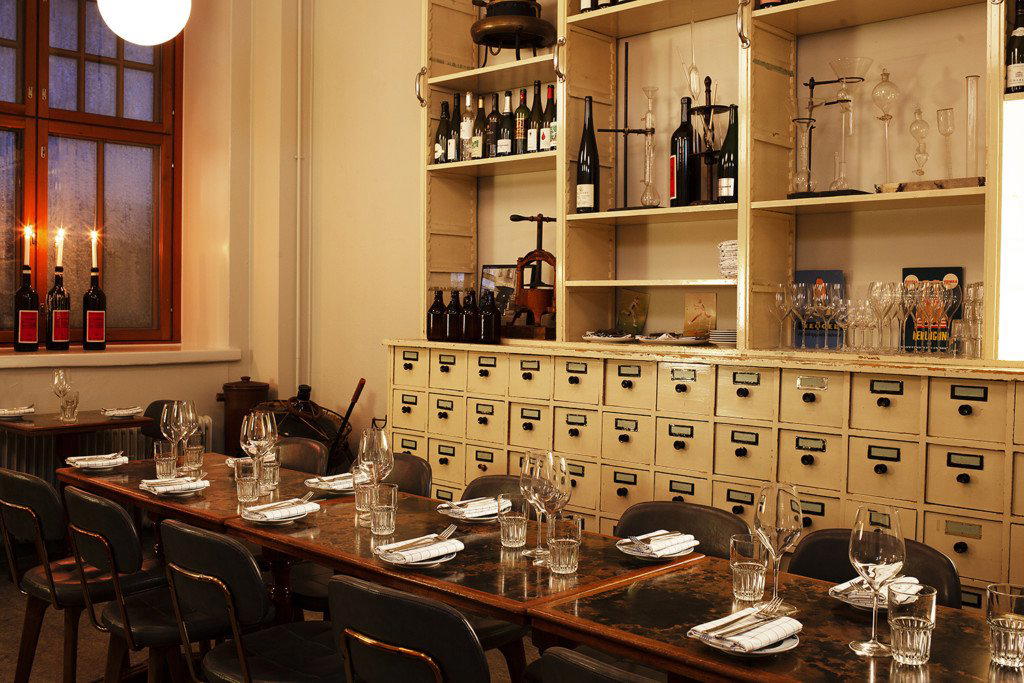
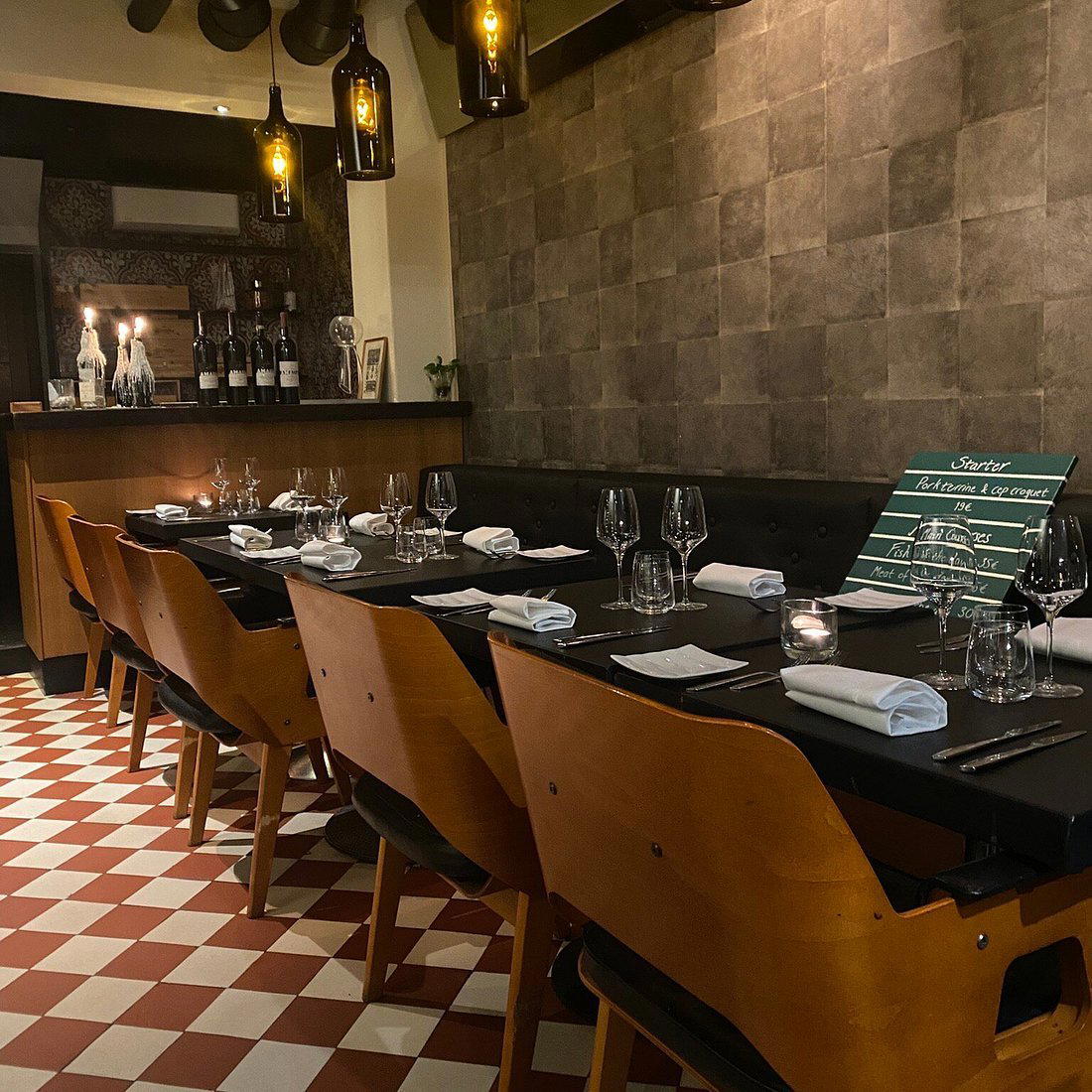
Passio occupies Helsinki's central dining corridor between Kamppi and Punavuori, a stretch that has moved decisively away from generic European brasserie territory over the past decade. The address on Kalevankatu 13 places it among restaurants where sourcing and seasonality drive the room's character rather than décor or spectacle. Expect a focused, low-key setting oriented around what's on the plate.
How does Passio fit into Helsinki's broader fine dining scene?
Helsinki's restaurant structure has stratified clearly, with Michelin-starred addresses such as Palace and Grön setting the benchmark for ingredient-driven Finnish cooking. Passio on Kalevankatu 13 operates within this same sourcing argument — prioritising Finnish seasonal produce — placing it in a considered mid-to-upper tier of the city's central dining corridor rather than the generic European category that once dominated the street.
What should I eat at Passio?
Passio's approach, in line with the strongest kitchens on Helsinki's central dining corridor, is built around Finland's tight seasonal calendar: wild herbs and ramps in spring, fresh berries and lake fish through summer, root vegetables and game as autumn sets in. Specific current dishes are best confirmed directly with the restaurant at Kalevankatu 13, as the menu shifts with supply rather than running fixed across seasons.
Nearby-ish Comparables
Comparable venues nearby, for context on price, style, and recognition.
| Venue | Cuisine | Price | Awards | Notes |
|---|---|---|---|---|
| PassioThis venue — the venue you are viewing | Modern Nordic Seasonal Tasting Menu | $50–100 | White Guide Nordic Restaurants - Fine Level | Not listed |
| Garden by Olo | Modern Scandinavian Fine Dining | $150–200 | We're Smart World 3 Radishes | Kruununhaka |
| Lappi | Traditional Lappish Finnish Cuisine | $50–100 | Not listed | Kamppi |
| Ragu | Modern Scandinavian-Italian Fine Dining | $50–100 | Not listed | Kaartinkaupunki |
| Emo | Modern Scandinavian Bistro | $50–100 | Star Wine List | Kaartinkaupunki |
| Restaurant Sea Horse | Classic Finnish | $30–50 | Not listed | Ullanlinna |
Recognition history
Dated appearances from independent guides and award organizations, with the underlying list record or original source where available.
White Guide Nordic Restaurants - Fine Level
White Guide