On Annankatu in Helsinki's city centre, Lappi brings the culinary traditions of Finnish Lapland into a setting that replicates the textures and atmosphere of the far north. Reindeer, game, and wild-harvested ingredients define the menu, placing it in a distinct niche among Helsinki restaurants where Nordic geography does the conceptual work that technique does elsewhere.
Pearl is the En Primeur Club membership app — saves, bookings, and concierge access live there. Same editors, same standards.
- Address
- Annankatu 22, 00100 Helsinki, Finland
- Phone
- +3589645550
- Website
- lappires.com
- Directions
- Get directions
 Saves & bookings on Pearl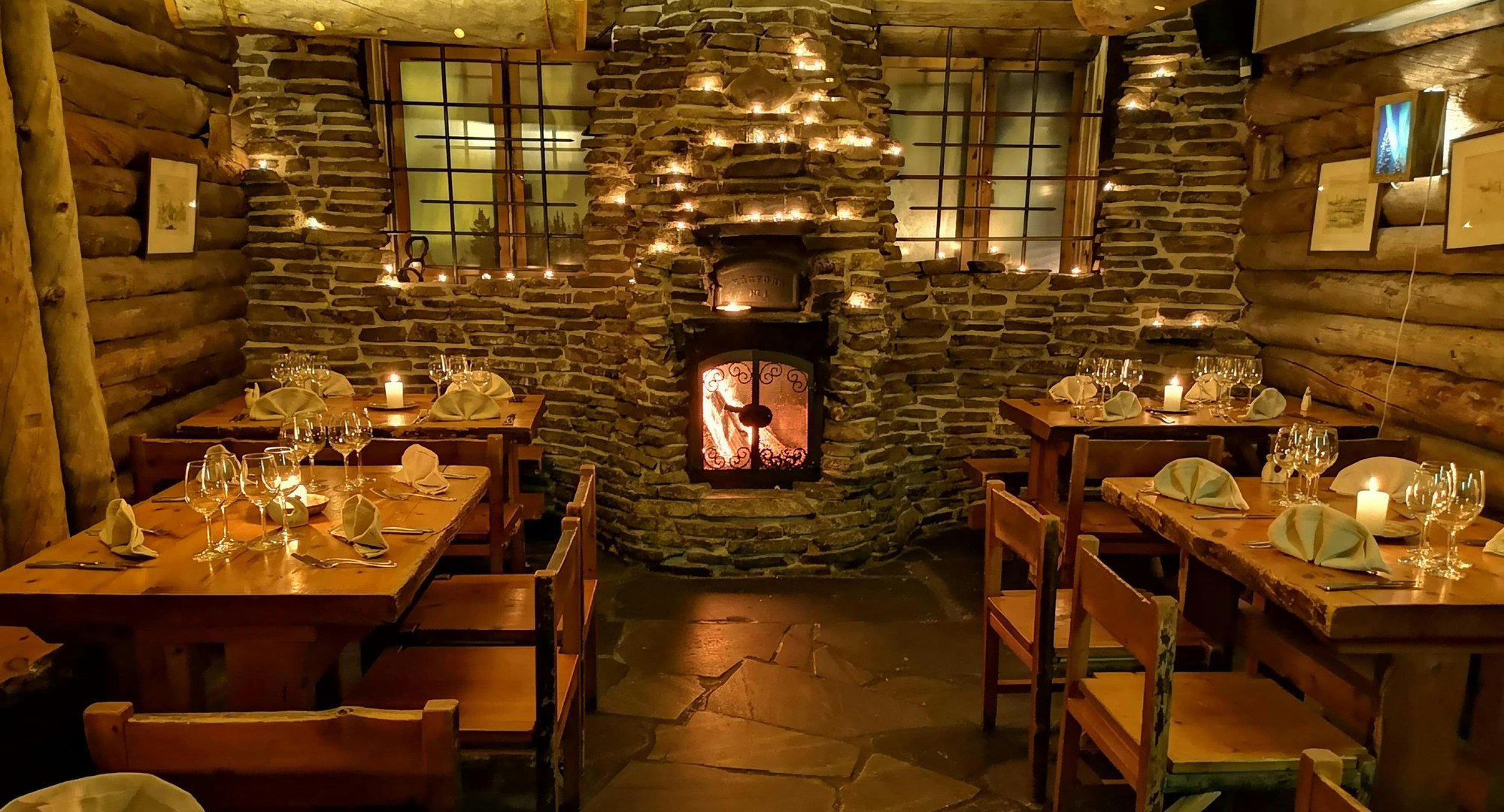
Where Helsinki Meets the Arctic Interior
There is a particular category of restaurant in Nordic capital cities that does something harder than executing a tasting menu: it carries the weight of a geography that most diners will never visit. In Helsinki, Lappi on Annankatu 22 occupies that position. The interior announces its intentions before food arrives. Dark wood, pelts, and materials borrowed from the traditional kota shelter create a physical environment calibrated to feel removed from the city outside. The effect is less theatrical set-dressing and more a consistent argument about what Finnish food is, and where its deepest roots lie. Whether that argument lands depends on how seriously the kitchen commits to Arctic sourcing rather than symbolic gesture.
Helsinki's restaurant scene has, over the past decade, developed a clear upper tier dominated by tasting-menu formats at places like Palace, Grön, and Olo. These kitchens work with Nordic ingredients through the lens of technique and contemporary plating. Lappi operates from a different premise: the cuisine of Finnish Lapland is defined by its landscape and its seasons, not by the kitchen's interpretive apparatus. Reindeer meat, bear, and foraged mushrooms carry the flavour logic. That is a less fashionable position in 2024, but it is a coherent one.
The Atmosphere as Argument
The sensory register of the room at Lappi deserves attention before the menu. The smell of woodsmoke and cured meat that characterises a well-run Lappish kitchen is part of the dining proposition, as much as the sourced ingredients themselves. Finnish food culture in the north has always been tied to preservation: smoking, salting, and drying as practical responses to long winters rather than techniques applied for flavour effect. When a Helsinki restaurant recreates that olfactory environment in a city-centre address, it is making a claim about authenticity that the menu either substantiates or undermines.
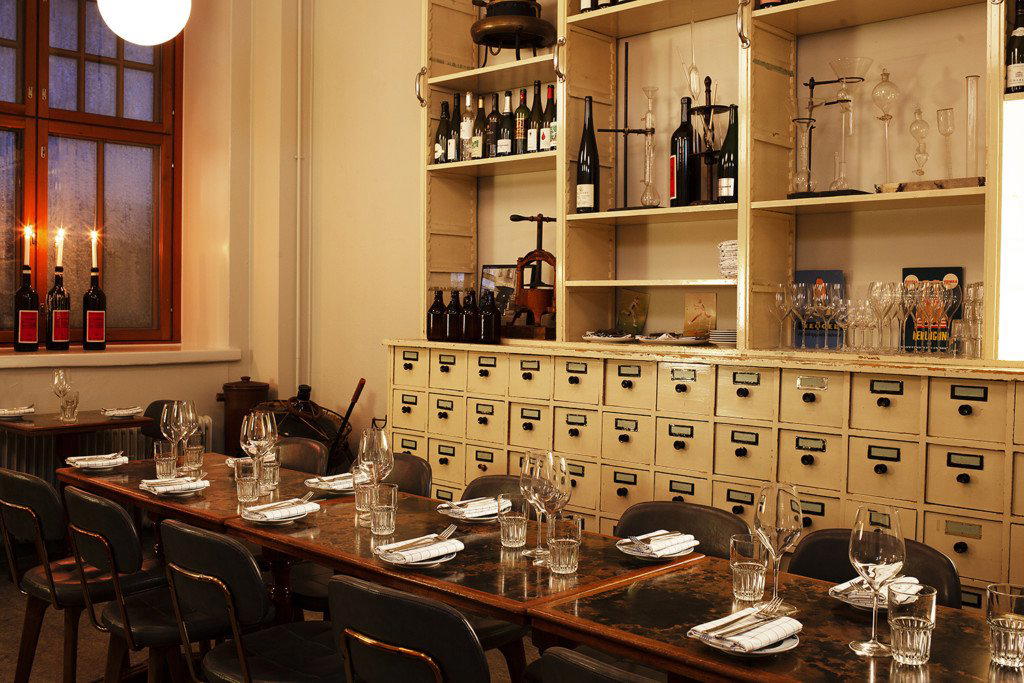
The physical design follows the same logic. The kota-inspired interior, with its low-light warmth and natural textures, positions the meal within a tradition of communal eating in cold-weather shelter rather than in a formal dining room. That distinction matters for how food is received. A piece of reindeer served in a room that evokes the open taiga registers differently than the same protein plated under a spotlight. Lappi understands this, which is why its atmospheric commitment is not decoration but argument.
Lapland's Larder in Helsinki
Reindeer is the anchor ingredient of Lappish cuisine, and the way a kitchen handles it indicates how seriously it is engaging with the tradition. In Finland's far north, reindeer herding has been central to Sámi culture for centuries, and the animal is used fully: the meat smoked, the blood used in preparations, the fat rendered. Helsinki restaurants that list reindeer as a single menu item are often gesturing at the tradition rather than working within it. The depth of a Lappish kitchen's engagement shows in how many preparations appear and how close they sit to northern technique rather than urban refinement.
Wild game, freshwater fish from Arctic rivers and lakes, lingonberries, cloudberries, and foraged mushrooms round out the core ingredient set. These are not interchangeable with what a coastal Finnish kitchen, or a New Nordic kitchen in the vein of Finnjävel Salonki, would reach for. The latitude changes the flavour profile: shorter growing seasons produce more intensely flavoured berries, fish from cold northern waters carry more fat, and preservation techniques give smoked and cured preparations a particular depth that fresh-forward cooking cannot replicate. Lappi's kitchen, working from Annankatu, is attempting to translate that northern depth to a southern address.
Where Lappi Sits in Helsinki's Dining Order
Helsinki diners in 2024 have more choices at the upper tier than at any previous point. The ROOM by Kozeen Shiwan has brought an entirely different reference point to the city's premium table. Grön operates a plant-driven counter that has accumulated serious recognition. The competition for a diner's evening is real, and it comes from kitchens with Michelin credentials and internationally oriented menus.
Lappi competes on different terms. It is not positioning itself against the city's tasting-menu circuit in the way that, say, Atomix in New York or Le Bernardin define their respective tiers. Its competitive set is the category of regionally specific Finnish restaurants that use geography as their organising principle. There are not many of these in Helsinki. For visitors who want to eat northern Finnish food rather than modern Nordic food, Lappi is one of few addresses that has maintained that focus over time. The distinction sounds narrow but it is not: modern Nordic cuisine, however accomplished, often reads as international; Lapland food reads as Finnish in a way that is harder to replicate and easier to feel.
For context across Finland, the dining culture extends well beyond Helsinki: Kaskis in Turku and VÅR in Porvoo represent the kind of regionally committed cooking that characterises Finland's stronger provincial addresses, while spots like Bistro Henriks in Tampere, Figaro in Jyväskylä, and Filipof in Joensuu demonstrate how seriously Finnish cities outside the capital take their own dining identities. Further north, Hai Long in Rovaniemi operates in the actual Lapland region, making it worth comparing if a northern itinerary is on the table. Additional options across the country include Gösta in Mänttä, JJ's BBQ in Salo, Vintti in Hameenlinna, and Hejm in Vaasa, each representing a distinct regional perspective on Finnish hospitality.
Planning a Visit
Lappi is located at Annankatu 22, in Helsinki's central district, within walking distance of the main commercial and cultural areas of the city. The address is accessible on foot from most central hotels. The restaurant is better suited to evenings when the atmosphere of the interior and the weight of the food align with a longer, slower meal rather than a quick midweek dinner. Winter visits, when Helsinki's short days and cold air make the interior warmth and smoke-forward kitchen feel contextually right, tend to produce one coherent experience of what Lappi is attempting.
Comparable Venues
Comparable venues nearby, for context on price, style, and recognition.
| Venue | Cuisine | Price | Notes |
|---|---|---|---|
| LappiThis venue — the venue you are viewing | Traditional Lappish Finnish Cuisine | $$$ | Not listed |
| Ragu | Modern Scandinavian-Italian Fine Dining | $$$ | Kaartinkaupunki |
| Birdie Numnum | Modern Scandinavian Fine Casual | $$$ | Linjat |
| Passio | Modern Nordic Seasonal Tasting Menu | $$$$ | Kamppi |
| Wellamo | Modern Nordic Bistro | $$$ | Katajanokka |
| Osteria dei Mancini | Authentic Southern Italian Coastal | $$$ | Punavuori |
At a Glance
- Cozy
- Rustic
- Intimate
- Date Night
- Special Occasion
- Historic Building
- Local Sourcing
Current opening hours
- Monday
- 4–10 PM
- Tuesday
- 4–10 PM
- Wednesday
- 4–10 PM
- Thursday
- 4–10 PM
- Friday
- 4–10 PM
- Saturday
- 4–10 PM
- Sunday
- Closed
Hours can change for holidays and private events. Last verified .
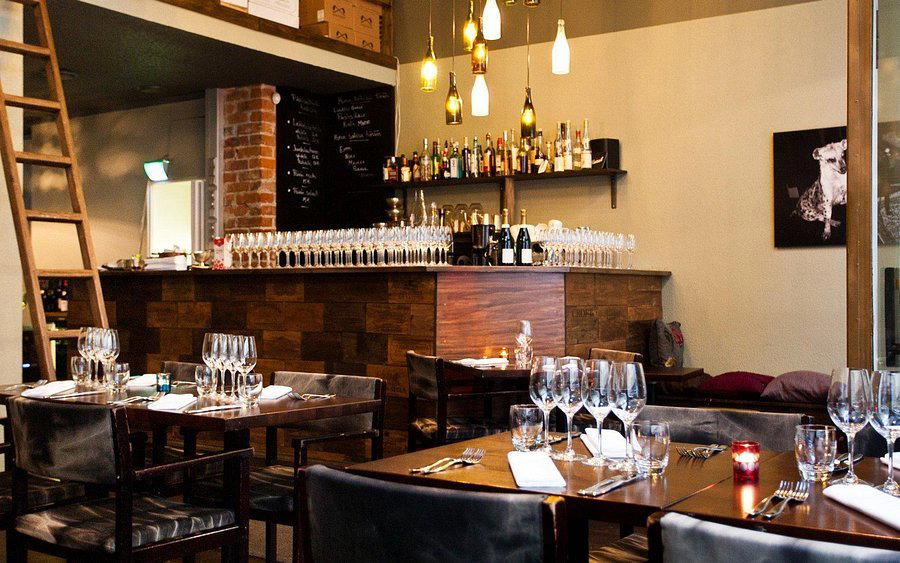
Cozy wooden cabin decor with natural materials evoking Lapland, warm and rustic atmosphere praised for interior and ambience.