Our verdict
Restaurant Sea Horse on Kapteeninkatu is one of Helsinki's most enduring addresses for traditional Finnish cooking, the kind of place where the cooking has outlasted decades of trend cycles. The menu draws on the same Baltic and inland Finnish sourcing that has defined the city's older dining culture, placing it in clear contrast to the tasting-menu modernism that now dominates Helsinki's upper tier.

Pearl is the En Primeur Club membership app — saves, bookings, and concierge access live there. Same editors, same standards.
- Address
- Kapteeninkatu 11, 00140 Helsinki, Finland
- Phone
- +358 9 628169
- Hours
- Mon 12–10 PMTue 3–10 PMWed–Fri 12–11 PMSat 3–11 PMSun 3–10 PM
- Website
- seahorse.fi
- Directions
- Get directions
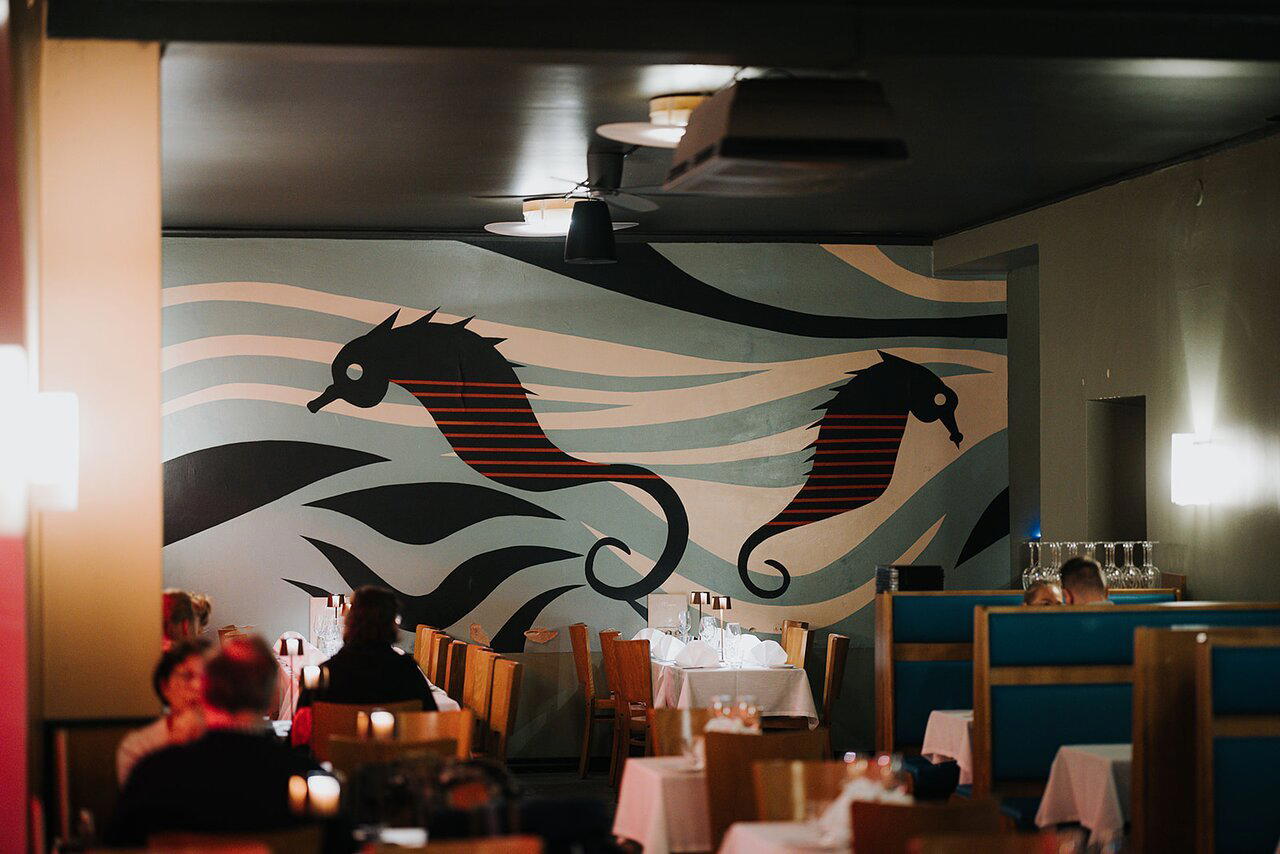
A Different Register on Kapteeninkatu
Helsinki's dining scene has bifurcated sharply over the past decade. On one side sit the Nordic modernists — tasting-menu counters and fermentation-forward kitchens that read as continuations of the New Nordic movement that reshaped Scandinavian cooking from Copenhagen outward. On the other, a smaller and less discussed group of restaurants holds ground on older Finnish cooking traditions: dishes rooted in seasonal Baltic fish, domestic game, and the kind of root-vegetable cookery that predates any manifesto. Restaurant Sea Horse on Kapteeninkatu 11, in the Punavuori district of southern Helsinki, belongs firmly to the second group and has done so for long enough that it has become a reference point for what traditional Helsinki dining actually looks like when it survives.
Punavuori, a residential and increasingly creative neighbourhood south of the city centre, sits at some remove from the more tourist-facing restaurant cluster around the Market Square and Esplanadi. That address is partly why Sea Horse operates at a different frequency from the city's marquee tables. Visitors arrive with some intention — this is not a walk-past discovery, and regulars return with the kind of frequency that sustains an older-model Finnish restaurant. The building and interior signal a history that the neighbourhood's newer galleries and coffee bars do not share.
Finnish Sourcing and the Logic Behind It
The editorial argument for traditional Finnish restaurants like Sea Horse is most clearly made through ingredient sourcing. Finnish cuisine at its foundation draws from three distinct supply chains that most European culinary traditions do not share in the same combination: cold Baltic waters producing herring, pike-perch, and perch; forests and bogs yielding game, mushrooms, and berries; and domestic agriculture producing the root vegetables, dairy, and rye that have anchored Finnish tables through long winters. The logic of eating at a restaurant in this tradition is less about chef innovation and more about access to sourcing relationships that take years or decades to build.
Herring preparations are the clearest illustration of this. Baltic herring, silakka in Finnish, is a smaller, leaner fish than its Atlantic cousin, and its treatment in Finnish kitchens varies considerably by preparation method and regional tradition. Fried silakka with mashed potato is among the most discussed dishes in the Sea Horse context, cited repeatedly in Finnish food writing as representative of what the restaurant preserves. The dish is not complex in the contemporary technical sense, but it is specific: the fish must be fresh and sourced correctly, the potato preparation must meet a particular texture standard, and the overall balance must land without refinement that would betray the dish's character. It is the kind of cooking that rewards institutional knowledge more than creative ambition.
Game sourcing follows a similar pattern. Reindeer, elk, and vendace from Finnish Lapland and the country's lake regions reach Helsinki restaurants through supply relationships that operate quite differently from the spot-market procurement that newer restaurants rely on. Restaurants with long operating histories in this tradition tend to have more stable access to these ingredients across seasons. For context, VÅR in Porvoo and Kaskis in Turku represent how smaller Finnish cities approach similar sourcing traditions with their own regional inflections, while Helsinki restaurants like Sea Horse represent the urban expression of the same underlying supply logic.
Where Sea Horse Sits in Helsinki's Competitive Map
Helsinki's top tier is now dominated by restaurants with formal tasting menus and the credentials to match. Palace occupies a Michelin-starred position at the upper end of modern Finnish cuisine. Grön and Olo operate in the creative Nordic and modern Scandinavian registers respectively. Finnjävel Salonki and The ROOM by Kozeen Shiwan push into contemporary creative territory. Sea Horse is not competing in that tier and should not be read as a lesser version of it. The comparison set is different: restaurants that preserve a functional, ingredient-honest Finnish cooking tradition rather than one transformed through modernist technique.
Within the broader Finnish dining context, this positioning matters. Restaurants like Gastropub Tuulensuu in Tampere, Pöllöwaari in Jyväskylä, and Musta lammas in Kuopio represent how regional Finnish cities maintain their own expressions of this tradition. Helsinki's version, at an address like Sea Horse, carries the added weight of operating in a city where the competition for attention from international visitors and domestic food media is considerably higher. That it continues to draw regulars and new visitors in this environment is itself a signal worth noting. For a fuller picture of where Sea Horse fits within Helsinki's broader restaurant culture, the EP Club Helsinki restaurants guide maps the city's dining scene across price tiers and styles.
Who Eats Here and Why
The Helsinki restaurants that tend to operate in Sea Horse's register serve a particular kind of diner: someone who approaches Finnish food not as a vehicle for technical innovation but as a cultural record. Older dining institutions in Nordic cities often function as reference points for what a city's food culture looked like before the modernist wave, the equivalent of a Parisian brasserie that has not chased bistronomy, or a Tokyo teishoku restaurant that has not moved toward kaiseki formality. The comparison to Le Bernardin in New York City or Lazy Bear in San Francisco is instructive mainly by contrast: those restaurants represent the technical apex of their respective traditions, while Sea Horse represents continuity rather than ambition, which is a legitimate and increasingly rare thing to offer.
For visitors arriving in Helsinki with an interest in Finnish food culture beyond the tasting-menu format, this kind of restaurant fills a gap that the modernist tier cannot. It also serves as a practical orientation: eating traditional silakka or reindeer preparations in an unreconstructed setting gives a baseline that makes the creative departures at restaurants like Lucy in the sky in Espoo or Popot in Lahti more legible in context.
Practical Notes for Visiting
Sea Horse is located at Kapteeninkatu 11 in Punavuori, reachable on foot from the city centre in roughly fifteen minutes or via tram to the southern districts. The neighbourhood rewards an afternoon or evening that extends beyond the meal: the area has a concentration of design shops, galleries, and smaller bars that make it a natural circuit. Booking ahead is advisable rather than optional for weekend evenings, when the restaurant's combination of local regulars and visiting diners creates pressure on tables. Weekday lunches tend to offer more flexibility. The restaurant does not carry the formal dress expectations of Helsinki's tasting-menu tier, but the setting is not casual in the northern-European sense of the word, it carries the weight of its own history, and guests tend to reflect that. For broader planning across Finland, DeLorean in Jyväskylä, Viinitupa Vuorenmaja in Mänttä, and Aurora Restaurant in Luosto extend the map further into Finnish regional dining for those moving beyond the capital.
Frequently asked questions
Where is Restaurant Sea Horse in Helsinki?
Restaurant Sea Horse is located at Kapteeninkatu 11, 00140 Helsinki, Finland, Helsinki.
Is Restaurant Sea Horse Helsinki good for experiencing traditional Finnish cuisine rather than modern Nordic tasting menus?
Sea Horse represents a distinct strand of Helsinki dining that predates the Nordic modernist wave: an à la carte Finnish table rooted in domestic sourcing and familiar preparations rather than fermentation-led courses or avant-garde technique. For diners who want to understand Finnish food as a living everyday tradition rather than a chef's conceptual statement, Kapteeninkatu 11 in Punavuori is one of the city's clearest addresses for that experience. It operates in deliberate contrast to the tasting-menu counters that now dominate Helsinki's critical conversation.
What should I order at Restaurant Sea Horse?
Sea Horse sits firmly in the traditional Finnish register, which means the menu draws on the kind of sourcing — Baltic fish, domestic game, root vegetables — that defines the cuisine at its foundation rather than its modernist edge. Dishes rooted in that canon are the reason regulars return. The kitchen at Kapteeninkatu 11 is not a tasting-menu operation, so ordering is à la carte and portions tend toward the substantial.
Do I need a reservation for Restaurant Sea Horse?
Sea Horse operates in a category of Helsinki restaurant that attracts a loyal local following alongside visitors who seek out places outside the formal tasting-menu circuit. Given its address at Kapteeninkatu 11 in Punavuori and its reputation as a long-standing Finnish classic, booking ahead is advisable, particularly on weekends. Contacting the restaurant directly via their website or in person is the most reliable route.
Comparable Spots, Quickly
A quick snapshot of similar venues for side-by-side context.
| Venue | Cuisine | Price | Awards | Notes |
|---|---|---|---|---|
| Restaurant Sea HorseThis venue — the venue you are viewing | Classic Finnish | $30–50 | Not listed | Not listed |
| Palace | Modern Nordic Fine Dining | $200–300 | 2 Michelin Stars · La Liste Top Restaurants | Finnish, Modern Cuisine |
| Grön | Modern Nordic Fine Dining | $150–200 | 2 Michelin Stars · Star Wine List | New Nordic, Creative |
| Olo | Contemporary Scandinavian | $200–300 | 1 Michelin Star · La Liste Top Restaurants | Scandinavian, Modern Cuisine |
| Gaijin | Modern Japanese-Korean-Northern Chinese Fusion | $100–150 | Michelin Plate · Star Wine List | Middle Eastern, Asian |
| Nolla | Modern Scandinavian Zero-Waste | $50–100 | Michelin Bib Gourmand · Star Wine List | Fusion, Modern Cuisine |
Details
- Classic
- Cozy
- Well Known
- Casual Hangout
- Special Occasion
- Historic Building
- A La Carte
- Vegetarian Friendly
- Gluten Free Options
Current opening hours
- Monday
- 12–10 PM
- Tuesday
- 3–10 PM
- Wednesday
- 12–11 PM
- Thursday
- 12–11 PM
- Friday
- 12–11 PM
- Saturday
- 3–11 PM
- Sunday
- 3–10 PM
Hours can change for holidays and private events. Last verified .
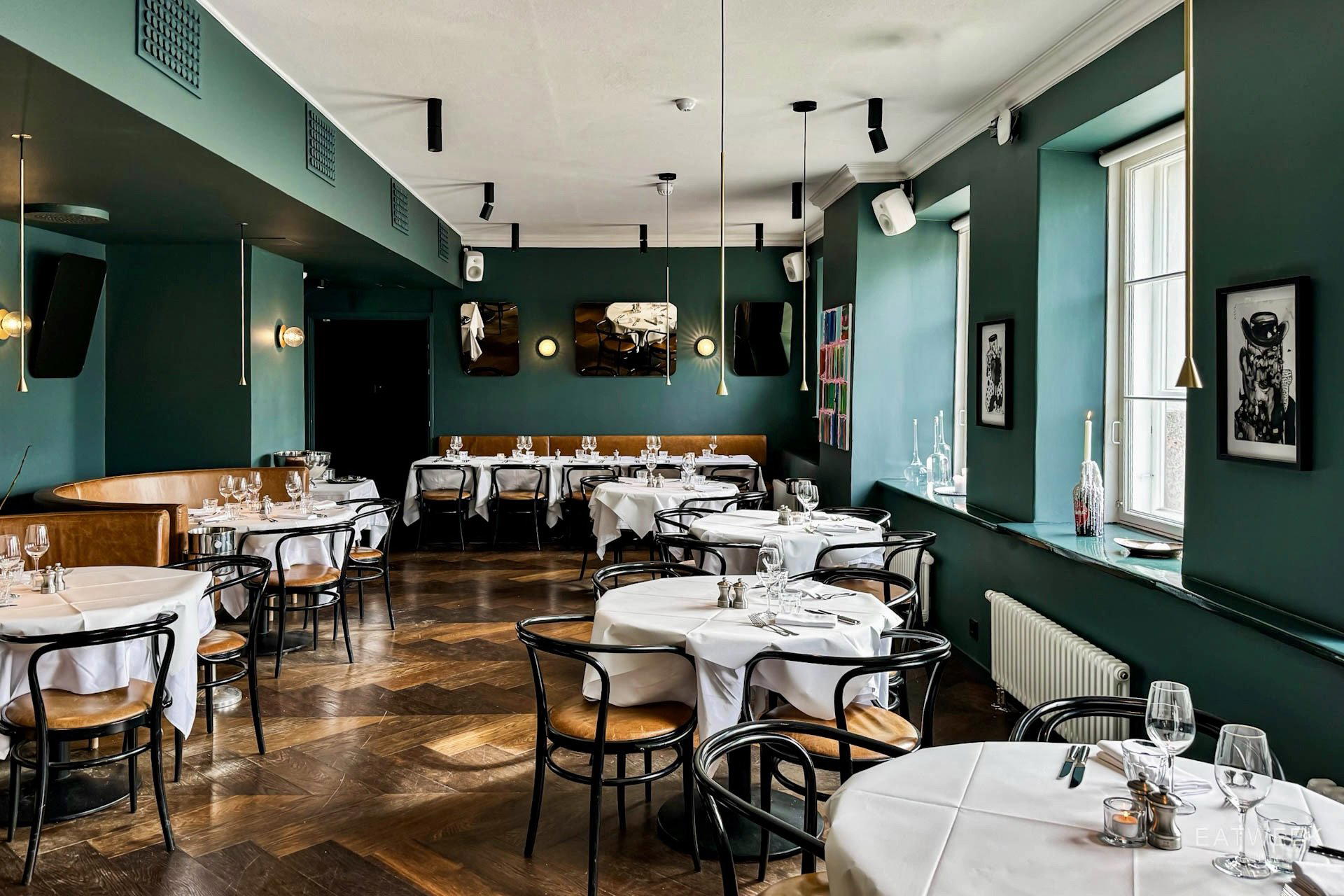
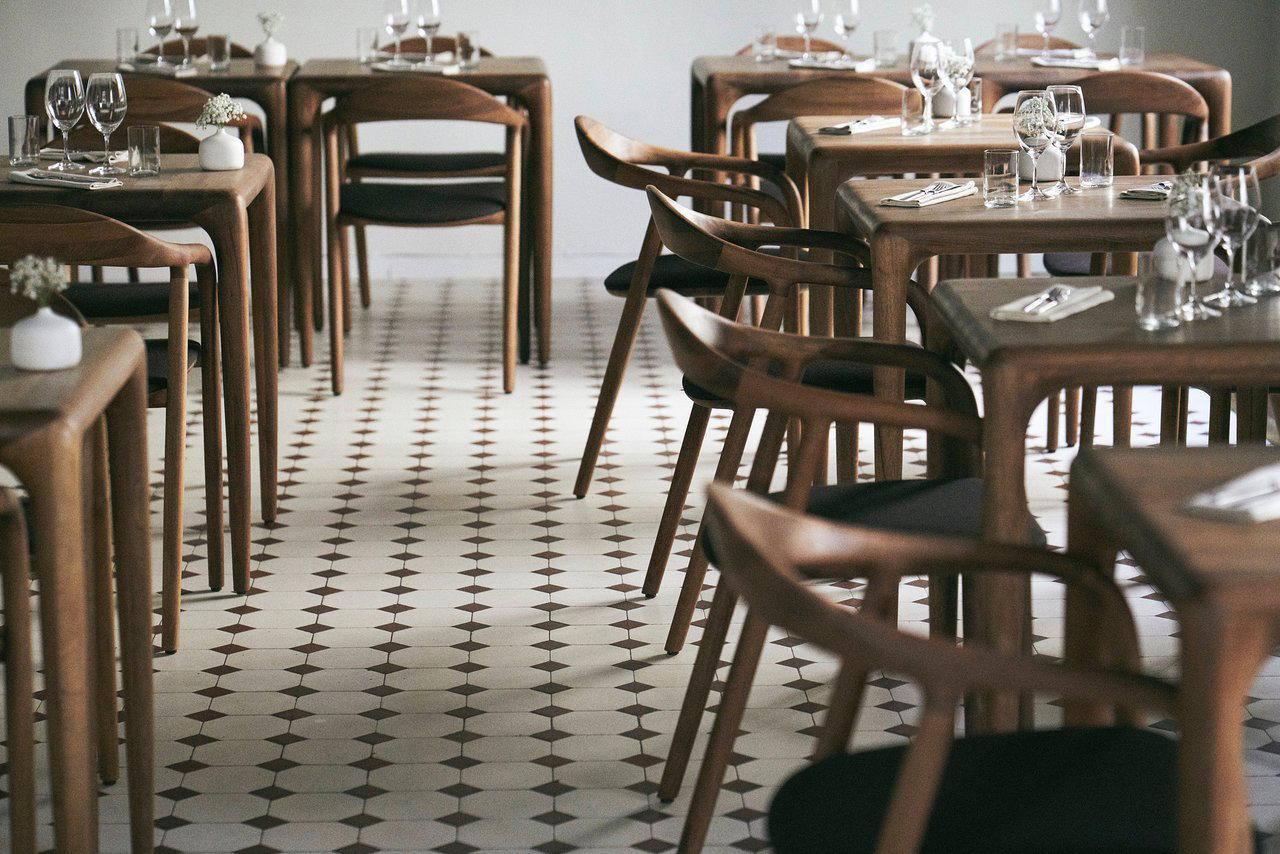
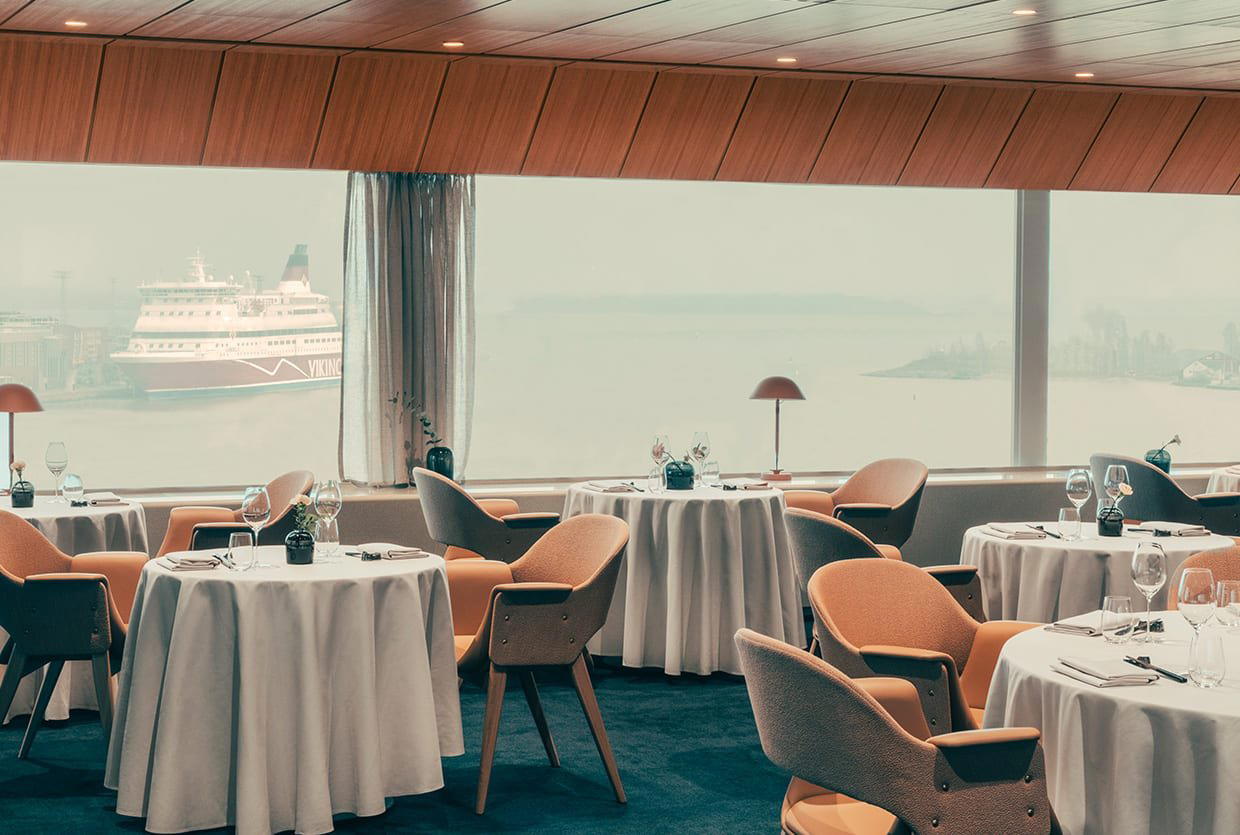
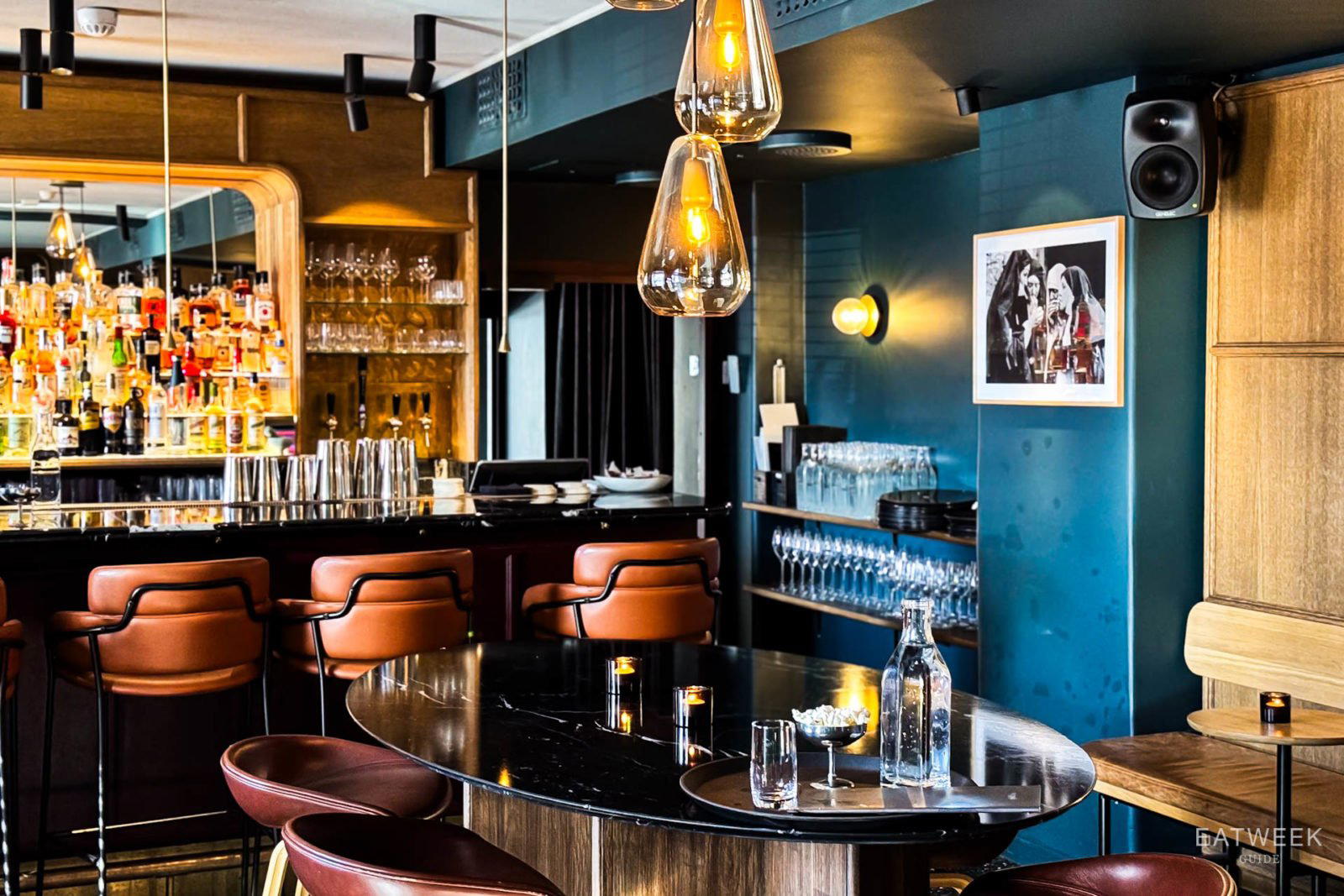
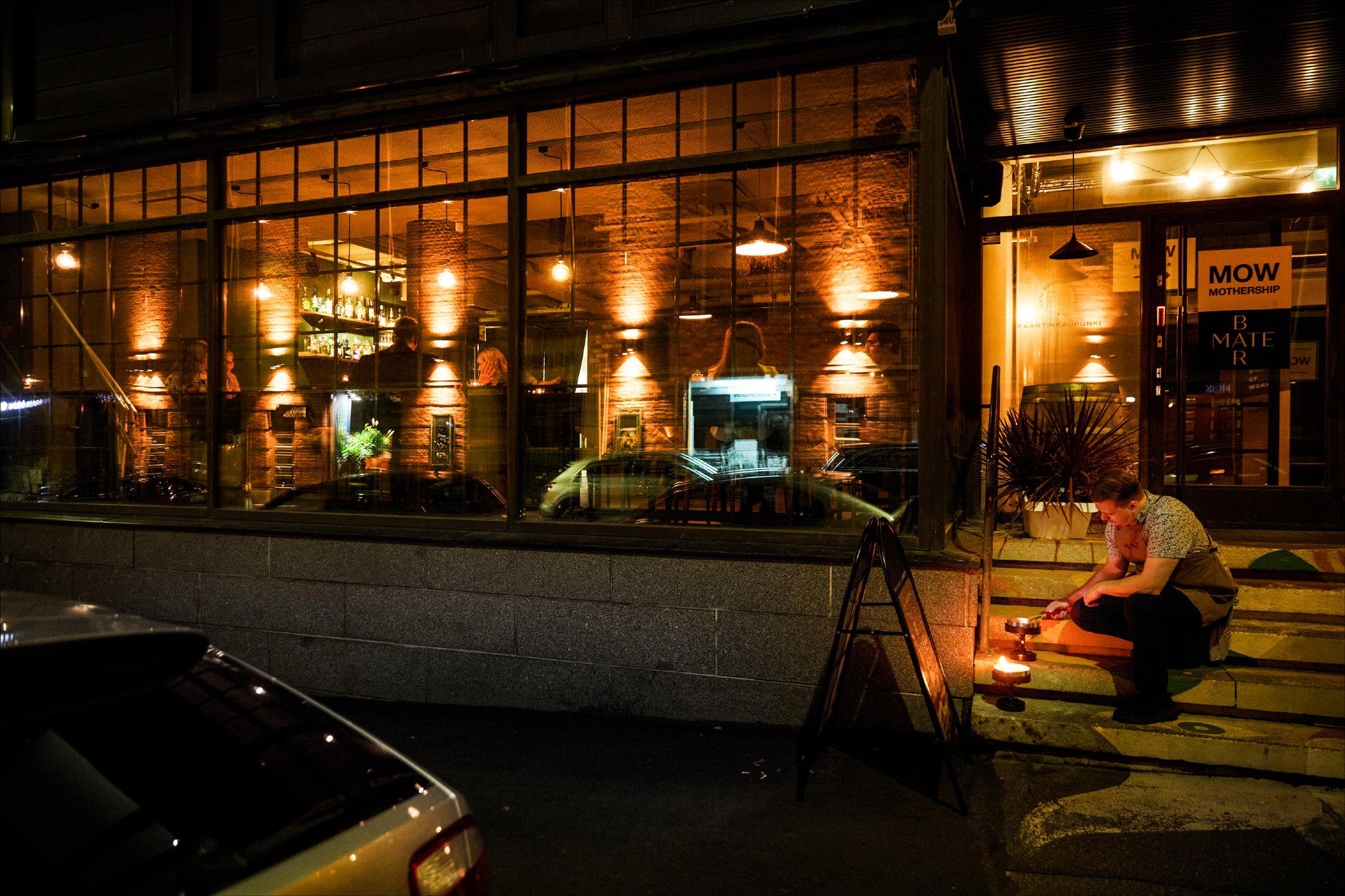
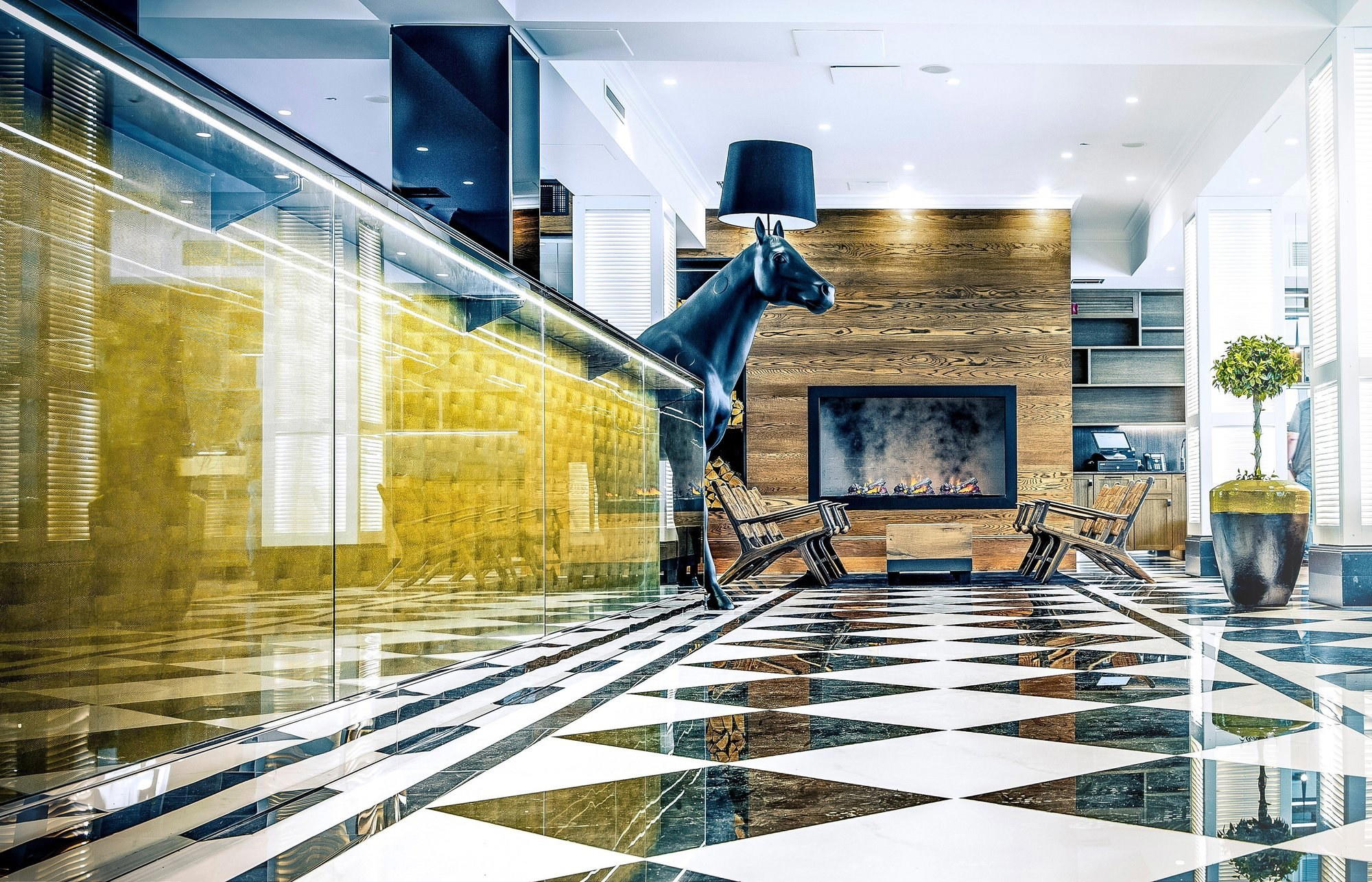
Cozy historic Art Deco interior evoking timeless Finnish warmth and tradition.