







2 Michelin Stars · Star Wine List · Falstaff Restaurant - 95 Falstaff Points
Our verdict
Grön operates from Albertinkatu in Helsinki's Punavuori district, running two tasting menus built entirely on seasonal, organic, and wild ingredients. Chef Toni Kostian holds a Michelin star and consistent Opinionated About Dining recognition, placing the restaurant among Helsinki's most serious creative kitchens. The wine program carries a Star Wine List White Star designation, reinforcing a dining format where the cellar matches the kitchen's ambition.

Pearl is the En Primeur Club membership app — saves, bookings, and concierge access live there. Same editors, same standards.
- Address
- Albertinkatu 36, 00180 Helsinki, Finland
- Phone
- +358 50 3289181
- Hours
- Mon–Tue ClosedWed–Fri 5 PM–12 AMSat 1–3:30 PM, 5 PM–12 AMSun Closed
- Website
- restaurantgron.com
- Directions
- Get directions
The menu
What to order
- Tomato_tartelette
- Scallop_with_XO_sauce
A Kitchen Governed by the Calendar
On Albertinkatu, in the residential-leaning southern quarter of Punavuori, the approach to dinner at Grön begins with an unusual premise: the menu exists only because of what is currently alive and edible in Finland. This is not seasonal cooking as marketing shorthand. The kitchen sources organic and wild ingredients whose availability is determined by weather, harvest, and the rhythms of the Finnish environment. In winter, when the ground is frozen and foragers have packed away their baskets, preserved and fermented preparations from the summer and autumn months extend the range. The philosophy is strict but practical, and it shapes every element of what arrives at the table.
Helsinki's creative fine-dining tier has consolidated around a recognisable set of principles over the past decade — local provenance, technique that reveals rather than transforms ingredients, menus that move with the seasons rather than around a fixed signature. Grön sits near the best of that conversation. Its Michelin star, awarded in both 2024 and 2025, places it alongside Palace, Olo, and Finnjävel Salonki in Helsinki's uppermost price-and-recognition bracket. But where some of those kitchens work within a broader Finnish culinary narrative, Grön's framing is more granular: the growing cycle, the specific forest, the preserving jar.
Two Menus, One Governing Logic
The kitchen compiles two menus simultaneously. The first runs across vegetables, meat, and fish. The second is vegetable-only — not a concession to dietary preference but a full creative statement in its own right, drawing on the same foraged and organic sources as the main menu. Across Scandinavia, the vegetable-centric tasting menu has evolved from a novelty into a credible format at serious kitchens. At Grön, the structure reflects the kitchen's actual sourcing priorities rather than a separate program grafted onto a meat-forward base. The vegetables lead; everything else follows.
This approach connects Grön to a broader pattern within New Nordic cooking, where fermentation and preservation have moved from technique to identity. Restaurants like Geranium in Copenhagen and RE-NAA in Stavanger have each built distinct approaches to the seasonal constraint. The same summer ingredient may reappear in winter in a form that makes its absence from the current landscape feel relevant rather than compensatory.
The Sustainability Logic Behind the Kitchen
Fine dining's engagement with sustainability has produced a wide spectrum of positions, from broad-brush sourcing claims to granular supply-chain architecture. Grön occupies a position toward the more demanding end of that range. Basing menus entirely on seasonal, organic, and wild ingredients means the kitchen cannot fall back on commodity supply when a foraged product becomes unavailable. It also means that waste reduction operates structurally: ingredients are preserved at peak, used across multiple preparations, and extended through fermentation rather than discarded when the season shifts.
This is a meaningful constraint in the Finnish context. The country's northern latitude compresses the growing season significantly. What is harvestable in Helsinki between June and September must, in kitchens like this one, be made to work across a twelve-month program. That pressure produces creative solutions that are visible in the finished dishes. The fermentation program is not decorative; it is load-bearing. The preserved ingredients are not a gesture toward sustainability as aesthetic; they are a functional response to geography and climate.
Across Finland, a small group of restaurants have made similar commitments at comparable price points. Kaskis in Turku, Kajo in Tampere, and VÅR in Porvoo each work within versions of this model, adapted to their respective regional pantries. Grön operates in Helsinki at a higher recognition tier, giving the city its clearest example of what serious seasonal constraint looks like in a Michelin-starred format.
The Wine Program as a Parallel Argument
A kitchen that argues through its sourcing choices tends to attract a cellar that makes similar arguments. Grön's wine program has earned a Star Wine List White Star designation, a recognition that places it among Europe's more serious restaurant wine lists, and consistent top-tier rankings from Star Wine List across 2022, 2023, 2024, and 2025. The list's positioning complements the kitchen's approach: a program selected to speak to the same precision and provenance standards that govern the food side of the operation. For a restaurant working at the €€€€ price point, the wine program is not incidental. It is a parallel expression of the same editorial logic.
Helsinki's fine-dining scene has developed a noticeable interest in natural and low-intervention wines over the past several years, which fits coherently with a kitchen built around organic and wild ingredients. The ROOM by Kozeen Shiwan and other creative kitchens in the city have moved in similar directions. Grön's sustained Star Wine List recognition suggests a program that is rigorously maintained rather than opportunistically assembled.
Where Grön Sits in the Nordic Picture
The Opinionated About Dining ranking, which positions Grön at number 217 in Europe in 2025 (up from 170 in 2024), places it within a competitive set that includes restaurants from across the Nordic region operating at the intersection of seasonal discipline and creative ambition. Within that bracket, the Finnish representation is limited, making Grön one of the more visible markers of what Helsinki's fine-dining scene is capable of producing. The drop in OAD ranking from 2024 to 2025 is worth noting as a data point without over-interpreting it; year-to-year movement at this tier is common and does not necessarily signal a change in kitchen quality.
Across the Nordic New Creative category, the comparison set broadens quickly. VYN in Simrishamn, Kadeau Bornholm in Åkirkeby, and DILL in Reykjavík each operate within variations of the seasonal-Nordic framework. Grön's distinguishing factor, relative to those peers, is the particular rigour of its vegetable focus and the extent to which preservation techniques are used as a primary creative tool rather than a supporting one. Copenhagen's Chez Dominique represents a different point on the same broader map: more rooted in classical French structure, less committed to the seasonal-only constraint.
Planning a Visit
Grön opens Wednesday through Saturday from 5 pm, closing at midnight. Monday, Tuesday, and Sunday are closed. The restaurant operates from Albertinkatu 36, 00180 Helsinki, in the Punavuori neighbourhood, which is walkable from the city centre and well connected by tram. At the €€€€ price level, bookings warrant forward planning; tasting menu restaurants at this recognition tier in Helsinki typically run with limited covers and consistent demand. The format runs into the late evening, which suits the long Punavuori block of bars and design spaces that surround it. Those planning a broader evening in Helsinki can cross-reference our Helsinki bars guide, our Helsinki hotels guide, and our Helsinki wineries guide for a fuller picture. Our Helsinki experiences guide and our full Helsinki restaurants guide cover the wider dining context across the city.
Frequently asked questions
What should I budget for a meal at Grön?
Pricing at Grön is listed as €€€€.
Is Grön open every day?
Hours at Grön: Hours: Monday Closed Tuesday Closed Wednesday 5 pm–12 am Thursday 5 pm–12 am Friday 5 pm–12 am Saturday 5 pm–12 am Sunday Closed.
Credentials Lens
| Venue | Cuisine | Price | Awards | Notes |
|---|---|---|---|---|
| GrönThis venue — the venue you are viewing | Modern Nordic Fine Dining | $150–200 | 2 Michelin Stars · Star Wine List | Not listed |
| Palace | Modern Nordic Fine Dining | $200–300 | 2 Michelin Stars · La Liste Top Restaurants | Finnish, Modern Cuisine |
| Olo | Contemporary Scandinavian | $200–300 | 1 Michelin Star · La Liste Top Restaurants | Scandinavian, Modern Cuisine |
| Gaijin | Modern Japanese-Korean-Northern Chinese Fusion | $100–150 | Michelin Plate · Star Wine List | Not listed |
| Savoy | Japanese Curry | $1–10 | Tabelog 100 #58 | Not listed |
| Nolla | Modern Scandinavian Zero-Waste | $50–100 | Michelin Bib Gourmand · Star Wine List | Not listed |
Recognition history
Dated appearances from independent guides and award organizations, with the underlying list record or original source where available.
Michelin 2 Stars
Michelin
Star Wine List
Star Wine List
Falstaff Restaurant - 95 Falstaff Points
Falstaff
Opinionated About Dining Top Restaurants in Europe Recommended
Opinionated About Dining
White Guide Nordic Restaurants - Masters Level
White Guide
Full recognition history (18 entries)
Michelin 1 Star
Michelin
Opinionated About Dining Top Restaurants in Europe Ranked #217
Opinionated About Dining
Star Wine List
Star Wine List
The Best Chef Two Knives
The Best Chef
We're Smart World 5 Radishes
We're Smart World
We're Smart World Top 100 #42
We're Smart World
World Culinary Awards Finland's Best Restaurant 2025 #1
World Culinary Awards
Michelin 1 Star
Michelin
Opinionated About Dining Top Restaurants in Europe Ranked #170
Opinionated About Dining
Star Wine List
Star Wine List
Opinionated About Dining Top New Restaurants in Europe Highly Recommended
Opinionated About Dining
Star Wine List
Star Wine List
Star Wine List
Star Wine List
Details
- Cozy
- Intimate
- Modern
- Elegant
- Minimalist
- Date Night
- Special Occasion
- Open Kitchen
- Natural Wine
- Local Sourcing
- Farm To Table
- Tasting Menu
- Natural Wine
- Vegetarian Friendly
- Vegan Options
- Gluten Free Options
Current opening hours
- Monday
- Closed
- Tuesday
- Closed
- Wednesday
- 5 PM–12 AM
- Thursday
- 5 PM–12 AM
- Friday
- 5 PM–12 AM
- Saturday
- 1–3:30 PM, 5 PM–12 AM
- Sunday
- Closed
Hours can change for holidays and private events. Last verified .
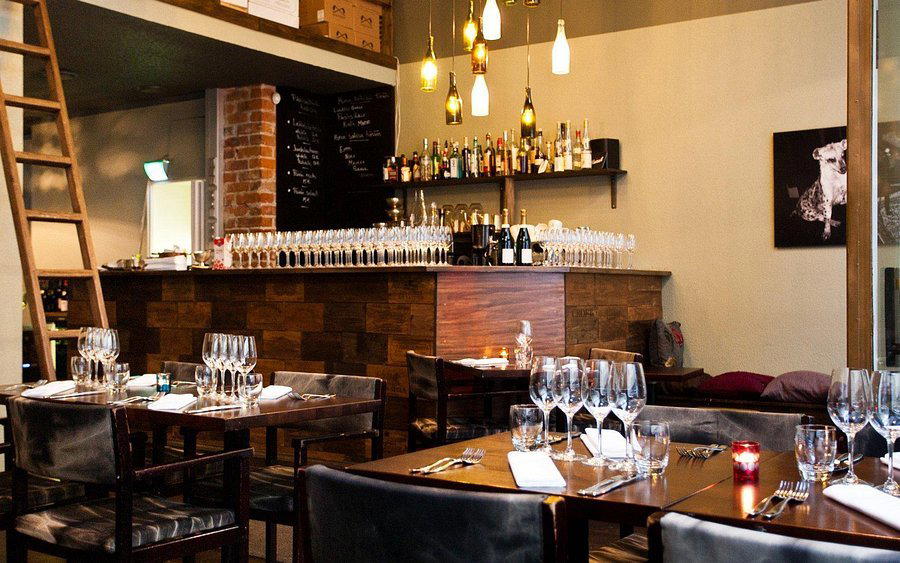
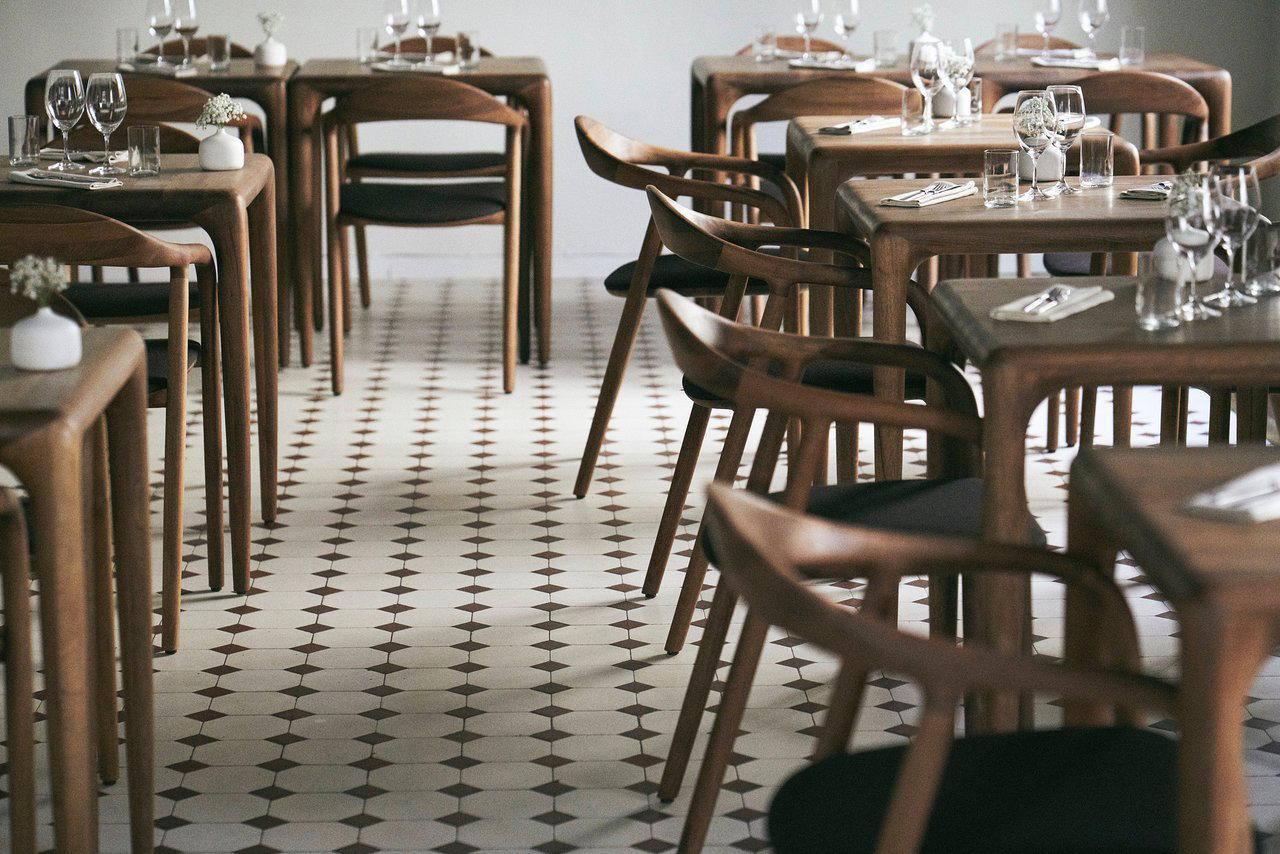
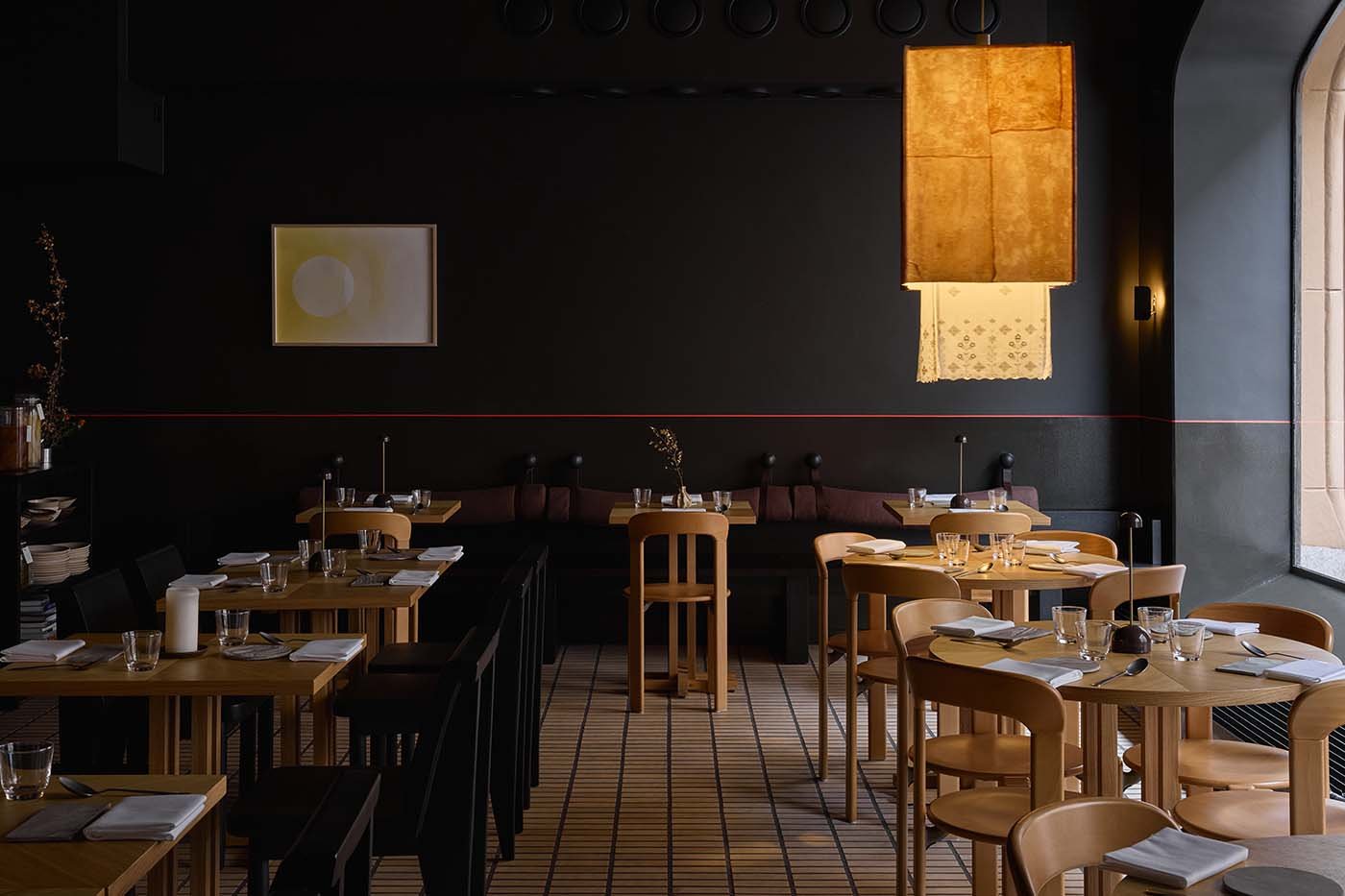
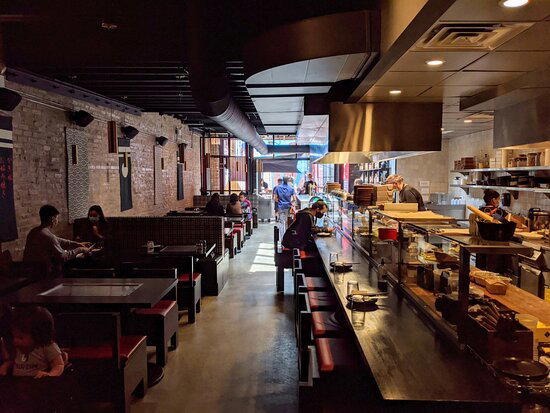
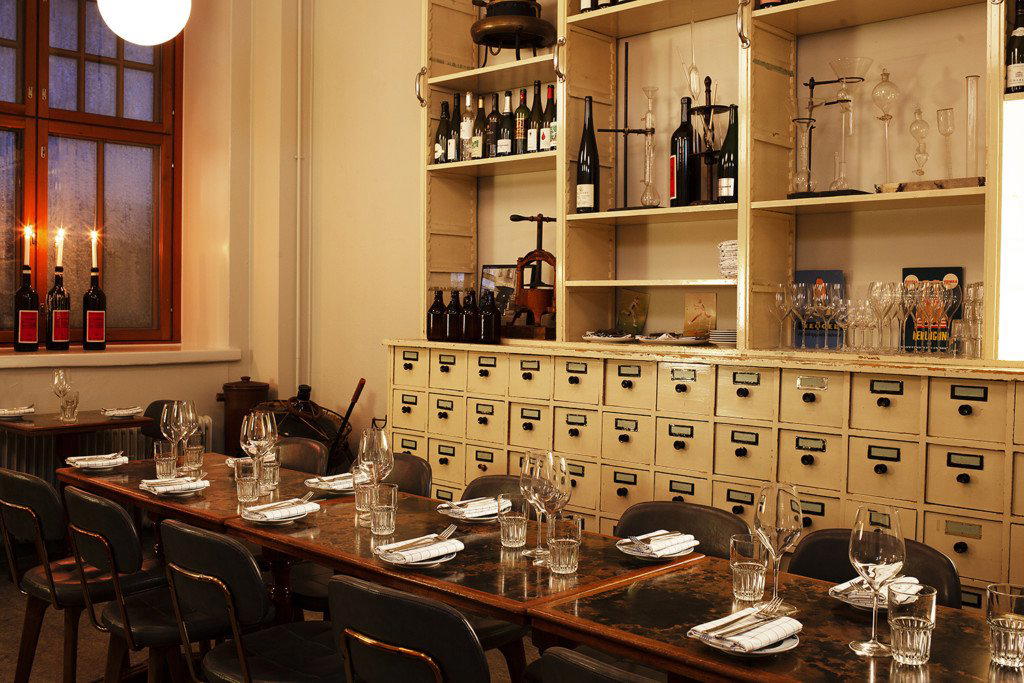
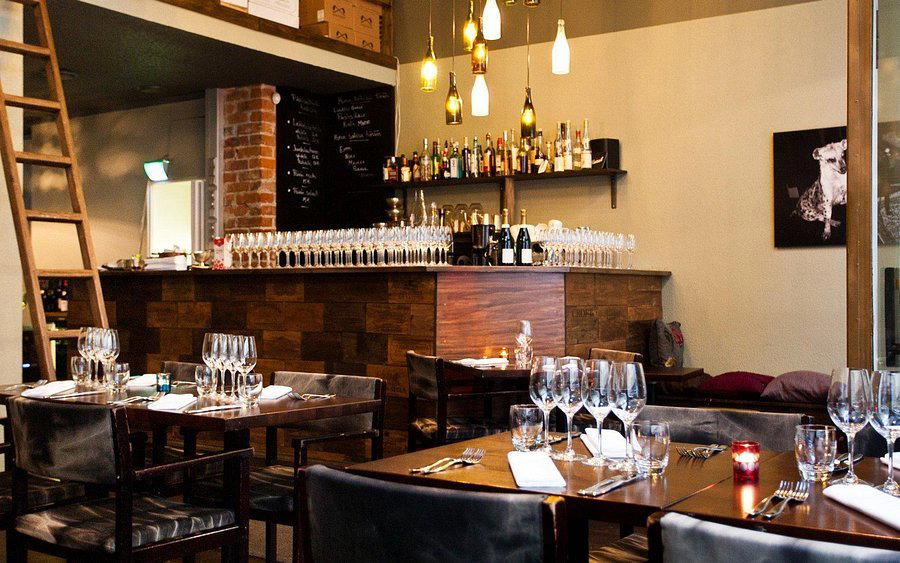
Cozy Scandi-chic dining room with an open kitchen providing drama and warmth, convivial buzz in a minimalist industrial space with ferment shelves.