Jedermann
Our verdict
Jedermann occupies a quietly specific address in Straßkirchen, a small Bavarian town in the Danube lowlands southeast of Regensburg. Visitors to the area will find it worth cross-referencing against the broader southern German dining scene before booking.

Pearl is the En Primeur Club membership app — saves, bookings, and concierge access live there. Same editors, same standards.
- Address
- Irlbacher Str. 1, 94342 Straßkirchen, Germany
- Phone
- +4994249480437
- Hours
- Mon–Tue ClosedWed–Thu 5–10 PMFri–Sat 5–11 PMSun 11:30 AM–5 PM
- Website
- jedermann-strasskirchen.de
- Directions
- Get directions
- Booking
- Book on the venue's website
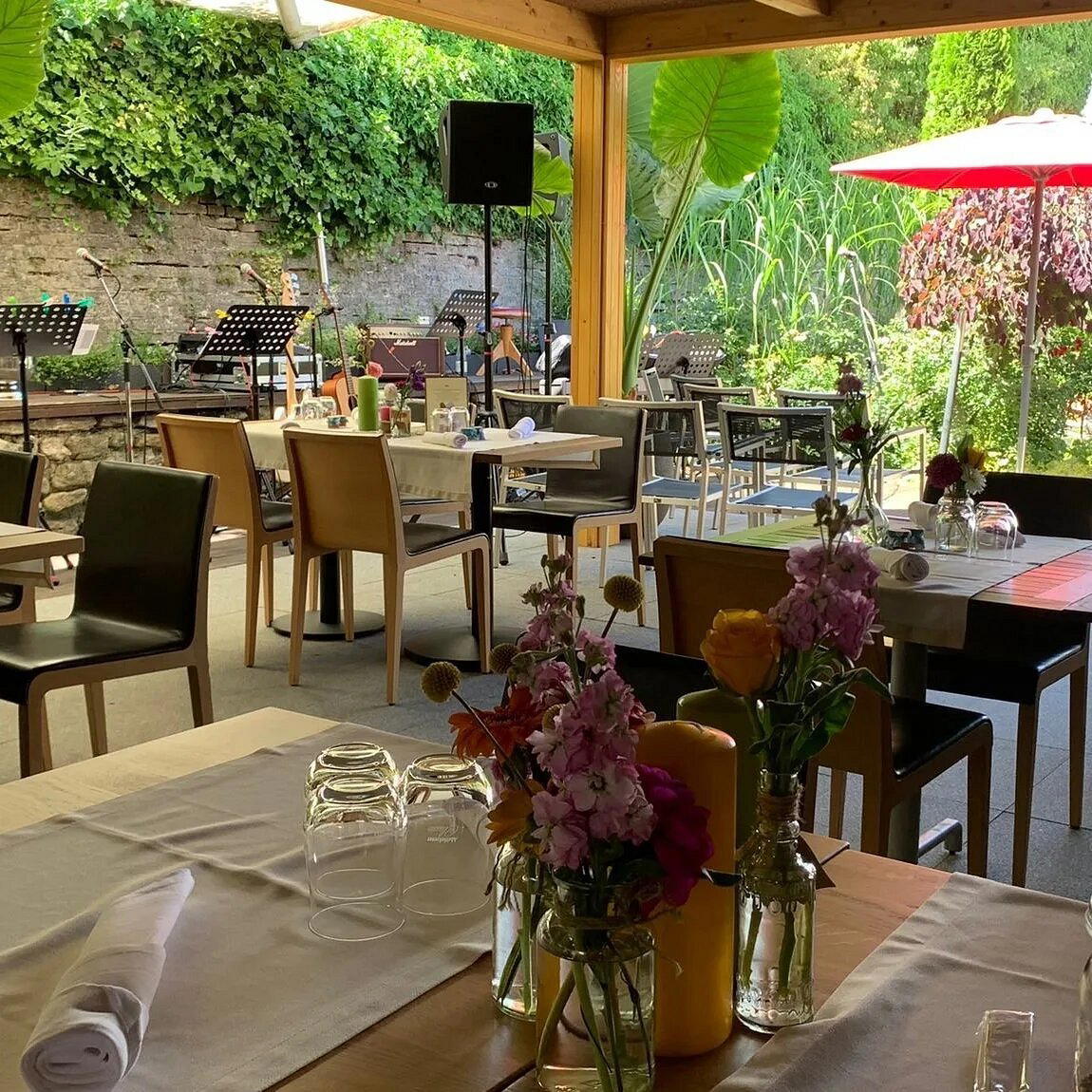
Straßkirchen and the Small-Town Dining Question
Bavaria's dining reputation is built almost entirely on its cities and its alpine-adjacent resort towns. Regensburg draws visitors for its medieval centre and its increasingly serious restaurant scene. Further south, towns like Grassau have produced attention-worthy cooking at places such as ES:SENZ in Grassau, while Augsburg's AUGUST in Augsburg has built a case for the region's secondary cities as credible fine dining destinations. Against that backdrop, Straßkirchen — a small municipality in the Danube lowlands, roughly between Regensburg and Straubing — occupies a different register entirely. It is agricultural country, not culinary destination country, and restaurants operating here answer to a different set of pressures than their counterparts in city centres or resort corridors.
Jedermann sits at Irlbacher Str. 1 in that context. The name itself, German for "everyman," signals something about positioning: not a destination address projecting ambition outward, but a local operation with a local orientation. In a region where the sourcing question matters, where proximity to farms, orchards, and river fisheries can either be an asset or simply background noise, the ingredient provenance question becomes the most useful frame for understanding what a restaurant like this is actually doing.
Sourcing in the Danube Lowlands: What the Region Offers
The stretch of Bavaria running from Regensburg southeast toward Straubing and Deggendorf sits within one of Germany's quieter agricultural zones. The Danube corridor here supports mixed farming: grain, root vegetables, and livestock at the commercial level, alongside smaller-scale market garden operations that supply regional hospitality. River fish, particularly from Danube tributaries, have historically fed the local table. Carp, in particular, has deep cultural roots in Bavarian freshwater cooking, and the area around Straßkirchen falls within range of the Aischgrund carp-farming tradition further north, as well as local producers closer to hand.
What this geography offers a locally-oriented restaurant is not the glamour of alpine dairy country or the wine-adjacent prestige of the Palatinate. It offers consistency and proximity. A kitchen drawing seriously on regional supply in this part of Bavaria has access to seasonal produce cycles that are less disrupted by tourist demand than those in higher-profile destinations. That can be an advantage for a restaurant whose identity is rooted in place rather than in performing a version of place for outside visitors.
Germany's broader shift toward provenance-conscious cooking has played out most visibly at high-profile addresses: at Schwarzwaldstube in Baiersbronn, at Waldhotel Sonnora in Dreis, and at destination restaurants like Vendôme in Bergisch Gladbach that treat ingredient sourcing as part of a coherent intellectual project.
Jedermann presents a genuine information problem for anyone planning around it. No cuisine type, no price point, no hours, no awards, and no chef information are available in the public record we can draw from. This is not unusual for small-town German restaurants operating primarily for local trade, but it does change how a visitor should approach it. The absence of public data is not itself a negative signal, many long-established local restaurants in rural Bavaria operate without a meaningful digital footprint, but it does mean that turning up without local intelligence is a risk.
For context on what the southern German fine dining tier looks like at its more documented end, JAN in Munich and AURA by Alexander Herrmann and Tobias Bätz in Wirsberg represent the region's awarded, heavily-documented end of the spectrum. Jedermann is not operating in that tier in any way the public record can confirm.
Visitors travelling through the Straubing-Bogen district who want a reference point for serious German cooking should note that the country's broader scene has moved considerably in the past decade. Creative formats like CODA Dessert Dining in Berlin and technically ambitious addresses like Aqua in Wolfsburg define one pole of what German restaurants are doing. Jedermann, at least by name and location, suggests something closer to the other pole: unassuming, locally embedded, and oriented toward regulars rather than destination diners.
Placing Jedermann in the Wider Picture
Across Germany's restaurant scene, there is a category of local institution that functions as genuine community infrastructure rather than as a dining destination. These restaurants rarely appear in guides oriented toward international visitors. They are not trying to compete with Restaurant Haerlin in Hamburg, Schanz in Piesport, or Victor's Fine Dining by Christian Bau in Perl. Their value is different: they are where locals eat on a Tuesday, where sourcing decisions are made based on relationships with nearby suppliers rather than editorial positioning, and where the absence of a tasting menu is not a gap but a deliberate orientation toward everyday hospitality.
Jedermann's name and its Straßkirchen address both suggest it belongs to this category. Whether it executes that role well, whether the kitchen is connecting to regional produce in a way that makes the food worth the detour for someone not already in the area, is something the current public record cannot confirm. For those who find themselves in the Danube lowlands and want a point of comparison for the broader German dining conversation, our full Straßkirchen restaurants guide sets out the local options in fuller context.
Those for whom sourcing provenance is a primary concern, and who are willing to travel further for documented evidence of it, will find more to anchor their decision at addresses like ATAMA by Martin Stopp in Sankt Ingbert or Bagatelle in Trier, where the kitchen's relationship to its ingredients has been recorded and assessed. At the international reference level, restaurants like Le Bernardin in New York City and Atomix in New York City illustrate how sourcing transparency has become a marker of seriousness at the top of the market. Jedermann operates in a different register, but the question remains relevant at every level: where does the food come from, and does it matter to the kitchen?
For now, Jedermann is leading approached as a local constant rather than a destination, and evaluated accordingly once you are in the room.
Frequently asked questions
Is Jedermann good for families?
Jedermann sits on Irlbacher Str. 1 in Straßkirchen, a small Bavarian municipality rather than a city dining circuit, which tends to favour the kind of unpretentious, all-ages format that local institutions in this part of Lower Bavaria typically run.
What's the overall feel of Jedermann?
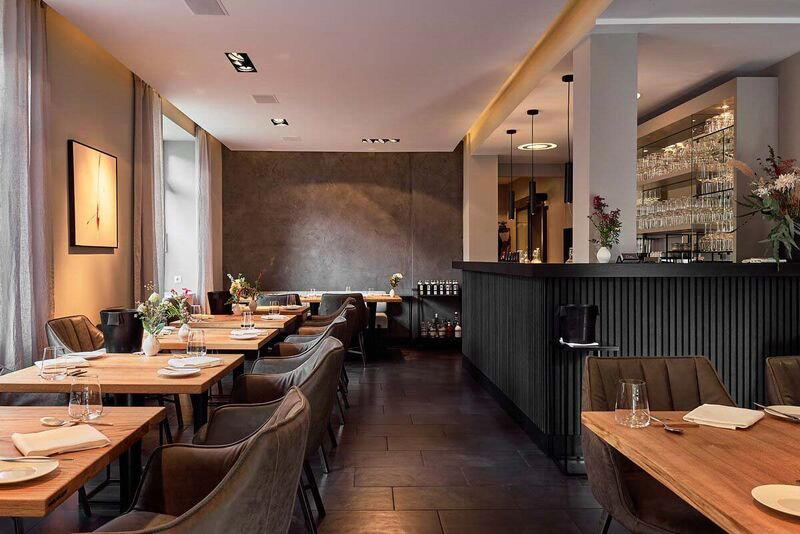
The address — a residential street in a small Danube-lowlands town rather than a tourist corridor — points toward a neighbourhood-anchored operation serving a regular local clientele. Across rural Bavaria, that category of venue tends toward practical, grounded hospitality rather than destination theatre.
Is Jedermann worth a detour if I'm travelling between Regensburg and Straubing?
Jedermann's address on Irlbacher Str. 1 in Straßkirchen places it directly along the corridor connecting Regensburg to Straubing, making it a logical stop rather than a dedicated detour. Confirming hours before arrival is advisable, as no operational schedule is publicly available.
What should I order at Jedermann?
No menu data is publicly documented for Jedermann at this time. Straßkirchen falls within an agricultural zone running southeast from Regensburg toward Straubing, where pork, freshwater fish, and seasonal produce from the Danube lowlands form the backbone of local cooking. Check the venue's official channels for the latest details.
Comparable Venues
Comparable venues nearby, for context on price, style, and recognition.
| Venue | Cuisine | Price | Notes |
|---|---|---|---|
| JedermannThis venue — the venue you are viewing | German, European, Contemporary | Not listed | Not listed |
| Restaurant Greens | Casual Global, International & German | $20–30 | Aschheim |
| Brunnwart | Traditional Bavarian | $20–30 | Freimann |
| Schinken-Peter | Traditional Bavarian | $20–30 | Au |
| Restaurant Central Café | Traditional Bavarian | $30–50 | Theresienwiese |
| Café Mainstreet | Modern Café / Breakfast Café | $10–20 | Poing |
Continue exploring
More in Stra Kirchen
Restaurants in Stra Kirchen
Browse all →
Bars in Stra Kirchen
Browse all →
Hotels in Stra Kirchen
Browse all →
Wineries in Stra Kirchen
Browse all →
Details
- Cozy
- Dinner
- Local Sourcing
- A La Carte
- Vegetarian Friendly
- Vegan Options
- Gluten Free Options
Current opening hours
- Monday
- Closed
- Tuesday
- Closed
- Wednesday
- 5–10 PM
- Thursday
- 5–10 PM
- Friday
- 5–11 PM
- Saturday
- 5–11 PM
- Sunday
- 11:30 AM–5 PM
Hours can change for holidays and private events. Last verified .