Bauer Restaurant
Bauer Restaurant sits on Münchner Strasse in Feldkirchen, a small municipality just east of Munich's city limits where the Bavarian dining tradition meets the suburban fringe. Worth investigating for those exploring beyond Munich's central dining circuit.
Pearl is the En Primeur Club membership app — saves, bookings, and concierge access live there. Same editors, same standards.
- Address
- Münchner Str. 6, 85622 Feldkirchen, Germany
- Phone
- +49498990980
- Website
- bauerhotel.de
- Directions
- Get directions
 Saves & bookings on Pearl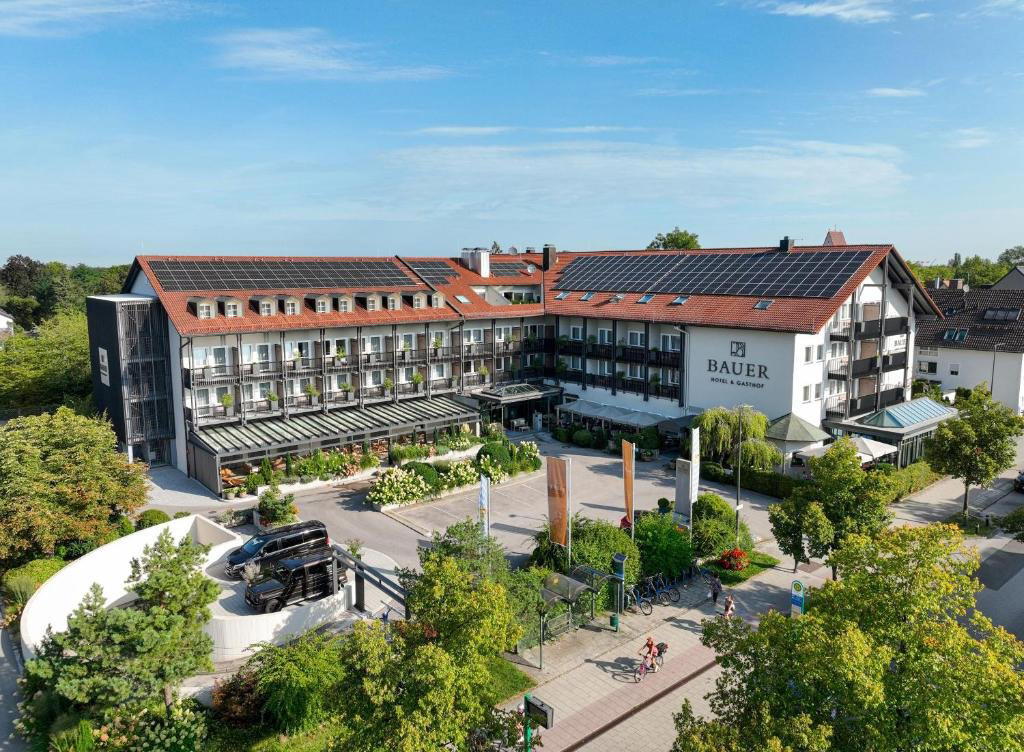
At the Edge of Munich's Dining Orbit
Feldkirchen occupies a particular position in the greater Munich area: close enough to the city to benefit from its supply chains and culinary talent pool, far enough removed that restaurants here tend to operate on local terms rather than competing for the same review cycles and award attention that dominate the inner-city scene. The municipality sits just east of Munich proper, and the restaurants that hold ground here do so primarily through community relevance and consistency rather than media visibility. Bauer Restaurant, at Münchner Str. 6 in Feldkirchen, sits inside that dynamic.
Arriving along Münchner Strasse, you are in a working district rather than a curated dining quarter. There is no pedestrianised strip or cluster of wine bars announcing a neighbourhood's culinary ambitions. What you find instead is a restaurant operating in the register that sustains most of southern Bavaria's dining culture: rooted, direct, and oriented toward regular guests rather than destination seekers. That context is not a limitation. It is, in many ways, the condition that defines what a place like this can offer that a Munich city-centre address cannot.
Sourcing in Southern Bavaria: What Geography Delivers
The case for eating in the Feldkirchen-to-Munich corridor rests substantially on what the region produces. Southern Bavaria is one of Germany's most supply-rich territories for serious kitchens. The Alpine foothills within driving distance of Munich support dairy farming of considerable quality, with cheeses and butter from small-scale Bavarian producers that rarely reach export markets. Market gardening around the Isar valley produces seasonal vegetables that arrive at regional restaurants faster and fresher than those sourced through centralised distribution hubs. Freshwater fish from Bavarian lakes, game from the forests between Munich and the Austrian border, and pork products from traditional Metzgereien form a procurement triangle that restaurants in this corridor can access with relative ease.
This is the broader reason why ingredient sourcing matters more in discussions of suburban Munich dining than it might in a city where the prestige of imported product can override provenance logic. A kitchen operating in Feldkirchen that builds its menu around regional supply is not making a virtue of necessity. It is working with one of the better-positioned ingredient networks in Central Europe. The structural opportunity is genuine.
For a sense of how sourcing-led German kitchens have built formal reputations, the comparison set is instructive. ES:SENZ in Grassau, also in the Bavarian Alpine foothills, has drawn recognition for its engagement with local producers. Schanz in Piesport operates in the Moselle wine country with a similarly regional orientation. Neither serves as a template for Bauer, but both demonstrate the credibility that regional sourcing commitment can generate when it runs deep.
The Feldkirchen Setting and What It Shapes
Restaurants in municipalities like Feldkirchen serve a different function in the local dining ecology than their Munich counterparts. The city's fine dining circuit, which includes kitchens like JAN in Munich with its Cape Malay-inflected tasting menu, operates with a self-conscious awareness of a wider audience. Suburban addresses face a different negotiation: the room fills primarily with people who live or work nearby, and the menu must answer to that constituency across weeks and months, not just on the evening a critic calls.
That pressure, sustained over time, tends to produce a particular kind of reliability. It also tends to anchor menus to seasonal rhythm in a way that urban destination restaurants sometimes resist, given the expectation of novelty among guests who are making a special trip. A local restaurant that changes its offer in response to what the market or the season delivers rather than what the brand narrative requires is doing something quietly disciplined. The positioning and address create the conditions for it.
Germany's Suburban Dining Tier: A Wider Pattern
Bauer sits within a recognisable pattern across Germany's provincial and suburban dining scene. Away from the major city centres and the Black Forest corridor where three-star kitchens like Schwarzwaldstube in Baiersbronn operate, and away from the formal-dining clusters that attract international visitors to addresses like Aqua in Wolfsburg or Vendôme in Bergisch Gladbach, there is a large and under-documented tier of restaurants doing consistent work in smaller markets.
This tier is where most Germans actually eat well on a regular basis. It is also where the ingredient relationships that supply the higher-profile kitchens often originate. A Metzger or dairy farm that supplies a suburban Bavarian restaurant may supply a Munich address with two Michelin stars. The supply chain moves in both directions, and the knowledge embedded in it is not exclusive to the formal end of the market.
That is a useful frame for approaching any restaurant in Feldkirchen without an established public profile. The absence of award recognition does not indicate the absence of quality. It indicates the absence of the visibility infrastructure that awards require: PR, press relationships, the right address for a reviewer's calendar. Restaurants like Waldhotel Sonnora in Dreis or GästeHaus Klaus Erfort in Saarbrücken earned recognition despite provincial addresses precisely because the quality was impossible to overlook at close range.
Planning a Visit
Bauer Restaurant is located at Münchner Strasse 6, 85622 Feldkirchen, Germany. Feldkirchen is accessible from central Munich via the S-Bahn S2 line, which connects the municipality to the city in under twenty minutes. From Munich Airport, the journey by public transport runs through the eastern Munich network with connections at Markt Schwaben or via the city centre. Driving from central Munich takes approximately fifteen to twenty minutes depending on traffic on the B304. Reservations are recommended.
How It Stacks Up
Comparable venues nearby, for context on price, style, and recognition.
| Venue | Cuisine | Price | Notes |
|---|---|---|---|
| Bauer RestaurantThis venue — the venue you are viewing | Traditional Bavarian | $$$ | Not listed |
| Nice | Modern Bavarian | $$$ | Haidhausen |
| Lenas am See | German Lakeside Bistro | $$$ | Utting am Ammersee |
| Kühners Landhaus | Modern Bavarian Steakhouse | $$$ | Kissing |
| Weinträne | Seasonal German Wine Bar | $$$ | Neuhausen |
| Il Plonner - Der Dorfgasthof | Bavarian-Italian Fusion | $$$ | Weßling |
Continue exploring
More in Feldkirchen
Restaurants in Feldkirchen
Browse all →
Bars in Feldkirchen
Browse all →

At a Glance
- Classic
- Rustic
- Cozy
- Elegant
- Business Dinner
- Family
- Date Night
- Celebration
- Hotel Restaurant
- Terrace
- Beer Program
- Local Sourcing
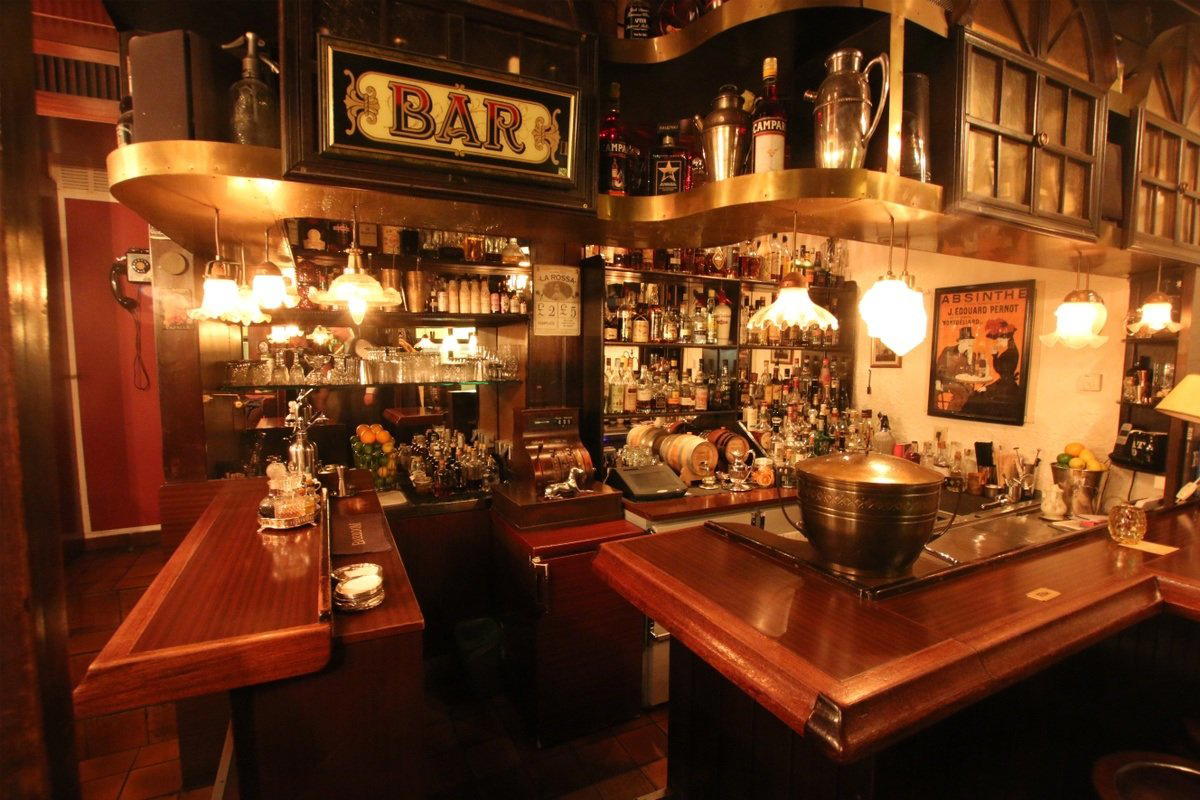
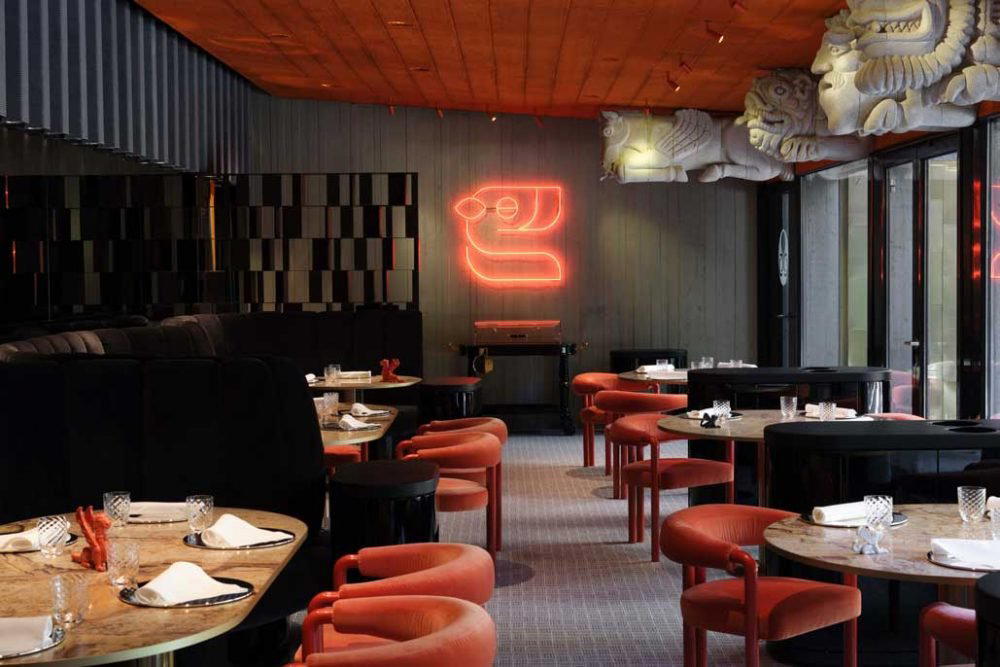
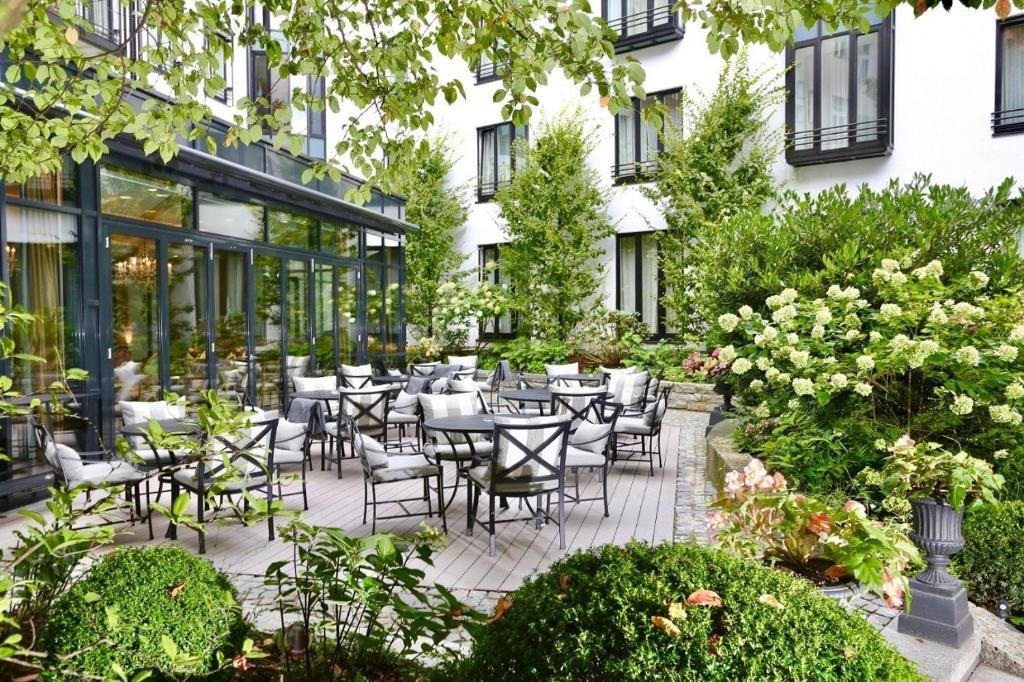
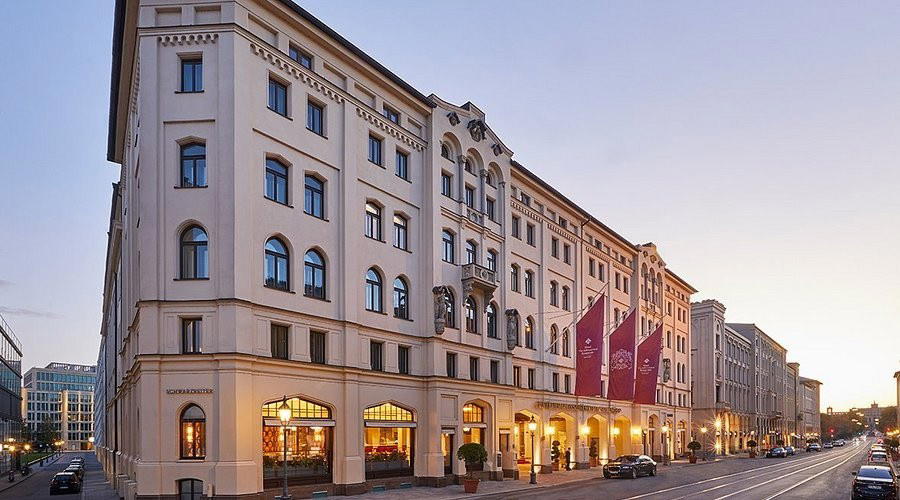
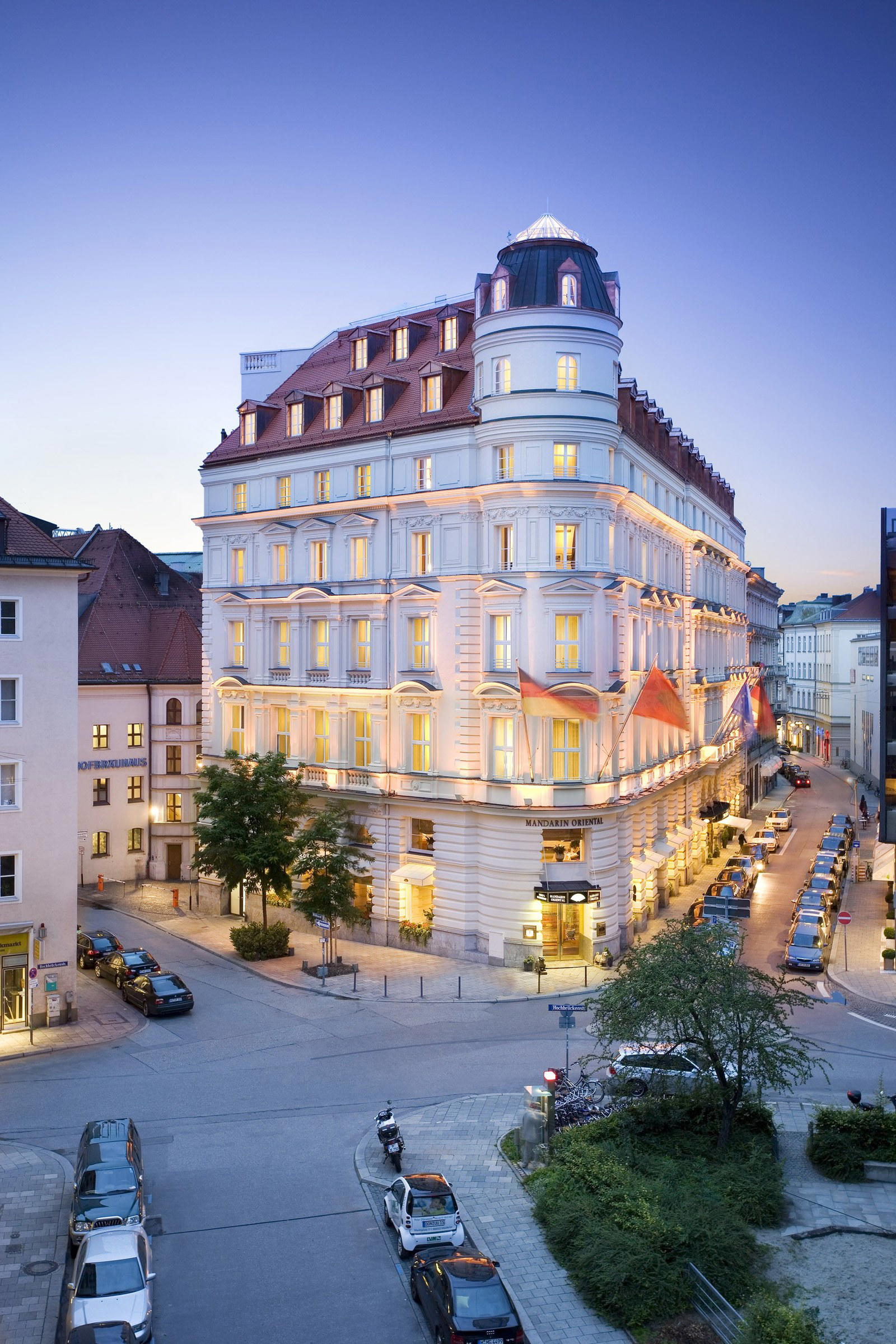
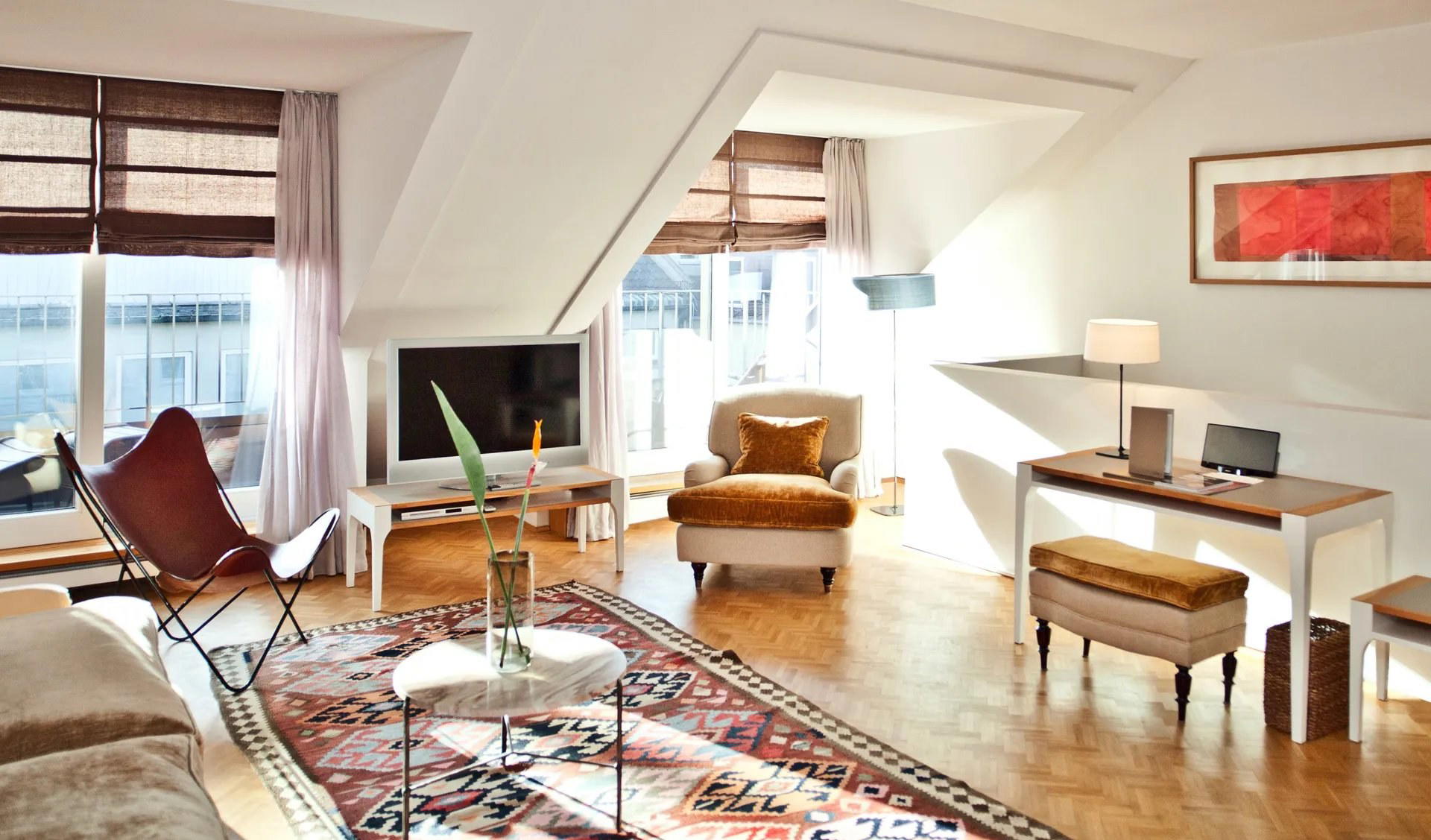
Tastefully decorated with Bavarian ambience and modern accents; well-maintained spaces with warm, welcoming atmosphere and attentive service.