Das Mühlbach - Thermal Retreat und Wellness Resort

A Michelin Selected thermal retreat in Bad Füssing, Germany's most visited therapeutic spa destination, Das Mühlbach positions itself at the intersection of hydrotherapy tradition and considered design. The property's thermal focus places it within a specialist tier of wellness hotels where architecture, water, and restorative programming carry more weight than resort scale or amenity volume.
Pearl is the En Primeur Club membership app — saves, bookings, and concierge access live there. Same editors, same standards.
- Address
- Bachstraße 15, 94072 Bad Füssing, Germany
- Phone
- +49 8531 2780
- Website
- muehlbach.de
- Directions
- Get directions
 Saves & bookings on Pearl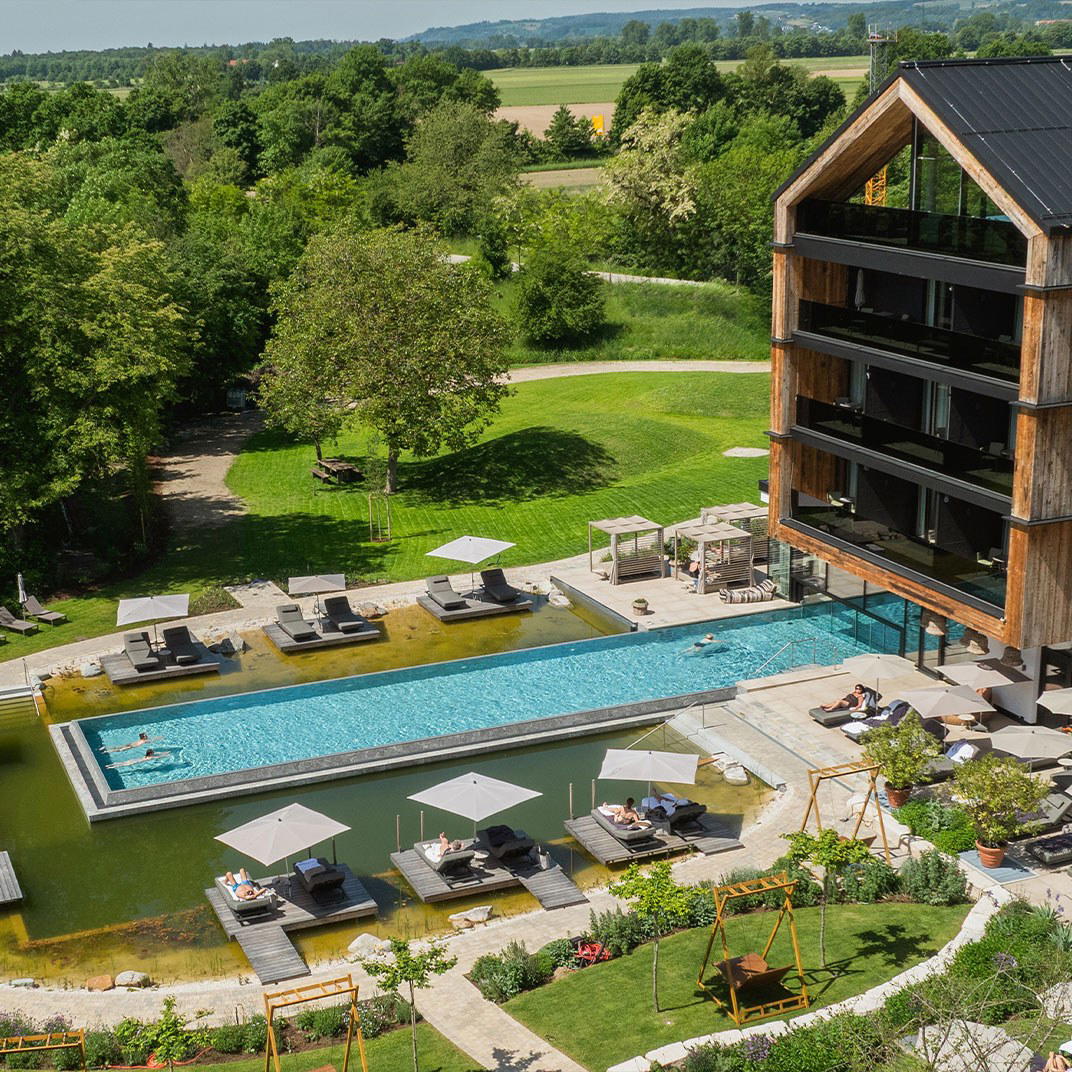
Thermal Architecture in Bad Füssing's Spa Belt
Bad Füssing draws more overnight spa visitors than any other therapeutic destination in Germany, a fact that shapes how its better properties compete. The town's thermal waters, drawn from deep geothermal sources in the Bavarian lowlands near the Austrian border, have supported a serious hydrotherapy culture since the 1950s, and the accommodation tier has followed suit. At one end sit large, utilitarian spa hotels built for high-volume cure-tourism; at the other, a smaller group of properties that treat the thermal experience as an architectural problem worth solving carefully. Das Mühlbach sits in that second category, recognised in the Michelin Selected Hotels 2025 list.
The address on Bachstraße 15 puts the property within the central spa zone of Bad Füssing, where the town's thermal infrastructure is most concentrated. Travellers comparing nearby stays might also consider Das Kranzbach Hotel & Wellness Retreat in Kranzbach, which occupies a different register further into the Alpine foothills, or Gut Steinbach Hotel Chalets Spa in Reit im Winkl for a chalet-format alternative closer to the Austrian Alps.
Design as Thermal Logic
In German spa architecture, the relationship between built form and water has historically been handled one of two ways: the grand historicist bathhouse, with its colonnades and marble excess, or the pragmatic postwar wellness block, where function overwhelmed form. The more interesting contemporary properties have found a third path, using materiality and spatial sequence to make the movement toward and through water feel considered rather than incidental. Das Mühlbach's positioning as a Thermal Retreat signals that the property aligns with this third approach, where the architecture is understood as part of the therapeutic logic rather than a container for it.
This matters in the Michelin Selected context. Michelin recognition in Germany consistently distinguishes properties where design coherence and spatial atmosphere carry weight alongside service and facilities. Properties in this tier compete differently from star-rated chains: the reference points are character, specificity of place, and the degree to which the physical environment reinforces the property's stated purpose. For a thermal retreat in Bad Füssing, that means the quality of the water journey, the sensory transition from arrival to immersion, and the way indoor and outdoor thermal spaces relate to one another, all of which are design decisions before they are hospitality decisions.
Wellness hotels operating at this level across Germany, from Luisenhöhe in Horben in the Black Forest to Seezeitlodge Hotel & Spa in Gonnesweiler in Saarland, share a common editorial signal: the Michelin recognition implies a standard of spatial and atmospheric coherence that separates them from volume-oriented spa resorts. Das Mühlbach carries that same signal within the specific thermal geography of Bad Füssing.
Bad Füssing's Position in the German Thermal Hierarchy
Bad Füssing, Bad Griesbach, and Bad Birnbach form a triangle of thermal spa towns in the Rottal region of Lower Bavaria that collectively represent the largest concentration of therapeutic thermal bathing in Central Europe. Bad Füssing alone records several million overnight stays annually, making it a significant wellness economy rather than a niche retreat destination. The challenge for properties operating here is distinction within a market where the thermal water itself is effectively a commodity: every hotel in town has access to it. What separates the Michelin-recognised tier from the rest is how the thermal offer is framed, designed, and curated.
The broader German luxury spa market has been moving toward more deliberate, health-science-informed programming in recent years, with properties investing in certified therapists, hydrotherapy protocols, and sleep-focused architecture rather than simply offering larger pool areas. Das Mühlbach's identity as a Thermal Retreat rather than a generic spa resort places it within this directional shift. Travellers familiar with the therapeutic rigour of properties like Schloss Elmau Luxury Spa Retreat & Cultural Hideaway in Elmau will recognise the positioning: wellness as a defined programme rather than an amenity list.
Situating Das Mühlbach in Its Competitive Set
Within Bad Füssing itself, the nearest editorial peer for comparative purposes is Wellnesshotel Wittelsbach, another property operating in the town's upper accommodation tier. The two properties serve overlapping guest profiles: travellers seeking therapeutic thermal experiences with meaningful design and service standards rather than the package-tour spa hotel format that dominates much of the town's room stock.
Across Germany's broader wellness hotel category, the Michelin Selected distinction places Das Mühlbach in company with a range of regionally distinct properties: Althoff Seehotel Überfahrt in Rottach-Egern on the Tegernsee, Hotel Traube Tonbach in Baiersbronn in the Black Forest, and the coastal properties of northern Germany including Söl'ring Hof in Sylt and BUDERSAND Hotel in Hörnum. Each of these properties occupies a different regional and atmospheric register, but all share the characteristic that Michelin's hotel editors consistently reward: a sense that the physical environment and the guest experience have been designed in conversation with one another, rather than assembled from a hospitality formula.
For travellers making itinerary decisions across Germany, the distinction worth drawing is between destination-driven stays, where the property itself is the primary reason for the visit, and city-hotel stays, where properties like Fairmont Hotel Vier Jahreszeiten in Hamburg, Breidenbacher Hof Düsseldorf, or Excelsior Hotel Ernst in Cologne serve primarily as urban bases. Das Mühlbach belongs firmly to the destination-stay category. Bad Füssing does not offer a secondary cultural programme that might justify treating the hotel as incidental; the thermal experience is the visit.
Planning a Stay
Bad Füssing's thermal season runs year-round, with winter months bringing a specific appeal as the contrast between cold exterior temperatures and warm geothermal waters sharpens the therapeutic effect. Demand at the town's better properties peaks in the shoulder seasons of spring and autumn, when guests combine the thermal programme with walking in the surrounding Rottal countryside. Booking lead times at recognised wellness properties in the region are typically several weeks for midweek stays and longer for weekend arrivals, particularly in the first quarter of the year when post-Christmas demand for recuperative travel is pronounced.
For guests building a multi-stop Bavarian itinerary, Bad Füssing pairs logically with the broader spa and alpine circuit: the Tegernsee and Chiemgau regions are within two hours by road, extending a thermal-focused stay into landscapes that offer a different visual register. Travellers looking for comparable Michelin-recognised wellness stays in other European contexts might also consider Badrutt's Palace Hotel in St. Moritz or Hôtel de Paris Monte-Carlo in Monte Carlo as benchmarks for what editorial recognition implies about design and service standards at the upper end of European hospitality.
In Context: Similar Options
Comparable venues nearby, for context on price, style, and recognition.
| Venue | Cuisine | Price | Awards | Notes |
|---|---|---|---|---|
| Das Mühlbach - Thermal Retreat und Wellness ResortThis venue — the venue you are viewing | Modern-rustic thermal retreat blending Bavarian heritage with contemporary luxury | $$$$ | 4-Star | Not listed |
| Wellnesshotel Wittelsbach | Modern wellness resort with thermal baths | $$$ | 4-Star | Bad Füssing |
| Das Stemp Wellnessresort | Family-run wellness resort blending rustic Bavarian charm with modern luxury | $$$$ | 4-Star | Büchlberg |
| me and all kiel | Contemporary boutique hotel with casual luxury positioning; part of Hyatt's JdV collection emphasizing personalized, locally-inspired experiences. | $$$ | 4-Star | Kiel Inner Fjord / Kaistraße |
| me and all hotel mainz | Contemporary urban design hotel with hand-picked furnishings and modern architecture, part of the JdV by Hyatt collection. | $$$ | 4-Star | Oberstadt |
| Althoff Dom Hotel | Luxury grand hotel in a historic landmark building at the foot of Cologne Cathedral. | $$$$ | 5-Star | Altstadt |
Recognition history
Dated appearances from independent guides and award organizations, with the underlying list record or original source where available.
Michelin Selected
Michelin
Continue exploring
More in Bad Füssing
Hotels in Bad Füssing
Browse all →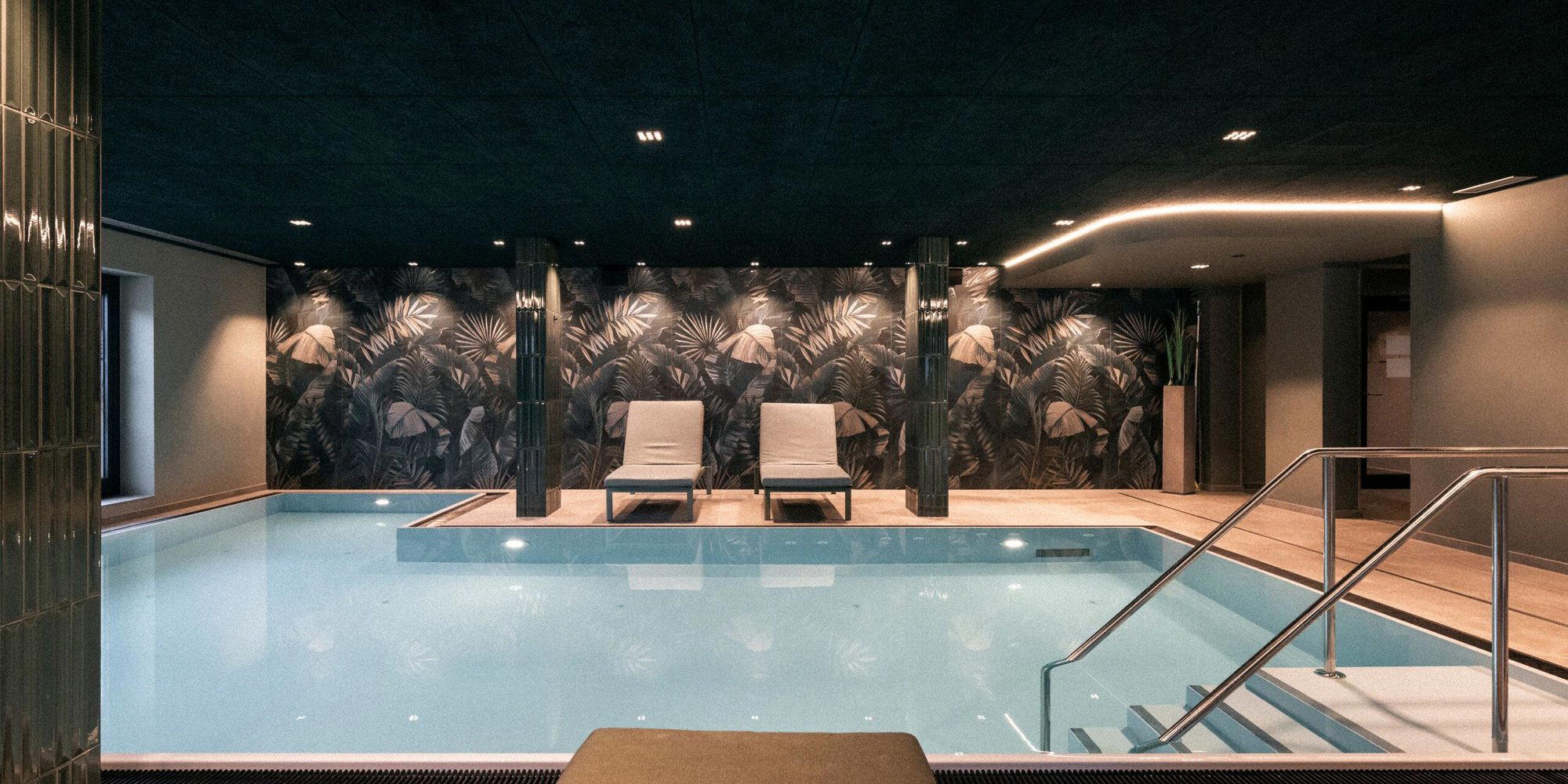
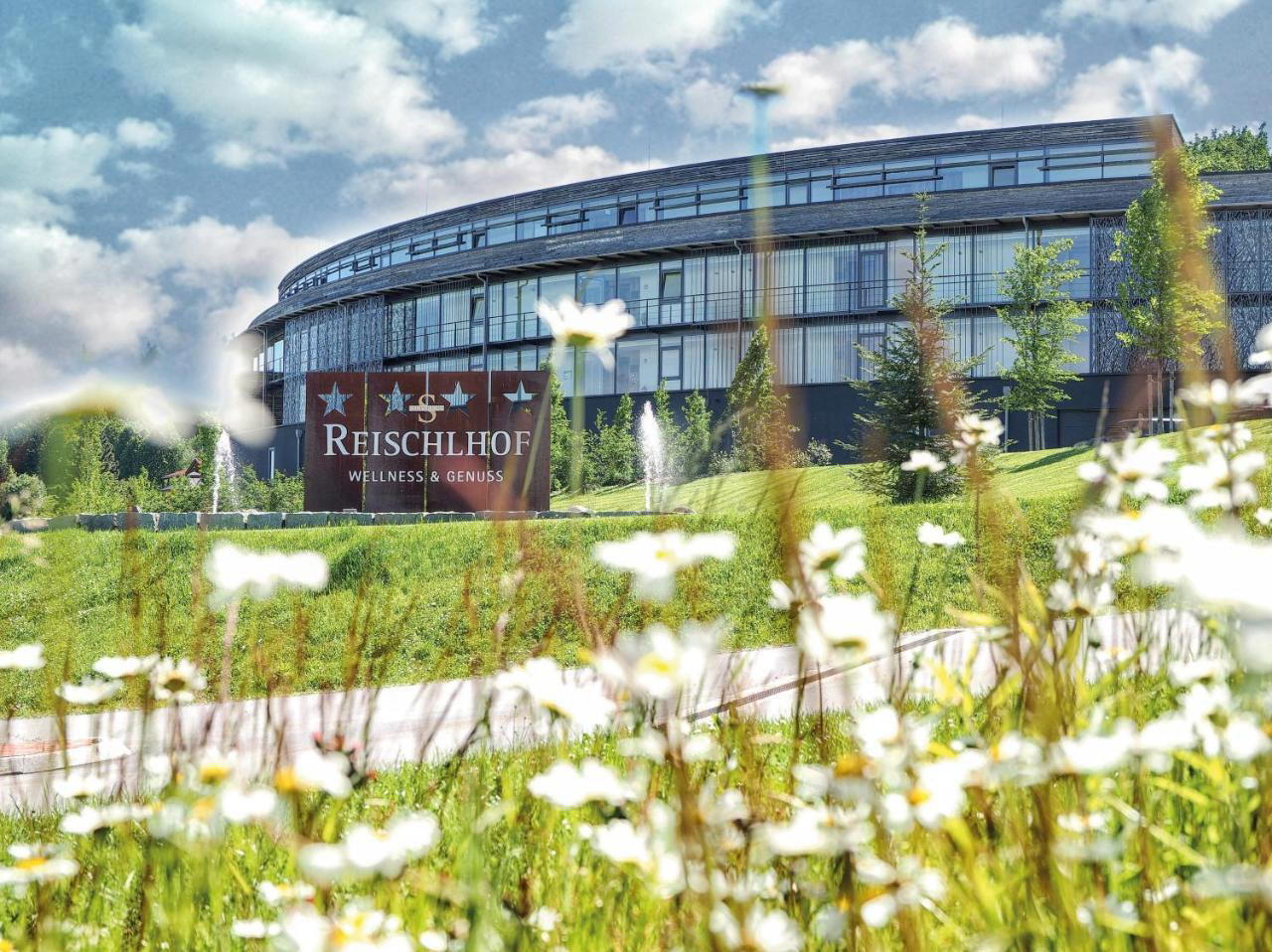
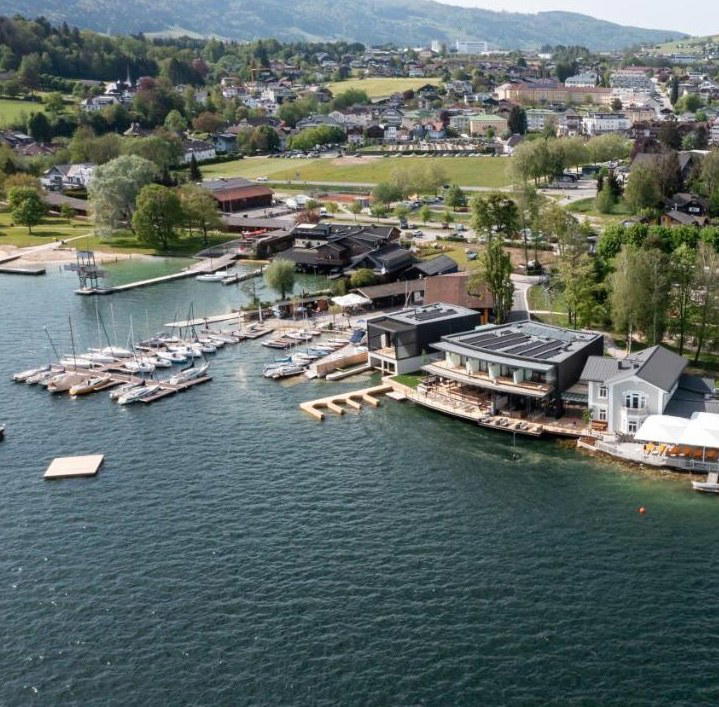
Bars in Bad Füssing
Browse all →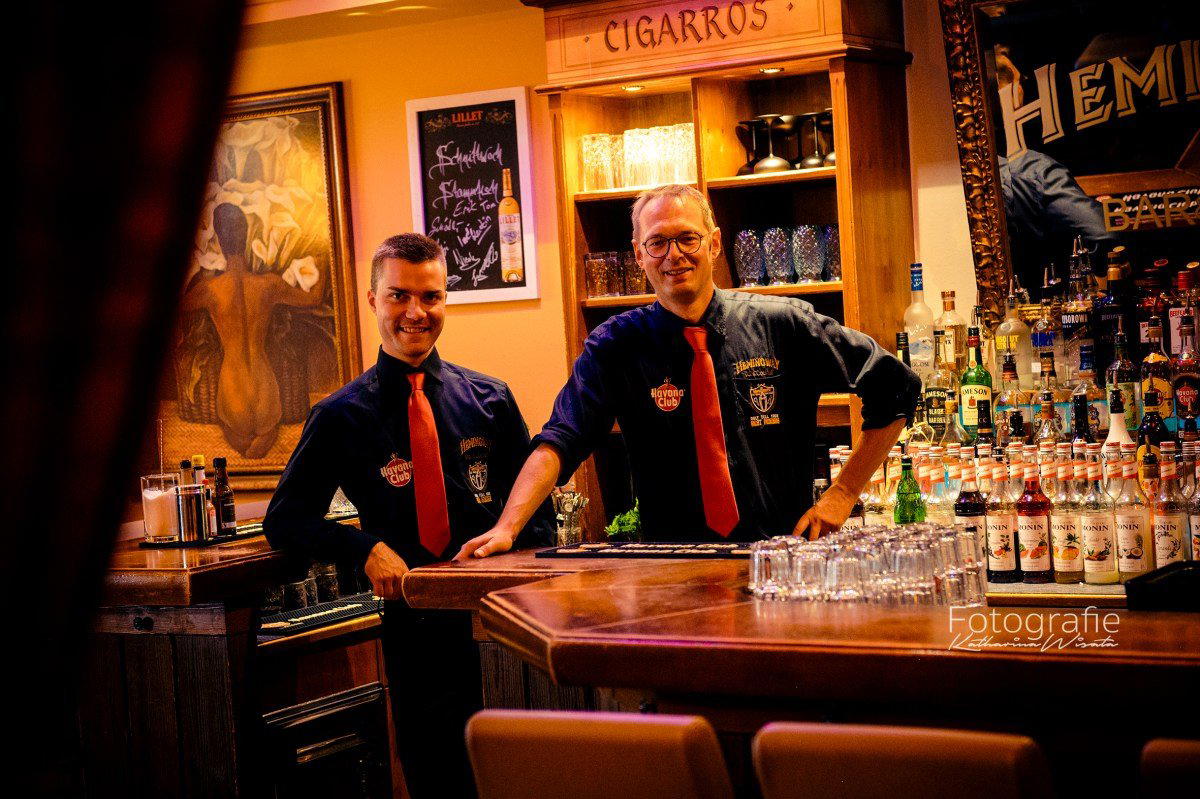
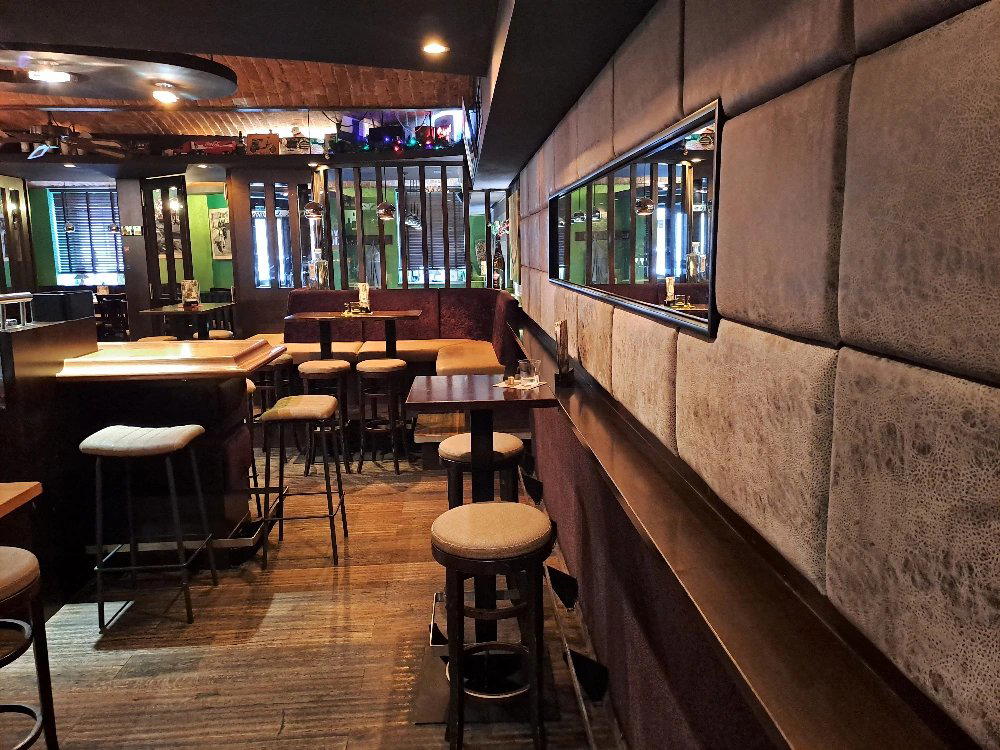
At a Glance
- Quiet
- Elegant
- Cozy
- Scenic
- Sophisticated
- Wellness Retreat
- Romantic Getaway
- Weekend Escape
- Infinity Pool
- Destination Spa
- Spa
- Pool
- Sauna
- Fitness Center
- Wi Fi
- Room Service
- Garden
- Spa
- Pool
- Sauna
- Fitness Center
- Wi Fi
- Room Service
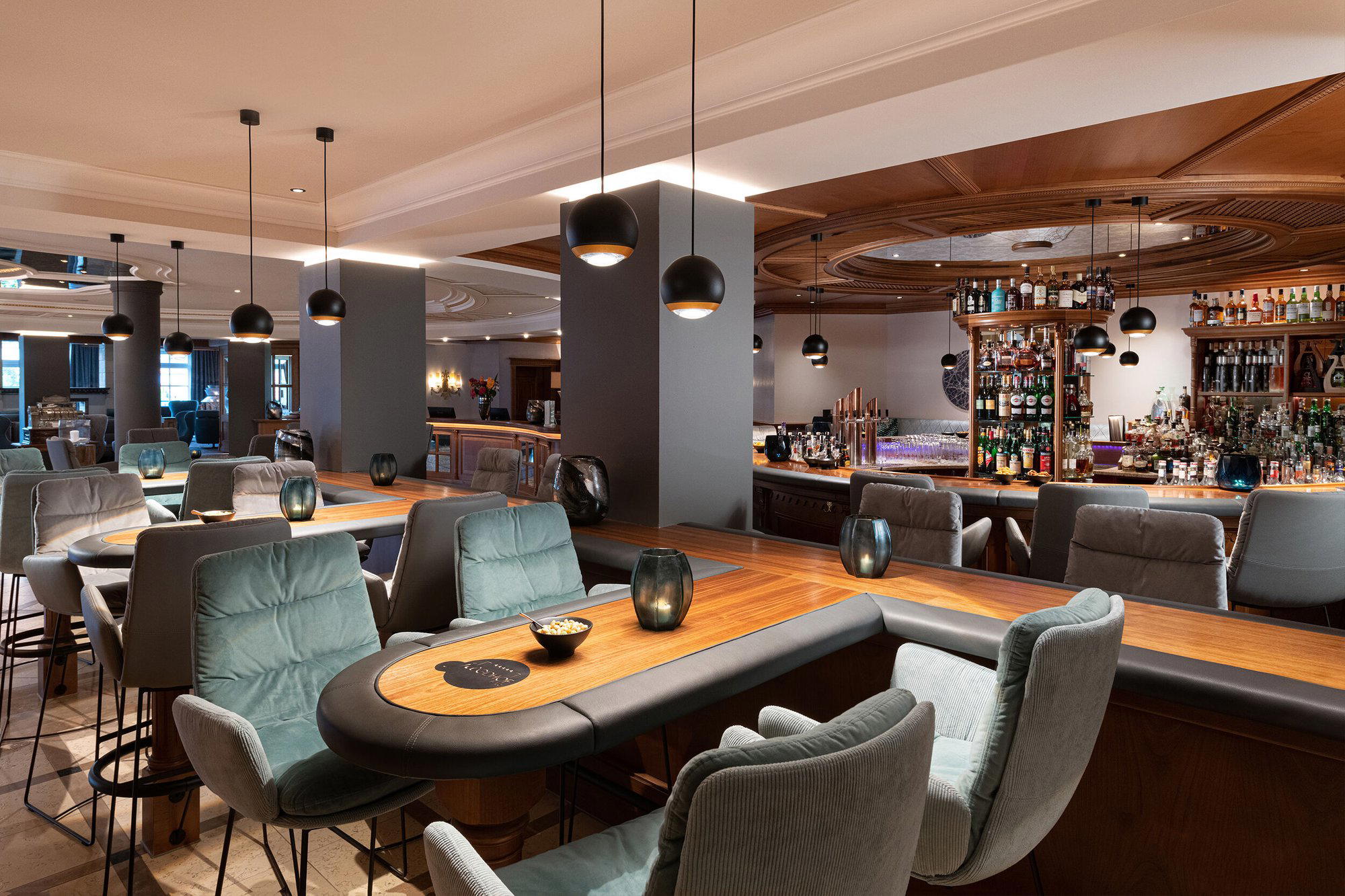
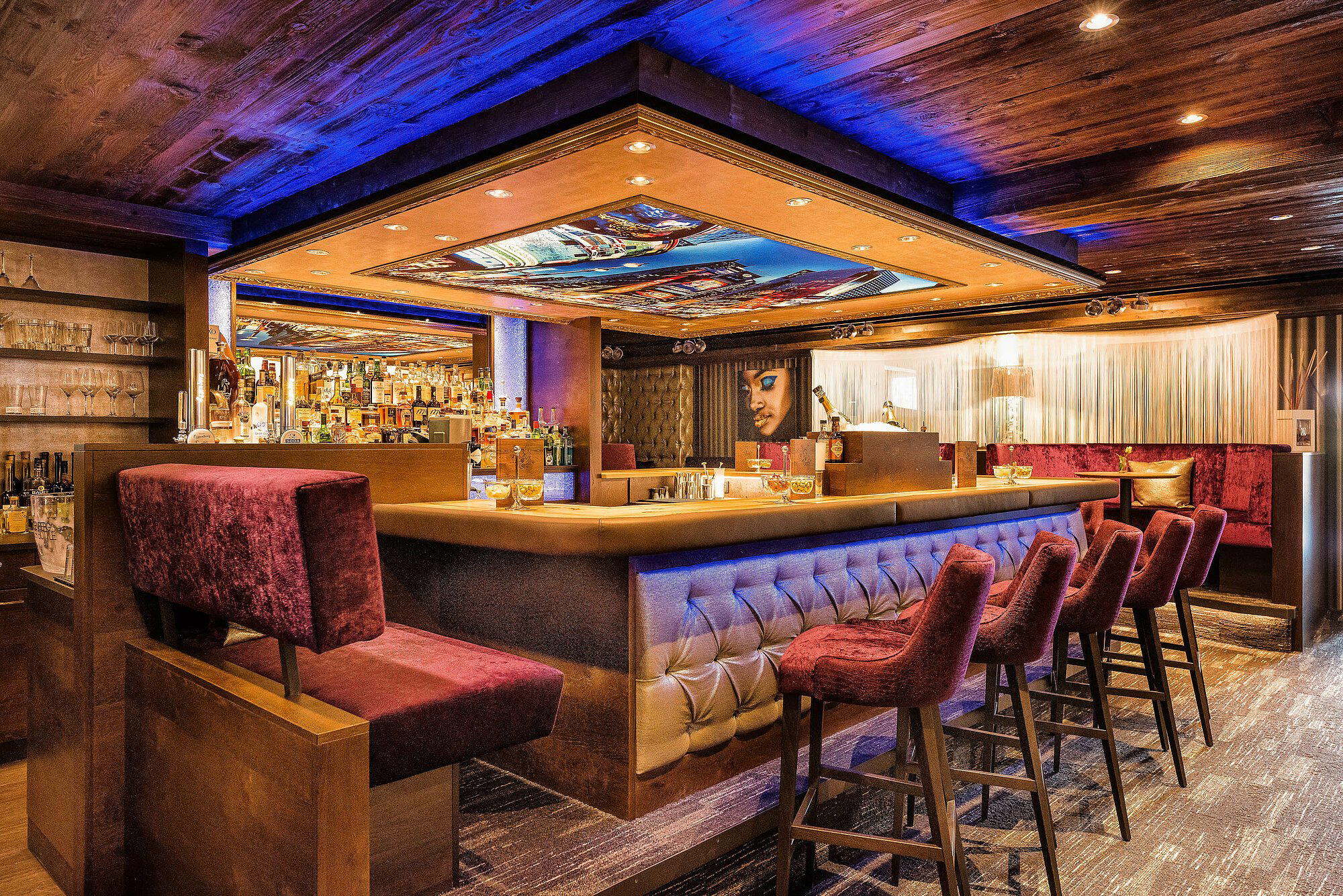
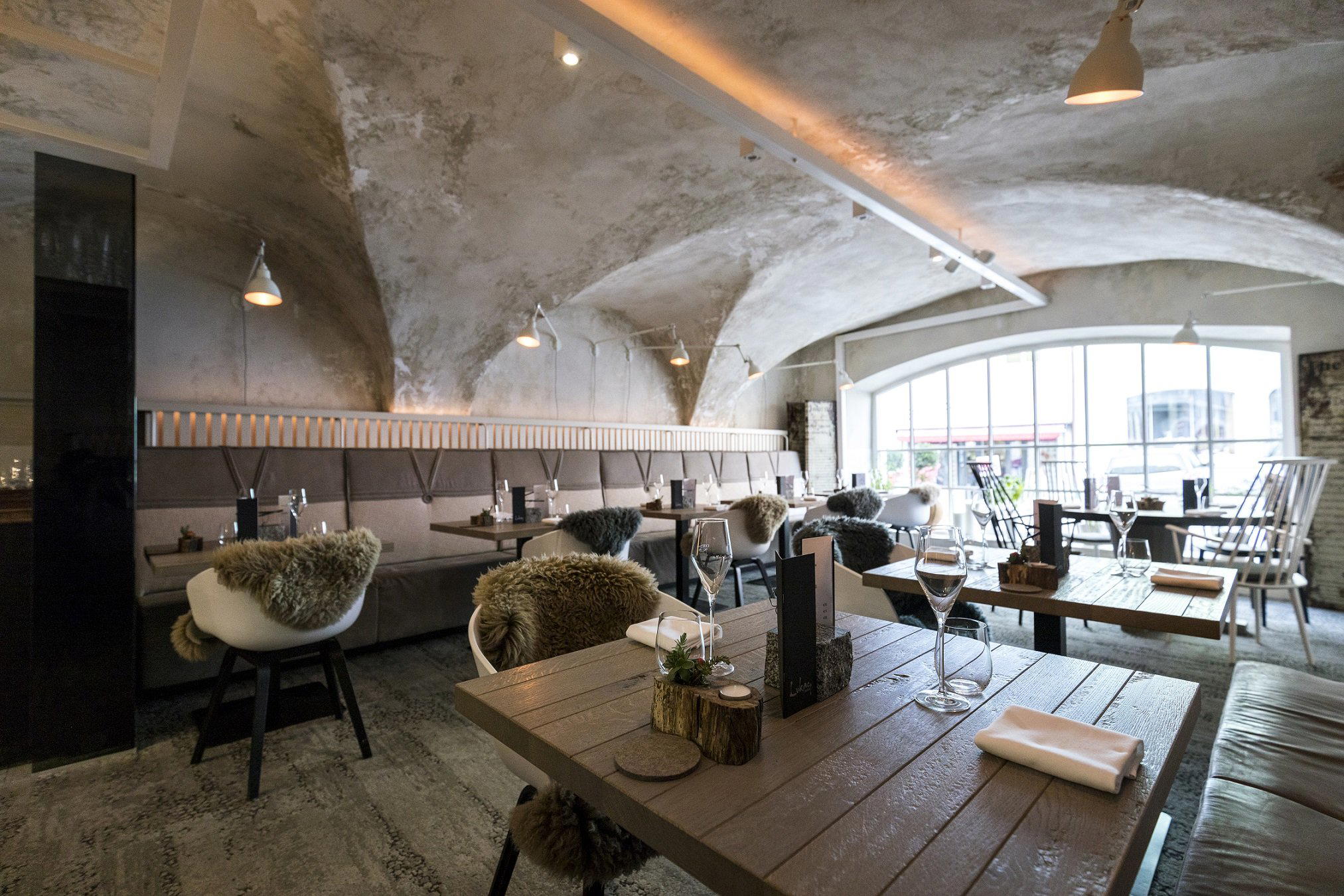
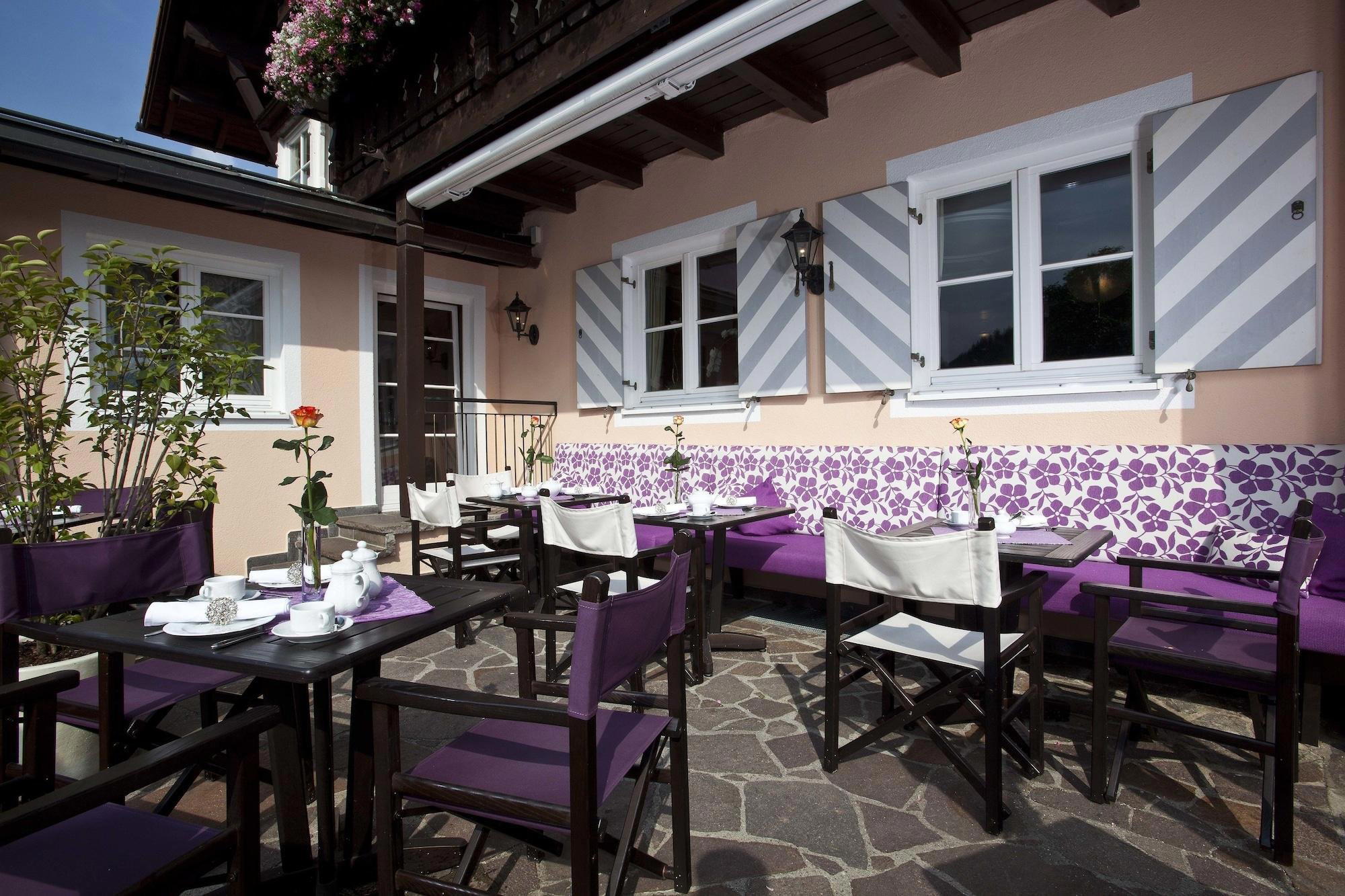
Cozy relaxation areas with natural design, panoramic views, and peaceful adults-only thermal zones offering comprehensive tranquility.