
1 Michelin Star
Our verdict
Marcel von Winckelmann earned its first Michelin star in 2025, making it the most decorated table in Passau. The international menu sits at the top of the city's fine dining tier, with a price point (€€€€) that signals serious kitchen ambition. For a city better known for its baroque architecture and river confluences than its restaurant scene, this is a notable arrival.

Pearl is the En Primeur Club membership app, where members save venues, book tables and use the concierge.
The menu
What to order
- Norway lobster with pumpkin and sea buckthorn
- Pointed cabbage with stracciatella and calamansi
Fine Dining at the Edge of Bavaria
Passau occupies a particular kind of geographic tension: three rivers converging at a point where Bavaria meets Austria and the Czech borderlands. The city draws visitors for its cathedral spires and its position on the Danube cruise circuit, not historically for its kitchens. That context matters when reading Marcel von Winckelmann's 2025 Michelin star, the restaurant's first and the clearest signal yet that serious fine dining has found a foothold on Hans-Hösl-Straße. A Michelin Plate recognition in 2024 preceded the star, suggesting a kitchen that moved quickly through the guide's calibration process rather than one that spent years waiting for attention.
Germany's starred restaurant map is weighted toward its larger cities and established gastronomic corridors. Munich, Hamburg, and Berlin account for a significant share of the country's Michelin-recognised addresses, while secondary cities with deep culinary infrastructure, places like Baiersbronn with Schwarzwaldstube or Wolfsburg with Aqua, tend to emerge around a single destination-grade kitchen. Passau is operating in that second category now, and Marcel von Winckelmann is the name doing the work.
International Kitchen, Regional Position
The cuisine classification at Marcel von Winckelmann is international, which in Germany's fine dining tier carries specific weight. It signals a kitchen not anchored to regional tradition or classical French structure, but drawing from multiple culinary references and composing its menu according to technique and ingredient logic rather than geographic convention. Peer restaurants in that space, such as Loumi in Berlin or Haubentaucher in Rottach-Egern, show how varied the international bracket can be. Some lean heavily on Asian technique; others work in a modern European register with global sourcing. Without specific menu data confirmed for this kitchen, the precise character of the cooking here is leading assessed on the ground rather than assumed from classification alone.
What the classification does confirm is that the kitchen is not constrained by the locavore obligations that define many German fine dining rooms. That freedom matters for sourcing decisions. International kitchens at this price tier, €€€€ in Michelin's shorthand, typically draw from supplier networks that extend well beyond their immediate region: Brittany coastline for certain shellfish, Japanese imports for specific proteins or condiments, northern European farms for heritage vegetable varieties. The sourcing reach is part of what justifies both the price and the ambition.
Passau's own geographic position makes the sourcing argument interesting regardless. The city sits at the confluence of the Inn, the Ilz, and the Danube, surrounded by the Bavarian Forest to the north and Austria's wine country within driving distance to the east. That proximity to Austrian producers and to the agricultural output of Lower Bavaria gives a kitchen here access to raw materials that a Munich or Berlin restaurant would have to work harder to secure. Whether the kitchen at Marcel von Winckelmann draws on that regional adjacency while pursuing international range is one of the more compelling open questions about its menu character.
Where This Kitchen Sits in Germany's Fine Dining Tier
Germany's one-star restaurants in the €€€€ bracket represent a specific kind of ambition: the kitchen has cleared Michelin's quality threshold but hasn't yet entered the multi-star conversation occupied by restaurants like Vendôme in Bergisch Gladbach or Restaurant Haerlin in Hamburg. That positioning is actually productive for the diner. One-star kitchens at the top of their local market often deliver cooking that punches above their classification because the competition set is small and the motivation to hold and build recognition is at its highest. Marcel von Winckelmann earned its star in 2025, which means the kitchen is in exactly that phase right now.
The comparison set for a new one-star international kitchen in a secondary German city also includes creative formats that have carved distinct identities from that tier. CODA Dessert Dining in Berlin and JAN in Munich show how individual kitchens use classification as a floor rather than a ceiling. ES:SENZ in Grassau and Schanz in Piesport demonstrate that ambitious cooking in off-the-beaten-track German towns can hold serious critical recognition over time. Waldhotel Sonnora in Dreis has maintained its place at the top of the guide's recognition for years outside any major metropolitan centre. Marcel von Winckelmann is following a well-established German precedent.
Within Passau itself, the fine dining field is small enough that the starred kitchen operates largely without local equivalent. Weingut and Zwo20
But the absence of significant negative weight in that sample, particularly for a kitchen at the €€€€ price tier where expectations are correspondingly high, suggests a consistent guest experience. At restaurants of this price and ambition, the service and room often draw as much scrutiny as the cooking itself, so a clean aggregate in the early review period is a reasonable positive signal.
Planning a Meal Here
Marcel von Winckelmann is at Hans-Hösl-Straße 3 in Passau, a city reachable by train from Munich in roughly two hours. Passau's old town is compact, and the restaurant is positioned within the historic core. For visitors building a longer stay around the meal, our full Passau hotels guide covers the accommodation options across the city's different neighbourhoods. Given the kitchen holds a current Michelin star and operates in a small city with limited fine dining supply, advance reservation is the sensible approach rather than a walk-in. Beyond the restaurant itself, our full Passau restaurants guide maps the city's broader dining scene, while our Passau bars guide, wineries guide, and experiences guide cover the fuller picture for a visit built around more than one meal.
Frequently asked questions
Is Marcel von Winckelmann more mid-range or high-end?
Pricing at Marcel von Winckelmann is listed as €€€€.
Quick Comparison
| Venue | Cuisine | Price | Awards | Notes |
|---|---|---|---|---|
| Marcel von WinckelmannThis venue (the venue you are viewing) | Modern Seasonal Fusion | $200–300 | 1 Michelin Star | Not listed |
| Schwarzwaldstube | Modern French Fine Dining | $150–200 | 3 Michelin Stars · World's 50 Best #47 | French, Classic French |
| Aqua | Contemporary German, Italian/Japanese, Creative | Not listed | Michelin 3 Star | Not listed |
| CODA Dessert Dining | Dessert-Inspired Fine Dining | $200–300 | 2 Michelin Stars · World's 50 Best #79 | Creative |
| Tantris | Modern French, French Contemporary | Not listed | Michelin 2 Star | Not listed |
| Vendôme | Modern German Haute Cuisine | $200–300 | 2 Michelin Stars · World's 50 Best #47 | Modern European, Creative |
Recognition history
Dated appearances from independent guides and award organizations, with the underlying list record or original source where available.
Michelin 1 Star
Michelin
Full recognition history (3 entries)
Michelin 1 Star
Michelin
Michelin Plate
Michelin
Continue exploring
More in Passau
Restaurants in Passau
All restaurants in Passau →
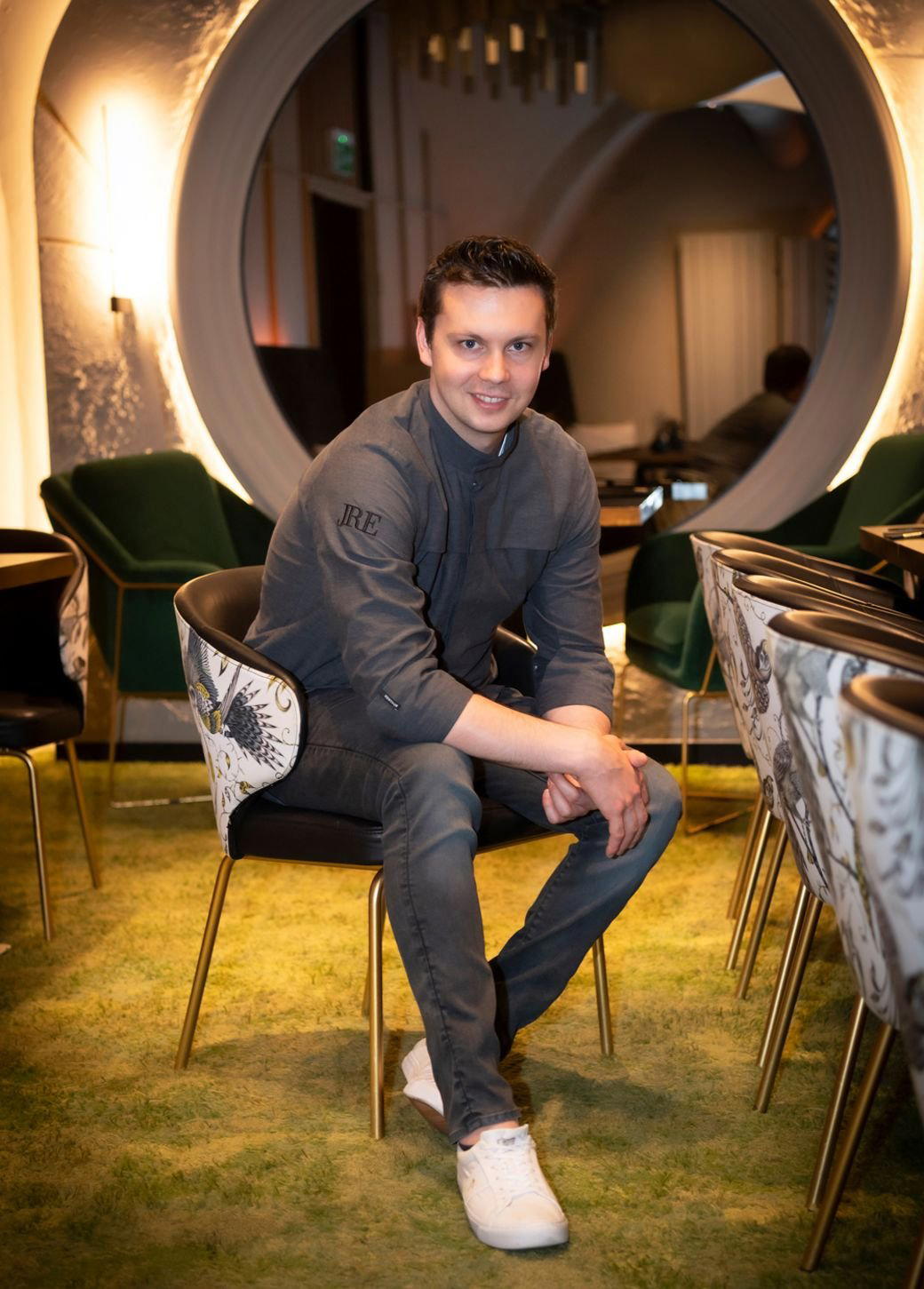
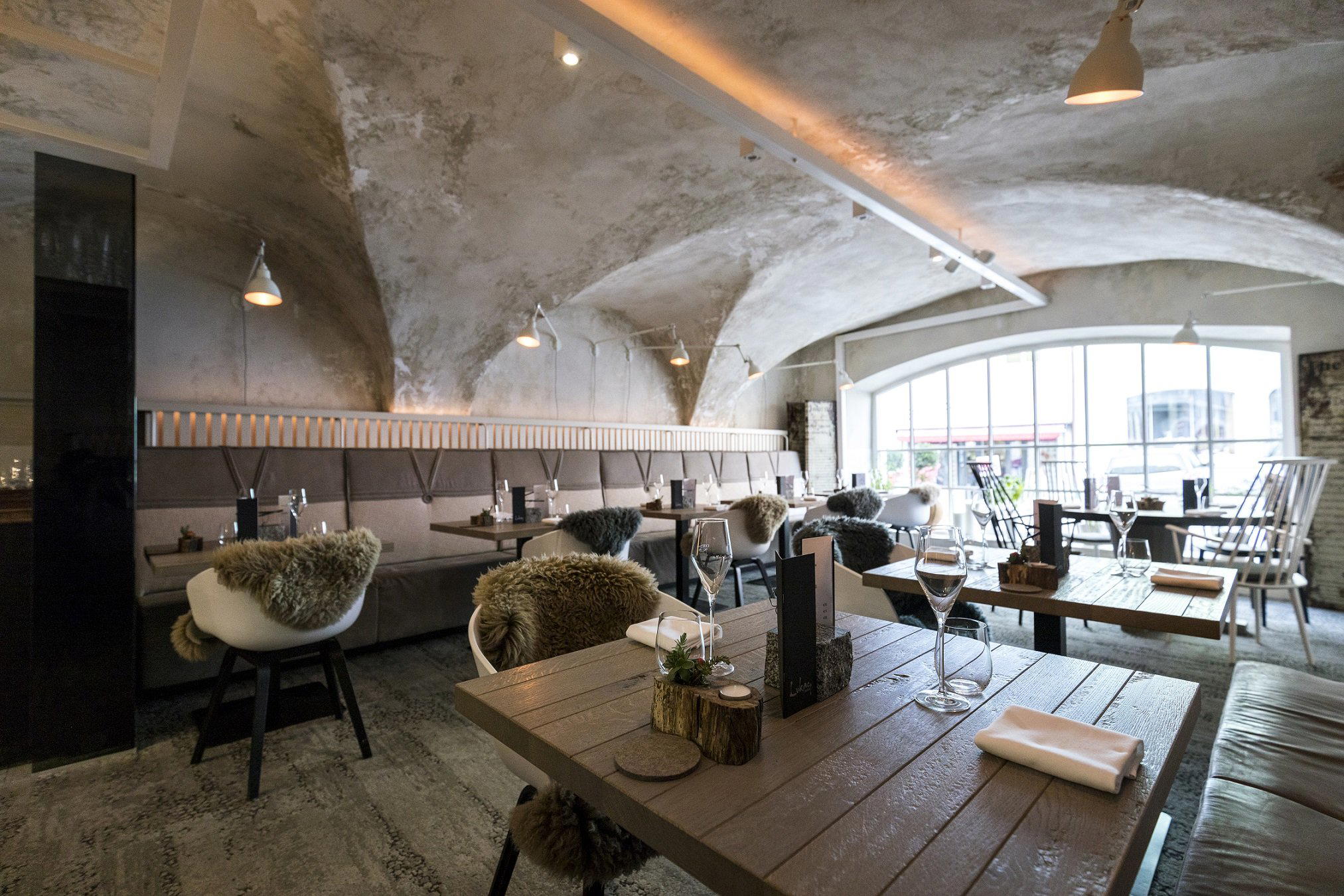
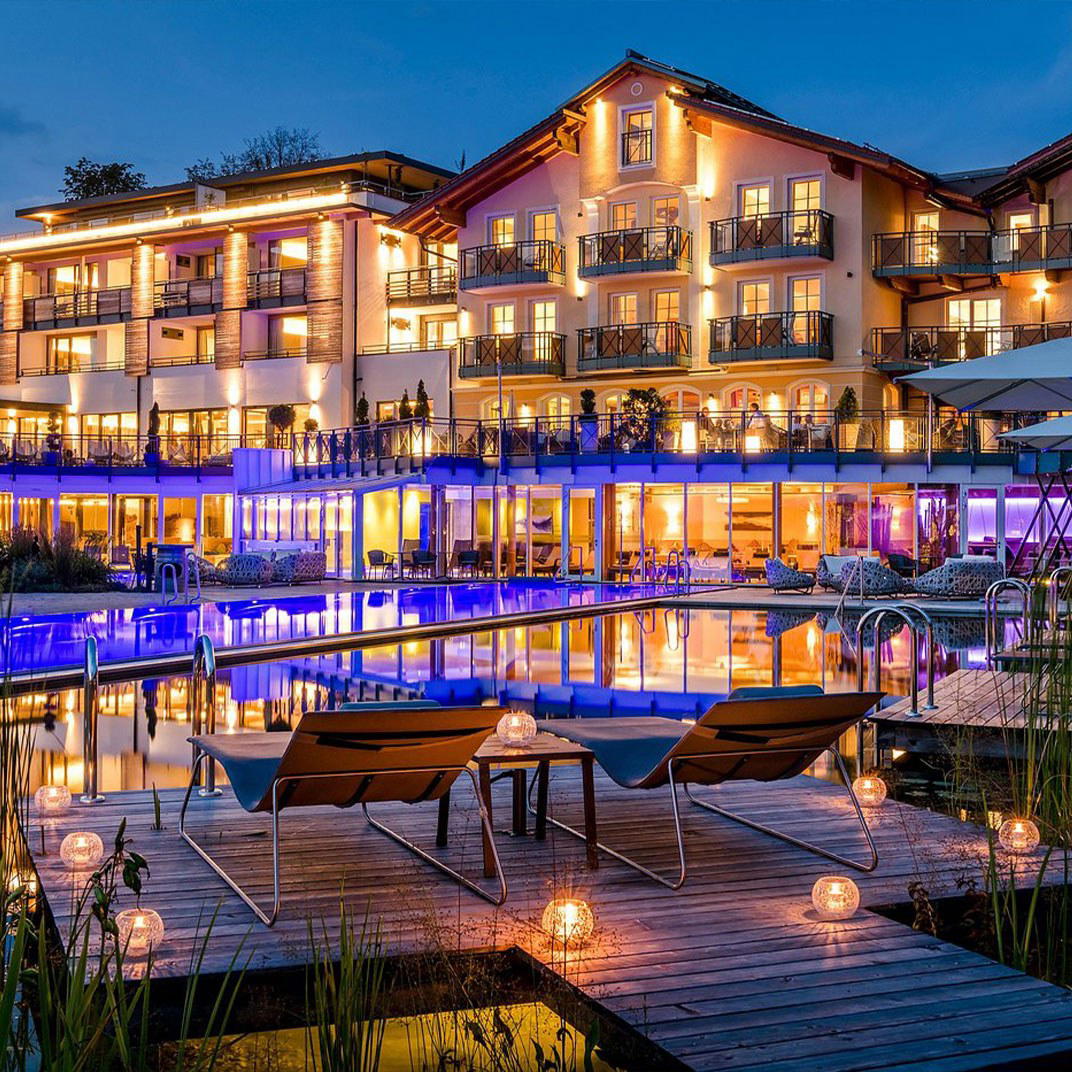
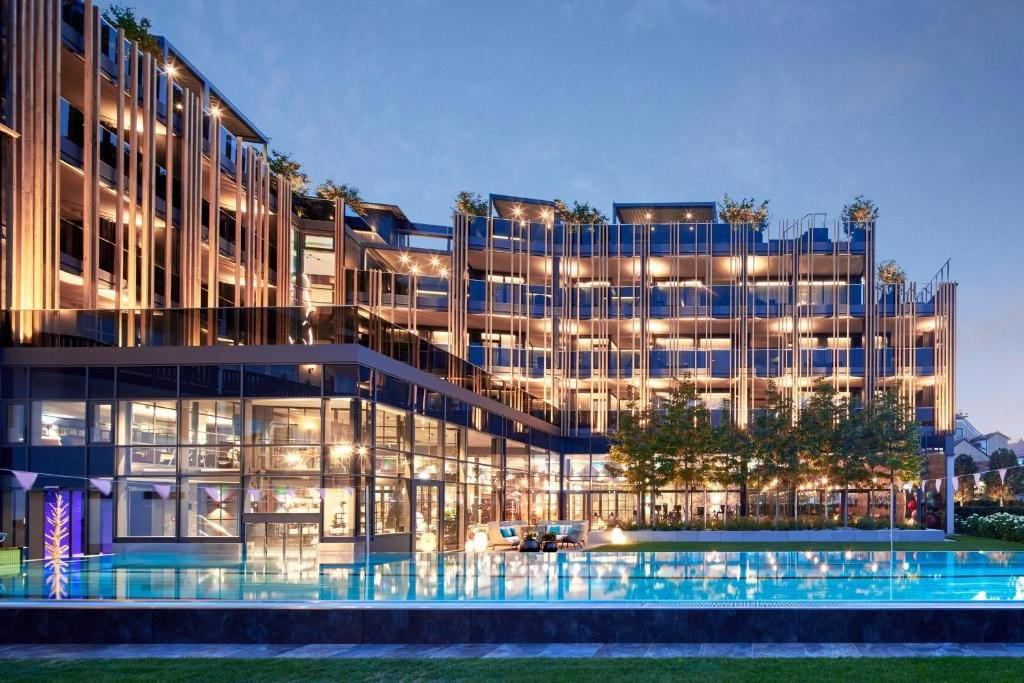
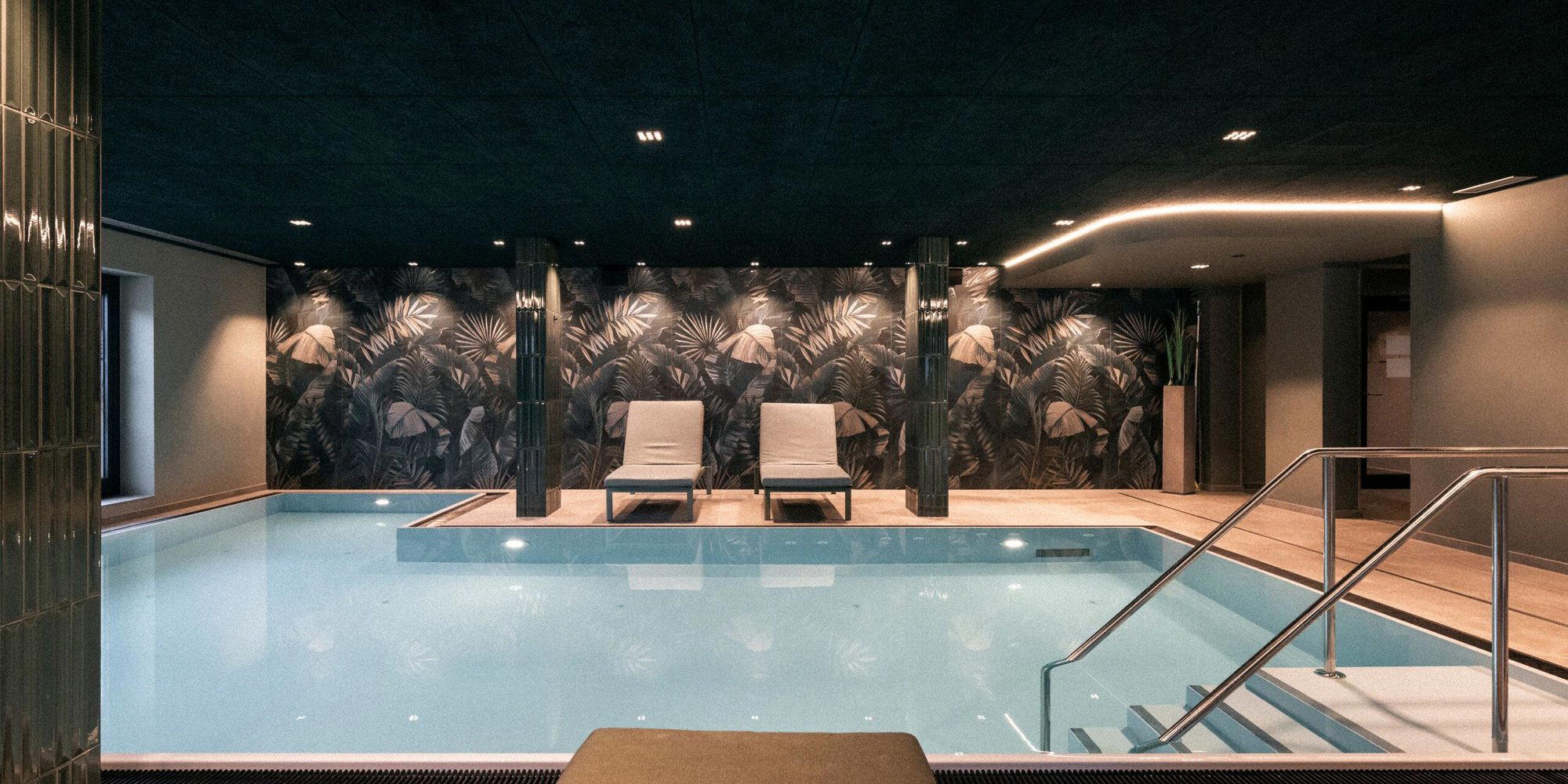
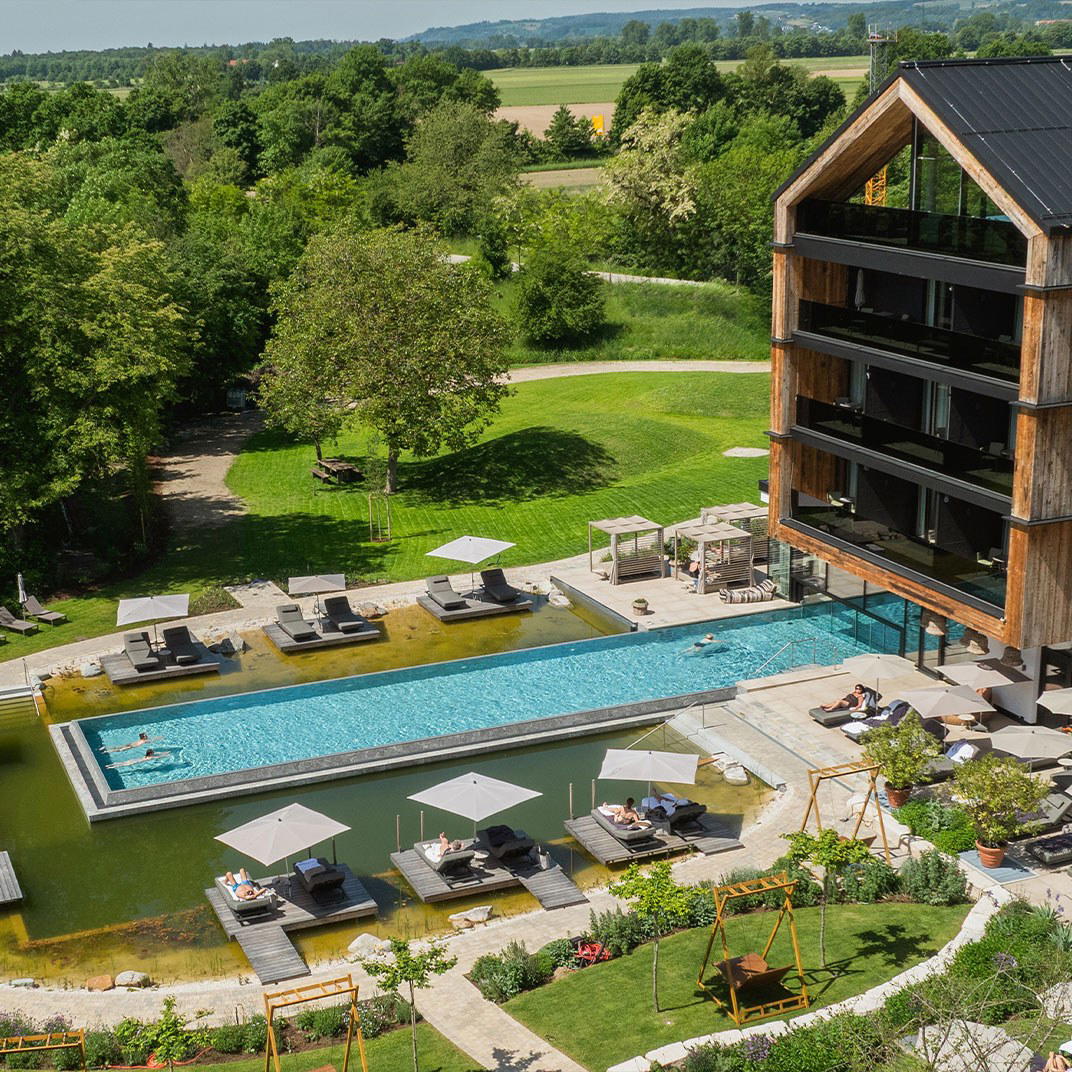
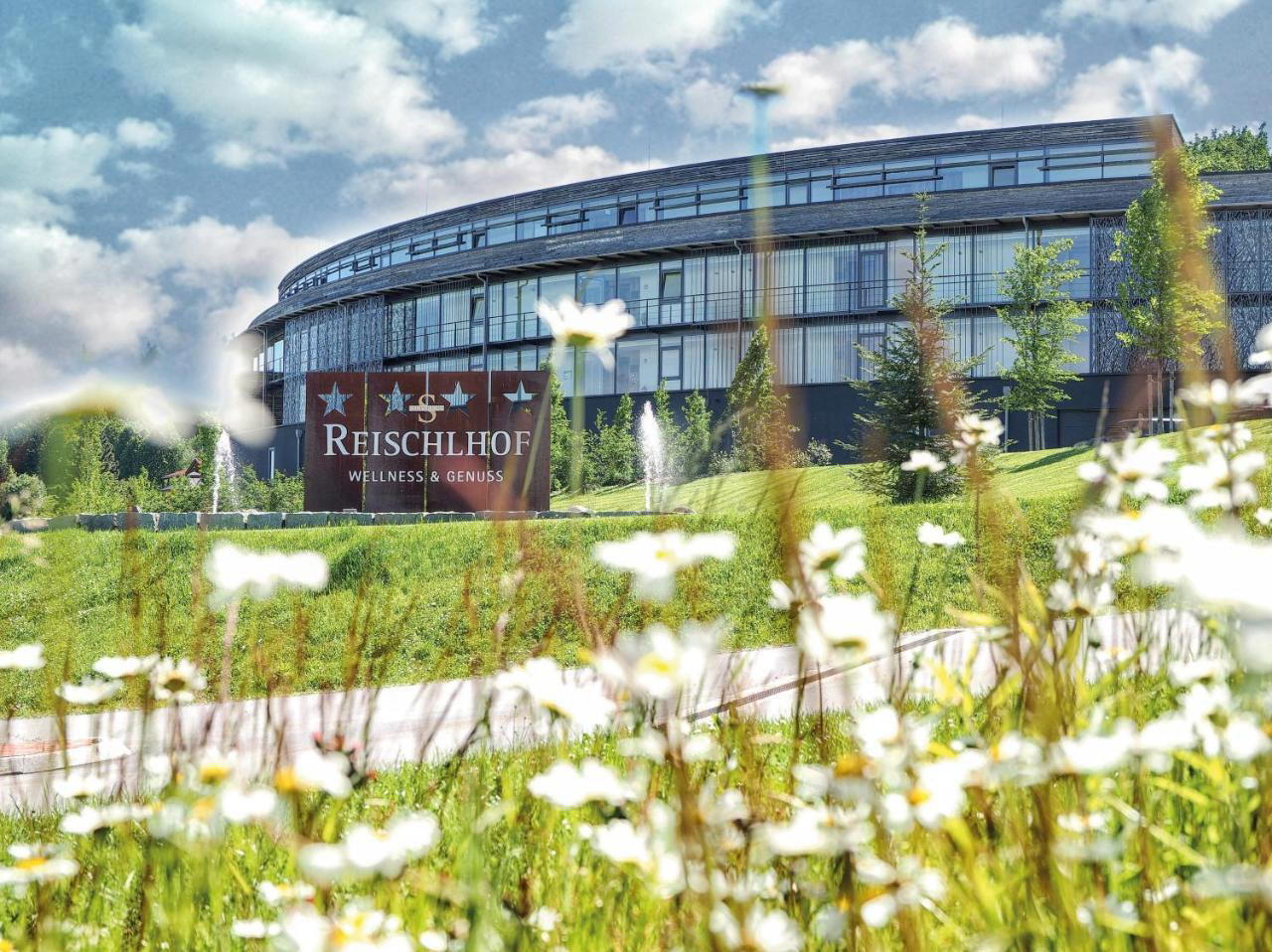
Marcel von Winckelmann
The wine
- Wine program
- Deep wine list
- Extensive wine list
- Sommelier-led
- Zero-proof drinks
Details
- Elegant
- Intimate
- Sophisticated
- Modern
- Date Night
- Celebration
- Special Occasion
- Group Dining
- Open Kitchen
- Chefs Counter
- Terrace
- Sommelier Led
- Zero Proof
- Extensive Wine List
- Local Sourcing
- Set Menu
- Tasting Menu
- Wine Pairing
- Non Alcoholic Beverage Pairing
- Vegetarian Friendly
- Allergy Accommodating
Current opening hours
- Monday
- Closed
- Tuesday
- 6–11 PM
- Wednesday
- 6–11 PM
- Thursday
- 6–11 PM
- Friday
- 6–11 PM
- Saturday
- 6–11 PM
- Sunday
- Closed
Hours can change for holidays and private events. Hours as of .
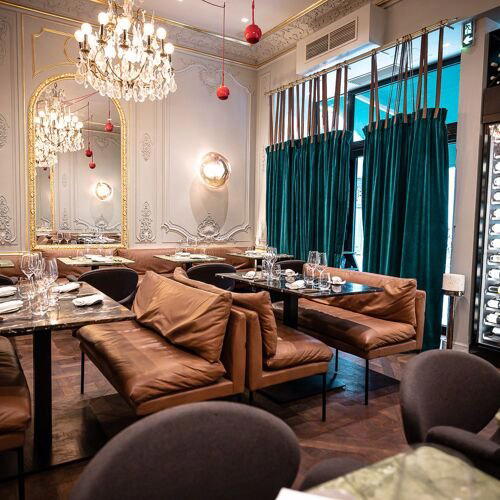
Stylish and modern with warm, welcoming atmosphere; open kitchen design creates transparency and authenticity; described as both dignified and contemporary with a relaxed elegance.