Holzapfel´s Restaurant im Glockenturm
Our verdict
Holzapfel´s Restaurant im Glockenturm serves Modern Bavarian Fine Dining at Hotel Holzapfel; the formal, quiet room suits dinner and pairs with an extensive wine list.

Pearl is the En Primeur Club membership app — saves, bookings, and concierge access live there. Same editors, same standards.
- Address
- Thermalbadstraße 4+5, 94072 Bad Füssing, Germany
- Phone
- +498531957180
- Website
- hotel-holzapfel.de
- Directions
- Get directions
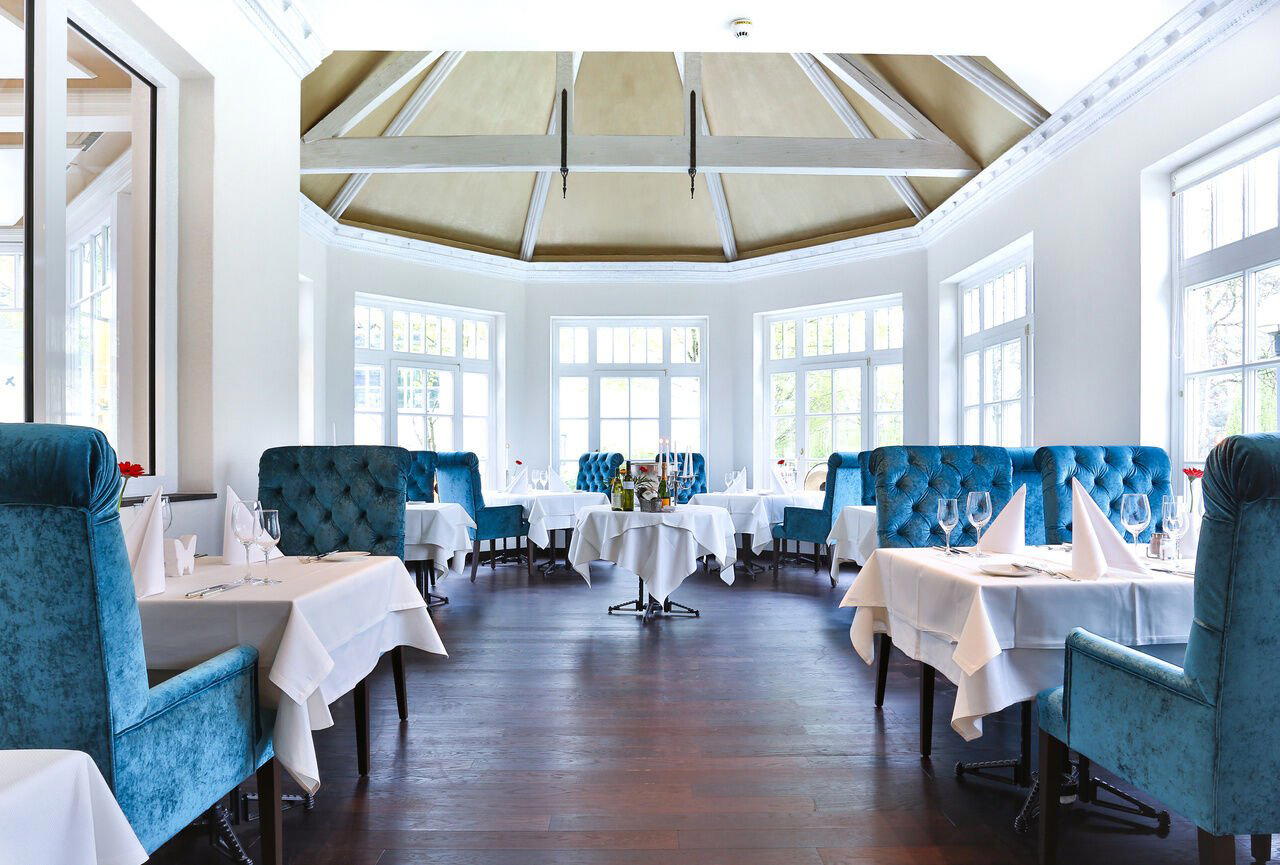
A Bell Tower Table in Bavaria's Thermal Belt
Bad Füssing occupies a particular niche in German leisure geography. The town in Lower Bavaria draws visitors primarily for its thermal baths, and the dining scene has historically followed that wellness-resort logic: comfortable, predictable, calibrated to hotel guests on multi-night stays. Against that backdrop, a restaurant operating from within a bell tower structure on Thermalbadstraße signals something deliberately apart from the corridor-buffet norm. The architecture alone sets a register before a single dish arrives.
Holzapfel's Restaurant im Glockenturm sits at Thermalbadstraße 4+5, placing it within the thermal-spa district that defines Bad Füssing's commercial identity. That address matters for context: the town is not a culinary destination in the way that, say, Baiersbronn draws visitors specifically for Schwarzwaldstube or Grassau for ES:SENZ. Dining here tends to be incidental to a thermal-bath itinerary rather than the primary reason for travel. A restaurant that earns a reputation within that environment is doing so against lower ambient competition but also against a guest base with different baseline expectations.
Ingredient Provenance and the Southern Bavarian Pantry
Lower Bavaria sits at the intersection of several productive agricultural zones. The Inn and Salzach river valleys supply dairy and meat traditions that predate industrialised food systems; proximity to Austria means cross-border sourcing of Alpine cheeses and mountain herbs is standard practice among serious kitchens in the region. For a restaurant operating in this geography, ingredient provenance is less a marketing position and more a structural advantage: the raw material within a short sourcing radius is genuinely good.
Germany's leading tables have increasingly leaned into this regional-sourcing logic. JAN in Munich and AUGUST in Augsburg both operate with explicit regional sourcing frameworks, and the broader European fine dining conversation, from Le Bernardin in New York City to Atomix, has shifted attention toward traceability as a measure of culinary seriousness. A kitchen in Bad Füssing that takes its sourcing seriously is drawing from one of Germany's more productive agricultural pockets, even if the broader dining culture around it hasn't historically demanded it.
The Bavarian tradition in this pocket of the country runs toward freshwater fish from local rivers, pork and game from surrounding forests, and dairy-heavy preparations that reflect centuries of Alpine influence. A kitchen working with those materials and treating them with precision occupies a different register than one importing generic proteins and calling it regional cuisine.
Where This Restaurant Sits in the Regional Picture
Bavaria's fine dining tier is anchored in Munich, with outposts of serious cooking in towns like Augsburg and, further afield, Grassau. The thermal spa belt around Bad Füssing and Passau is not traditionally part of that conversation. That gap is partly structural: the visitor base skews toward wellness-focused, longer-stay guests rather than food-motivated travelers who drive cross-country for a tasting menu.
Restaurants that earn recognition in spa towns tend to do so by offering something measurably more considered than the surrounding competition. The benchmark is not Aqua in Wolfsburg or Vendôme in Bergisch Gladbach — those operate at a different scale of ambition and infrastructure. The relevant comparison is what the immediate catchment area offers: hotel dining rooms, casual Bavarian gastropubs, and the occasional mid-market restaurant. Within that frame, a restaurant occupying a distinctive architectural setting and demonstrating kitchen seriousness earns its place for a specific type of visitor.
For context on what the highest tier of German regional dining looks like, Waldhotel Sonnora in Dreis, Victor's Fine Dining by Christian Bau in Perl, and Restaurant Haerlin in Hamburg all demonstrate how seriously Germany's dining culture treats regional ingredients at the upper end. The thermal-spa belt has yet to produce a comparable anchor, but that absence creates room for a restaurant like Holzapfel's to function as the area's most considered dining option by default and, potentially, by genuine merit.
The Glockenturm Setting
Dining in a converted or repurposed bell tower is not common in Germany's restaurant stock. The building type implies a certain solidity of structure, a verticality that most restaurant spaces don't have, and an acoustic quality that differs from purpose-built dining rooms. Whether that translates to an atmosphere that suits a long dinner depends on how the space has been fitted and how the service rhythm is calibrated to its unusual geometry.
In spa towns across Bavaria and Baden-Württemberg, the most durable dining rooms tend to be those that have developed an identity independent of any single hotel's branding. The Parkhotel in Bad Füssing represents the hotel-attached model; a restaurant in a standalone architectural landmark has a different relationship to its location and its guests. The distinction matters for the type of visit it supports: a standalone destination can attract locals and day visitors as well as hotel guests, which tends to create a more varied and often more demanding dining room.
Planning a Visit
Bad Füssing is most easily reached by car from Passau, approximately 20 kilometres to the east, or from Munich via the A94 motorway. The town's thermal bath season runs year-round, but visitor density peaks in summer and the winter holiday period, which affects table availability at the better dining options in the area. For a restaurant in a notable architectural setting with a local reputation, booking ahead — particularly for weekend evenings, is the practical approach. The address at Thermalbadstraße 4+5 places the restaurant within walking distance of the main spa complexes, making it a natural dinner destination for guests staying in the immediate thermal district.
Visitors using Bad Füssing as a base for exploring the Inn Valley and Lower Bavarian countryside will find that the surrounding region offers enough culinary and landscape variation to sustain a multi-day stay. The full Bad Füssing restaurants guide covers the broader dining picture for anyone planning time in the area.
For those calibrating expectations against Germany's wider dining scene, the relevant reference points are the creative dessert-focused programming at CODA Dessert Dining in Berlin, the Moselle-region precision of Schanz in Piesport, or the Trier anchor of Bagatelle and the Rhineland Palatinate approach at ATAMA by Martin Stopp in Sankt Ingbert and ammolite - The Lighthouse Restaurant in Rust. Holzapfel's operates well below that tier in terms of national profile, but within Bad Füssing's specific dining ecosystem it occupies a position that warrants attention from visitors who want something beyond the spa-hotel standard.
Frequently asked questions
Would Holzapfel's Restaurant im Glockenturm be comfortable with kids?
Bad Füssing is a family-oriented thermal spa destination, and restaurants in the town generally accommodate families travelling for the baths. The Glockenturm setting at Thermalbadstraße 4+5 is a converted building with architectural character that may suit older children more than very young ones.
What's the overall feel of Holzapfel's Restaurant im Glockenturm?
The restaurant occupies a bell tower structure in Bad Füssing, Bavaria, which immediately sets it apart from the functional hotel dining typical of thermal spa towns. The setting suggests a more considered, unhurried atmosphere suited to guests looking for something beyond the resort buffet circuit. Lower Bavaria's pace and the town's wellness-oriented visitor base shape the room toward a relaxed but purposeful evening.
What do people recommend at Holzapfel's Restaurant im Glockenturm?
Given its Lower Bavarian location near the Inn and Salzach river valleys, the kitchen likely draws on regional dairy, freshwater fish, and seasonal meat traditions common to that agricultural corridor. Checking with the restaurant directly or reviewing current guest feedback on booking platforms will give the most accurate picture of current highlights.
What makes Holzapfel's im Glockenturm different from other restaurants in Bad Füssing?
Most dining in Bad Füssing is tied directly to the thermal bath complexes, operating as hotel restaurants serving large volumes of spa guests. Holzapfel's im Glockenturm occupies a bell tower building at Thermalbadstraße 4+5, a structural format with no close equivalent in the town's restaurant stock. That physical distinction alone positions it as a separate proposition from the spa-adjacent buffet model that dominates the area.
| Venue | Cuisine | Price | Awards | Notes |
|---|---|---|---|---|
| Holzapfel´s Restaurant im GlockenturmThis venue — the venue you are viewing | Modern Bavarian Fine Dining | Not listed | Not listed | Not listed |
| Aqua | Modern European Fine Dining | Not listed | 3 Michelin Stars · World's 50 Best #33 | Contemporary German, Italian/Japanese, Creative |
| Schwarzwaldstube | Modern French Fine Dining | $150–200 | 3 Michelin Stars · World's 50 Best #47 | French, Classic French |
| CODA Dessert Dining | Dessert-Inspired Fine Dining | $200–300 | 2 Michelin Stars · World's 50 Best #79 | Creative |
| Vendôme | Modern German Haute Cuisine | $200–300 | 2 Michelin Stars · World's 50 Best #47 | Modern European, Creative |
| Tantris | Modern French Fine Dining | $300–500 | 2 Michelin Stars · World's 50 Best #73 | Modern French, French Contemporary |
Continue exploring
More in Bad Füssing
Restaurants in Bad Füssing
Browse all →
Bars in Bad Füssing
Browse all →
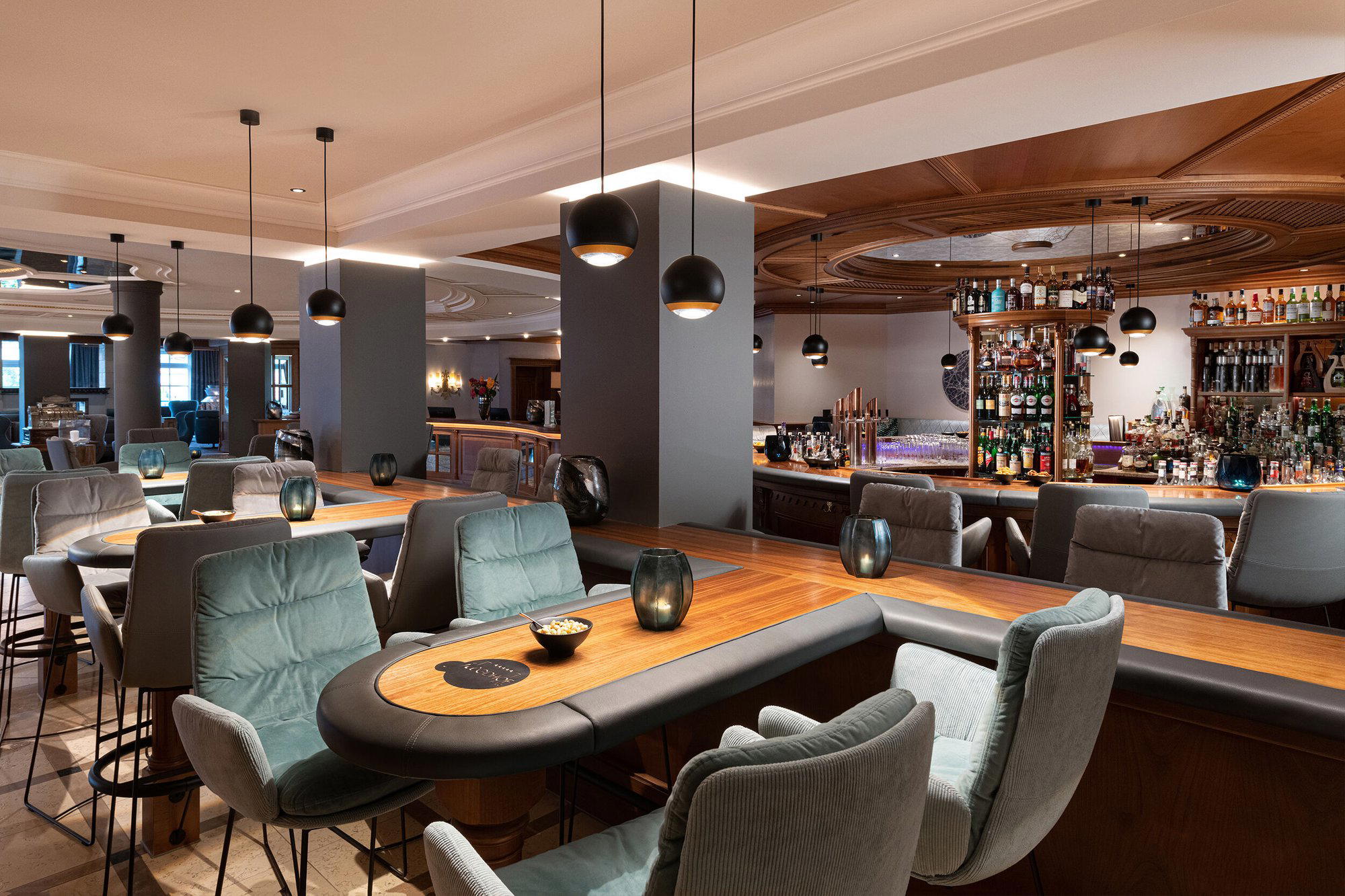
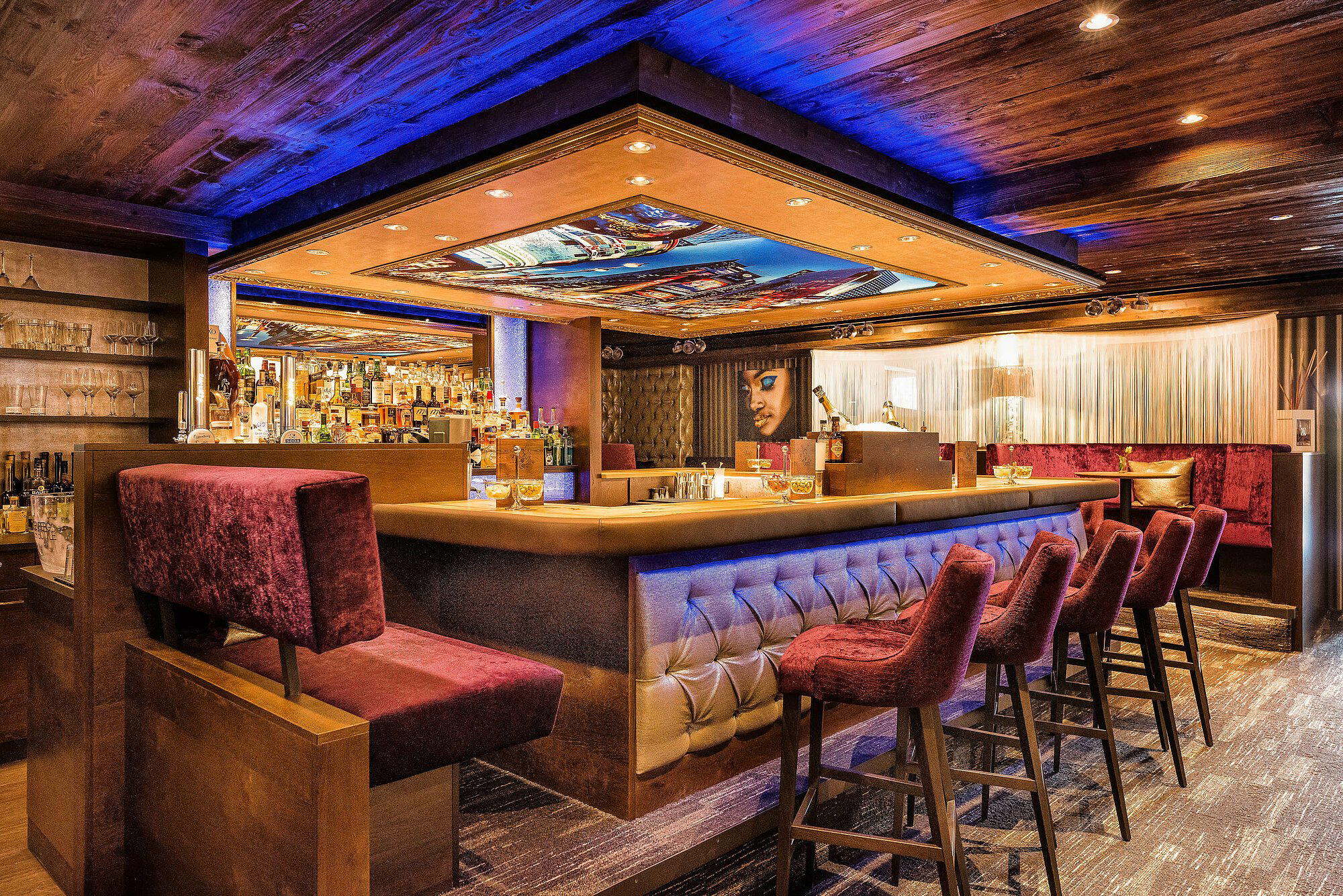
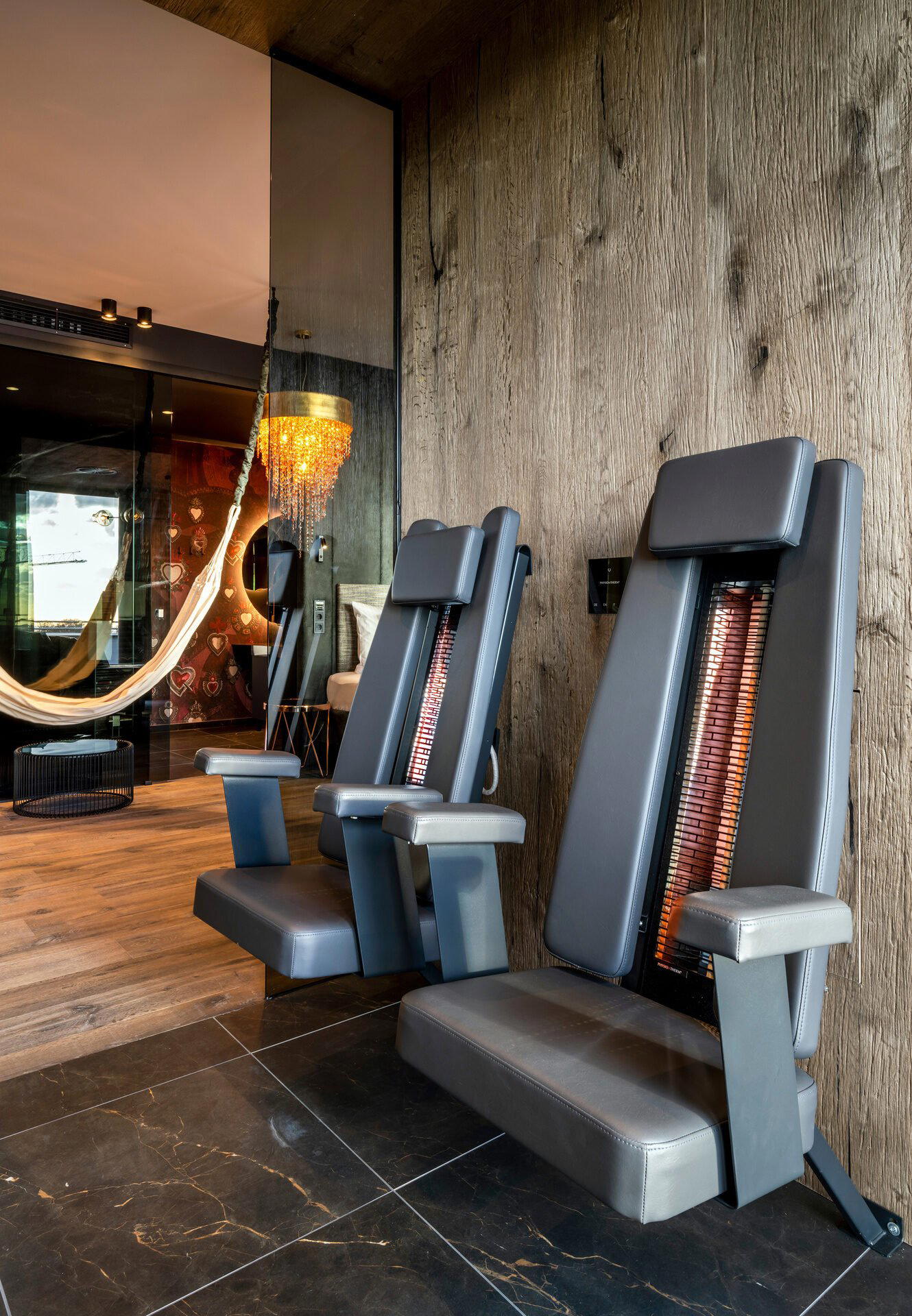
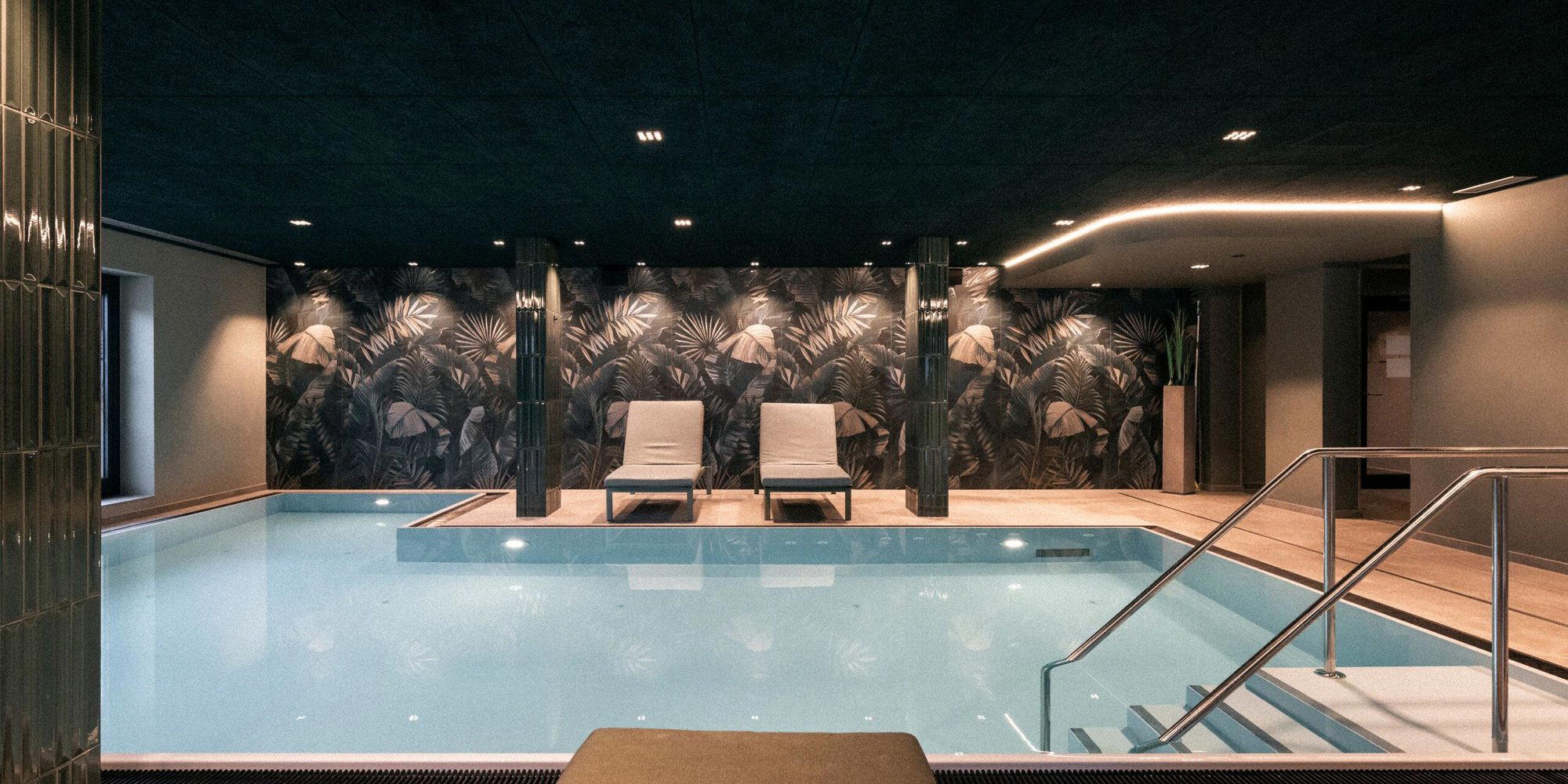
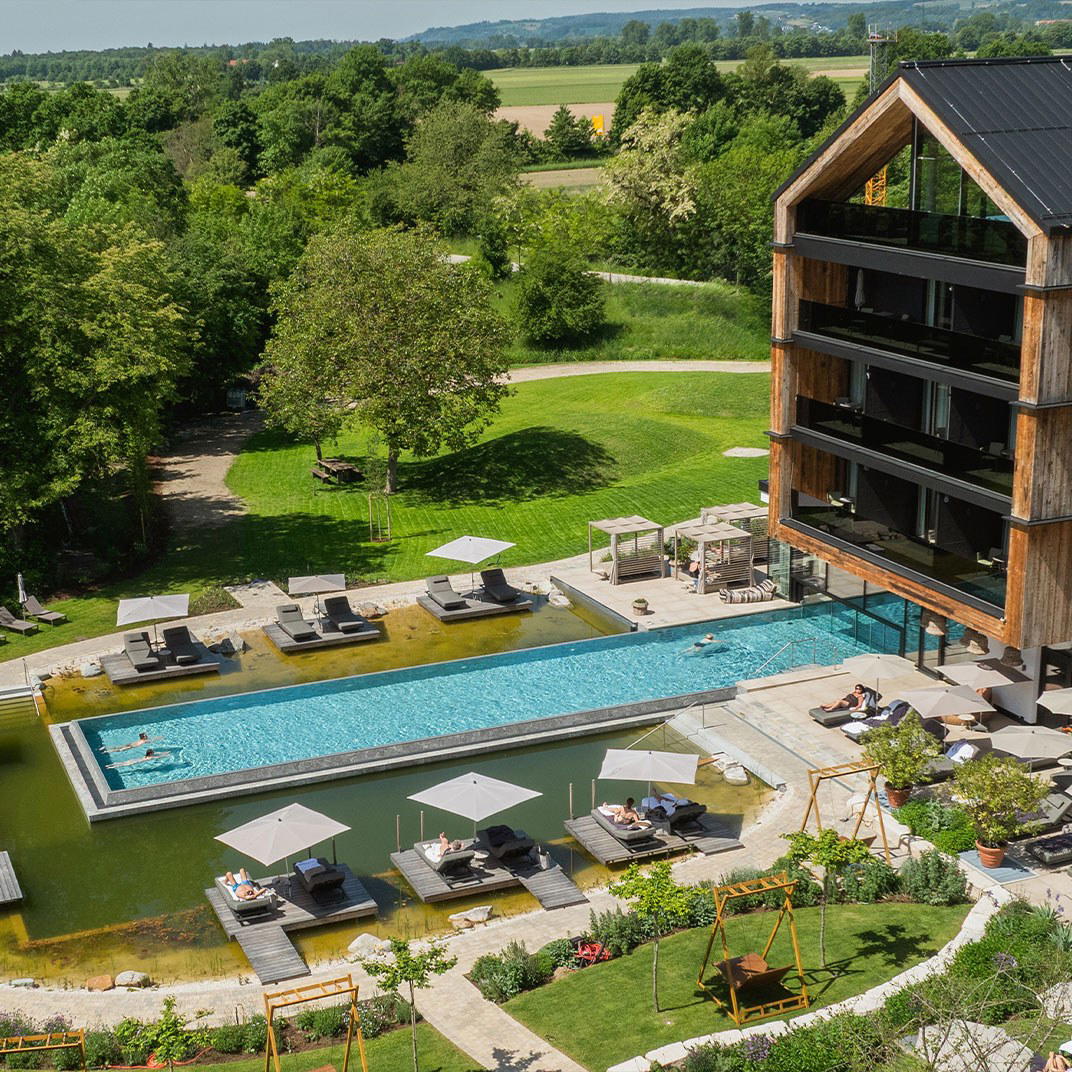
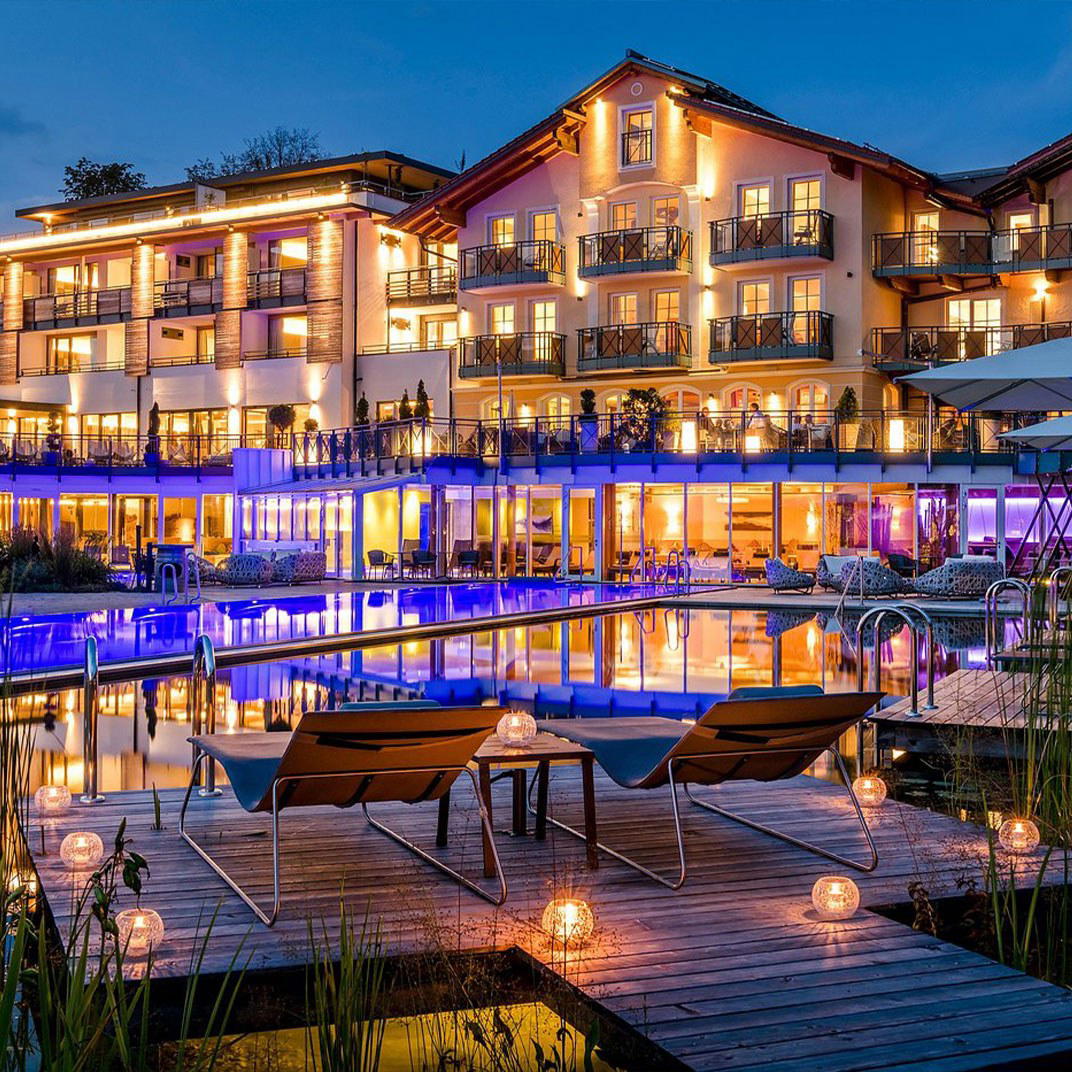
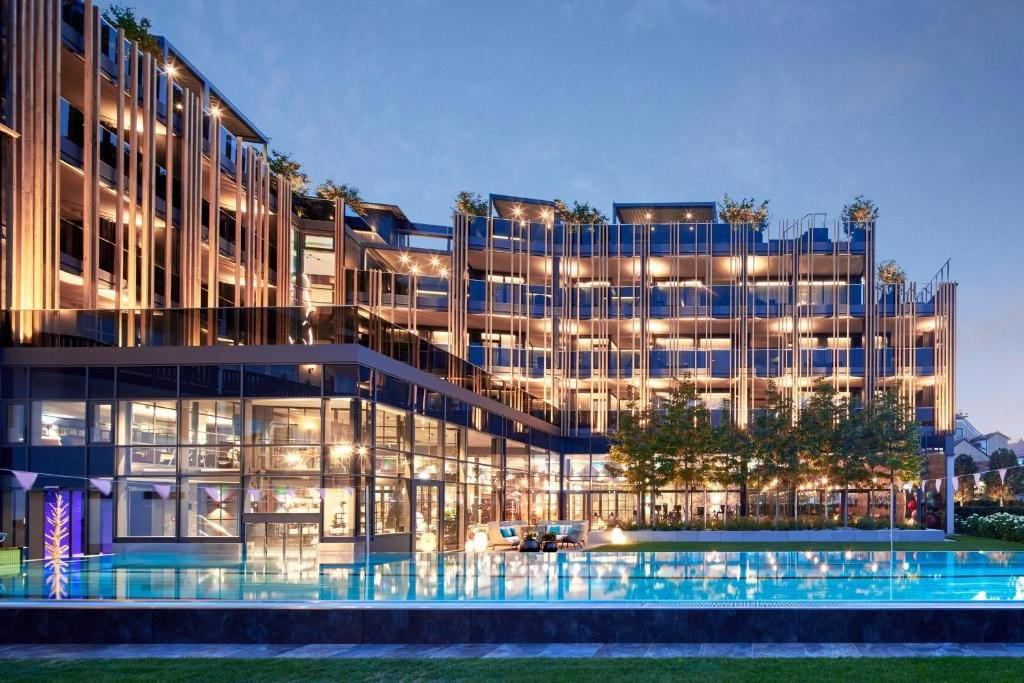
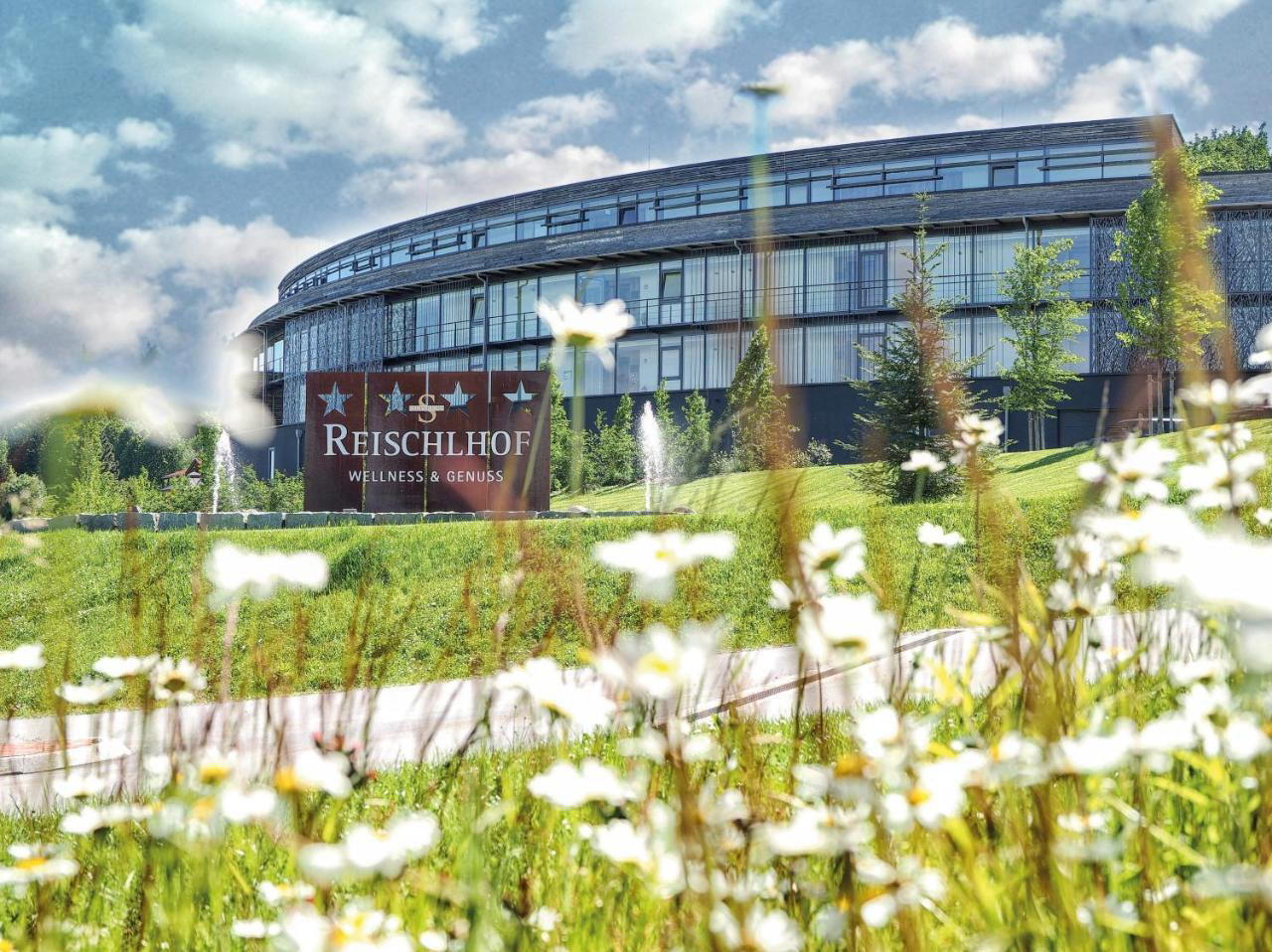
Holzapfel´s Restaurant im Glockenturm
The wine
- Wine program
- Curated wine list
- Extensive wine list
Details
- Romantic
- Cozy
- Elegant
- Intimate
- Date Night
- Special Occasion
- Historic Building
- Hotel Restaurant
- Extensive Wine List
- Local Sourcing
- A La Carte
- Vegetarian Friendly
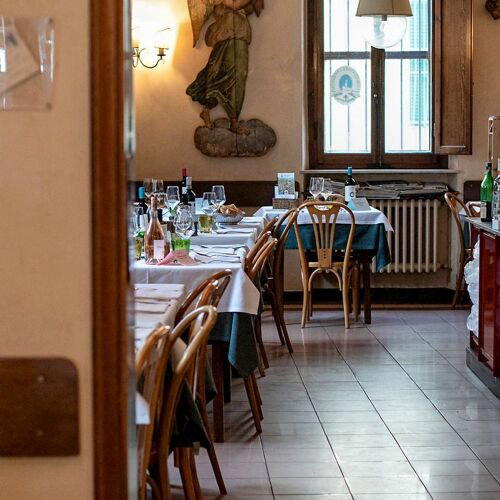
Cozy seating with candlelight and romantic lighting creating an elegant and pampering atmosphere.