Parigi
Parigi has occupied a quiet stretch of Oak Lawn Avenue in Dallas since the 1980s, operating as one of the neighborhood's most durable addresses for European-inflected cooking. The room trades on a particular kind of earned familiarity, the kind that comes from decades of the same regulars, the same seasonal rhythm, and a kitchen that has never needed to announce itself loudly to fill tables.
 Discover on Pearl
Pearl is the En Primeur Club membership app — saves, bookings, and concierge access live there. Same editors, same standards.
- Address
- 3311 Oak Lawn Ave, Dallas, TX 75219
- Phone
- +12145210295
- Website
- parigidallas.com
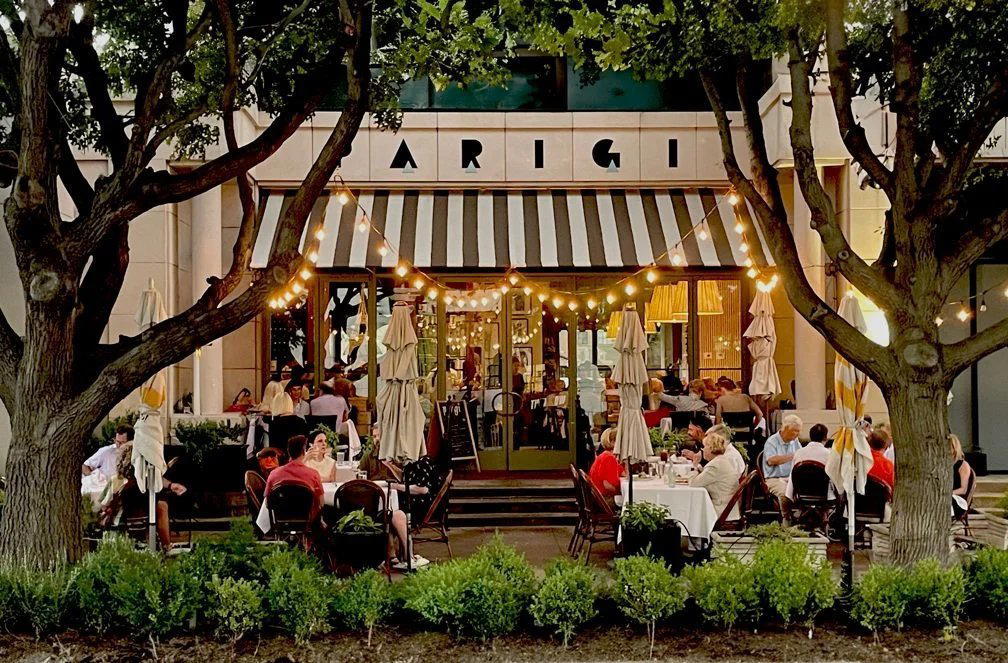
Oak Lawn's Long Game
On Oak Lawn Avenue, where restaurant turnover runs at the same pace as most American cities, longevity is its own form of argument. Parigi is a restaurant in Dallas serving French-Italian-American Fusion Bistro cooking at 3311 Oak Lawn Ave. Parigi, at 3311 Oak Lawn Ave, has been part of this neighborhood's fabric long enough to have watched several dining generations cycle through, the expense-account crowd of the late 1980s, the bistro-curious 1990s, and now a Dallas dining scene that has grown considerably more technically ambitious around it. That the room has not been forced to reinvent itself in response to each wave says something about the kind of place it is: a restaurant whose identity is rooted in a specific sensibility rather than a particular trend.
Dallas has developed a more complex fine-dining topology over the past decade. The city that once relied almost entirely on steakhouses and Southwestern showpieces now hosts serious Japanese omakase programs at addresses like Tatsu Dallas, assertive global formats at Mamani, and a broader range of price-point options including casual operations like 360 Brunch House and 12 Cuts Brazilian Steakhouse. Within that expanded field, the French-inflected bistro occupies a specific position: it operates on the assumption that the cooking itself is the focus, without the support of theatrical service formats or architectural spectacle.
The Intersection of Method and Place
The broader argument for European technique applied to American regional ingredients has been made forcefully at restaurants elsewhere in the country. At Blue Hill at Stone Barns in Tarrytown, that argument runs through hyper-local farm sourcing and tasting menus calibrated to a specific Hudson Valley ecology. At Single Thread Farm in Healdsburg, Japanese kaiseki discipline is layered over Northern California produce in a format that costs considerably more than almost anything in Texas. At The French Laundry in Napa, the classical French canon has been pursued with an almost academic precision for decades. What each of these addresses shares is a commitment to imported methodology as a lens through which local or regional ingredients are read and transformed.
In Dallas, the version of this exchange has historically been less codified. Texas produces a distinctive agricultural palette: beef of obvious quality, Gulf Coast seafood within reach, pecans, Hill Country produce, and game that ranges from quail to venison. The question a European-influenced kitchen faces in this geography is how much of that palette to accept on its own terms and how much to subordinate to classical structure. Parigi's position on Oak Lawn, sustained across decades and neighborhood shifts, suggests it has found a workable answer, one that keeps the room filled without requiring either a full pivot to Tex-Mex populism or the kind of prix-fixe abstraction that marks addresses like Alinea in Chicago or Atomix in New York City.
Where Parigi Sits in the Dallas comparable set
The relevant comparison set for a long-running Oak Lawn bistro is not the city's steakhouse tier, which operates at its own scale and with its own clientele, nor the newer technically-driven restaurants that have arrived in the wake of Dallas's post-2010 dining expansion. The closer comparisons are addresses like Lucia, which runs Italian cooking at the $$$ price tier through a more neighborhood-oriented format, and Fearing's, which commits fully to Southwestern American cooking at the $$$$ level inside a hotel context. Parigi occupies a different register from both: neither as ethnically specific as Lucia nor as regionally declarative as Fearing's, it operates in the French bistro tradition that prizes versatility and consistency.
That positioning has analog elsewhere. Emeril's in New Orleans represents a similar long-arc ambition in a Southern American city, sustained over decades through a combination of technique and local ingredient fluency. Providence in Los Angeles runs a seafood-focused French-American program that has held Michelin recognition while staying legible to a broad audience. Le Bernardin in New York City represents the high-end ceiling of what French discipline applied to a single protein category can achieve. Parigi is not operating at those award-weighted altitudes, but the lineage of intention connects: cooking that takes European structural logic seriously while remaining readable to a dining room that includes both first-timers and thirty-year regulars.
For a different model of how classical technique can be pushed toward abstraction, addresses like Addison in San Diego, The Inn at Little Washington, and Lazy Bear in San Francisco demonstrate how far the European-trained American kitchen has moved since the early bistro era. At the other end of the globe, 8½ Otto e Mezzo Bombana in Hong Kong shows how Italian classical training travels and transforms when placed in a dramatically different culinary geography. These comparisons frame what it means for a French-inflected room to commit to a single city, a single neighborhood, and a single extended moment in time.
The Room and the Regulars
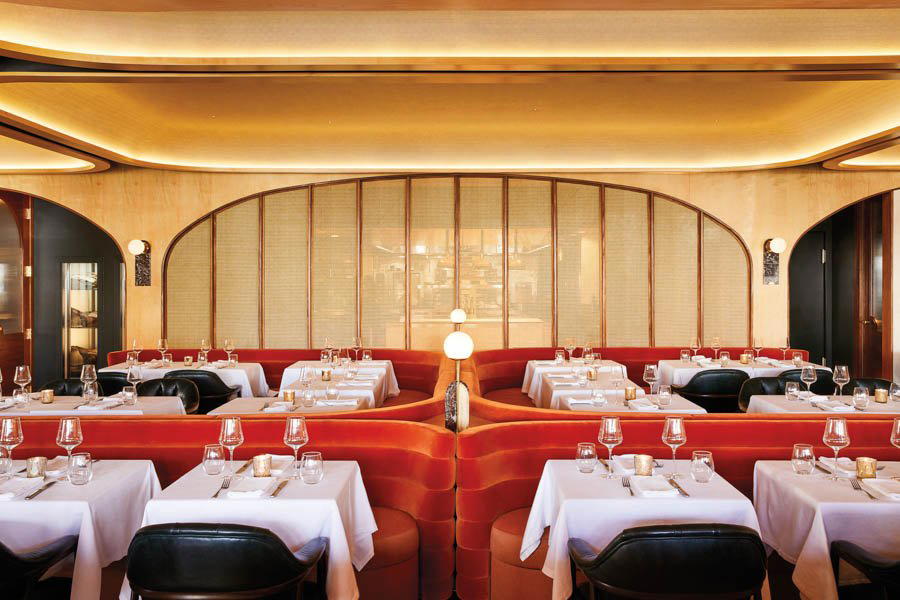
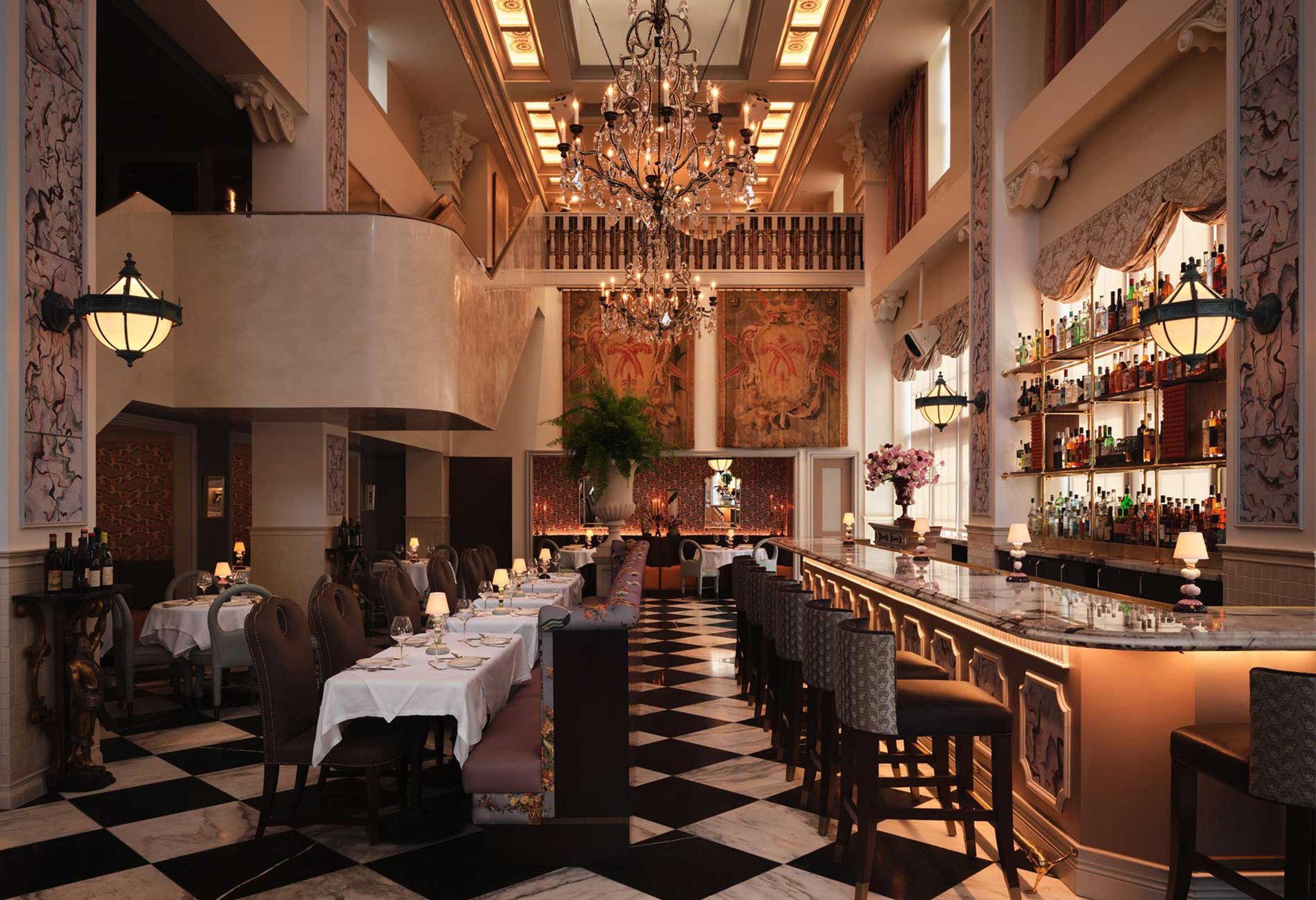
The physical address at 3311 Oak Lawn places Parigi in the part of Dallas where the neighborhood's mixed residential and commercial character creates the kind of foot traffic that supports mid-scale dining over the long term. The room itself carries the accumulated weight of a restaurant that has not needed a redesign to stay relevant, a quality that separates genuinely embedded neighborhood restaurants from those that rely on novelty cycles to maintain occupancy. Regulars at this kind of address develop ordering habits built on years of experience with a specific kitchen's strengths, a dynamic that also shapes how the kitchen behaves: consistency becomes more important than innovation, and the room's rhythm is set by returning guests rather than first-impression seekers.
Parigi represents the kind of address that does not generate the social media cycles attached to newer openings but maintains a steady occupancy through a different mechanism: trust accumulated over time. That trust is a harder thing to manufacture than a striking room or a headline tasting menu, and at addresses that have built it, it tends to outlast both. For visitors looking for a more casual counterpoint, 3Eleven Kitchen and Cocktails also operates in the approachable-bistro register with cocktail programming alongside the food.
Where It Fits
Comparable venues nearby, for context on price, style, and recognition.
| Venue | Cuisine | Price | Awards | Notes |
|---|---|---|---|---|
| ParigiThis venue — the venue you are viewing | French-Italian-American Fusion Bistro | $$$ | , | |
| rise soufflé - Dallas | French Soufflé Bistro | $$$ | , | Devonshire |
| Bistro 31 | French-Italian-Spanish Bistro | $$$ | , | Devonshire |
| Bullion | Contemporary French Brasserie | $$$$ | , | Reunion District |
| The Grape | European Wine Bistro | $$ | , | Lower Greenville |
| El Molino | Modern Mexican Fajitas | $$$ | , | Greenville Ave |
Continue exploring
More in Dallas
Restaurants in Dallas
Browse all →
Bars in Dallas
Browse all →

Hotels in Dallas
Browse all →




At a Glance
- Romantic
- Intimate
- Cozy
- Classic
- Sophisticated
- Date Night
- Business Dinner
- Group Dining
- Casual Hangout
- Special Occasion
- Standalone
- Extensive Wine List
- Craft Cocktails
- Farm To Table
- Local Sourcing
Warm, quaint, and intimate dining room with a Parisian-inspired aesthetic and New York sensibility; sophisticated yet approachable neighborhood atmosphere.