Virgin Hotels Dallas


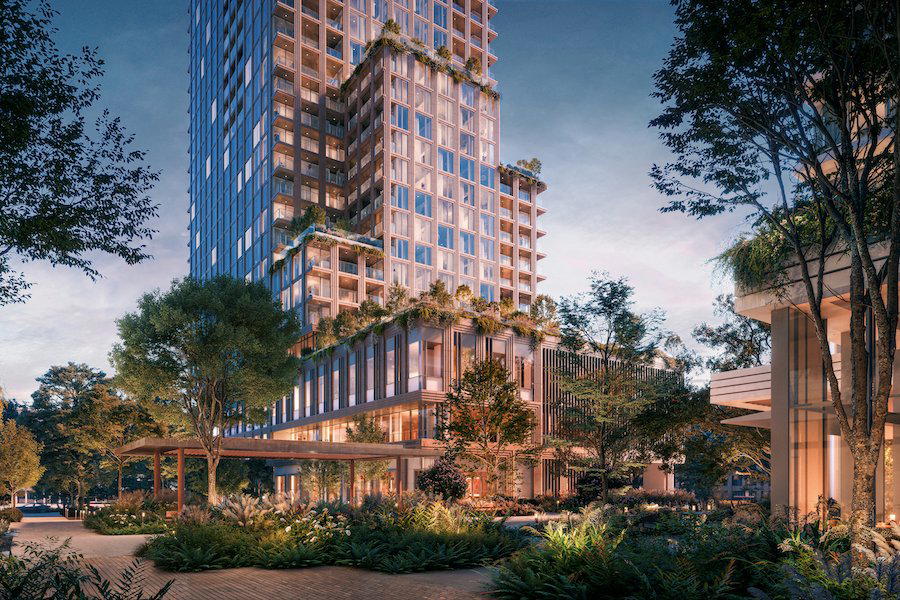
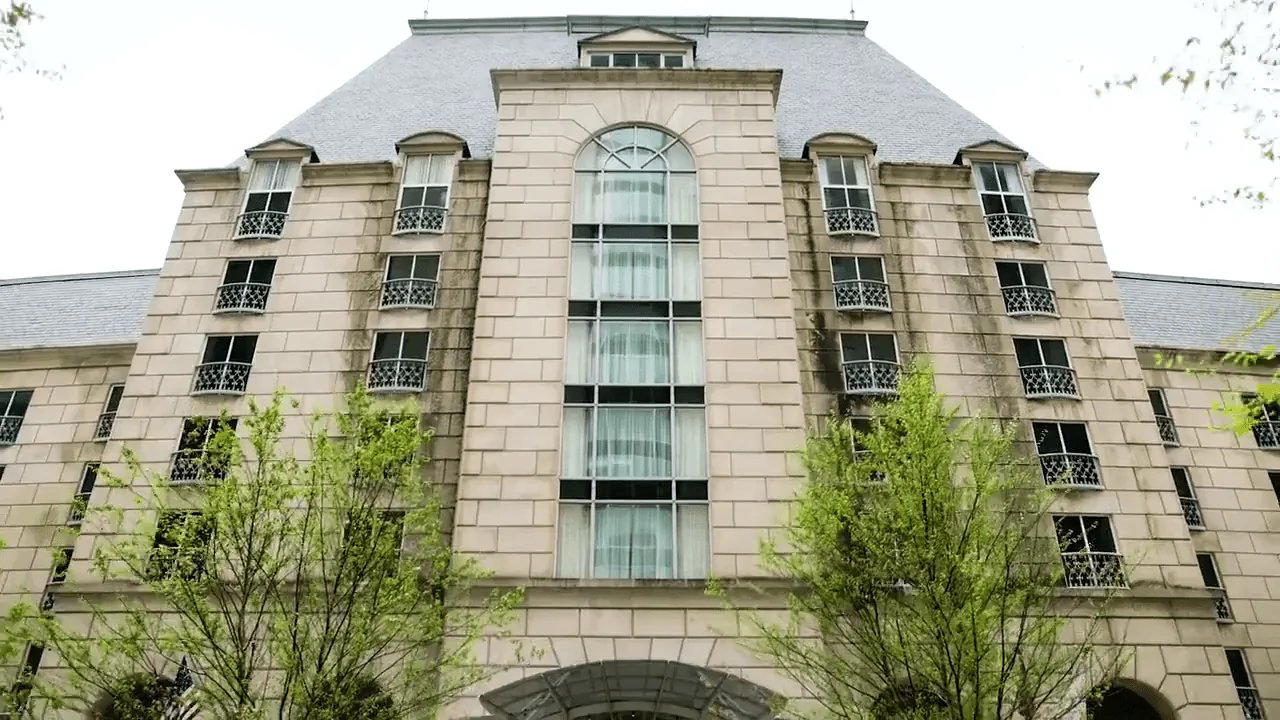
Virgin Hotels Dallas occupies a 268-room property at 1445 Turtle Creek Blvd, positioning itself within Dallas's design-forward hotel tier as an alternative to the neighborhood's more traditional luxury operators. The brand's guest-first format and Turtle Creek address place it in a competitive set that includes some of the city's most established names.
Pearl is the En Primeur Club membership app — saves, bookings, and concierge access live there. Same editors, same standards.
- Address
- 1445 Turtle Creek Blvd, Dallas, TX 75207
- Phone
- +1 855-326-4544
- Website
- virginhotels.com
- Directions
- Get directions
 Saves & bookings on Pearl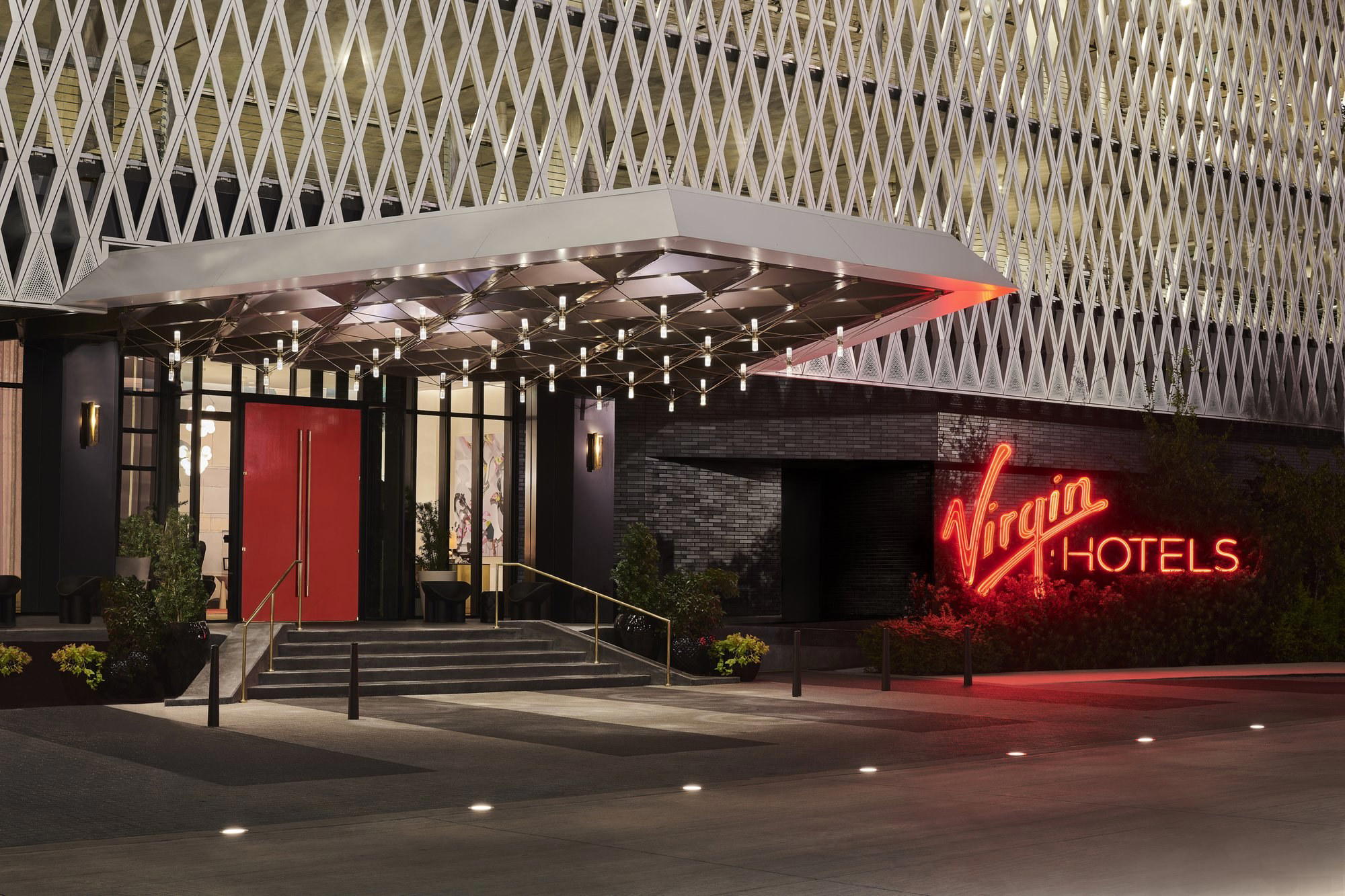
Turtle Creek's Design-Led Alternative
Turtle Creek Boulevard has long served as Dallas's most quietly prestigious hotel corridor. The Rosewood Mansion on Turtle Creek anchors its historic end with a Gilded Age weight that newer properties work around rather than against. Virgin Hotels Dallas, at 1445 Turtle Creek Blvd, is a 4-star hotel with 268 rooms and a smart casual dress code; reservations are recommended. Where the Mansion signals old-money restraint, the Virgin property signals something more democratic in its architecture and operation, even as it targets a broadly similar price-sensitive premium traveler.
Dallas's hotel market has split visibly over the past decade. On one side sit the legacy institutions, properties like the Hotel Crescent Court and the Fairmont Dallas, where formality and established programming carry much of the identity. On the other sit design-forward independents and brand-aligned boutique operators, a category that includes Hotel Swexan, Hotel Zaza Dallas, and Casa Duro. Virgin Hotels Dallas fits the second category, though its 268-room count places it at a scale larger than most design boutiques, giving it operational depth that smaller properties cannot replicate.
What the Address Signals
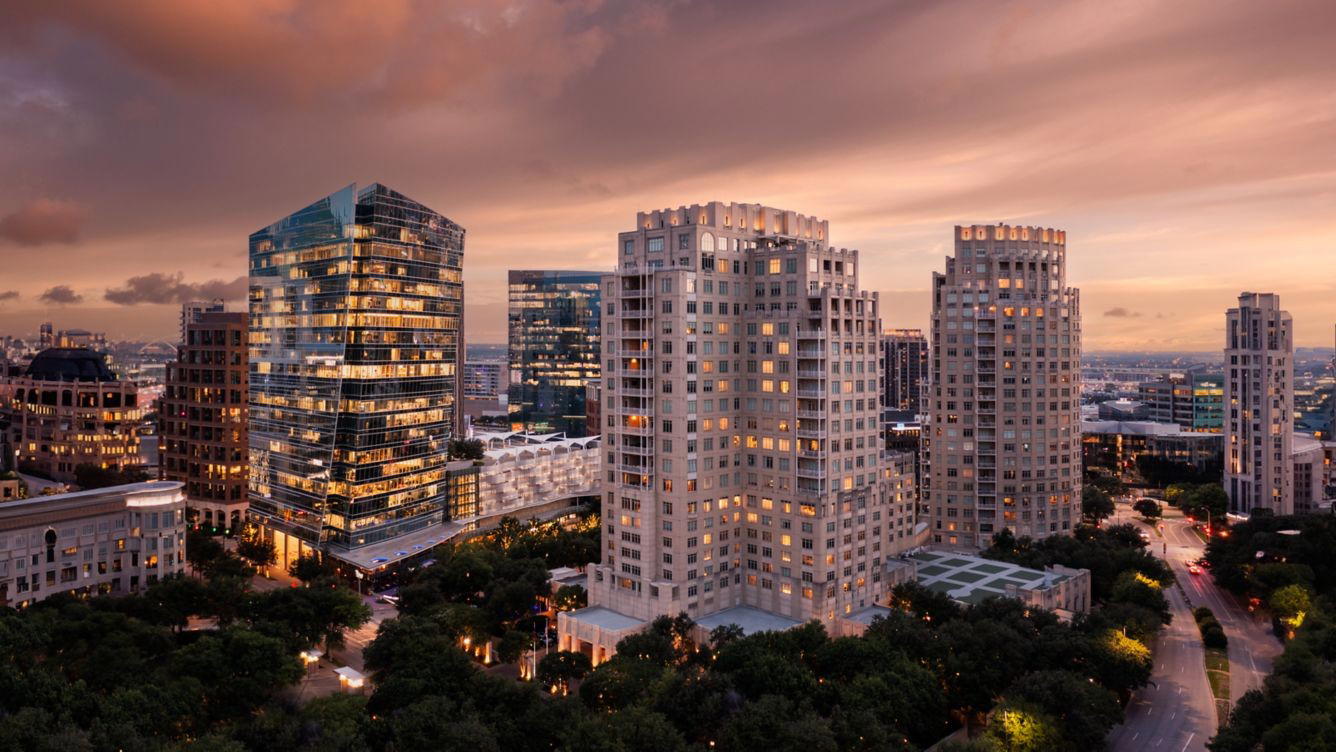
Location on Turtle Creek puts the property within reach of the Design District to its west and Uptown to its east, two neighborhoods that define much of Dallas's contemporary cultural activity. The Design District has evolved from a trade-only showroom strip into a dining and gallery destination, while Uptown provides the density of restaurants, bars, and walkable retail that many travelers want within a short distance of their hotel. For a property of this size, sitting between those two poles is a genuine logistical asset. Travelers focused on the arts-and-dining circuit through the Design District will find the address more useful than a downtown tower would be; those drawn to Uptown's energy have it within easy reach as well.
Scale, Sustainability, and the Responsible Luxury Question
In luxury hospitality globally, the tension between scale and environmental accountability has become a genuine differentiator. Properties with large room counts, Virgin Hotels Dallas among them at 268 rooms, face a structural challenge that smaller design-led hotels do not: the larger the footprint, the more meaningful operational sustainability commitments need to be to have real impact. Smaller properties like Post Ranch Inn in Big Sur or Sage Lodge in Pray operate in contexts where the natural environment itself frames the sustainability conversation. Urban hotels of significant scale, by contrast, must build that case through operational practice: energy sourcing, waste management, supply chain choices, and community investment.
The Virgin brand has historically articulated guest-wellbeing and social purpose as part of its hotel identity, a positioning that distinguishes it from pure luxury operators whose identity rests primarily on physical opulence. Whether that positioning translates into measurable environmental or community outcomes at the Dallas property specifically is something the venue's own reporting would need to confirm. This is a pattern visible across the American premium hotel market, from SingleThread Farm Inn in Healdsburg, where the farm-to-room supply chain is the point, to Canyon Ranch Tucson, where wellbeing infrastructure is the core product proposition.
For travelers who weight sustainability credentials alongside design and service, the honest answer at a 268-room urban hotel is that the operational details matter more than the brand-level language. Comparing the property against peer properties like HALL Arts Hotel Dallas or Hilton Anatole, gives a more useful picture than brand positioning alone.
Where Virgin Hotels Dallas Sits in the comparable set
At 268 rooms, the hotel competes in a tier where the guest experience needs to function across multiple use cases simultaneously: leisure travel, corporate stays, group bookings, and social events. This is a different operational challenge than a 40-room boutique like Troutbeck in Amenia or a resort-format property like Little Palm Island Resort in Little Torch Key, where a singular atmosphere can dominate. At this scale, consistency across departments matters as much as any individual experience highlight. That consistency is what separates a well-executed mid-large property from one that feels uneven.
Within the Dallas competitive set specifically, the Rosewood Mansion remains the reference point for heritage luxury on Turtle Creek. The Rosewood Mansion carries a Relais & Chateaux affiliation and a kitchen reputation that hotel is not positioned to replicate. What Virgin offers instead is a more relaxed format, a hospitality model designed for guests who find the formal luxury register unnecessarily stiff. That is a real and legitimate niche in the Dallas market, and the 268-room count means the property can absorb demand that boutiques cannot.
For those comparing Dallas against other American cities for premium travel, properties like Raffles Boston or The Fifth Avenue Hotel in New York City illustrate what the upper end of the urban luxury format looks like when brand heritage and architectural weight are the primary differentiators. The hotel competes on different terms: contemporary design, operational flexibility, and a Turtle Creek address that places it inside one of Dallas's most established hotel corridors without requiring it to perform the traditions of that corridor.
Planning Your Stay
The property at 1445 Turtle Creek Blvd is positioned between the Design District and Uptown, making it practical for travelers whose itinerary spans both areas. For those arriving by car, Turtle Creek Boulevard is accessible from the Stemmons Freeway and from Oak Lawn Avenue, with the Design District galleries and dining roughly to the northwest and Uptown's denser restaurant grid to the east. Room booking is leading handled directly through the Virgin Hotels platform, as their membership program has historically offered rate advantages over third-party channels. Given the 268-room inventory, availability tends to be more flexible than at smaller boutique properties in the city, though high-demand periods around Dallas's major events calendar do tighten options.
Cost Snapshot
Comparable venues nearby, for context on price, style, and recognition.
| Venue | Price | Awards | Notes |
|---|---|---|---|
| Virgin Hotels DallasThis venue — the venue you are viewing | $$$$ | 4-Star | Not listed |
| HALL Arts Hotel Dallas, Curio Collection by Hilton | $$$$ | 4-Star | Arts District, Luxury boutique hotel celebrating creativity in the Dallas Arts District |
| The Highland Dallas, Curio Collection by Hilton | $$$$ | 4-Star | Greenville Ave, Mid-century lifestyle retreat with high-end boutique aesthetic and cowboy chic. |
| Hotel Dax | $$$ | 4-Star | Addison, Large lifestyle hotel blending business-travel functionality with resort-style leisure amenities and social spaces. |
| The Adolphus, Autograph Collection | $$$$ | 5-Star | Downtown, Historic luxury hotel blending 1912 Beaux-Arts architecture with contemporary amenities and refined service standards. |
| Fairmont Dallas | $$$$ | 4-Star | Downtown, Timeless luxury with Texan flair and retro-modern architecture. |
Recognition history
Dated appearances from independent guides and award organizations, with the underlying list record or original source where available.
Michelin Selected
Michelin
Preferred Hotels L.V.X. Collection
Preferred Hotels
At a Glance
- Modern
- Trendy
- Lively
- Sophisticated
- Business Trip
- Weekend Escape
- Celebration
- Rooftop Pool
- Wi Fi
- Pool
- Fitness Center
- Room Service
- Concierge
- Restaurant
- Bar
- Valet Parking
- EV Charging
- Skyline
- Wi Fi
- Pool
- Fitness Center
- Room Service
- Concierge
- Restaurant
- Bar
- Valet Parking
- EV Charging
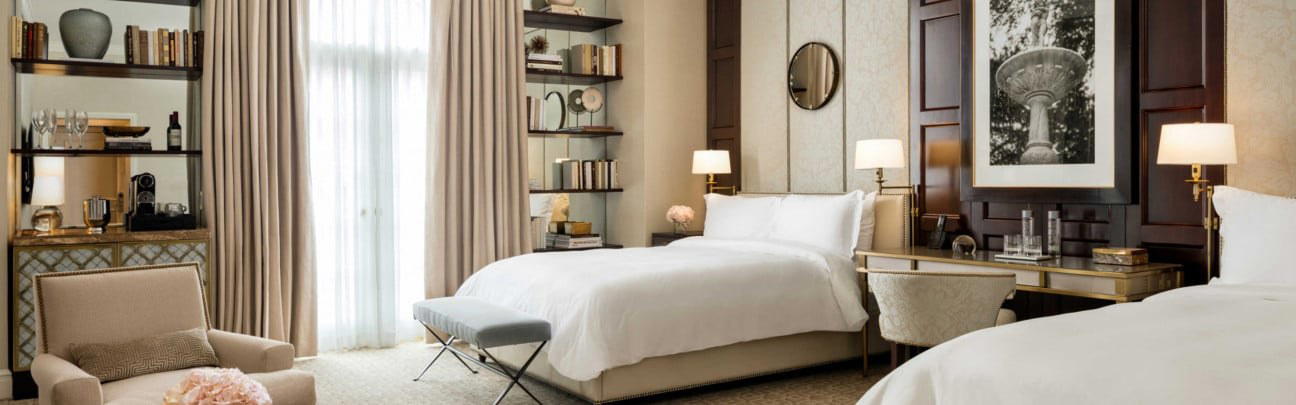
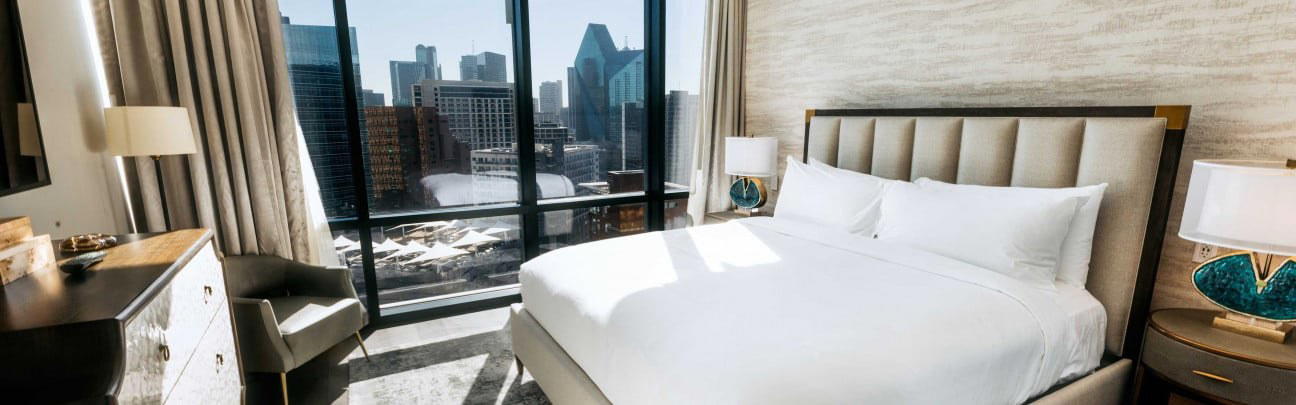
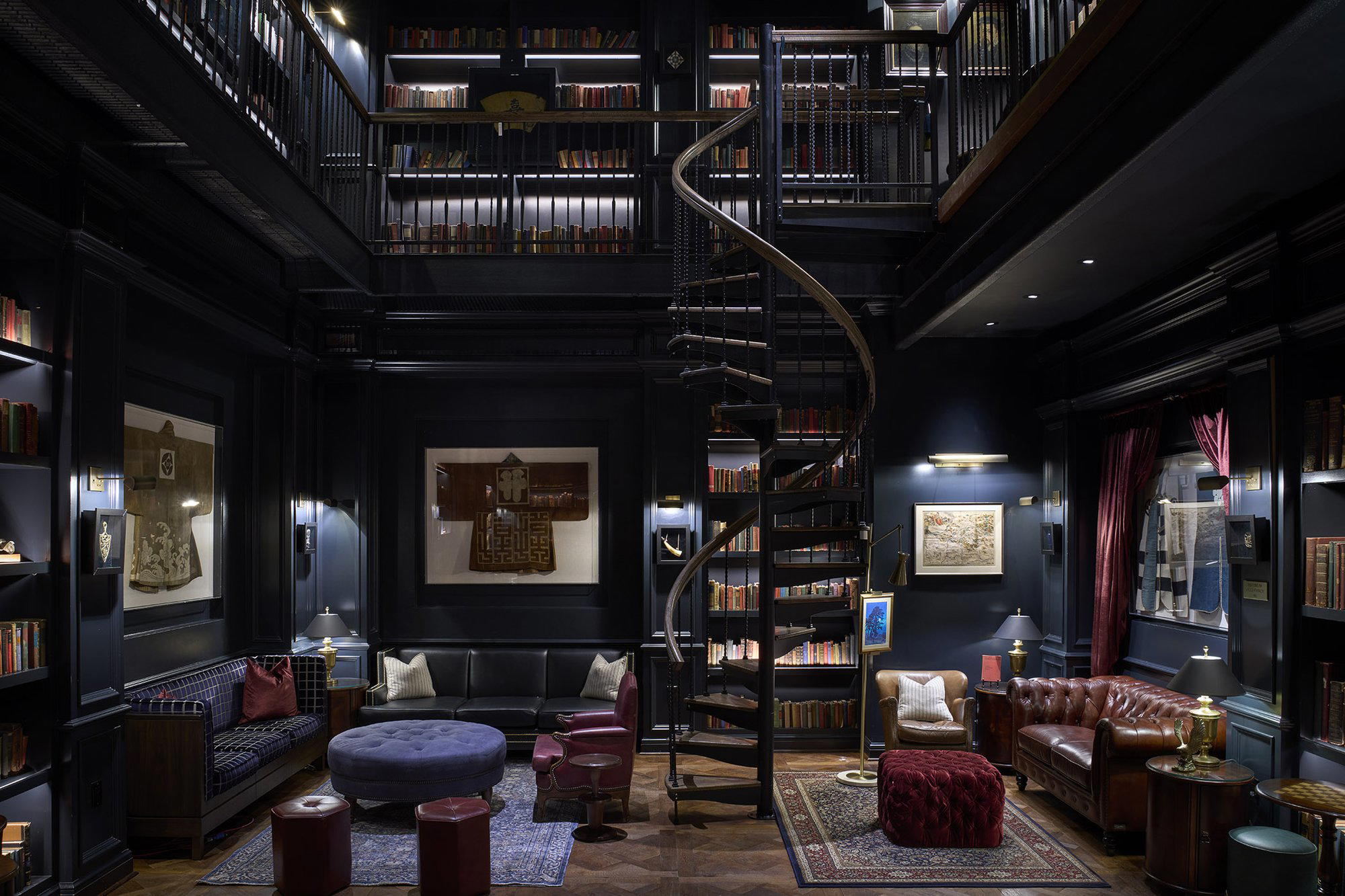
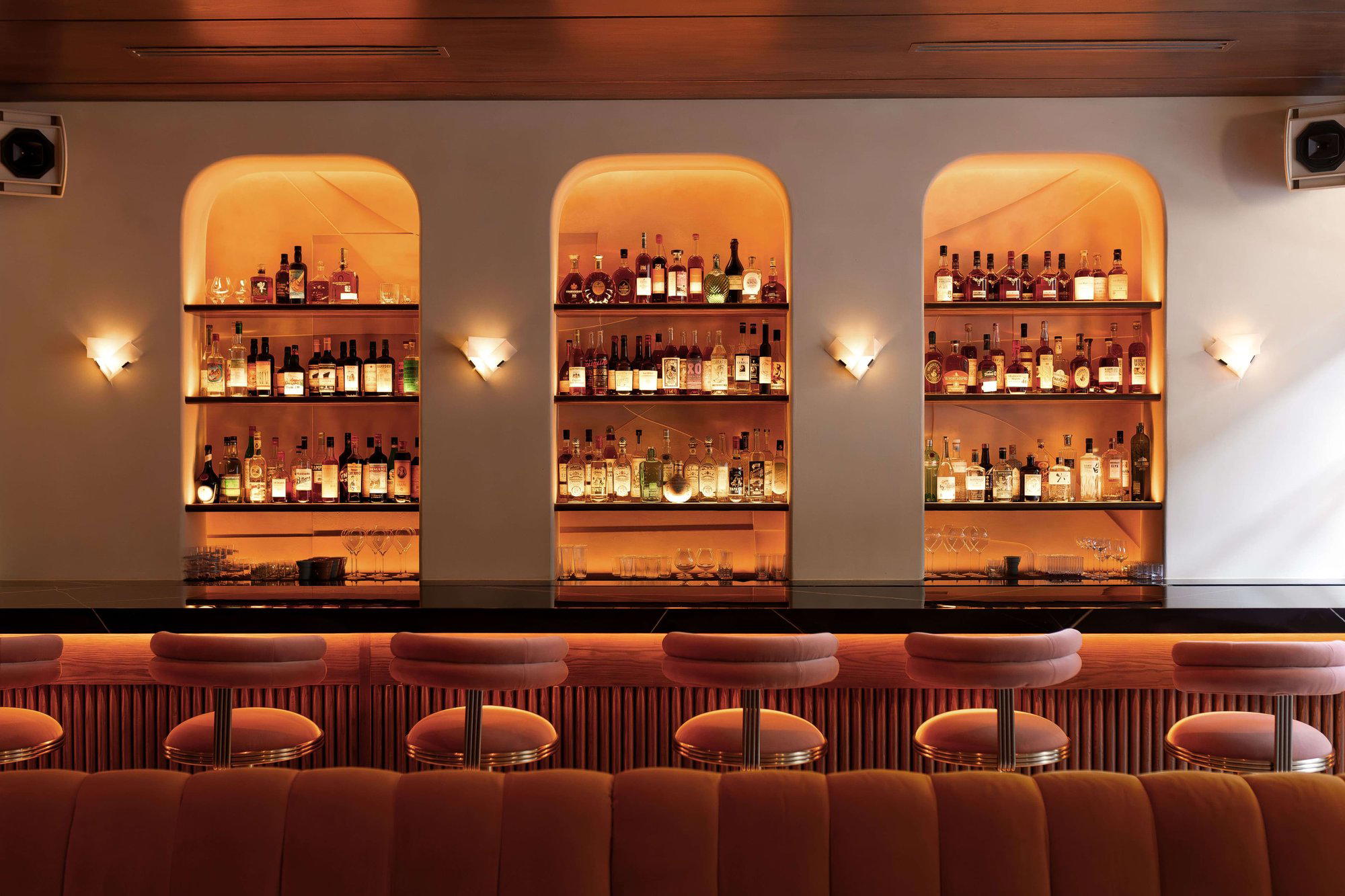
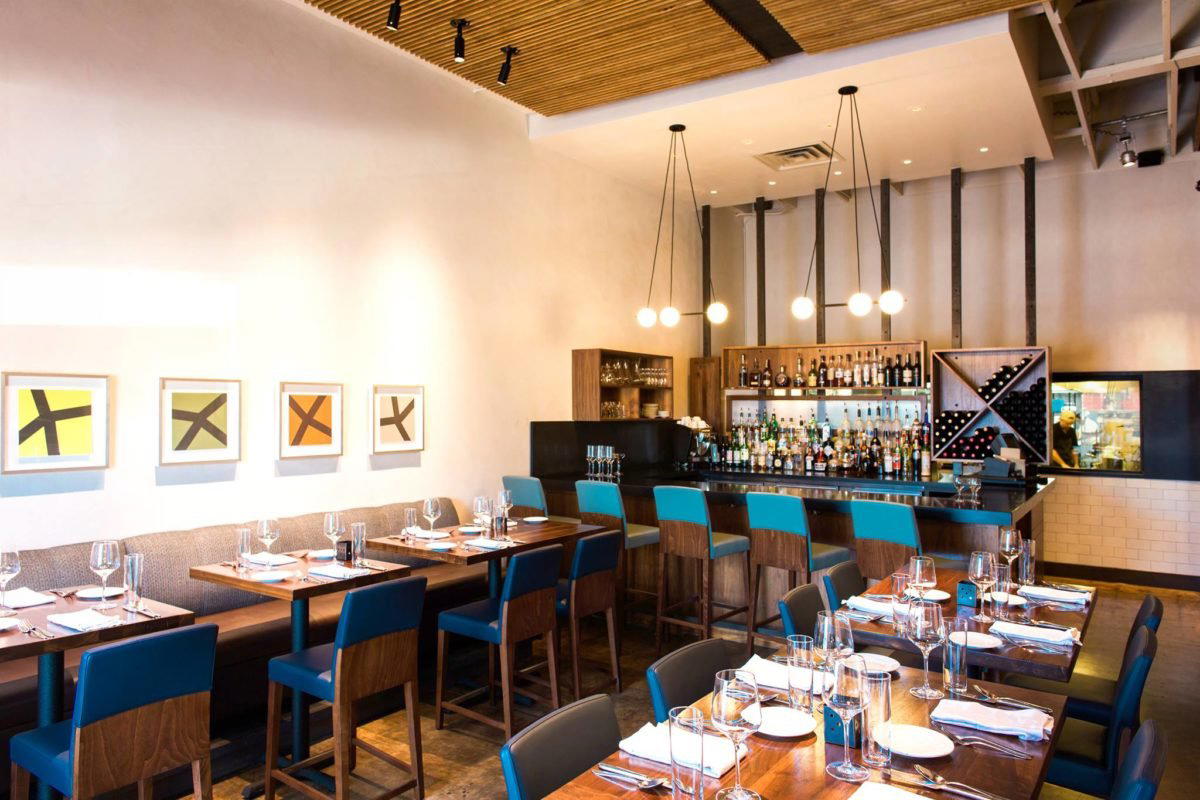
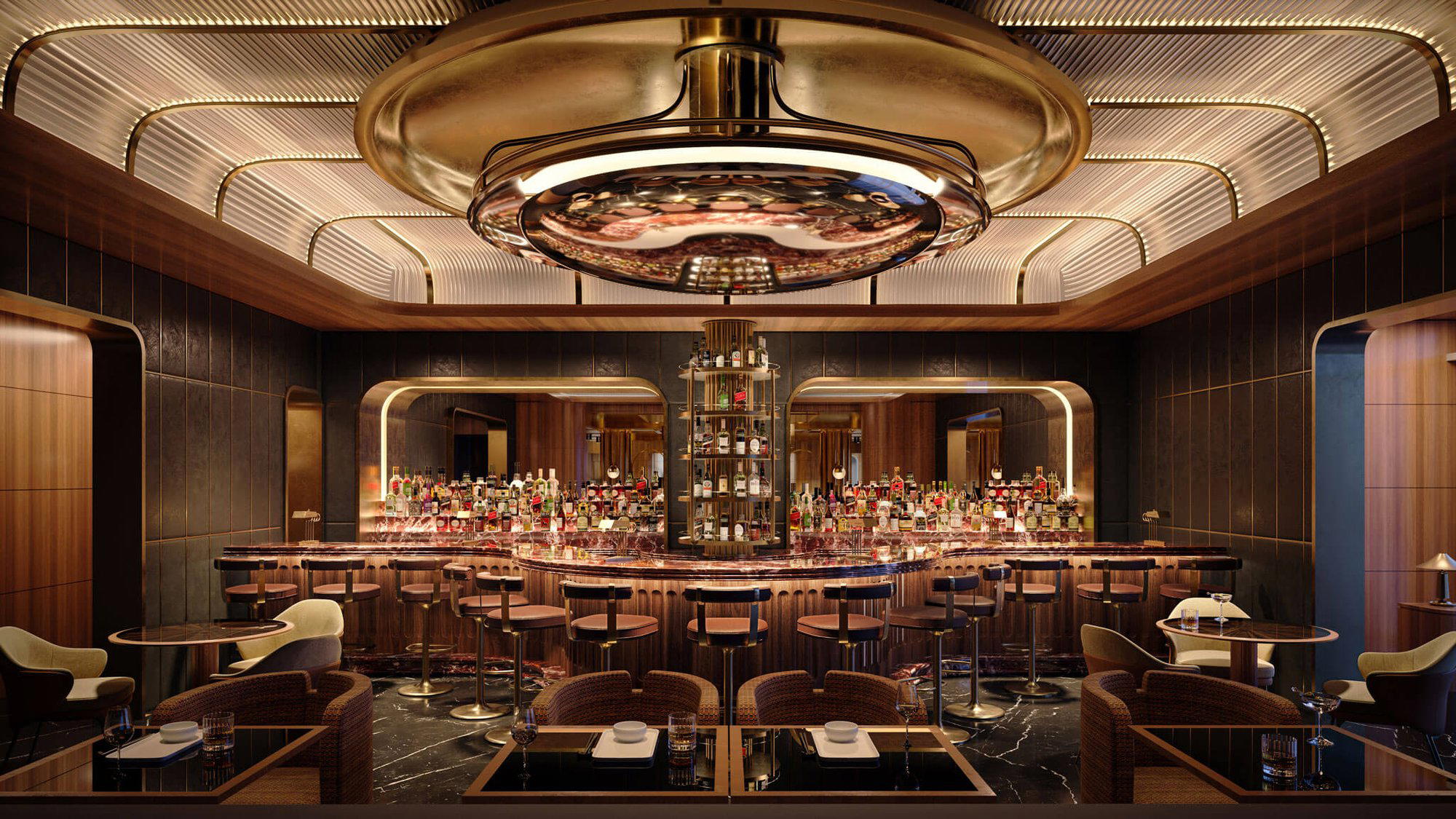
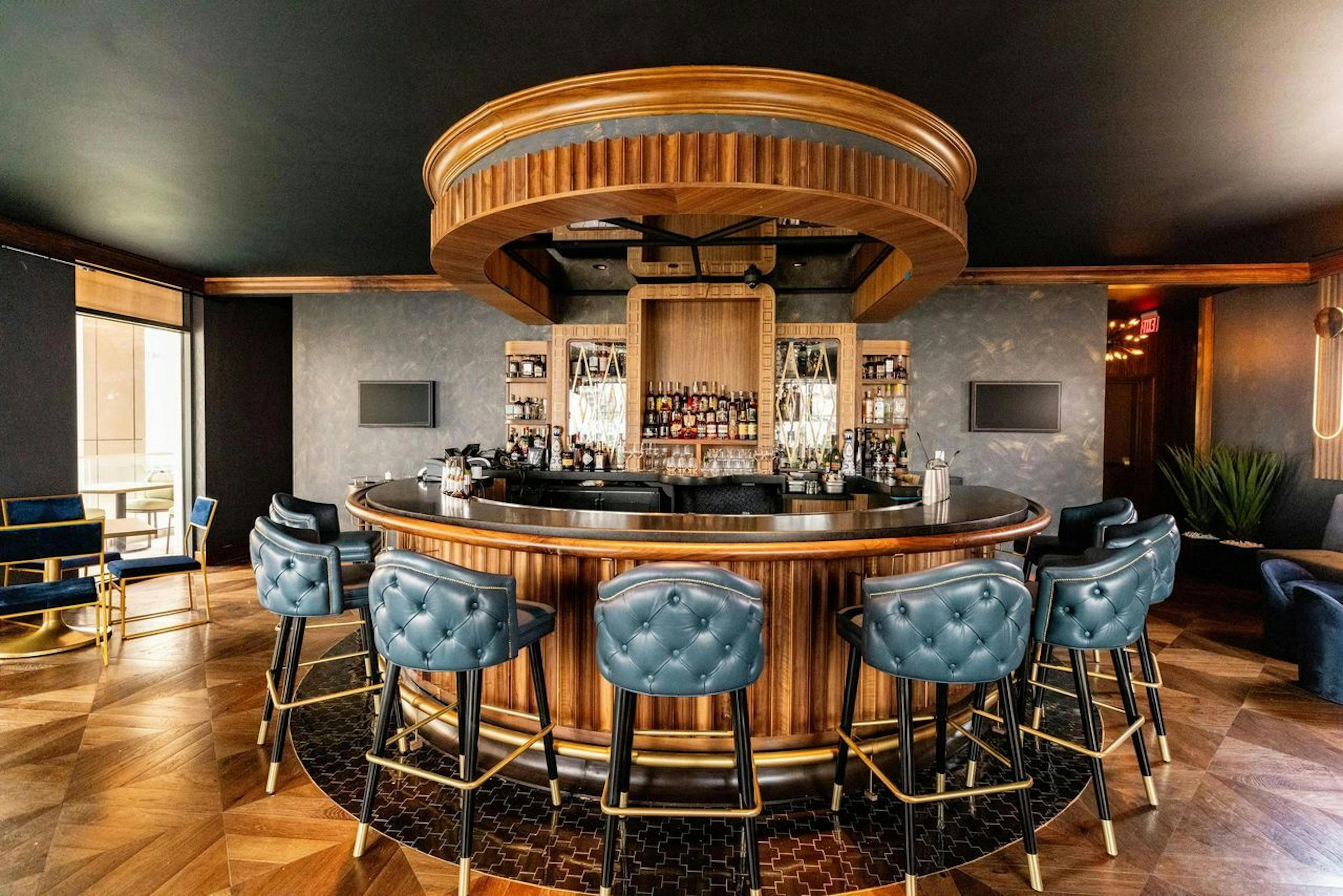
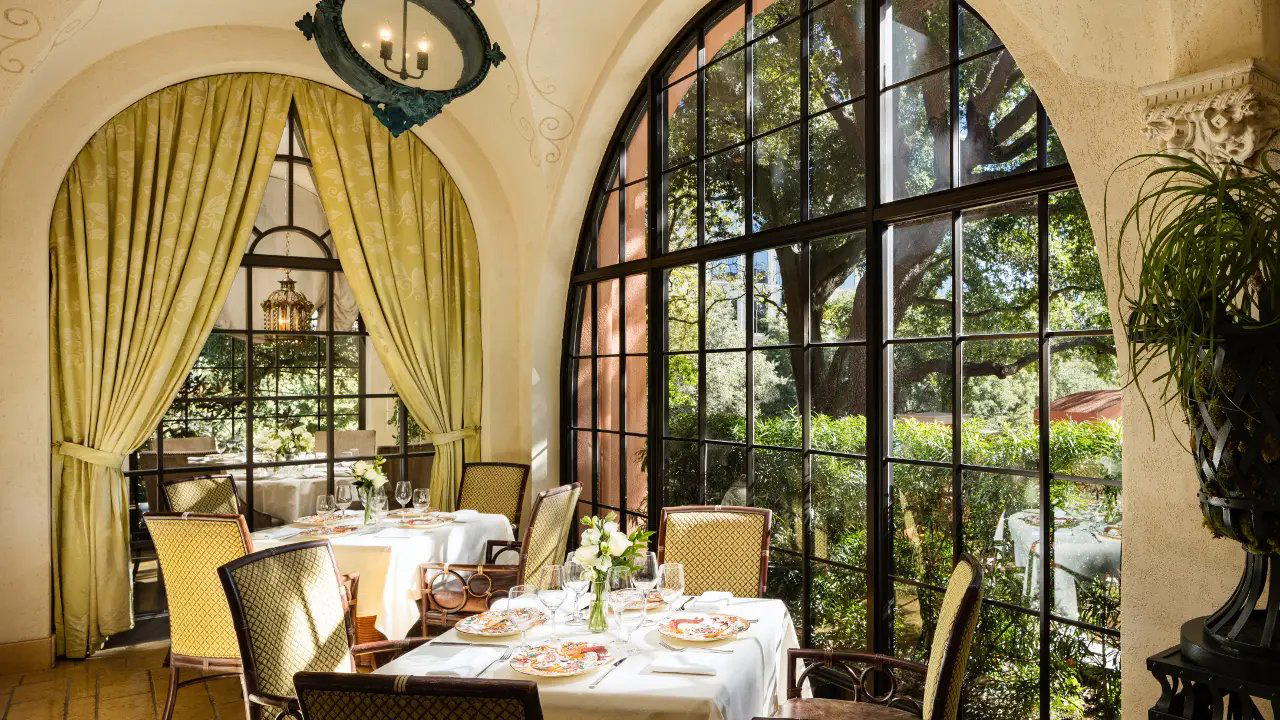
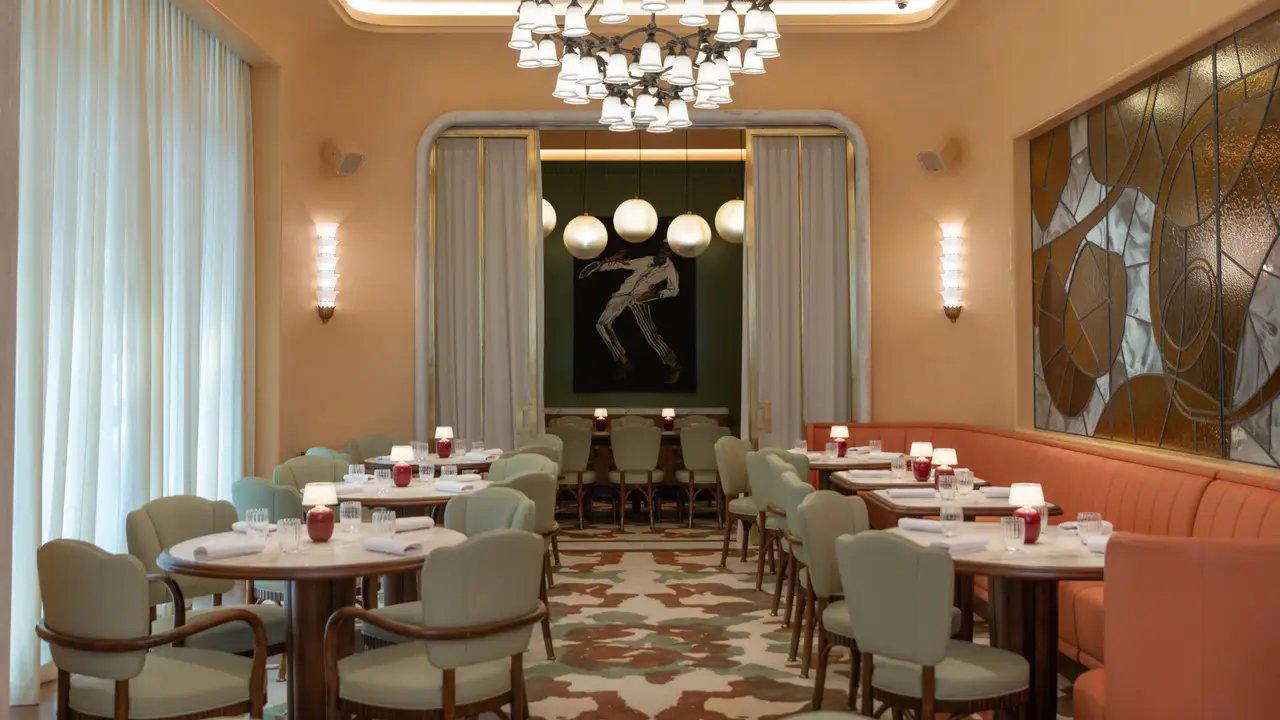
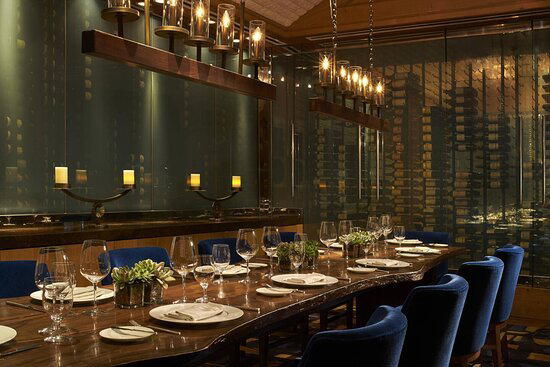
Chic and lively atmosphere with modern design, warm textiles, and lively spaces featuring live music, rooftop pool views, and stylish dining.