Nuri Steakhouse




World's Best Steaks 50 Best #39 · Star Wine List · Wine Spectator Best of Award of Excellence
Our verdict
Nuri Steakhouse in Uptown Dallas places Texas prime beef and Korean culinary tradition on the same plate. The kitchen runs a high-temperature broiler reaching 1,600°F, sources cattle from 44 Farms and Blue Branch Ranch, and draws on Seoul-trained direction alongside Gordon Ramsay North America lineage. Star Wine List recognised the program three times in 2026, including a White Star designation.

Pearl is the En Primeur Club membership app — saves, bookings, and concierge access live there. Same editors, same standards.
- Address
- 2401 Cedar Springs Rd suite 120, Dallas, TX 75201
- Phone
- (469) 270-1745
- Hours
- Mon–Thu 5–10 PMFri–Sat 5–11 PMSun 5–10 PM
- Website
- nuristeakhouse.com
- Directions
- Get directions
- Booking
- Book on OpenTable
The menu
What to order
- Hamachi Ceviche
- Wagyu Dumplings
- Lamb Chops
- Porterhouse
Where Texas Cattle Culture Meets the Korean Table
Uptown Dallas has spent the past decade sorting itself into two recognisable dining modes: the expense-account steakhouse anchored in American tradition, and the wave of Asian-inflected kitchens drawing on Seoul, Tokyo, and Taipei. The name itself signals the frame: nuri means "whole world" in Korean, and the kitchen takes that as a culinary directive rather than mere branding.
The format here belongs to a growing category in American fine dining where Korean technique is not a garnish applied to Western protein but a structural element. You see the same logic at Atomix in New York City, where Korean culinary grammar organises the entire tasting progression, and at cross-cultural houses like Lazy Bear in San Francisco, where a single tradition does not exhaust the kitchen's vocabulary. At Nuri, the anchor is specifically the steakhouse — banchan arrives alongside filet mignon, Korean-marinated short ribs cook on the same broiler as a Texas Akaushi tomahawk — and the result is a restaurant that makes a case for Dallas as a city capable of holding more than one culinary identity at once.
The Meat Program: Sources, Technique, and Format
The sourcing architecture at Nuri reflects a deliberate tiered approach to American beef. Cattle from 44 Farms, a Cameron, Texas producer that has supplied some of the state's more serious steakhouses, and Blue Branch Ranch give the menu a regional Texas foundation. Sitting above that are the Texas Akaushi HeartBrand Reserve cuts, a breed with Japanese Wagyu genetics but raised domestically, including a 36-ounce tomahawk that represents the kitchen's most theatrical format. Wagyu sourced from Japan and Australia extends the range further, positioning the protein selection across three countries and at least two distinct production philosophies.
Dry and wet aging both appear on the menu, which places Nuri in a more technically considered tier than steakhouses that rely exclusively on prime wet-aged product. Dry aging concentrates flavor and firms texture through controlled moisture loss; wet aging preserves tenderness at the cost of some depth. Offering both gives the kitchen flexibility across cuts and signals a kitchen that understands beef as a material with range, not simply a commodity in varying weights.
The central piece of equipment is a Jade broiler rated to 1,600 degrees Fahrenheit. At that temperature, a sear forms in seconds rather than minutes, minimising the window during which surface moisture can impede caramelisation. The practical effect on Korean-marinated short ribs, where sugars in the marinade would ordinarily scorch at lower temperatures before the interior cooks through, is a crust with more complexity and less carbon than a standard gas grill can produce. That technical specificity is what separates this from steakhouses where Korean flavors appear as a sauce option rather than an integrated cooking decision.
For guests who want to assess range without committing to a single large-format cut, the Nuri Tasting Board presents a selection of meats, including the short ribs, filet mignon, and rotating cuts, paired with traditional Korean condiments and banchan. As a format, it functions similarly to the omakase-adjacent tasting structures appearing at Korean fine dining venues across the country, though here anchored to a steakhouse context rather than a purely Korean one.
The Kitchen's Leadership and Culinary Positioning
Executive Chef Mario Hernandez carries experience from Gordon Ramsay North America kitchens, a high-volume fine dining network that applies rigorous French-influenced technique across large operations. That background surfaces in the precision of the meat cookery and the formal structure of the menu. Culinary Director Minji Kim, who brings Seoul-trained credentials, anchors the Korean side of the program with authority that goes beyond stylistic reference.
That combination of Western technical discipline and Korean culinary knowledge from source is what distinguishes the kitchen from steakhouses that append Korean elements without the corresponding expertise. Comparable dual-tradition authority appears in a different category at 8½ Otto e Mezzo Bombana in Hong Kong, where Italian culinary depth operates in a non-Italian context, the benchmark being whether the secondary tradition feels grafted on or genuinely inhabited. At Nuri, the banchan and the Korean marinades read as structural rather than decorative.
The Wine Program
Star Wine List awarded Nuri three separate recognitions in 2026, including placement at #1, #2, and #3 on its Dallas list, alongside a White Star designation. The White Star is Star Wine List's credential for programs that demonstrate depth, curation, and value rather than simply scale. In practice, that means a wine list with considered pairings rather than a default-to-Napa steakhouse list, which is the expected format at this price tier in Dallas.
For context on what this means within the Dallas dining scene: the wine program at Nuri has earned the kind of external recognition that most Uptown steakhouses have not, placing it alongside restaurants that take the pairing seriously rather than treating the cellar as an afterthought to the meat. This matters particularly for Korean-inflected cooking, where umami-heavy marinades and fermented condiments require different pairing logic than a direct American steak. The Uptown tier in Dallas sits between the entertainment-focused Deep Ellum scene and the formal power-dining rooms of downtown, and the neighbourhood has increasingly collected restaurants that operate at fine-dining ambition without the stuffiness historically associated with Dallas expense-account rooms.
Other Uptown and near-Uptown options in the same general price and ambition tier include Al Biernat's, the long-running Oak Lawn steakhouse that represents the traditional Dallas power-dining format, and Tatsu Dallas, which occupies a purely Japanese idiom at the premium tier. For Italian at a similar level, Barsotti's is the relevant reference. Mamani and Casa Brasa complete the picture for those tracking how the city's mid-to-upper tier is diversifying beyond its traditional Southwestern and steakhouse anchors. For the full scope of what Dallas is doing across formats, see our full Dallas restaurants guide, along with resources for hotels, bars, wineries, and experiences in the city. Given the Star Wine List recognition it received in January 2026 and its position within a small category of Korean-inflected fine dining steakhouses in the city, this is a restaurant with a defined audience that books accordingly. Tables at comparable recognition-tier restaurants in Dallas, see Tei-An or Fearing's for the pattern, tend to require advance planning, particularly for weekend evenings and larger format cuts that may have limited availability per service. Arriving with a reservation is advisable rather than optional. For comparable international reference points that illustrate what serious Korean fine dining can look like at full tilt, Atomix in New York and cross-tradition kitchens like Alinea in Chicago, Le Bernardin in New York City, The French Laundry in Napa, Single Thread Farm in Healdsburg, and Emeril's in New Orleans all demonstrate how far the format can travel when the kitchen's dual expertise is genuine.
Frequently asked questions
What do people recommend at Nuri Steakhouse?
The Nuri Tasting Board draws the most attention as a starting point, offering filet mignon, Korean-marinated short ribs, and rotating cuts alongside banchan and traditional Korean condiments. For those focused on a single large-format cut, the 36-ounce Texas Akaushi HeartBrand Reserve tomahawk is the kitchen's most prominent single-cut offering. The short ribs, cooked on a broiler reaching 1,600°F, represent the clearest expression of the restaurant's Korean-Texas integration and have anchored external coverage since the restaurant's appearance on Star Wine List in early 2026. Chef Mario Hernandez's background in Gordon Ramsay North America kitchens and Culinary Director Minji Kim's Seoul training together inform the precision behind all three.
Should I book Nuri Steakhouse in advance?
Given that Star Wine List placed Nuri at #1, #2, and #3 on its Dallas list in 2026 and awarded it a White Star designation, the restaurant occupies a tier where demand routinely outpaces walk-in availability. Dallas fine dining at this recognition level, restaurants drawing both local regulars and visitors specifically seeking cuisine-specific programs, typically operates with booking lead times of one to two weeks for standard evenings, longer for weekend services. The combination of a distinctive format (Korean-inflected steakhouse with a credentialed wine program) and limited-availability large-format cuts like the 36-ounce tomahawk makes advance reservation the practical choice rather than a precaution.
Awards and Standing
A short peer table to compare basics side-by-side.
| Venue | Cuisine | Price | Awards | Notes |
|---|---|---|---|---|
| Nuri SteakhouseThis venue — the venue you are viewing | Asian Fusion Steakhouse | $150–200 | World's Best Steaks 50 Best #39 · Star Wine List | Not listed |
| Lucia | Contemporary Italian | $50–100 | Michelin Bib Gourmand · James Beard Award Semi Finalist | Italian |
| Tei-An | Japanese Soba House | $100–150 | Michelin Plate | Izakaya, Japanese |
| Fearing's | Southwestern American Steakhouse | $100–150 | Michelin Plate · Wine Spectator Award of Excellence | Southwestern, American |
| Tatsu Dallas | Traditional Edomae Omakase | $150–200 | 1 Michelin Star | Japanese |
| Cattleack Barbeque | Texas Barbecue | $20–30 | Michelin Bib Gourmand | Barbecue |
Recognition history
Dated appearances from independent guides and award organizations, with the underlying list record or original source where available.
World's Best Steaks 50 Best Steakhouses in North America #39
World's Best Steaks
Star Wine List
Star Wine List
Wine Spectator Best of Award of Excellence
Wine Spectator
World's Best Wine Lists Awards WBWL 3-Star
World's Best Wine Lists Awards
Full recognition history (5 entries)
World's Best Steaks 101 Best Steak Restaurants #84
World's Best Steaks



Details
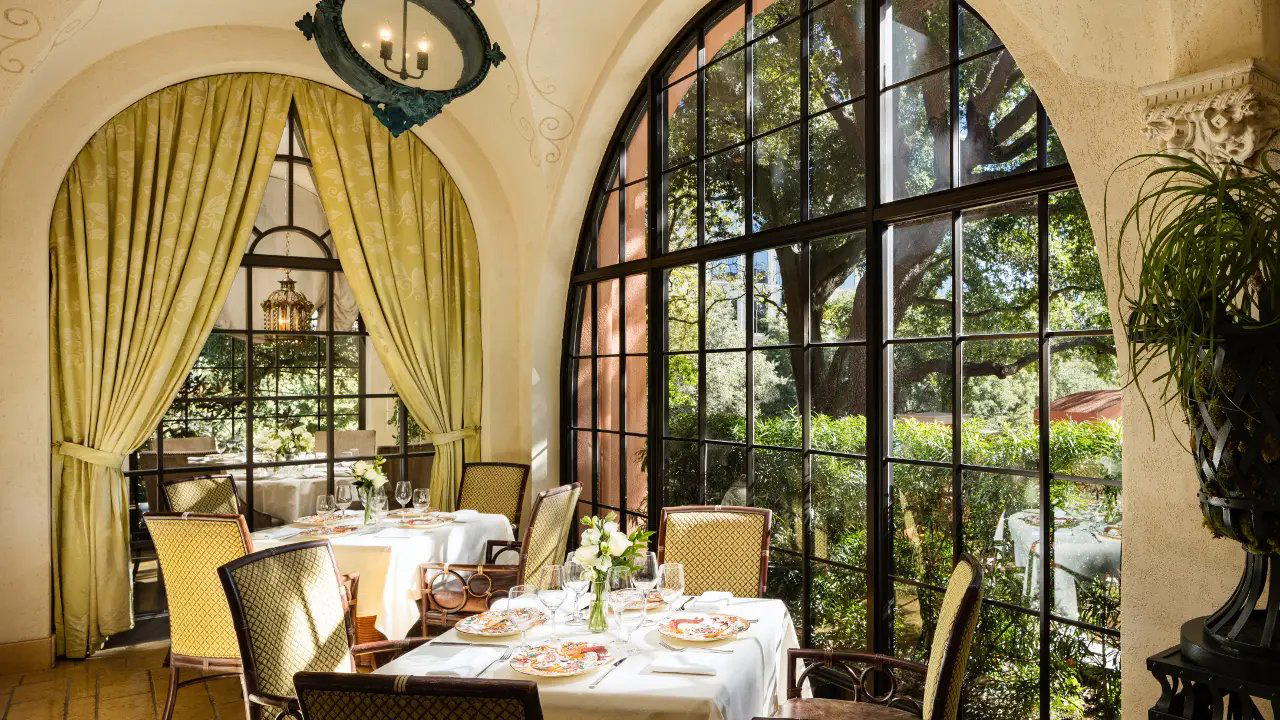
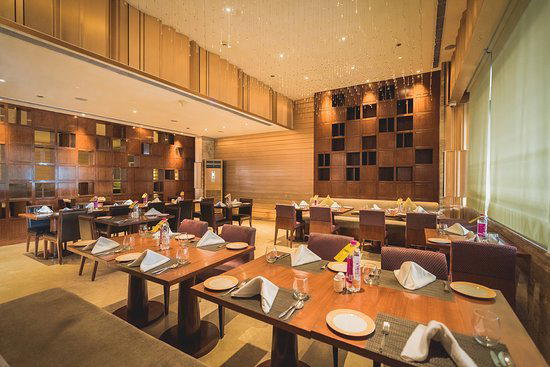
- Elegant
- Sophisticated
- Modern
- Date Night
- Business Dinner
- Special Occasion
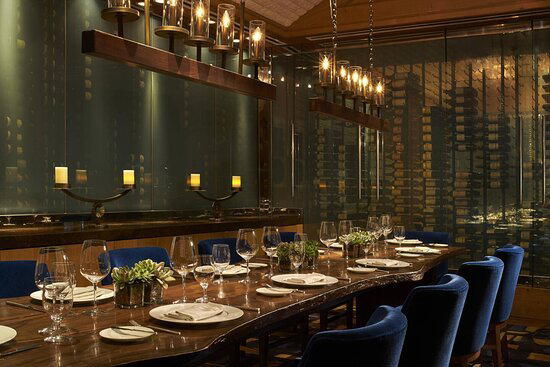
- Private Dining
- Open Kitchen
- Live Music
- Extensive Wine List
- Sommelier Led
- A La Carte
- Wine
- Japanese Whiskey
Current opening hours
- Monday
- 5–10 PM
- Tuesday
- 5–10 PM
- Wednesday
- 5–10 PM
- Thursday
- 5–10 PM
- Friday
- 5–11 PM
- Saturday
- 5–11 PM
- Sunday
- 5–10 PM
Hours can change for holidays and private events. Last verified .
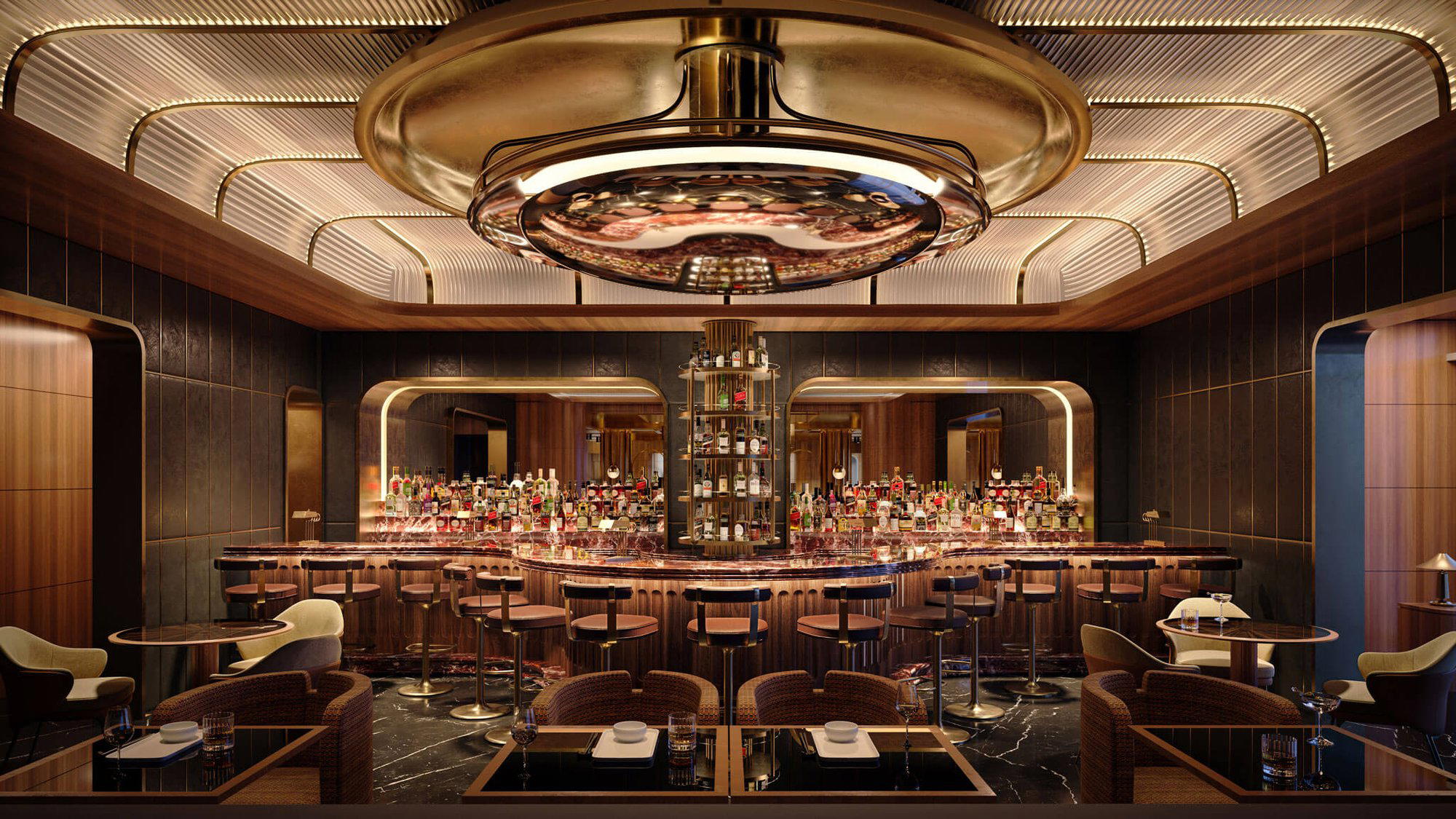
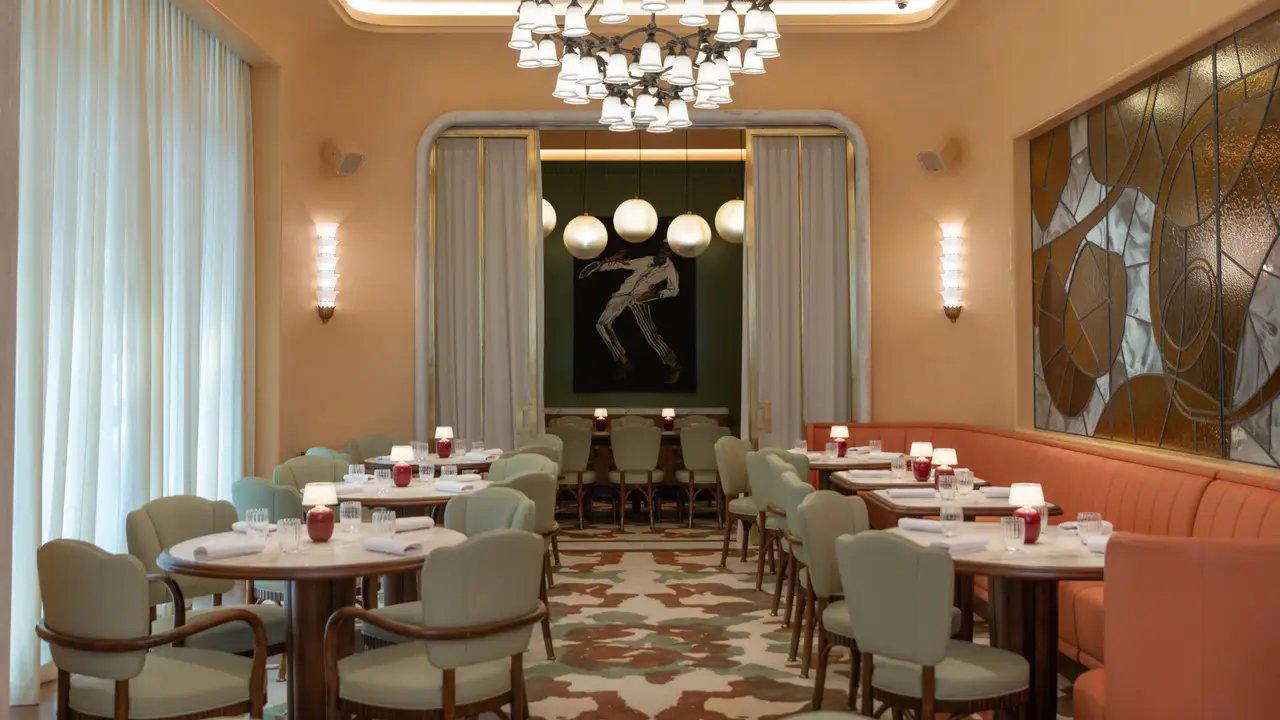
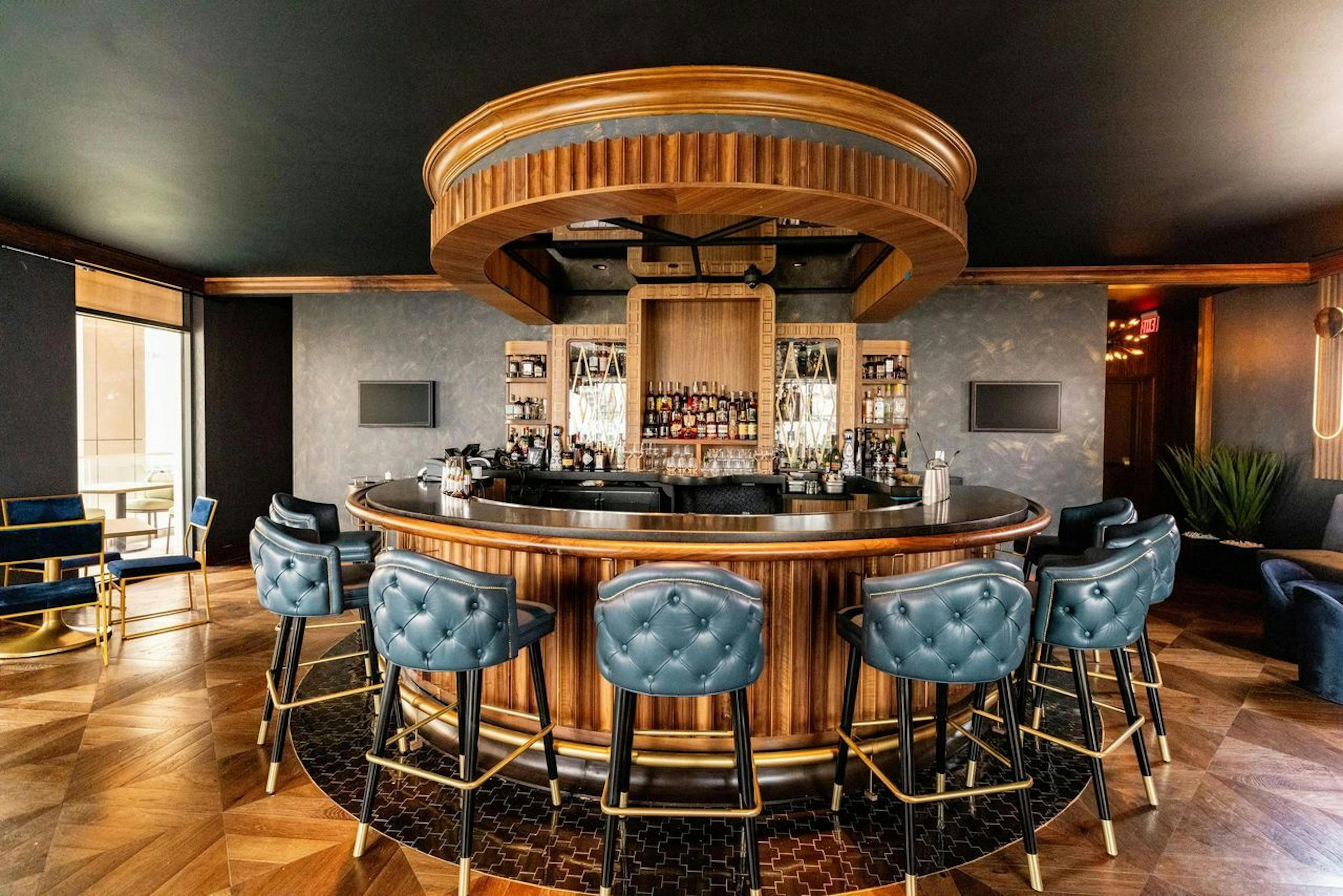
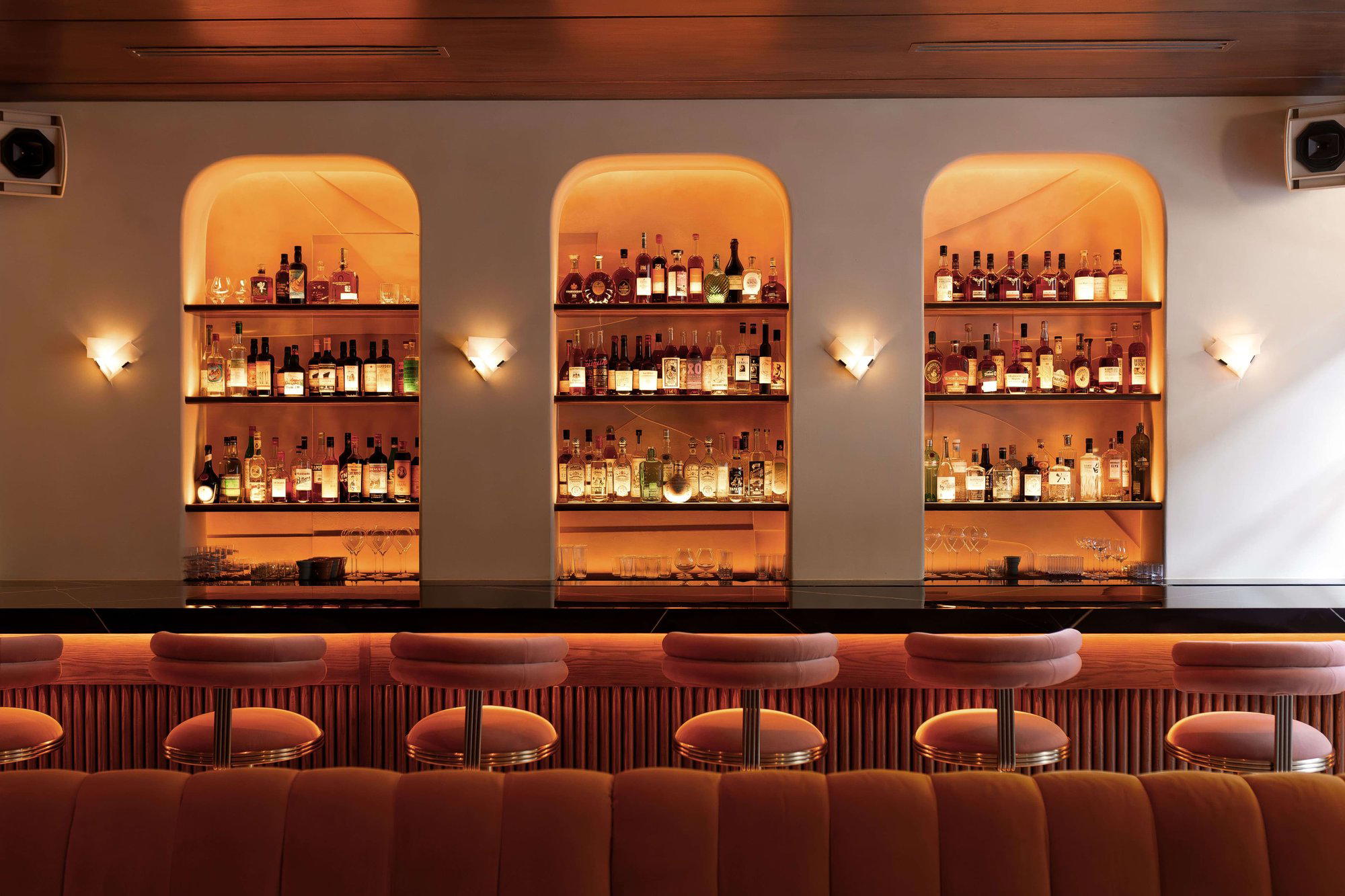
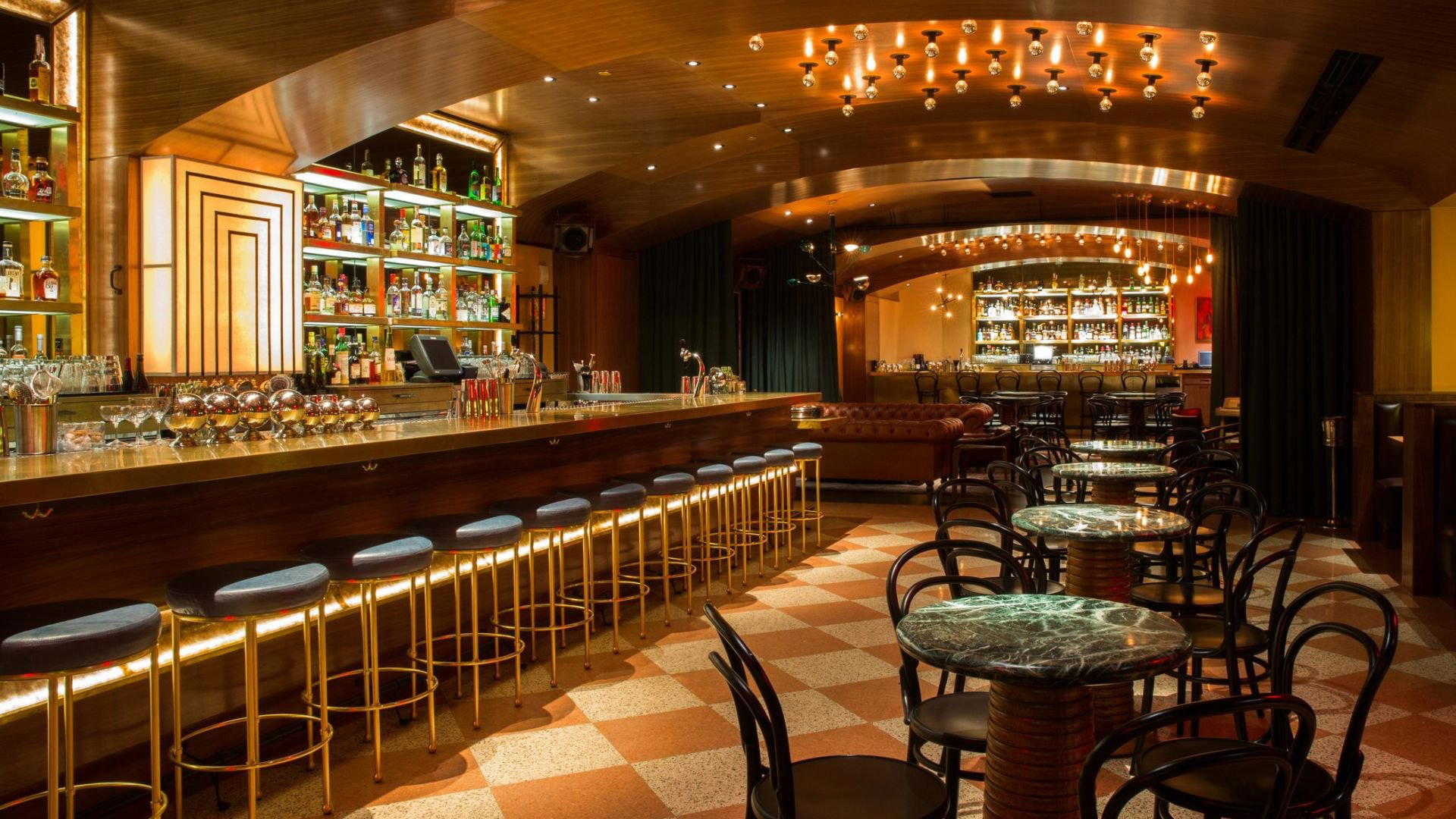
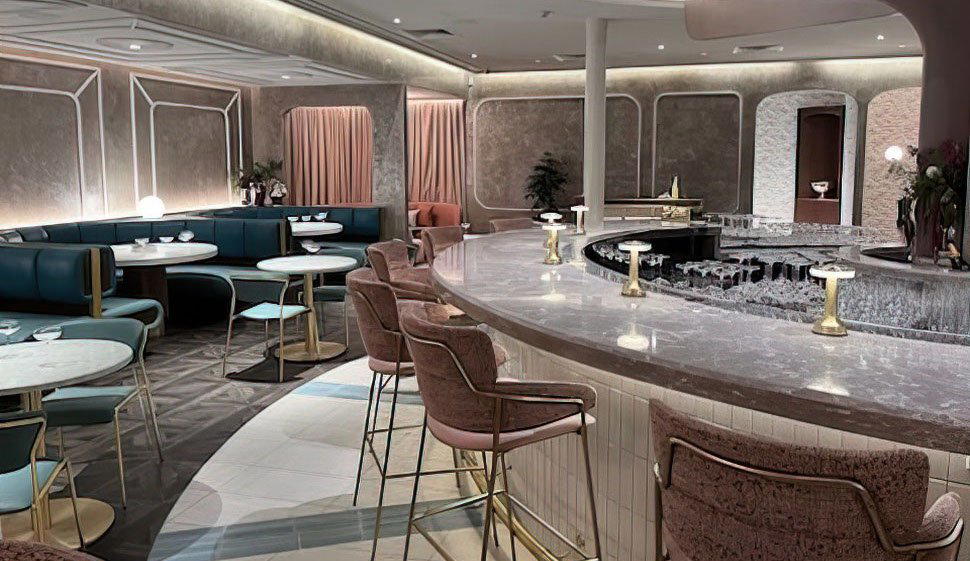
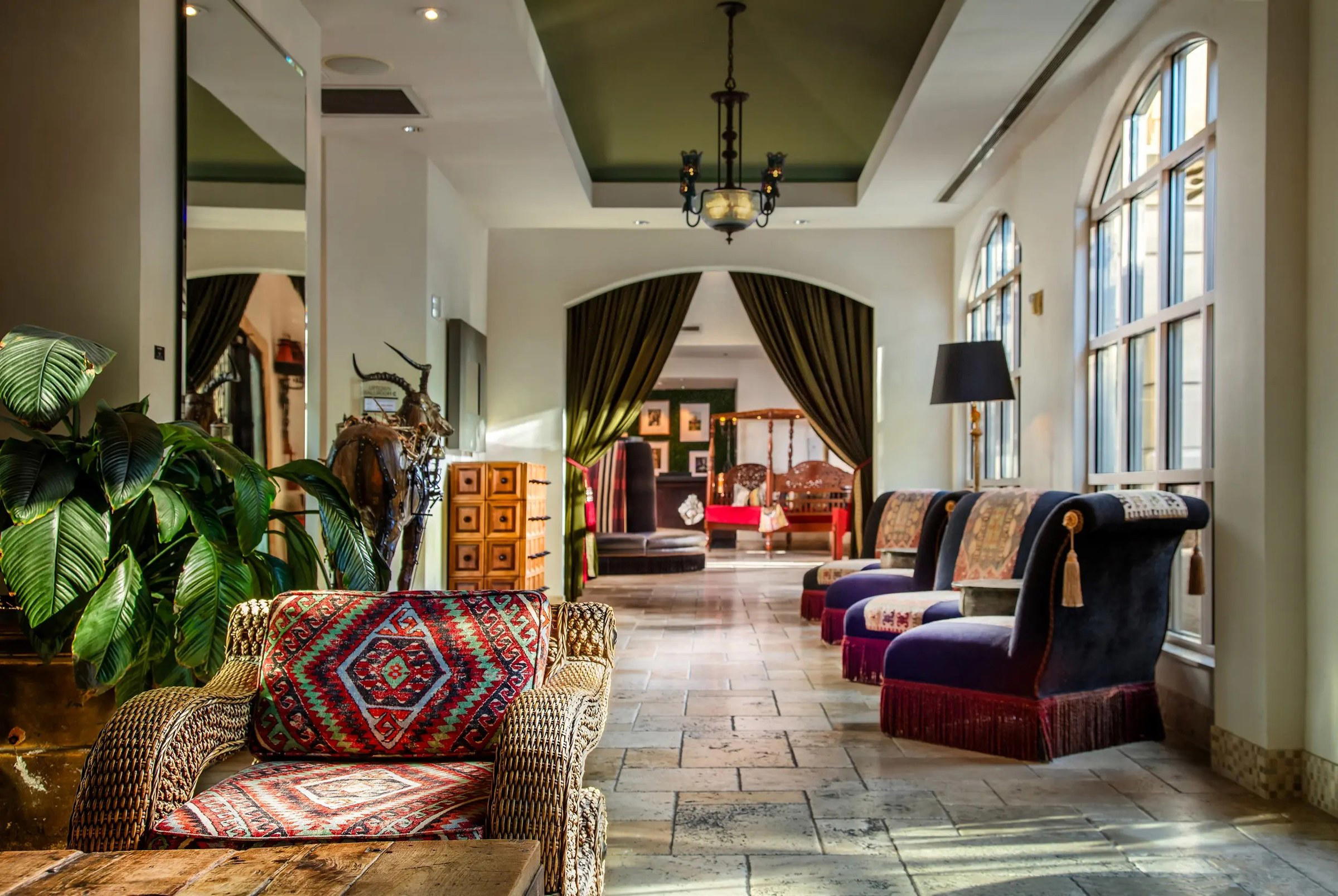
Jazzy art deco with custom illuminations, layered textiles, and a psychic punk twist creating an enchanting, tasteful atmosphere.