At Wredepl. 1 in the centre of Mondsee, Benediktus sits in one of Upper Austria's most food-serious small towns, where alpine produce traditions and lake-country ingredients set the table before any kitchen does. The restaurant draws on the Salzkammergut's larder in a region where farm-to-table is less a trend than a geographic fact. Mondsee's compact dining scene rewards those who look beyond the lakefront cafés.
Pearl is the En Primeur Club membership app — saves, bookings, and concierge access live there. Same editors, same standards.
- Address
- Wredepl. 1, 5310 Mondsee, Austria
- Phone
- +4362325001245
- Website
- schlossmondsee.at
- Directions
- Get directions
 Saves & bookings on Pearl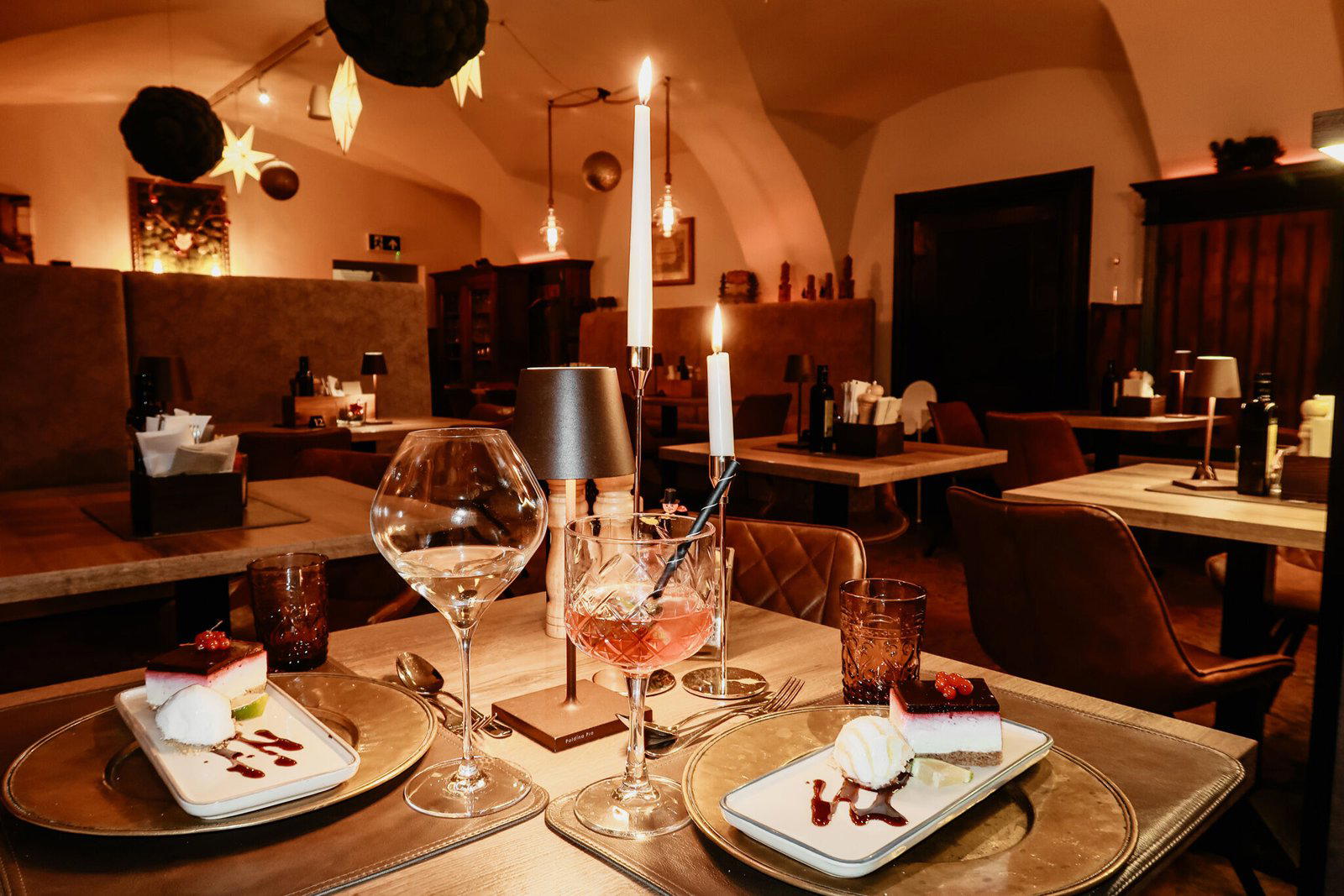
Where the Salzkammergut Sets the Table
Mondsee is a small town with a serious culinary reputation, anchored by the Benedictine abbey that gave the town its name and shaped centuries of agricultural life in the surrounding valleys. The lake itself, one of the warmest in Austria, sits at the centre of a food geography that runs from alpine pastures above the treeline down to market gardens on the shore. Restaurants in this pocket of Upper Austria do not need to reach far for their ingredients; the Salzkammergut delivers them. Benediktus, at Wredepl. 1 in the heart of the old town, occupies that context directly, positioned in a square where the abbey's presence is architectural fact rather than branding exercise.
The broader Austrian dining scene has spent the last decade dividing into two recognisable camps: destination kitchens that draw from across the country's larder with technique-heavy formats (see Steirereck im Stadtpark in Vienna or Döllerer in Golling an der Salzach), and smaller regional tables where the sourcing argument is made by geography rather than a menu header. Benediktus sits closer to the second model, in a town where the supply chain between producer and plate is short enough to be legible.
The Sourcing Logic of the Salzkammergut
Upper Austria's lake district produces a specific kind of ingredient: cold-water fish from the Mondsee and neighbouring Attersee, dairy from cattle that graze at altitude through the warmer months, and root vegetables and pulses that have been grown in the valley floors since the region's monastic estates first systematised their cultivation. The culinary tradition that grew around these inputs is conservative in the leading sense, it does not chase novelty, but it is precise about quality and seasonality in ways that predate the modern farm-to-table movement by several centuries.
Restaurants anchored in this tradition, whether in Mondsee or in comparable Salzkammergut villages, tend to share a few structural features: shorter menus, closer relationships with a fixed set of local producers, and cooking that treats the ingredient as the argument rather than the technique. That places them in a different competitive conversation from the more intervention-heavy kitchens that define Austria's Michelin tier, and closer to places like Lackner (Farm to table) in the same town, or regionally oriented kitchens further afield such as Ois in Neufelden and Kräuterreich by Vitus Winkler in Sankt Veit im Pongau.
Mondsee itself supports a small but concentrated set of restaurants at the serious end of the spectrum. Iris Porsche (Contemporary) and Lackner represent the town's farm-to-table and contemporary threads, while Das O's and Hotel Restaurant Krone fill out a dining scene that punches above its population size.
Approaching the Room
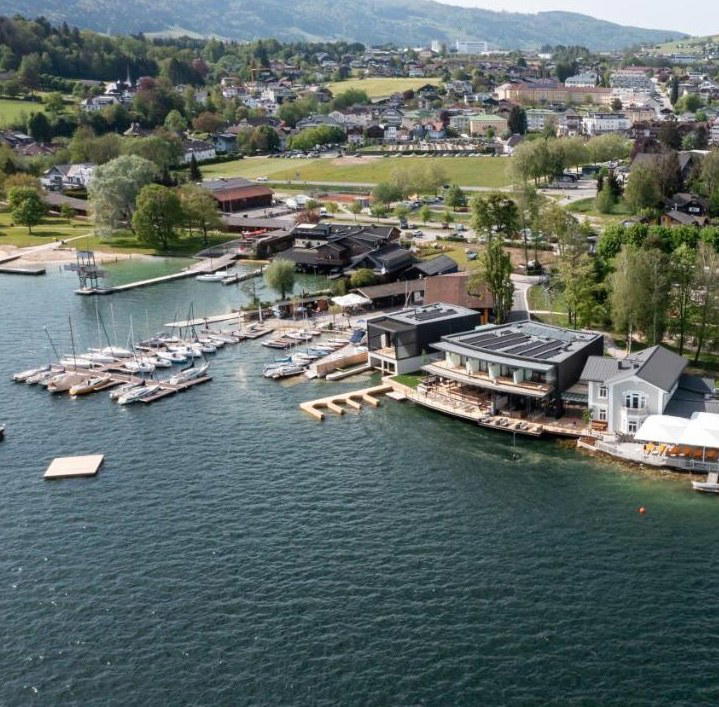
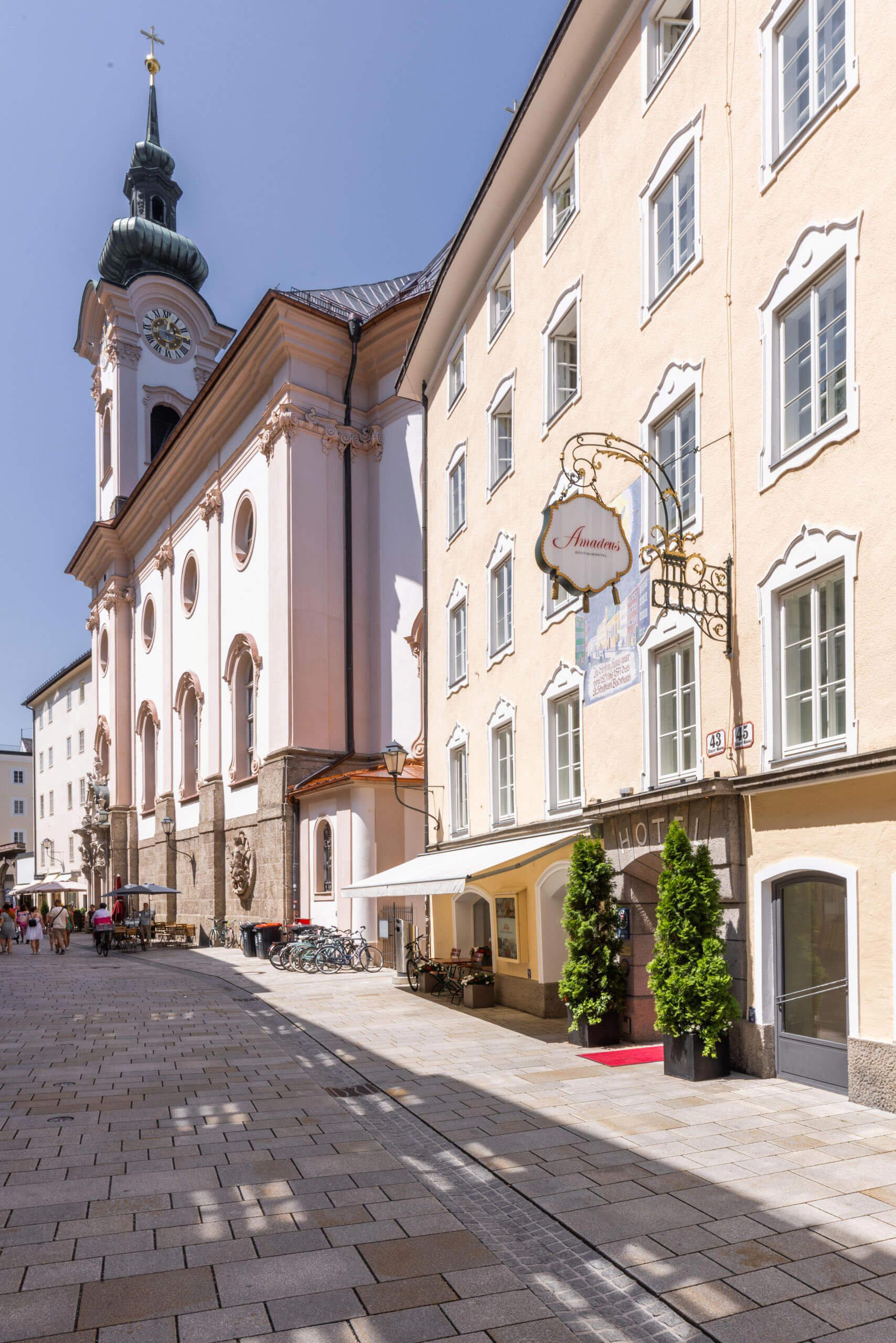
The address, Wredeplatz 1, places Benediktus on the main square immediately adjacent to the abbey complex. The square is a working civic space rather than a tourist set piece: market activity, local foot traffic, the kind of ground-level animation that signals a town still oriented toward its own residents rather than solely toward visitors. Arriving on foot from the lakefront takes roughly five minutes; the abbey's facade is the landmark that orients the approach. The physical environment is stone and plaster, bounded by buildings that have housed a succession of functions since the medieval period. That continuity of place is not incidental to the dining experience, it is the frame within which the sourcing argument makes most sense.
Regional Context and Peer Comparisons
Austria's alpine restaurant scene has produced a range of formats that use the country's mountain and lake geography as both larder and backdrop. At the ambitious end, kitchens like Gourmetrestaurant Tannenhof in Sankt Anton am Arlberg, Stüva in Ischgl, and Schwarzer Adler in Hall in Tirol use alpine produce as the raw material for technically elaborate menus. Further east, Taubenkobel in Schützen am Gebirge represents the Burgenland's own version of the regional-sourcing argument. In the Salzburg orbit, Obauer in Werfen has spent decades making the case that Austrian provincial cooking can sustain serious critical attention, while Landhaus Bacher in Mautern an der Donau and Restaurant 141 by Joachim Jaud in Mieming occupy the mid-country position between Vienna's cosmopolitan dining tier and the alpine west.
Mondsee's restaurants, including Benediktus, operate in a different register from these destination kitchens, closer in spirit to the idea that a town's food culture should reflect the agricultural reality of its surroundings rather than import a style from elsewhere. That is not a lesser ambition; it is a different one, and in a region as ingredient-rich as the Salzkammergut, it carries its own authority.
For international reference points on what serious sourcing-driven cooking looks like at the highest level, Le Bernardin in New York City and Lazy Bear in San Francisco represent two different models of how ingredient provenance can structure an entire kitchen program, the former through relentless focus on a single category, the latter through a communal format that foregrounds the producer relationship explicitly.
Planning a Visit
Mondsee sits approximately 25 kilometres east of Salzburg by road, making it accessible as a half-day or full-day excursion from the city or as part of a longer circuit through the Salzkammergut lake district. The town is compact enough to cover on foot; Wredeplatz is within easy walking distance of both the lakefront and the main car parking areas on the town's edge. The summer months bring higher visitor volumes to the lake, which affects table availability across all of Mondsee's restaurants; advance contact is advisable for weekend dining during July and August.
At-a-Glance Comparison
Comparable venues nearby, for context on price, style, and recognition.
| Venue | Cuisine | Price | Awards | Notes |
|---|---|---|---|---|
| BenediktusThis venue — the venue you are viewing | Austrian with Mediterranean and Italian Influences | $$$ | Not listed | Not listed |
| Das O's | Austrian-Mediterranean Weinbistro | $$ | Not listed | Mondsee |
| Hotel Restaurant Krone | Traditional Austrian with Regional Specialties | $$ | Not listed | Mondsee town center |
| Iris Porsche | Modern Fine Dining with Regional Austrian Influences | $$$$ | Michelin Plate | Marktplatz |
| Lackner | Award-winning Austrian-French Fusion | $$$ | Michelin Plate | Tiefgraben am Mondsee |
| Das O’s | wine_bar | $$$ | Not listed | Mondsee |
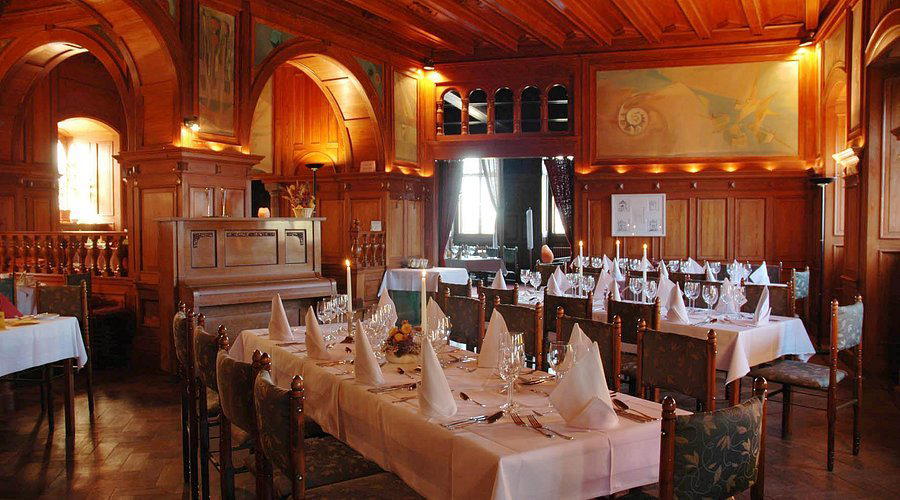
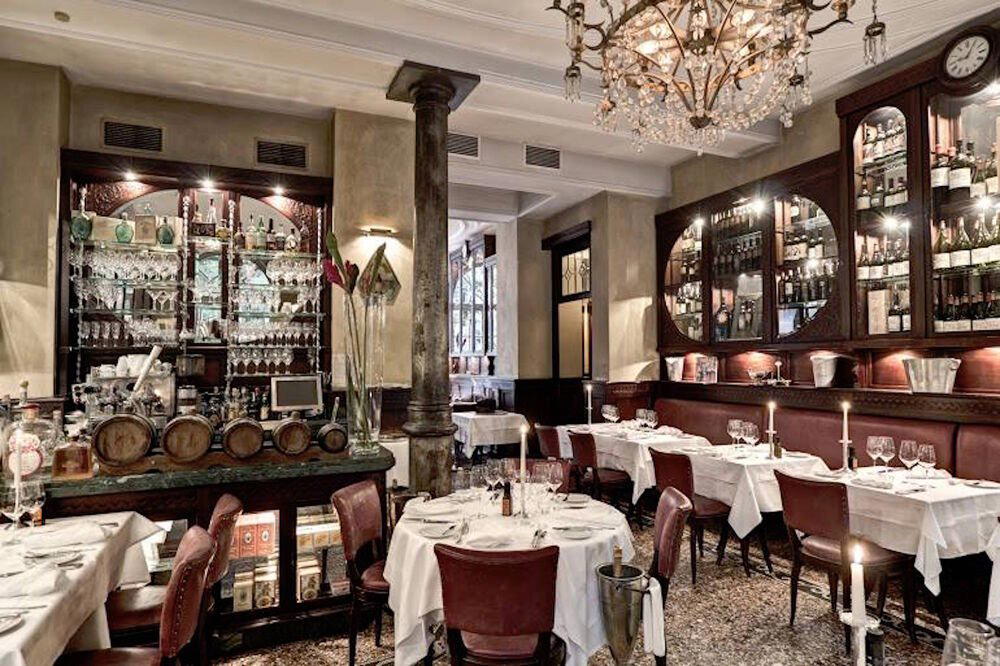
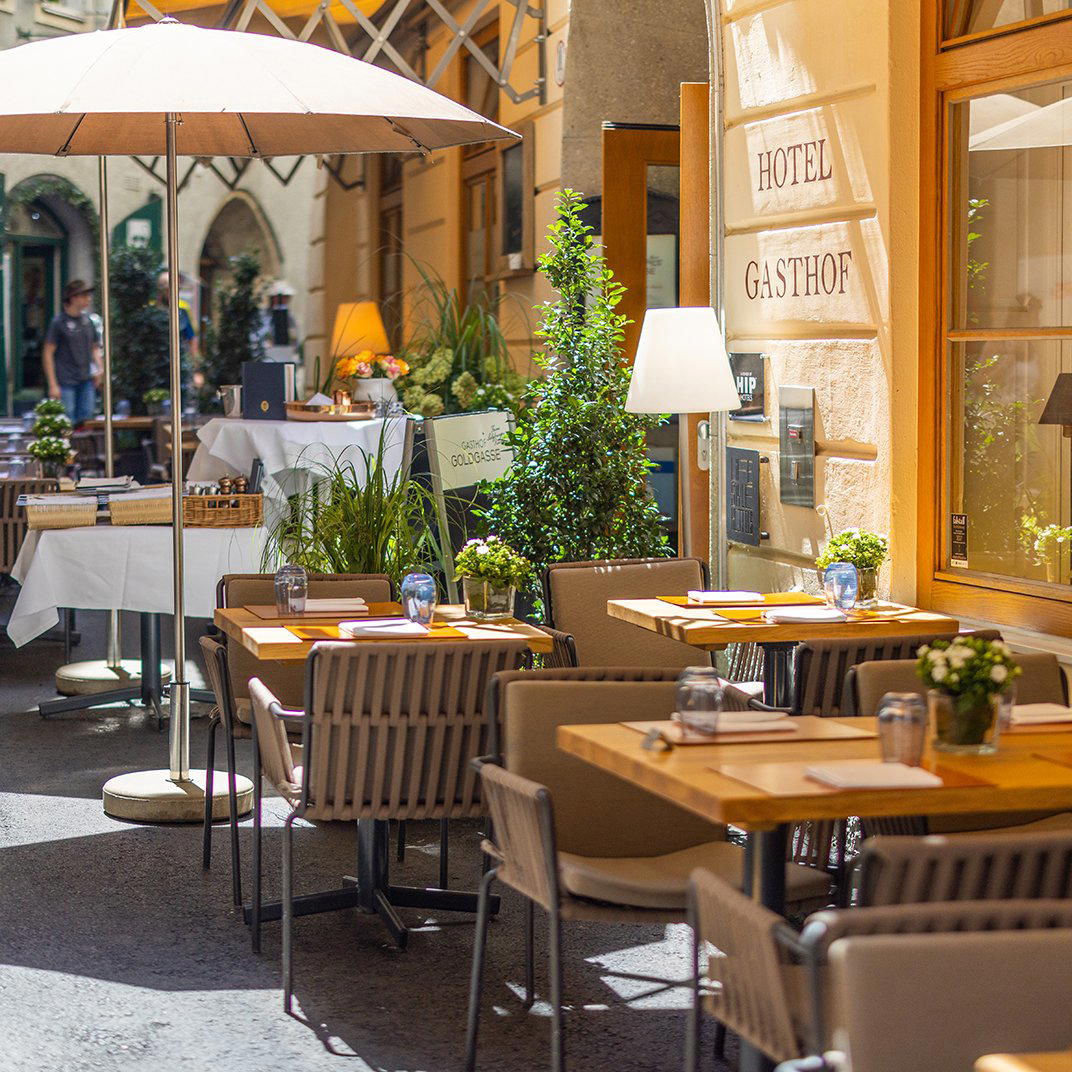
At a Glance
- Cozy
- Rustic
- Modern
- Elegant
- Family
- Group Dining
- Casual Hangout
- Garden
- Hotel Restaurant
- Extensive Wine List
- Local Sourcing
- Garden
Current opening hours
- Monday
- 11 AM–12 AM
- Tuesday
- 11 AM–12 AM
- Wednesday
- Closed
- Thursday
- 11 AM–12 AM
- Friday
- 11 AM–12 AM
- Saturday
- 10 AM–12 AM
- Sunday
- 9 AM–12 AM
Hours can change for holidays and private events. Last verified .
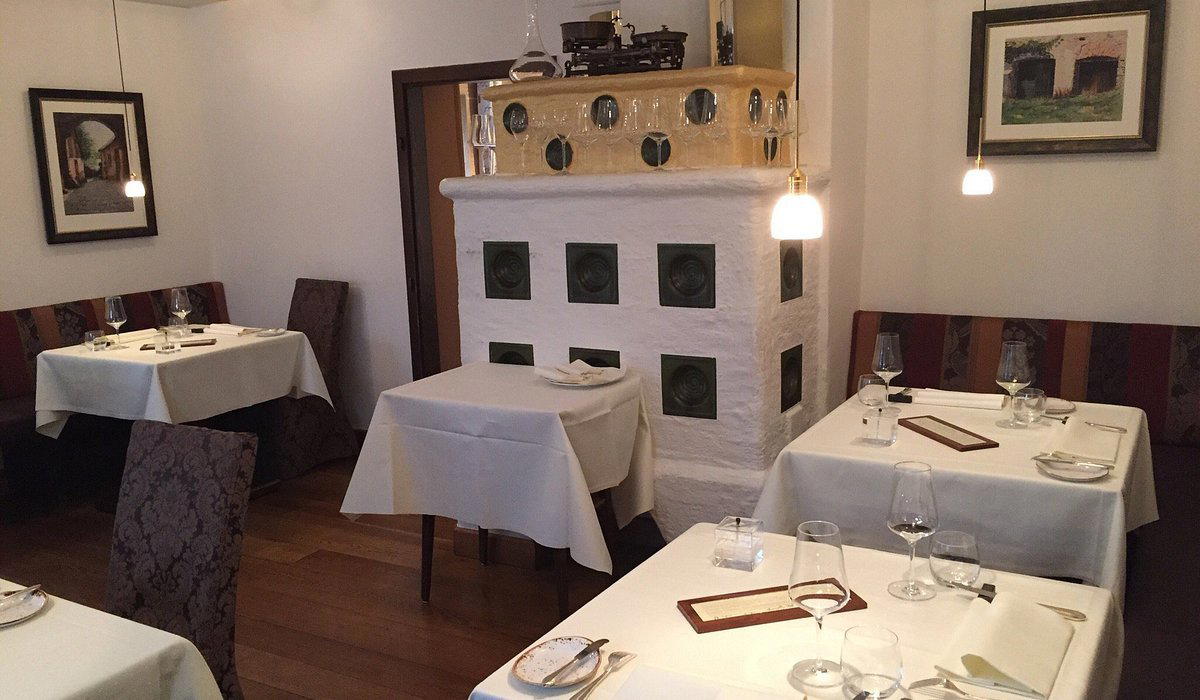
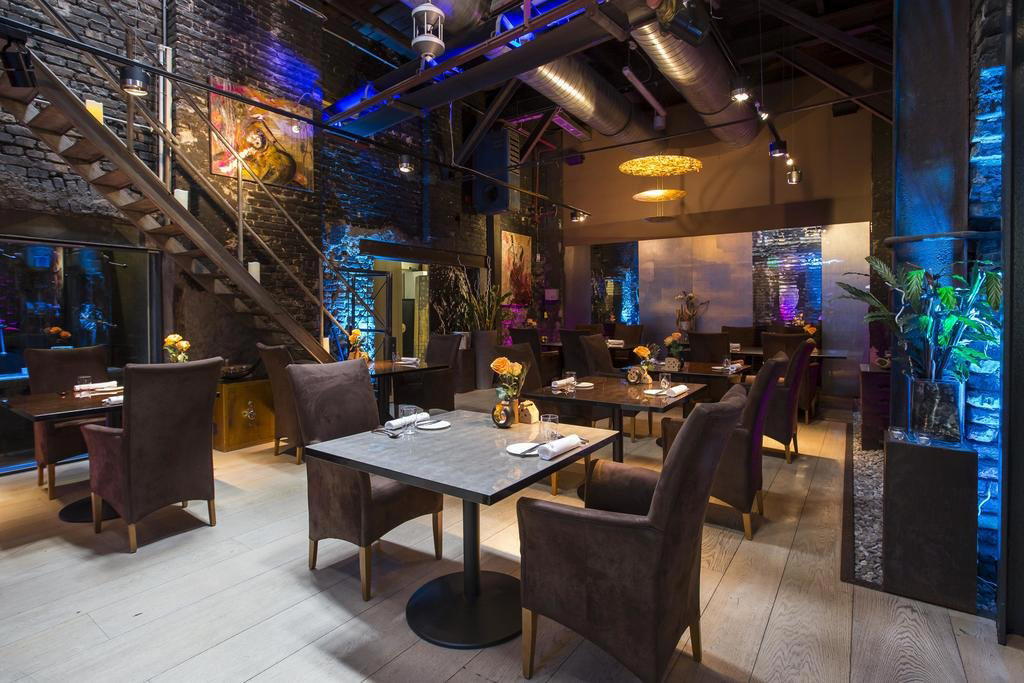
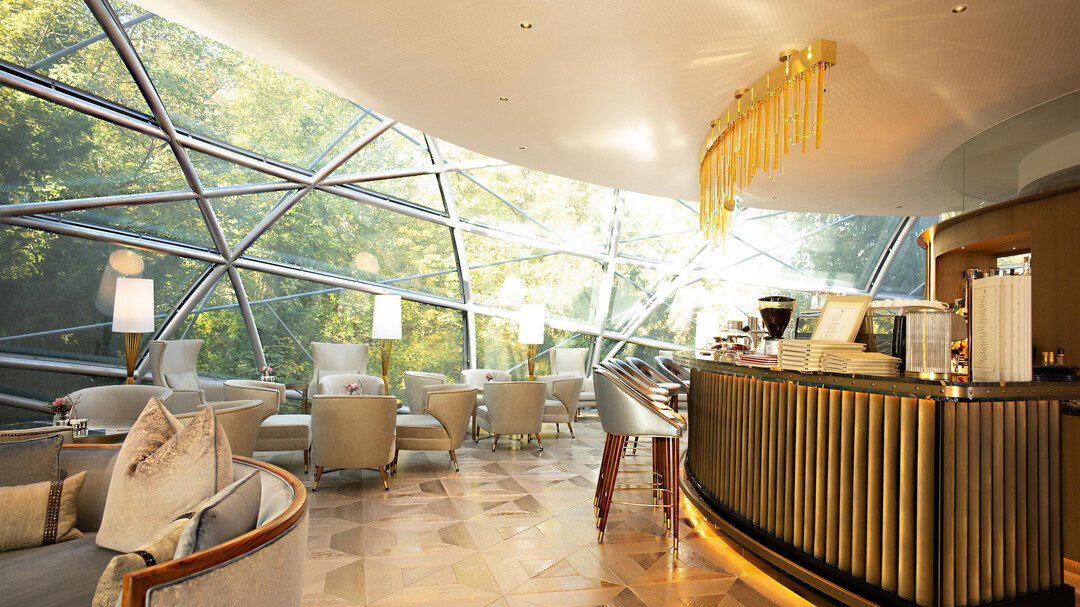
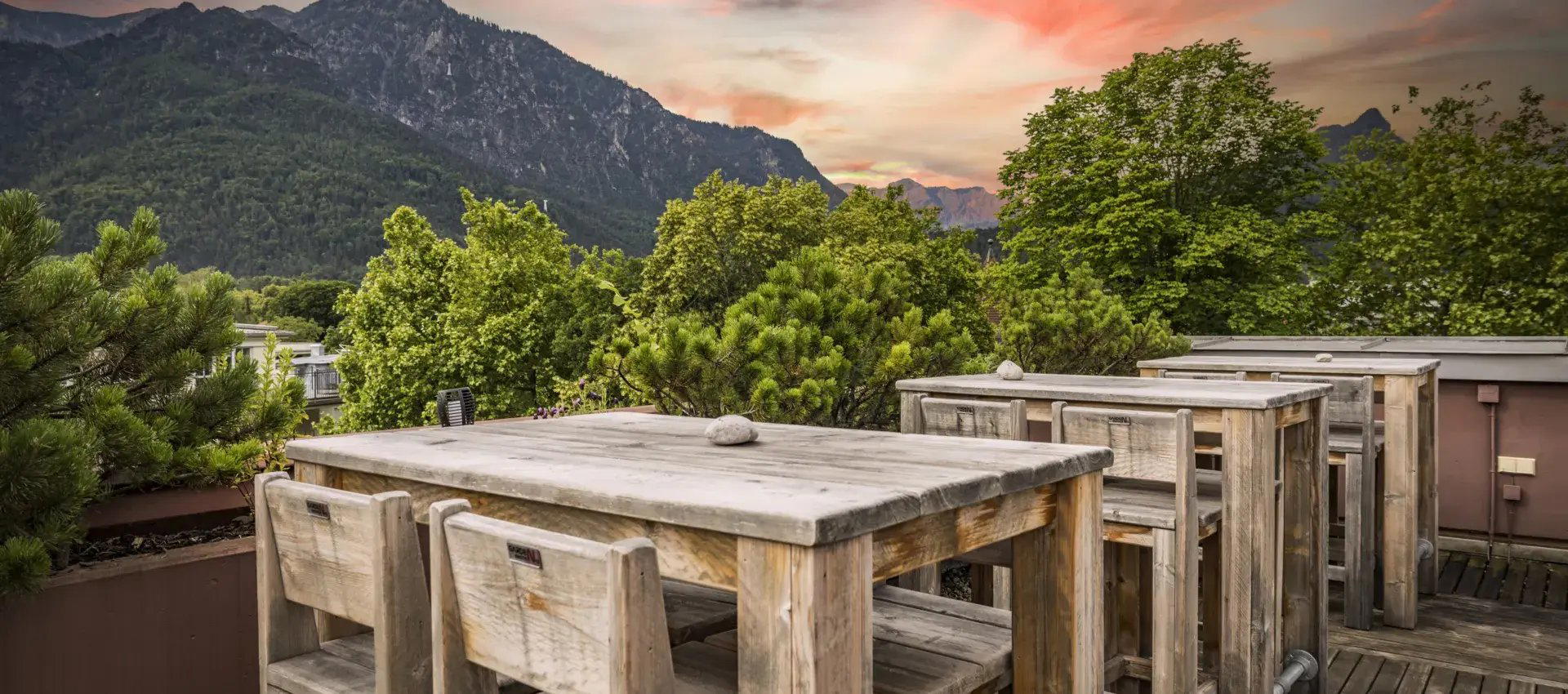
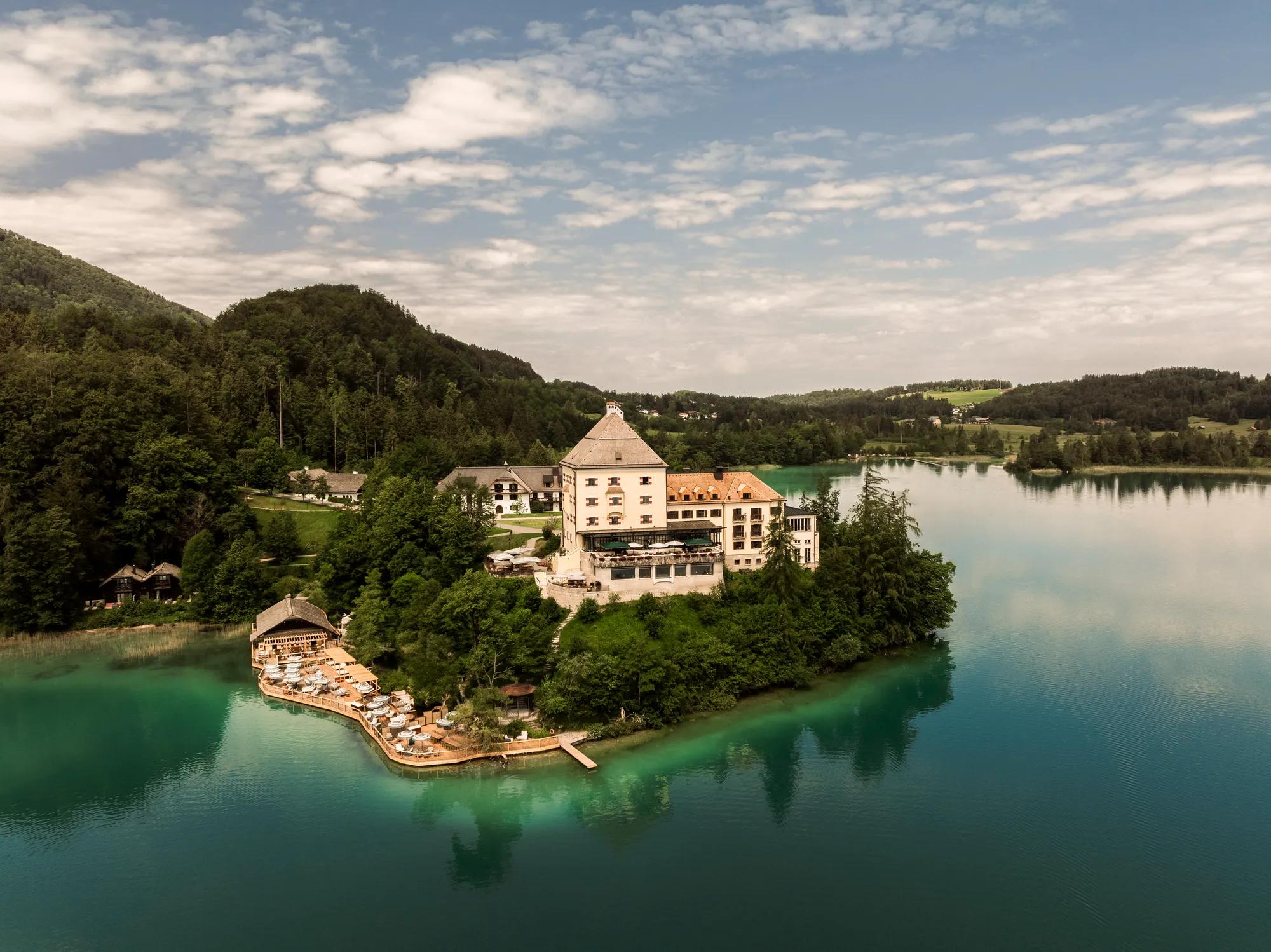
Cozy atmosphere with a mix of rustic and modern elements, featuring a lovely garden area out back.