
Where Alpine Ingredients Meet the Table Obertauern sits at roughly 1,740 metres above sea level, which makes it one of the highest ski resorts in the Austrian Alps and, by extension, one of the more serious year-round mountain communities in the...
Pearl is the En Primeur Club membership app — saves, bookings, and concierge access live there. Same editors, same standards.
- Address
- Rosenweg 1, 5562 Obertauern, Austria
- Phone
- +43645673540
- Website
- fritzundfriedrich.com
- Directions
- Get directions
 Saves & bookings on Pearl
Where Alpine Ingredients Meet the Table
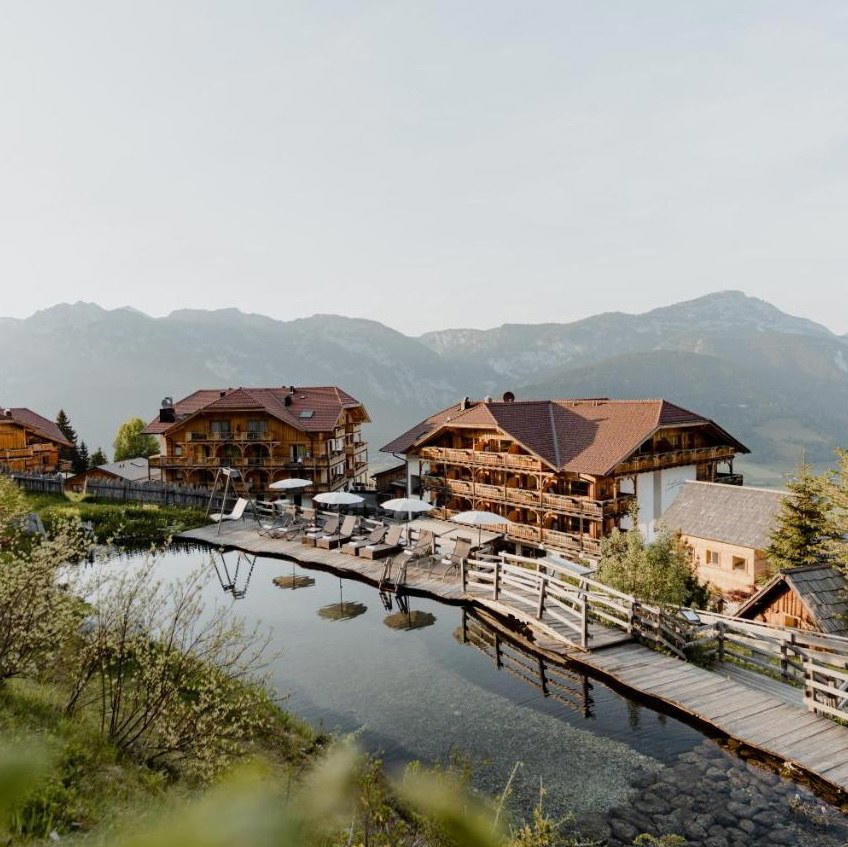
Obertauern sits at roughly 1,740 metres above sea level, which makes it one of the highest ski resorts in the Austrian Alps and, by extension, one of the more serious year-round mountain communities in the Salzburger Land region. The road into town from Tweng climbs through a narrow valley where the treeline thins quickly and the pasture gives way to exposed rock. In that setting, the question of where ingredients come from is not a marketing exercise, it is a practical reality. Altitude and season determine what is available, and restaurants that take the sourcing question seriously tend to anchor menus to what the surrounding valleys and farms can actually deliver rather than importing standardised product from lowland suppliers.
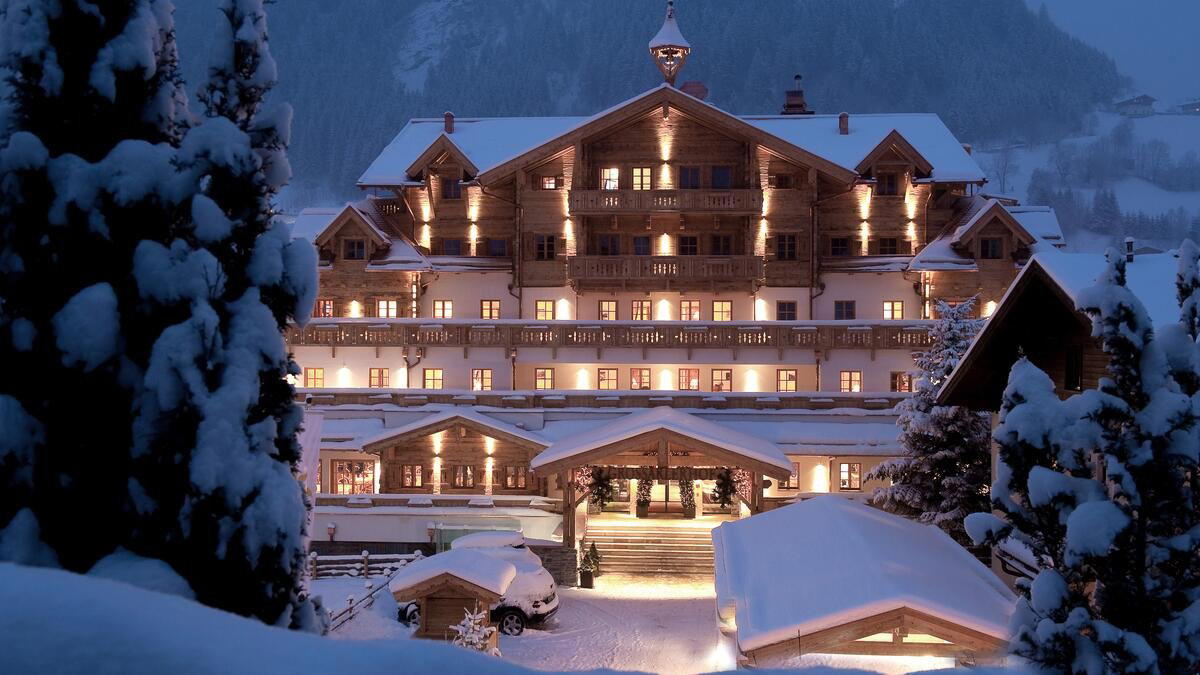
FRITZ & FRIEDRICH operates in this context at Rosenweg 1 in Obertauern, a short distance from the resort's central lift infrastructure. The Obertauern cluster is smaller and less internationally marketed than Lech or Ischgl, which keeps the local dining scene oriented toward resident and repeat visitor appetite rather than mass-market resort formula. That distinction matters when assessing what a place like FRITZ & FRIEDRICH represents within its immediate comparable set.
The Sourcing Frame: Austrian Alpine Dining and Its Ingredient Logic
Austria's serious restaurant scene has spent the past two decades moving toward a coherent regional sourcing philosophy. At one end sits Steirereck im Stadtpark in Vienna, operating at the creative apex of the country's dining conversation. At the other end are the mountain establishments, places where the sourcing story is less about provenance as aesthetic and more about the practical relationship between altitude, climate, and what the kitchen can legitimately call local. Döllerer in Golling an der Salzach has built a sustained reputation around exactly that frame, and Obauer in Werfen represents the classic-cuisine end of Salzburg province fine dining with similar sourcing discipline.
In the Salzburg highlands, the ingredient palette is specific: game from the surrounding forests, dairy from high-altitude pastures, freshwater fish from cold mountain rivers, and root vegetables and grains from the valley floors. Restaurants that take this palette seriously produce menus that shift meaningfully with the season, a late-autumn service will look different from a January one, not because the kitchen is chasing trend but because the supply genuinely changes. This is the tradition within which a Obertauern address like FRITZ & FRIEDRICH operates, and it is the right lens through which to assess the kitchen's ambitions.
Obertauern in the Salzburger Land Restaurant Context
The Salzburger Land restaurant circuit extends across several distinct towns and elevations. Kräuterreich by Vitus Winkler in Sankt Veit im Pongau has built a specific reputation around herb-led cuisine that pushes the sourcing idea into a culinary identity. Further west in the Tirol, Gourmetrestaurant Tannenhof in Sankt Anton am Arlberg and Griggeler Stuba in Lech occupy the luxury resort dining tier, where the physical environment is as much part of the proposition as the plate. Stüva in Ischgl works the same format at a larger resort scale.
Obertauern sits between these poles. It is not a village restaurant in the mould of Ois in Neufelden, which operates outside the resort circuit entirely, nor is it a Michelin-flagged destination drawing visitors from Vienna. It is a working mountain resort restaurant addressing guests who are present primarily for the skiing and the altitude, which shapes the format and the expectations in ways that are worth understanding before a visit.
Within the immediate Tweng and Obertauern area, nearby options include Panorama and Restaurant Panorama, both operating in the same resort context. See our full Tweng restaurants guide for a broader map of the local dining options at this elevation.
What the Alpine Setting Implies for the Kitchen
High-altitude kitchens operate under constraints that lowland restaurants rarely face. Supply logistics are harder in winter, when the pass road above Tweng can close or become unreliable. This creates a built-in incentive for kitchens to work with preserved, cured, and cellared ingredients alongside fresh product, techniques that are traditional in Alpine cooking and increasingly valued in the broader European dining conversation. The result, when done with discipline, is a kitchen vocabulary that spans fresh game and dairy alongside smoked meats, aged cheeses, and fermented preparations that bridge seasons.
Comparatively, restaurants like Landhaus Bacher in Mautern an der Donau and Taubenkobel in Schützen am Gebirge work the Austrian classic and modern French-influenced tiers from lowland positions with more consistent year-round supply. The mountain kitchen proposition is different: scarcity and season are assets, not problems, and the leading Salzburg-area mountain restaurants have made that their editorial argument. Schwarzer Adler in Hall in Tirol and Restaurant 141 by Joachim Jaud in Mieming work similar terrain from Tyrolean bases.
For diners who approach the question of sourcing from a global reference point, the Austrian Alpine approach shares structural DNA with Scandinavian new-Nordic thinking and with what places like Lazy Bear in San Francisco have built around foraged and preserved ingredients. The mechanics differ, the Austrian tradition is older and less codified as a movement, but the underlying logic is comparable. Ikarus in Salzburg takes a different path, hosting rotating guest chefs to bring external references into the Austrian context, which is the opposite strategy from a kitchen committed to what the local elevation provides.
Planning a Visit
FRITZ & FRIEDRICH is located at Rosenweg 1, 5562 Obertauern, Austria. Obertauern is accessible from Salzburg by car via the B99 pass road through Radstadt, a drive of approximately 90 minutes depending on road and weather conditions. The resort operates as a ski destination from roughly late November through April, which is when visitor volumes at restaurants in the area are highest and when advance planning around table availability is most relevant. Outside ski season, Obertauern attracts hiking and summer visitors, though at lower density.
In Context: Similar Options
Comparable venues nearby, for context on price, style, and recognition.
| Venue | Cuisine | Price | Notes |
|---|---|---|---|
| FRITZ & FRIEDRICHThis venue — the venue you are viewing | Asian-Alpine Fusion | $$$ | Not listed |
| Panorama | Austrian Gourmet | $$$ | Tweng |
| Restaurant Panorama | Modern Regional Austrian Fine Dining | $$$ | Obertauern |
| magazin | Austrian-International Fusion | $$$ | Mönchsberg |
| Q Restaurant | Modern Fusion Cuisine | $$$ | Windischgarsten |
| Maestro by Eden | Creative Fusion Tapas | $$$ | Linke Altstadt |
Recognition history
Dated appearances from independent guides and award organizations, with the underlying list record or original source where available.
Falstaff Restaurant - 90 Falstaff Points
Falstaff
Continue exploring
More in Tweng
Restaurants in Tweng
Browse all →
Bars in Tweng
Browse all →


Hotels in Tweng
Browse all →
Wineries in Tweng
Browse all →
At a Glance
- Elegant
- Cozy
- Sophisticated
- Date Night
- Special Occasion
- Hotel Restaurant
- Local Sourcing
- Mountain
Current opening hours
- Monday
- Closed
- Tuesday
- Closed
- Wednesday
- 6:30–11 PM
- Thursday
- 6:30–11 PM
- Friday
- 6:30–11 PM
- Saturday
- 6:30–11 PM
- Sunday
- 6:30–11 PM
Hours can change for holidays and private events. Last verified .
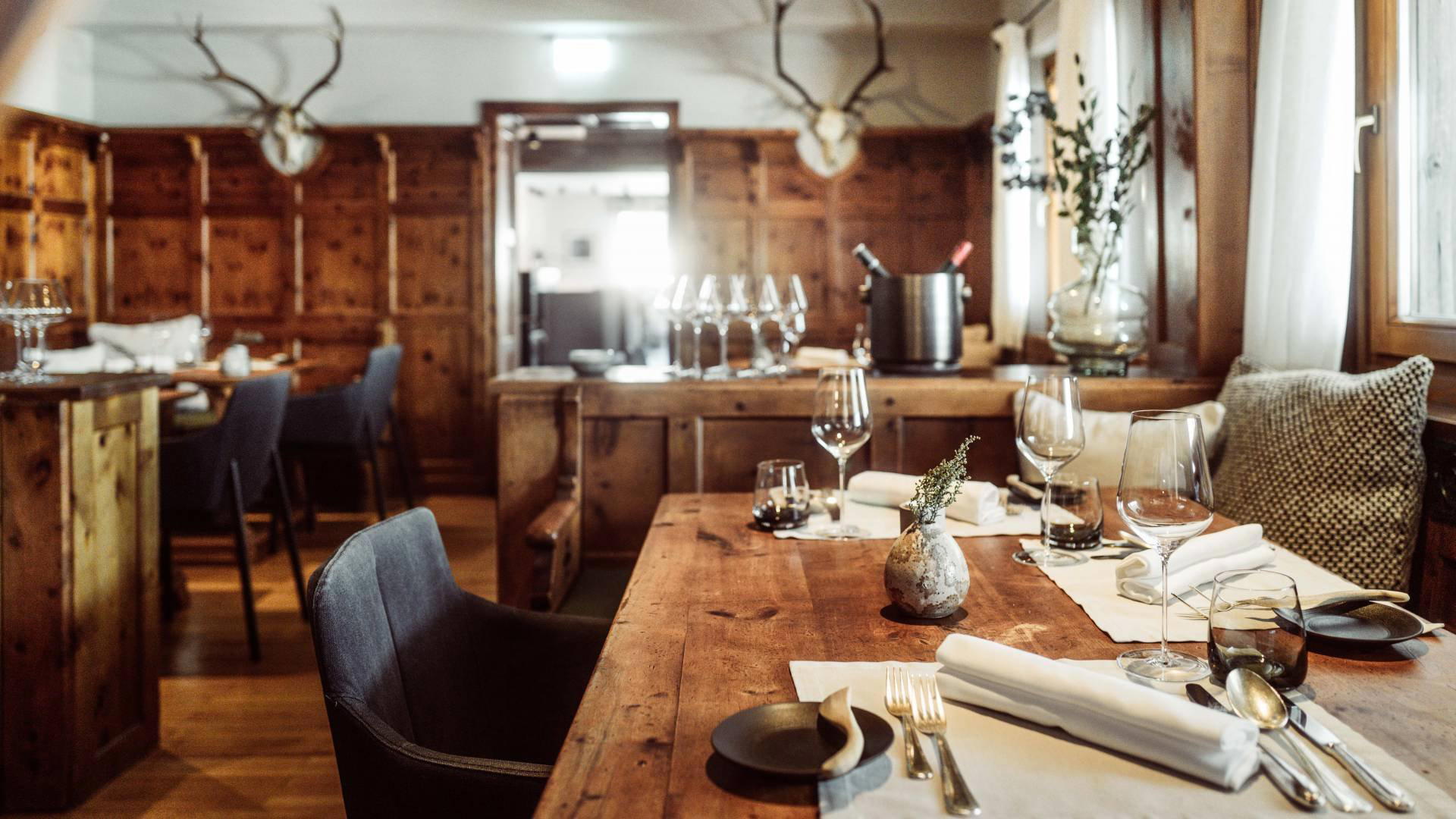
Cozy lounge atmosphere with fireplace in the hotel setting.