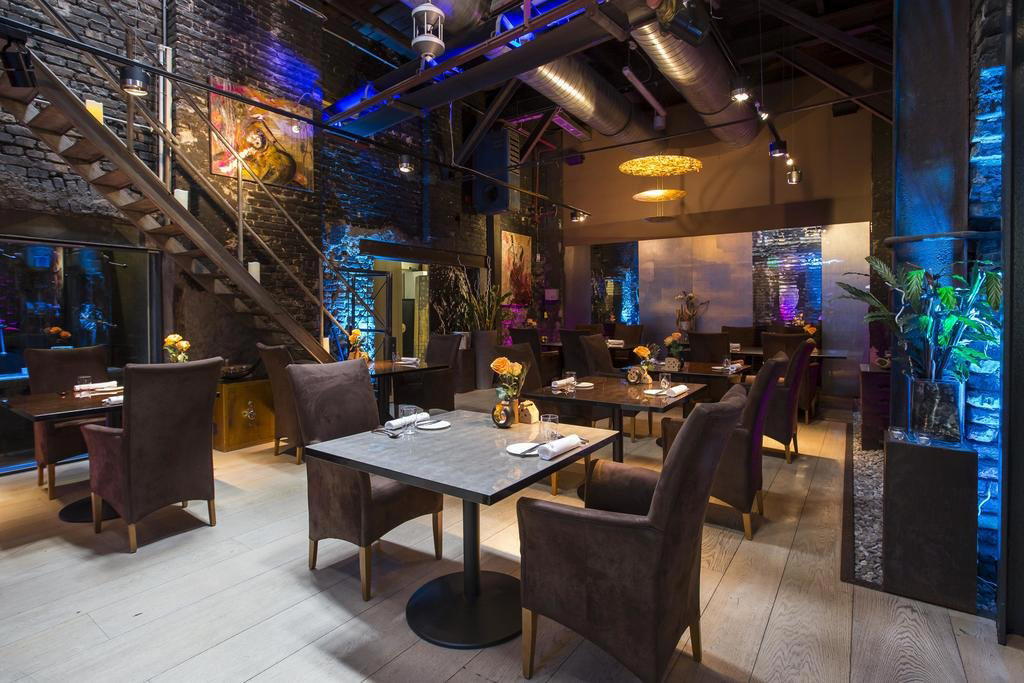
Maestro by Eden occupies a address on Hofstallgasse 4 in Salzburg's historic core, placing it within a city that has built one of Austria's more concentrated fine-dining scenes outside Vienna. The restaurant sits in a tier where ritual and pacing matter as much as the plate, and where the broader Salzburg dining tradition, formal without being stiff, classical without being static, sets the frame for the experience.
Pearl is the En Primeur Club membership app — saves, bookings, and concierge access live there. Same editors, same standards.
- Address
- Hofstallgasse 4, 5020 Salzburg, Austria
- Phone
- +4367764446588
- Website
- maestro-salzburg.at
- Directions
- Get directions
 Saves & bookings on Pearl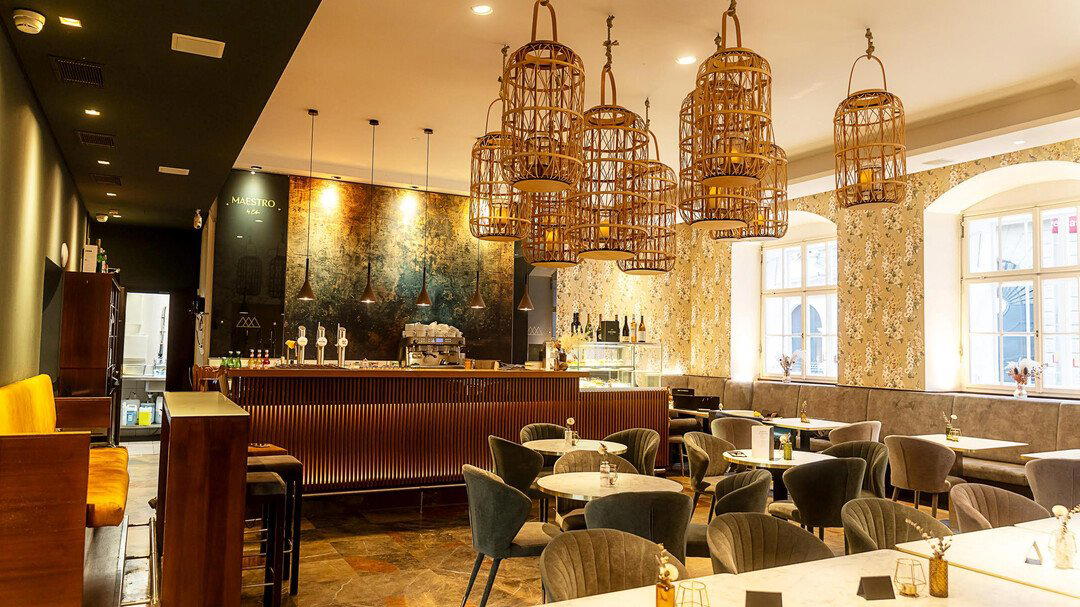
Hofstallgasse and the Grammar of a Salzburg Dinner
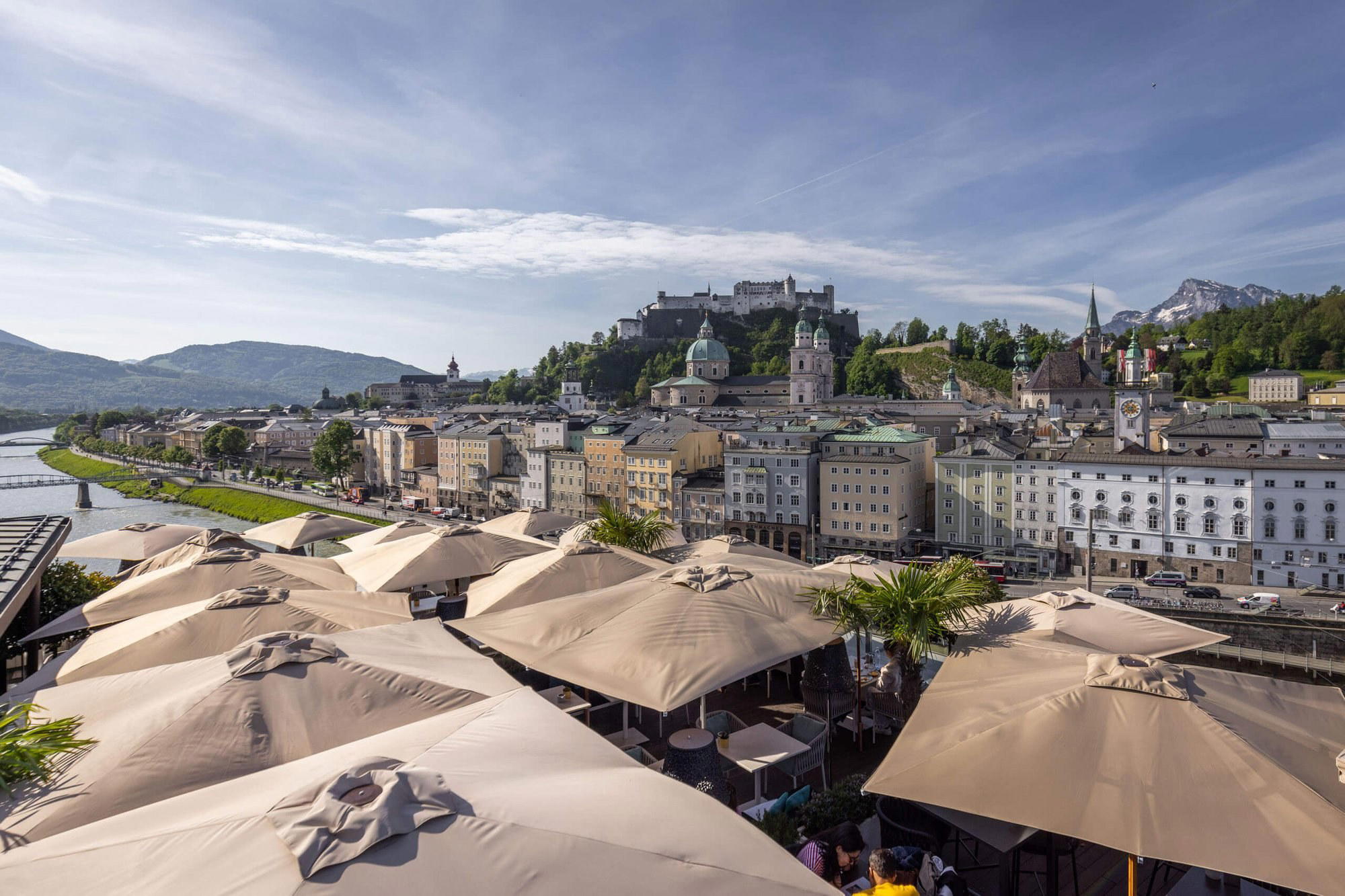
Approaching Hofstallgasse 4 in Salzburg's old city, you are already inside one of Central Europe's most architecturally loaded dining neighbourhoods. The Felsenreitschule and the Festival halls sit within a short walk; the Baroque facades of the Altstadt press in from every direction. Restaurants here are not incidental to the setting, they exist in active dialogue with it, and the better ones understand that a guest arriving from that streetscape carries particular expectations about formality, sequence, and time. Maestro by Eden occupies this address.
Salzburg has developed a fine-dining identity that is distinct from Vienna's, less self-consciously grand and more focused on a kind of precise, regionalist hospitality. The city's better tables tend to operate with restrained ceremony, courses arrive with considered pacing, wine service follows the meal rather than interrupting it, and the overall rhythm favours attention over spectacle. That tradition informs the frame through which Maestro by Eden is understood.
The Ritual Architecture of the Meal
In Salzburg's upper dining tier, the structure of the meal is itself a statement. Austrian fine dining has historically borrowed from French service traditions while softening their formality, the result is a pacing culture where courses are neither rushed nor stretched artificially, where the transition between sections of a menu is marked rather than merely executed. This is the grammar that governs how the better Salzburg tables operate.
The distinction between a meal eaten and a meal experienced is largely one of attention, to sequence, to the progression of weight and intensity across a menu, to the moment when a sommelier reads the table and adjusts a pour. At this address, on this street, in this city, those distinctions carry weight. Salzburg's dining culture rewards guests who engage with the structure rather than consume around it.
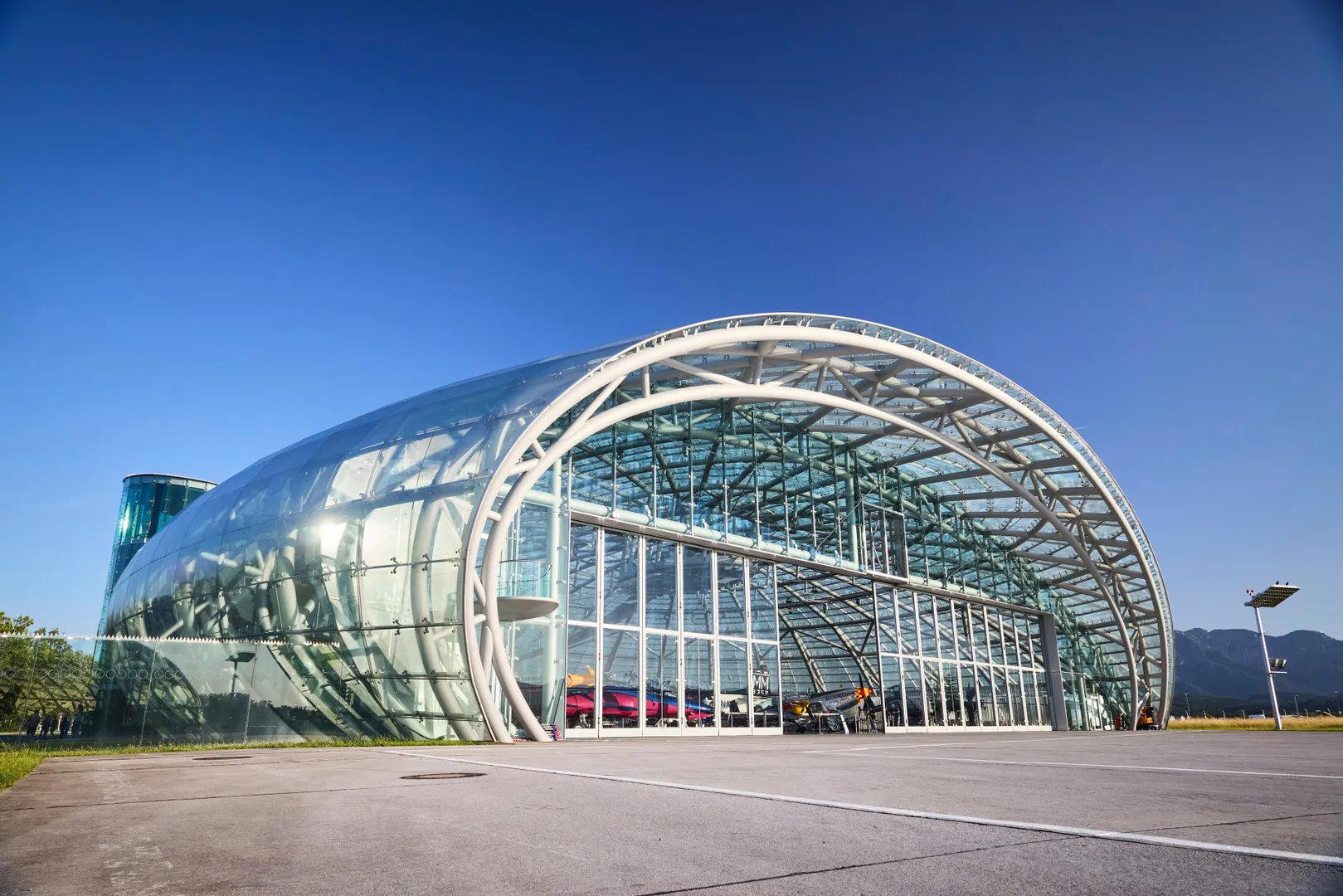
Ikarus at Hangar-7 operates a rotating guest-chef model that makes it one internationally visible table in the city. Esszimmer works within a Modern Austrian, Creative register at the €€€ tier, while Pfefferschiff and Senns each carve distinct positions in the city's creative and regional cooking conversation. The Glass Garden adds another creative axis to the picture. Maestro by Eden enters a field that is genuinely competitive for a city of Salzburg's size, which means its positioning relative to these peers matters as much as its individual qualities.
Salzburg in the Austrian Fine-Dining Map
Austria's serious restaurant culture is more geographically distributed than outsiders often assume. Vienna anchors the scene with tables like Steirereck im Stadtpark, which operates at a tier of sustained international recognition, but the provinces carry significant weight. The Salzburg region alone contains Döllerer in Golling an der Salzach, one of Austria's most argument-worthy destination restaurants, and Obauer in Werfen, which has maintained a standard of regional cooking with long institutional memory.
Extend the radius further into the Alpine west and you reach Griggeler Stuba in Lech, Gourmetrestaurant Tannenhof in Sankt Anton am Arlberg, and Schwarzer Adler in Hall in Tirol. Closer to Salzburg, Kräuterreich by Vitus Winkler in Sankt Veit im Pongau has built a strong herb-focused identity, and Landhaus Bacher in Mautern an der Donau anchors the Wachau's dining reputation. The newer wave is represented by places like Ois in Neufelden and Restaurant 141 by Joachim Jaud in Mieming. Within this field, a Salzburg city address carries both the advantage of tourist-season density and the challenge of a guest base that rotates significantly around the Festival calendar.
Dining Ritual and the Festival City Effect
Salzburg's dining culture has a particular seasonal logic. The summer festival period from late July through August concentrates an internationally mobile audience that skews toward formal dining and expects the kind of meal pacing that complements an evening at the Grosses Festspielhaus. Tables at the upper end of the city's range fill quickly during this window, and the ritual of dinner before or after a performance carries its own choreography: pre-theatre meals that must close with precision, post-performance dinners that can expand into longer sequences.
This festival-season pressure has shaped how Salzburg's serious restaurants think about service tempo, they need to operate in both modes without appearing to gear-shift. The address on Hofstallgasse 4 is well-positioned for this dynamic: close to the main Festival venues, in the historic core, and reachable on foot from the principal Altstadt hotels. Guests planning around the Festival calendar should account for this concentration of demand; outside the July-August window, the city's tables are easier to access and often more attentive as a result.
Le Bernardin in New York City operates with a service formalism and menu pacing that has influenced fine dining's structural conventions internationally, while Atomix in New York City demonstrates how a tasting menu can be built around an explicit ritual logic, with each course accompanied by a card explaining its cultural and technical context. These are different registers, different cities, different traditions, but they illustrate what it means for a restaurant to treat the architecture of the meal as an intentional design problem rather than a logistical default.
Planning a Visit
The restaurant is located at Hofstallgasse 4, 5020 Salzburg, in the pedestrianised Altstadt. The address is accessible on foot from the main Festival district and from the central train station via a short taxi or bus ride across the Salzach. Guests planning visits during the summer Festival season should make reservations well in advance; the concentration of international visitors during this period compresses availability across the city's upper dining tier. For those visiting outside July and August, Salzburg's fine-dining scene operates with noticeably more flexibility, and shoulder-season visits often allow more deliberate engagement with the meal's pacing without the time pressure of a Festival curtain.
Pricing, Compared
Comparable venues nearby, for context on price, style, and recognition.
| Venue | Cuisine | Price | Notes |
|---|---|---|---|
| Maestro by EdenThis venue — the venue you are viewing | Linke Altstadt, Creative Fusion Tapas | $$$ | Not listed |
| Ping Pong Poke | Neustadt, Asian Fusion Poke Bowls | $$ | Not listed |
| Pan e Vin | Not listed | $$$ | Linke Altstadt, Upscale Mediterranean Trattoria |
| KOLLER+KOLLER am Waagplatz | Not listed | $$$ | Altstadt, Traditional Austrian with International Influences |
| my Indigo Staatsbrücke | Not listed | $$ | Rechte Altstadt, Super Natural Fusion Bowls & Salads |
| Uncle Van | Rechte Altstadt, Vietnamese Street Food | $$ | Not listed |
Continue exploring
More in Salzburg
Restaurants in Salzburg
Browse all →
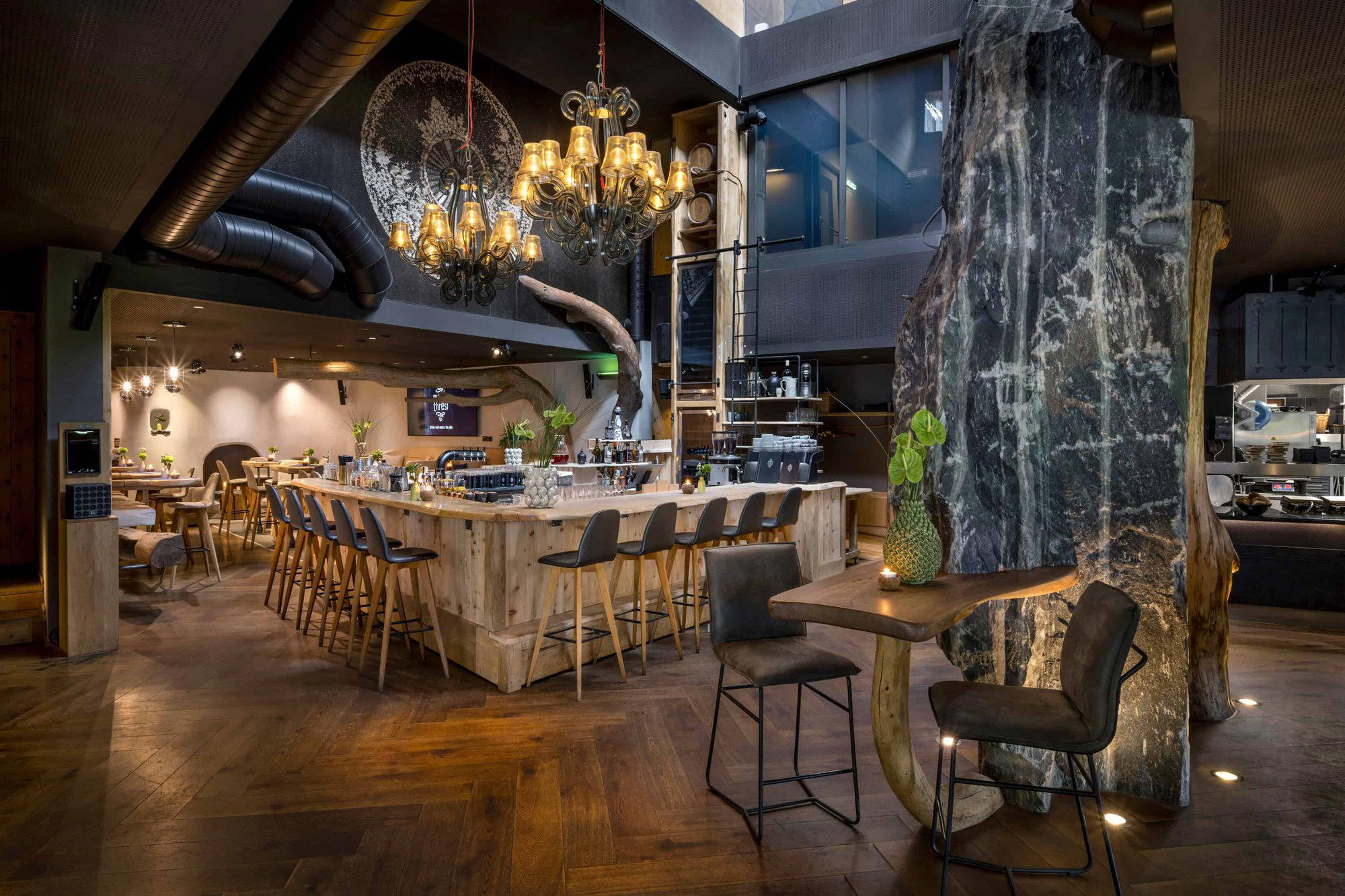
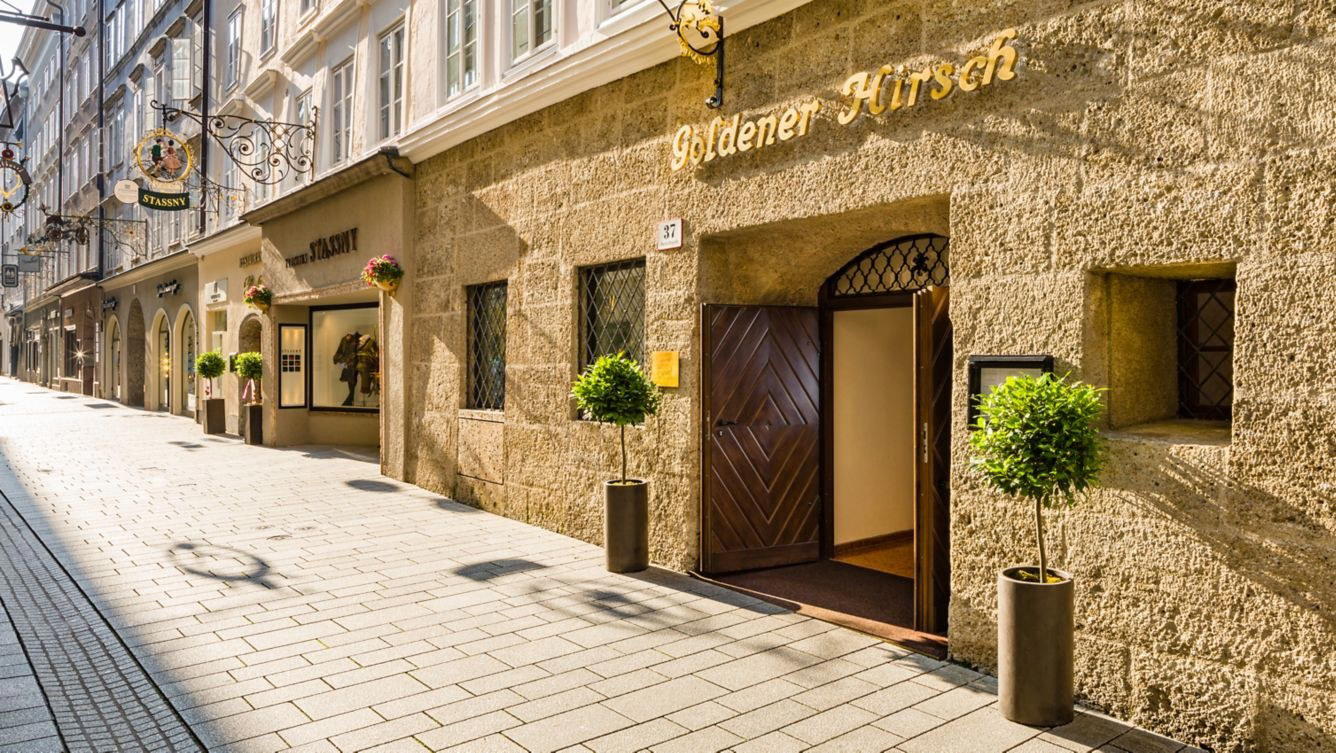
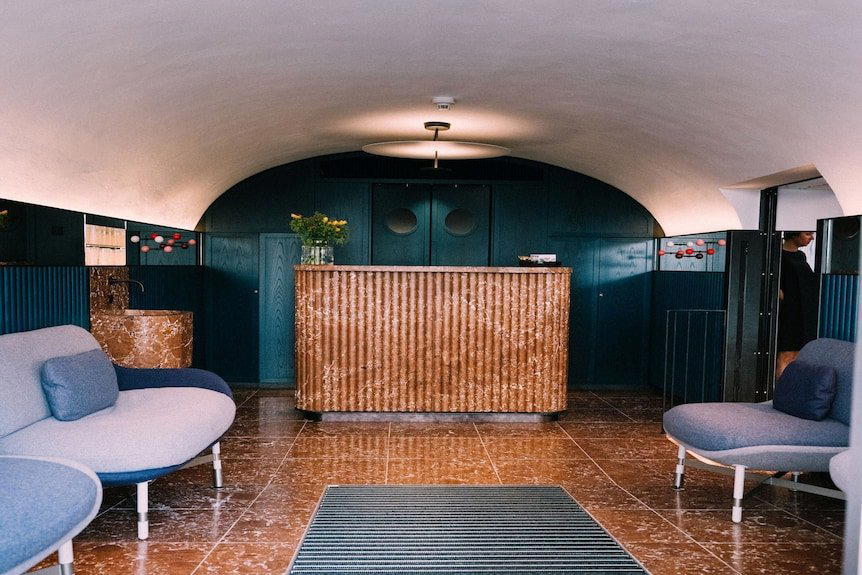
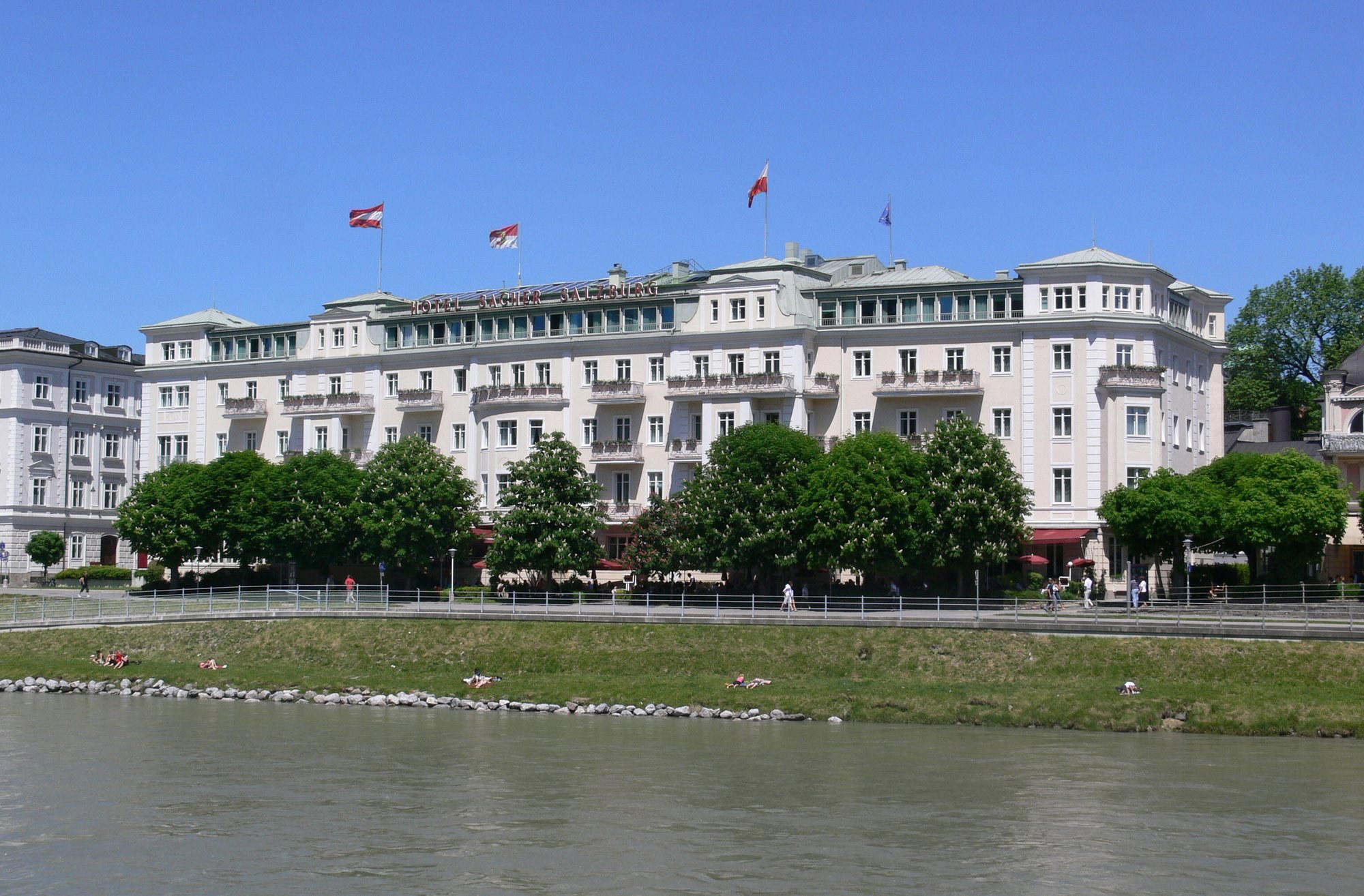
At a Glance
- Elegant
- Cozy
- Date Night
- Casual Hangout
- Hotel Restaurant
- Extensive Wine List
- Street Scene
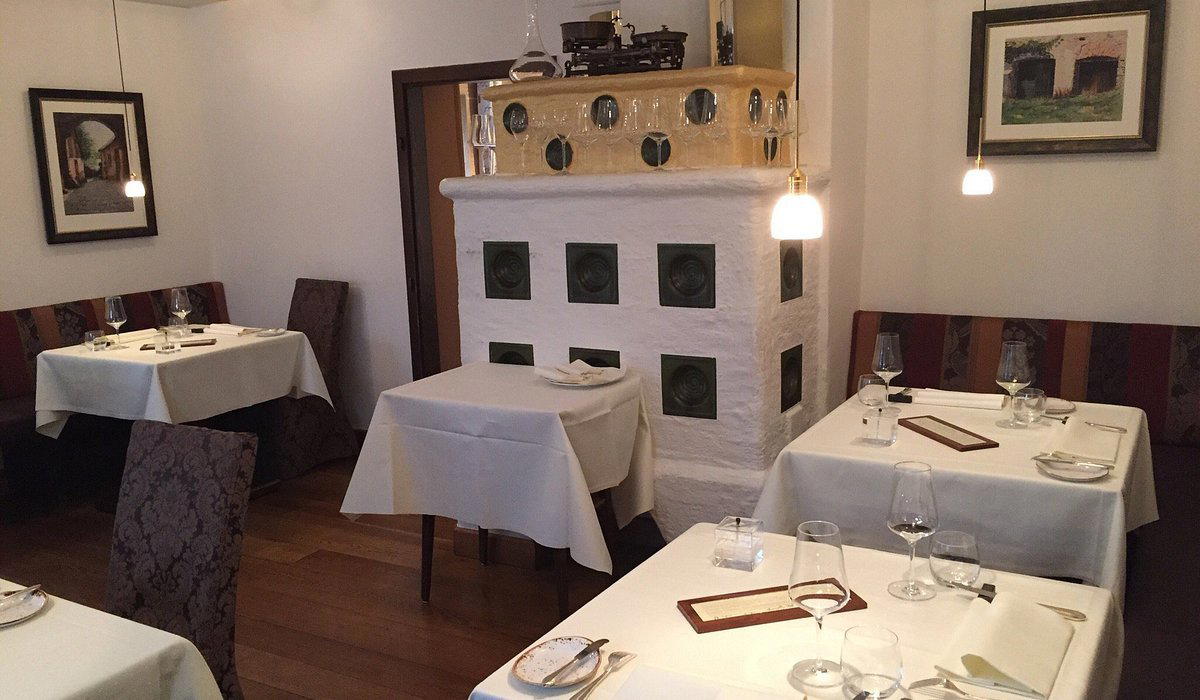
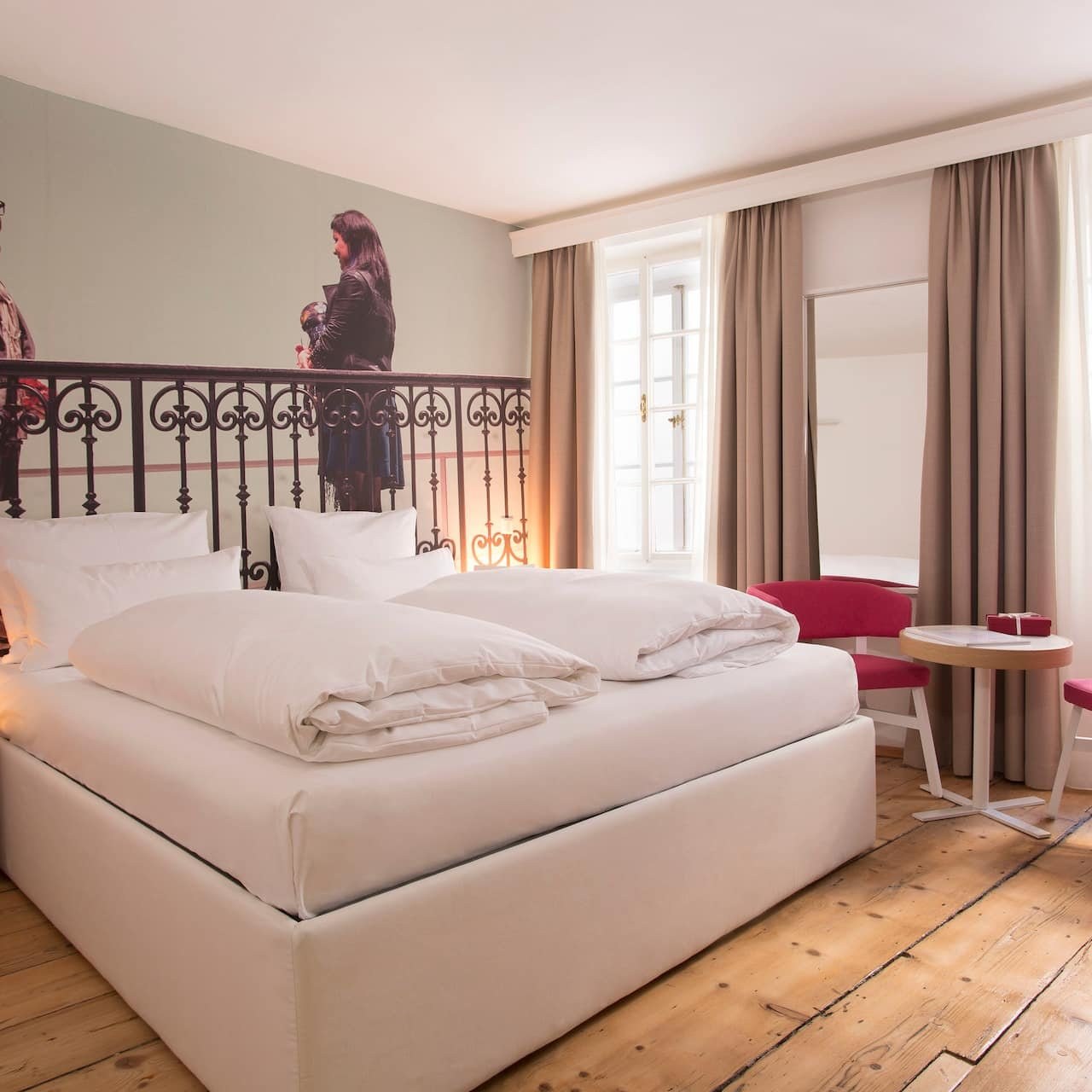
Stylish and inviting atmosphere blending culinary enjoyment with cultural heritage.