Pallino Pastaria
This listing is retired after a June 2026 status audit found the place inactive at its stored address.
- Address
- 701 5th Ave #300, Seattle, WA 98104
- Phone
- +12066242412
- Website
- pallino.com
- Directions
- Get directions
Pasta as a Format, Not a Footnote
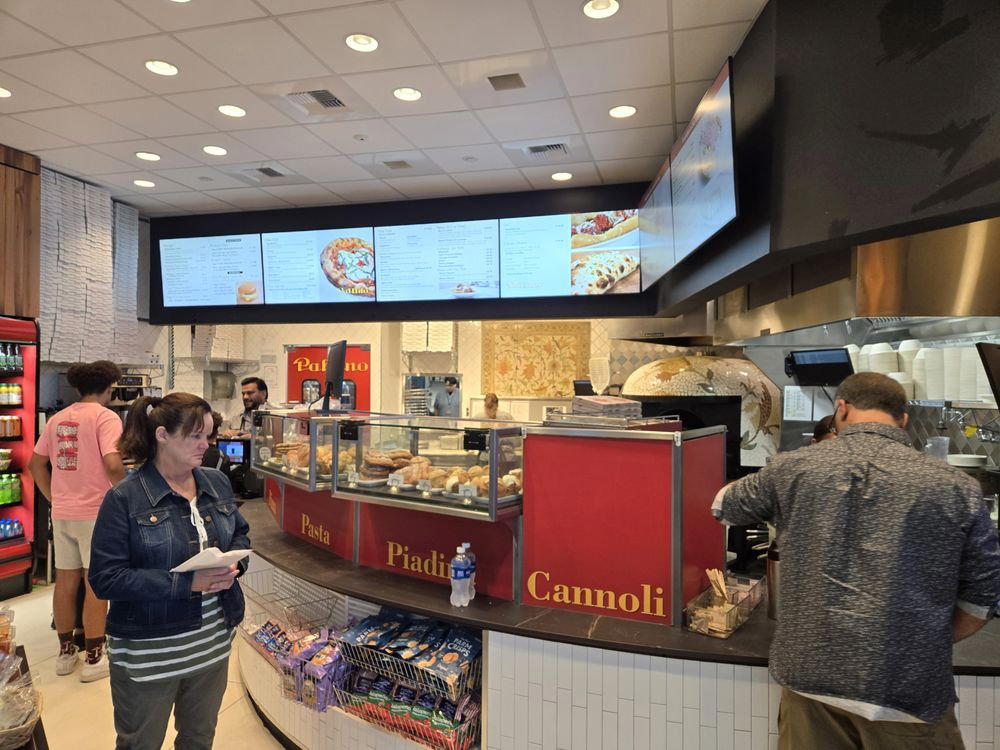
In most American cities, pasta occupies an awkward middle position on restaurant menus: present but not primary, listed beneath proteins, priced as an afterthought. Seattle's dining scene has, over the past decade, produced a small cluster of places that invert that logic entirely, building their menus around the noodle rather than around a broader Italian-American framework. Pallino Pastaria is a restaurant in Seattle serving Italian Pasta & Pizza, with a casual dress code, walk-in-friendly service, and an estimated price of about $15 per person. It belongs to that cohort. Its address in the city center puts it in direct conversation with a lunch-driven crowd that moves fast and eats purposefully, and a pasta-first format is well-suited to that rhythm.
The downtown corridor between 4th and 6th Avenues has long functioned as Seattle's midday dining engine, absorbing the weekday overflow from office towers and the weekend foot traffic from Pike Place Market visitors moving south. Casual Italian formats do well here not because the competition is thin but because the format travels efficiently: it works at noon, it works at seven, and it doesn't require a reservation to feel complete. For comparison, the more architecturally ambitious rooms in Seattle, places like Canlis (New American) or the technically driven Joule (New Asian), occupy a different register entirely, one that demands more time, more commitment, and considerably more of your wallet.
How the Menu Is Built
Pasta-focused menus tend to reveal their priorities through structure. A kitchen that takes the format seriously will differentiate by shape, by region, and by sauce philosophy rather than simply offering five variations on red and white. The leading Italian-American operations in the United States have long understood that the noodle is a vehicle for texture and absorption as much as for flavor, that a rigatoni and a tagliatelle dressed with the same sauce are not interchangeable propositions. This is the argument that venues like 8 1/2 Otto e Mezzo Bombana (Hong Kong) in Hong Kong make at the luxury end of the Italian dining spectrum, and it filters down into every serious pastaria regardless of price point.
At the casual tier, the discipline shows in different ways: whether the kitchen makes its dough in-house, whether it rotates shapes seasonally, whether the sauce-to-pasta ratio reflects an understanding of how each shape holds liquid. These are the signals worth reading when you sit down with a menu at any pasta-focused restaurant, and they're more reliable indicators of kitchen intent than décor or price alone.
Downtown Seattle's pasta options sit in a range that reflects the city's broader dining pattern: a strong middle tier of neighborhood-anchored spots, a thinner top tier of technically ambitious kitchens, and a fast-casual segment that has expanded significantly since 2018. Pallino's positioning within that range places it in a category that values throughput alongside quality, which is a defensible and commercially sensible position for a 5th Avenue address serving a lunch-heavy clientele.
Seattle's Italian Dining in Context
Seattle does not have the deep Italian-American institutional history of a New York or a San Francisco, where specific neighborhoods spent generations developing regional Italian subcultures. What it has instead is a more eclectic Italian influence, shaped partly by the city's proximity to quality Pacific Northwest ingredients and partly by a dining culture that has been receptive to format experimentation. The result is an Italian dining scene that tends to be ingredient-forward rather than tradition-bound, a sensibility that shows up in how vegetables and seafood interact with pasta on local menus in ways that would be unusual in more tradition-anchored cities.
For broader context on where Seattle's Italian-adjacent dining fits nationally, it's worth considering how cities with more established fine-dining infrastructure approach the question. Le Bernardin in New York City and Alinea in Chicago represent the architectural extreme of tasting-menu ambition; Lazy Bear in San Francisco and Single Thread Farm in Healdsburg anchor their menus in regional ingredient sourcing. None of these are direct peers for a downtown pastaria, but they illustrate the broader spectrum against which any serious restaurant is implicitly measured. At the other end of that spectrum, accessible, format-focused restaurants like Pallino compete on consistency, value density, and the quality of execution within a narrow, defined scope.
Other Seattle addresses worth tracking in relation to Pallino's downtown position include 1415 1st Ave and 1744 NW Market St, both of which operate in adjacent neighborhoods and draw from overlapping demographics. The South Seattle address at 2963 4th Ave S serves a different corridor but reflects the same city-wide pattern of casual dining anchored by a specific format or culinary identity.
What Ordering Well Looks Like Here
At a pasta-forward restaurant, the smart approach is to order across the menu's core logic rather than defaulting to the familiar shape or the safest sauce. If the kitchen differentiates by region, a carbonara alongside a cacio e pepe, a Bolognese next to a Sicilian-style preparation, that differentiation is the menu's organizing argument, and it rewards exploration. Protein additions tend to function as accents rather than anchors in this format; the pasta itself carries the meal.
Comparable operations in other American cities that have built durable reputations around pasta-forward formats share a few common traits: they source flour and eggs with specificity, they train their kitchen to cook pasta to a narrow window of doneness rather than to a general guideline, and they keep their sauce roster tight enough to execute consistently across a high-volume service. These are the operational signals that separate a thoughtful pastaria from a generic Italian-American room.
Restaurants like Providence in Los Angeles, Addison in San Diego, Blue Hill at Stone Barns in Tarrytown, The Inn at Little Washington in Washington, Atomix in New York City, and Emeril's in New Orleans operate at a tier of complexity and investment far above a casual pastaria, but they all share the foundational commitment to menu coherence and ingredient honesty that defines serious restaurant cooking at any price point.
Know Before You Go
- Address: 701 5th Ave #300, Seattle, WA 98104
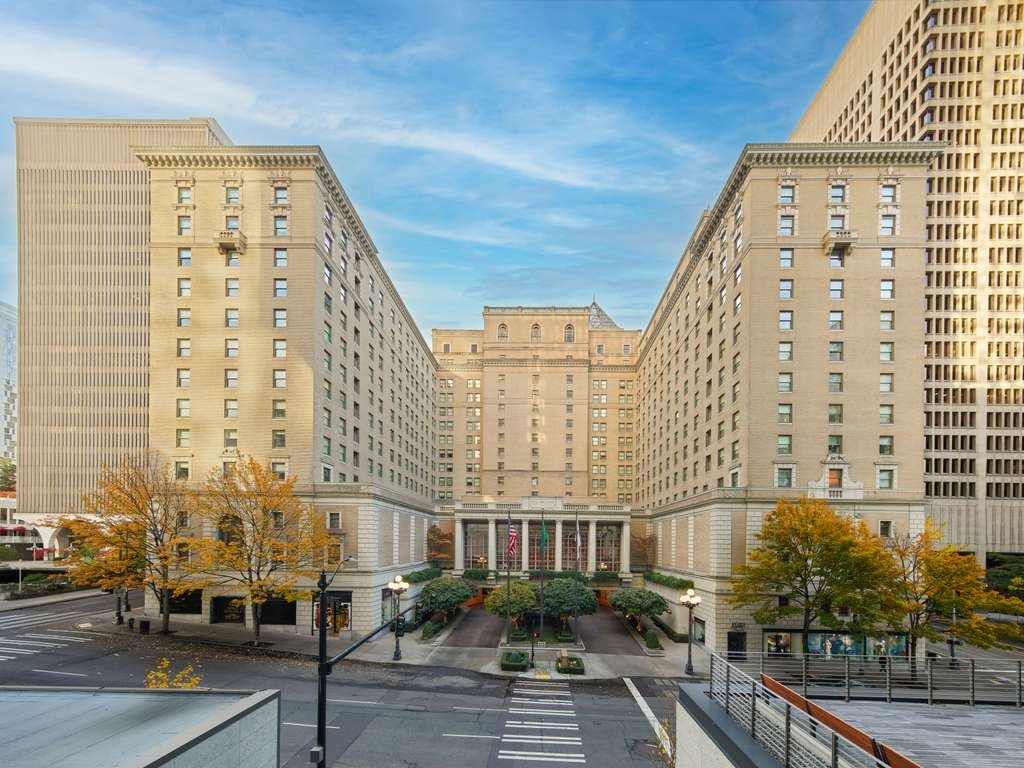
- Neighborhood: Downtown Seattle, near the commercial core and within walking distance of Pike Place Market
- Leading for: Weekday lunch, casual dinner, solo dining at the counter
- Reservations: Walk-ins are welcome
- Pricing: About $15 per person
- Accessibility: Central downtown location
Comparable Spots, Quickly
Comparable venues nearby, for context on price, style, and recognition.
| Venue | Cuisine | Price | Notes |
|---|---|---|---|
| Pallino PastariaThis venue — the venue you are viewing | Italian Pasta & Pizza | $$ | Not listed |
| La Vita E Bella | Authentic Sicilian-Italian | $$ | Belltown |
| Capitale Pizzeria | Modern Neapolitan Pizza with Global Twists | $$ | Broadway |
| Agrodolce | Sicilian-Inspired Trattoria | $$ | Fremont |
| Mondello Italian Restaurant | Authentic Sicilian Italian | $$ | Southeast Magnolia |
| Tutta Bella - Columbia City | Neapolitan Pizza | $$ | Columbia City |
Continue exploring
More in Seattle
Restaurants in Seattle
Browse all →
Bars in Seattle
Browse all →
Hotels in Seattle
Browse all →

At a Glance
- Modern
- Cozy
- Casual Hangout
- After Work
- Open Kitchen
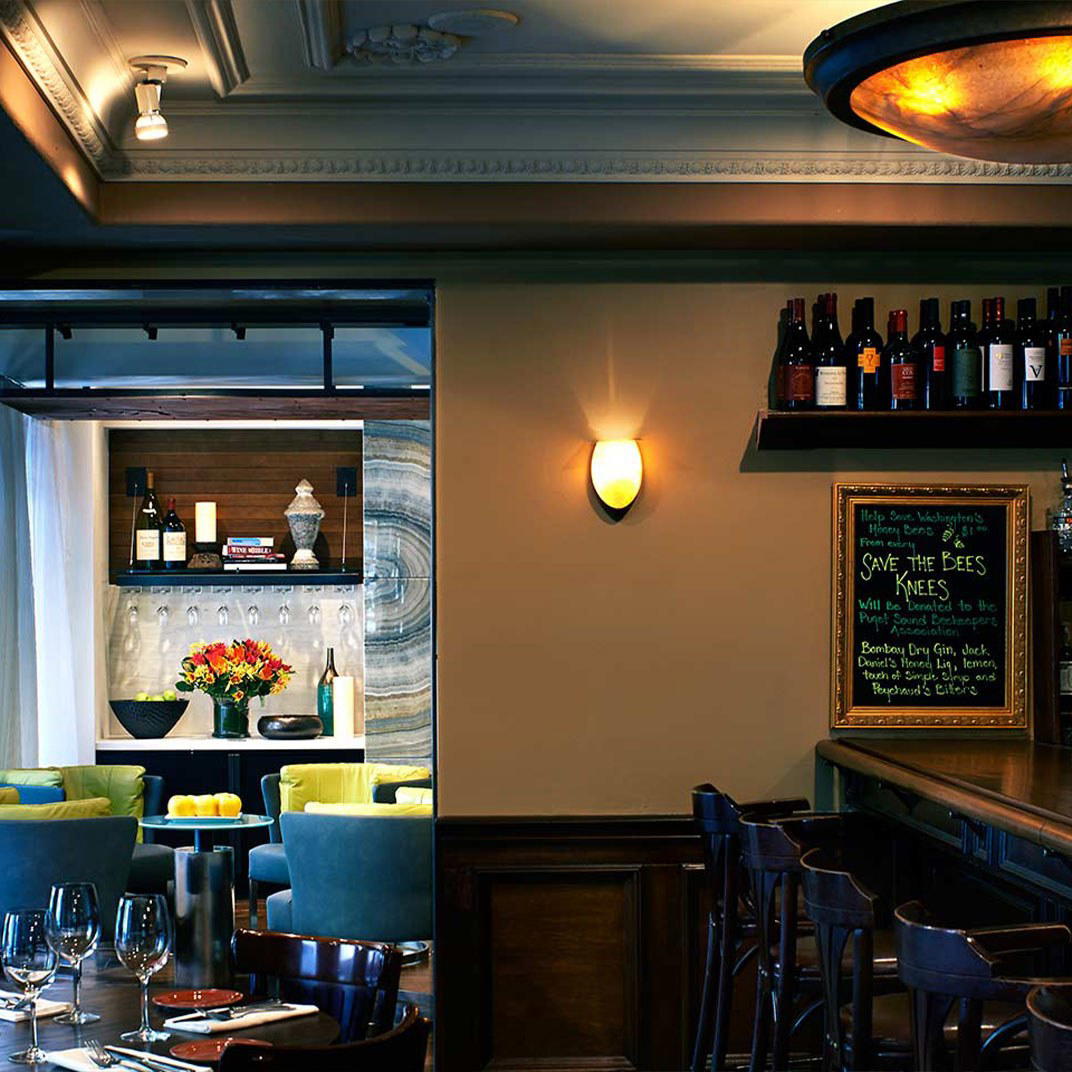
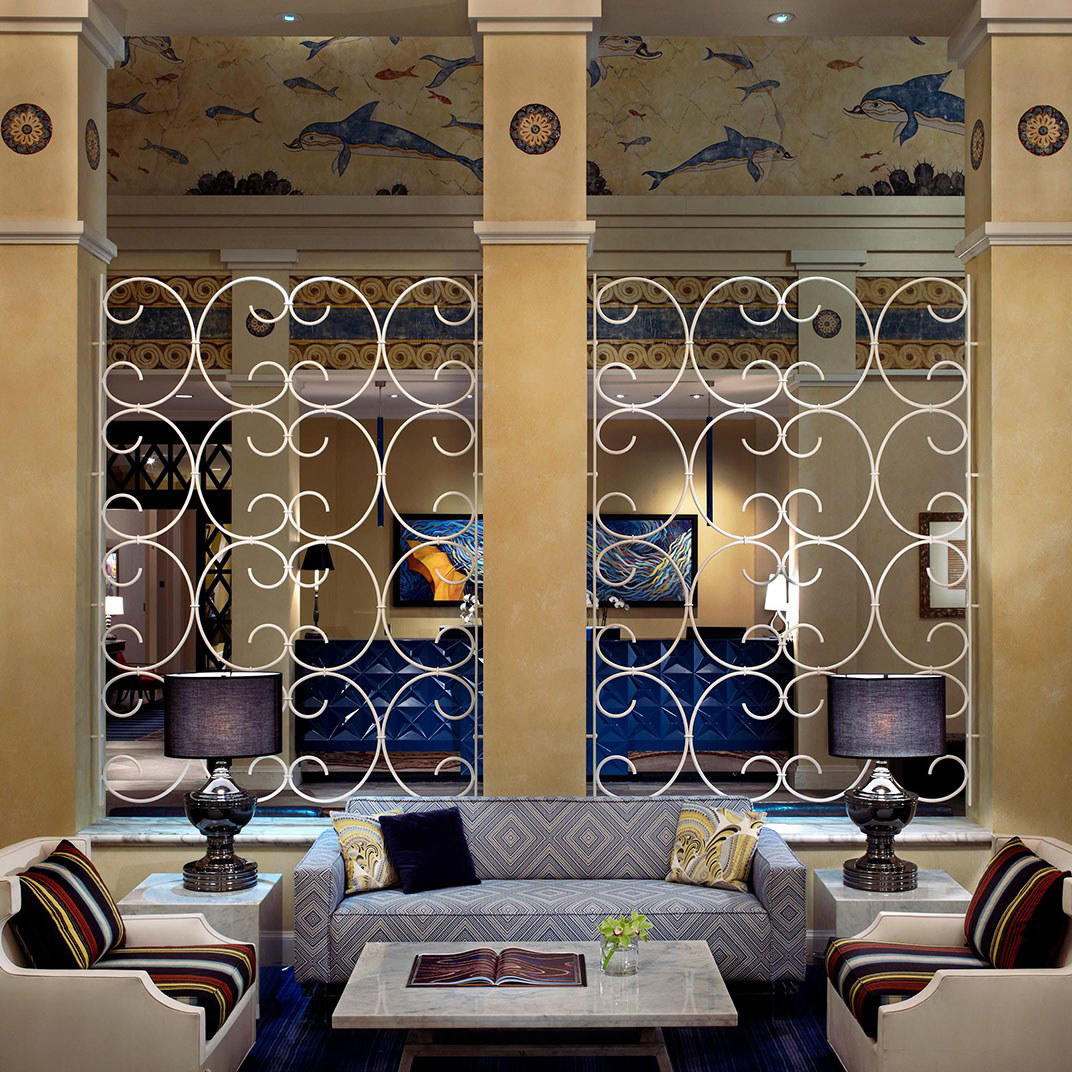
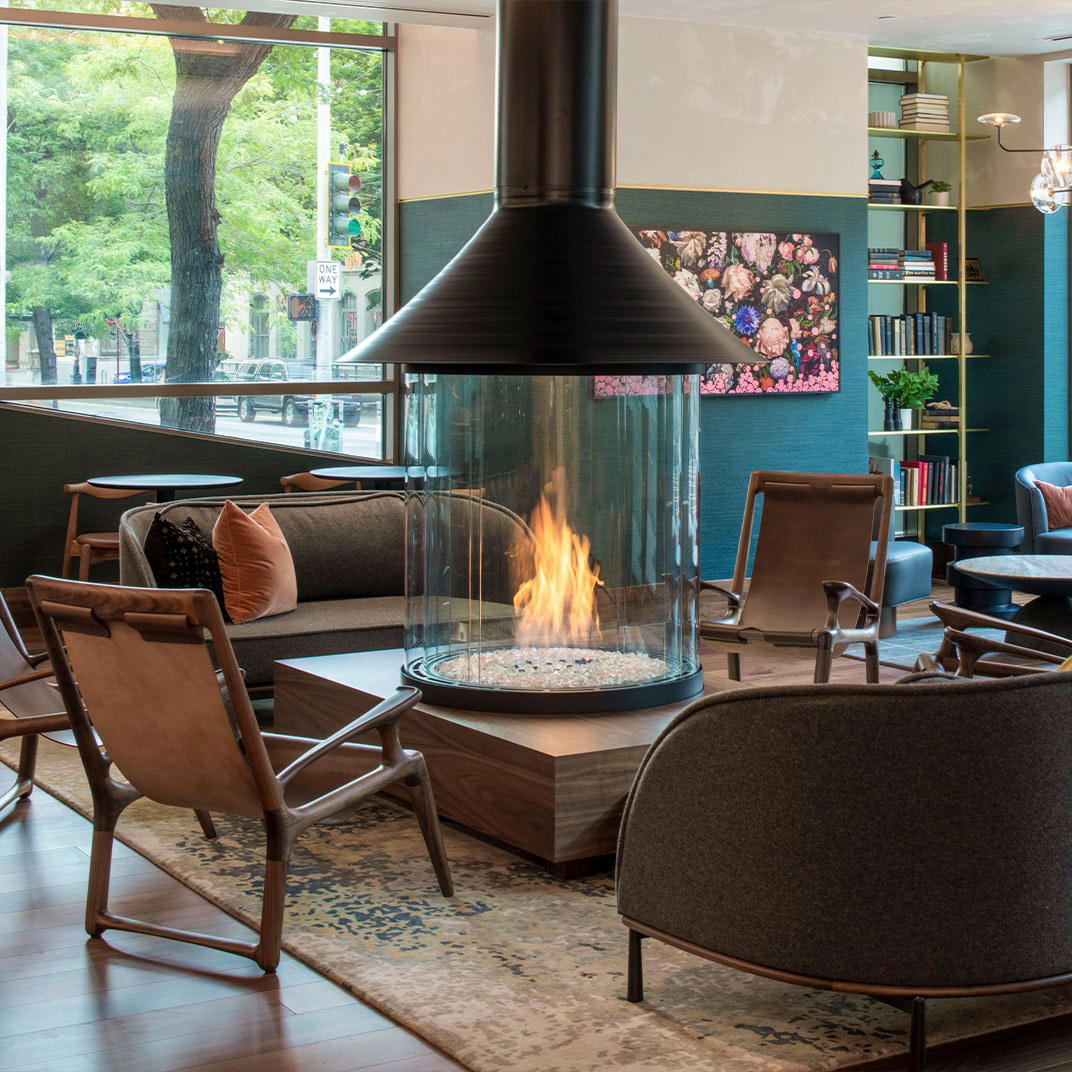
High ceilings, tiled floors, and dark wood create an elegant yet comfortable upscale bistro atmosphere in a downtown office building food court.