Mondello Italian Restaurant
A neighborhood Italian restaurant on Seattle's Magnolia peninsula, Mondello draws a loyal local following to its address on 33rd Avenue West. The restaurant sits within a residential pocket where Italian-American dining traditions hold their own against the city's more trend-driven restaurant scene. Regulars return for the consistency and the sense that the room knows them.
Pearl is the En Primeur Club membership app — saves, bookings, and concierge access live there. Same editors, same standards.
- Address
- 2425 33rd Ave W #3, Seattle, WA 98199
- Phone
- +12063528700
- Website
- mondelloristorante.com
- Directions
- Get directions
 Saves & bookings on Pearl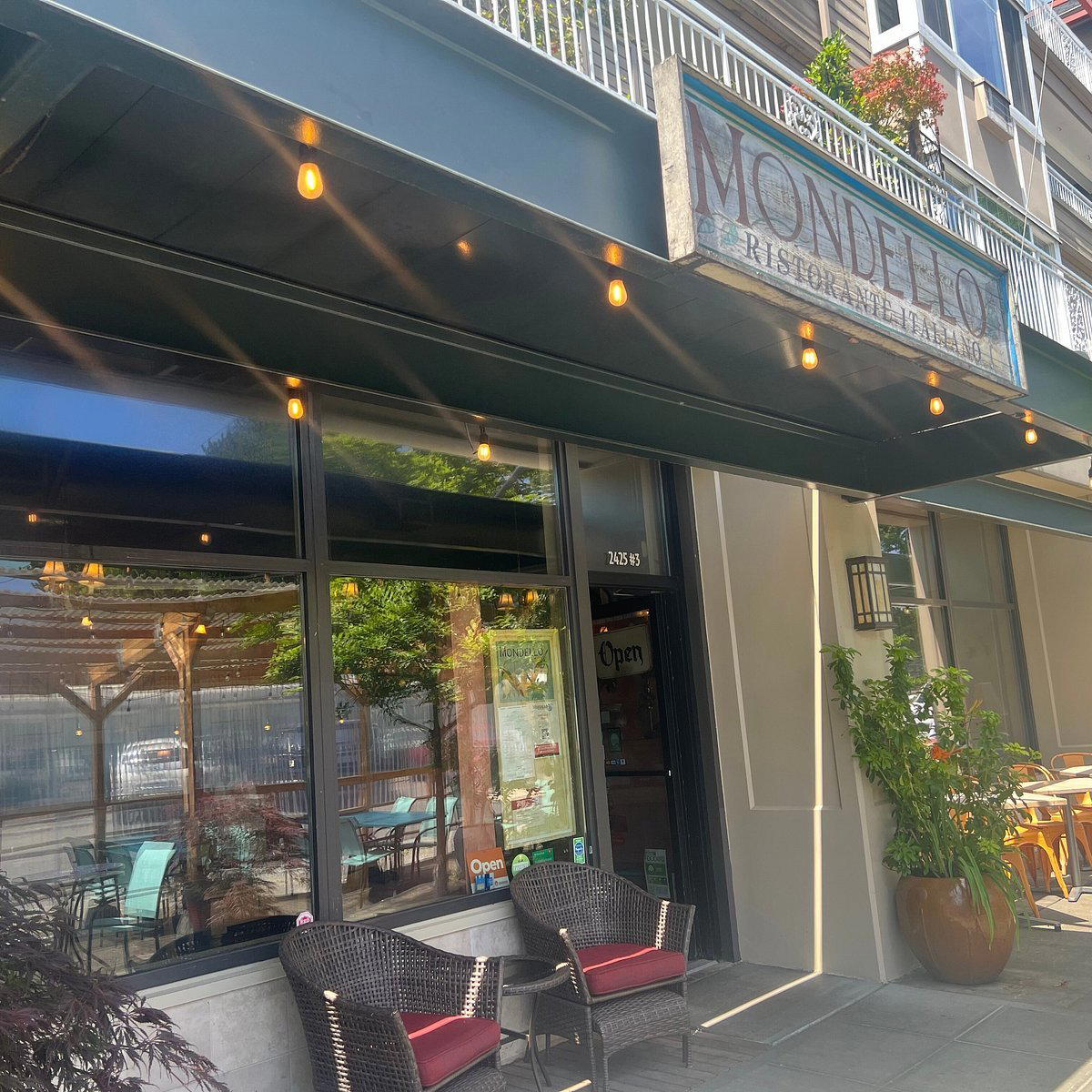
The Magnolia Pocket and What It Tells You About Italian Dining in Seattle
Seattle's Italian restaurant scene divides along familiar lines. Downtown and Capitol Hill attract the operators chasing press cycles and tasting-menu formats, while the residential neighborhoods tend to host a quieter category of Italian-American dining, places where the regulars outnumber the first-timers on any given Tuesday. Mondello Italian Restaurant, at 2425 33rd Avenue West in Magnolia, belongs to that second category. The address is residential in character, removed from the foot traffic of Belltown or the South Lake Union corridor, and the dining room reflects the neighborhood rather than fighting against it. Mondello Italian Restaurant is a Seattle restaurant serving Authentic Sicilian Italian cuisine, with.
Magnolia is one of Seattle's more insular enclaves, a hilly peninsula bounded by Puget Sound and the Lake Washington Ship Canal, with a village-scale commercial strip that serves the surrounding houses rather than drawing diners from across the city. A restaurant that survives here does so on repeat business, not on novelty. That context shapes everything about how Mondello functions as a dining room, from the pace of service to the expectations the kitchen has to meet night after night for the same faces.
What the Regulars Are Actually Coming Back For
In neighborhoods like Magnolia, the unwritten menu matters as much as the printed one. Restaurants that sustain a loyal clientele in residential Seattle tend to do so through consistency at the table level: the server who remembers the preference for still water, the kitchen that runs a reliable pasta without varying the seasoning week to week, the room that operates at a volume where conversation is possible. These are the signals that separate a neighborhood Italian from a dining room that merely occupies a neighborhood.
Italian-American restaurants in this tier across American cities have historically anchored themselves in a format that prioritizes comfort over provocation. The cuisine tradition they draw from, the red-sauce and hand-rolled pasta lineage that traveled from southern Italy through the American Northeast and eventually westward, is not built for reinvention. It is built for repetition. Regulars at places like Mondello are not returning because the menu has changed; they are returning because it has not. That is a different value proposition than what you encounter at Canlis (New American) or Joule (New Asian), both of which operate in a mode where the kitchen's evolution is part of the offer.
The regulars' perspective at a place like this is worth taking seriously as an editorial position. The person who has eaten in this room twenty times is calibrating something different than the critic who visits once. They are measuring trust, not surprise. That trust, when a restaurant earns it consistently in a residential neighborhood, is the hardest thing in the business to build and the easiest thing to lose.
Placing Mondello in the Wider Italian Dining Conversation
American Italian dining has spent the last decade splitting into visibly distinct tiers. At one end, you have the white-tablecloth Italian formats that position themselves against fine dining broadly, places that reference the Italian canon the way Le Bernardin in New York City references French technique: with rigor, sourcing transparency, and a price point that signals ambition. At the other end, the neighborhood trattoria model persists, and in many cities it persists strongly, because the demand for reliable, affordable Italian-American cooking does not evaporate when the food press moves on to the next format.
Seattle has both tiers active. The city's more ambitious Italian-adjacent cooking tends to cluster in neighborhoods with higher foot traffic and a demographic that cross-references dining choices against national lists. The residential neighborhood Italian, by contrast, competes on a different axis entirely: proximity, familiarity, and the specific comfort that comes from a room that has not tried to become something it was not designed to be.
This is the same dynamic you observe in Italian neighborhoods in cities like Chicago and San Francisco, where restaurants that have operated for decades without significant press attention maintain full dining rooms on weekends because the people who live nearby have decided, through repeated experience, that the kitchen is worth trusting. Lazy Bear in San Francisco and Alinea in Chicago represent the ambition end of that spectrum; Mondello represents the other, and both ends are necessary to a functioning dining ecosystem.
The Room and the Season
Magnolia's dining rhythm tracks the Pacific Northwest seasonal pattern more closely than most of Seattle's central-city restaurants. The peninsula's relative isolation from downtown means the room fills differently in January than in July, with summer bringing a more varied crowd as visitors staying in Seattle's western neighborhoods look for dinner options within walking distance. The window from late spring through early fall is when a restaurant in this location tends to operate at its most animated, while the winter months return it to its core constituency: the regulars who live in Magnolia and who have already made their decision about where they want to eat.
That seasonal rhythm has implications for first-time visitors. Arriving in the warmer months means encountering a room that skews slightly more outward-facing, while a visit in the quieter winter period offers a more concentrated view of what the restaurant looks like when it is serving primarily the people it was built for. Neither is wrong; they are different readings of the same room.
For broader context on where this restaurant sits within Seattle's dining geography, our full Seattle restaurants guide maps the city's neighborhoods and price tiers in detail. Other Seattle addresses worth cross-referencing include 1415 1st Ave, 1744 NW Market St, and 2963 4th Ave S for a sense of how the city's restaurant formats distribute across different neighborhoods and price points.
Know Before You Go
Address: 2425 33rd Ave W #3, Seattle, WA 98199
Neighborhood: Magnolia, Seattle
Cuisine: Italian
Similar Picks
Comparable venues nearby, for context on price, style, and recognition.
| Venue | Cuisine | Price | Notes |
|---|---|---|---|
| Mondello Italian RestaurantThis venue — the venue you are viewing | Authentic Sicilian Italian | $$ | Not listed |
| Cinque Terre Ristorante | Modern Italian Riviera | $$ | Denny Triangle |
| Domani Pizzeria and Restaurant | Italian Pizzeria and Restaurant | $$ | West Queen Anne |
| Andare Kitchen & Bar | Italian Trattoria | $$ | Belltown |
| Johnny Mo's Pizzeria | New York & Chicago Style Pizza | $$ | Portage Bay |
| Limoncello Belltown | Italian Pasta & Pizza | $$ | Belltown |
Continue exploring
More in Seattle
Restaurants in Seattle
Browse all →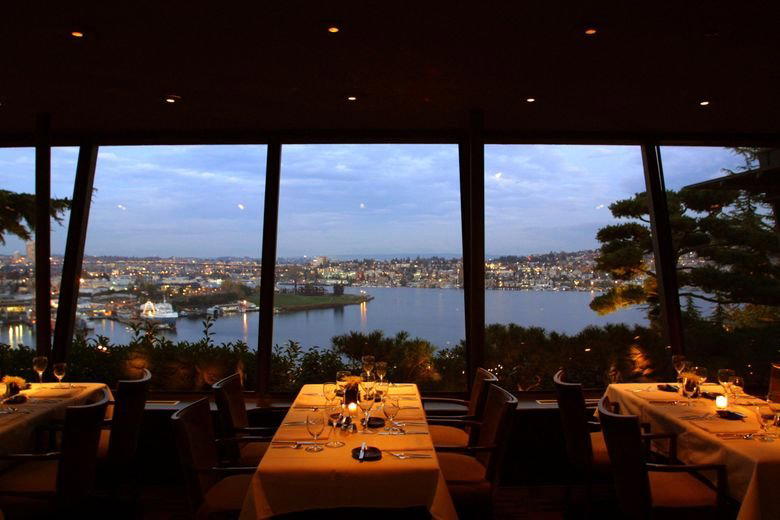
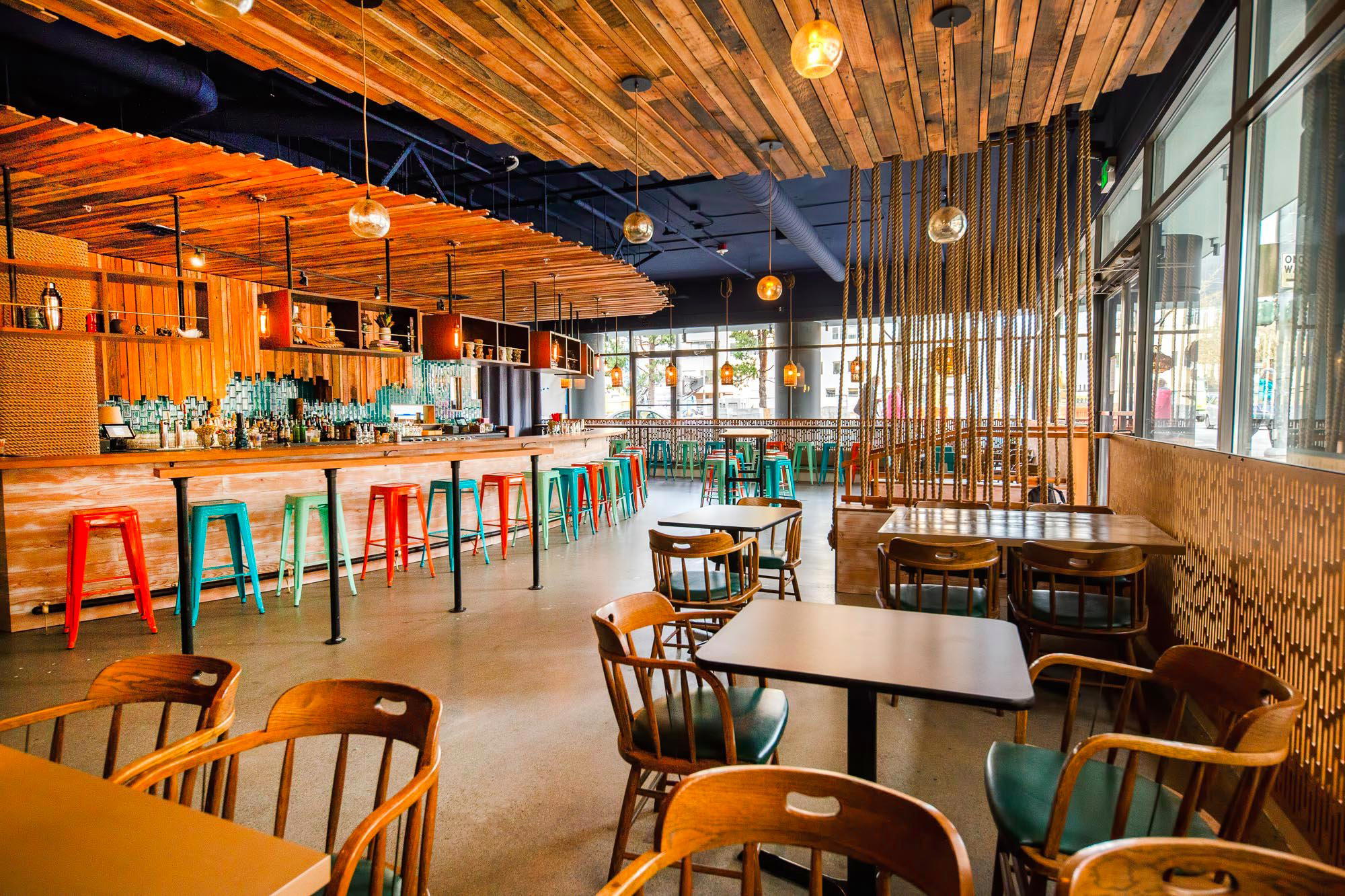
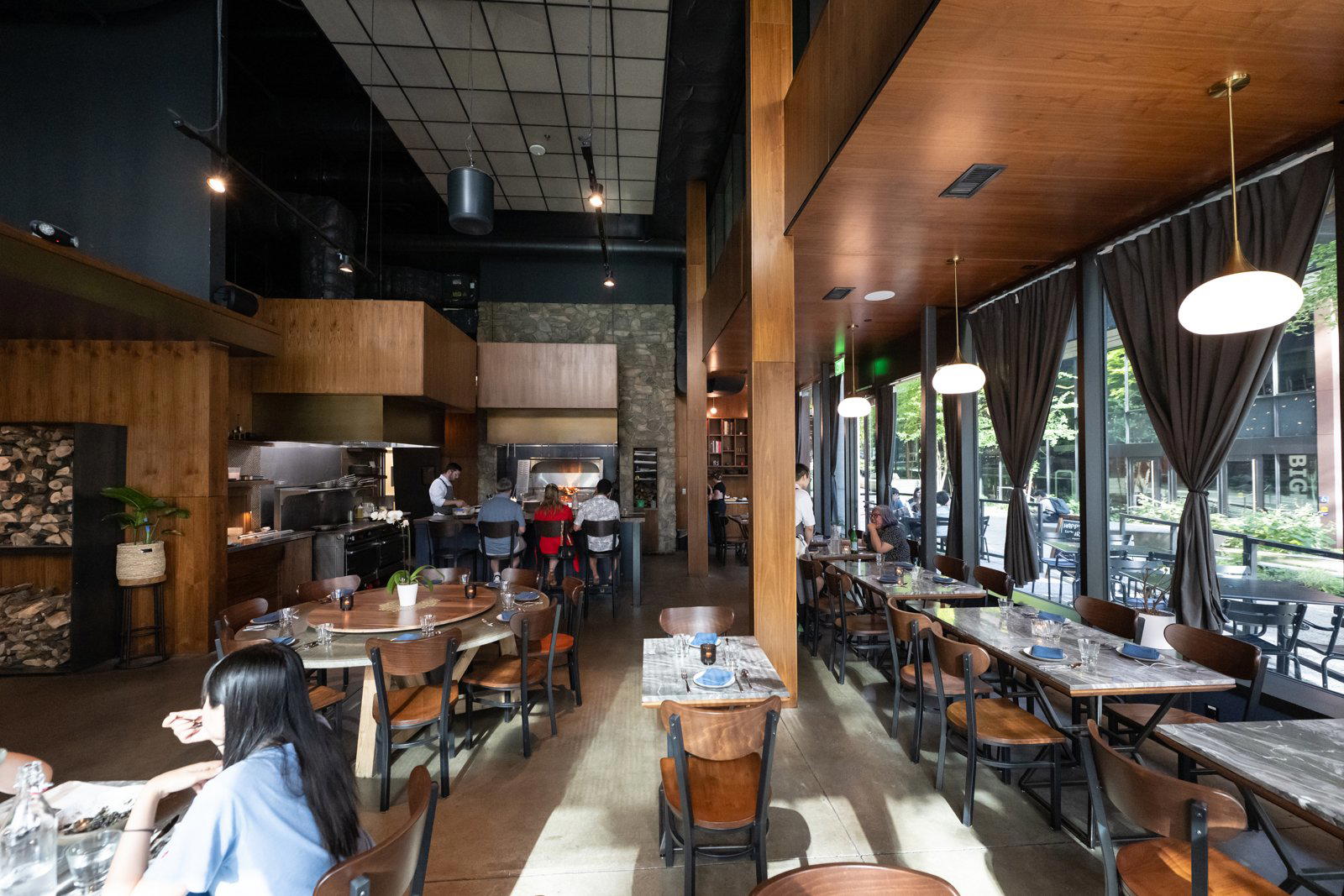
Bars in Seattle
Browse all →
Hotels in Seattle
Browse all →

At a Glance
- Romantic
- Cozy
- Intimate
- Date Night
- Family
- Celebration
- Standalone
- Extensive Wine List
Current opening hours
- Monday
- 4–8:30 PM
- Tuesday
- 12–8:30 PM
- Wednesday
- 12–8:30 PM
- Thursday
- 12–8:30 PM
- Friday
- 12–9 PM
- Saturday
- 12–9 PM
- Sunday
- 4–8:30 PM
Hours can change for holidays and private events. Last verified .
Intimate and cozy with a warm, homey atmosphere featuring minimalist decor.