La Vita E Bella
La Vita E Bella occupies a Belltown address on 2nd Avenue where Seattle's Italian dining tradition meets the neighbourhood's densely competitive restaurant corridor. The name alone signals an orientation toward the classic Italian canon, positioning it within a city that has long sustained serious European-inflected tables alongside its Pacific Rim-leaning restaurants. Practical details remain sparse, making an advance call to confirm current hours and format the sensible first step.
Pearl is the En Primeur Club membership app — saves, bookings, and concierge access live there. Same editors, same standards.
- Address
- 2411 2nd Ave, Seattle, WA 98121
- Phone
- +12064415322
- Website
- lavitaebellarestaurant.com
- Directions
- Get directions
 Saves & bookings on Pearl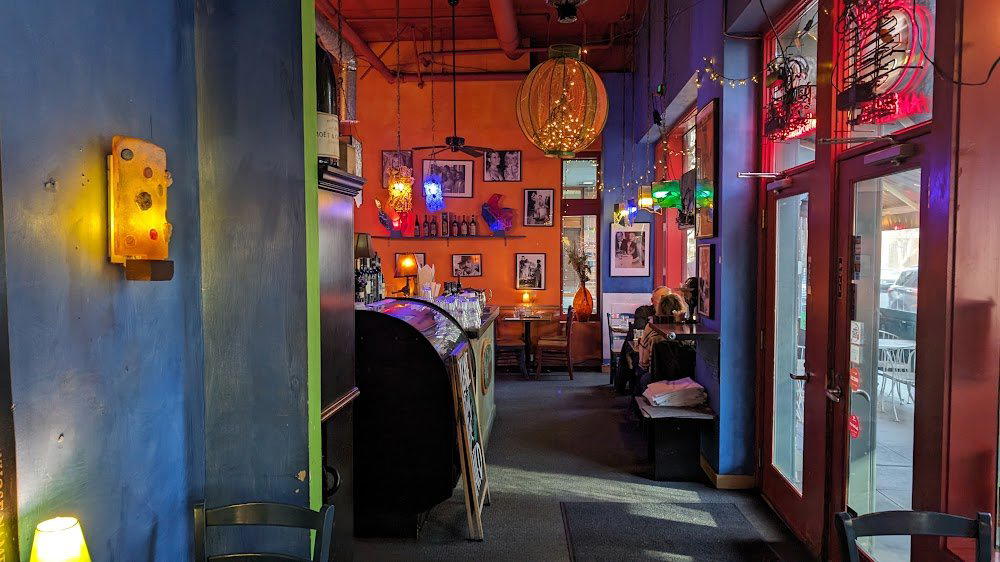
Belltown's Italian Tradition and Where La Vita E Bella Sits Within It
Second Avenue in Seattle's Belltown district functions as one of the city's most telling restaurant corridors. Within a few blocks, the neighbourhood cycles through price points, cuisines, and formats that collectively map the ambitions of Seattle's dining scene over the past two decades. Italian restaurants have held ground here through multiple cycles of trend and turnover, partly because the cuisine's structural flexibility, long pastas, wood-roasted proteins, regional wine programs, suits both the neighbourhood's transient lunch crowd and its evening destination diners. La Vita E Bella, at 2411 2nd Ave, occupies that established Italian slot in a block where the competition for returning guests is genuine and the bar for pasta cookery, in particular, has risen steadily over time.
The name itself is an orientation signal. "La Vita E Bella" draws from a canon of Italian cultural reference that positions the room, before a single dish arrives, inside a tradition of warmth and domesticity rather than architectural precision or modernist experiment. That framing matters in a city where the Italian category splits clearly between trattorias operating on comfort and familiarity and newer entries pushing fermented, hyper-regional, or technique-forward interpretations. Belltown has historically rewarded the former: rooms where the welcome is immediate and the menu reads like an argument for the cuisine's durability rather than its reinvention.
The Cultural Weight of Italian Dining in a Pacific Northwest Context
Italian cuisine in the Pacific Northwest carries a layered history that is easy to underestimate. The region's Italian-American communities, concentrated especially in urban centres like Seattle, established restaurant cultures well before the city developed its current reputation for Japanese, Vietnamese, and New American cooking. The pasta traditions that took root here drew from southern and central Italian immigration patterns, meaning that dishes built around tomato, olive oil, and dried pasta held their ground long after northern Italian and then pan-Italian menus became fashionable in major American cities through the 1980s and 1990s.
Today, particularly durably attended Italian tables in Seattle tend to operate in one of two registers: the neighbourhood trattoria model, where consistency and price accessibility drive repeat custom, or the fine-dining Italian format, where imported ingredients, regional specificity, and wine program depth justify higher spend. Both registers have precedent in cities like New York, where Le Bernardin in New York City demonstrated how European culinary tradition can anchor a room across decades, and in the broader American fine-dining conversation where restaurants like Alinea in Chicago and The French Laundry in Napa have set the standard for how European culinary inheritance gets reinterpreted in American contexts. The restaurant's address and name suggest the former register, the trattoria model, though the current absence of publicly available menu or pricing data makes a definitive placement within the competitive set difficult to confirm.
Seattle's Dining Scene and the Italian Category's Position Within It
Seattle's restaurant identity has always involved a productive tension between its Pacific Rim influences and its European dining inheritance. The city that produced the template for American coffee culture and incubated serious Japanese-influenced cooking, visible today in the programs at restaurants like Joule (New Asian), has simultaneously maintained a strong appetite for Italian and French European formats. Particularly critically attended rooms in the city, places like Canlis (New American), have built multi-decade reputations on the premise that European-inflected hospitality and local Pacific Northwest ingredients are complementary rather than contradictory.
Within that context, Italian restaurants in Belltown compete not only with each other but with the broader pull of Seattle's more distinctively regional dining options. A diner choosing an Italian table on 2nd Avenue is making a deliberate choice to prioritise a culinary tradition over a geographically specific one, and the rooms that earn repeat visits tend to justify that choice through either depth of regional knowledge, the quality of a pasta program, or the coherence of a wine list weighted toward Italian producers. Nationally, the standard for what a serious Italian-American restaurant can accomplish is visible in destinations like Emeril's in New Orleans and in the farm-to-table Italian adjacency represented by places like Single Thread Farm in Healdsburg and Blue Hill at Stone Barns in Tarrytown.
Belltown's other strong tables, including venues accessible through 1415 1st Ave and 1744 NW Market St nearby, along with options further south at 2963 4th Ave S, give diners a sense of the corridor's range. Italian holds a specific cultural niche within that range, one that has proven resilient across Seattle's various dining cycles. For broader context on how the restaurant fits into Seattle's full restaurant picture, our full Seattle restaurants guide maps the city's categories and neighbourhoods in detail.
Planning a Visit: What to Know Before You Go
The address, 2411 2nd Ave, Seattle, WA 98121, places it squarely in Belltown, walkable from the Seattle Center and a short distance from Pike Place Market, which means foot traffic during peak tourist periods is substantial and reservations, if the format requires them, are worth confirming well in advance. Hours are Mon to Fri 11:30 AM to 2:30 PM and 5 to 9:30 PM, with dinner only on Sat and Sun. Reservation is recommended.
The Italian dining tradition rewards diners who arrive without rigid expectations about the precise form a meal will take. A well-run trattoria format, where antipasti give way to pasta and secondi with a short regional wine list, can deliver as much satisfaction as a more elaborately constructed tasting menu, provided the kitchen's core technique is sound and the room's hospitality is genuine. Those qualities remain the standard against which any Italian room in this price tier and neighbourhood will ultimately be measured.
Comparable Spots, Quickly
Comparable venues nearby, for context on price, style, and recognition.
| Venue | Cuisine | Price | Notes |
|---|---|---|---|
| La Vita E BellaThis venue — the venue you are viewing | Authentic Sicilian-Italian | $$ | Not listed |
| Roma Roma | Roman-Style Pizza al Taglio | $$ | Broadway |
| La Spiga | Authentic Northern Italian (Emilia-Romagna) | $$ | Pike/Pine |
| Limoncello Belltown | Italian Pasta & Pizza | $$ | Belltown |
| Cinque Terre Ristorante | Modern Italian Riviera | $$ | Denny Triangle |
| That's Amore - Seattle | Authentic Italian Cafe | $$ | Mount Baker |
Continue exploring
More in Seattle
Restaurants in Seattle
Browse all →
Bars in Seattle
Browse all →
Hotels in Seattle
Browse all →

At a Glance
- Romantic
- Cozy
- Intimate
- Date Night
- Casual Hangout
- Late Night
- Extensive Wine List
- Local Sourcing
- Sustainable Seafood
- Street Scene
Current opening hours
- Monday
- 11:30 AM–2:30 PM, 5–9:30 PM
- Tuesday
- 11:30 AM–2:30 PM, 5–9:30 PM
- Wednesday
- 11:30 AM–2:30 PM, 5–9:30 PM
- Thursday
- 11:30 AM–2:30 PM, 5–9:30 PM
- Friday
- 11:30 AM–2:30 PM, 5–9:30 PM
- Saturday
- 5–9:30 PM
- Sunday
- 5–9:30 PM
Hours can change for holidays and private events. Last verified .
Romantic and welcoming with a cozy, family-friendly environment.