

Michelin Plate
Our verdict
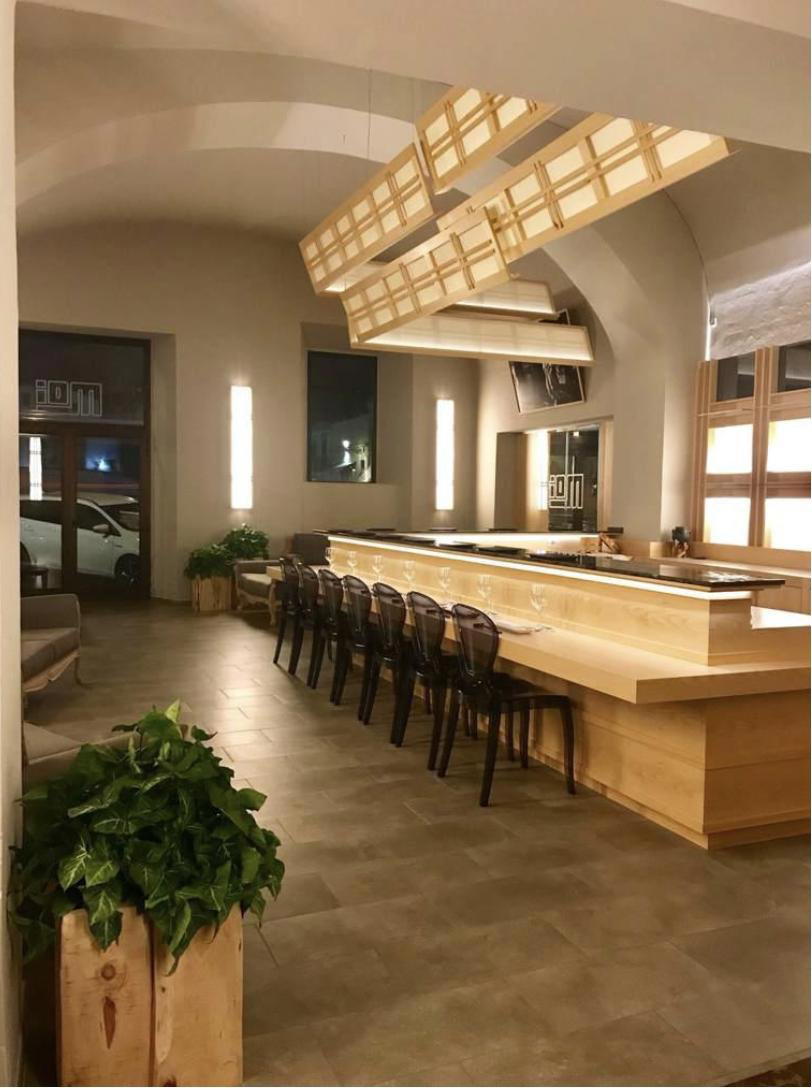
A fixed-seat omakase counter in Prato's city centre, MOI Omakase places Chef Alberto Toè's Japanese technique against a backdrop of Tuscan medieval architecture. A single nightly sitting from 9pm, a Michelin Plate in 2024 and 2025, and an Opinionated About Dining ranking that climbed from #407 to #289 across the same period mark it as one of central Italy's more quietly serious crossover dining formats.

Pearl is the En Primeur Club membership app — saves, bookings, and concierge access live there. Same editors, same standards.
- Address
- Viale Piave, 10/14, 59100 Prato PO, Italy
- Phone
- +39 0574 065595
- Hours
- Mon–Sat 9 PM–12 AMSun Closed
- Website
- moiprato.it
- Directions
- Get directions
- Booking
- Book on the venue's website
The menu
What to order
- Miso and monkfish soup with kelp and green onions
- Hokkaido scallops
- Oysters from Brittany
- Sea bass from Conero
Viale Piave sits within easy sight of the Castello dell'Imperatore, the only northern-European Hohenstaufen castle on Italian soil, and it is an unlikely address for a Japanese-format counter. The visual dissonance is part of the point. Prato has long operated as Tuscany's industrial second city, overshadowed by Florence thirty minutes down the motorway and rarely appearing on itineraries focused on regional cuisine. MOI Omakase occupies that overlooked civic register deliberately, presenting a rigorous omakase format in a city that has no pre-existing expectations for the genre.
Omakase in an Italian City That Has Never Needed It
The omakase format has spread across European capitals over the past decade, with London, Paris, and Copenhagen each developing dedicated counters that compete on Japanese sourcing, lineage, and price. In Italy, the tradition has taken hold more slowly, concentrated in Milan and Rome where international restaurant density is high enough to sustain it. Finding a nightly fixed-menu counter in a mid-sized Tuscan city, priced at the €€€€ level and operating on a single sitting from 9pm to midnight, is unusual enough to require an explanation beyond fashion.
The answer connects to an editorial angle that runs through much of Italian fine dining at its most considered end: restraint as method, not constraint. At Osteria Francescana in Modena and Le Calandre in Rubano, the discipline is applied to Italian ingredients and cultural memory. At MOI Omakase, it runs in the opposite direction — Japanese structure applied to Italian-sourced product, with Chef Alberto Toè controlling both what is served and in what sequence.
The Format and What It Asks of the Guest
Omakase translates as "I trust you" — a compact between chef and diner that removes the menu negotiation entirely. Every guest at MOI eats the same sequence, which begins at 9pm, the single nightly start time. The sushi and sashimi preparation happens in the dining room rather than behind a closed kitchen, which is the structural core of the experience: the counter format collapses the distance between craft and audience, and the technical decisions, knife angle, rice temperature, the ratio of vinegar in the shari, become part of what the evening communicates.
This is, in essence, an application of a very old Italian principle to a Japanese format. The idea that a small number of high-quality ingredients, prepared with precision and without embellishment, constitute a more serious proposition than elaborate multi-component dishes runs from cucina povera through to the current generation of Italian chefs working at Uliassi in Senigallia and Quattro Passi in Marina del Cantone. The omakase counter happens to be the Japanese form that most closely mirrors that principle: the chef selects, the guest receives, and the transaction is built on technique rather than spectacle.
The Michelin inspector's note on record recommends the miso and monkfish soup with kelp and green onions, a broth-based course that sits between Japanese technique and Italian ingredient logic, and a reasonable indicator of how the kitchen positions itself in the overlap between the two traditions.
Where MOI Sits in the Italian Fine Dining Map
Italy's €€€€ restaurant tier is dominated by the major Michelin-starred addresses: Enoteca Pinchiorri in Florence, Enrico Bartolini in Milan, Dal Pescatore in Runate, and Atelier Moessmer Norbert Niederkofler in Brunico. MOI Omakase does not occupy the same starred position, but its Michelin Plate recognitions in both 2024 and 2025 confirm that the guide's inspectors consider the kitchen's output to meet a defined quality threshold. More instructive is the Opinionated About Dining trajectory: ranked #407 among European restaurants in 2025 after placing #289 in 2024, it remains well inside a list that draws on aggregated critic and expert votes across the continent.
For comparative context, the OAD European list provides one of the more rigorous cross-border rankings available. A place in the top 500 for two consecutive years from a Prato address, in a format that has no Italian precedent to lean on, represents a different kind of credential than a Michelin star in a city already dense with culinary reputation. It also places MOI in a peer conversation with counters in larger cities, including crossover formats like Atomix in New York City, where Korean-French technique operates on similar principles of chef-led sequence, rather than against Prato's own restaurant scene.
Locally, the contrast is instructive. Paca represents Prato's contemporary Italian direction, and Il Piraña anchors the city's seafood tradition. MOI operates on a separate axis from both, which is part of what makes its position in the city legible: it is not competing for the same guest, and it is not trying to. The guest who books MOI has already decided they want the omakase format specifically, at the highest price point Prato offers, on a Tuesday evening at 9pm.
Planning the Evening
The single sitting structure means timing is fixed rather than flexible. Doors are open Tuesday through Saturday, 9pm to midnight; Sunday and Monday the restaurant does not operate. The late start reflects both Italian dining culture and the format's internal logic, a counter experience that runs for two to three hours works better as the evening's centrepiece than as a pre-theatre option.
Prato is a thirty-minute train journey from Florence Santa Maria Novella, making MOI accessible as part of a longer Tuscan stay rather than requiring a dedicated base in the city. For those spending more time, our full Prato hotels guide covers the city's accommodation options, and our Prato bars guide can fill the hours before a 9pm sitting. The Castello dell'Imperatore is a five-minute walk from Viale Piave and worth the detour in daylight hours. For broader context on what Prato's dining scene offers beyond this counter, our full Prato restaurants guide maps the full range. Visitors interested in the region's wine producers will find relevant context in our Prato wineries guide, and our Prato experiences guide covers the city's cultural programming.
The €€€€ price tier at a single-sitting counter with no printed menu requires a specific kind of commitment. The guest who arrives having read the OAD ranking, accepted the format, and booked the table will find that MOI delivers exactly what the format promises: a chef-led sequence of Japanese-inflected preparations, executed in front of them, in a city that has given the format room to operate without the pressure of a crowded competitive set.
Frequently asked questions
What do people recommend at MOI Omakase?
Because every guest receives the same chef-determined menu, there is no à la carte selection to direct toward. The Michelin inspector's published note singles out the miso and monkfish soup with kelp and green onions as a course worth particular attention, a bowl that bridges Japanese broth technique with Italian fish product. Chef Alberto Toè's sushi and sashimi preparation, executed in the dining room as part of the service, is the structural core of the experience. The 2024 and 2025 Michelin Plate recognitions and back-to-back OAD European rankings confirm that the kitchen's output holds to a consistent standard across the full sequence.
Is MOI Omakase better for a quiet night or a lively one?
The format answers this question directly. A single sitting, a shared menu, and a late 9pm start in a city without a high-density fine dining scene makes for a deliberate, focused evening rather than a sociable one. Prato at the €€€€ price point, with OAD European recognition and a Michelin Plate, draws guests who have sought the venue out specifically, which tends to produce a room of people paying attention rather than a loud one. If the evening you want involves noise and variety, this is the wrong format. If it involves watching a chef work at close range over two to three hours, with nothing else competing for the room's attention, MOI is the right address in central Italy for that experience.
Is MOI Omakase okay with children?
In practical terms, the format presents some relevant context: a single 9pm start time, a late finish, a shared fixed menu with no substitution indicated, and a counter-style setting where the chef's preparation is the main event. At the €€€€ price level in a city like Prato, these conditions tend to suit adult diners rather than younger guests who may find a two-to-three-hour fixed sequence at midnight inflexible. If dining with children in Prato is the priority, our full Prato restaurants guide covers formats and hours better suited to that need.
Price and Recognition
| Venue | Cuisine | Price | Awards | Notes |
|---|---|---|---|---|
| MOI OmakaseThis venue — the venue you are viewing | Modern Japanese Omakase | $200–300 | Michelin Plate | Not listed |
| Atelier Moessmer Norbert Niederkofler | Italian, Creative | Not listed | Michelin 3 Star | Not listed |
| Dal Pescatore | Italian, Italian Contemporary | Not listed | Michelin 3 Star | Not listed |
| Enoteca Pinchiorri | Contemporary Italian Fine Dining | $200–300 | 3 Michelin Stars · World's 50 Best #32 | Italian - French, Italian Contemporary |
| Enrico Bartolini | Creative | Not listed | Michelin 3 Star | Not listed |
| Osteria Francescana | Avant-Garde Italian Contemporary | $300–500 | 3 Michelin Stars · World's 50 Best #1 | Progressive Italian, Creative |
Recognition history
Dated appearances from independent guides and award organizations, with the underlying list record or original source where available.
Michelin Plate
Michelin
Opinionated About Dining Top Restaurants in Europe Recommended
Opinionated About Dining
Full recognition history (6 entries)
Michelin Plate
Michelin
Opinionated About Dining Top Restaurants in Europe Ranked #407
Opinionated About Dining
Michelin Plate
Michelin
Opinionated About Dining Top Restaurants in Europe Ranked #289
Opinionated About Dining
Continue exploring
More in Prato
Restaurants in Prato
Browse all →
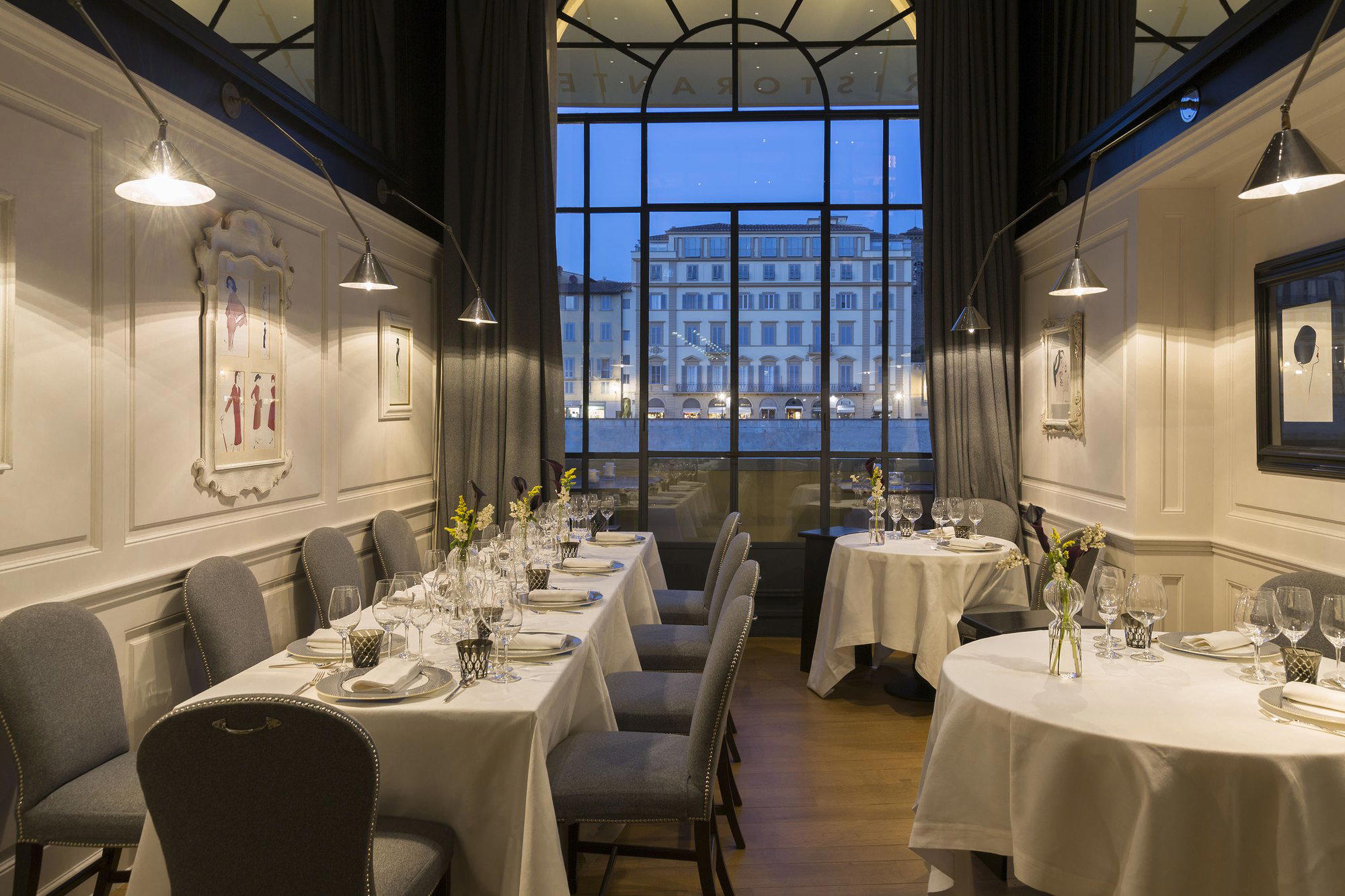
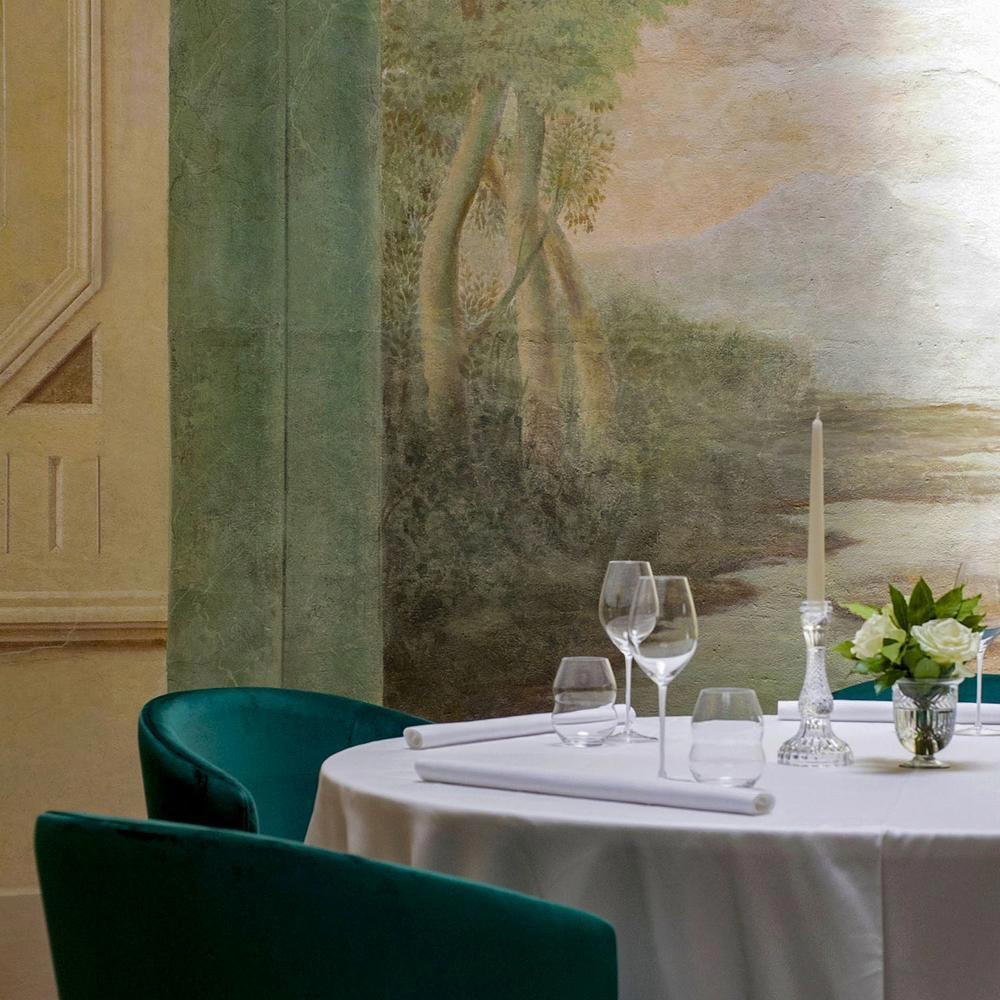
Bars in Prato
Browse all →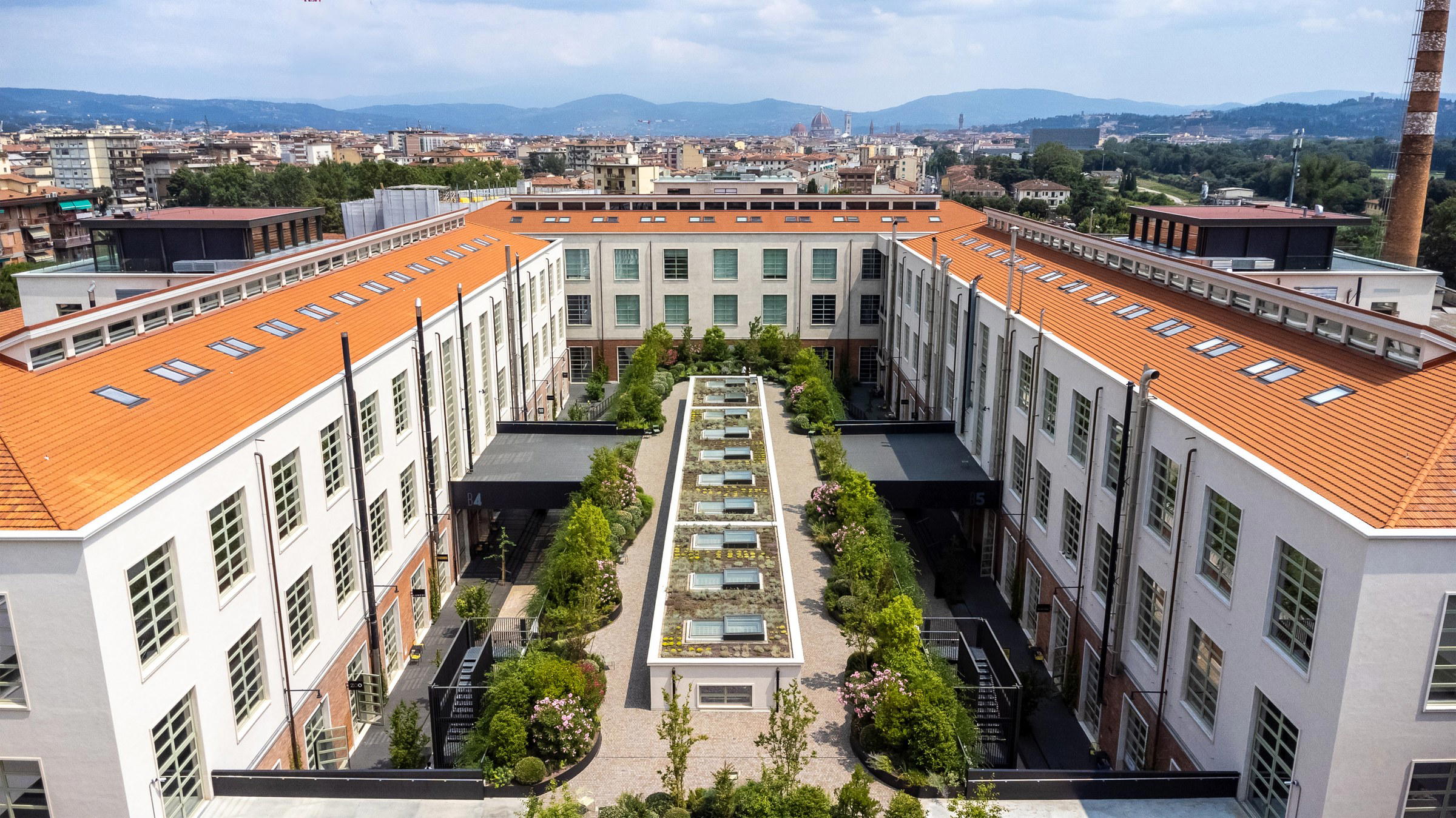
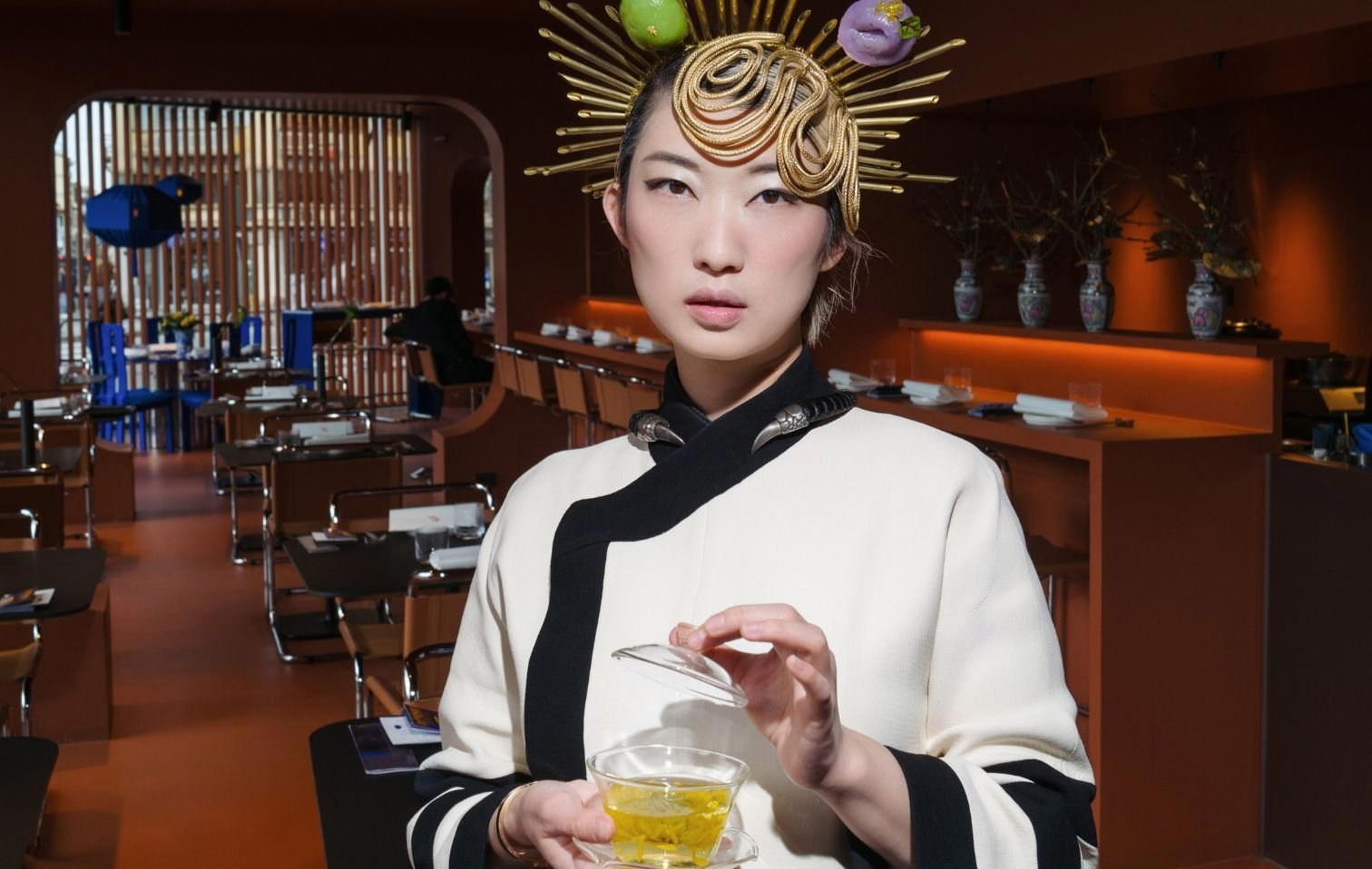
Hotels in Prato
Browse all →
Details
- Intimate
- Elegant
- Sophisticated
- Quiet
- Date Night
- Special Occasion
- Celebration
- Chefs Counter
- Open Kitchen
- Standalone
- Byob
- Sustainable Seafood
- Local Sourcing
- Street Scene
- Omakase
- Counter Dining
- Tasting Menu
- Wine
- Sake
- Gluten Free Options
Current opening hours
- Monday
- 9 PM–12 AM
- Tuesday
- 9 PM–12 AM
- Wednesday
- 9 PM–12 AM
- Thursday
- 9 PM–12 AM
- Friday
- 9 PM–12 AM
- Saturday
- 9 PM–12 AM
- Sunday
- Closed
Hours can change for holidays and private events. Last verified .
Intimate, refined atmosphere with attentive silences and measured service; guests sit at a counter overlooking the chef's precise preparations, with views of Castello dell'Imperatore creating a serene backdrop that transports diners to Japan without leaving Italy.