
A Kamakura stop for wagashi and Japanese sweets cafe culture, Toshimaya Karyo Hatokoji sits in the city’s lower-priced sweet-break tier rather than its formal kaiseki bracket. Its Tabelog 100 selection for Japanese traditional sweets and sweets cafes in East Japan gives it a useful trust signal for travelers building a Kamakura food day around tea, confectionery, and old-town walking routes.
Pearl is the En Primeur Club membership app — saves, bookings, and concierge access live there. Same editors, same standards.
- Address
- 神奈川県鎌倉市小町2-9-20
- Phone
- +81467240810
- Website
- hato.co.jp
 Saves & bookings on Pearl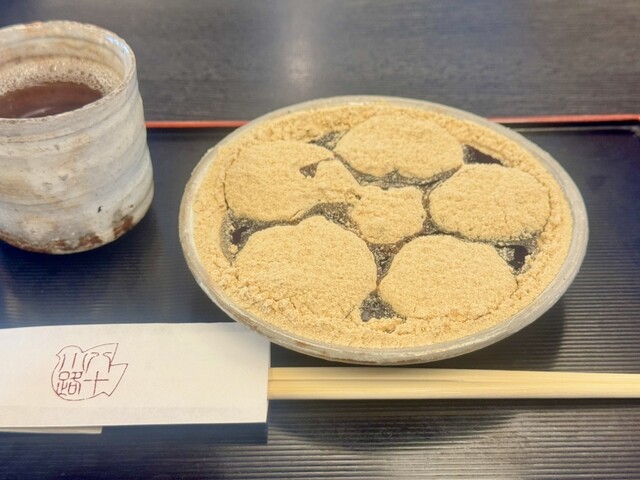
Kamakura’s sweets culture works on a different clock from its lunch rooms. The rhythm is set by temple visits, station-side shopping streets, and the mid-afternoon pause when tea and wagashi make more sense than another full meal. In that context, Toshimaya Karyo Hatokoji is less a detour than a piece of the city’s eating grammar: a Japanese sweets cafe in Komachi, close to Kamakura Station, where the point is not spectacle but pacing.
The city has long pulled visitors toward shrines, Zen precincts, and the sea, yet its food identity is just as dependent on smaller rituals. Wagashi belongs to that quieter register. It is calibrated around season, texture, and restraint, and it rewards a different appetite from the one that sends diners to counter sushi or multi-course Japanese cooking. Kamakura’s cafe featuring Japanese sweets category sits between souvenir confectionery and formal tea service, making it especially useful for travelers who want a break that still feels rooted in place.
Wagashi in Kamakura belongs to the pause between temples and trains
Japanese sweets cafes in historic day-trip cities have a practical cultural role: they absorb the hour when lunch has passed, dinner is too far away, and the city’s walking routes begin to slow. Kamakura is built for that interval. Komachi’s food streets, temple approaches, and station traffic create a constant demand for places that can handle families, friends, and solo visitors without requiring the commitment of a long meal.
That is where the category differs from higher-spend Japanese dining in town. Kikuta and Oryori Tomiyama sit in a more formal bracket, with prices that push the meal toward a planned reservation and a fuller dining occasion. Kamakura Naniwaya, by contrast, occupies the same sub-¥1,000 sweets range, while Gelateria Il Brigante and Romi-Unie Confiture show how dessert-led stops in Kamakura split between Japanese confectionery, Italian gelato, and jam-focused European cafe culture. The decision is not simply sweet versus savory; it is about how much time, appetite, and local context a traveler wants to spend.
Toshimaya Karyo Hatokoji carries a 2023 Tabelog 100 selection for Japanese traditional sweets and Japanese sweets cafes in East Japan, with a Tabelog score of 3.66. In a category where many addresses function as casual stops, that recognition matters. It places the cafe inside a curated regional conversation rather than treating it as a convenient sugar break near the station.
The value is cultural specificity, not a long-format meal
Kamakura rewards short, precise food stops. A full-day itinerary can move from coffee to wagashi to seafood or Japanese cooking without turning every meal into an event. The useful way to read this cafe is as a compact cultural marker: Japanese sweets, cafe seating, English menu support, non-smoking policy, and a family-friendly setting. Those details make it easy to fold into a day that might otherwise lean too heavily on sightseeing and snacks eaten standing up.
The price tier also shapes the editorial call. In Kamakura, the same day can include a low-cost wagashi break, a mid-tier cafe, and a more expensive Japanese dinner. The cafe’s category keeps it accessible, while the Tabelog 100 signal separates it from purely opportunistic station-area stops. For travelers comparing food priorities, this is the kind of place to use between bigger bookings rather than instead of them.
There is also a broader reason wagashi belongs in a Kamakura itinerary. The city’s appeal is not only visual heritage; it is the way old religious streets, commuter rail, school groups, and day visitors all collide in a compact center. Japanese sweets cafes translate that mix into a format that does not ask for ceremony but still carries tradition. The better Kamakura food day includes at least one such pause, because it shows how the city eats when it is not performing as a destination dining capital.
How to place it in a Kamakura food day
Use the cafe as an anchor for the station-side portion of the day, then build outward. Coffee-led travelers can compare the rhythm with Cafe Vivement Dimanche, while bakery and pastry interests point toward Bergfeld Kamakura honten or CALVA. For broader casual eating in town, Cabbage Batake and arbre noir YAKUMI show how Kamakura’s restaurant map moves beyond sweets and temple-route snacking.
For planning beyond a single stop, use Our full Kamakura restaurants guide alongside Our full Kamakura hotels guide, Our full Kamakura bars guide, Our full Kamakura wineries guide, and Our full Kamakura experiences guide. Travelers extending the same Japan food map can also file away. 鮪と炭火焼き うお炭 秋葉原店 in Tokyo.cafe in Osaka.know in Kumamoto, (Shoku) Vietnam in Kawasaki, [Curry Senmon Ten] Maruyama Kyoju. in Sapporo, and [ki:] in Kyoto. For Japanese-adjacent dining outside Japan, Jōdo Saké Bar in Los Angeles and Onigiri Time in Pasadena sit on the same broader map of casual formats with cultural specificity.
Pricing, Compared
Nearby venues at a similar price tier for orientation.
| Venue | Cuisine | Price | Notes |
|---|---|---|---|
| Toshimaya Karyo HatokojiThis venue — the venue you are viewing | Not listed | $ | Not listed |
| Caraway | Not listed | $ | Kamakura, Japanese Western-style curry house |
| Oryori Tomiyama | Not listed | $$ | Kamakura, Traditional Japanese donburi & set meals |
| Nagon Shiruko Ten | Kamakura, Japanese Sweets Cafe | $ | Not listed |
| KIBIYA Bakery Honten | Kamakura, Japanese Bakery | $ | Not listed |
| mbs 46.7 | Not listed | $ | Kamakura, Artisanal Bread & Sandwich Bakery |
Recognition history
Dated appearances from independent guides and award organizations, with the underlying list record or original source where available.
Tabelog 100 #44 · No. 44
Tabelog · Tabelog 100 - Japanese traditional sweets / Japanese sweets cafe - EAST - 2023










At a Glance
- Classic
- Cozy
- Quiet
- Solo
- Family
- Casual Hangout
- Brunch
- Historic Building
- Standalone
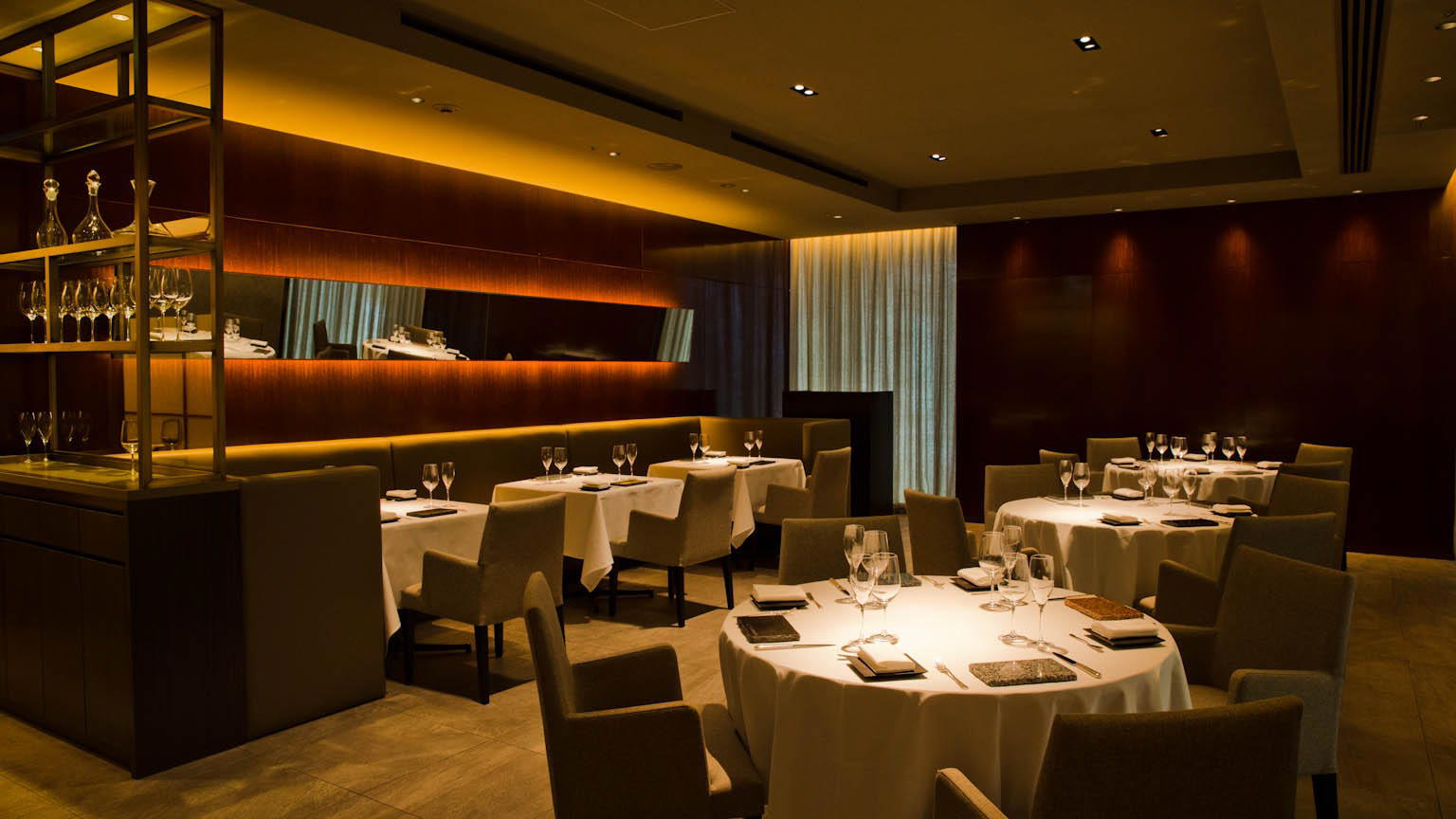
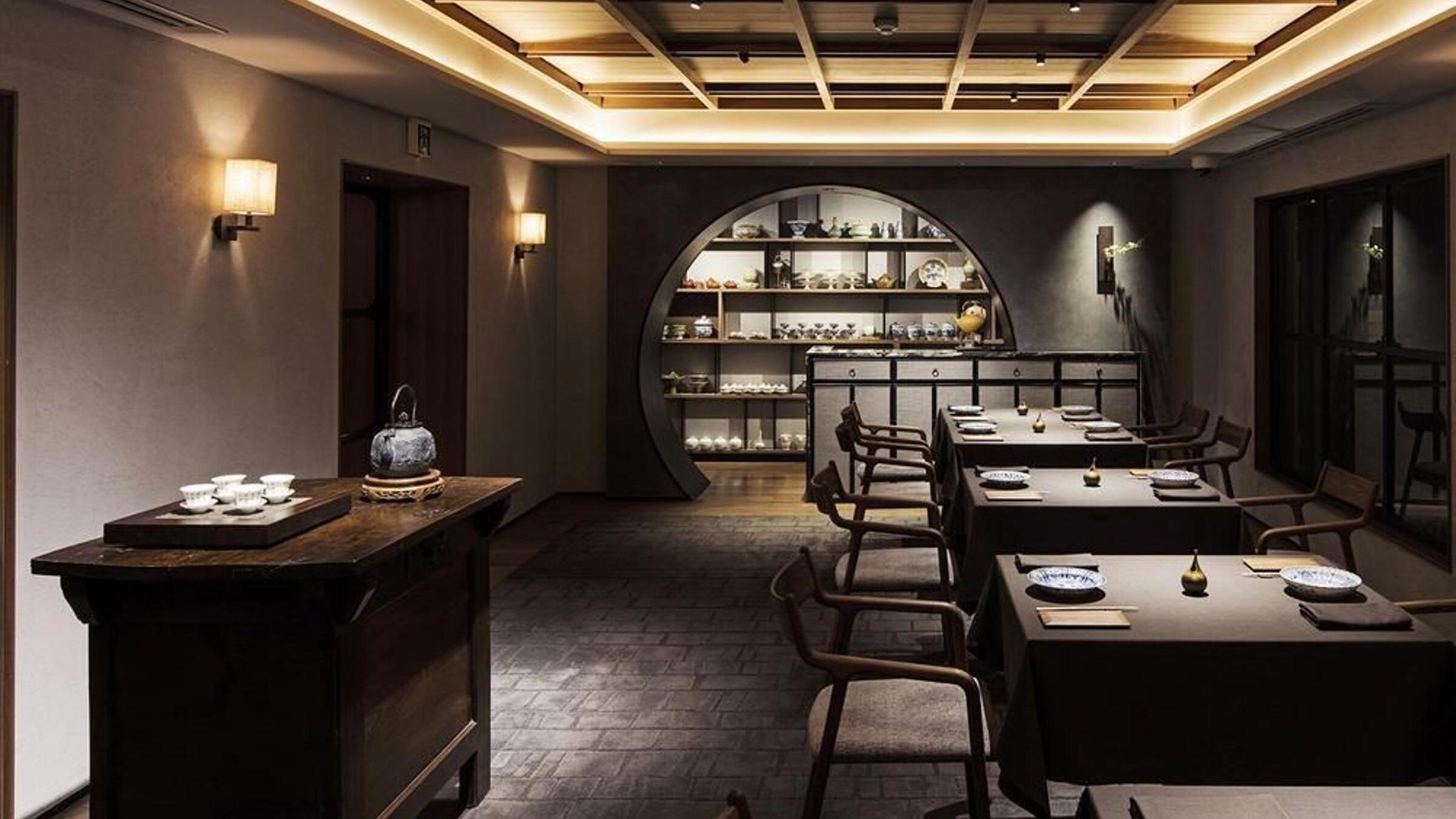
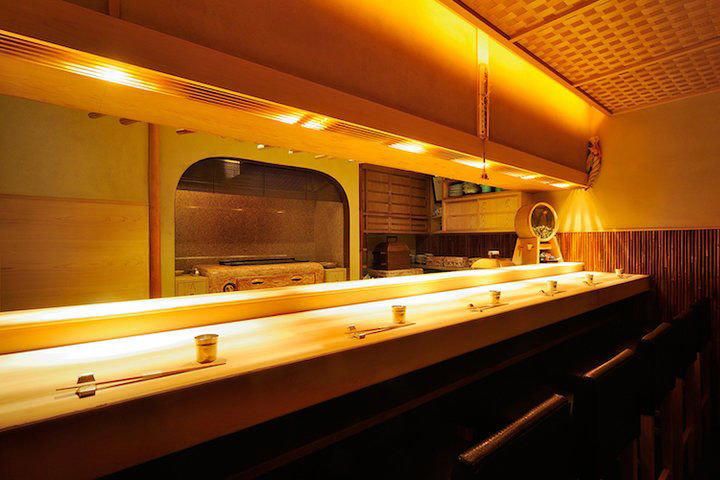
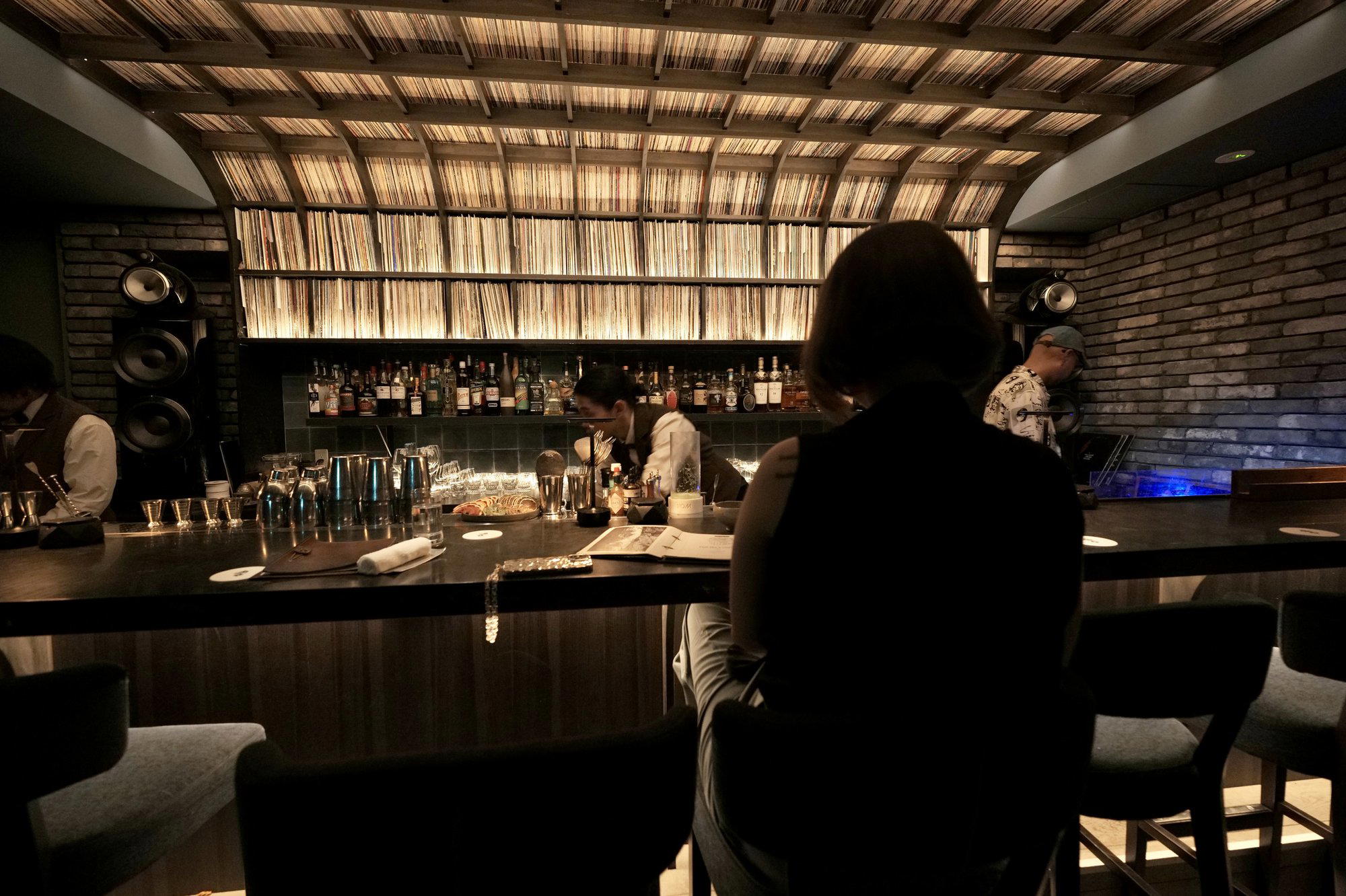
A calm, traditional Japanese sweet parlor with a restrained, nostalgic design and a relaxed tearoom atmosphere suited to quietly enjoying wagashi and tea.