
Kikuta is a small Kamakura izakaya shaped around fish, sake and the slower etiquette of evening drinking rather than destination-restaurant theatre. Its Tabelog 100 Izakaya EAST selections in 2021, 2022, 2024 and 2025 place it in a serious regional category, while the room’s counter-and-tatami format keeps the experience close to the older grammar of Japanese tavern dining.
Pearl is the En Primeur Club membership app — saves, bookings, and concierge access live there. Same editors, same standards.
- Address
- Japan, 〒248-0006 Kanagawa, Kamakura, Komachi, 2 Chome−9−14 植山ビル 2F
- Phone
- +81 467-24-5432
- Website
- aquadina.com
 Saves & bookings on Pearl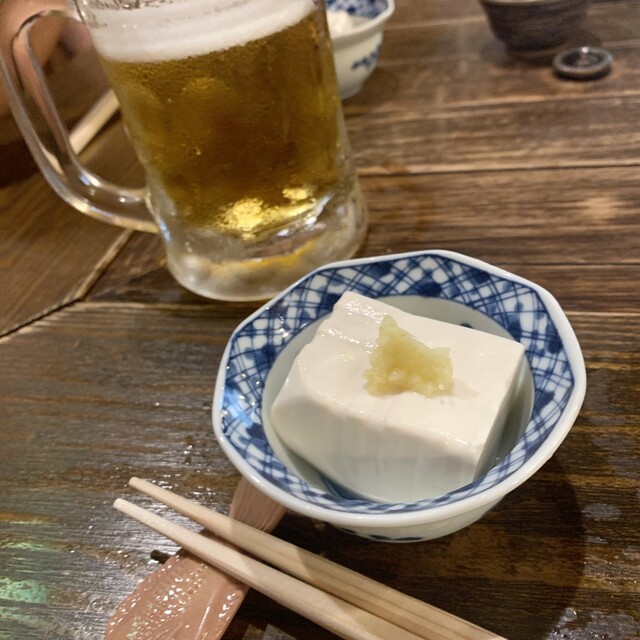
Approaching an izakaya in Kamakura after temple traffic thins is unlike eating in Tokyo’s high-speed dining districts. The city’s evening appetite is quieter, more local, and tied to fish, sake, shochu and measured conversation. Kikuta fits that register: a small Japanese tavern with counter seating and tatami room service, built less around spectacle than the order in which a night unfolds.
That matters in Kamakura. Day visitors often read the city through cafés, wagashi shops and lunch stops near the station, but stronger evening tables ask for different attention. The better izakaya meal is sequential: drinks first, then fish-led dishes, something warm or grilled, and a final pour if the table has found its rhythm. Kikuta’s listing among Tabelog 100 Izakaya EAST selections in 2021, 2022, 2024 and 2025 is a credible signal, not a trophy case: evidence that the tavern sits within a competitive eastern-Japan field where regulars judge consistency over novelty.
Fish, sake and the small-room logic of Kamakura izakaya dining
Kamakura’s coastal position gives seafood izakaya a natural advantage, but stronger rooms need not turn that advantage into a slogan. The point is proportion. Fish anchors the meal, while sake and shochu shape the tempo. Kikuta is categorized as izakaya, Japanese cuisine and seafood, and its drinks focus on nihonshu and shochu, with particular attention to sake. That places it in the tavern tradition rather than the kappo or sushi-counter bracket: the guest is not surrendering to a chef’s fixed sequence, but choosing within a drinking-and-eating structure that rewards restraint.
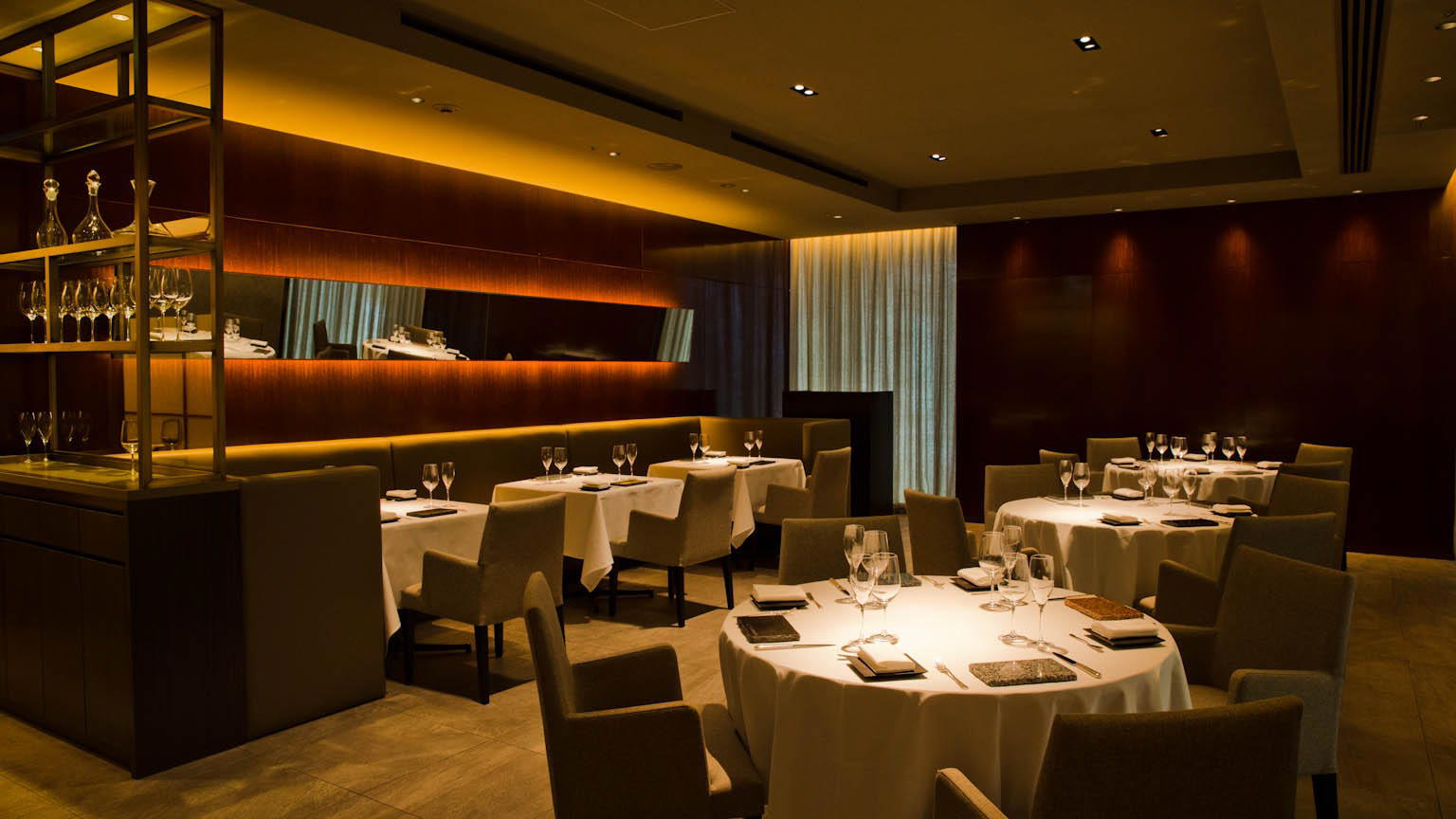
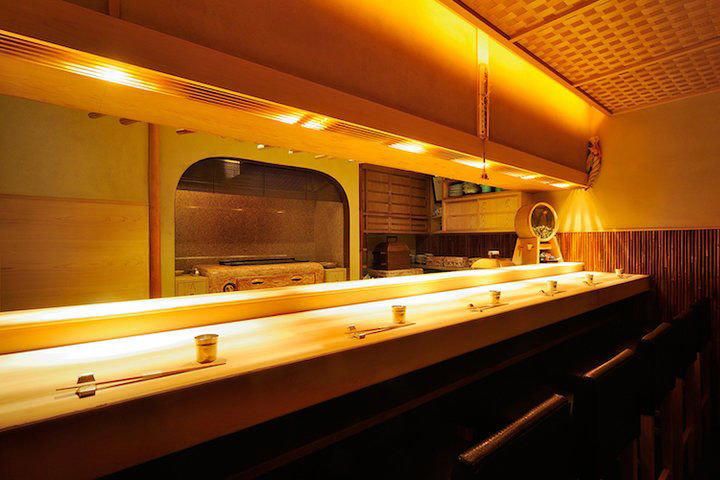
The etiquette is simple and often misunderstood by travellers. An izakaya is neither a bar with snacks nor a restaurant with drinks added as an afterthought. The meal depends on alternation. A pour sets up a dish; a dish changes the next pour. The room also does part of the work. Counter seating brings solo diners into the rhythm without forcing performance, while tatami seating gives groups a slower register. Kikuta’s 22 seats keep that rhythm intact. In a larger room, izakaya dining can drift toward volume; here, pacing matters.
Within Kamakura’s broader eating map, the tavern contrasts usefully with the city’s daytime specialists. Sweet shops and casual stops such as Gelateria Il Brigante, Toshimaya Karyo Hatokoji, MAISON CACAO Kamakura komachi ten and Romi-Unie Confiture sit closer to the afternoon circuit, while Oryori Tomiyama occupies a more formal Japanese-dining lane. Kikuta is a night-time decision: less about covering Kamakura between temples, more about staying after the easy departures have left.
The ritual is the draw, not a signature dish
In premium travel writing, Japanese dining is too often flattened into named dishes, chef mythology or booking difficulty. Izakaya culture resists that treatment. The stronger read is procedural: how long the table lingers, how the first drink opens the appetite, how fish and sake carry the meal without needing a grand narrative. Kikuta’s public profile emphasizes fish and sake rather than a named specialty, and that restraint is useful. It keeps attention on the evening’s grammar, not on a single plate forced into a headline role.
The Tabelog 100 recognition should also be read correctly. It does not make the tavern interchangeable with Tokyo’s hardest-to-book counters, nor place it in luxury tasting-menu territory. It identifies category strength within izakaya culture: repeatable cooking, a clear drinking focus and enough local approval to survive comparison across the EAST list. For travellers who have already done the polished omakase route, that is the appeal. The meal asks for fluency in small choices rather than distant admiration.
Payment culture is part of that fluency. Many older or smaller Japanese dining rooms run on habits that differ from hotel-concierge assumptions, so the planning rail should be read before arrival. The point is friction reduction, not glamour. A good izakaya night suffers when the table treats it like a luxury restaurant or a casual pub. Arrive ready for a compact room, a fish-forward order, and a drinks rhythm that gives the meal shape.
How it fits into a Kamakura itinerary
Kamakura rewards travellers who split the day by mood. Morning and afternoon can belong to temples, bakery counters, coffee and confectionery; evening belongs to smaller rooms where the city feels less like a day-trip extension of Tokyo. Readers building around food should use Our full Kamakura restaurants guide for the wider spread, then treat Kikuta as an evening anchor rather than a quick stop. Nearby daytime or casual options in the wider editorial map include arbre noir YAKUMI, Bergfeld Kamakura honten, Cabbage Batake, Cafe Vivement Dimanche and CALVA.
The larger trip context matters as much as the table. Kamakura is close enough to Tokyo to be underestimated, yet its better evening dining works against commuter logic. Staying overnight changes the decision set: the last drink need not compete with a return train, and the city’s quieter dining culture becomes visible. Use Our full Kamakura hotels guide, Our full Kamakura bars guide, Our full Kamakura wineries guide and Our full Kamakura experiences guide to build the rest of the stay around that slower evening pace.
For readers comparing Japanese dining formats across cities, Kikuta sits in the tavern lane rather than the café, curry, onigiri or sake-bar lane. The distinction becomes clearer beside other EP Club entries such as 鮪と炭火焼き うお炭 秋葉原店 in Tokyo.cafe in Osaka.know in Kumamoto, (Shoku) Vietnam in Kawasaki, [Curry Senmon Ten] Maruyama Kyoju. in Sapporo, [ki:] in Kyoto, Jōdo Saké Bar in Los Angeles and Onigiri Time in Pasadena. The lesson is not that one format outranks another. It is that izakaya dining has its own discipline, and Kikuta’s appeal rests on understanding that discipline before sitting down.
Cuisine and Recognition
Comparable options at the same price tier.
| Venue | Cuisine | Price | Notes |
|---|---|---|---|
| KikutaThis venue — the venue you are viewing | Japanese Izakaya | $$ | Not listed |
| Moana Makai Sango Sho | Japanese Curry | $$ | Kamakura |
| Caraway | Japanese Western-style curry house | $ | Kamakura |
| Kamakura Naniwaya | Traditional Japanese Taiyaki & Wagashi Shop | $ | Kamakura |
| Taiyaki Namihei | Traditional Japanese taiyaki & vegan-friendly bakery | $ | Kamakura |
| arbre noir YAKUMI | Japanese sweets and condiments | $ | Kamakura |
Recognition history
Dated appearances from independent guides and award organizations, with the underlying list record or original source where available.
Tabelog 100 #7 · No. 7
Tabelog · Tabelog 100 - Izakaya - EAST - 2025










At a Glance
- Cozy
- Classic
- Intimate
- Casual Hangout
- After Work
- Group Dining
- Standalone
- Sake Program
- Beer Program
- Local Sourcing
- Street Scene
Current opening hours
- Monday
- 5–10 PM
- Tuesday
- Closed
- Wednesday
- Closed
- Thursday
- 5–10 PM
- Friday
- 5–10 PM
- Saturday
- 5–10 PM
- Sunday
- 5–10 PM
Hours can change for holidays and private events. Last verified .
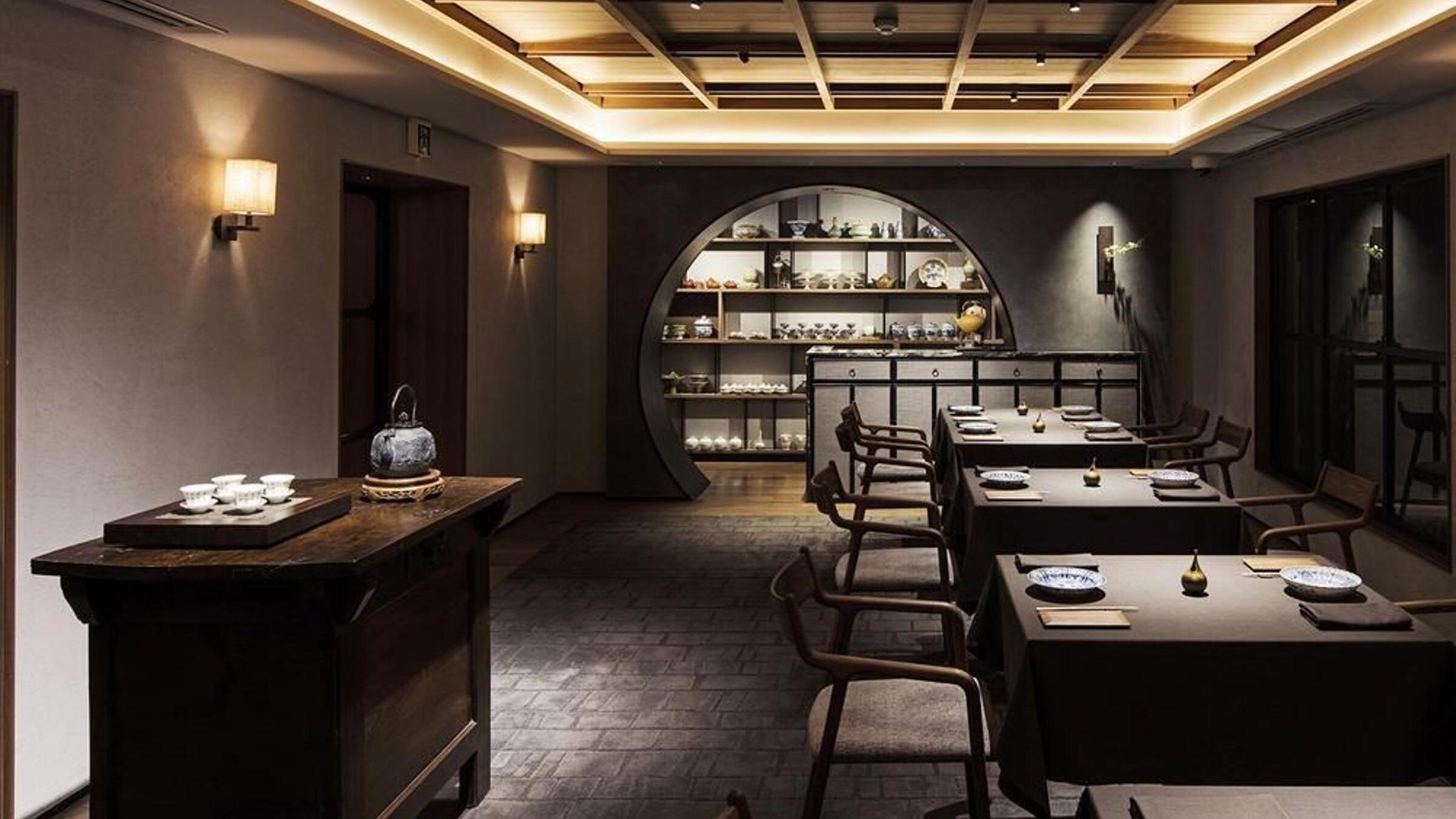
An at-home, cozy izakaya atmosphere that feels intimate and busy enough to justify booking ahead.