Ox and Olive
Ox and Olive brings an American steakhouse format to Washington DC with a focus on premium beef cuts, including wagyu programs that position it within the capital's growing high-end red meat dining tier. The restaurant occupies a category where provenance, aging, and sourcing carry more weight than theatrical presentation alone. Reserve ahead and arrive with appetite for serious protein.
Pearl is the En Primeur Club membership app — saves, bookings, and concierge access live there. Same editors, same standards.
- Address
- Washington DC, United States
- Directions
- Get directions
 Saves & bookings on Pearl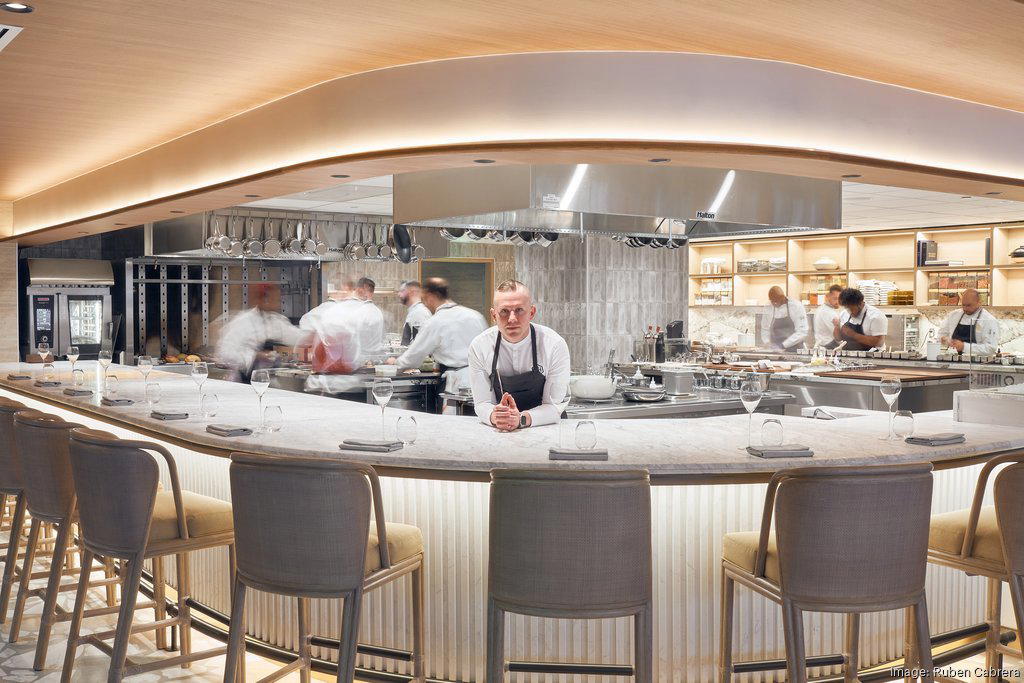
Where Washington's Steakhouse Scene Has Arrived
The American steakhouse has undergone a quiet but consequential transformation over the past decade. The old model, built around USDA Prime dry-aged strips and a Caesar salad trolley, has fractured into two distinct tiers: the legacy houses still trading on decades of reputation, and a newer cohort that treats premium beef with the same sourcing rigour applied to natural wine or heritage grain. Washington DC has not been immune to this split. The capital's dining scene, long overshadowed by New York and Chicago for serious red meat dining, has gradually produced restaurants that sit comfortably in that second, more demanding tier. Ox and Olive operates in Washington DC.
The Premium Beef Market and What It Demands of a Serious Steakhouse
Understanding what separates a steakhouse requires a working knowledge of how the global premium beef market functions. The A5 wagyu designation from Japan's grading system represents the highest tier of marbling and fat distribution, with prefectures such as Miyazaki, Kagoshima, and the storied Kobe designation producing cattle whose intramuscular fat content fundamentally changes how the meat cooks and how it behaves on the palate. A5 beef is not simply a richer version of a USDA Prime ribeye; it is a categorically different product, and restaurants that handle it well understand that serving temperatures, portion sizes, and accompaniments must shift accordingly.
Australian wagyu, which draws on Fullblood and F1 Wagyu-Angus crossbreeding, occupies a slightly different position. The Marble Score (MS) system runs from 1 to 9-plus, and MS7 or above from producers such as David Blackmore or Jack's Creek now commands prices competitive with mid-tier Japanese imports. The advantage of Australian wagyu for American restaurants is supply consistency: Japanese A5 allocations remain limited and logistically complex, while premium Australian product can be sourced at volume without sacrificing marbling quality significantly. The steakhouses getting this right in 2024 and 2025 are those that build menus around both streams, using Japanese cuts for tableside theatre and single-portion luxury while letting Australian wagyu anchor the mid-range premium section of the menu.
This is the framework against which Ox and Olive should be read. The broader shift in the category is away from simply grading domestic beef and toward a more global sourcing vocabulary, and restaurants in the capital's steakhouse tier are increasingly positioning themselves within that vocabulary. For comparison, Bazaar Meat by José Andrés in Washington has made a point of folding Spanish culinary technique into its beef program, creating a distinct identity within the same premium tier. Ox and Olive's identity as an American steakhouse places it in a slightly more classicist position within that comparable set.
DC's Dining Ecosystem and Where a Steakhouse Fits
Washington's restaurant scene has diversified sharply since the mid-2010s. The city that once seemed defined by power-lunch expense accounts and safe bets now has serious representation across Thai, modern Chinese, and New American categories. Alfie's and its permanent Georgetown location represent the natural wine and fine-tuned Thai end of the market; Canton Disco occupies the modern Chinese barbecue space with real conviction. Against that backdrop, an American steakhouse in DC is no longer a default choice by elimination; it competes for the same discretionary evening against formats with more narrative complexity. The steakhouses that survive in this environment do so by being genuinely better at beef, not simply more familiar.
For context on what serious steak programs look like at a national level, Peter Luger in New York has defined the no-frills, dry-aged American beef format for generations, while CUT by Wolfgang Puck in Singapore shows how the American steakhouse export model functions when premium wagyu sourcing becomes the central identity. Locally, the high-water mark for New American cooking in the broader DC orbit remains The Inn at Little Washington, which operates in a different category entirely but illustrates the ceiling for serious dining ambition in the region.
The restaurant positions within the American steakhouse category at the point where sourcing transparency, beef provenance, and a certain seriousness about the protein itself carry the menu. That puts it in a comparable set that includes premium steakhouses across major American cities, and the comparison is not unambitious. Restaurants like Alinea in Chicago or The French Laundry in Napa occupy a different register entirely, but they share with any serious dining destination the underlying principle that the product must justify the price.
Planning a Visit: What to Know Before You Go
Washington's premium restaurant tier books faster than many visitors expect, particularly midweek when the city's professional class fills dining rooms that might otherwise have more slack on weekends. The autumn and spring months, when Washington's political and conference calendar fills hotels and restaurants simultaneously, tend to tighten availability across the board.
The steakhouse format generally rewards arriving with a clear sense of how you want to eat. The central decision at any premium beef restaurant is whether you are anchoring the meal around a single marquee cut or building a more varied experience across multiple preparations. If the menu includes wagyu options, portion discipline matters: a 2-ounce serving of A5 Japanese wagyu delivers more flavour intensity than most people expect from the size, and over-ordering at that tier is a common misstep.
Nationally, the American steakhouse format has produced some of the country's most durable dining institutions. Emeril's in New Orleans and Lazy Bear in San Francisco demonstrate how American dining formats can sustain genuine ambition over time, even as fashions shift around them. The steakhouse, for its part, remains one of the few formats where the quality of a single primary ingredient can carry the entire evening, which makes sourcing decisions not a footnote but the central editorial act of the menu. SingleThread in Healdsburg and Le Bernardin in New York show what happens when that same sourcing rigour is applied to other categories; the steakhouse equivalent, executed well, is no less serious a proposition.
Cost Snapshot
Comparable venues nearby, for context on price, style, and recognition.
| Venue | Cuisine | Price | Notes |
|---|---|---|---|
| Ox and OliveThis venue — the venue you are viewing | Waterfront Georgetown, Dining | Not listed | Not listed |
| Old Ebbitt Grill | Not listed | $$ | East End, Classic American Steakhouse & Raw Bar |
| Cafe Saint-Ex | Cardozo, American Gastropub | $$ | Not listed |
| Lucha Rosa | Shaw, Modern Mexican Rooftop Taqueria | $$ | Not listed |
| Bistro Aracosia | Not listed | $$ | Kent, Authentic Afghan Gourmet & Chop House |
| Jab We Met Indian Kitchen | Capitol Hill, Authentic Indian Kitchen | $$ | Not listed |
Continue exploring
More in Washington DC
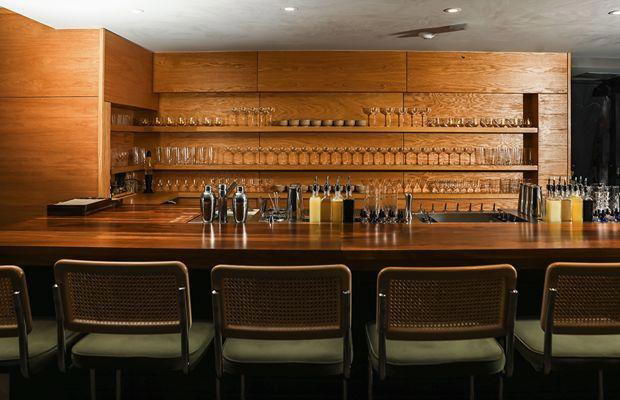
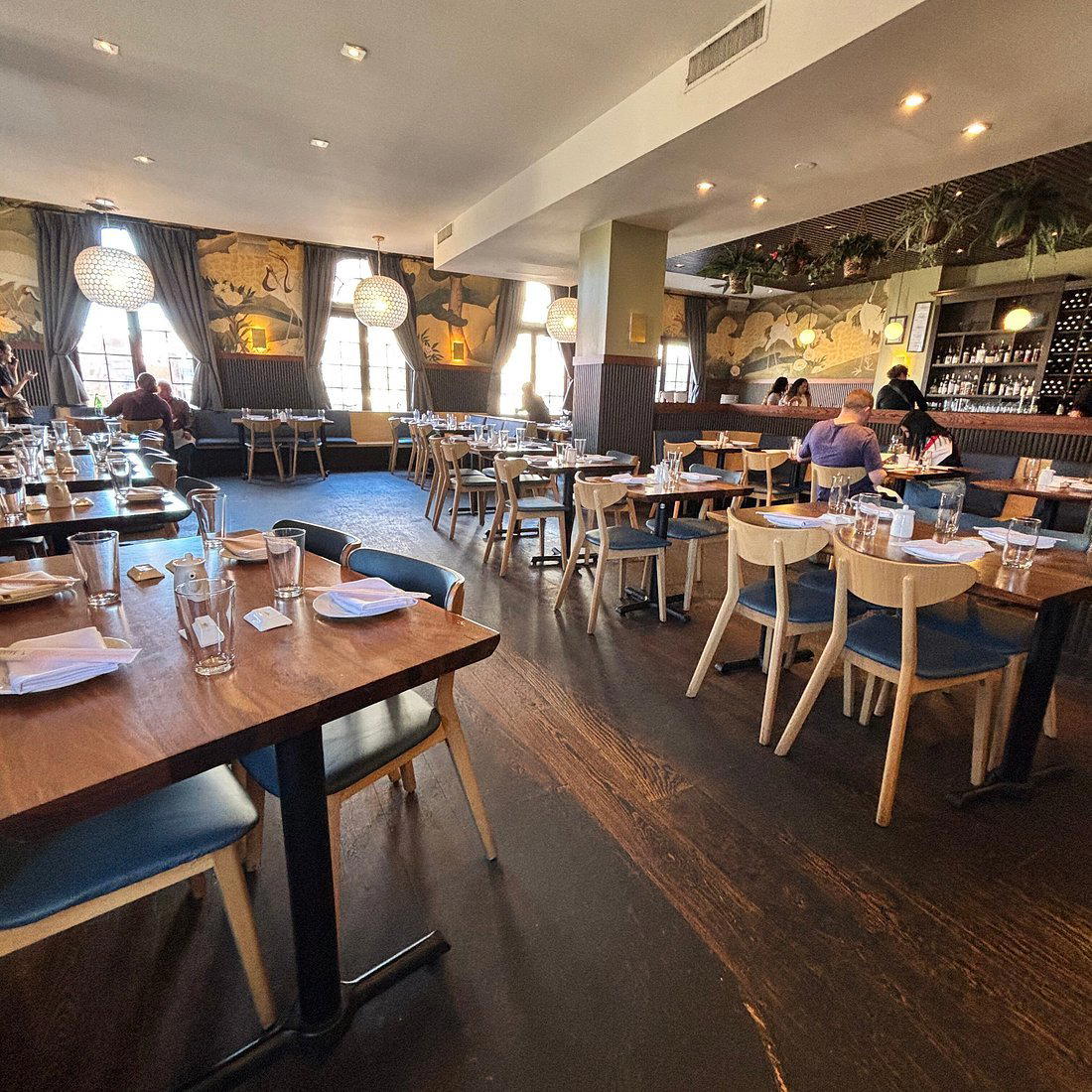
Restaurants in Washington DC
Browse all →
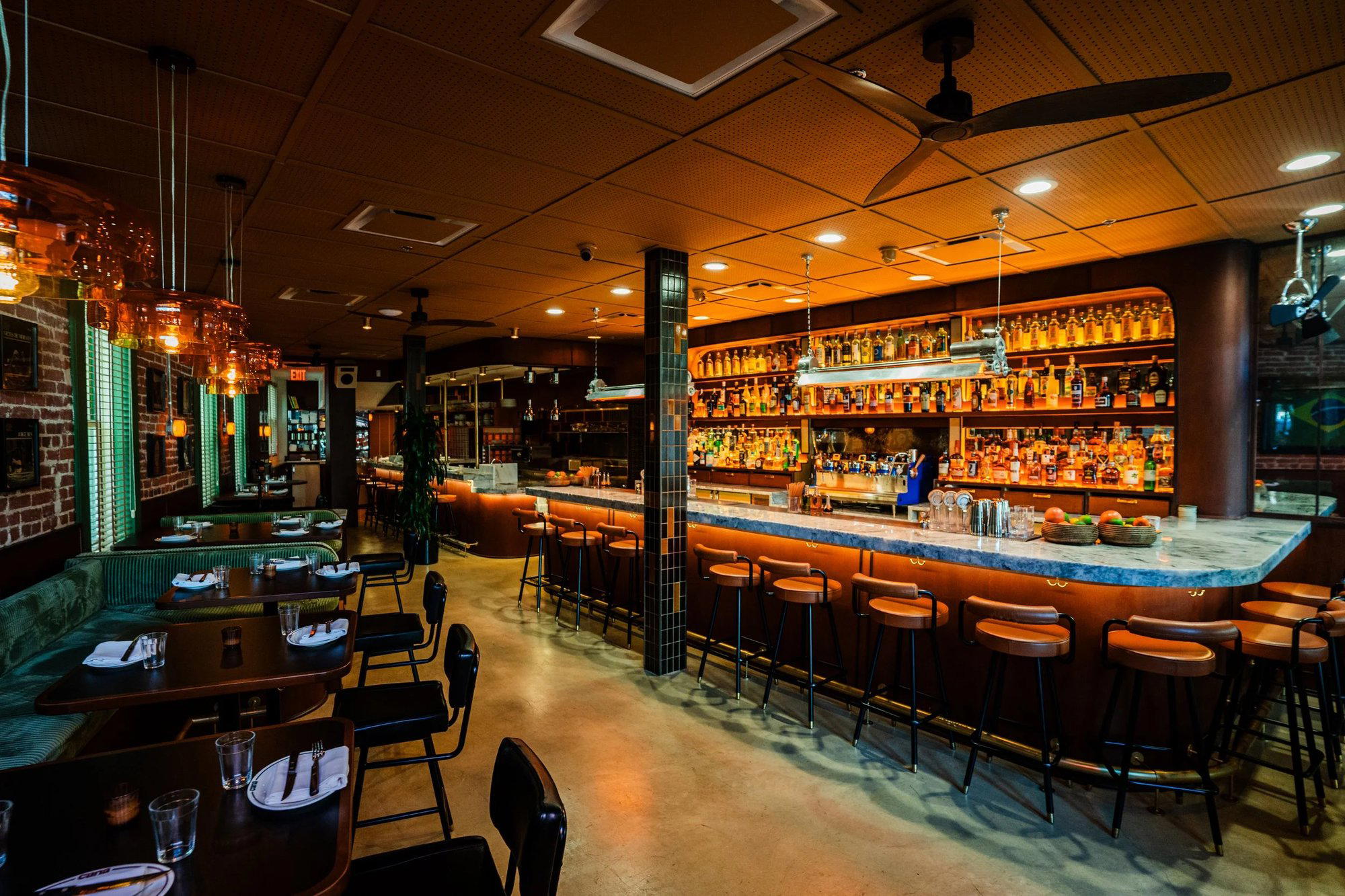
Bars in Washington DC
Browse all →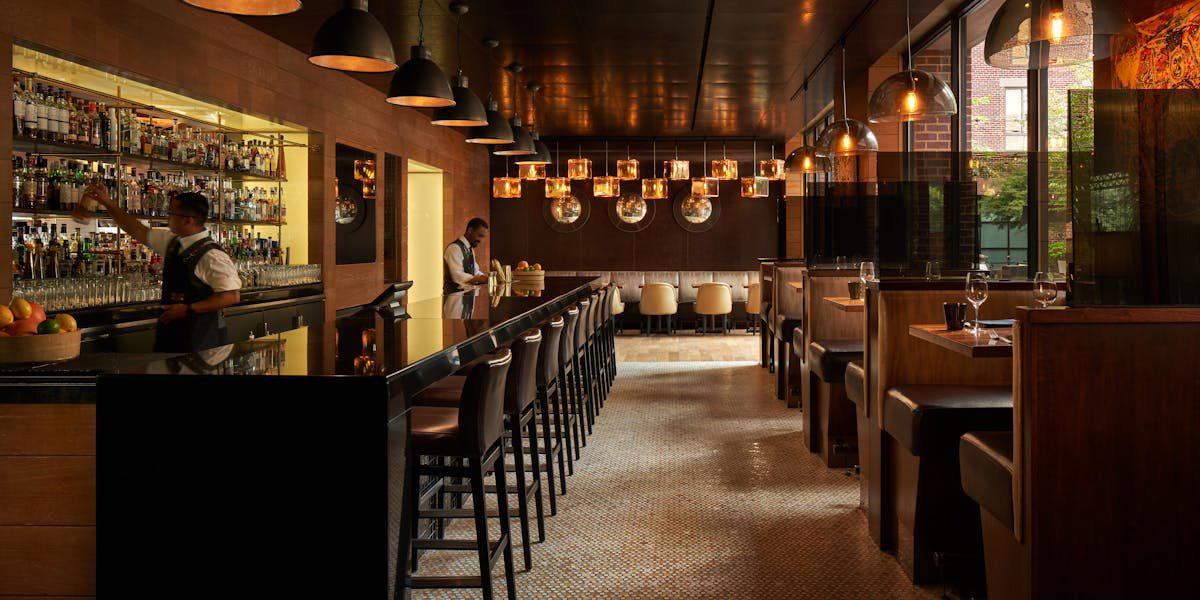
Hotels in Washington DC
Browse all →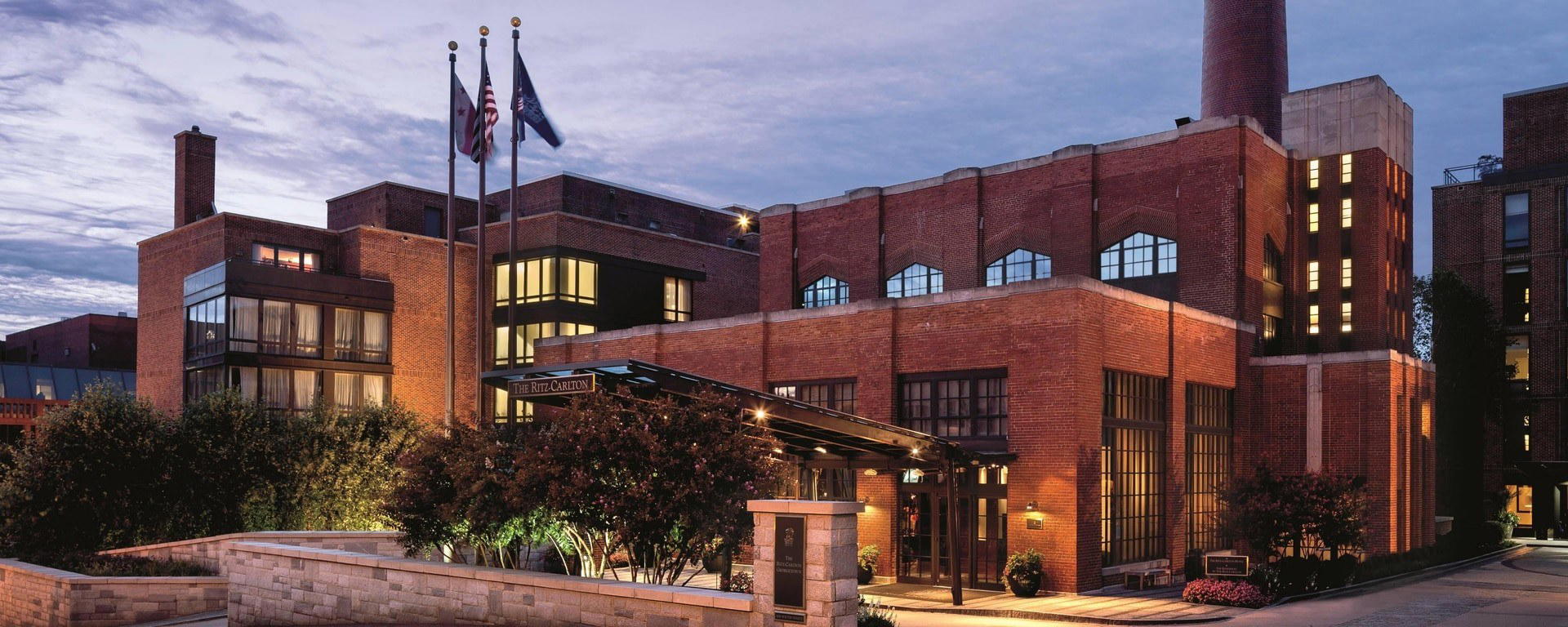
At a Glance
- Intimate
- Sophisticated
- Elegant
- Modern
- Date Night
- Business Dinner
- Celebration
- Special Occasion
- Private Event
- Private Dining
- Historic Building
- Standalone
- Extensive Wine List
- Craft Cocktails
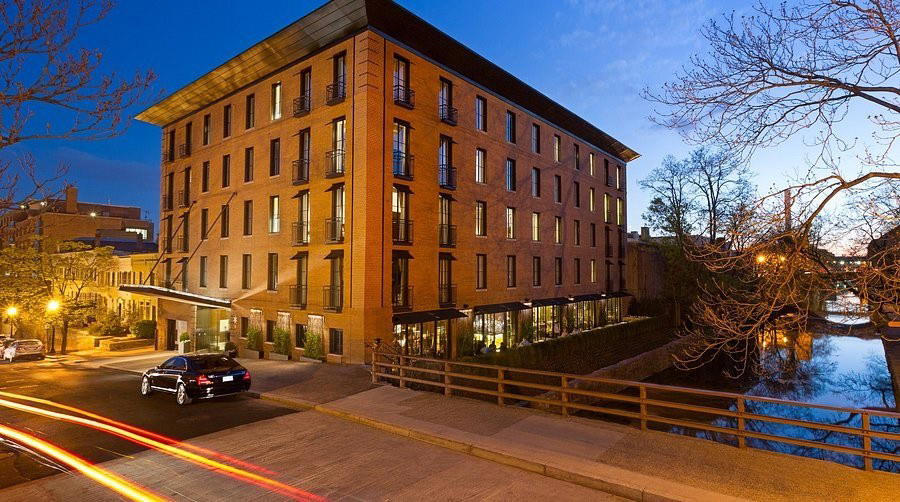
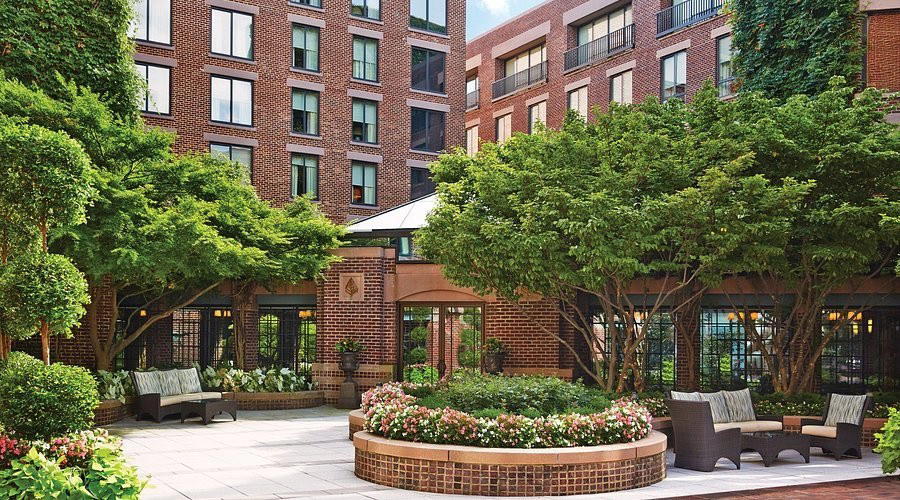
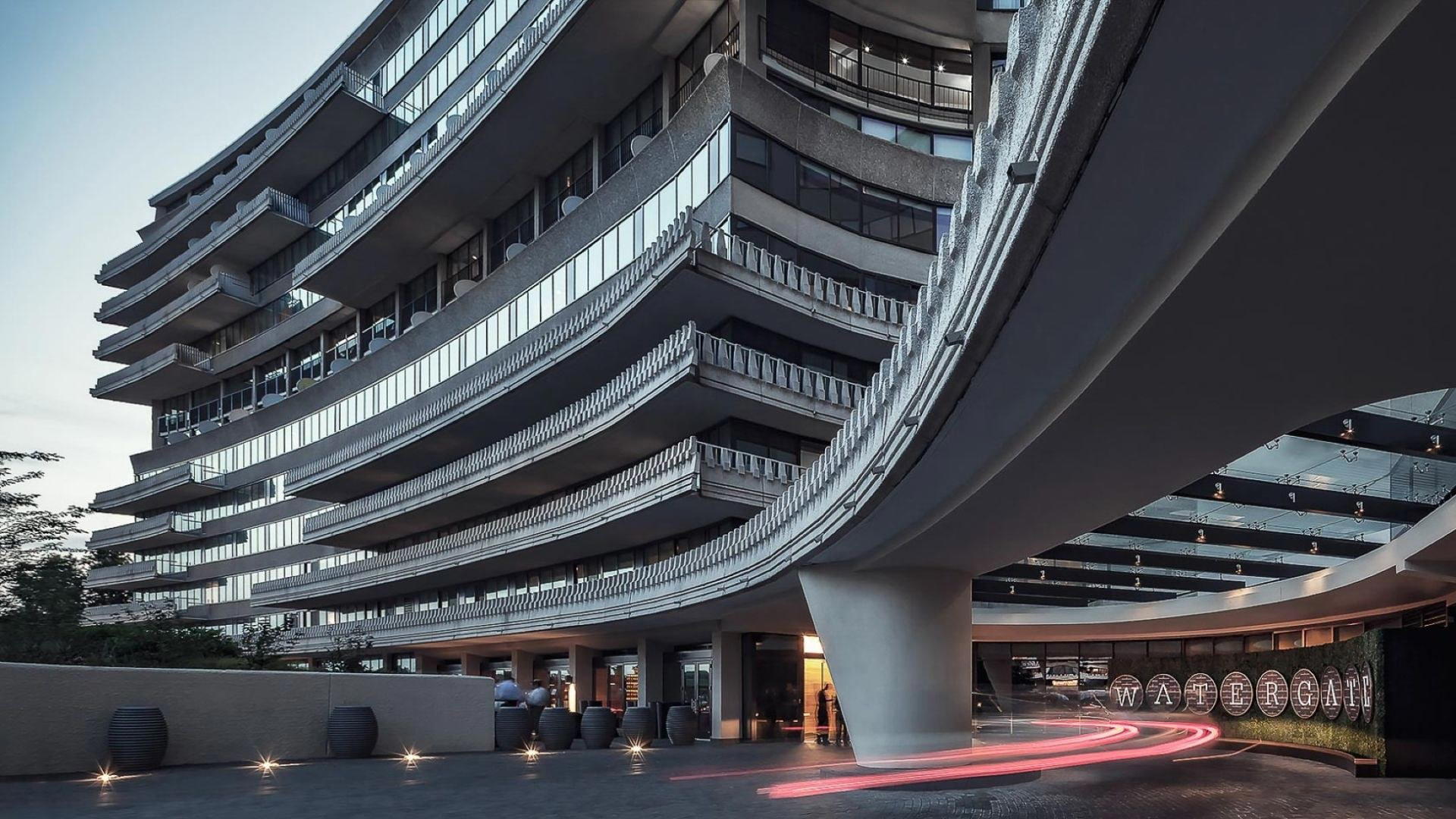
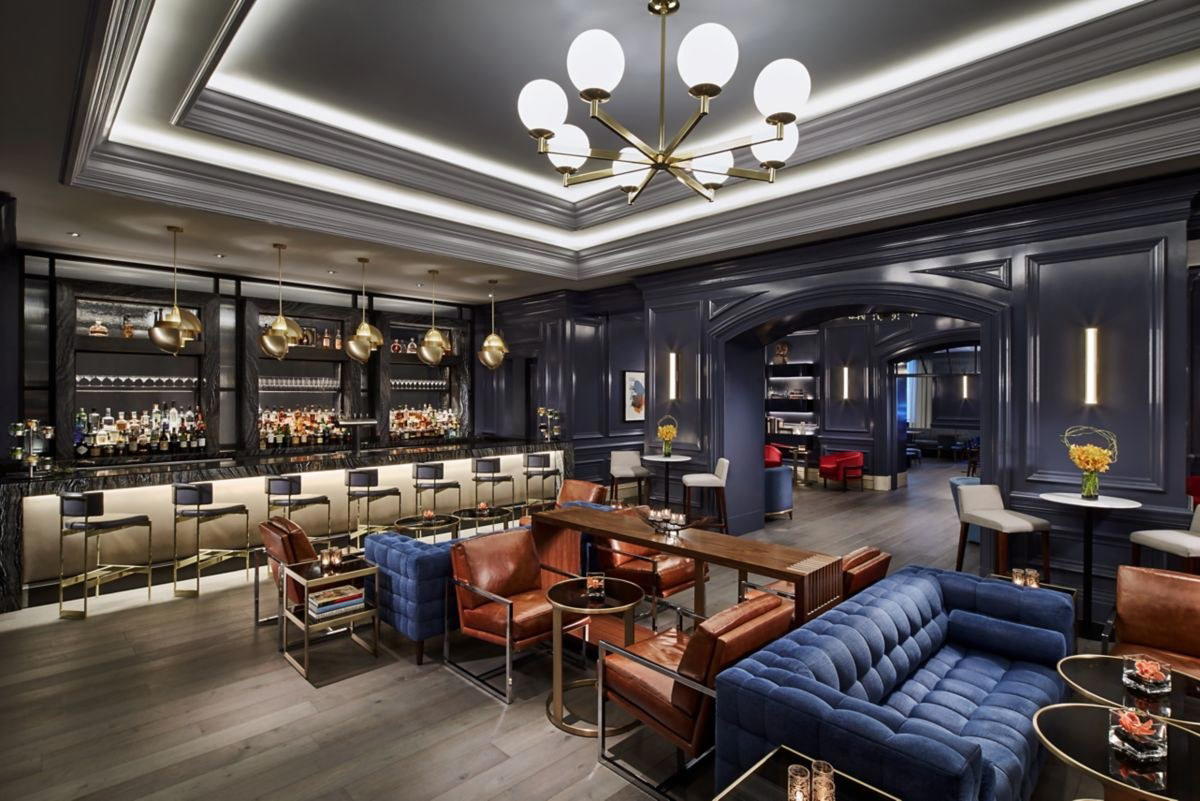
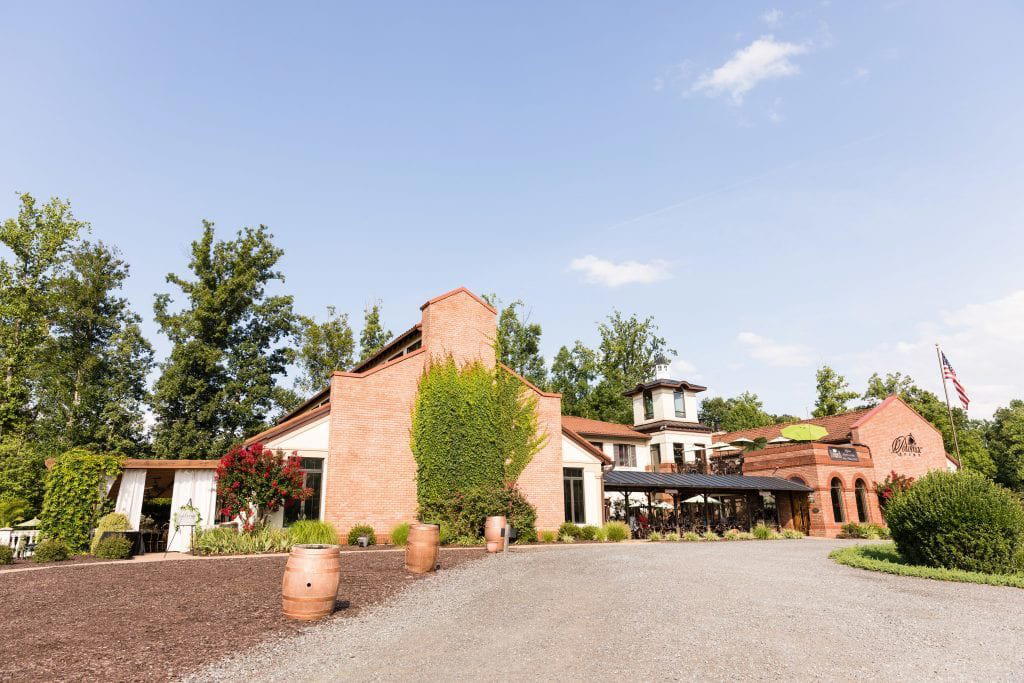
Dark, moody, polished, and quietly seductive, with an intimate steakhouse atmosphere designed for rich nights out.