Omakase at Barracks Row



1 Michelin Star · Washingtonian 100 Very Best Restaurants #4
Our verdict
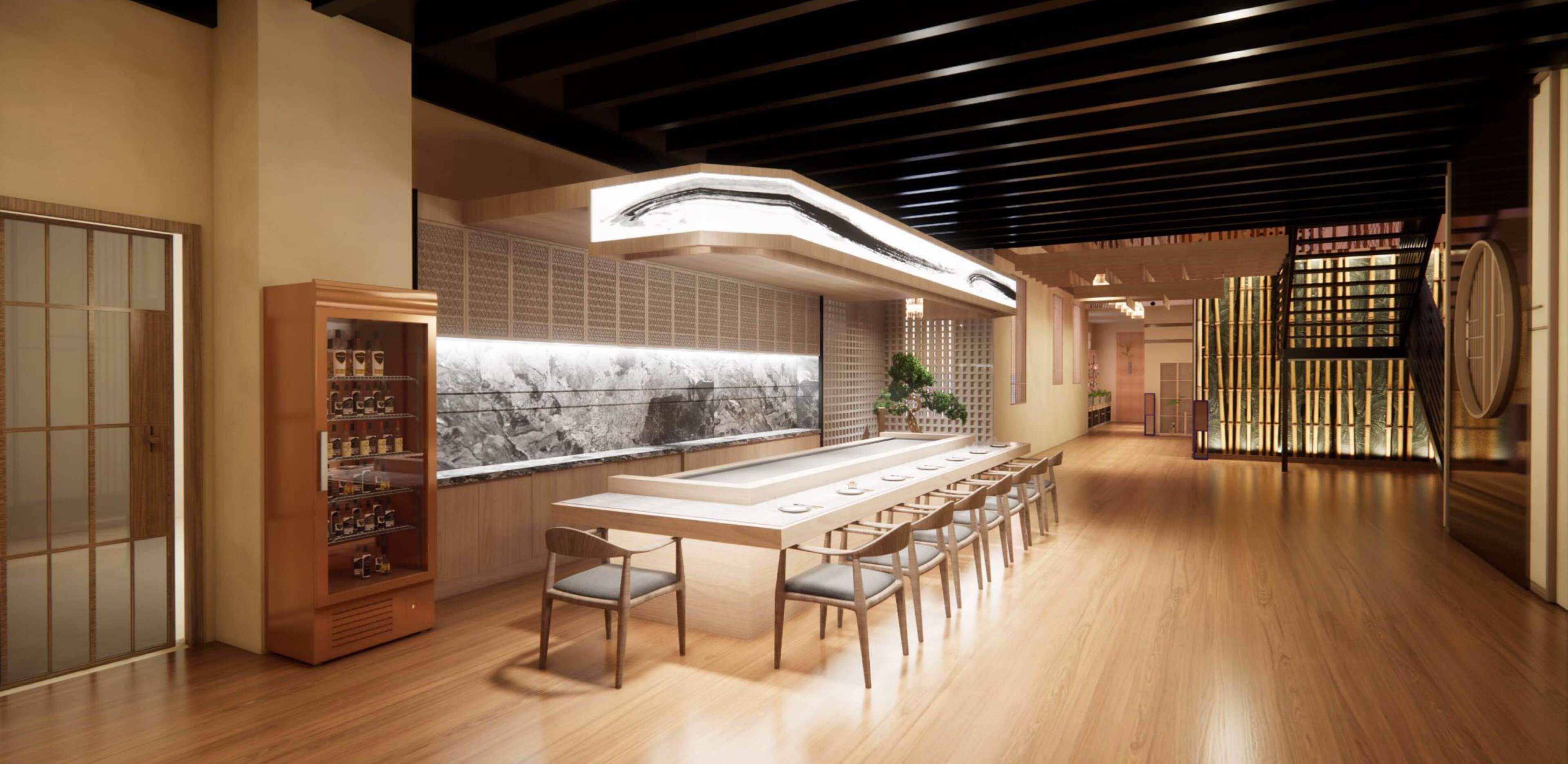
A Michelin-starred omakase counter on Capitol Hill's Barracks Row, where Chef Yi "Ricky" Wang — trained under Chef Nakazawa — moves guests through otsumami and nigiri with precision and regional sourcing. The industrial-chic space, staircase art rooted in gyotaku tradition, and sourcing that reaches from the Carolinas to Japan place this among D.C.'s most considered Japanese counters at the $$$$ tier.

Pearl is the En Primeur Club membership app — saves, bookings, and concierge access live there. Same editors, same standards.
- Address
- 522 8th St SE, Washington, DC 20003
- Phone
- (202) 481-1640
- Hours
- Mon ClosedTue–Sat 5:30–11 PMSun Closed
- Website
- omakasedc.com
- Directions
- Get directions
- Booking
- Book on Resy
The menu
What to order
- Sea bream with sake sauce
- Horse mackerel
- Wagyu beef with caviar
Up the Metal Stairs: What Awaits at the Counter
The approach sets the tone before you sit down. A set of metal stairs leads up into an industrial-chic space on 8th Street SE, and the paintings lining that staircase are not decorative afterthoughts. They reference gyotaku, the centuries-old Japanese tradition in which fishermen brushed their catch with ink and pressed it onto rice paper to record the day's haul. The practice dates to the Edo period, and seeing it framed as an entry ritual at a Capitol Hill omakase counter says something about the level of conceptual care at work here. In some cases, guests leave with a piece of their own. That detail, more than any award or press mention, signals the register at which this meal operates.
D.C.'s Michelin-starred Japanese counter tier is small and closely watched. Kappo and Shōtō occupy the same price bracket and have similarly exacting formats.
The Structure of the Meal
Omakase, in its strictest form, places the sequencing entirely in the kitchen's hands. The meal at Barracks Row follows that discipline: a small run of otsumami — composed bites that function as both introduction and palate calibration — before the counter shifts into nigiri. This two-act structure is standard at the top end of the format, used at counters from Tokyo's Ginza district to New York's most allocation-heavy seats. What varies is the sourcing vocabulary and the regional inflection that the kitchen brings to the form.
The otsumami phase here has included poached sweet shrimp in a smoked Maine uni sauce, a preparation that demonstrates the kitchen's interest in layering American ingredients through Japanese technique. Maine uni is a well-established high-end product; smoking it as a sauce base rather than serving it raw or barely dressed is a compositional choice that adds depth without obscuring the ingredient. These early courses set expectations correctly: this is not a counter chasing the Tsukiji market playbook exclusively, but one building a specific regional identity alongside it.
The nigiri progression is where the sourcing detail becomes most legible. Boston surf clam finished with kumquat kosho places a Japanese condiment, citrus-fermented chili paste, against a New England shellfish. Hay-smoked Spanish mackerel sourced from the Carolinas is the kind of dish that signals direct supplier relationships rather than commodity purchasing; the Carolinas are not a default sourcing region for high-end Japanese counters, and the smoking technique adds a bold aromatic layer that the kitchen frames as balanced. The meal closes with musk melon and strawberries imported from Japan, a finish that returns to the Japanese canon after a progression that has moved across American fisheries.
This arc, from Maine to New England to the Carolinas to Japan, is not incidental. It reflects a counter working out a specific position within the omakase format: technically grounded in Japanese tradition, but invested in American regional sourcing as a point of difference rather than a compromise.
Credentials and Context
Chef Yi "Ricky" Wang trained under Chef Nakazawa, one of the most recognized figures in American omakase. That lineage matters in a format where the chef's provenance functions as a direct signal of technical standard. The Nakazawa school emphasizes rice temperature, fish aging, and the precise ratio of vinegar seasoning in shari, variables that separate counters at this tier from mid-market sushi restaurants. Wang ran a series of pop-ups before settling into the Barracks Row space, a trajectory that is increasingly common among serious omakase practitioners who use the pop-up circuit to develop a clientele and refine a format before committing to a fixed address.
The counter earned a Michelin star in 2024, placing it in the same recognition tier as a small number of D.C. Japanese restaurants. For context within the city's broader fine dining picture, D.C.'s Michelin universe spans formats from modern French at Bresca to fire-focused Middle Eastern at Albi. Within the Japanese category specifically, a 2024 Michelin star at a counter that has only recently moved from pop-up to permanent residence represents a fast credentialing arc.
For readers comparing this counter against peers in other cities, the format and sourcing approach sit closer to the mid-tier omakase counters in San Francisco or New York than to the allocation-only, multi-month-waitlist counters in those cities' leading brackets. D.C.'s omakase market is less saturated than either of those, which means a one-star counter here operates with relatively lower booking friction than equivalent-quality seats in New York. That differential is worth factoring into planning, particularly for travelers who have found seats at Le Bernardin in New York City or Lazy Bear in San Francisco require significant lead time.
Barracks Row as a Dining District
8th Street SE, known locally as Barracks Row, is one of the older commercial corridors on Capitol Hill and has carried a neighborhood restaurant character rather than a destination fine dining identity. That context makes the presence of a Michelin-starred omakase counter somewhat unexpected by the standards of where D.C.'s high-end Japanese restaurants typically cluster. The neighborhood draws a mix of Hill staffers, longtime Capitol Hill residents, and, increasingly, diners making a deliberate trip for specific restaurants. It lacks the hotel-adjacent foot traffic of Penn Quarter or the international dining density of 14th Street, which means the clientele at Barracks Row's counter skews toward the intentional.
Other notable restaurants in D.C.'s broader landscape include Perry's, Beloved BBQ at Love, Makoto, and the full range covered in our full Washington, D.C. restaurants guide. For international comparison within the Japanese counter format, Myojaku and Azabu Kadowaki in Tokyo represent the source tradition against which American omakase counters are increasingly measured.
Know Before You Go
- Address: 522 8th St SE, Washington, DC 20003
- Neighborhood: Barracks Row, Capitol Hill
- Price range: $$$$ (premium omakase tier)
- Awards: Michelin 1 Star (2024)
- Chef lineage: Chef Yi "Ricky" Wang, trained under Chef Nakazawa
- Format: Omakase counter, otsumami followed by nigiri progression
- Getting there: The nearest Metro is Eastern Market (Blue/Orange/Silver lines), a short walk north along 8th Street SE
- Planning links: D.C. hotels guide | D.C. bars guide | D.C. experiences guide | D.C. wineries guide
Frequently asked questions
What price level is Omakase at Barracks Row?
Pricing at Omakase at Barracks Row is listed as $$$$.
Should I book Omakase at Barracks Row in advance?
Advance booking is advisable. Washington DC has a comparatively thin inventory of Michelin-starred omakase seats, and a counter format at 522 8th St SE limits covers by design. The 2024 Michelin star has sharpened demand considerably, so reservations well ahead of your intended date are the practical approach.
What do critics highlight about Omakase at Barracks Row?
The 2024 Michelin star is the primary critical marker on record. Inspector notes attached to that award call out the sourcing range — regional American product integrated into a Japanese omakase structure — and the coherence of the progression from otsumami through nigiri. Chef Wang's training under Chef Nakazawa provides the lineage context that Michelin evaluators typically weigh in this format.
The Short List
Comparable options at a glance, pulled from our tracked venues.
| Venue | Cuisine | Price | Awards | Notes |
|---|---|---|---|---|
| Omakase at Barracks RowThis venue — the venue you are viewing | Japanese Omakase | $150–200 | 1 Michelin Star · Washingtonian 100 Very Best Restaurants #4 | Not listed |
| Albi | Modern Levantine Fine Dining | $300–500 | 1 Michelin Star · World's 50 Best #6 | United States, Middle Eastern |
| Causa | Modern Peruvian Fine Dining | $150–200 | 1 Michelin Star · James Beard Award Best Chef: Mid-Atlantic | Peruvian |
| Oyster Oyster | Modern Vegetable-Focused Tasting Menu | Not listed | 1 Michelin Star · James Beard Award Outstanding Chef #1 | New American, Vegetarian, Vegetarian (Sustainable) |
| Bresca | Modern French Bistronomy | $150–200 | 1 Michelin Star · James Beard Award Semi Finalist | Modern French, Contemporary |
| Gravitas | Modern American Fine Dining | $150–200 | 1 Michelin Star | New American, Contemporary |
Recognition history
Dated appearances from independent guides and award organizations, with the underlying list record or original source where available.
Michelin 1 Star
Michelin
Opinionated About Dining Top Restaurants in North America Recommended
Opinionated About Dining
Washingtonian 100 Very Best Restaurants #4
Washingtonian
Full recognition history (4 entries)
Michelin 1 Star
Michelin
Continue exploring
More in Washington DC
Restaurants in Washington DC
Browse all →
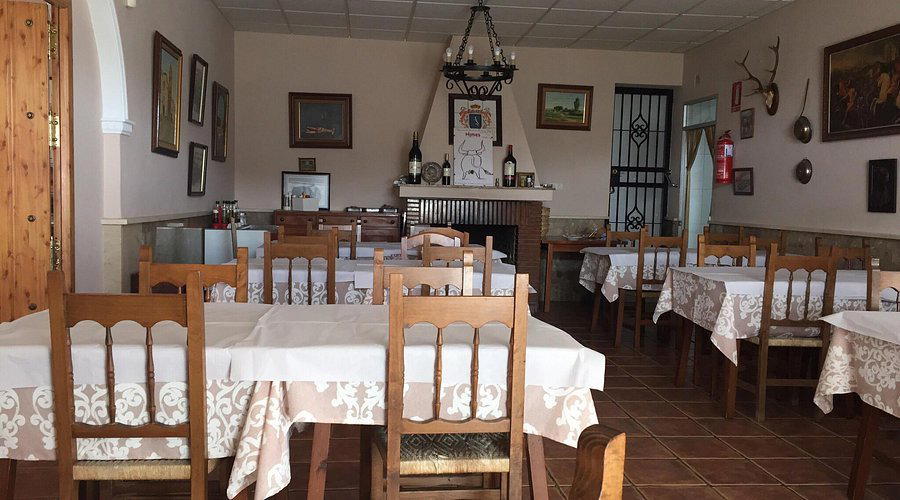
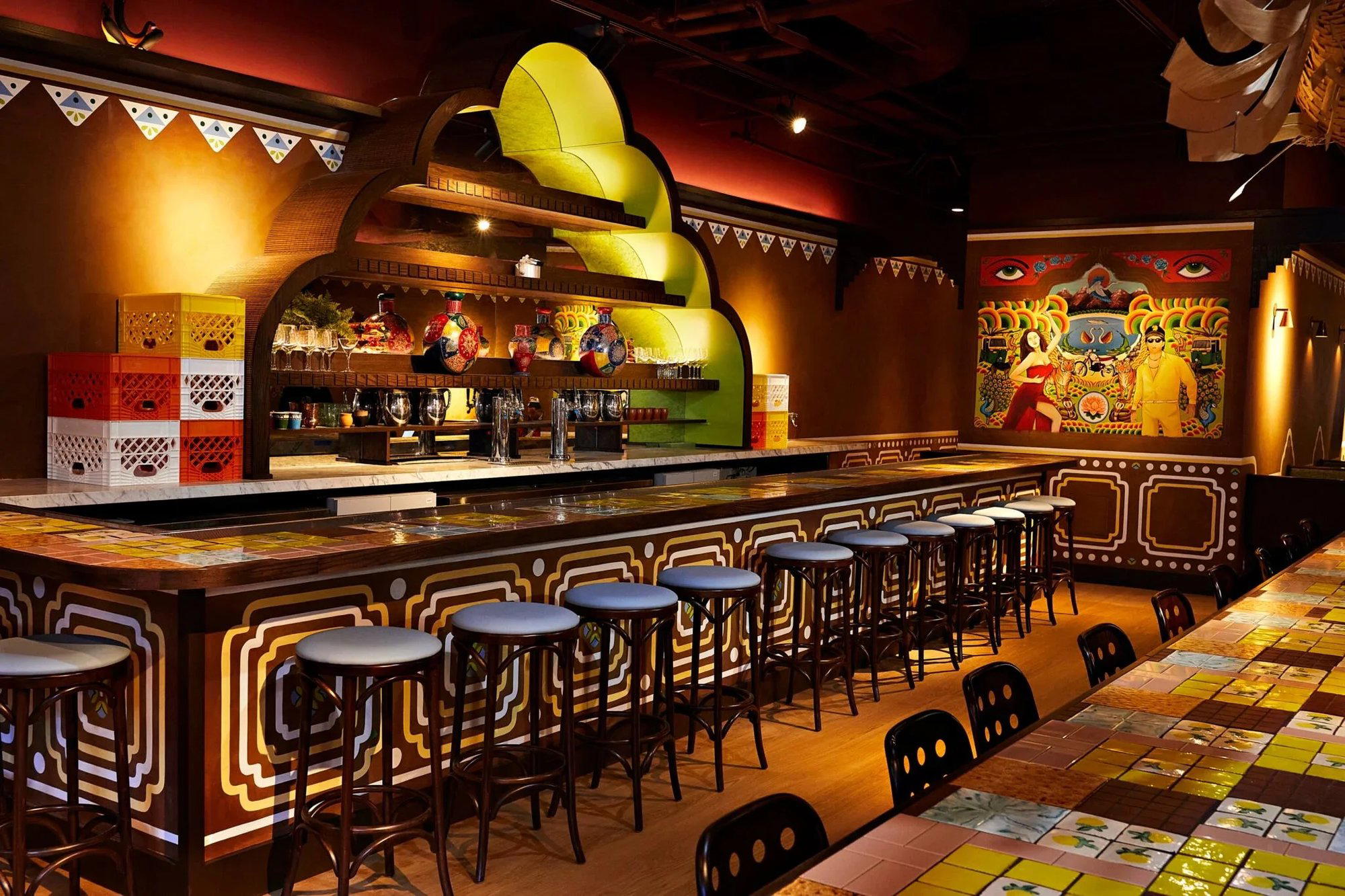
Bars in Washington DC
Browse all →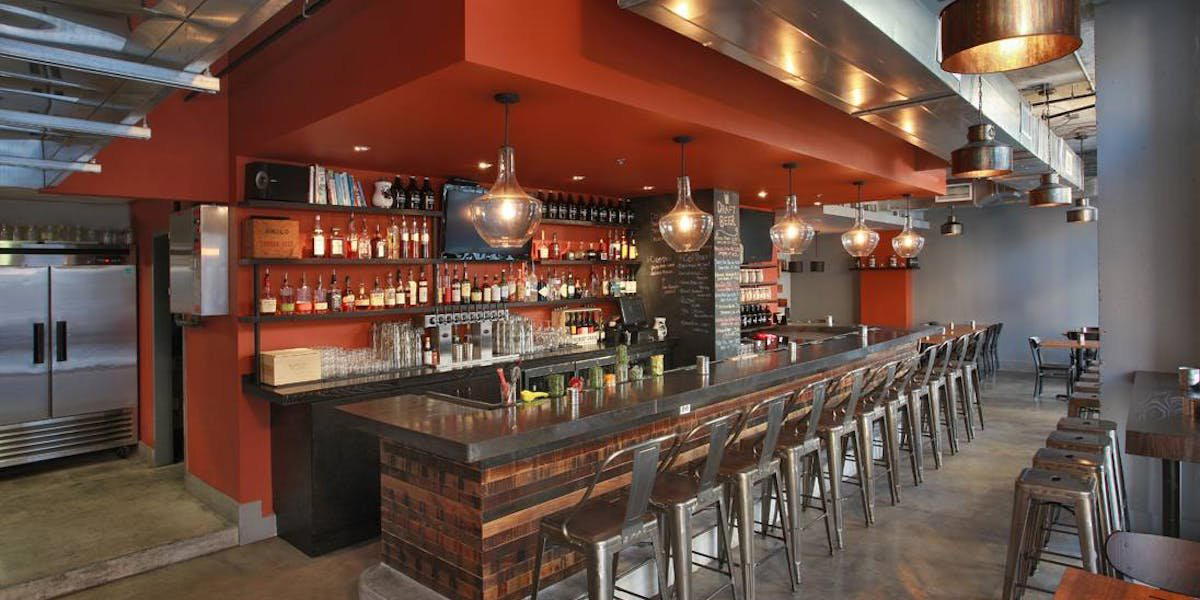
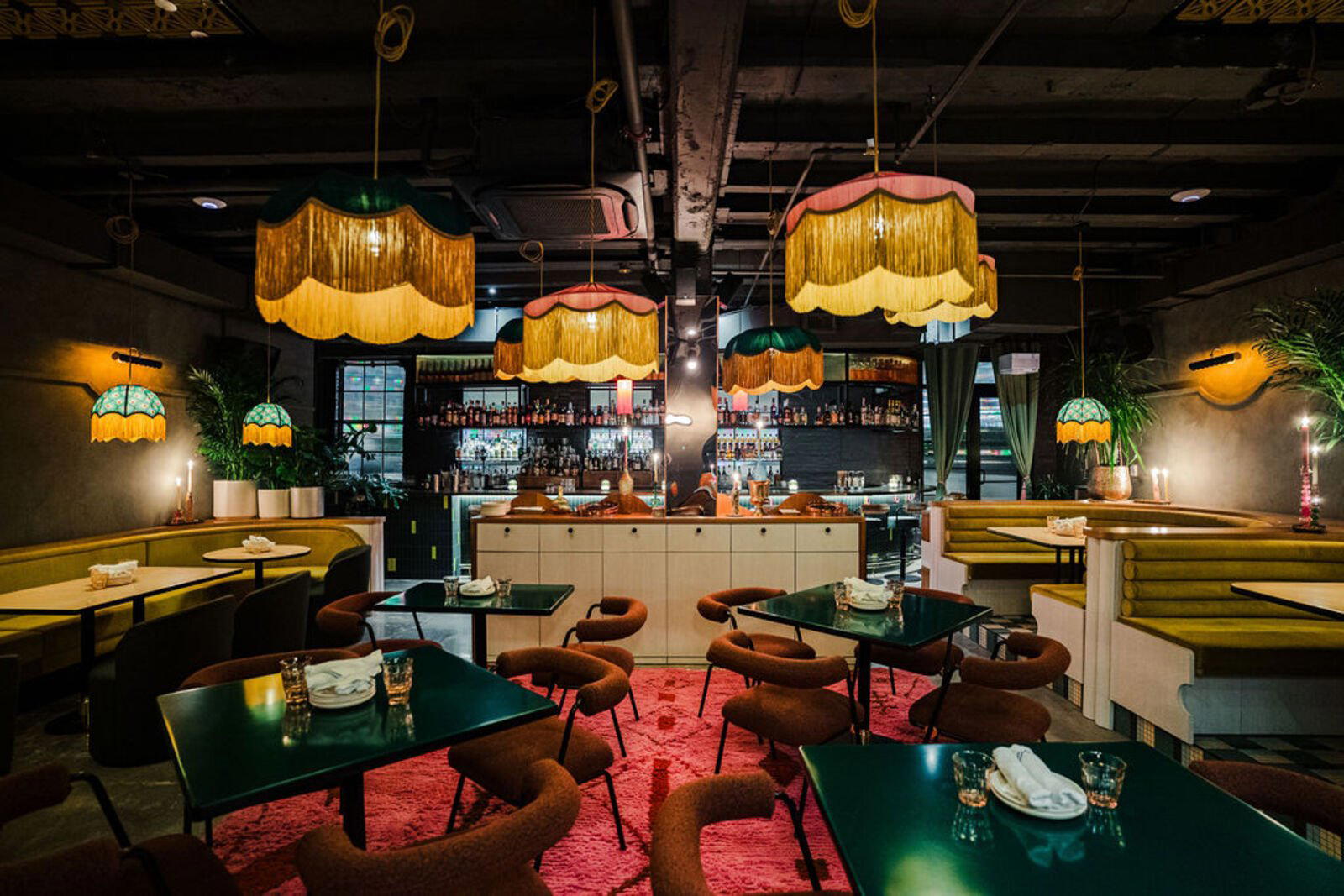
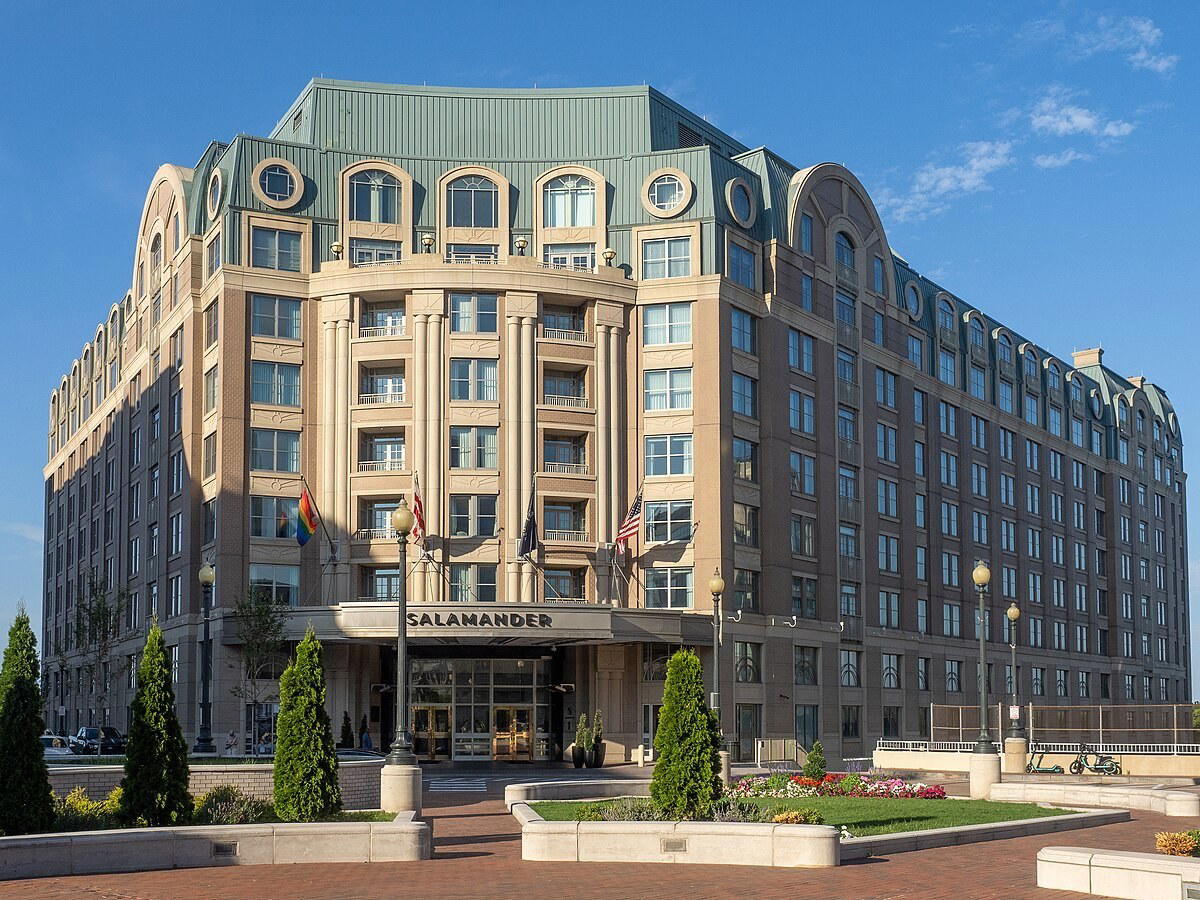
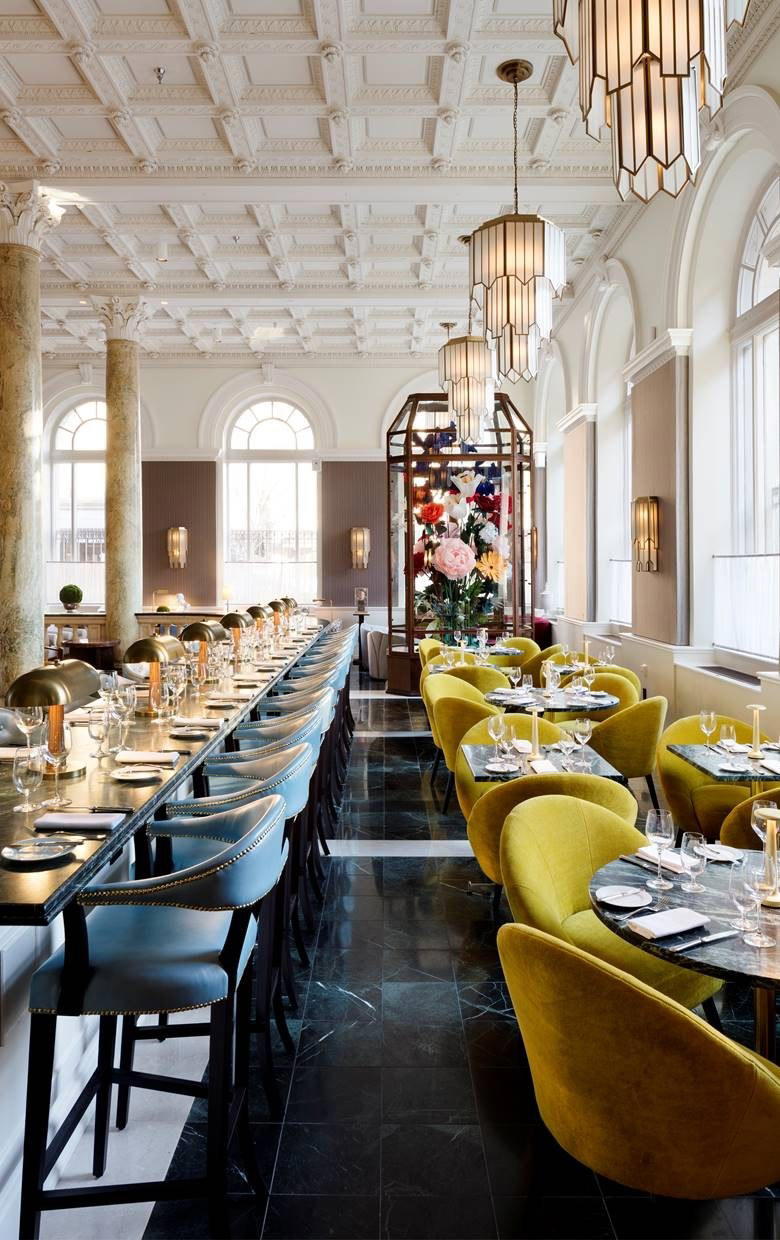
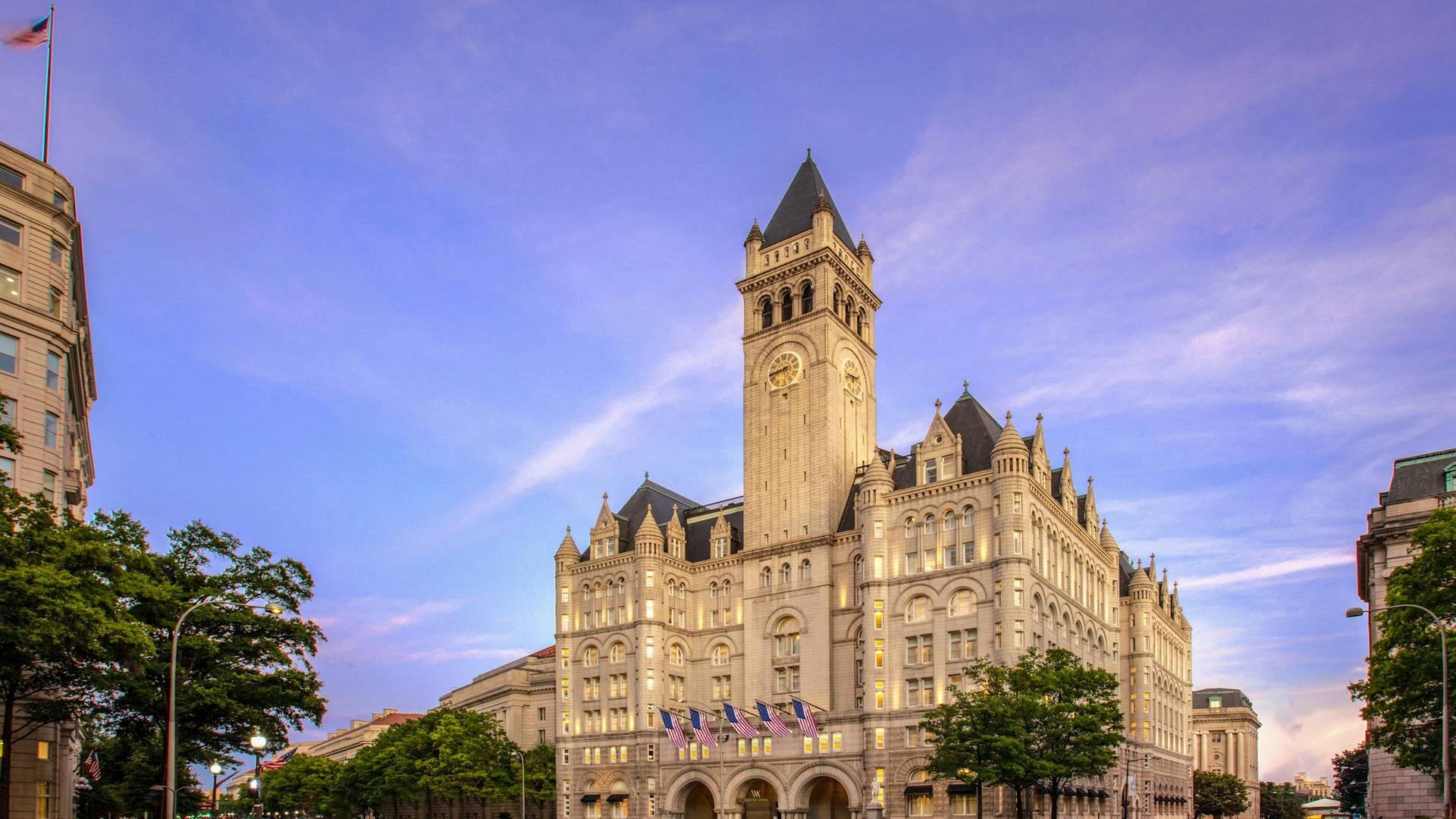
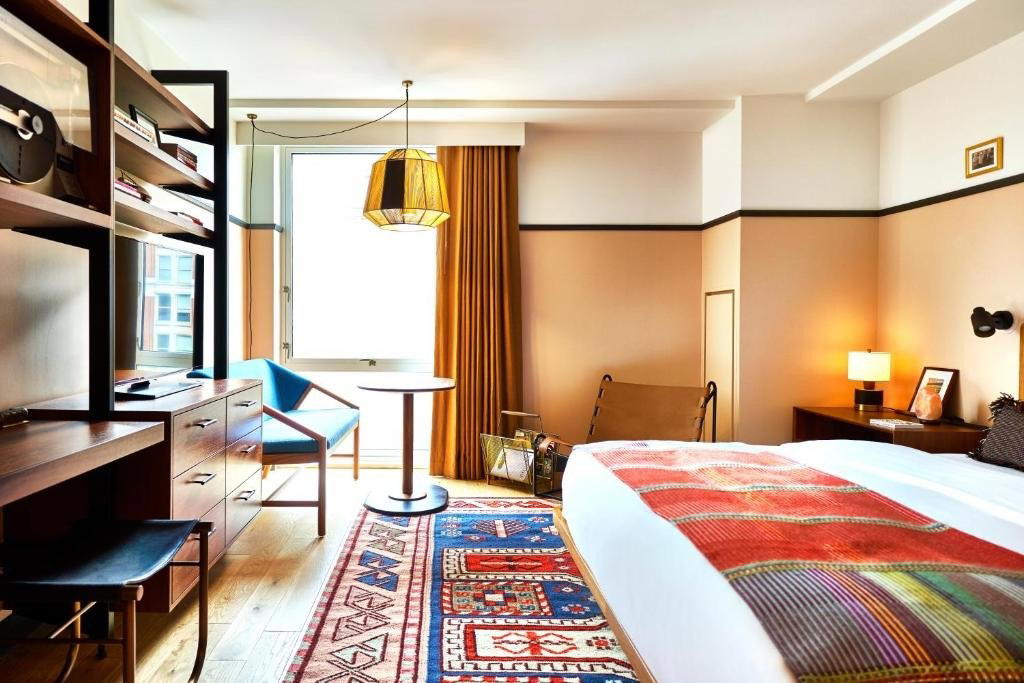
Hotels in Washington DC
Browse all →
Details
- Intimate
- Elegant
- Sophisticated
- Minimalist
- Date Night
- Special Occasion
- Chefs Counter
- Sake Program
- Sustainable Seafood
- Omakase
- Counter Dining
- Sake
Current opening hours
- Monday
- Closed
- Tuesday
- 5:30–11 PM
- Wednesday
- 5:30–11 PM
- Thursday
- 5:30–11 PM
- Friday
- 5:30–11 PM
- Saturday
- 5:30–11 PM
- Sunday
- Closed
Hours can change for holidays and private events. Last verified .
Minimalistic second-floor counter setting focused on the chef's craftsmanship, creating an intimate and engaging atmosphere.