Outlier
Outlier occupies a mid-century address on 4th Avenue in downtown Seattle, positioning itself within a city dining scene that has steadily sharpened its appetite for technique-driven cooking grounded in Pacific Northwest ingredients. Where Seattle's better-known destination tables lean toward spectacle or legacy, Outlier operates with quieter ambition, translating globally sourced culinary methods into the specific larder the region makes possible.
- Address
- 1101 4th Ave, Seattle, WA 98101
- Phone
- +1 206 624 7755
- Website
- outlierseattle.com
- Directions
- Get directions
4th Avenue and the Question of What Seattle Fine Dining Owes the Region
Downtown Seattle's restaurant corridor along 4th Avenue is not the city's most romantic dining address. It runs through the commercial core, past office towers and hotel lobbies, without the waterfront drama of the Pike Place perimeter or the neighbourhood warmth of Fremont and Ballard. What it does offer is a kind of neutrality that certain restaurants use well: a location that belongs to the whole city rather than a single district, and a clientele drawn from the broadest possible cross-section of Seattle's eating public. Outlier, at 1101 4th Ave, sits in this context and makes something deliberate of it. It is a permanently closed restaurant in downtown Seattle, with a price tier of about $45 per person.
The name itself signals a position. In a city where the dominant fine-dining story runs through places like Canlis, with its Lake Union panorama and decades of New American authority, or through the technique-forward Asian inflections of Joule, Outlier presents a different proposition. It does not anchor itself to a view, a legacy lineage, or a single culinary tradition. That refusal to conform to any single category type is, in the context of the current Seattle scene, a coherent editorial statement about where ambitious cooking is moving.
The Pacific Northwest Larder as a Technical Argument
The intersection of imported technique and indigenous product is the defining conversation in progressive American cooking right now, and Seattle is unusually well positioned to contribute to it. The region's ingredient profile, including Dungeness crab, Pacific halibut, spot prawns, Walla Walla onions, foraged chanterelles, and the full spectrum of Washington State agricultural output, constitutes among the more compelling raw material sets on the continent. The question serious kitchens here have to answer is not whether to use it, but what intellectual framework to bring to bear on it.
That question connects Outlier to a broader national conversation. At Blue Hill at Stone Barns in Tarrytown, the argument is made through deep agricultural integration. At Single Thread Farm in Healdsburg, it runs through a Japanese-inflected seasonal precision. At Smyth in Chicago, the method is hyper-local fermentation and controlled aging. Each of these represents a different technical response to the same underlying pressure: how do you make a cuisine that is genuinely of its place without becoming a regionalist cliché?
Seattle's answer has historically leaned toward seafood-centric minimalism, which works when the product is at its peak but can feel passive when it isn't. The more interesting development in the current generation of kitchens here is the application of techniques with roots in French classical training, Japanese precision, and Scandinavian preservation thinking to specifically Northwest ingredients. That layering is where kitchens like Outlier operate, and it places them in a comparable set that cuts across geography rather than staying within city limits.
Where Outlier Sits in the Seattle Competitive Map
Seattle's fine-dining tier has consolidated in interesting ways over the past decade. The legacy institutional tables like Canlis hold one corner of the market, sustained by occasion-dining loyalty and a room that still functions as a civic landmark. A tier below, the neighbourhood-driven seafood operations, including the format made famous by 1415 1st Ave and the fisherman's wharf-adjacent spots near the market, draw on raw product quality rather than technical complexity. There is also a growing cluster of chef-driven operations in south Seattle neighbourhoods, visible in addresses like 2963 4th Ave S, that operate closer to a community-restaurant model than a fine-dining one.
Outlier sits in the space between the legacy institutional tier and the neighbourhood-driven casual market. That mid-tier is where particularly active experimentation tends to happen in any American city: enough resources to source seriously, but without the brand obligations that constrain older establishments. In comparable cities, that niche is occupied by places like Lazy Bear in San Francisco or Providence in Los Angeles, both of which have made the technique-meets-local-product argument with enough consistency to earn sustained critical recognition.
For readers tracking Seattle's development as a serious dining city, the address at 1744 NW Market St in Ballard and the continuing evolution of the city's Japanese dining lineage, from the historical anchor of Maneki to contemporary interpretations, all point toward a scene that is diversifying faster than its national reputation suggests. Outlier is one data point in that diversification.
The Global Technique Reference Set
Understanding what Outlier represents requires placing it against a wider map of how American fine dining has absorbed global technical influence over the past two decades. The French classical synthesis visible at Le Bernardin in New York City established one model: take a foreign tradition and execute it at high precision in an American context. The tasting-menu format pioneered in American terms at The French Laundry in Napa established another. More recent reference points, including the Korean-inflected fine dining of Atomix in New York City and the Alpine sourcing discipline of Atelier Moessmer Norbert Niederkofler in Brunico, suggest that compelling contemporary cooking tends to emerge where a specific regional ingredient logic meets an imported technical vocabulary.
That is the framework within which Outlier's editorial angle makes sense. Seattle's ingredient profile is as strong as any region on the continent. The technical traditions available to train-in or draw from are global in scope. The synthesis of those two facts is where interesting cooking in this city is happening, and Outlier's position on 4th Avenue puts it at the centre of that argument rather than at the edges. For a broader overview of where this conversation is taking place across Seattle's restaurant scene, see our full Seattle restaurants guide.
Planning Your Visit
Outlier is located at 1101 4th Ave in Seattle's downtown core, accessible from multiple transit lines and within walking distance of major hotels in the central business district. Downtown Seattle dining tends to run busiest on Thursday through Saturday evenings, and a venue of this profile will reward advance planning rather than walk-in attempts.
For context on where Outlier sits in terms of investment: the restaurant is priced at about $45 per person, depending on format. Readers calibrating expectations might usefully compare notes with peers like Addison in San Diego or The Inn at Little Washington for a sense of what committed tasting-format dining looks like at the upper end of the American market. Outlier operates at a different scale than either, but the same logic applies: the value proposition depends entirely on the ambition and consistency of the kitchen's execution.
- Impossible Burger
- Beet-Cured Salmon
- Chicken Khao Soi
- Foraged-Mushroom Pizza with Taleggio
- Dungeness Crab Caccio e Pepe
- Vadouvan-Spiced Carrots
A Lean Comparison
Comparable venues nearby, for context on price, style, and recognition.
| Venue | Price | Notes |
|---|---|---|
| OutlierThis venue — the venue you are viewing | $$ | Not listed |
| FareStart Restaurant | $$ | Denny Triangle, American Comfort Classics |
| Lost Lake Cafe & Lounge | $$ | Pike/Pine, American Diner |
| Homegrown | $$ | West Queen Anne, Sustainable American Sandwiches & Bowls |
| The Whale Wins | $$ | Wallingford, Wood-Fired Vegetable-Focused American |
| Portage Bay Cafe - Ballard | $$ | Adams, Organic Farm-to-Table American Brunch |
Continue exploring
More in Seattle
Restaurants in Seattle
Browse all →
Bars in Seattle
Browse all →
Hotels in Seattle
Browse all →
At a Glance
- Industrial
- Modern
- Lively
- Casual
- Casual Hangout
- Brunch
- Business Dinner
- Family
- Group Dining
- Hotel Restaurant
- Open Kitchen
- Craft Cocktails
- Beer Program
- Local Sourcing
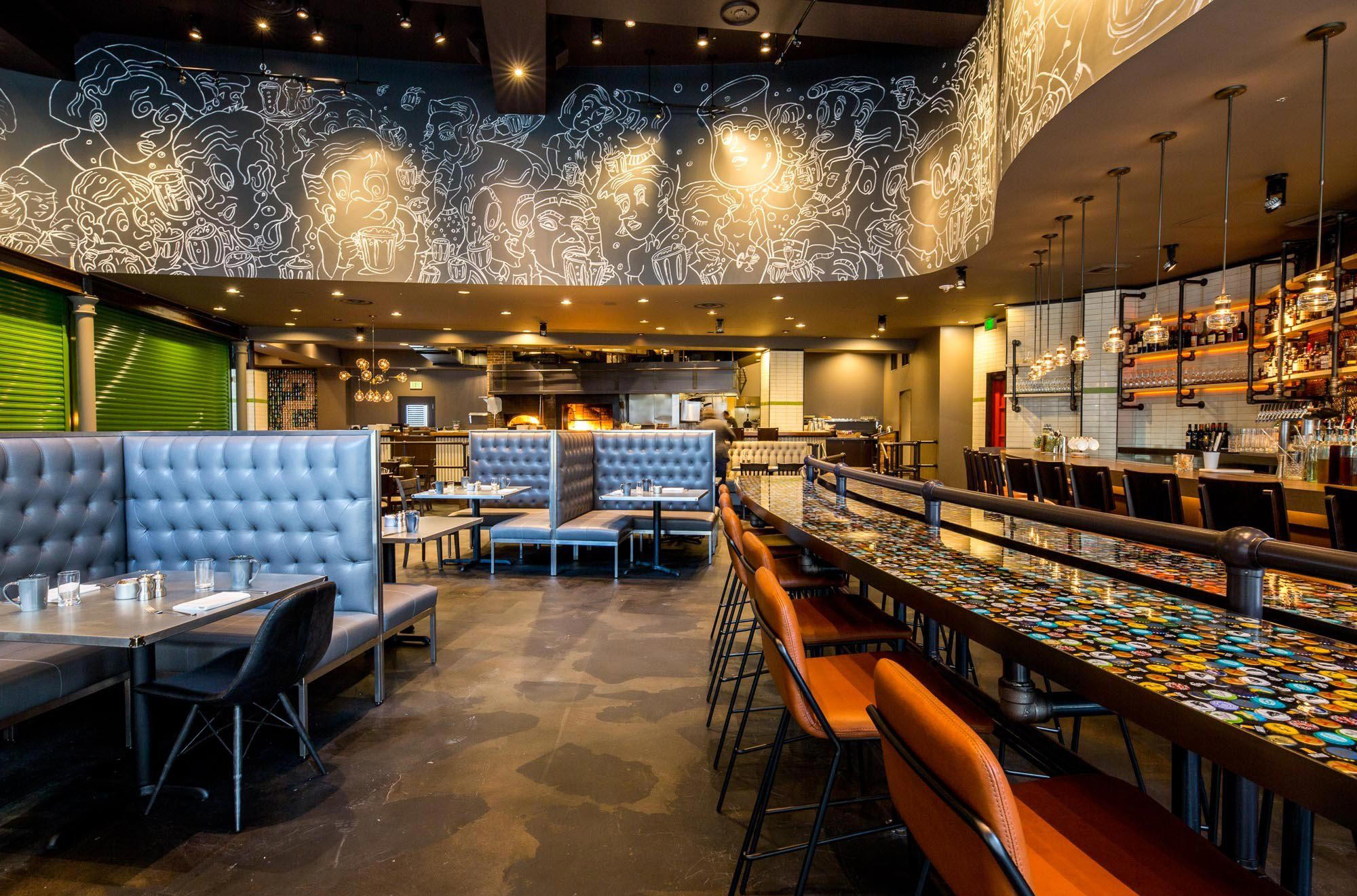
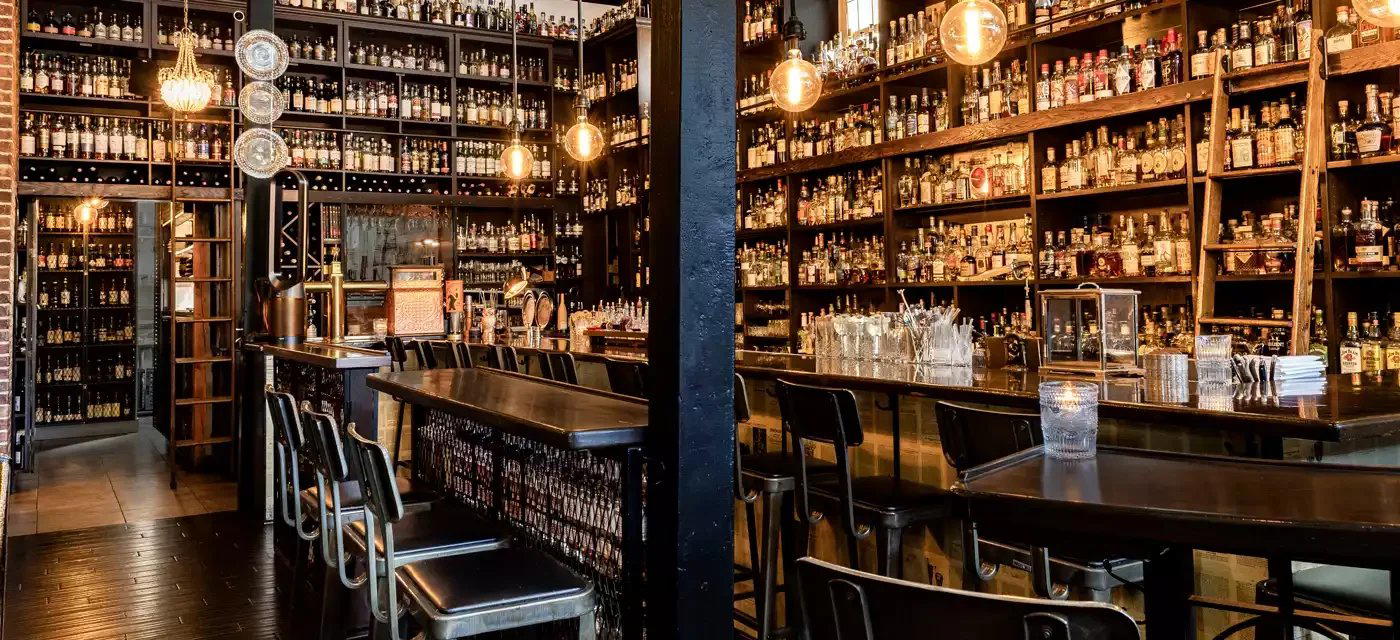
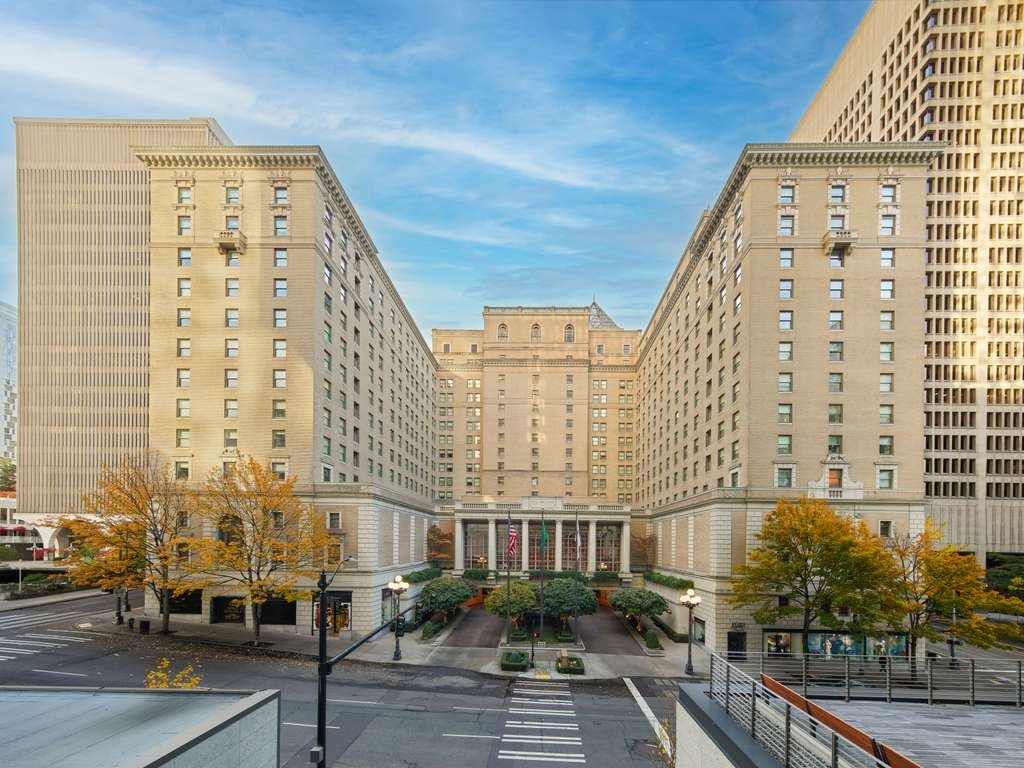
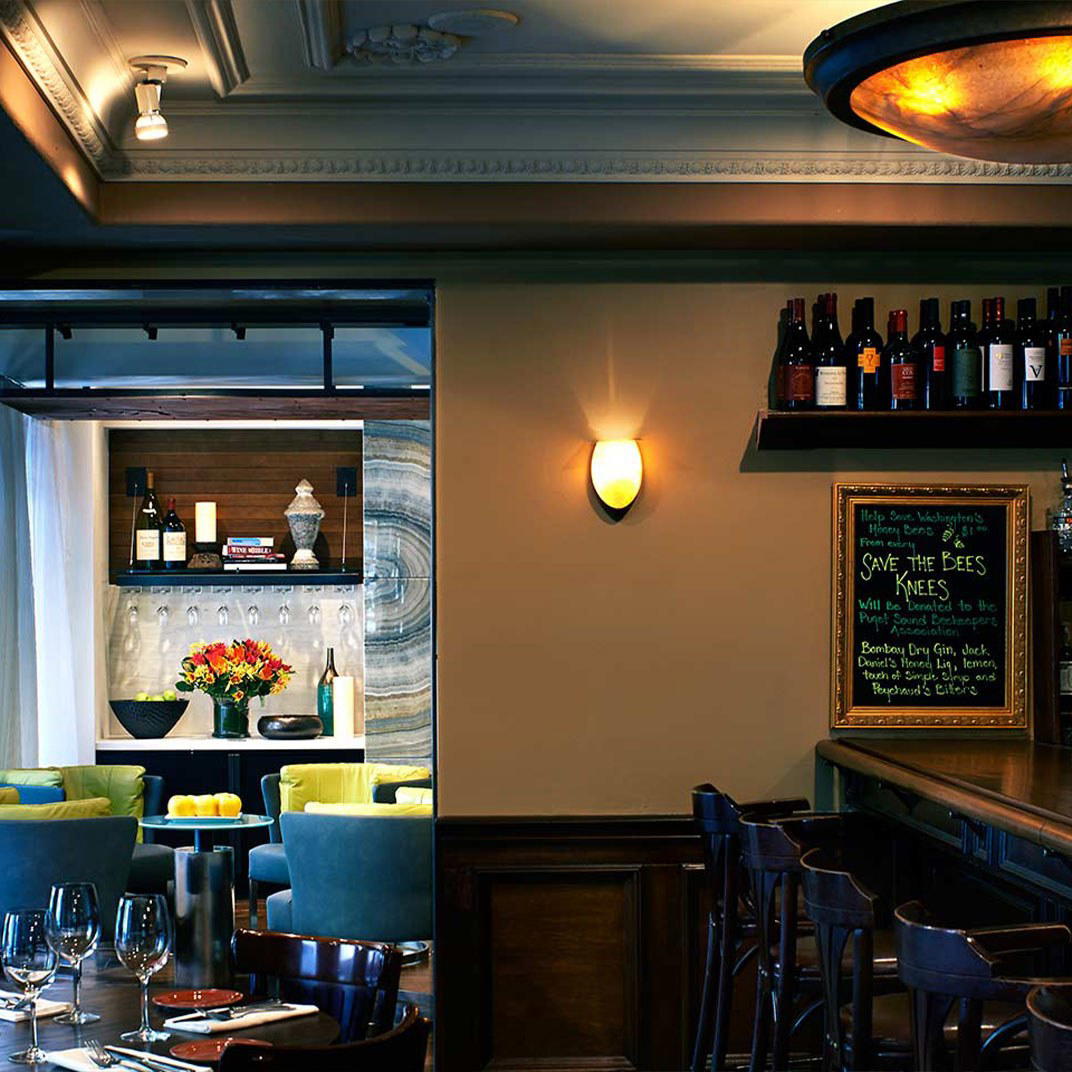
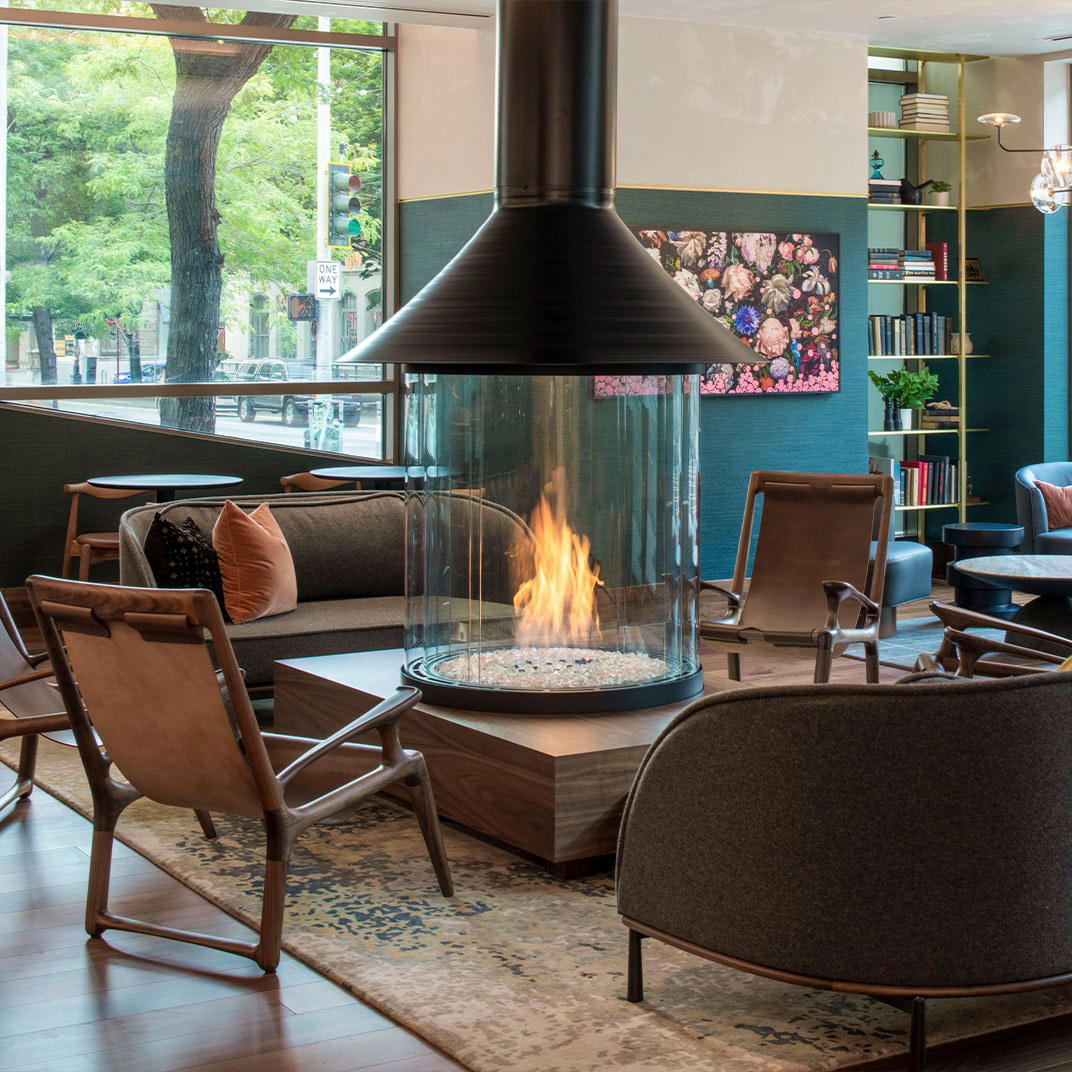
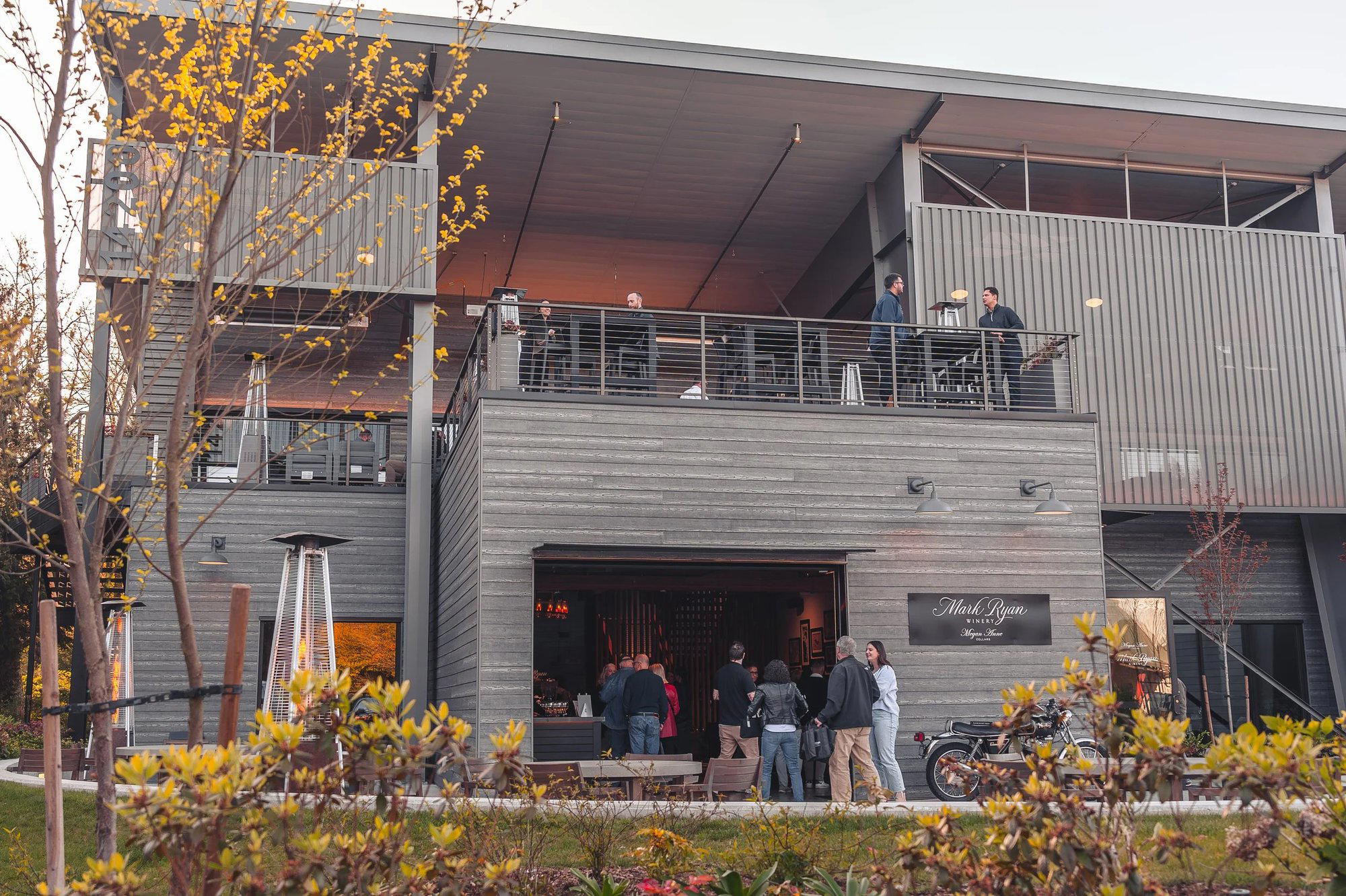
Industrial steampunk-sports bar aesthetic with bottle-cap art and grunge-era touches; warm lighting with a relaxed, welcoming atmosphere that feels more casual than typical hotel dining.