Homegrown
Our verdict
Homegrown sits on Queen Anne Avenue North, one of Seattle's more residential dining corridors, where the neighborhood's low-rise character sets the tempo before you've stepped inside. The address places it in a tier of Seattle dining that trades on locality and atmosphere rather than downtown spectacle. For visitors working through the city's broader restaurant scene, it represents a useful counterpoint to the waterfront-facing venues.

Pearl is the En Primeur Club membership app, where members save venues, book tables and use the concierge.

The menu
What to order
- Smoked Pastrami
- Chicken Pesto
- Za'atar Smashed Chickpea
- Broccoli Melt
Queen Anne and the Architecture of Everyday Dining
Queen Anne Avenue North has a particular quality that sets it apart from Seattle's more performative dining corridors. The street runs through a residential hill neighborhood, lined with low-rise buildings where the ground-floor dining and retail operate at a human scale rarely found in Belltown or Capitol Hill. At 2201 Queen Anne Ave N, Homegrown occupies this kind of space, where the physical container is shaped as much by neighborhood vernacular as by any deliberate design gesture. That address, in the context of Seattle dining, is itself a positioning statement.
Seattle's restaurant scene has been pulling in two directions for some years now. On one side, the high-end bracket has consolidated around flagship rooms like Canlis (New American), where the lakeside setting and room design are inseparable from the meal. On the other, a quieter tier of neighborhood-anchored restaurants has emerged, where the space prioritizes familiarity over spectacle and the design language borrows from the surrounding streets rather than from hospitality industry trend cycles. Homegrown belongs to the second current.
The Space as Context
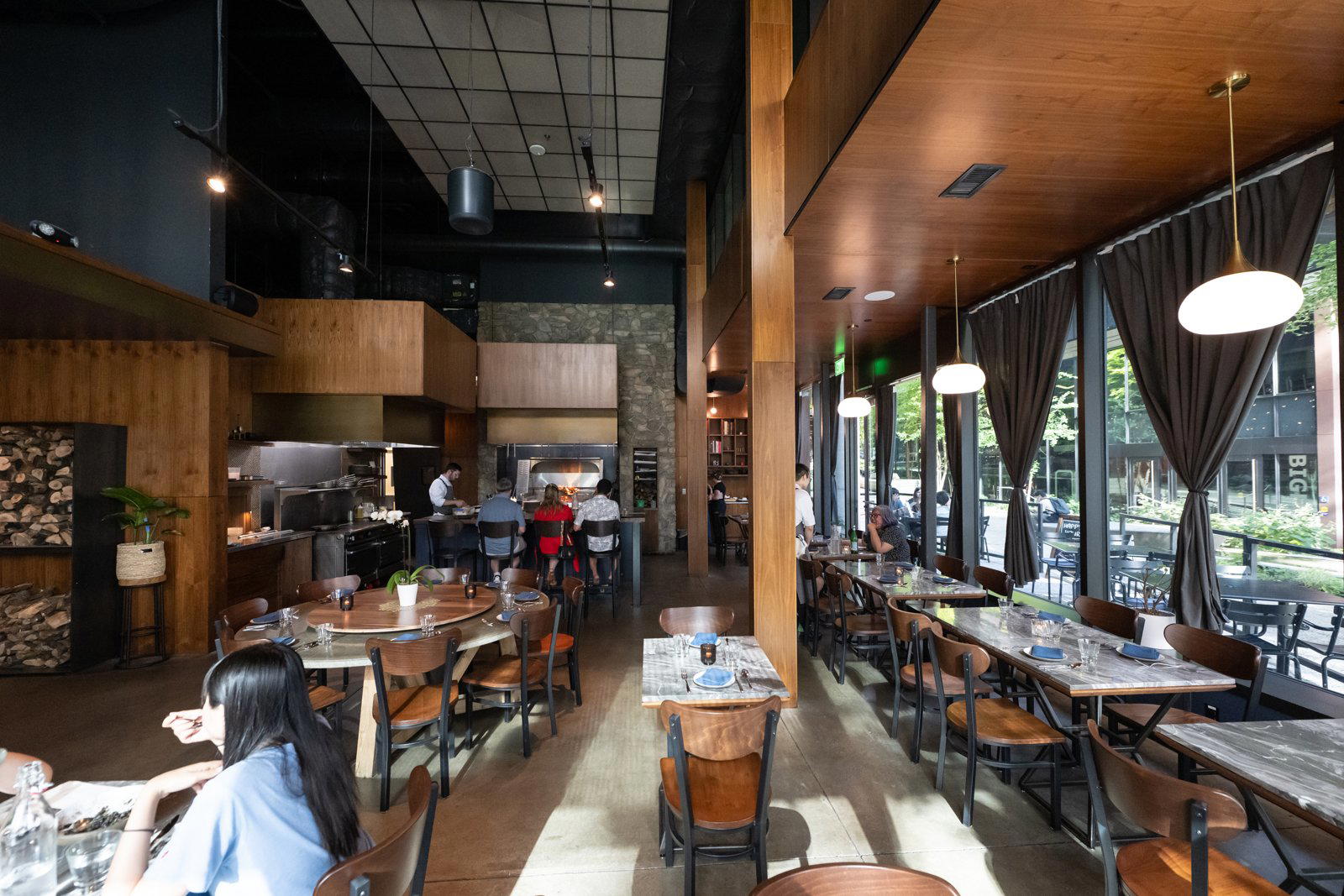
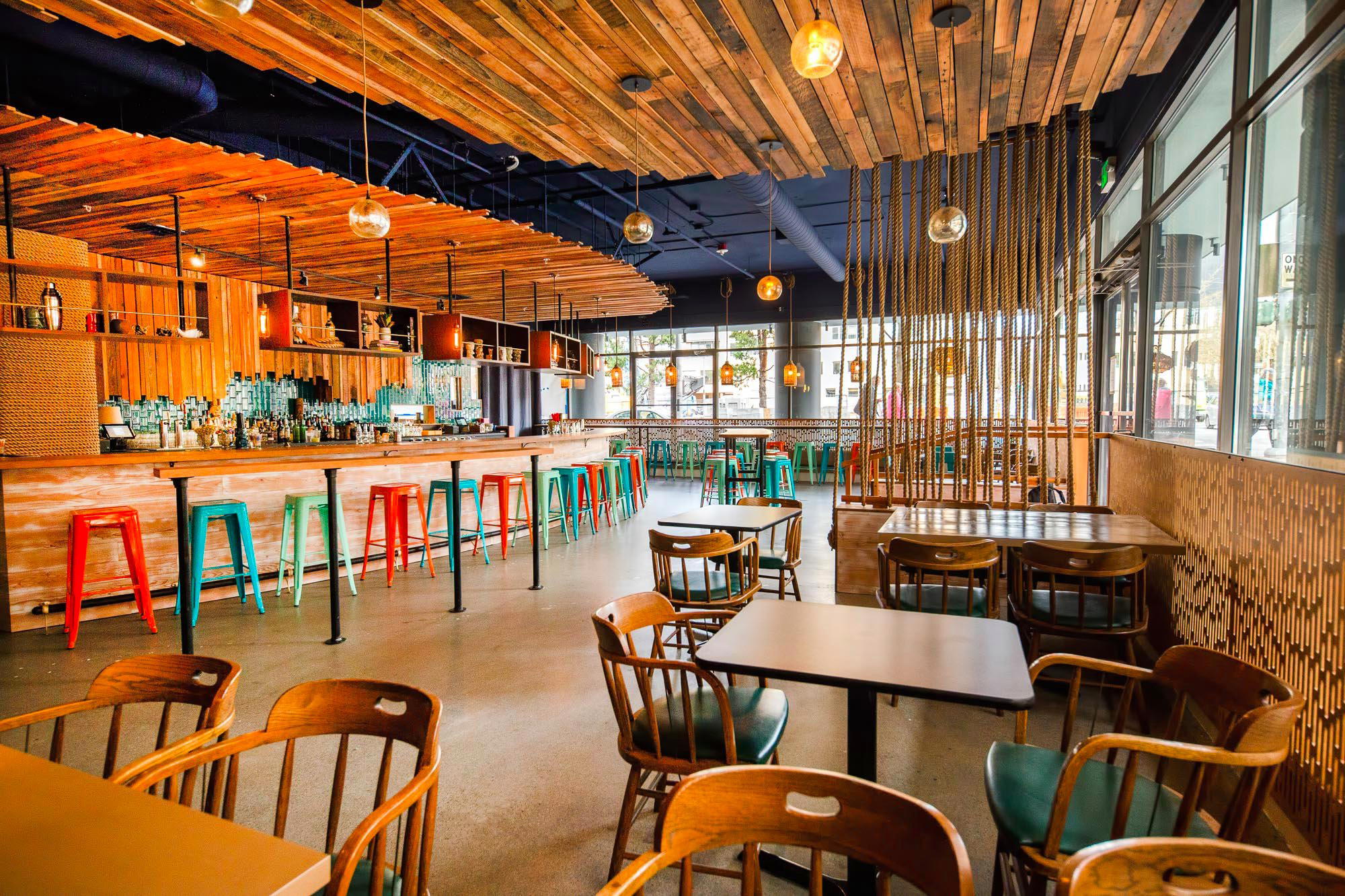
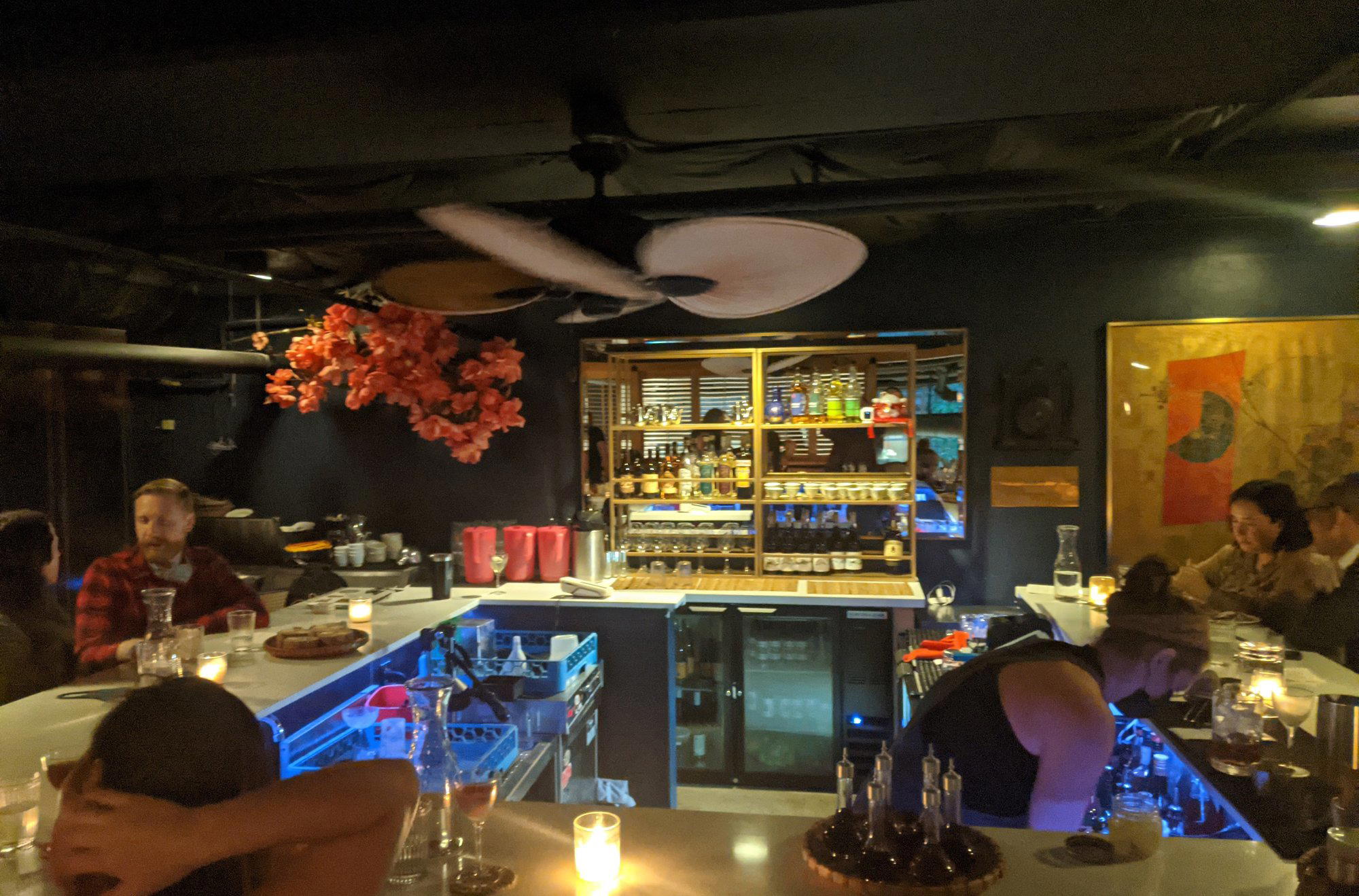
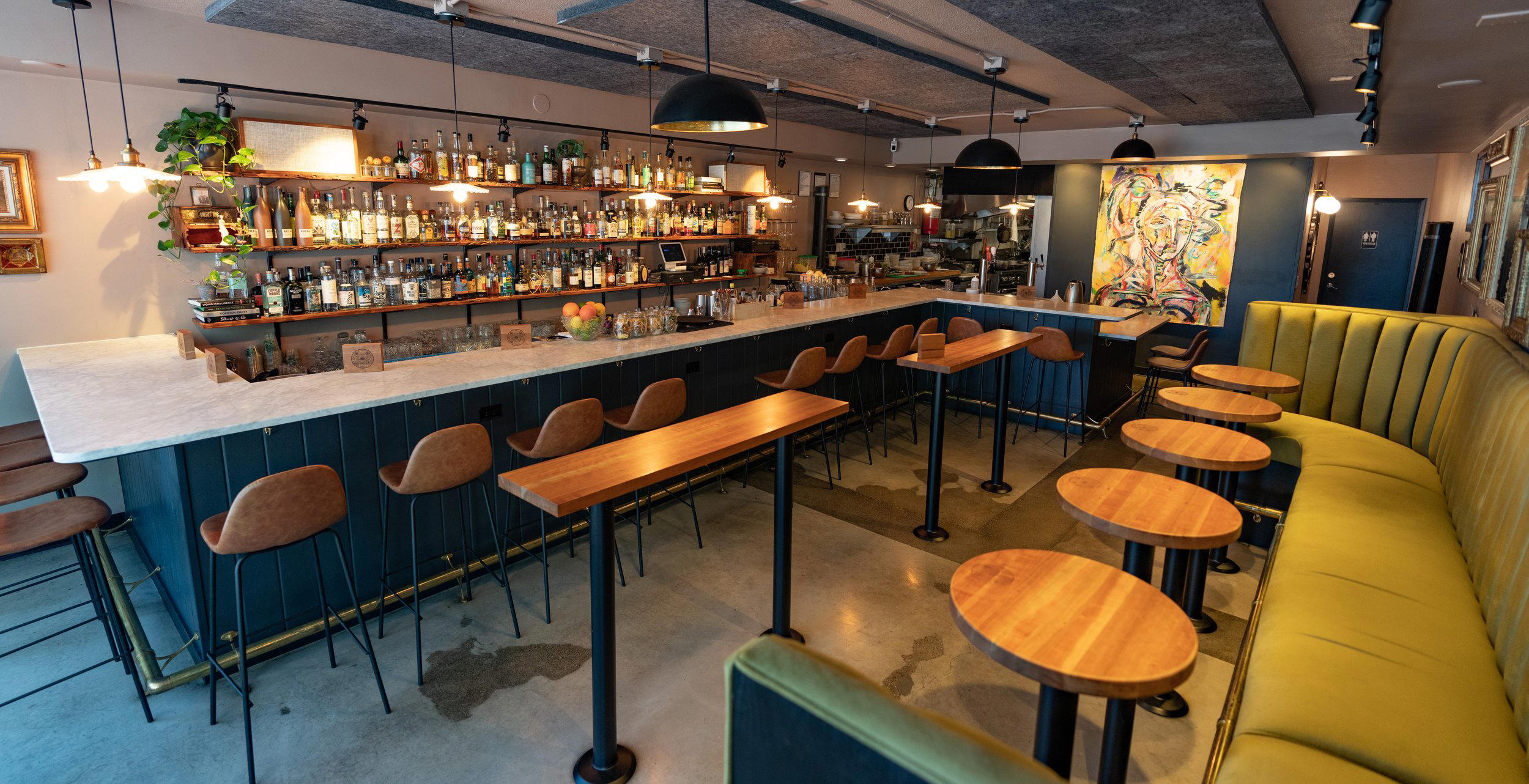
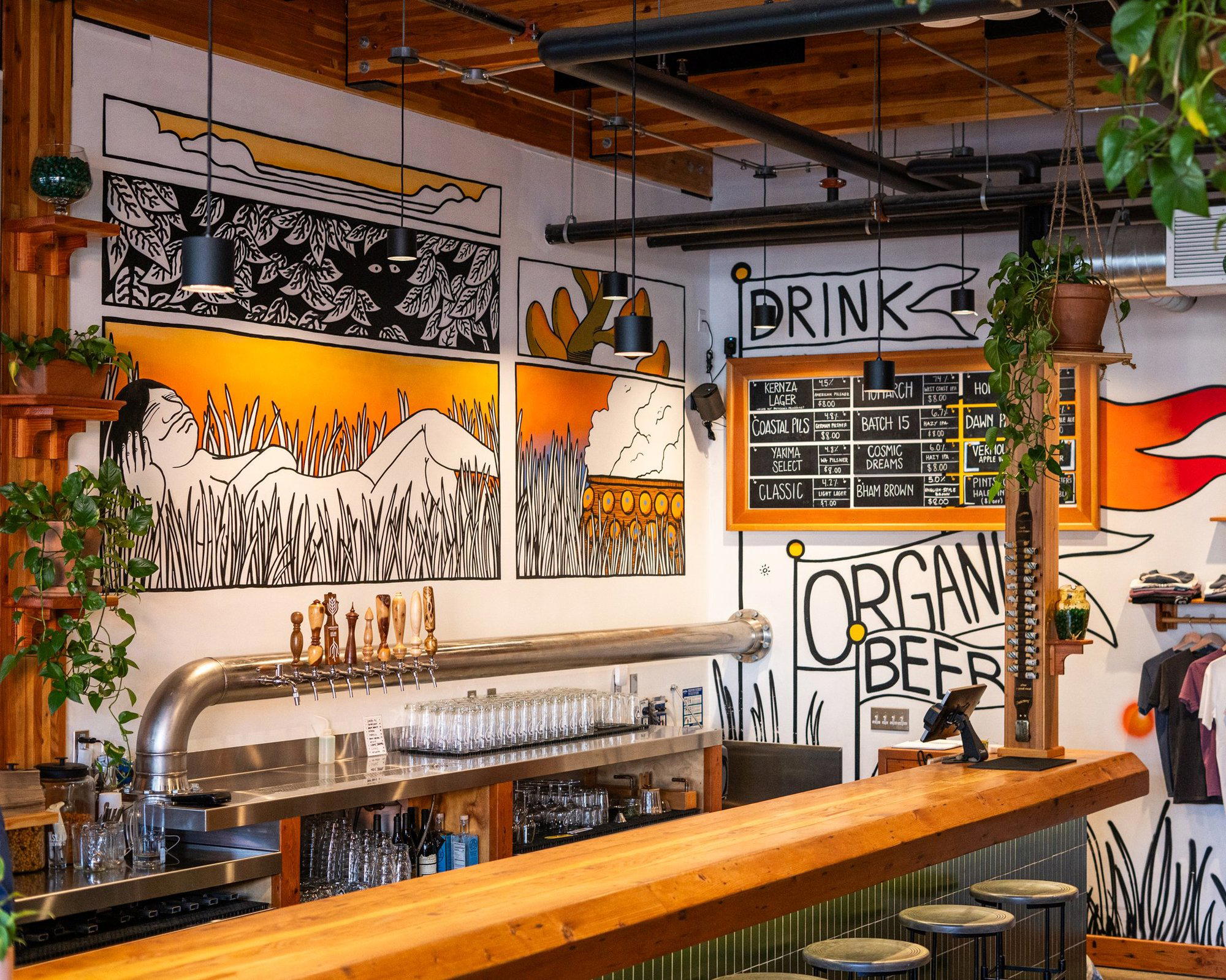
The design and spatial logic of casual-format Seattle restaurants reflect something specific about how the city eats. Unlike the counter-service omakase model that drives conversation at Joule (New Asian), or the waterfront spectacle formats common along the Puget Sound, the Queen Anne corridor tends toward interiors that read as extensions of the residential blocks around them. Exposed materials, natural light from street-facing windows, and a seating arrangement that prioritizes throughput over theater are common denominators in this part of the city.
What this spatial approach does, at its most functional, is redistribute attention toward the food and the company rather than the room. The physical container becomes ambient rather than declarative. In cities where dining rooms compete aggressively on design, this kind of restraint reads as a deliberate editorial choice. In Seattle's neighborhood tiers, it is simply the prevailing grammar.
For context on how design ambition operates at higher price points across the West Coast, venues like Single Thread Farm in Healdsburg and Lazy Bear in San Francisco demonstrate how spatial choreography and dining format become co-authors of the meal. Homegrown operates at a different register entirely, where the space recedes and the neighborhood asserts itself.
Situating Homegrown in Seattle's Dining Spectrum
Seattle's restaurant taxonomy is broader than its flagship names suggest. The city's highest-profile tables, including those covered in our full Seattle restaurants guide, represent one end of a wide range. Below that tier, the city sustains a healthy middle ground of neighborhood-anchored venues where price point, format, and spatial scale align with the everyday rhythms of residential life.
Homegrown's Queen Anne address places it in this middle ground. The neighborhood draws a mix of longtime residents, young families, and the overflow from South Lake Union's tech employment corridor a few blocks to the east. That demographic mix shapes what a dining room at this address needs to do: it needs to be approachable on a Tuesday as much as on a Friday, to function as a regular rather than an occasion, and to hold its ground without a flagship room or a decorated kitchen.
For comparison, the difference between this positioning and the formal end of the American dining spectrum is substantial. Venues like The French Laundry in Napa, Le Bernardin in New York City, and Addison in San Diego occupy a tier where spatial design, service choreography, and meal duration are inseparable from the price and the expectation. The Queen Anne neighborhood format makes none of those demands. That is its function and its utility.
Reading the Address
In Seattle's geography, the Queen Anne neighborhood sits northwest of downtown, accessed most naturally by car or by the frequent bus lines that run along Queen Anne Avenue. The hill itself creates a separation from the density of South Lake Union and the waterfront, giving the corridor a quieter residential character that shapes the pace of dining here. Visitors staying downtown will find the neighborhood a short ride from Pike Place Market, making it a plausible option for those who want to move away from the tourist-concentration of the waterfront for an evening.
Addresses like 1415 1st Ave, 1744 NW Market St, and 2963 4th Ave S represent other nodes in Seattle's distributed dining map, each one anchored to a different neighborhood logic. Queen Anne's logic is domestic and low-key by design.
Nationally, the neighborhood-casual format has found analogues in cities where restaurant culture has moved deliberately away from occasion-dining toward integration with daily life. Smyth in Chicago, Providence in Los Angeles, and Blue Hill at Stone Barns in Tarrytown each represent distinct points on the formality axis. The Queen Anne format sits well below all of them on that axis, which is neither a criticism nor a limitation. It is a different answer to a different question about what a meal should be.
For those mapping out a broader American dining itinerary that includes higher-formality venues, references like Emeril's in New Orleans, Atomix in New York City, The Inn at Little Washington in Washington, and Atelier Moessmer Norbert Niederkofler in Brunico provide useful orientation for the wider spectrum.
Planning a Visit
Visitors should verify current operating information directly with the venue before traveling specifically to dine here. The Queen Anne Avenue address is direct to reach from central Seattle, and the neighborhood's residential character means parking is generally more accessible than in downtown or Capitol Hill. As with most neighborhood-format venues in this tier, the experience is likely to be relatively low on formality and planning friction compared to the flagships covered elsewhere in our Seattle coverage.
Frequently asked questions
Is Homegrown child-friendly?
Queen Anne Ave N restaurants in this residential stretch of Seattle generally accommodate families, given the neighborhood's local character. Homegrown's address at 2201 Queen Anne Ave N places it in a community-facing corridor rather than a high-volume downtown district. For confirmed details on high chairs or children's portions, check the venue's official channels before visiting.
What's the vibe at Homegrown?
The Queen Anne neighborhood sets the tone: this is a residential part of Seattle, northwest of downtown, where the dining context runs toward the everyday rather than the occasion-driven. Restaurants along Queen Anne Ave N typically operate at a pace that reflects the foot traffic of locals rather than tourists. Expect a low-key, community-oriented atmosphere at that address.
Is Homegrown a good option for a casual lunch in Seattle's Queen Anne neighborhood?
Homegrown's location at 2201 Queen Anne Ave N places it directly in one of Seattle's more walkable residential corridors, making it a practical stop for daytime dining in the area. The neighborhood draws a largely local crowd rather than tourist traffic, which shapes the pace and format of restaurants along the strip.
What's the best thing to order at Homegrown?
Checking the venue's own channels before your visit is the practical move, particularly if seasonal availability matters to your decision.
What's Homegrown's location?
Homegrown is located at 2201 Queen Anne Ave N, Seattle, WA 98119, Seattle.
Should I book Homegrown in advance?
Casual-format restaurants in Seattle's residential corridors often operate on a walk-in basis, but calling ahead remains the reliable approach, especially for groups or weekend visits.
What's the standout thing about Homegrown?
The address itself is part of the answer: Queen Anne Ave N is one of Seattle's more consistently local dining streets, less shaped by hospitality industry trends than Capitol Hill or South Lake Union. Homegrown sits within that context, which in itself distinguishes it from venues built around destination traffic.
Cuisine and Recognition
Comparable venues nearby, for context on price, style, and recognition.
| Venue | Cuisine | Price | Notes |
|---|---|---|---|
| HomegrownThis venue (the venue you are viewing) | Sustainable American Sandwiches & Bowls | $10–20 | Not listed |
| Portage Bay Cafe - South Lake Union | Organic Farm-to-Table American Brunch | $20–30 | South Lake Union |
| 1415 1st Ave | American Pub Fare with Craft Beer | Not listed | Seattle Waterfront |
| re:public | Modern American with French and Italian Infusions | $30–50 | South Lake Union |
| Nick's on Madison | Modern American | Not listed | Madison Park |
| Wing Dome | American Wings & Burgers | $20–30 | Greenwood |