FareStart Restaurant
FareStart Restaurant on Westlake Avenue operates at the intersection of professional culinary training and community purpose, making it one of Seattle's more consequential dining addresses. The restaurant functions as a working classroom for adults overcoming homelessness and other barriers, with guest chef nights drawing some of the city's most respected culinary talent. Dining here means participating in a system that has produced measurable workforce outcomes across decades of operation.
Pearl is the En Primeur Club membership app — saves, bookings, and concierge access live there. Same editors, same standards.
- Address
- 2004 Westlake Ave, Seattle, WA 98101
- Phone
- +1 206 443 1233
- Website
- farestart.org
- Directions
- Get directions
 Saves & bookings on Pearl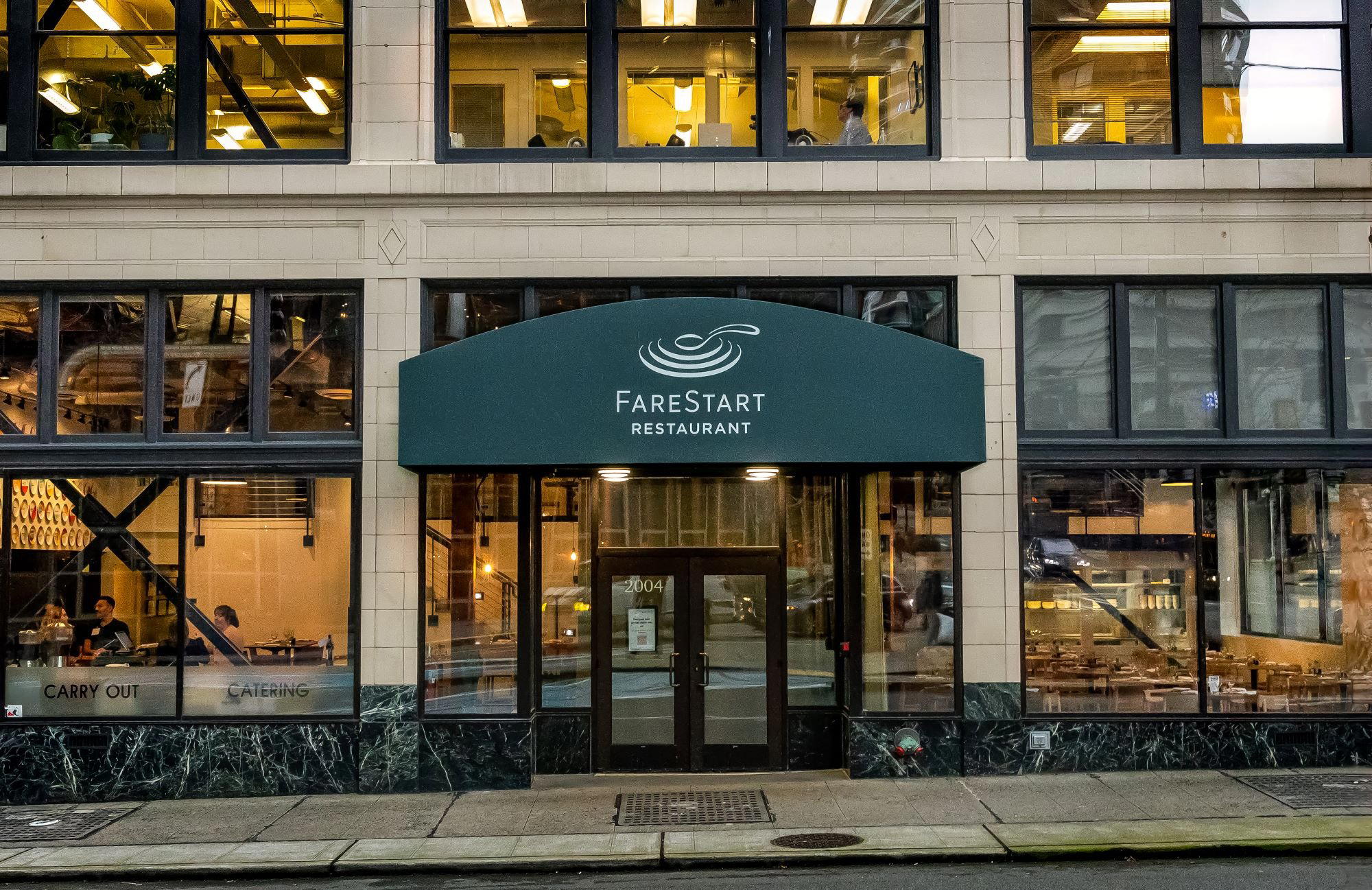
Westlake's Most Purposeful Table
The South Lake Union corridor has changed faster than almost any other Seattle neighborhood over the past decade. Tech campuses, converted warehouses, and a rash of new hospitality have reshaped Westlake Avenue into one of the city's more active midday and evening destinations. FareStart Restaurant, at 2004 Westlake Ave, sits within this shift without being defined by it. While neighboring addresses chase the tech-worker lunch crowd or the after-work cocktail wave, FareStart operates on a different axis entirely: a model where the kitchen is both the product and the training ground, and where the meal is inseparable from the institution producing it.
That institutional character is not incidental to the dining experience, it is the dining experience. Seattle has a well-documented tradition of restaurants that embed themselves in neighborhood identity, from the longstanding Japanese houses of the International District to the seafood-forward counters that track Pacific Northwest catch. FareStart occupies a distinct position in that tradition: a restaurant whose community function is visible in the room, in the service, and in the rhythm of the kitchen, rather than hidden behind a polished front-of-house operation.
The Guest Chef Format and What It Signals
In cities where mission-driven dining concepts have proliferated, the gap between stated purpose and actual plate has often been wide. A restaurant can claim social impact and still deliver forgettable food. FareStart's guest chef program addresses that gap directly. On designated Thursday evenings, an invited chef from Seattle's broader culinary community takes over the kitchen and designs the menu, working alongside the program's trainees. This format accomplishes two things simultaneously: it raises the technical ceiling of what reaches the table, and it connects the training environment to the standards of working professional kitchens.
The guest chef model has become a meaningful signal in Seattle's dining conversation. Chefs who agree to participate are, in effect, lending their reputations to the program's credibility. In a city where culinary identity is shaped by venues like Canlis and Joule, that kind of peer endorsement carries weight. It places FareStart in a different competitive conversation than most mission-led restaurants manage to occupy.
The regular lunch service reflects the day-to-day training curriculum. The food here is not attempting to compete with tasting-menu formats at places like Smyth in Chicago or Atomix in New York City. The ambition is calibrated differently: consistent, competent cooking that prepares trainees for the full range of restaurant environments they will enter after the program.
What Dining Here Actually Means
Seattle's dining culture has long had a social-infrastructure dimension that more celebrated food cities sometimes lack. The Pacific Northwest's cooperative food traditions, strong farmers' market networks, and community-anchored hospitality businesses form a backdrop against which FareStart reads clearly as a local institution rather than an imported concept. It has produced graduates now working in kitchens across the region.
Comparing FareStart's model to the farm-to-table social enterprise formats popularized by venues like Blue Hill at Stone Barns in Tarrytown or the supply-chain-conscious approach at Single Thread Farm in Healdsburg is useful only to a point. Those restaurants are primarily defined by ingredient sourcing and chef vision. FareStart is defined by labor and community outcomes. The food is the mechanism, not the endpoint.
That distinction matters for how you approach a meal here. Diners who arrive expecting the kind of technical precision associated with Le Bernardin in New York City or the produce-led rigor of The French Laundry in Napa are using the wrong frame of reference. The correct comparable set is restaurants where the experience carries meaning beyond the plate, where the act of reserving a table is also a form of participation in something the city is trying to build. In that category, FareStart has few direct competitors in Seattle.
The Neighborhood Context
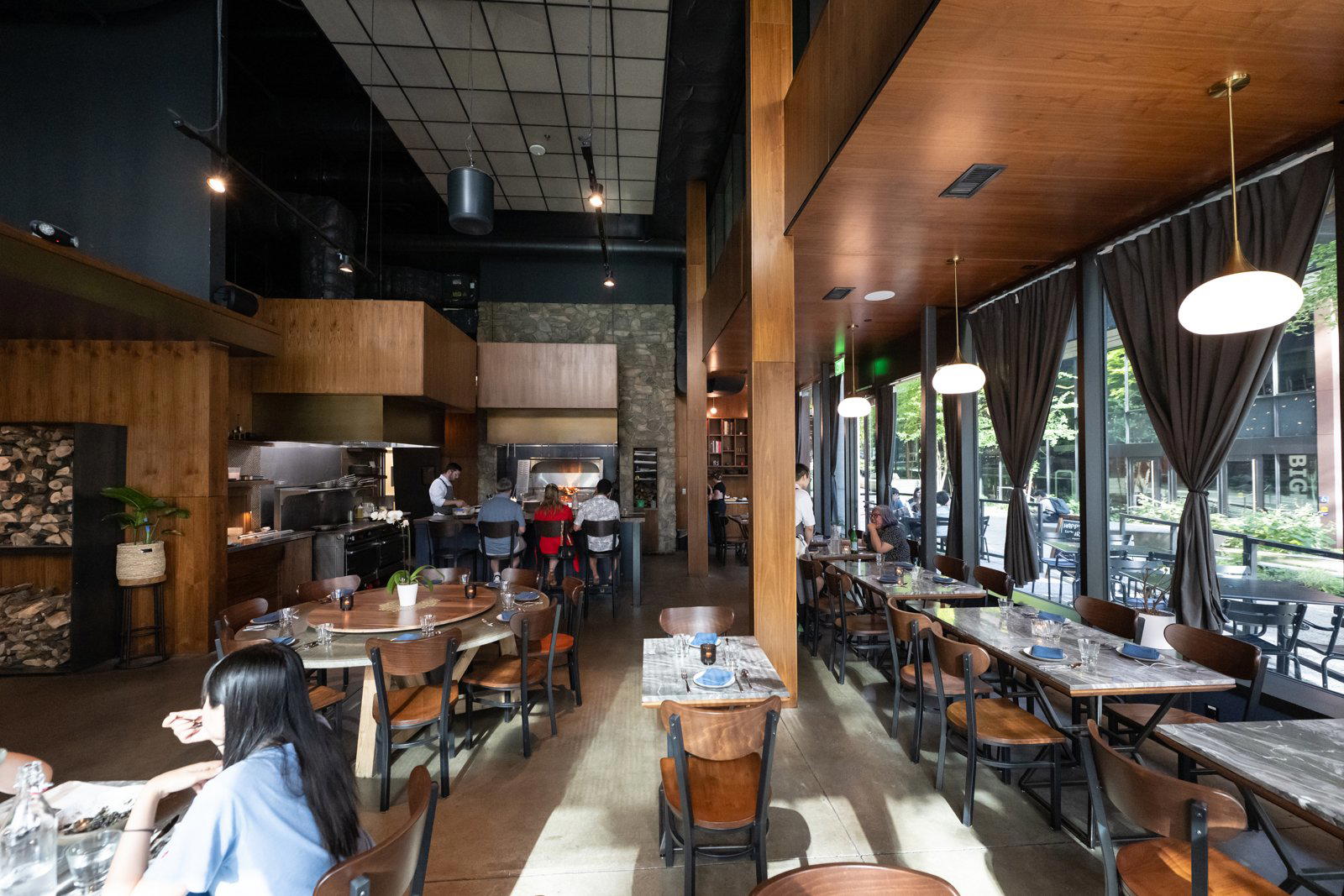
South Lake Union's rapid development has produced a concentration of dining options that skew heavily toward expense-account lunch and quick-service formats serving the tech industry. FareStart's Westlake Avenue address places it within easy reach of this population, but the restaurant's character does not bend to it. The dining room maintains a pace and purpose that reflects the training environment: service may be less rehearsed than at a long-established fine dining address, but that texture is part of what makes the experience legible as something other than a standard restaurant visit.
Visitors to Seattle will find FareStart occupies a gap that few other restaurants fill. It is not a replacement for 1415 1st Ave or 1744 NW Market St in terms of food ambition. It is a different kind of essential, the sort of table that tells you something about what a city values.
Mission-driven restaurant formats in other American cities include Emeril's in New Orleans, Lazy Bear in San Francisco, Providence in Los Angeles, and Addison in San Diego each represent distinct takes on what a restaurant can mean to its city. FareStart's version of that question is more direct than most: it measures success in employment outcomes alongside covers served.
Planning Your Visit
FareStart serves lunch on weekdays and opens for dinner on Thursday evenings during guest chef events. The Thursday dinners book in advance and tend to fill, particularly when the invited chef has strong name recognition in the Seattle dining community. Lunch reservations are generally more accessible and provide a clear window into the day-to-day training program. The restaurant is located at 2004 Westlake Ave in Seattle's South Lake Union neighborhood, accessible by streetcar from downtown. For visitors exploring the south side of the city, the Westlake location is a practical midday stop.
Cuisine and Recognition
Comparable venues nearby, for context on price, style, and recognition.
| Venue | Cuisine | Price | Notes |
|---|---|---|---|
| FareStart RestaurantThis venue — the venue you are viewing | American Comfort Classics | $$ | Not listed |
| Local 360 | Modern American Comfort Food | $$ | Belltown |
| The Hart and the Hunter | Polished Americana Diner | $$ | Belltown |
| Sand Point Grill | American Grill | $$ | Hawthorne Hills |
| Oddfellows Café + Bar | New American Café + Bar | $$ | Pike/Pine |
| Portage Bay Cafe - South Lake Union | Organic Farm-to-Table American Brunch | $$ | South Lake Union |
Continue exploring
More in Seattle
Restaurants in Seattle
Browse all →
Bars in Seattle
Browse all →
Hotels in Seattle
Browse all →

At a Glance
- Cozy
- Business Dinner
- Casual Hangout
- Open Kitchen
- Local Sourcing
Current opening hours
- Monday
- 7 AM–2 PM
- Tuesday
- 7 AM–2 PM
- Wednesday
- 7 AM–2 PM
- Thursday
- 7 AM–2 PM
- Friday
- 7 AM–2 PM
- Saturday
- Closed
- Sunday
- Closed
Hours can change for holidays and private events. Last verified .
Moderate noise with welcoming atmosphere focused on community and training.