Otway
Otway occupies a corner of Fulton Street in Crown Heights, Brooklyn, where the neighbourhood's shift from residential quiet to destination dining has been gradual but decisive. The room itself is the argument: raw edges, warm materials, and a format that positions the space as something between a serious neighbourhood restaurant and a considered dining destination worth crossing boroughs for.
Pearl is the En Primeur Club membership app — saves, bookings, and concierge access live there. Same editors, same standards.
- Address
- 930 Fulton St, Brooklyn, NY 11238
- Phone
- +19179091889
- Website
- otwaynyc.com
- Directions
- Get directions
 Saves & bookings on Pearl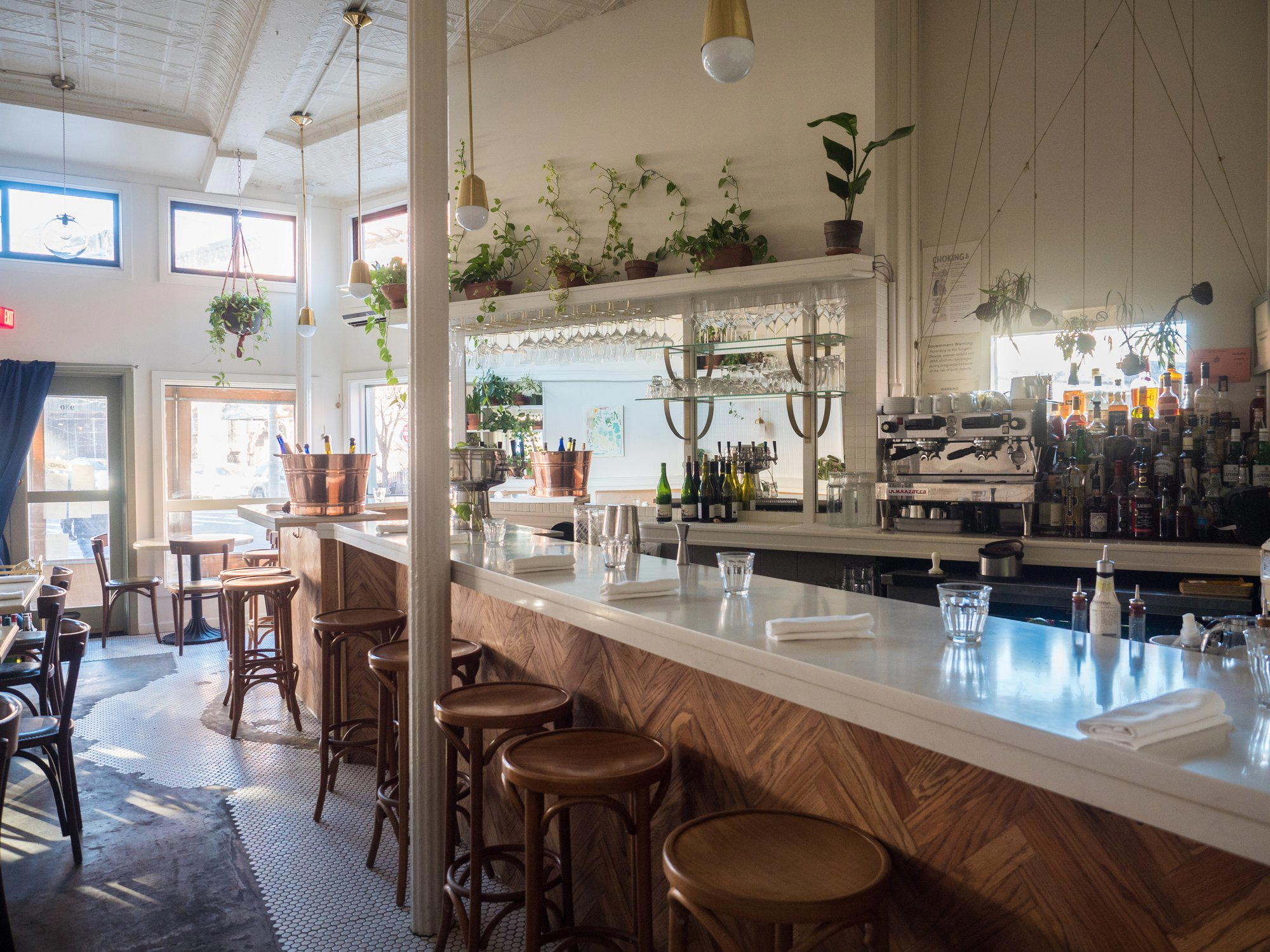
Crown Heights and the Brooklyn Restaurant Shift
Brooklyn's dining geography has changed more than once in the past two decades. The early wave concentrated in Williamsburg and DUMBO; the second moved south and east, following cheaper rents and a generation of cooks who wanted space to operate on their own terms. Crown Heights sits inside that second movement. Fulton Street, where Otway is addressed at number 930, has become one of the clearer expressions of this pattern: a corridor that was previously underrepresented on the city's dining map now drawing serious operators who treat the neighbourhood as a credential rather than a compromise.
That context matters when assessing what Otway is doing and why its physical space deserves attention as an editorial subject in its own right. Across Manhattan, the format wars have largely been settled: Midtown's $$$$-tier counters, like Masa, operate behind prix-fixe barriers and long booking windows. Tasting-menu rooms such as Per Se and Le Bernardin have calcified into a recognisable institutional register: hushed, carpeted, formally lit. Brooklyn's newer generation has largely rejected that template, not out of anti-establishment posturing but because the spaces themselves, longer, rawer, more industrial, demand a different language.
The Room as the Argument
The design conversation in American restaurants over the past decade has moved from decoration toward architecture. The question shifted from what hangs on the walls to what the walls are made of, how the ceiling is treated, where light enters and how it changes across a service. In the neighbourhood tier that Crown Heights occupies, there is less budget pressure to signal luxury through expensive finishes, which paradoxically opens more room for spatial intelligence. Constraint, in this context, has been generative.
Otway's position on Fulton Street places it in a building stock that is characteristic of Crown Heights: low-rise, brick-fronted, with proportions that are neither cramped nor cavernous. Restaurants that work well in this format tend to rely on material honesty, surfaces that read as what they actually are rather than simulations of something more expensive, and on lighting that creates atmosphere without theatrical exaggeration. This is the design register that has defined the better end of Brooklyn's neighbourhood restaurant wave, and it is the register in which Otway operates.
The comparison that holds most instructively is not with Manhattan's formal rooms but with a set of American restaurants where the spatial container has become a considered part of the identity. Lazy Bear in San Francisco built its identity around communal-table theatricality. Alinea in Chicago redesigned its physical space multiple times to keep the room aligned with the evolving menu logic. Blue Hill at Stone Barns in Tarrytown made the relationship between built environment and agricultural context central to its proposition. Each of these cases demonstrates that the room is not neutral, it shapes what the food means and how a diner receives it.
Where Otway Sits in the City's Wider Picture
New York's premium dining tier is currently dominated by a small number of formats: the omakase counter, the progressive tasting menu, and the grand French or Korean-inflected room. Atomix and Jungsik New York represent one pole of that Korean-inflected fine dining wave. The French tradition holds through rooms like Le Bernardin and Per Se. These venues share a Manhattan address, a four-symbol price point, and a formal spatial register that signals their position before a diner sits down.
Otway operates in a different register. Crown Heights is not a destination in the way that Midtown or the West Village are destinations, it requires deliberate choice from most of the city's dining population, which means the restaurant earns its audience rather than inheriting foot traffic. This dynamic has historically produced some of the more interesting American restaurant openings: Bacchanalia in Atlanta built a serious reputation in a neighbourhood that required the same kind of intentional travel. The Inn at Little Washington made geographic remove into an argument for commitment. The principle scales down to a borough boundary as easily as it scales to a state line.
The American Neighbourhood Restaurant Tradition
The neighbourhood restaurant, in the American context, carries specific expectations that differ from the European bistrot or the Japanese kaiseki room. It is expected to be accessible without being casual, considered without being fussy, and rooted in a place without being parochial. Getting all three right simultaneously is harder than either extreme. The rooms that manage it tend to share certain spatial characteristics: scale that allows for conversation, materials that age rather than date, and a lighting scheme that holds across lunch and dinner rather than requiring a complete shift in atmosphere.
Outside New York, the restaurants that have most successfully embodied this tradition in recent years include Providence in Los Angeles, Addison in San Diego, Single Thread Farm in Healdsburg, and Emeril's in New Orleans, each of which anchored a neighbourhood identity through a consistent spatial and culinary vision sustained over years. The international frame is also instructive: 8½ Otto e Mezzo Bombana in Hong Kong and Alain Ducasse at Louis XV in Monte Carlo demonstrate how decisively the physical room shapes a restaurant's authority in its market, even when cuisine quality is the nominal subject. The French Laundry in Napa has had its Victorian farmhouse setting folded so thoroughly into its identity that separating the room from the kitchen's reputation would be an artificial exercise.
Otway does not operate at those scale or price points, but the underlying principle, that a restaurant's spatial intelligence is inseparable from its culinary argument, applies across tiers.
Know Before You Go
| Detail | Information |
|---|---|
| Address | 930 Fulton St, Brooklyn, NY 11238 |
| Neighbourhood | Crown Heights, Brooklyn |
| Getting There | Accessible via subway to Clinton-Washington Avs (C train) or Franklin Av (C, S trains); both stops within walking distance of Fulton Street |
| Booking | Confirm reservation requirements directly with the venue; Crown Heights dining at this level typically operates with reservations on weekends and walk-in availability mid-week |
| Price Range | not confirmed; verify current pricing before visiting |
| Hours |
- Butternut squash tempura
- Chicken sandwich with basil aioli
- Trout roe tart
- Roasted dorade
- Chicken liver mousse
- Cardamom bun
Price and Positioning
Comparable venues nearby, for context on price, style, and recognition.
| Venue | Cuisine | Price | Notes |
|---|---|---|---|
| OtwayThis venue — the venue you are viewing | Clinton Hill, American Seasonal Bistro | $$$ | Not listed |
| Danny's | Not listed | $$$ | Midtown South-Flatiron-Union Square, Modern American |
| The Terrace | Not listed | $$$ | Midtown-Times Square, Modern American Brasserie |
| Bijan's | Not listed | $$$ | Downtown Brooklyn-DUMBO-Boerum Hill, Persian-American |
| Marlow & Sons | Not listed | $$$ | Williamsburg, Seasonal New American with Japanese influences |
| The Mary Lane | West Village, Seasonal New American | $$$ | Not listed |
Continue exploring
More in New York City
Restaurants in New York City
Browse all →
Bars in New York City
Browse all →
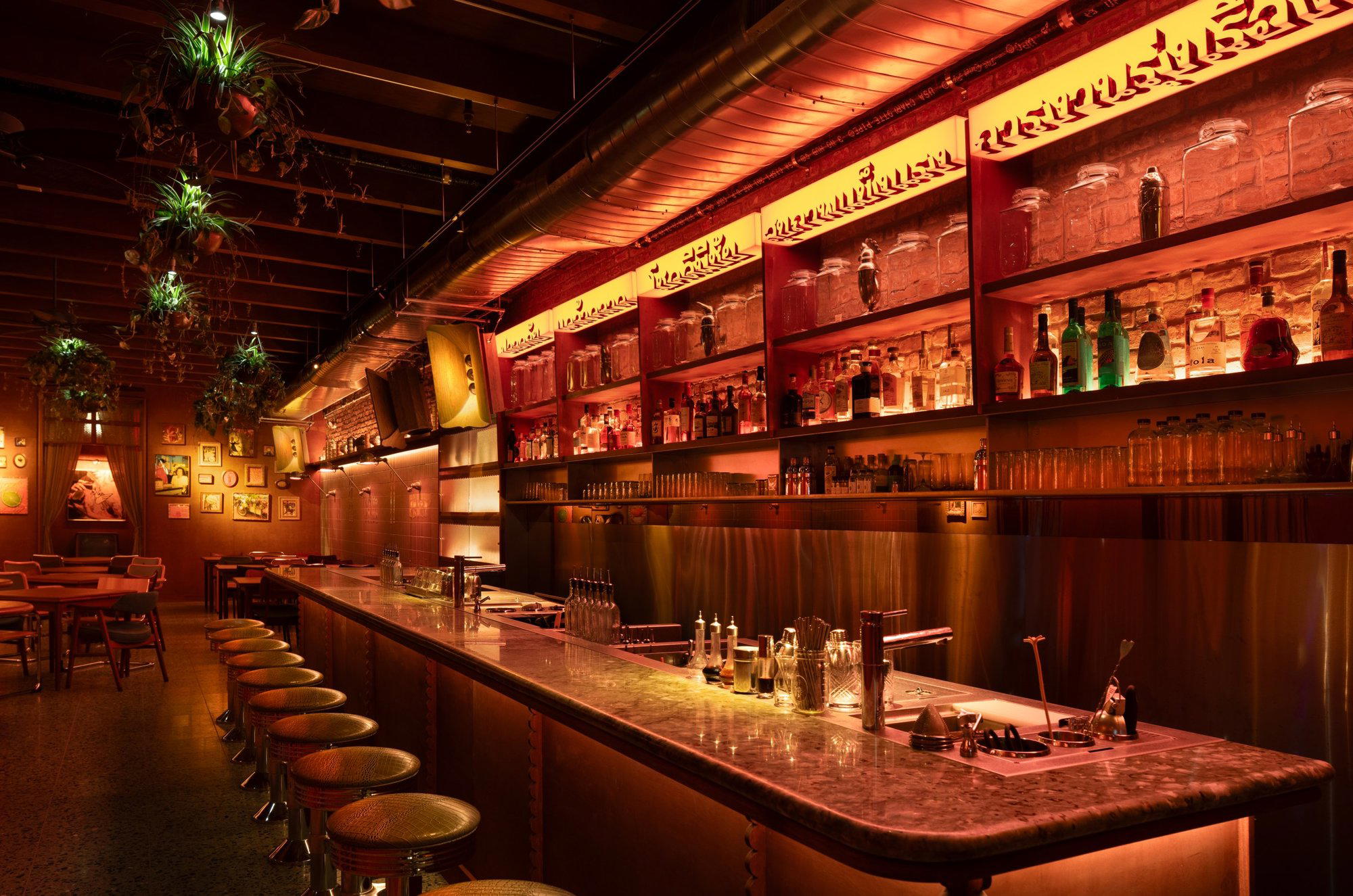
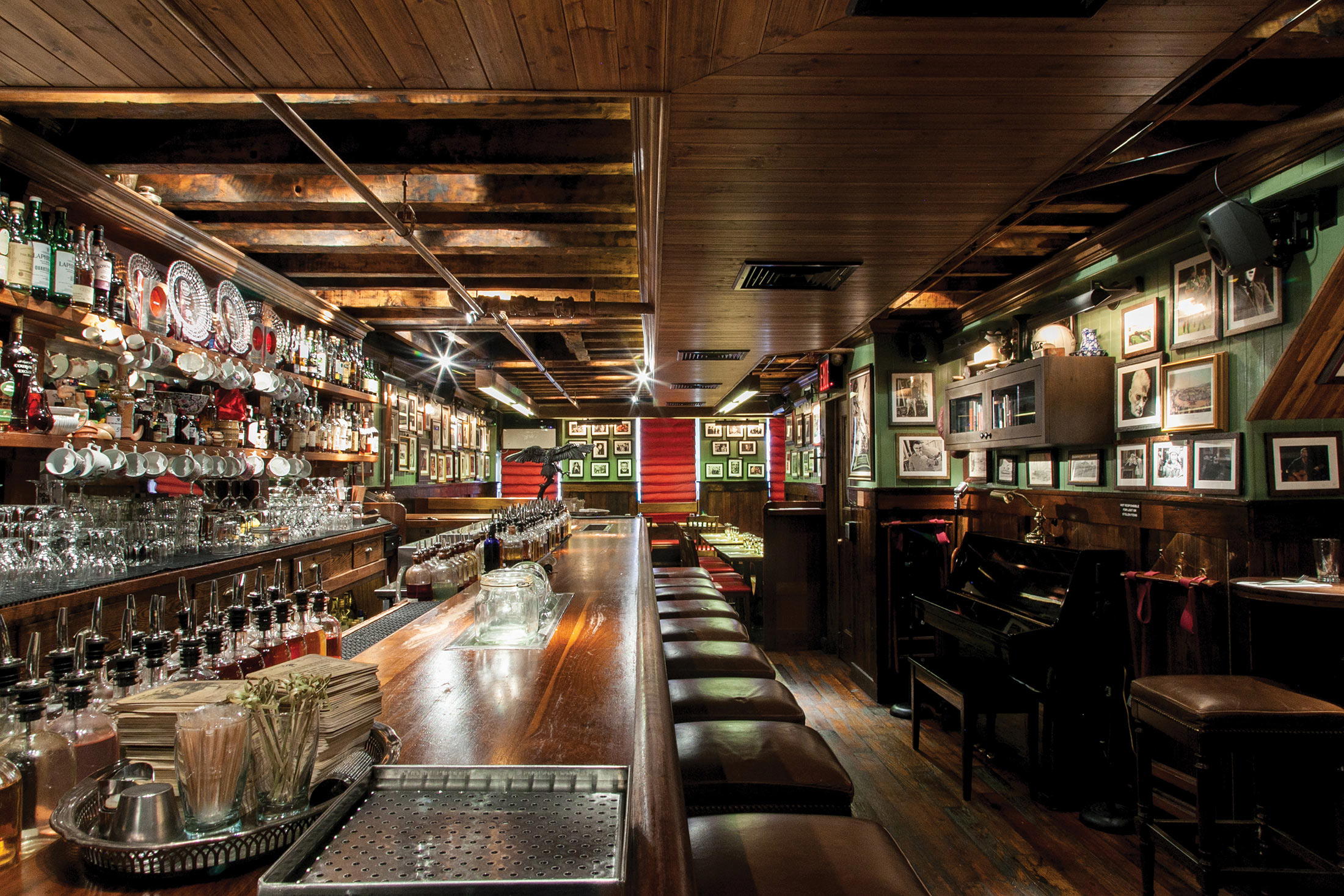
Hotels in New York City
Browse all →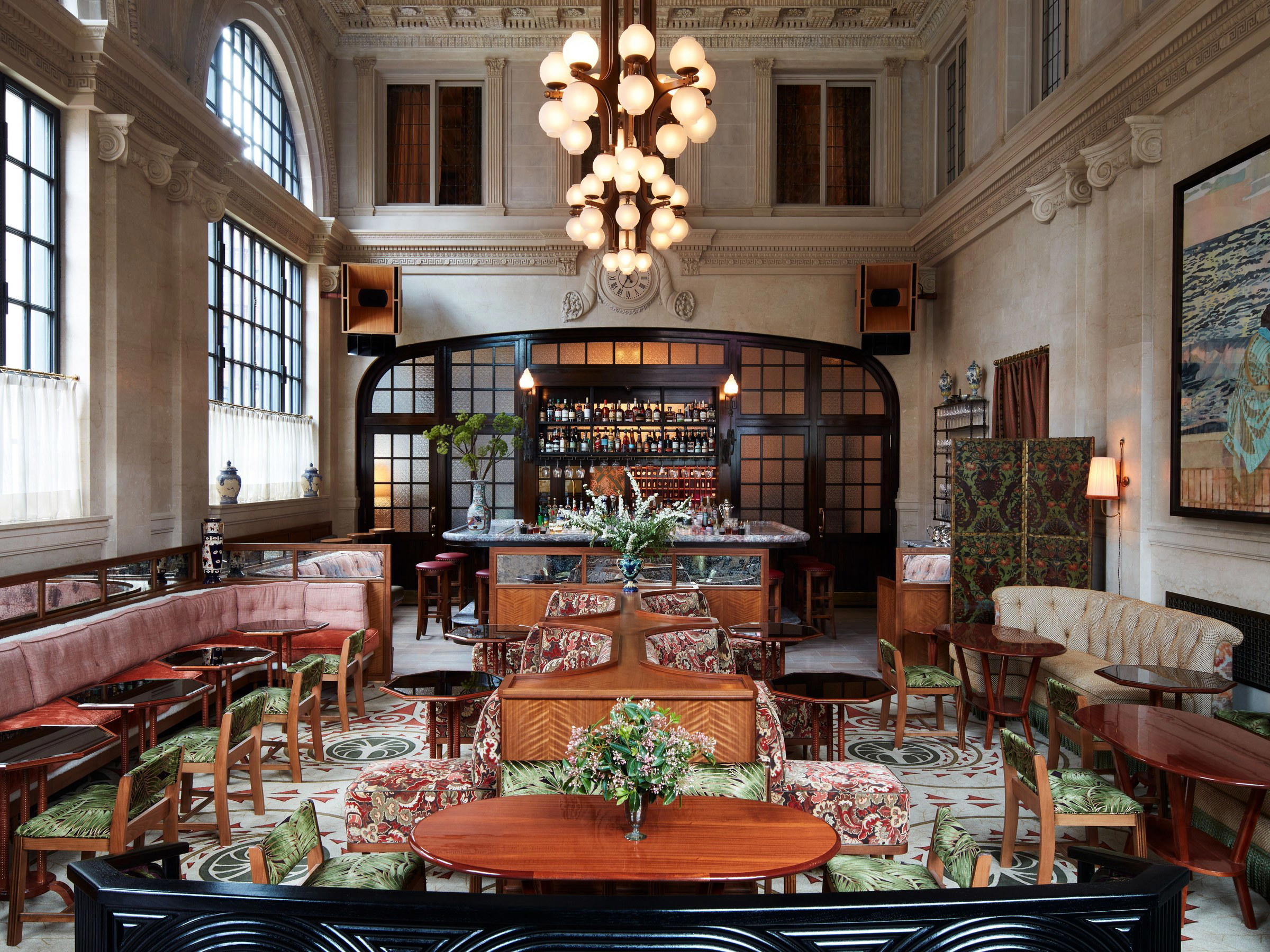

Wineries in New York City
Browse all →


At a Glance
- Cozy
- Elegant
- Intimate
- Date Night
- Casual Hangout
- Brunch
- After Work
- Standalone
- Natural Wine
- Craft Cocktails
- Natural Wine
- Street Scene
Current opening hours
- Monday
- 9 AM–2 PM
- Tuesday
- 9 AM–2 PM
- Wednesday
- 9 AM–2 PM
- Thursday
- 9 AM–2 PM, 4–10 PM
- Friday
- 9 AM–2 PM, 4–10 PM
- Saturday
- 9 AM–3 PM, 4–10 PM
- Sunday
- 9 AM–3 PM
Hours can change for holidays and private events. Last verified .
Bright white space with cozy, pleasant atmosphere; house music and people-watching opportunities at the bar; good for both casual daytime visits and relaxed evening dining.