Marlow & Sons
Marlow & Sons on Broadway in Williamsburg sits at the intersection where ingredient-forward sourcing meets loosely European technique, the kind of Brooklyn dining that shaped how the borough talks about food. The room is spare and the cooking is direct, placing it firmly in the neighbourhood-restaurant tradition that values provenance over performance.
- Address
- 81 Broadway, Brooklyn, NY 11249
- Phone
- +1 718 384 1441
- Website
- marlowandsons.com
- Directions
- Get directions
Broadway, Williamsburg, and the Restaurant That Helped Define a Borough's Palate
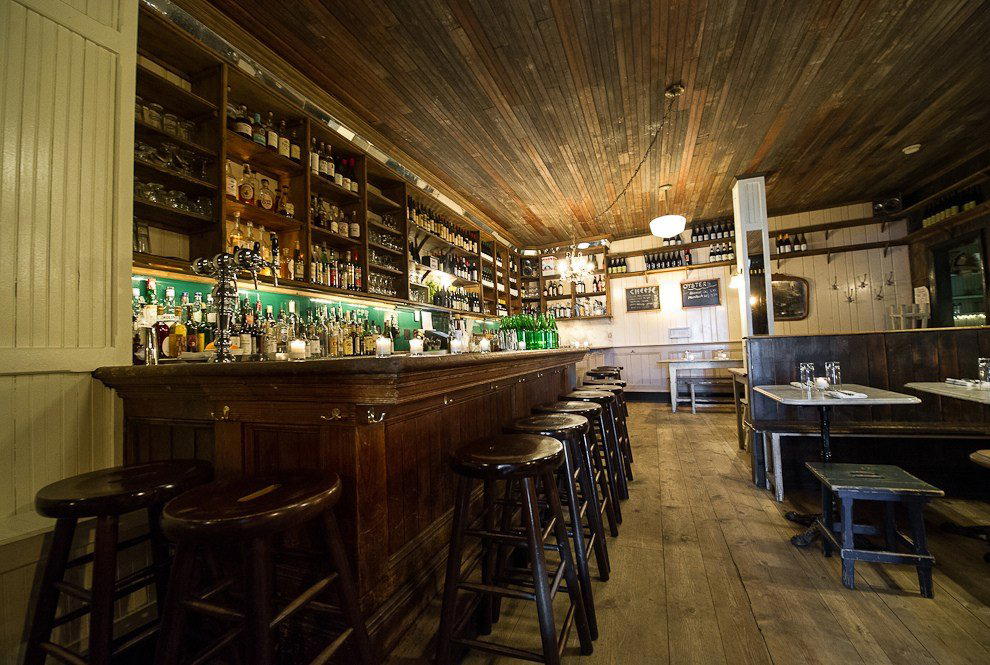
Walk along Broadway in Williamsburg on any given evening and you pass the usual succession of plate-glass storefronts, bike racks, and the residual glow of the L train steps. Marlow & Sons was a restaurant at 81 Broadway in Brooklyn, with seasonal New American cooking influenced by Japanese techniques and a price tier around $50 per person. It interrupts this rhythm with something quieter: candlelight through a low window, the murmur of a room that hasn't tried to acoustically manage itself into a branded experience. The physical environment announces its priorities before the menu does, this is a room built for eating, not for being seen eating.
That distinction matters more in New York's current dining environment than it once did. The city's upper tier has consolidated around tasting-menu formats and formalized dining rooms: Le Bernardin, Per Se, Eleven Madison Park, Atomix, and Masa each represent a category of dining defined by controlled conditions and significant financial commitment. Marlow & Sons operates in a completely different register, closer in spirit to the neighbourhood-rooted, ingredient-obsessed model that reshaped Brooklyn's food culture in the early 2000s and hasn't lost its relevance since.
Local Sourcing as Editorial Stance, Not Marketing Shorthand
The farm-to-table formula has been diluted to meaninglessness across American dining over the past two decades. What distinguishes the restaurants that actually built their kitchens around local supply chains from those that adopted the language retrospectively is specificity: which farms, which seasons, which compromises. Marlow & Sons emerged from the same Andrew Tarlow ecosystem that produced Diner next door, a group of Williamsburg restaurants that, collectively, established a working relationship with regional producers before it was commercially advantageous to do so.
That provenance-first approach connects Marlow & Sons to a broader American tradition of kitchens that use imported European technique as a lens rather than a destination. The comparison holds across the country: Blue Hill at Stone Barns in Tarrytown applies fine-dining rigor to Hudson Valley produce; Single Thread Farm in Healdsburg runs its own farm to supply a Japanese-inflected tasting menu; Lazy Bear in San Francisco frames Northern California ingredients through technically demanding preparations. Marlow & Sons works at a less formal register than any of those, but the underlying logic, that the ingredient's geography should be audible in the finished dish, is the same.
This is also, in structural terms, what separates ingredient-led neighbourhood restaurants from their technique-led counterparts. At Smyth in Chicago, Providence in Los Angeles, or Addison in San Diego, the kitchen's methodology is the primary argument the restaurant makes to its guests. At Marlow & Sons, the argument begins with the supply chain and the technique follows from what the season permits.
The Williamsburg Context: A Neighbourhood That Grew Around Its Restaurants
Williamsburg's dining scene didn't develop in response to a pre-existing affluent population, it helped produce one. The neighbourhood's early restaurant infrastructure, of which Marlow & Sons formed a significant part, established a set of expectations around food quality and sourcing that shaped what residents and visitors subsequently demanded from the area. That feedback loop is now complete: Williamsburg has the rents, the hotel stock, and the weekend tourist traffic of a fully arrived neighbourhood, and its original restaurants are no longer cheap by Brooklyn standards, even if they remain distant from Manhattan's fine-dining pricing.
This matters for understanding where Marlow & Sons sits in New York's broader dining map. It is not positioned against the city's starred rooms. It is positioned against the cohort of neighbourhood restaurants that treat sourcing, wine lists, and cooking ability as serious commitments without framing them through the language of luxury. The comparison set includes Diner (its sibling), Roman's in Fort Greene, Franny's before it closed, and a handful of others that defined what serious-but-casual Brooklyn dining looked like when that combination still required definition. For visitors mapping New York's full range, our full New York City restaurants guide covers the city's tiers from Michelin-rated rooms down through neighbourhood institutions.
Technique as Servant, Not Master
The European technique that runs through Marlow & Sons' kitchen is characteristically understated. The room has always leaned toward preparations that let the ingredient make the first statement, charcuterie assembled from regionally sourced pork, vegetables treated with enough heat to concentrate flavour without obscuring their origin, fish dishes that reflect Atlantic seasonality rather than a fixed menu template. This positions the kitchen in a tradition that runs from French bistro pragmatism through the American farmhouse cooking revival of the 1980s and into the locavore movement that followed.
Internationally, the closest analogues are the restaurants that use classical European frameworks as interpretive tools for their specific geography: Frasca Food & Wine in Boulder applies Friulian discipline to Colorado produce; Atelier Moessmer Norbert Niederkofler in Brunico treats Alpine regionalism as both constraint and creative framework; Dal Pescatore in Runate has built decades of reputation on the idea that a specific river valley's products, treated with accumulated technique, constitute a complete cuisine. Marlow & Sons operates at a different scale and without the accolade architecture of those rooms, but the philosophical alignment, place first, method second, is legible across all of them.
For American readers calibrating this kind of dining against more formal reference points, The French Laundry in Napa, Emeril's in New Orleans, and The Inn at Little Washington in Washington each represent points on the spectrum between formal European inheritance and American regional identity. Marlow & Sons is further along the informal end of that spectrum than any of them, and that informality is a feature of its positioning, not an absence of ambition.
Planning a Visit
Marlow & Sons is located at 81 Broadway, Brooklyn, NY 11249, in the southern stretch of Williamsburg accessible from the Marcy Avenue J/M/Z stop or the Bedford Avenue L stop. Reservations are recommended. Dress: casual. Budget: about $50 per person. Timing: The menu reflects seasonal availability, making visits during the Northeast's peak produce seasons (late spring through autumn) particularly rewarding for those interested in seeing the sourcing philosophy expressed at full strength.
Comparison Snapshot
Comparable venues nearby, for context on price, style, and recognition.
| Venue | Cuisine | Price | Notes |
|---|---|---|---|
| Marlow & SonsThis venue — the venue you are viewing | Seasonal New American with Japanese influences | $$$ | Not listed |
| Maison Pickle | Classic American Comfort with French Dip Focus | $$$ | Upper West Side (Central) |
| Pershing Square | American Bistro | $$$ | East Midtown-Turtle Bay |
| City Vineyard | New American with Seafood | $$$ | Tribeca-Civic Center |
| Smoke Jazz Club | New American with Jazz | $$$ | Upper West Side-Manhattan Valley |
| WASSAIL | Vegetarian American Cider Bar | $$$ | Lower East Side |
Continue exploring
More in New York City
Restaurants in New York City
Browse all →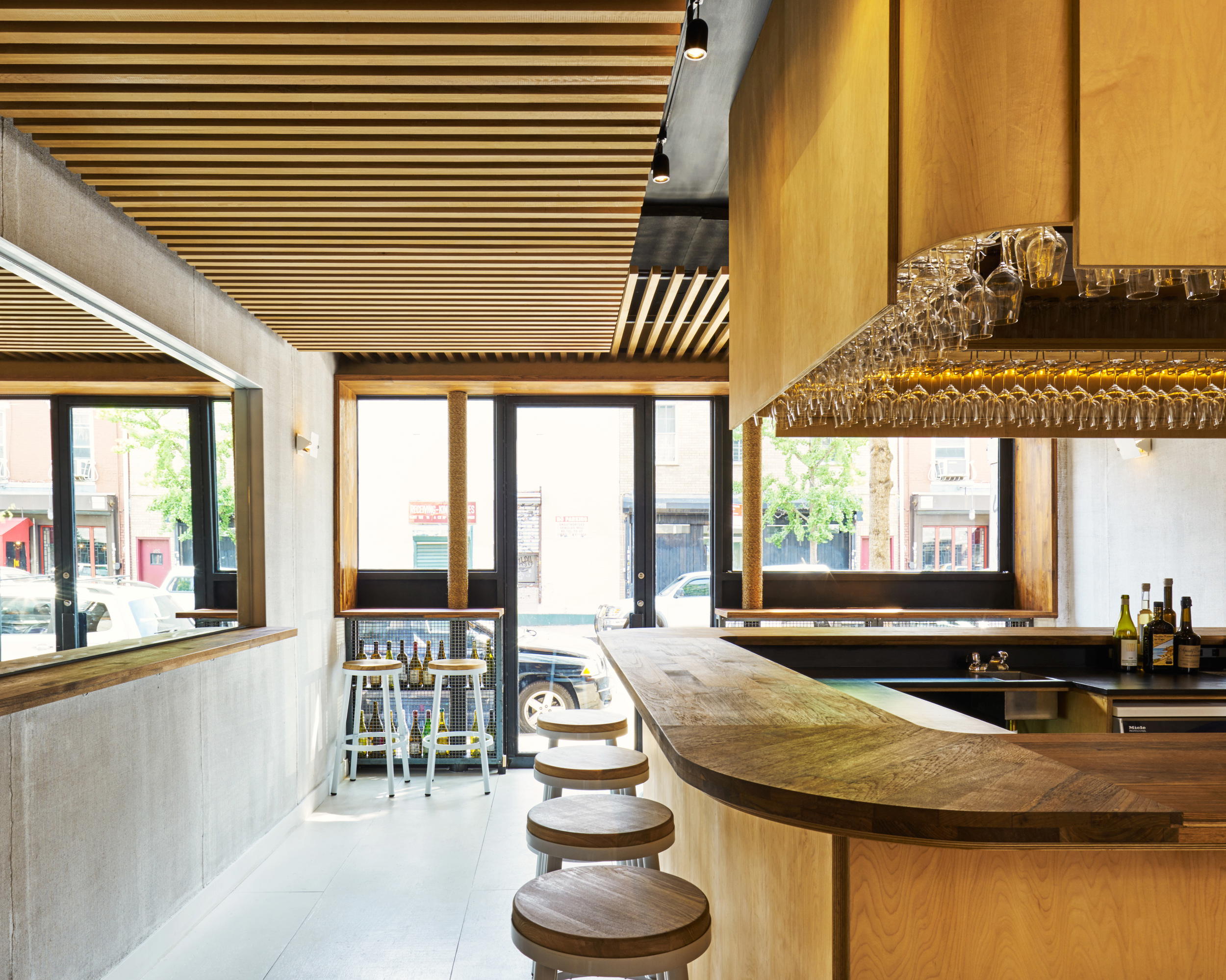
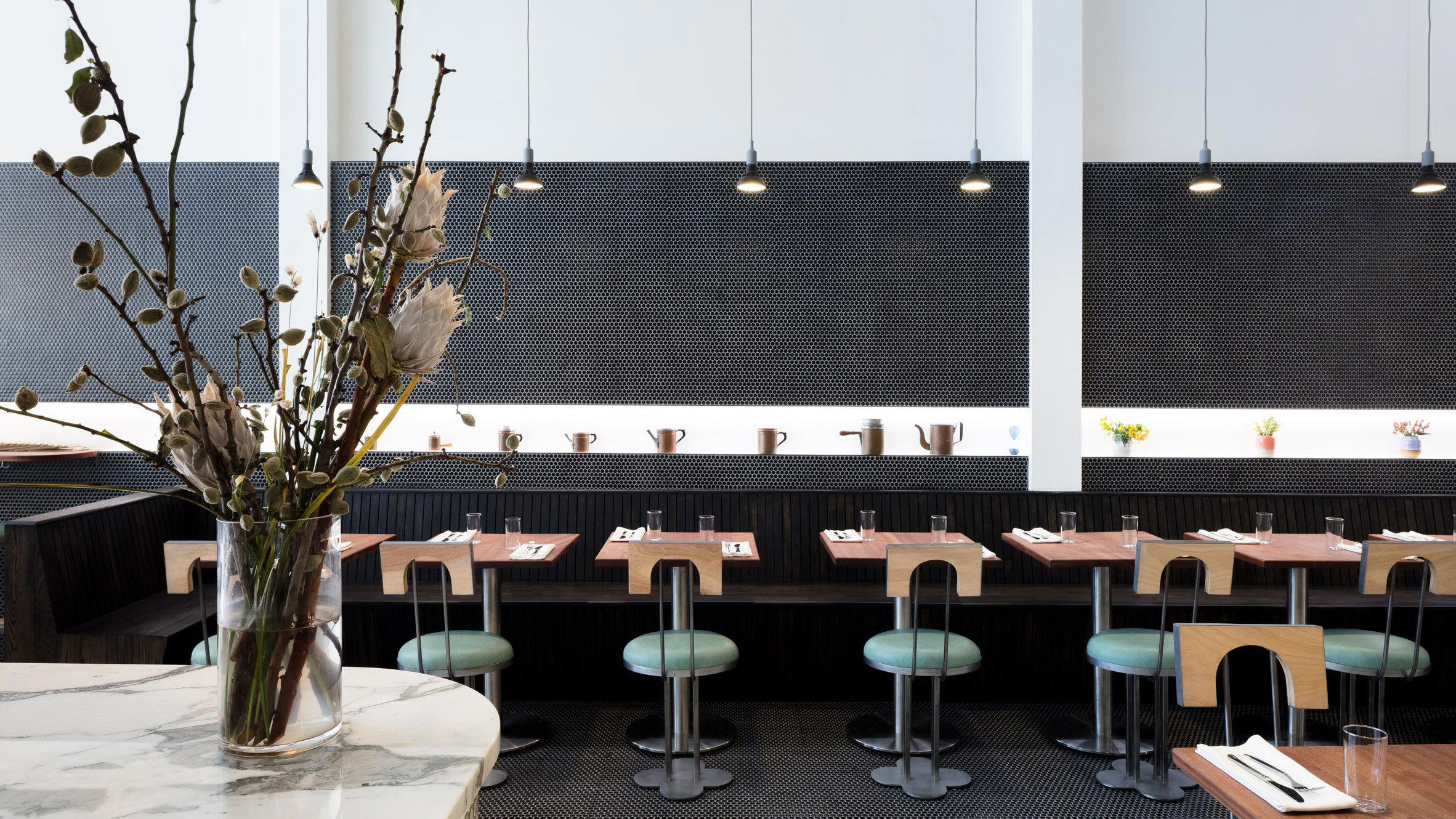
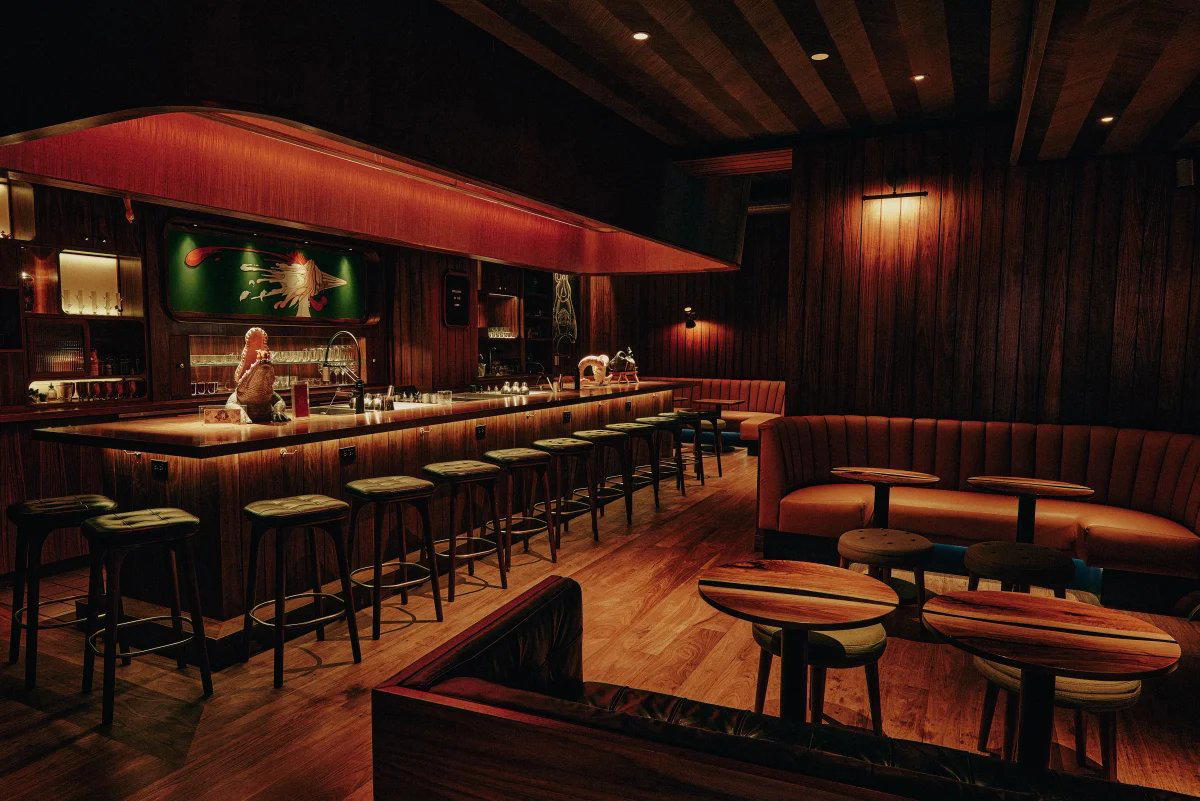
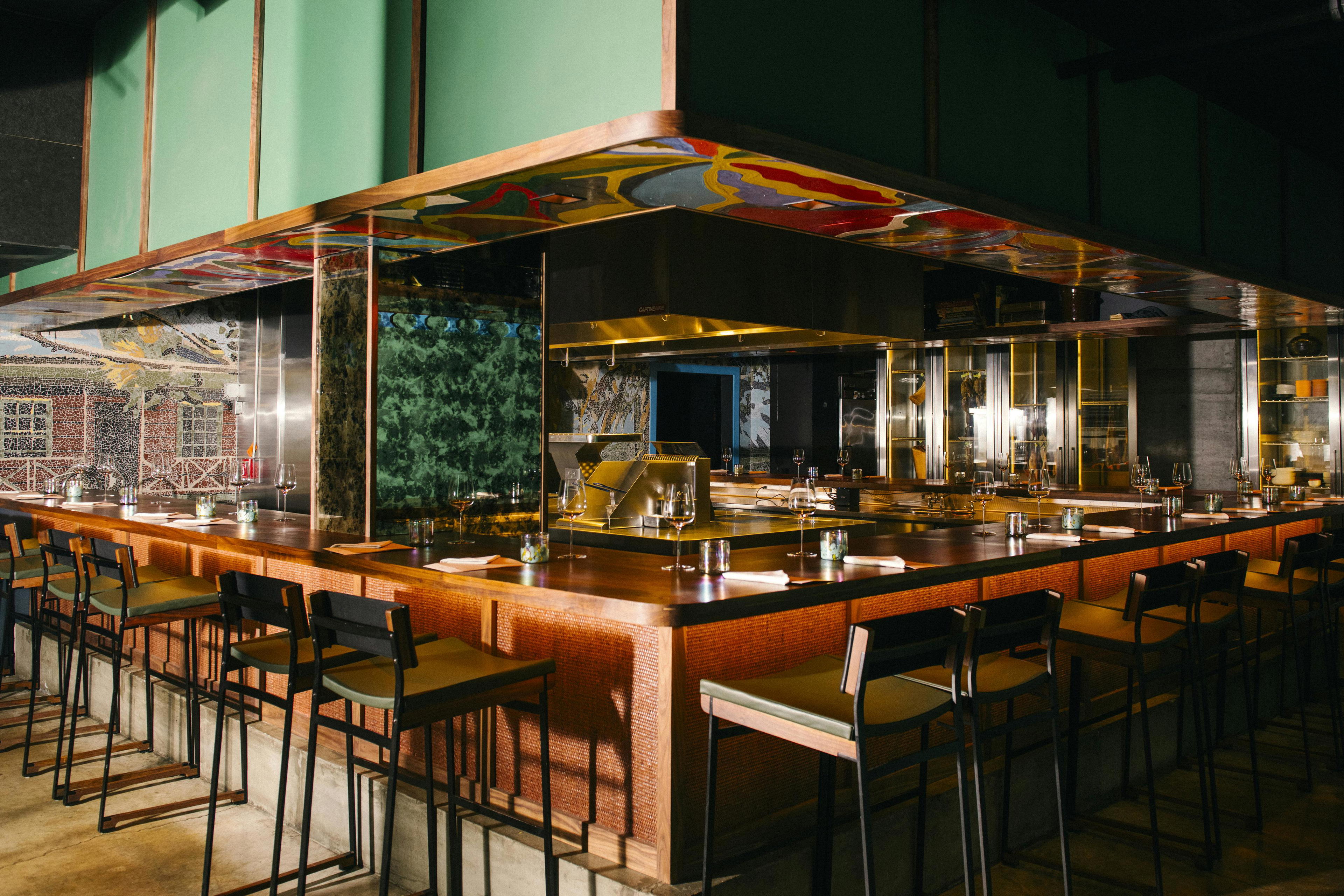
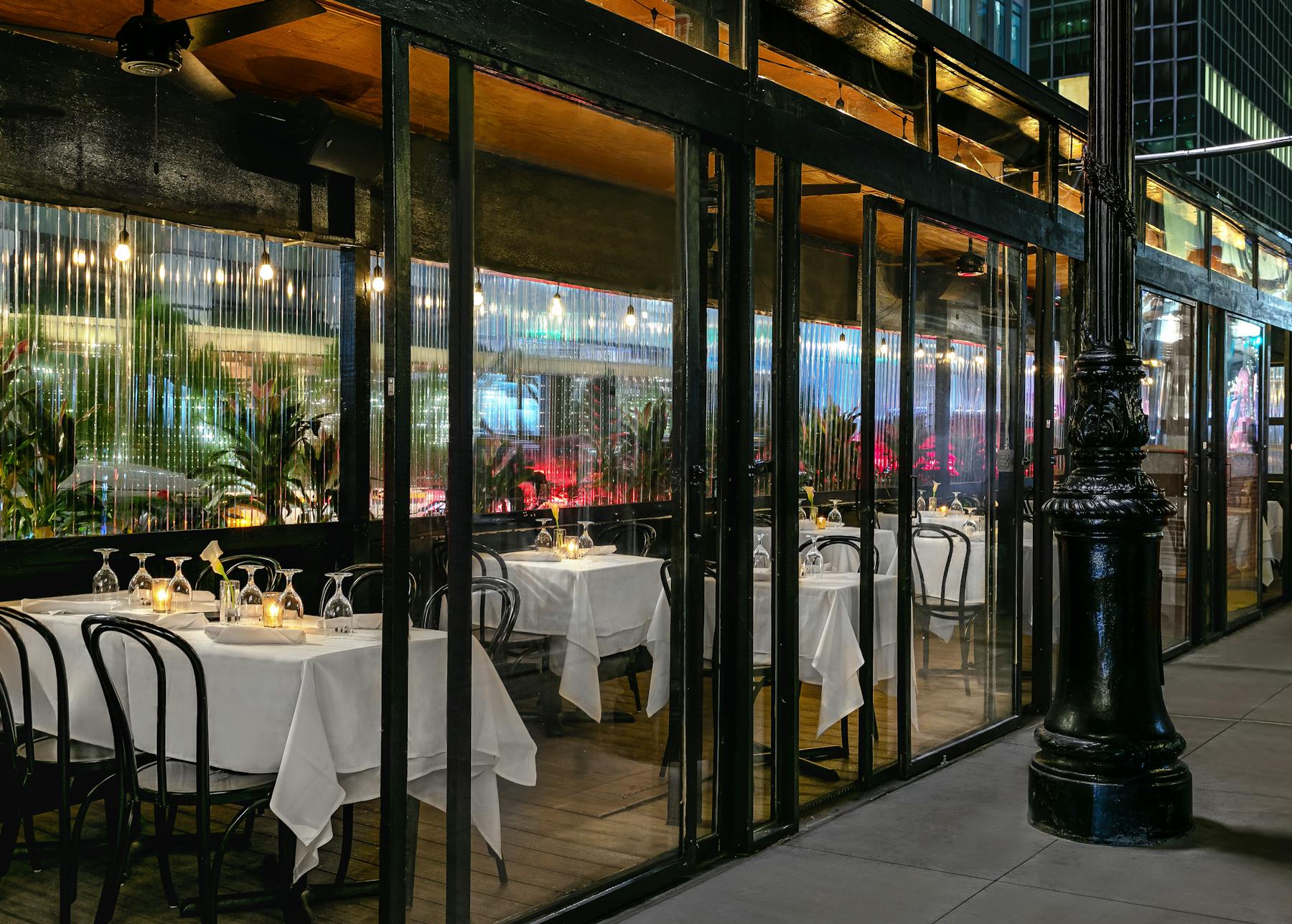
Bars in New York City
Browse all →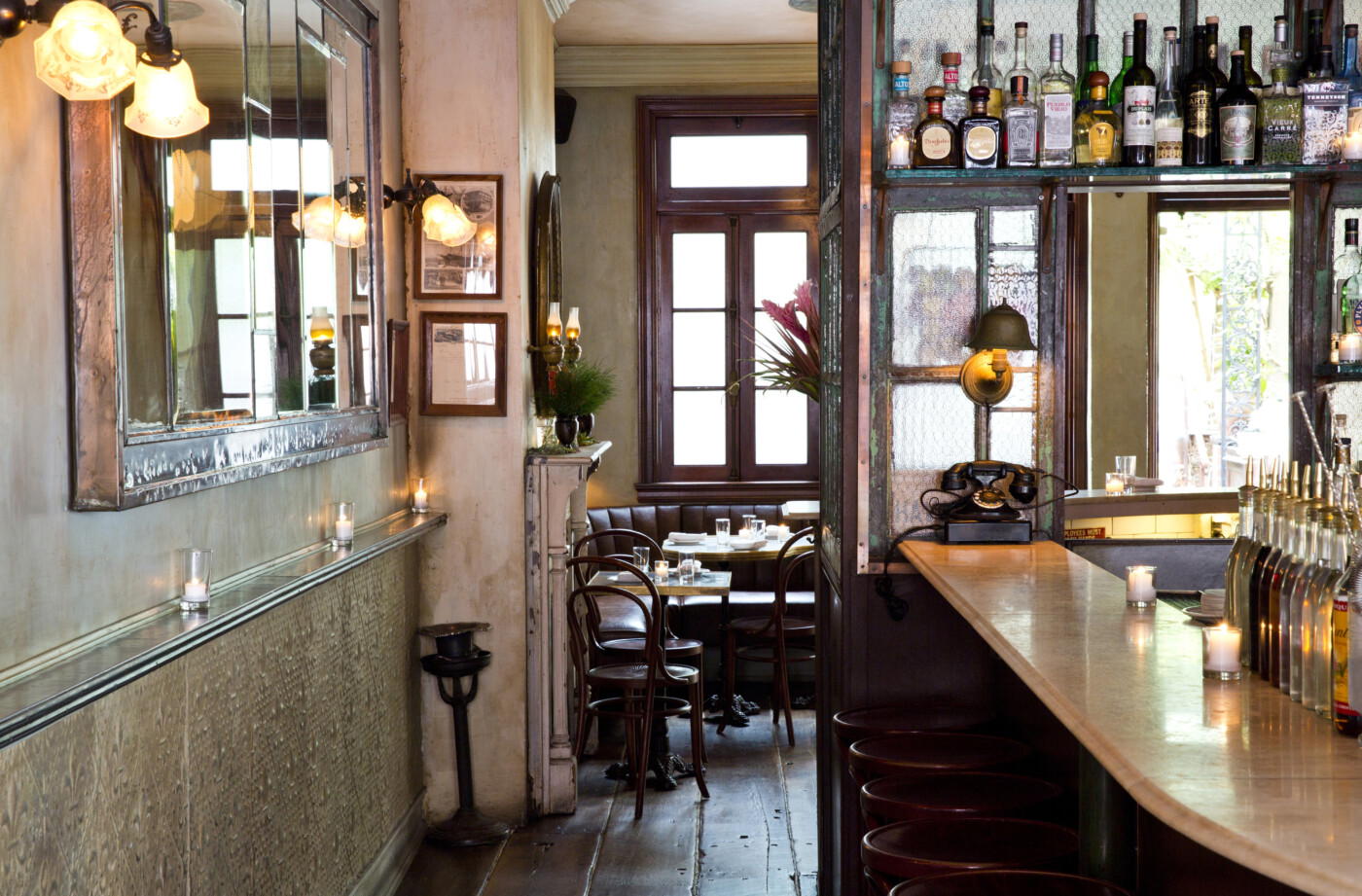
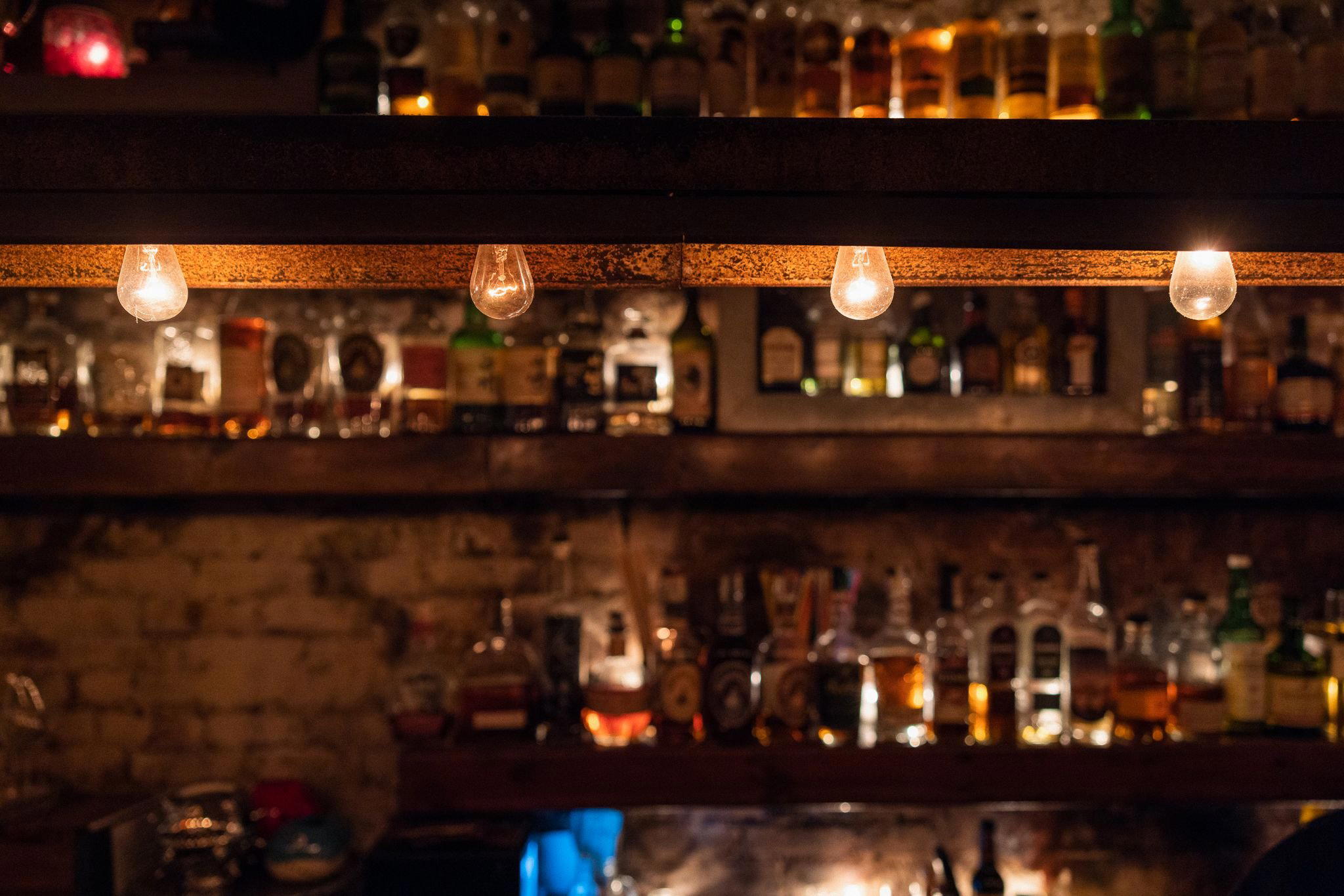
Hotels in New York City
Browse all →


Wineries in New York City
Browse all →


At a Glance
- Cozy
- Rustic
- Trendy
- Intimate
- Date Night
- Casual Hangout
- Brunch
- Open Kitchen
- Natural Wine
- Farm To Table
- Local Sourcing
Cozy tavern-style with dim lighting, lively neighborhood vibe, and hip atmosphere.