Bijan's
Our verdict
Bijan's occupies a Brooklyn address at 81 Hoyt St in Boerum Hill, a neighborhood that has quietly become one of New York's more considered dining destinations. The restaurant sits within a broader shift in how serious dining has distributed itself across the boroughs, away from Manhattan's established corridors and toward communities with distinct residential character. Visitors arriving during cooler months will find the area at its most atmospheric.

Pearl is the En Primeur Club membership app, where members save venues, book tables and use the concierge.

The menu
What to order
- Persian Chicken Kabobs
- Lamb Burger
- Roasted Beet Salad
Brooklyn's Quiet Shift in Serious Dining
For most of the twentieth century, the geography of ambitious American restaurant culture was simple: if a city had a serious dining scene, it lived downtown, in the financial district, or in whatever neighborhood hosted the expense-account crowd. New York's version of that story centered on Midtown and the Upper East Side, then gradually moved through the West Village and SoHo. What has happened in Brooklyn over the past decade represents a structural correction rather than a trend. Neighborhoods like Boerum Hill, where Bijan's sits at 81 Hoyt Street, now host restaurants that compete on craft and intention rather than on proximity to a hotel concierge network. That shift has changed how a meaningful portion of New York's dining public thinks about where to eat well.
Boerum Hill itself occupies a specific register within Brooklyn's dining geography. It is not the high-traffic zone of Williamsburg, which long ago absorbed the energy of a destination restaurant row, nor is it the more residential calm of Carroll Gardens. The streets around Atlantic Avenue have historically carried the traces of a Middle Eastern commercial corridor, with food shops and small restaurants that predate the neighborhood's current profile by several decades. That layering gives the area a culinary character that is less engineered than comparable blocks in Manhattan, and restaurants that open here tend to be read against that context. Bijan's, carrying a name with clear Persian cultural reference, operates within a neighborhood that has absorbed Middle Eastern and South Asian food traditions at the street level for years.
Cultural Roots and the Persian Dining Tradition
Persian cuisine occupies a distinctive position in the broader taxonomy of Middle Eastern food. Where Levantine cooking has achieved wide recognition in American cities through dishes like hummus, falafel, and shawarma, Iranian culinary tradition remains considerably less represented in the restaurant sector relative to its depth. The kitchen draws on a long history of rice cookery, slow-braised meats, fresh herb plates, and the kind of sour-sweet balance achieved through pomegranate, dried lime, and tamarind. Dishes like fesenjan, ghormeh sabzi, and zereshk polo represent a cuisine shaped by centuries of trade-route exchange across Central Asia and the Caucasus, and they carry flavor profiles that reward sustained attention rather than immediate impact.
In American cities, the restaurants that have brought Iranian cooking to wider audiences have tended to cluster in communities with established Persian-American populations, particularly in Los Angeles and parts of the Washington D.C. suburbs. New York's Persian restaurant presence has historically been thinner, which means that any restaurant in Brooklyn positioning itself within or adjacent to that tradition is operating in a space with limited direct competition and considerable room to define what the category means locally. This is the kind of opening that culinary historians tend to notice in retrospect, when a neighborhood's food identity crystallizes around a handful of early commitments.
The name Bijan itself carries weight in Iranian culture, drawn from a figure in the Shahnameh, the tenth-century Persian epic poem by Ferdowsi that remains one of the foundational texts of Iranian literary identity. Whether or not the restaurant draws explicitly on that reference, the name places it in a cultural register that distinguishes it from the broadly generic naming conventions of most new American restaurants. That kind of specificity is a signal, even when the specifics require some excavation.
Where Bijan's Sits in New York's Broader Restaurant Picture
New York's upper tier of serious restaurants is well-documented and well-linked. Le Bernardin defines the standard for French seafood in the city. Atomix and Jungsik New York have made a strong argument for Korean cuisine at the highest formal register. Masa holds the price ceiling for Japanese omakase. Per Se continues to anchor the Columbus Circle address it has occupied since 2004. These are restaurants that have earned their positions through sustained performance across decades and multiple critical frameworks.
Bijan's does not yet sit in that tier of documented recognition, which is not a criticism so much as a description of where it is in its trajectory. Brooklyn restaurants have followed a consistent arc over the past fifteen years: initial neighborhood-level reputation, broader borough recognition, eventual entry into citywide critical conversation. The restaurants that have moved through that arc most successfully tend to be those with a clearly defined culinary identity rather than those attempting to cover every direction. A restaurant anchored in Persian or Iranian-adjacent cooking has a clearer identity claim than one attempting to span multiple traditions, and that specificity tends to translate into a loyal early audience that sustains the restaurant through its formative period.
For context on what serious American dining looks like across other markets, the EP Club covers a wide range of reference points: Alinea in Chicago, The French Laundry in Napa, Blue Hill at Stone Barns in Tarrytown, Single Thread Farm in Healdsburg, Providence in Los Angeles, Lazy Bear in San Francisco, Addison in San Diego, Emeril's in New Orleans, Bacchanalia in Atlanta, and The Inn at Little Washington. Internationally, comparisons extend to places like 8½ Otto e Mezzo Bombana in Hong Kong and Alain Ducasse's Louis XV in Monte Carlo. Bijan's is not yet benchmarked against those names, but understanding where it sits in the broader American dining conversation requires that the reader hold the full map.
See our full New York City restaurants guide for a complete picture of where Bijan's fits within the city's current dining hierarchy.
Timing, Atmosphere, and the Boerum Hill Setting
Boerum Hill rewards visits in autumn and early winter, when the brownstone-lined streets carry a particular quality of light in the late afternoon and the neighborhood's pedestrian traffic thins to a pace that suits a longer, unhurried meal. Atlantic Avenue, one block south of Hoyt Street, provides a useful orientation point: it is a commercial street with a mix of food retail, cafes, and a few older-format restaurants that predate the current wave of Brooklyn dining. The Hoyt-Schermerhorn Streets subway station, served by the A, C, and G lines, is within easy walking distance of the Hoyt Street address, making the location accessible from multiple Manhattan entry points without requiring a long commute. Dinner during the week tends to provide a more settled experience than weekend service in Brooklyn neighborhoods with active social lives.
Planning Your Visit
Address: 81 Hoyt St, Brooklyn, NY 11201. Nearest transit: Hoyt-Schermerhorn Streets station (A, C, G lines), approximately one block away. Reservations: Budget: Dress: No formal code confirmed; Boerum Hill's general dining tone runs toward smart casual.
Frequently asked questions
Is Bijan's a family-friendly restaurant?
What's the overall feel of Bijan's?
What should I order at Bijan's?
What's the ideal way to book Bijan's?
Is Bijan's connected to any broader culinary tradition specific to its Brooklyn neighborhood?
Peers in This Market
Comparable venues nearby, for context on price, style, and recognition.
| Venue | Cuisine | Price | Notes |
|---|---|---|---|
| Bijan'sThis venue (the venue you are viewing) | Persian-American | Not listed | Not listed |
| Gair | Modern American Gastropub | Not listed | Downtown Brooklyn-DUMBO-Boerum Hill |
| Tooker Alley | American Cocktail Bar with Tapas | $30–50 | Prospect Heights |
| Burger & Lobster | Burgers & Lobster | $30–50 | Midtown-Times Square |
| Austin's Steakhouse | American Steakhouse | Not listed | Bay Ridge |
| NOMO Kitchen | Seasonal American with Global Influences | $30–50 | SoHo-Little Italy-Hudson Square |
Continue exploring
More in New York City
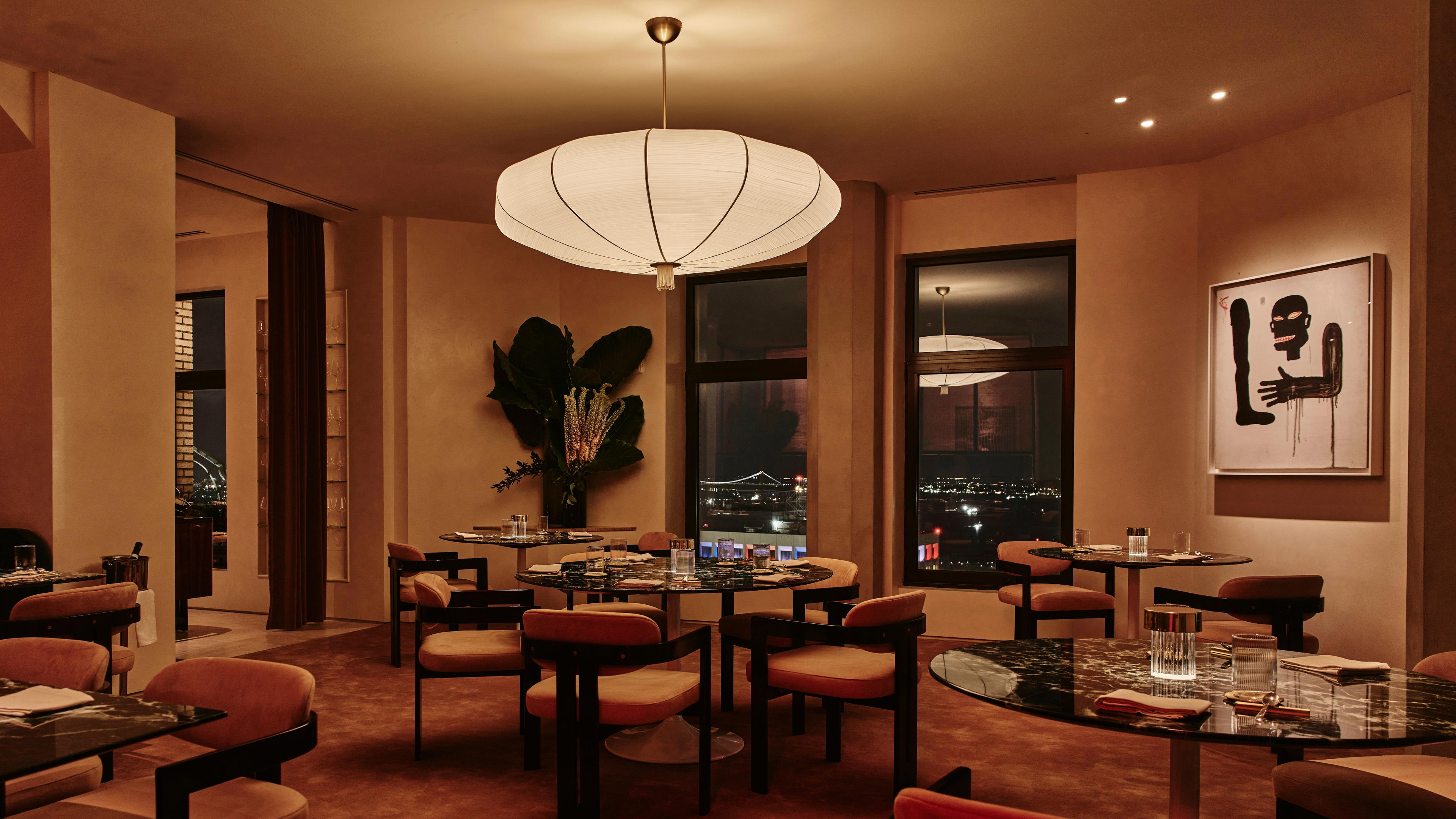
Restaurants in New York City
All restaurants in New York City →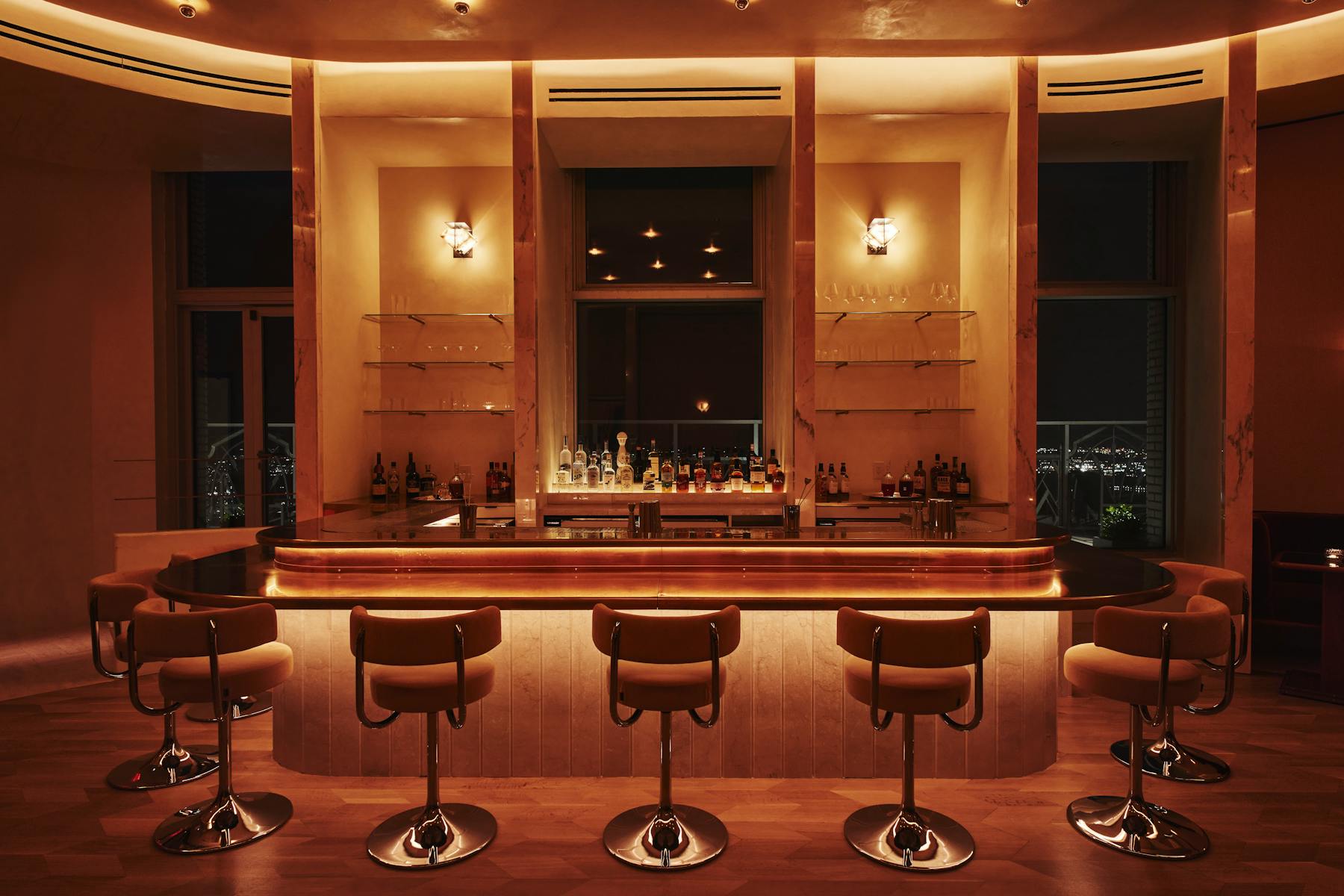
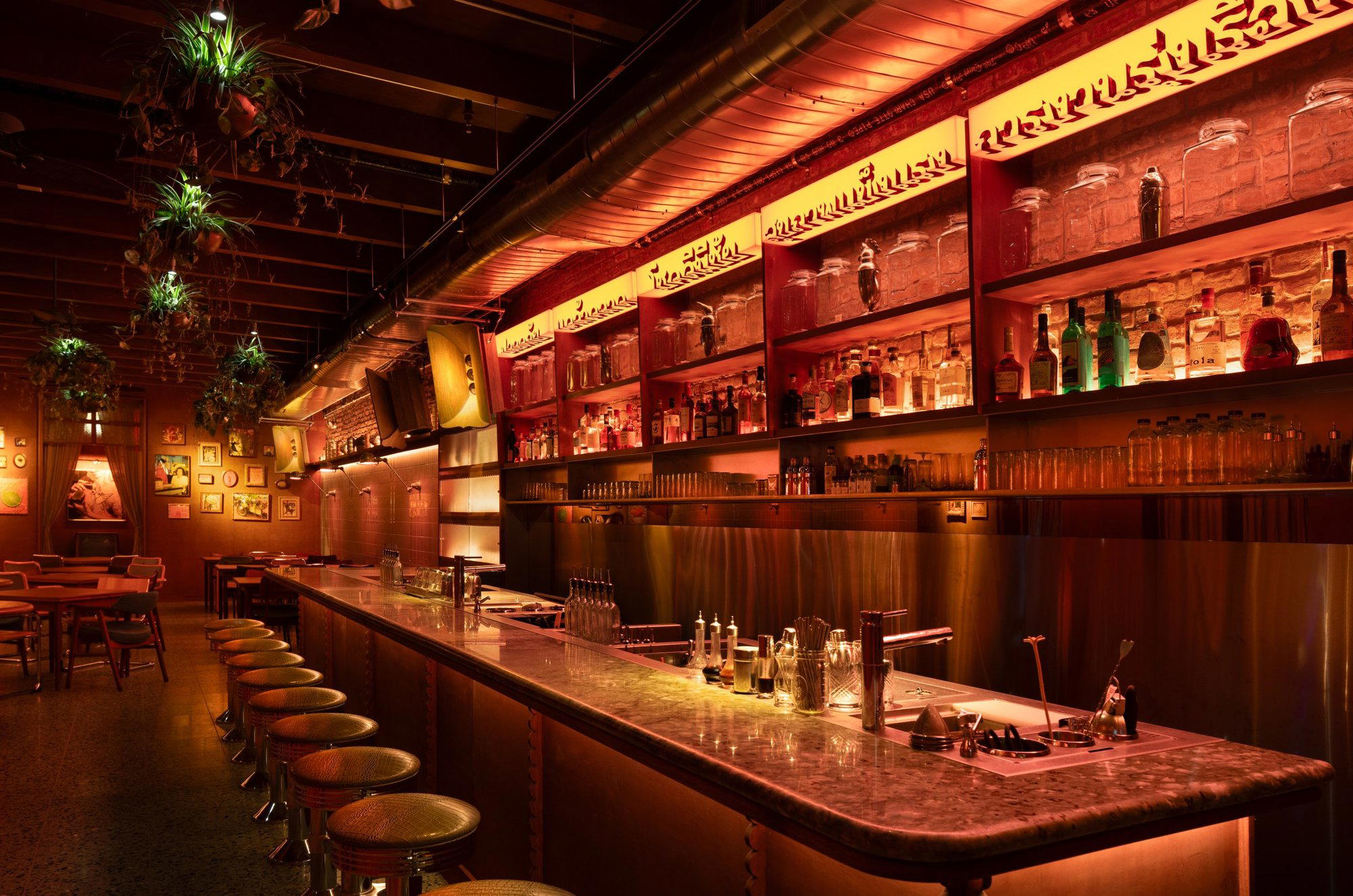
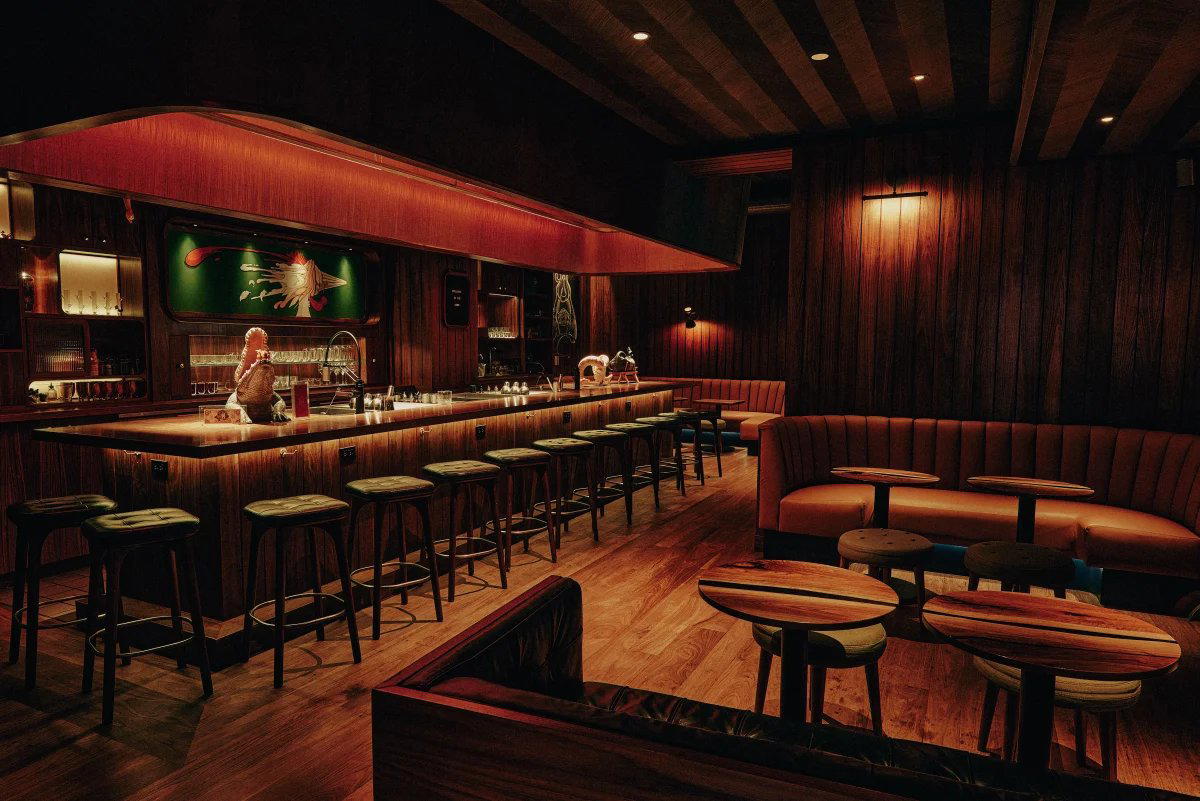
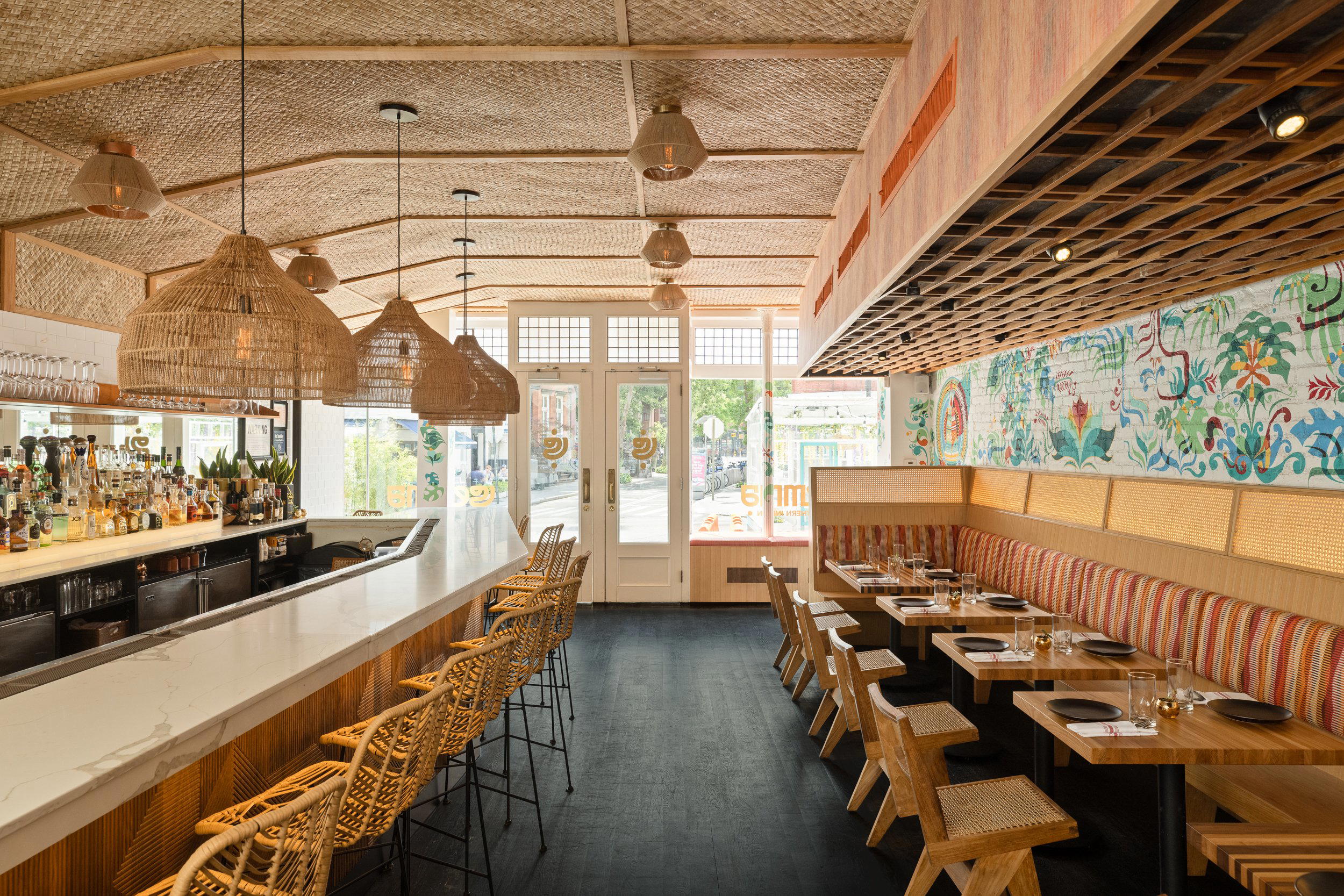
Bars in New York City
All bars in New York City →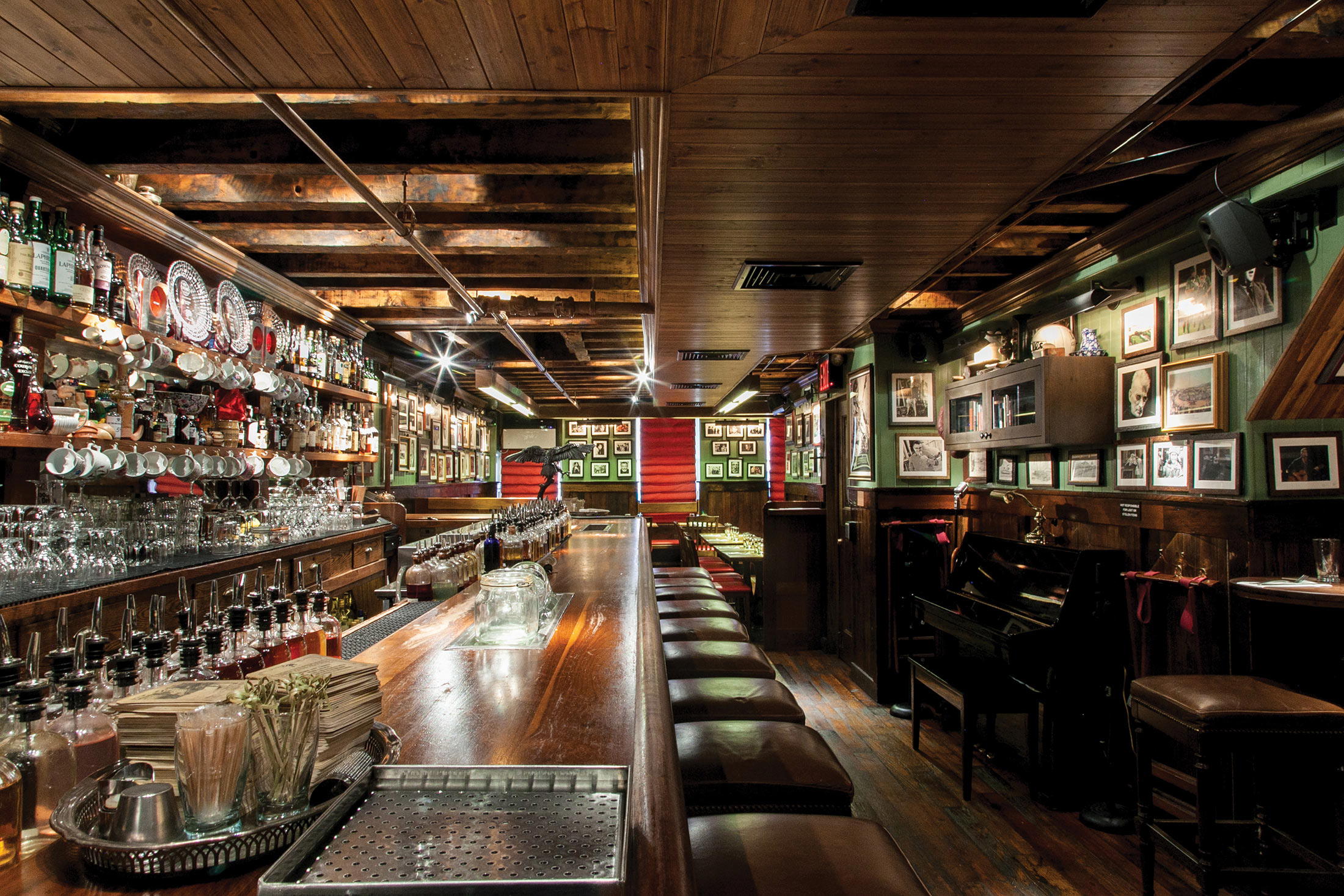
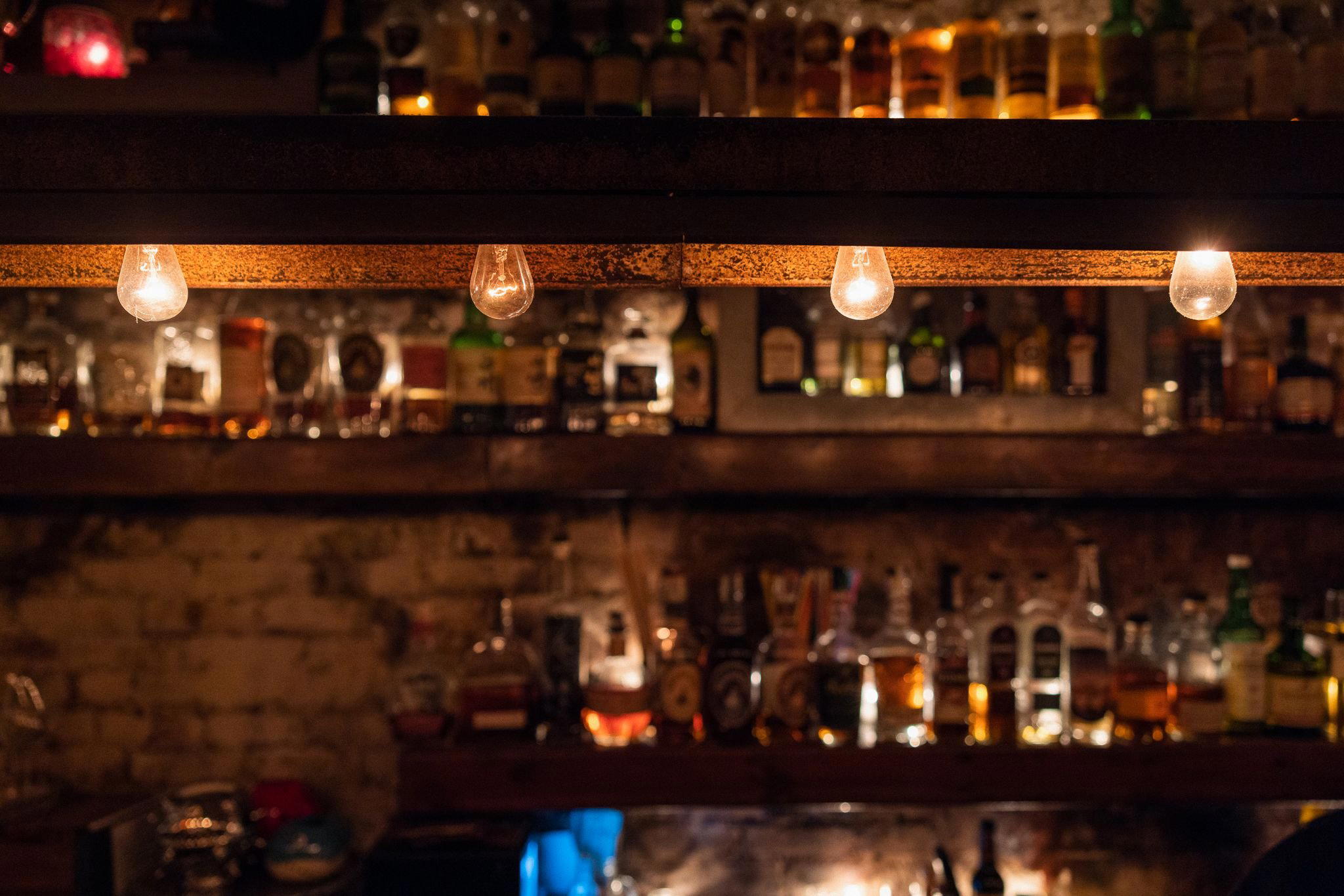
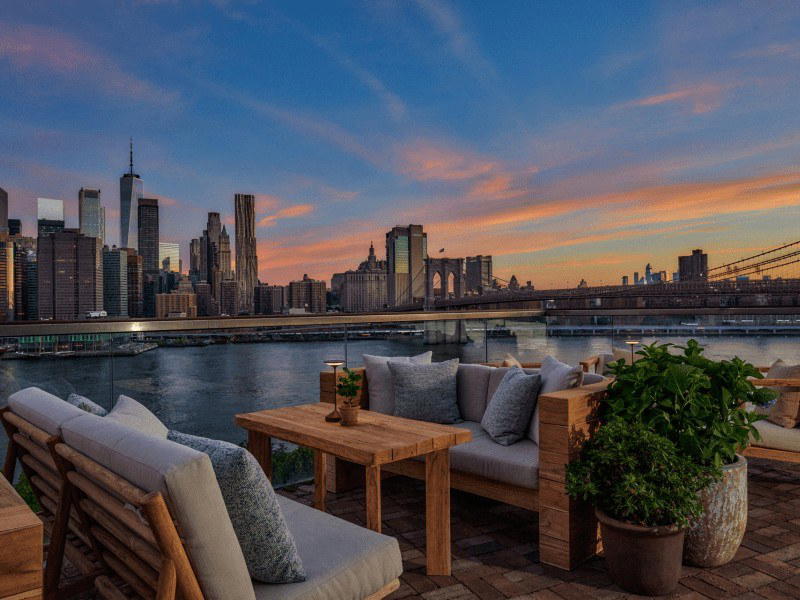



Details
- Cozy
- Intimate
- Date Night
- Brunch
- Casual Hangout
- Open Kitchen
- Craft Cocktails
- A La Carte
Current opening hours
- Monday
- 11 AM–12 AM
- Tuesday
- 11 AM–12 AM
- Wednesday
- 11 AM–12 AM
- Thursday
- 11 AM–12 AM
- Friday
- 11 AM–1 AM
- Saturday
- 11 AM–1 AM
- Sunday
- 11 AM–12 AM
Hours can change for holidays and private events. Hours as of .
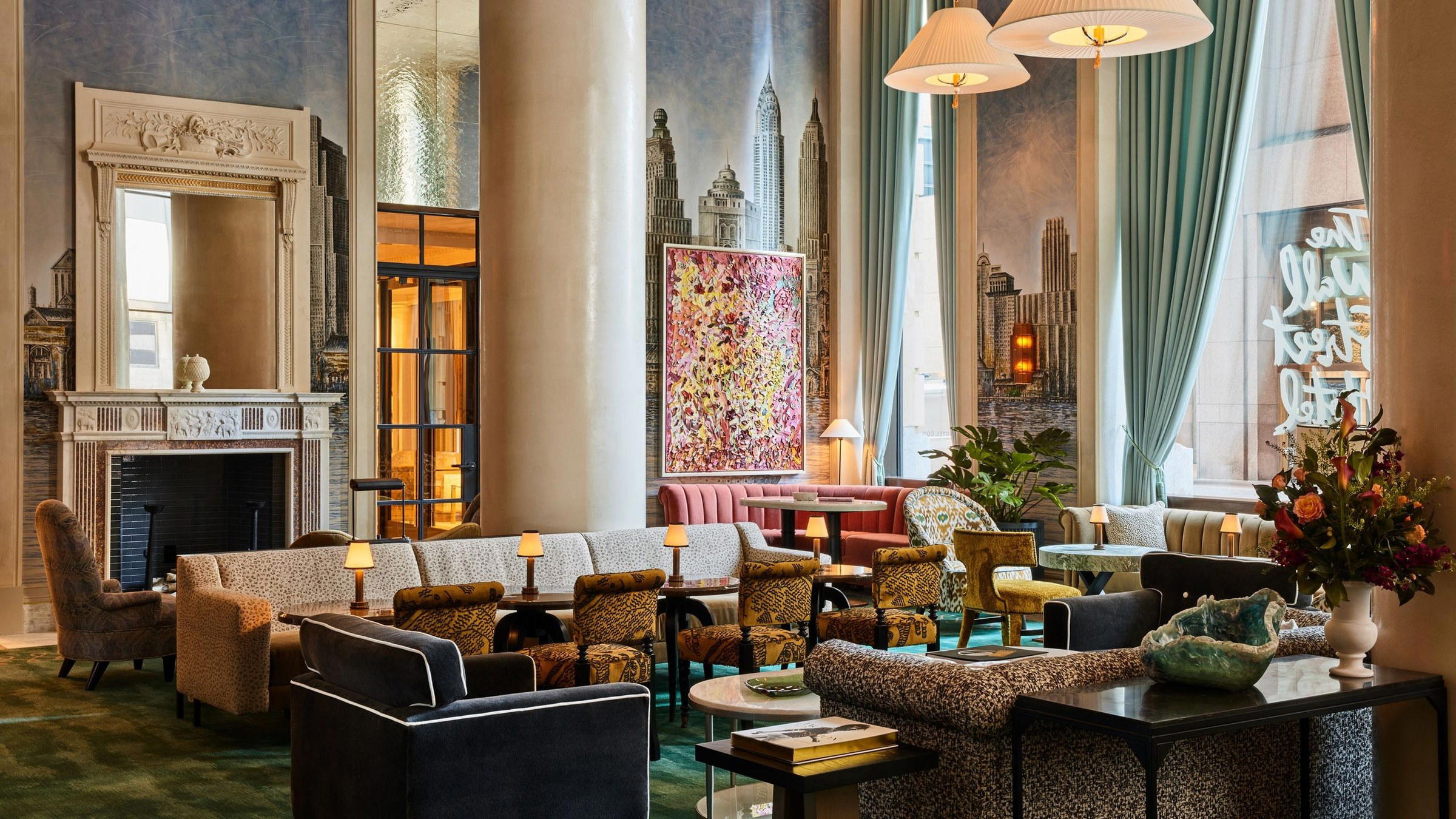
Cozy welcoming atmosphere with fireplace warm lighting and eclectic music playlist.