OTTO
Our verdict
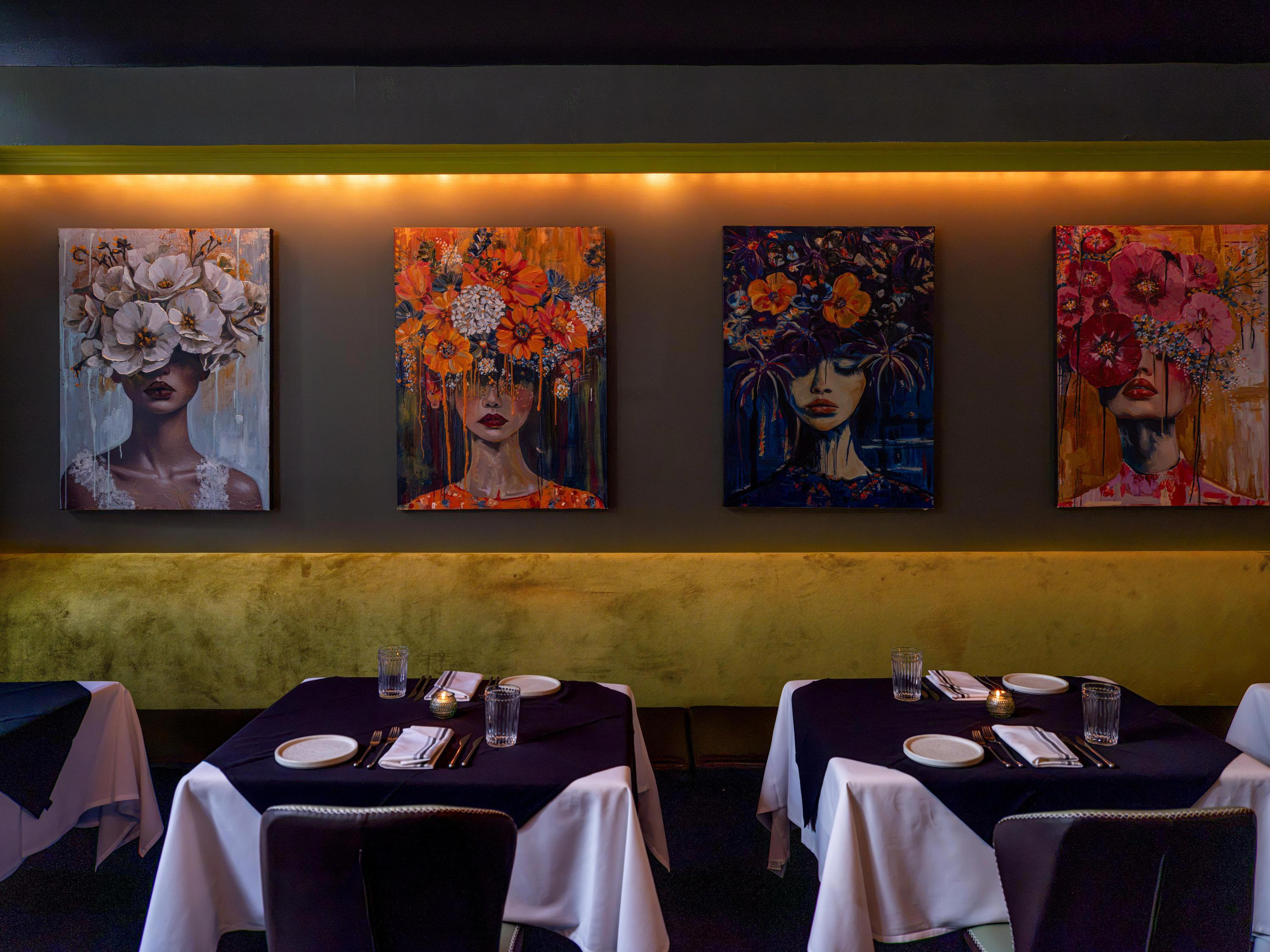
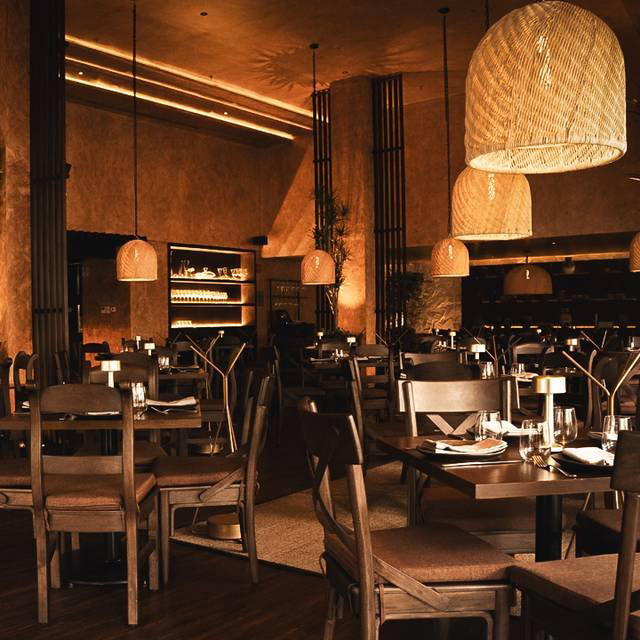
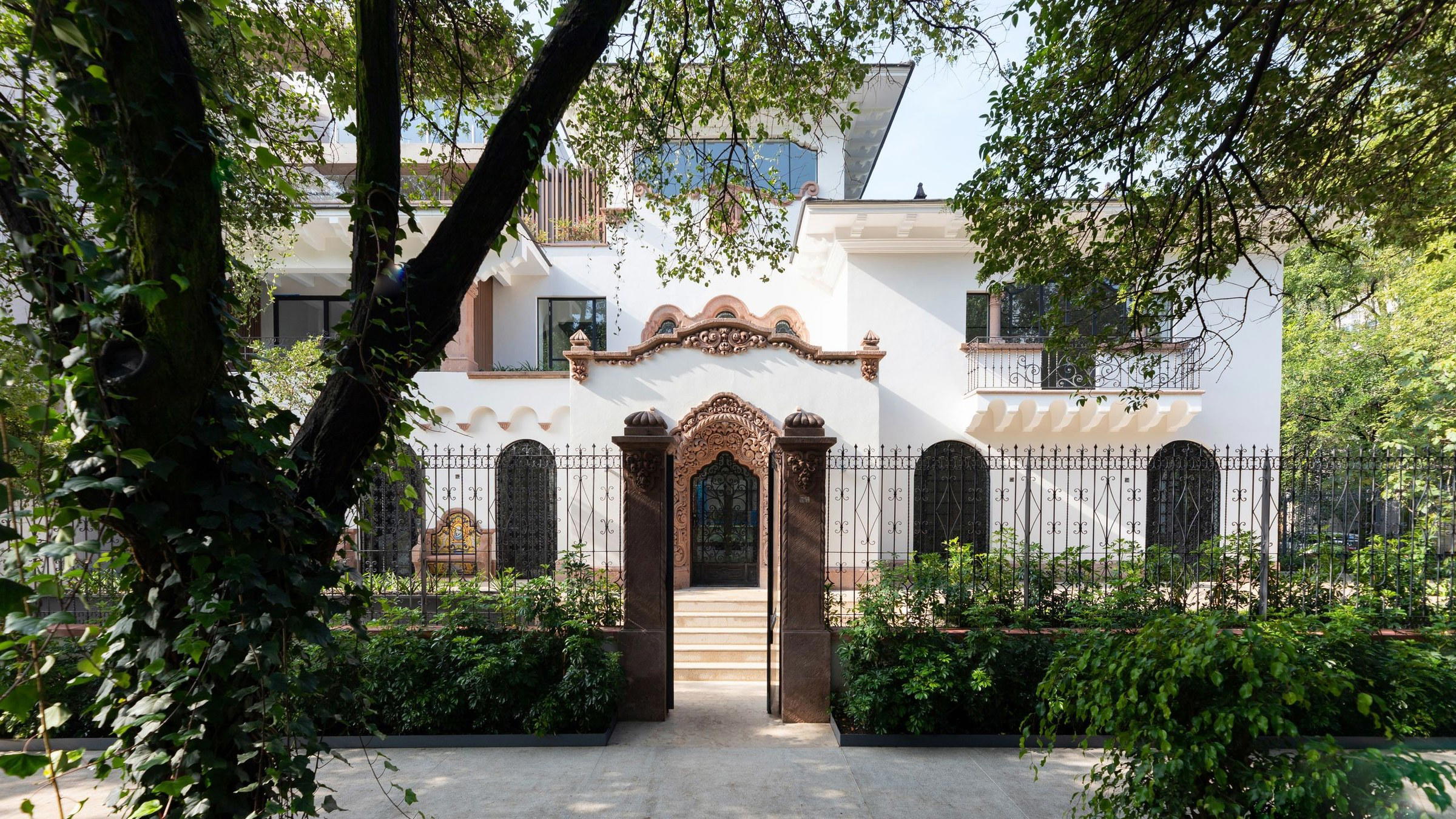
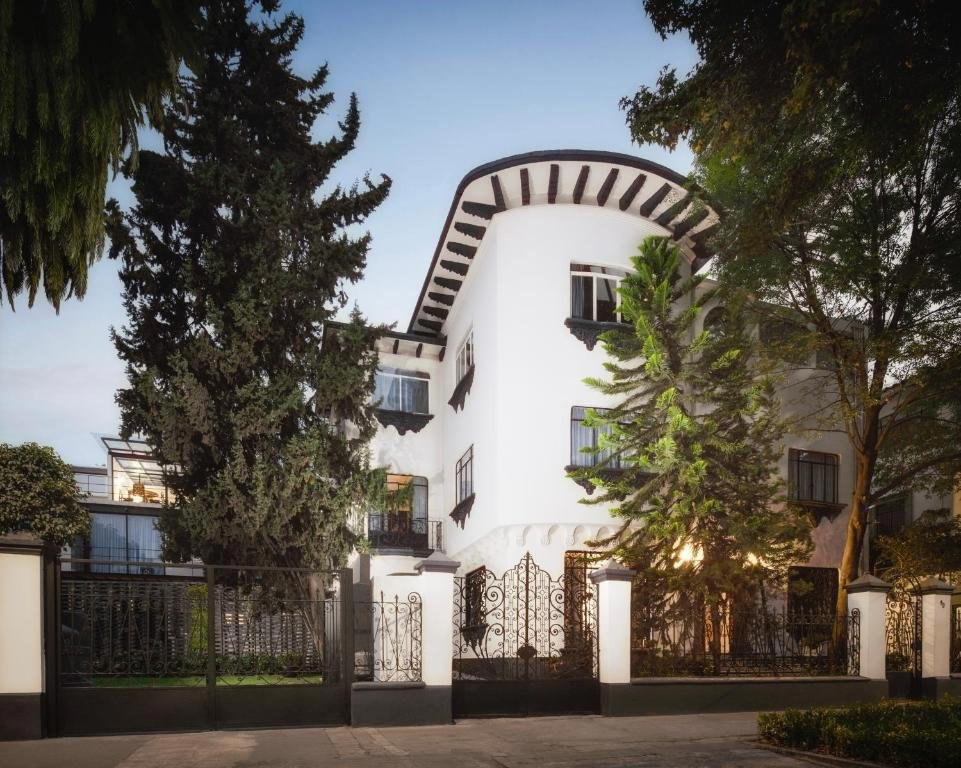
OTTO occupies a quiet stretch of Lomas de Chapultepec, one of Mexico City's most settled residential enclaves, where the dining room operates at a register closer to a private house than a restaurant. The address places it outside the usual Polanco-Roma circuit, which itself signals something about the kind of meal being offered: deliberate, unhurried, and structured around progression rather than spectacle.

Pearl is the En Primeur Club membership app, where members save venues, book tables and use the concierge.

The menu
What to order
- Mole Poblano
- Ceviche de Camarón
- Chiles en Nogada
Lomas de Chapultepec and the Case for Eating Away from the Circuit
Mexico City's premium dining conversation tends to cluster around a tight geographic triangle: the Polanco corridor running past Pujol and Quintonil, the Roma Norte strip anchored by Rosetta, and the southern reaches where Sud 777 and Em operate. Lomas de Chapultepec sits adjacent to that triangle but outside its gravitational pull. The neighbourhood is old-money residential, tree-lined and quiet in a way that Polanco, despite its aspirations, no longer manages. Monte Líbano, the street OTTO occupies, runs through a part of the colonia where the foot traffic is negligible and the dining is, by design, a destination rather than a discovery.
That physical remove matters when reading the kind of restaurant OTTO appears to be. In cities where premium dining competes through visibility and reservation pressure, a Lomas address communicates something different: the assumption that guests will make an effort to get there, and that the meal itself will justify the detour. It is a posture recognisable from other cities where serious restaurants operate slightly off the centre of gravity, from the quieter arrondissements of Paris to the outer wards of Tokyo.
The Architecture of a Progression Meal in Mexico City
The tasting-menu format has become the default grammar for ambitious Mexican restaurants over the past decade, and the structure at this tier has grown increasingly precise. Where Pujol built its reputation on a long, ceremony-heavy omakase-style progression, and Quintonil works within a framework that prioritises ingredient sourcing as a visible editorial thread, the city has developed enough appetite for structured tasting meals that the format now reads in several distinct registers. The quieter, more intimate version of that format, which OTTO's Lomas address and residential scale suggest, tends to operate with fewer seats, a tighter arc, and a pacing that relies on the room doing some of the work.
In the progression format as it has evolved across Mexico's high-end tier, the opening sequence typically functions as orientation: lighter preparations, often coastal or raw in character, that establish acidity and restraint before the meal moves into more weighted territory. The middle acts carry the conceptual load, where local ingredients, regional technique, or seasonal logic get their most direct expression. The close, increasingly, is not dessert as punctuation but as a considered argument, part of the same editorial line as the savoury courses. Mexico's most serious tasting menus have moved firmly in this direction, and it is the register against which any structured meal in this city gets read by guests who have also eaten at Em or made the trip to Animalón in Valle de Guadalupe.
Positioning Within the City's Price Tier
The Mexico City fine-dining bracket has stratified noticeably since the early 2010s. At the leading, venues like Pujol and Quintonil now price and operate against international peer sets as much as local competition, appearing in the World's 50 Best rankings and attracting a significant share of international visitors. Below that, a middle tier of serious but less globally profiled restaurants operates at the $$$-$$$$ boundary, where the meal can be just as technically considered but the audience is more locally weighted. OTTO's Lomas address places it in conversation with that middle tier, where the critical variable is not whether the kitchen can produce a coherent tasting progression, but whether it has a point of view distinct enough to anchor repeat visits from the city's most well-travelled dining public.
For comparison, Rosetta built its position in Roma by committing to Italian-Mexican overlap with a clear creative logic; Sud 777 in Pedregal established itself on sourcing depth and a southern Mexico ingredient focus. The city has trained its serious diners to read the editorial position of a restaurant from its format and neighbourhood signals as much as from its menu descriptions. A quiet residential address, a format that implies sitting down for a meal rather than grazing through it, and a name with no qualifying subtitle all point in a specific direction.
Mexico's Broader Fine Dining Geography
It is worth locating OTTO within the wider pattern of Mexican fine dining, which has decentralised significantly over the past several years. Oaxaca's Levadura de Olla operates in a different tradition entirely, rooted in pre-Hispanic technique and communal cooking logic. Le Chique in Puerto Morelos sits at the technical-modernist end of the spectrum, while HA' in Playa del Carmen and KOLI Cocina de Origen in Monterrey represent distinct regional commitments. Alcalde in Guadalajara, Huniik in Merida, and Lunario in El Porvenir each anchor their respective cities' serious dining scenes. Pangea in San Pedro Garza García and Olivea Farm to Table in Ensenada extend the map further. Mexico City, despite this expansion, retains its position as the country's primary testing ground for format ambition, and a Lomas restaurant that operates in a structured progression format enters that conversation directly.
For travellers who have eaten through the progression format in other cities, at counters like Atomix in New York or in the multi-course tradition of Le Bernardin, the architecture of what OTTO appears to offer is readable: a meal designed to move through a sequence of ideas, in a room scaled to support that kind of attention. See our full Mexico City restaurants guide for broader context on where OTTO sits within the city's current dining geography.
Planning Your Visit
| Detail | OTTO | Pujol | Em | Rosetta |
|---|---|---|---|---|
| Neighbourhood | Lomas de Chapultepec | Polanco | Roma Norte | Roma Norte |
| Price tier | Not confirmed | $$$$ | $$$ | $$ |
| Format signals | Residential, seated progression | Omakase tasting | Tasting menu | À la carte + tasting |
| Booking | Confirm directly | Reserve well ahead | Reserve ahead | Reserve ahead |
Frequently asked questions
Where exactly is OTTO?
OTTO is located at Monte Líbano 280, Lomas de Chapultepec, Miguel Hidalgo, 11000 Ciudad de México, CDMX, Mexico, Mexico City.
How does OTTO's location in Lomas de Chapultepec compare to other Mexico City fine dining neighbourhoods?
Lomas de Chapultepec occupies a different register from Polanco, where venues like Pujol and Quintonil set the reference points for Mexico City's most-discussed fine dining. OTTO's address at Monte Líbano 280 places it in a quieter, predominantly residential enclave that is easily reached by car or ride-share from central hotel districts but rarely appears on standard visitor itineraries. That separation from the main circuit gives the restaurant a local-facing character that distinguishes it from Polanco's more internationally oriented competition.
What's the signature dish at OTTO?
The restaurant's positioning within Mexico City's progression-meal format suggests a sequenced tasting structure rather than individual signature plates, the course arc is the format, not any single item. Visitors seeking dish specifics should check the venue's official channels at Monte Líbano 280, Lomas de Chapultepec.
Can I walk in to OTTO?
Walk-ins are unlikely to be practical at OTTO. Monte Líbano 280 sits on a residential street in Lomas de Chapultepec with limited passing foot traffic, which means the restaurant draws a reservation-led clientele rather than casual drop-ins. Booking in advance is the standard approach for dining at this address.
What is OTTO known for?
OTTO is associated with structured, progression-style dining in Lomas de Chapultepec, a residential neighbourhood west of Polanco and north of the Bosque de Chapultepec. Its location places it deliberately outside the better-documented Polanco and Roma-Condesa corridors that anchor most Mexico City fine dining coverage. That geographic separation is part of its identity: the address on Monte Líbano 280 draws a local clientele that largely skips the tourist circuit.
Where the Accolades Land
Comparable venues nearby, for context on price, style, and recognition.
| Venue | Cuisine | Price | Awards | Notes |
|---|---|---|---|---|
| OTTOThis venue (the venue you are viewing) | Modern Mexican | Not listed | Not listed | Not listed |
| La Imperial Nápoles | Traditional Mexican Cantina | $30–50 | Not listed | Ampl Napoles |
| LORENZO | Contemporary Mexican | $50–100 | Not listed | Hipodromo de la Condesa |
| Xuna | Contemporary Mexican | Not listed | Michelin Plate | Roma Norte |
| Parrilla Paraíso | Uruguayan Grill with Baja Influences | $20–30 | Not listed | Parque Nacional Fuentes Brotantes |
| Arango | Modern Mexican Cocina de Raíces | $30–50 | Not listed | Tabacalera |
Continue exploring
More in Mexico City
Restaurants in Mexico City
All restaurants in Mexico City →
Bars in Mexico City
All bars in Mexico City →
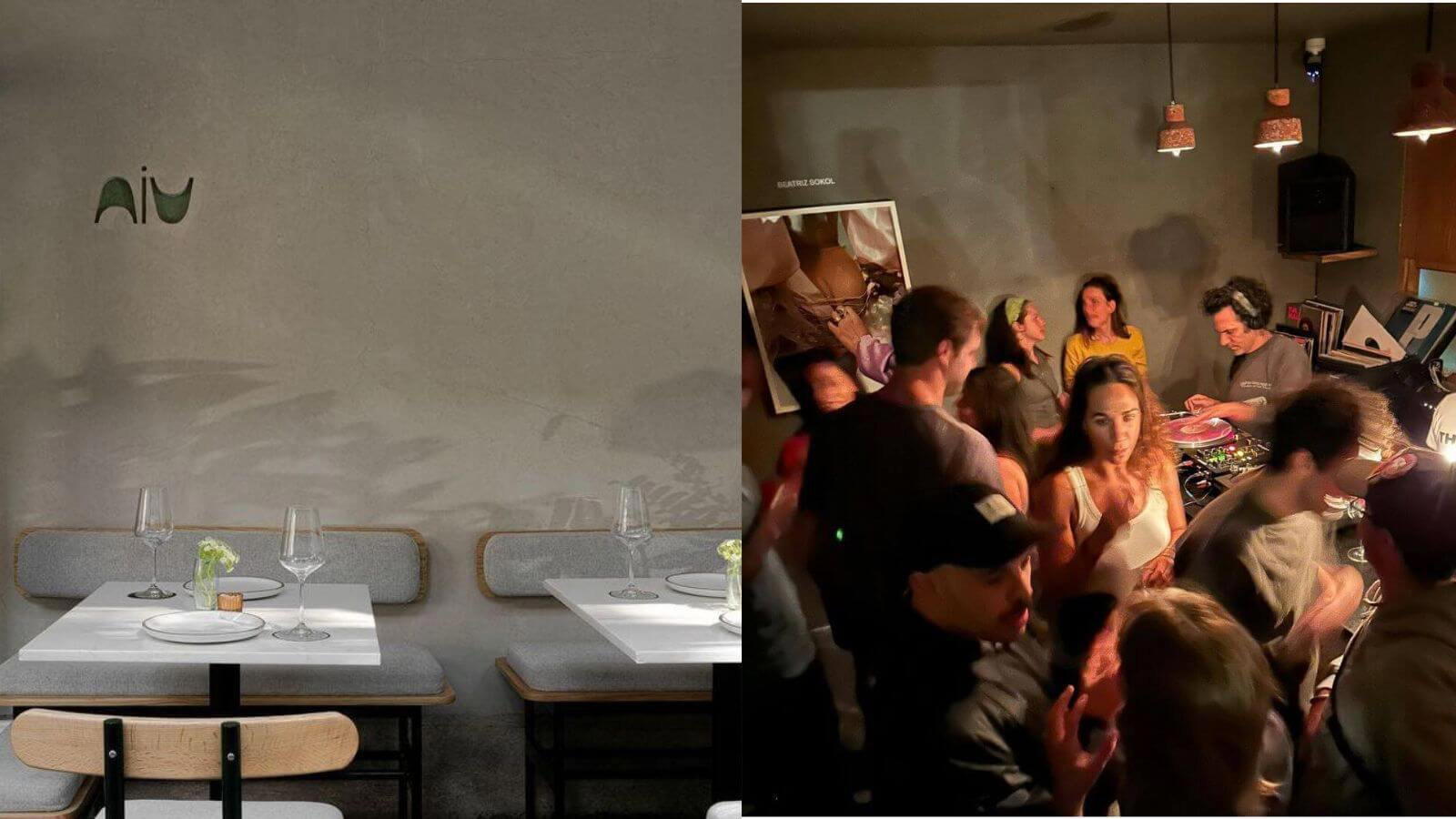
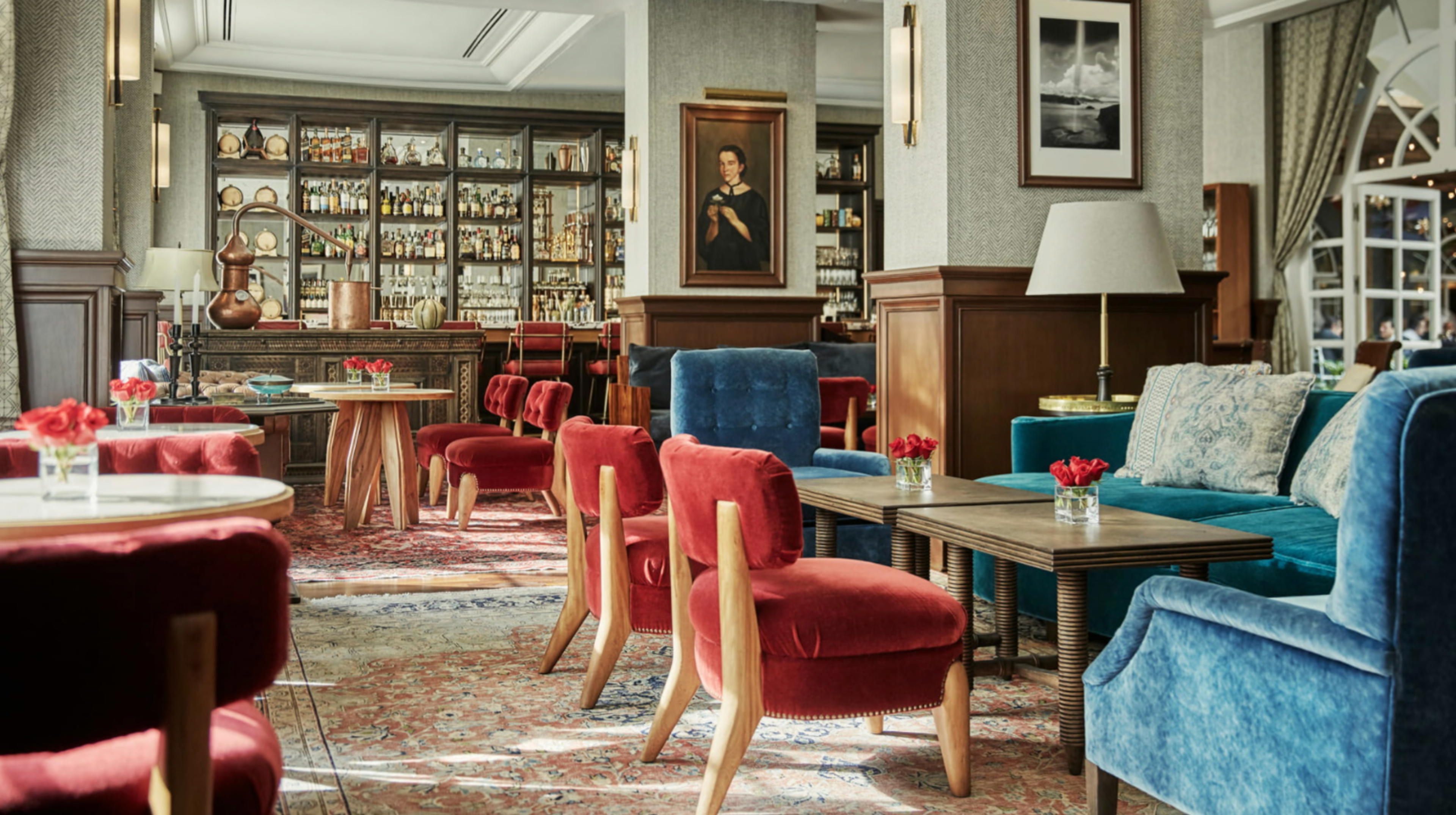
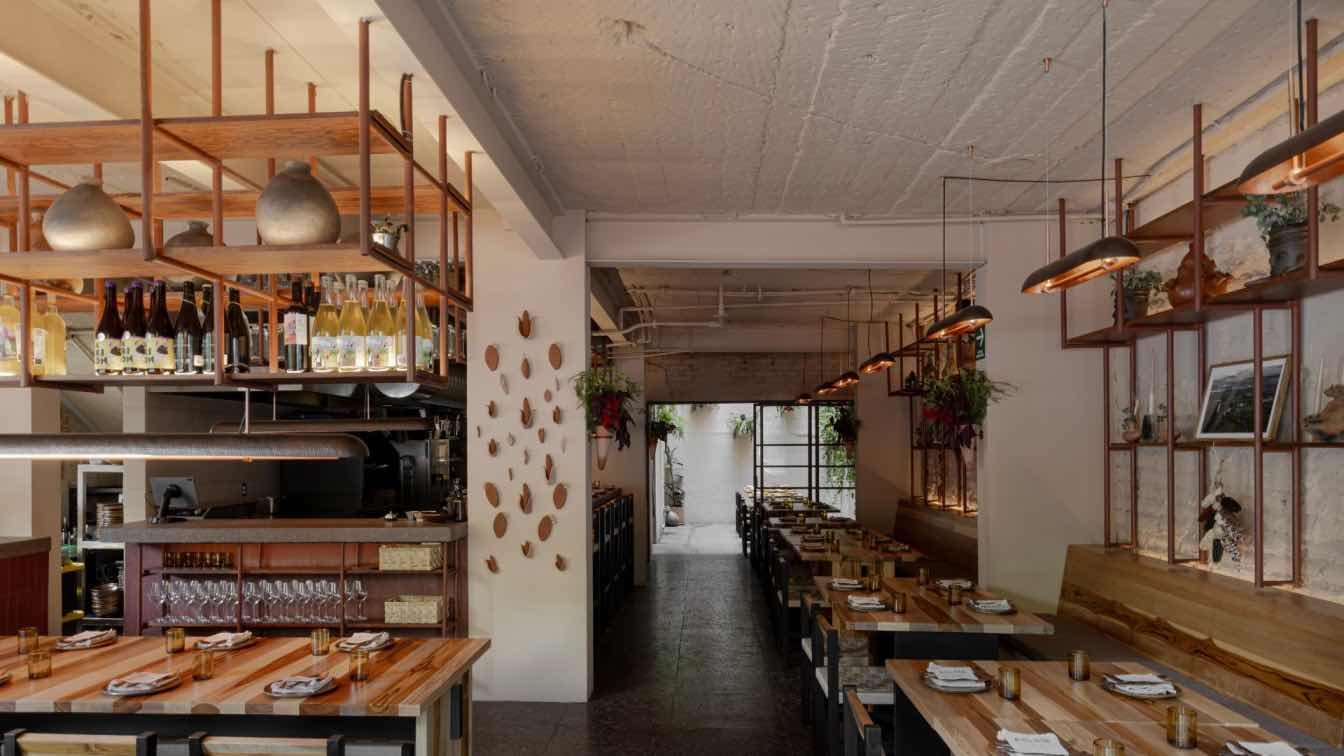



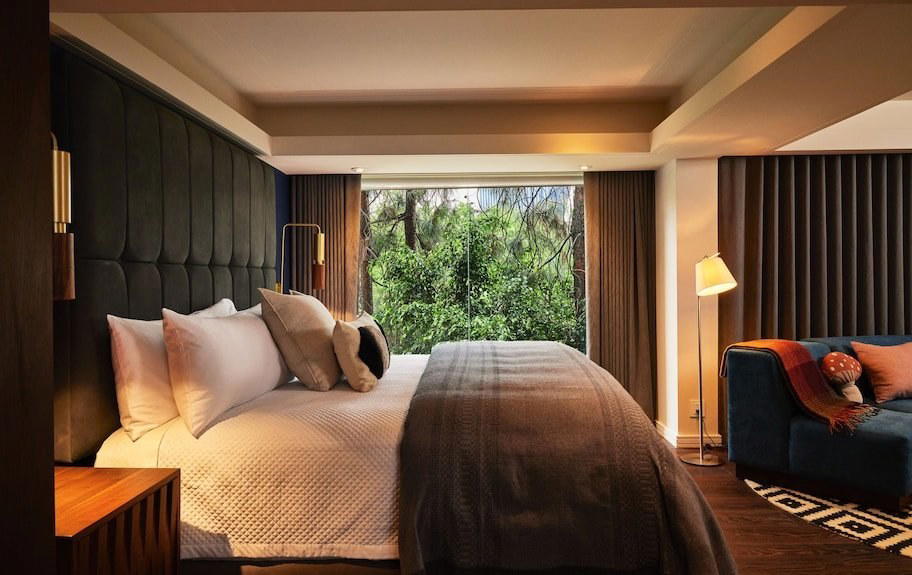
Details
- Elegant
- Modern
- Sophisticated
- Date Night
- Special Occasion
- Open Kitchen
- Local Sourcing
- A La Carte
Current opening hours
- Monday
- 1–10 PM
- Tuesday
- 1–10 PM
- Wednesday
- 1–11 PM
- Thursday
- 1–11 PM
- Friday
- 1–11 PM
- Saturday
- 1–11 PM
- Sunday
- 1–6 PM
Hours can change for holidays and private events. Hours as of .
Inviting and elegant atmosphere with artistic presentation of dishes.