Arango
Arango occupies the seventh floor of a Tabacalera address on Avenida de la República, positioning it among Mexico City's mid-to-upper dining tier rather than in the Roma or Condesa clusters that dominate most reservation calendars. The Tabacalera location places it closer to the city's civic and cultural core, drawing a crowd that skews local over tourist. Specific menu and pricing details remain sparse, making a visit a more open-ended proposition than the tightly documented options at Pujol or Quintonil.
Pearl is the En Primeur Club membership app — saves, bookings, and concierge access live there. Same editors, same standards.
- Address
- Av. de la República 157-piso 7, Tabacalera, Cuauhtémoc, 06030 Ciudad de México, CDMX, Mexico
- Phone
- +525518444031
- Website
- arangorestaurante.com
- Directions
- Get directions
 Saves & bookings on Pearl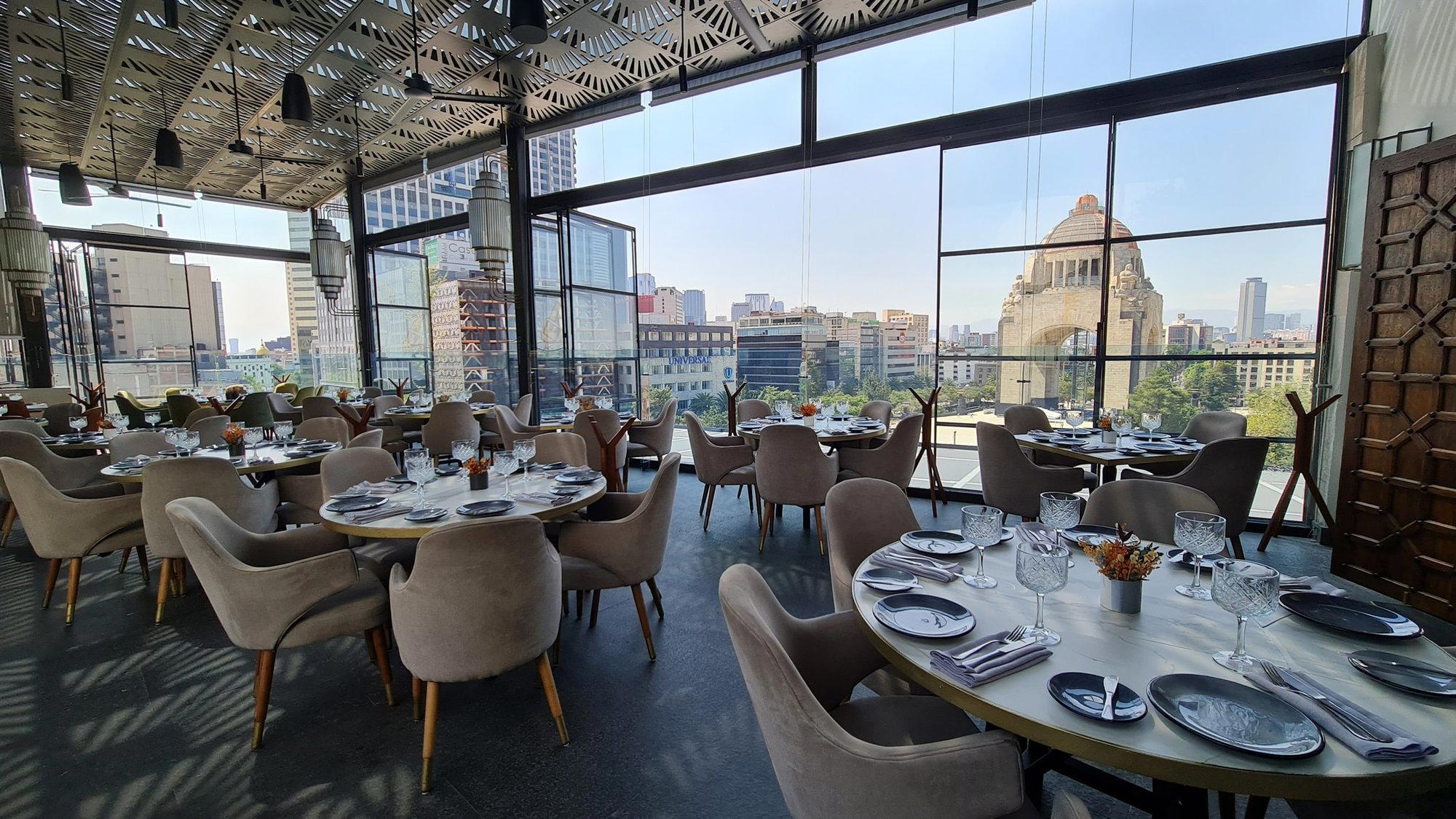
A Seventh-Floor Perspective on Mexico City's Ingredient Conversation
Mexico City's premium dining scene has reorganised itself around a single question over the past decade: where does the food actually come from? The answer has split the market into two broad camps. One group sources conspicuously, naming producers on menus and building tasting formats around regional Mexican ingredients as an explicit editorial statement. The other integrates sourcing into the kitchen's operational logic without making it the marketing headline. Arango is a restaurant in Mexico City, located in Tabacalera on the seventh floor of Av.
The Tabacalera address is itself a signal. Most internationally recognised Mexico City restaurants operate out of Roma Norte, Polanco, or Condesa, neighbourhoods whose restaurant clusters have become reliable geography for visiting food media. Tabacalera is a different kind of neighbourhood: civic, dense with federal buildings and cultural institutions, and home to a dining public that is predominantly local. A seventh-floor room on Avenida de la República is not a space that fills itself on tourism alone. That context matters when reading a restaurant whose documentation in the international press remains thin relative to peers.
Where Tabacalera Fits in Mexico City's Dining Geography
To understand what Arango is doing, it helps to understand what the broader Mexico City scene has been doing. Pujol and Quintonil have anchored the global conversation about Mexican cuisine for years, both operating at the $$$$ price tier and both using ingredient sourcing as a central narrative device, corn provenance at Pujol, foraged and market-driven produce at Quintonil. Rosetta and Em occupy different registers, with Rosetta deploying Italian technique through a Mexican ingredient lens at the $$ tier and Em working a more produce-forward Mexican format at $$$. Arango's price point sits around $35 per person, placing it below the premium-for-tourism bracket.
For context on the national picture, Mexico's ingredient-driven restaurants have developed strong regional identities across the country: Animalón in Valle de Guadalupe works within wine country's produce rhythms, Levadura de Olla in Oaxaca roots itself in pre-Hispanic cooking methods, and KOLI Cocina de Origen in Monterrey has built a northern-ingredients argument from a norteño base. Olivea Farm to Table in Ensenada and Lunario in El Porvenir each demonstrate how Baja California's agricultural diversity has made the peninsula one of Mexico's more interesting ingredient-sourcing territories. What Mexico City offers that none of these regional addresses can match is access to every Mexican ingredient stream simultaneously: the highlands, the coasts, the tropical south, the arid north. A restaurant in Tabacalera is geographically positioned to source from all of them through the city's wholesale networks.
The Sourcing Argument in a City-Centre Address
Central Mexico City's dining has historically been less associated with farm-to-table rhetoric than the Roma-Condesa corridor, partly because the urban density of neighbourhoods like Tabacalera and Centro Histórico places kitchens closer to the city's mercado infrastructure than to any single agricultural region. La Merced and the Central de Abastos, the two largest market systems in the capital, are both within reasonable distance of the Cuauhtémoc borough, and restaurants in this zone tend to source through market relationships rather than named-farm partnerships. That distinction is worth holding: market-sourcing and farm-sourcing produce different cuisines, different cost structures, and different menus. The former allows for more seasonal flexibility and faster response to what is actually available; the latter produces more consistent narrative but often higher overhead.
This structural reality shapes what city-centre restaurants in Mexico can offer in ways that are distinct from, say, a dedicated tasting-menu address in Polanco. It is also what makes comparisons to the Pujol-tier incomplete. The ingredient sourcing conversation in Mexico City is not a single argument; it runs from highly curated producer relationships at one end to deep fluency with market availability at the other, and both approaches produce serious cooking.
Booking and Planning Context
Given the limited public documentation on Arango, the practical planning picture is direct: reservations are recommended, and the restaurant's hours are Mon to Fri, 1:30 to 11 PM; Sat, 10 AM to 11 PM; Sun, 10 AM to 6 PM. Mexico City's broader booking infrastructure has shifted toward reservation platforms, and restaurants in the Cuauhtémoc borough without a prominent digital footprint are often leading approached through direct inquiry or through local concierge contacts. The address is Av. de la República 157-piso 7, Tabacalera, Cuauhtémoc, 06030 Ciudad de México, CDMX, Mexico.
Readers planning a Mexico City itinerary that extends beyond the familiar clusters should also consider: Sud 777 for a garden-setting contrast in Pedregal, and the full Mexico City restaurants guide for a wider mapping of the city's dining geography. For comparable ingredient-focused cooking in coastal or resort formats, Le Chique in Puerto Morelos, HA' in Playa del Carmen, and Arca in Tulum represent the Yucatán Peninsula's version of the same conversation. Further afield, Alcalde in Guadalajara and Pangea in San Pedro Garza García show how Mexico's second-tier cities have developed their own sourcing-driven dining identities. For international reference points on what a strong sourcing philosophy looks like in practice, Le Bernardin in New York City and Lazy Bear in San Francisco offer useful comparisons on how ingredient provenance functions as both kitchen discipline and guest communication.
Know Before You Go
- Address: Av. de la República 157, piso 7, Tabacalera, Cuauhtémoc, 06030 Ciudad de México
- Neighbourhood: Tabacalera, civic district, predominantly local dining crowd, close to Museo de San Carlos and the Monumento a la Revolución
- Phone / Website: Not publicly documented at time of publication, approach via local concierge or walk-in inquiry
- Price Range: about $35 per person
- Hours: Mon to Fri, 1:30 to 11 PM; Sat, 10 AM to 11 PM; Sun, 10 AM to 6 PM
- Awards: no award documentation in the record
Compact Comparison
Comparable venues nearby, for context on price, style, and recognition.
| Venue | Cuisine | Price | Notes |
|---|---|---|---|
| ArangoThis venue — the venue you are viewing | Not listed | $$$ | Not listed |
| La Distral | Not listed | $$$ | Tabacalera, Contemporary Mexican Grill & Tequila Bar |
| Campomar Masaryk | Polanco Chapultepec, Nayarit Seafood | $$$ | Not listed |
| Roca | Not listed | $$$ | Lomas de Virreyes, Pacific Mexican Seafood & Grill |
| Sylvestre | Not listed | $$$ | Centro Comercial Santa Fe, Mexican-Argentinian Fusion Grill |
| Fónico | Not listed | $$$ | Nva Anzures, Contemporary Mexican Fine Dining |
Continue exploring
More in Mexico City
Restaurants in Mexico City
Browse all →
Bars in Mexico City
Browse all →
At a Glance
- Sophisticated
- Elegant
- Trendy
- Date Night
- Special Occasion
- Business Dinner
- Rooftop
- Open Kitchen
- Panoramic View
- Local Sourcing
- Skyline
- Street Scene
Current opening hours
- Monday
- 1:30–11 PM
- Tuesday
- 1:30–11 PM
- Wednesday
- 1:30–11 PM
- Thursday
- 1:30–11 PM
- Friday
- 1:30–11 PM
- Saturday
- 10 AM–11 PM
- Sunday
- 10 AM–6 PM
Hours can change for holidays and private events. Last verified .
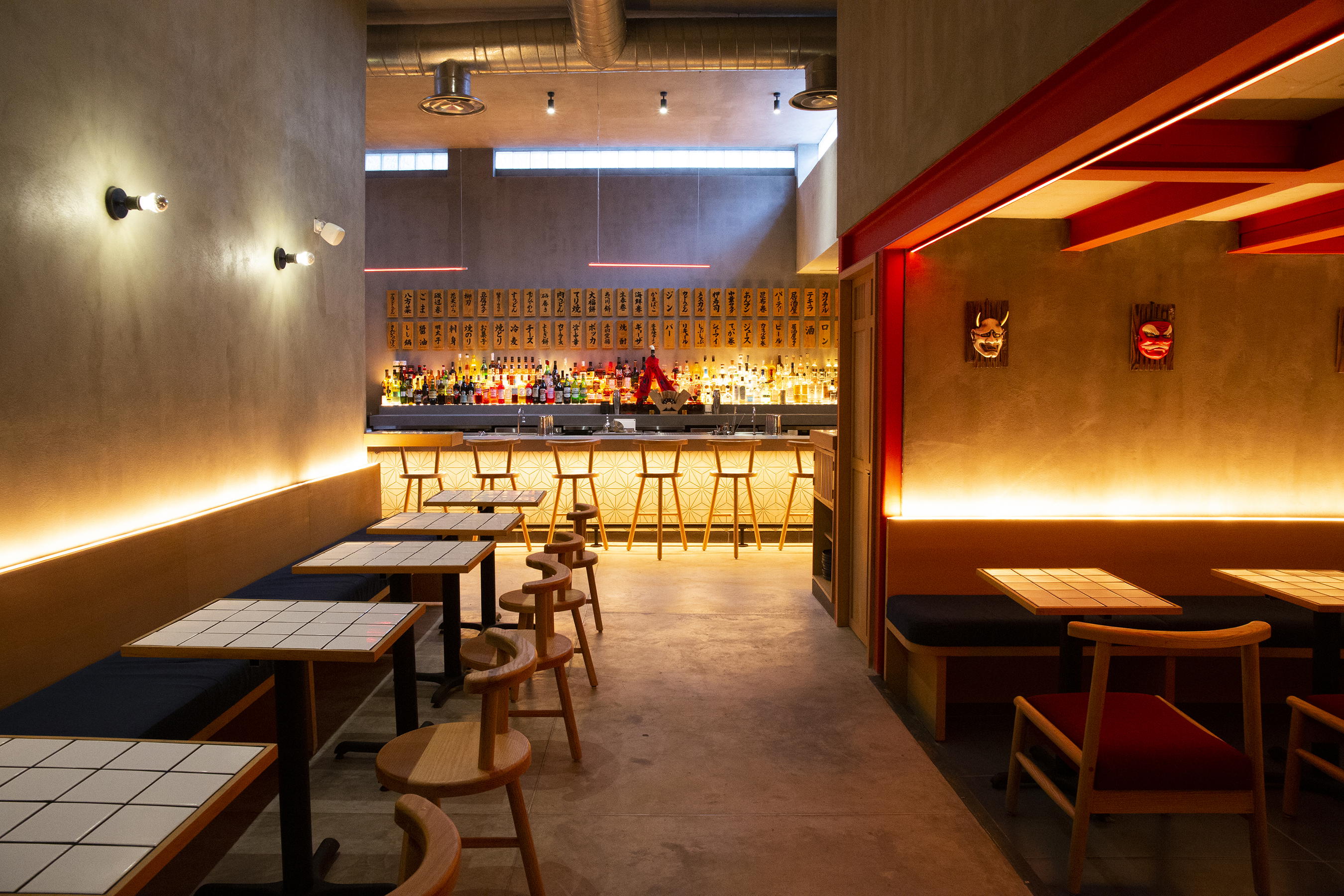
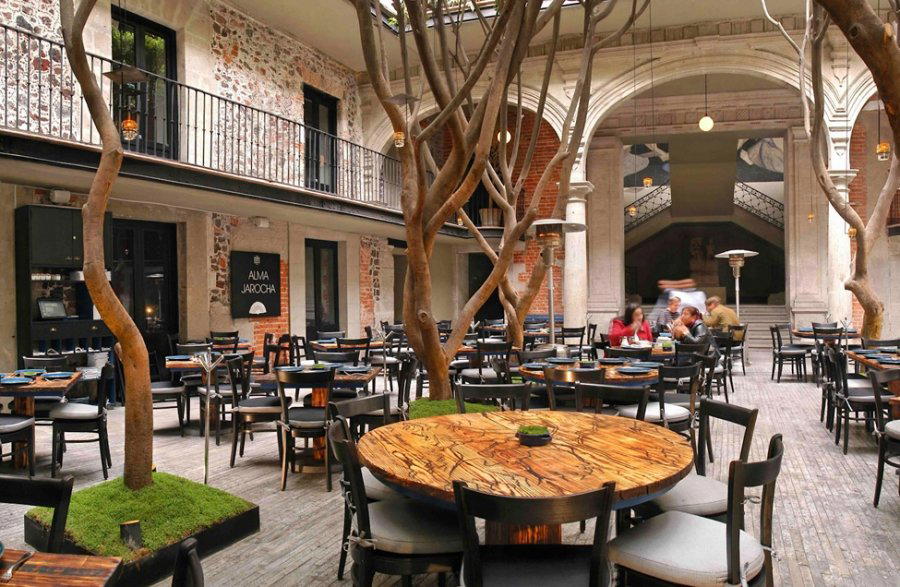
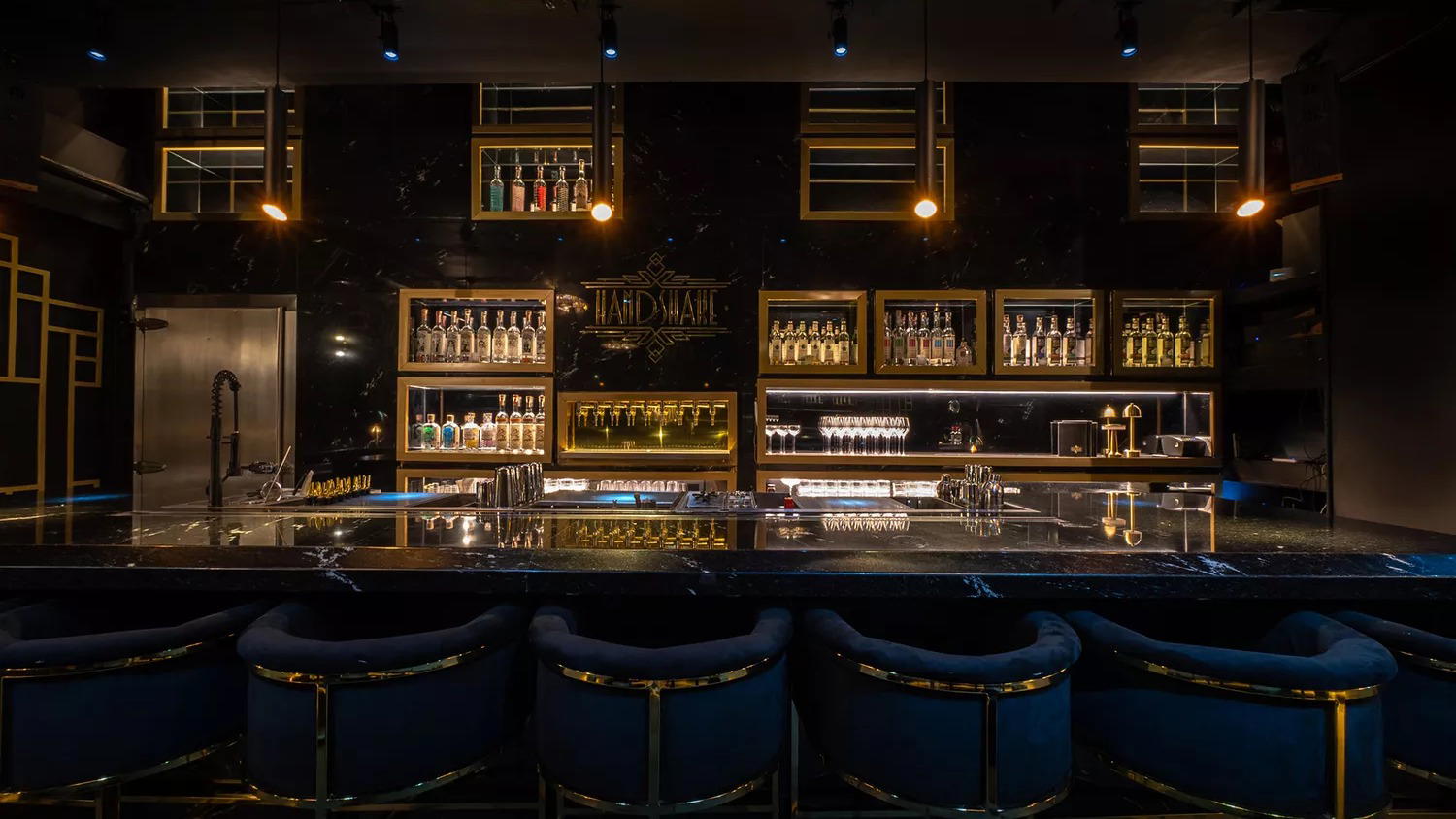
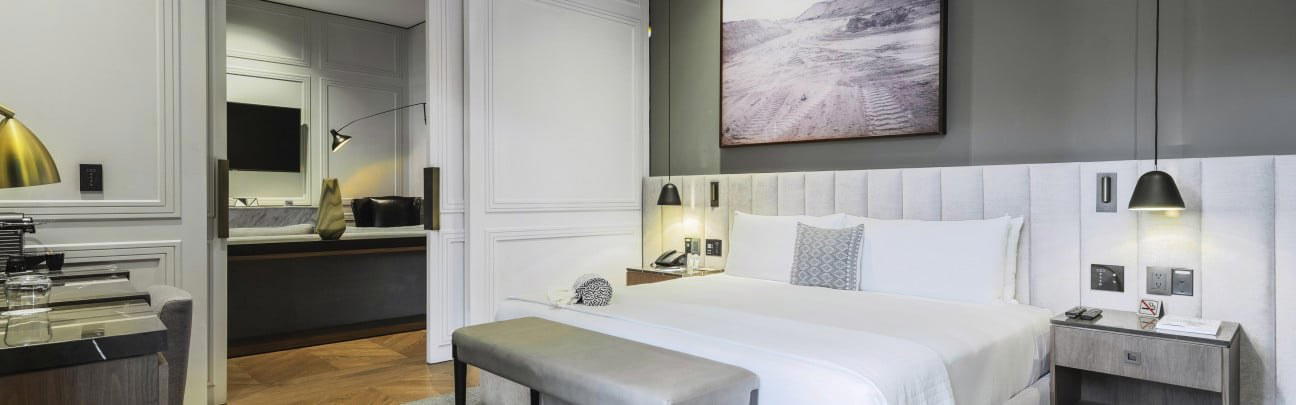
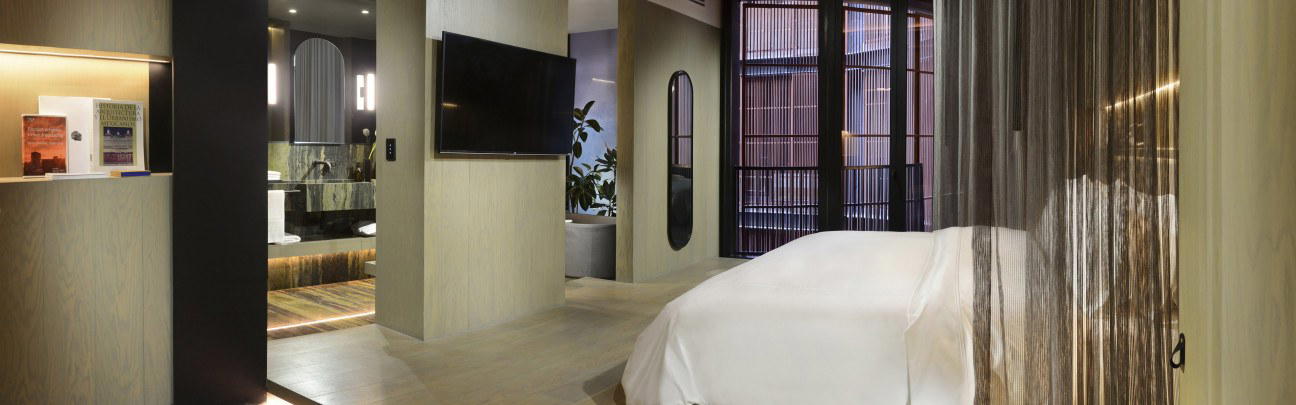
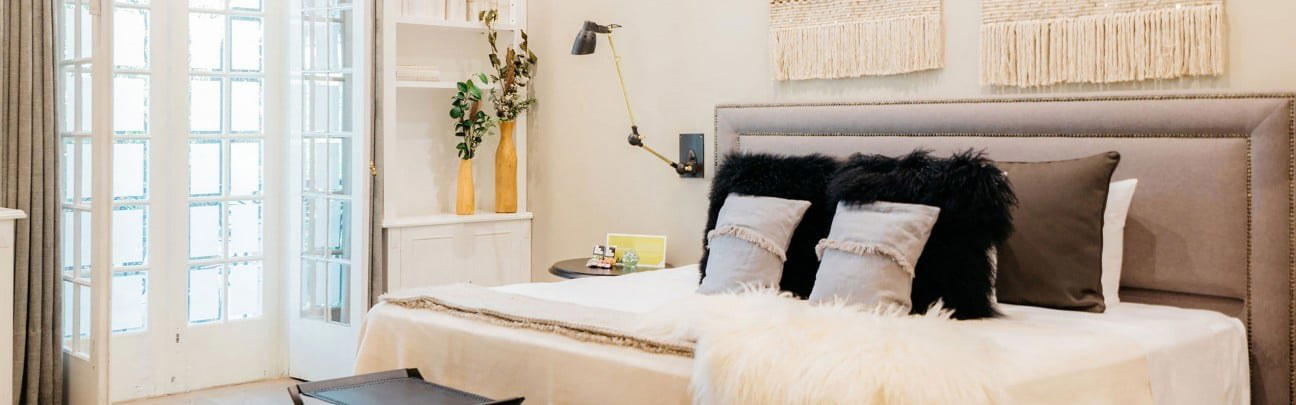
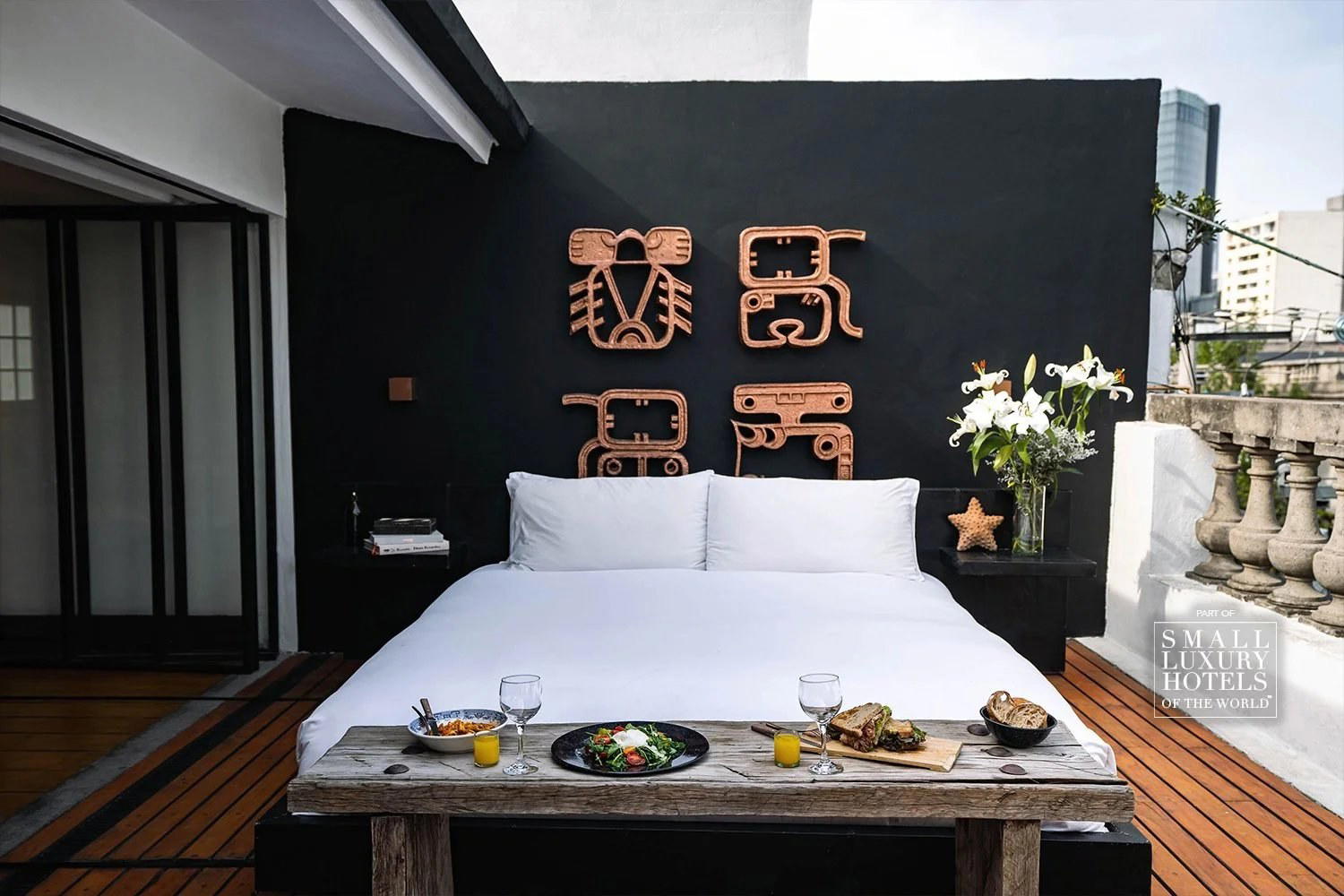
Art deco styling with large lamps, fine glassware, and lattice ceiling that filters light beautifully, creating a sophisticated yet welcoming rooftop atmosphere.