Xuna

Michelin Plate
Our verdict
Xuna occupies a Roma Norte address on Valladolid 96, sitting within one of Mexico City's most competitive blocks for serious dining. Where peers like Rosetta and Em define the neighbourhood's creative range, Xuna carves its own position through physical space and kitchen focus. For visitors mapping the capital's mid-to-upper dining tier, it belongs on the itinerary alongside the Roma's established names.

Pearl is the En Primeur Club membership app, where members save venues, book tables and use the concierge.
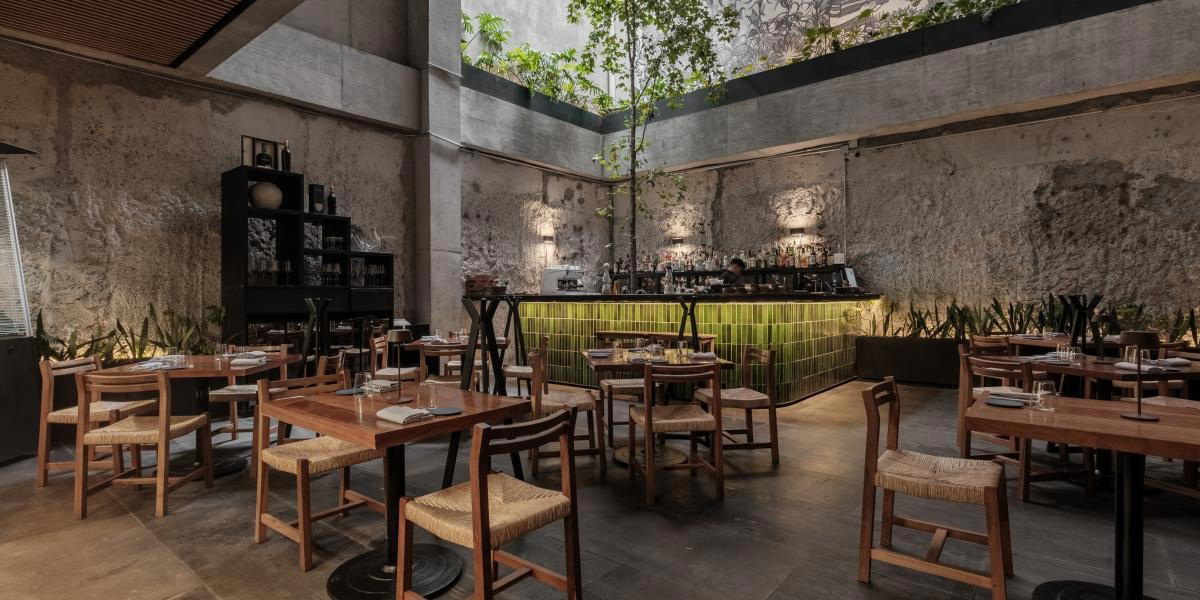
The menu
What to order
- Hamachi Tartare
- Frozen aguachile
- Bone marrow and ant cracker tacos
Roma Norte and the Architecture of the Modern Mexico City Dining Room
The Roma Norte neighbourhood has spent the better part of a decade developing a dining density that rivals any Latin American capital. Along streets like Orizaba, Álvaro Obregón, and Valladolid, a critical mass of serious restaurants has formed, not through branding campaigns or hotel backing, but through the slow accumulation of kitchens that treat the room as seriously as the plate. Xuna, at Valladolid 96, sits inside that pattern. Its address places it in the thickest part of Roma Norte's restaurant corridor, where proximity to peers sets a high bar for every element of the experience, including the physical space a diner walks into.
In cities like Tokyo or Copenhagen, the design of a restaurant interior is understood as culinary argument, the room tells you what the kitchen believes. Mexico City's most ambitious rooms have absorbed that logic. Pujol operates from a purpose-built space in Polanco where the architecture reinforces the tasting menu's formality. Quintonil uses a quieter, more residential scale. Rosetta, a few blocks from Xuna, occupies a restored Porfirian mansion where the building does as much editorial work as the menu. The expectation, at this level of Roma Norte dining, is that the container and the content are in conversation.
The Physical Logic of the Space
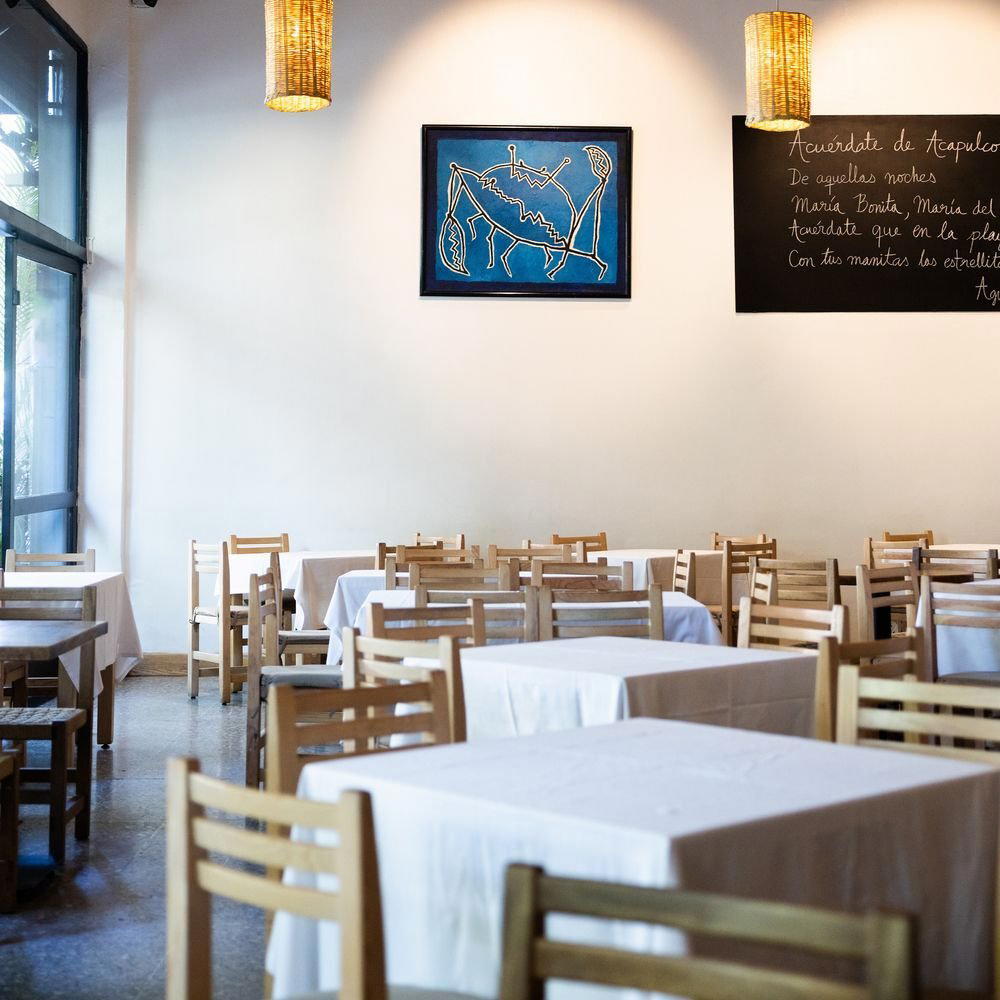
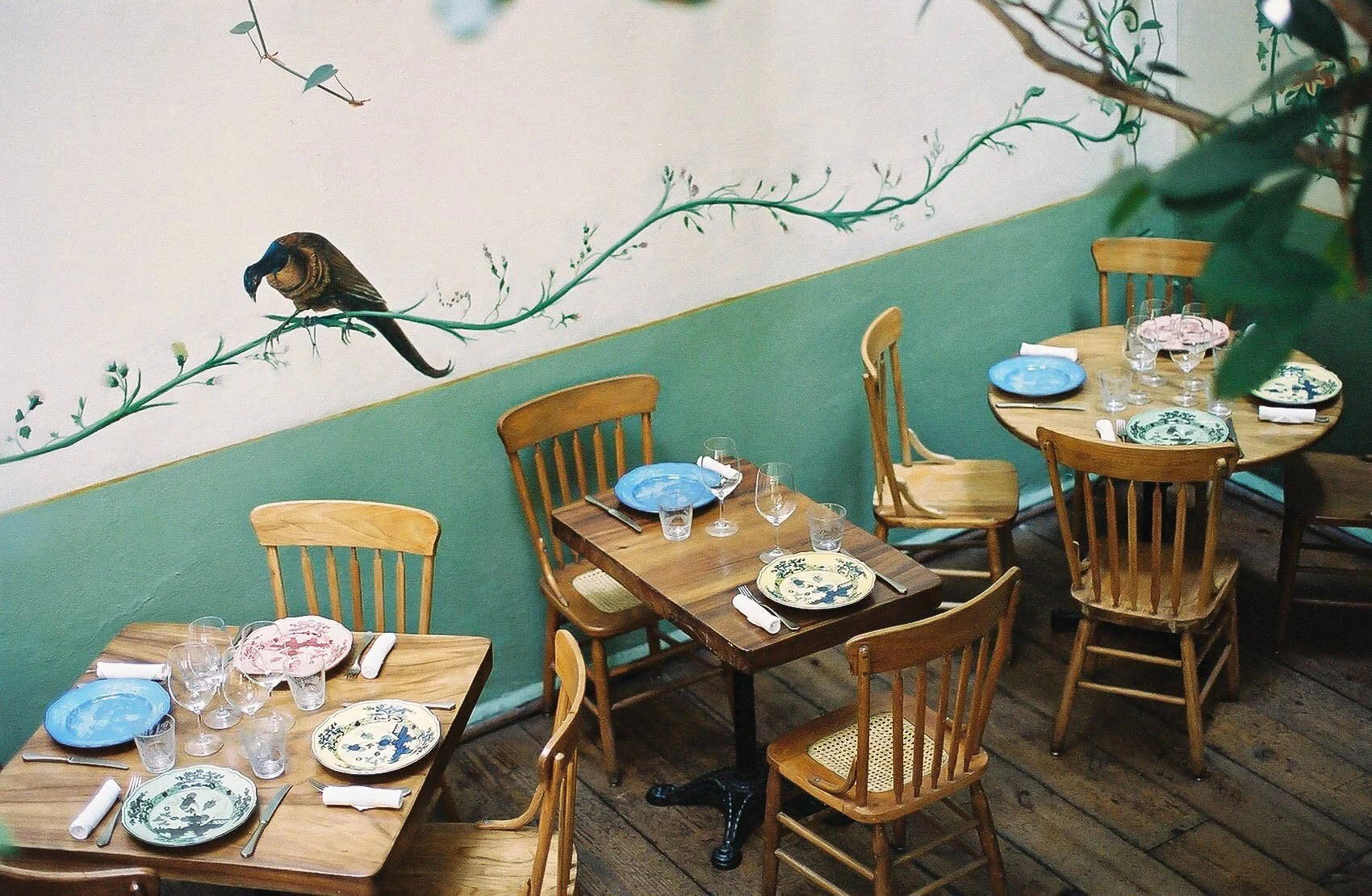
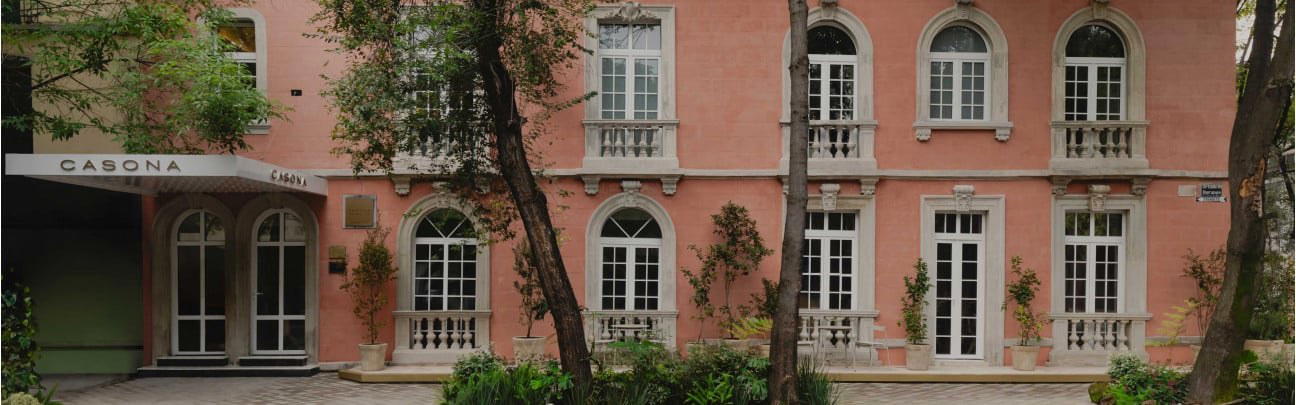
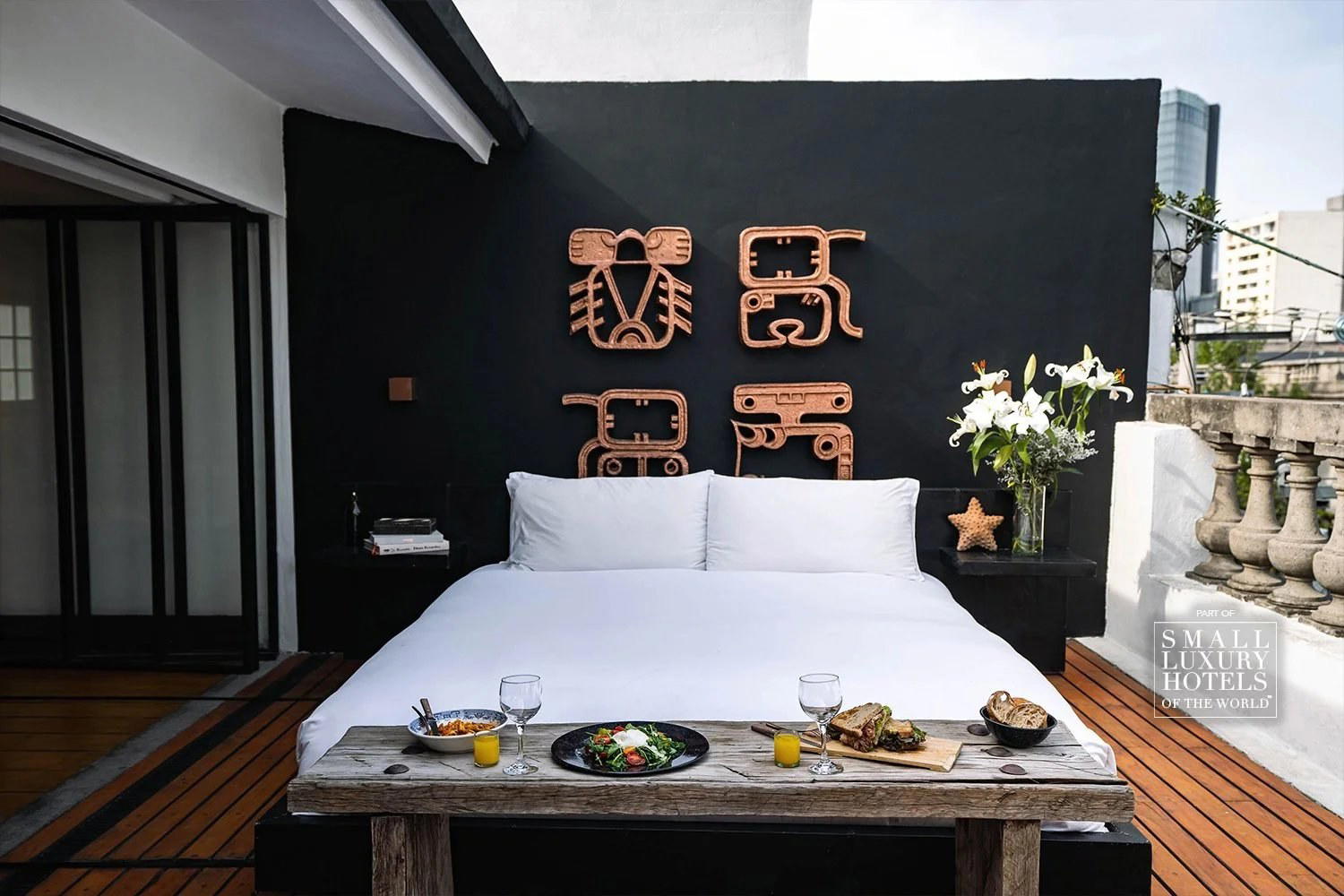
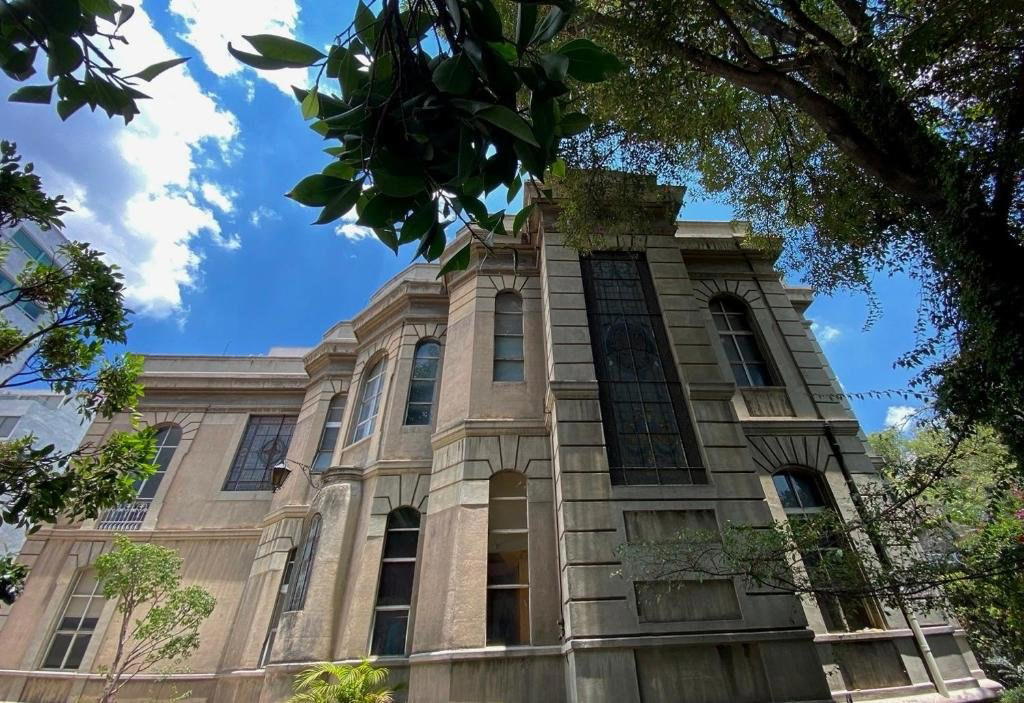
Roma Norte's residential stock, Porfiriato-era townhouses, mid-century apartment blocks, early-modernist commercial fronts, gives its restaurants a spatial vocabulary that purpose-built dining rooms rarely achieve. Repurposed spaces in this neighbourhood tend to retain their structural bones: ceiling heights, courtyard geometry, tiled floors, and the particular quality of light that comes through deep-set windows facing west onto narrower streets. These are not decorative details; they determine how sound moves through a room, how intimate a table feels at midday versus evening, and how the architecture frames the diner's experience before a dish arrives.
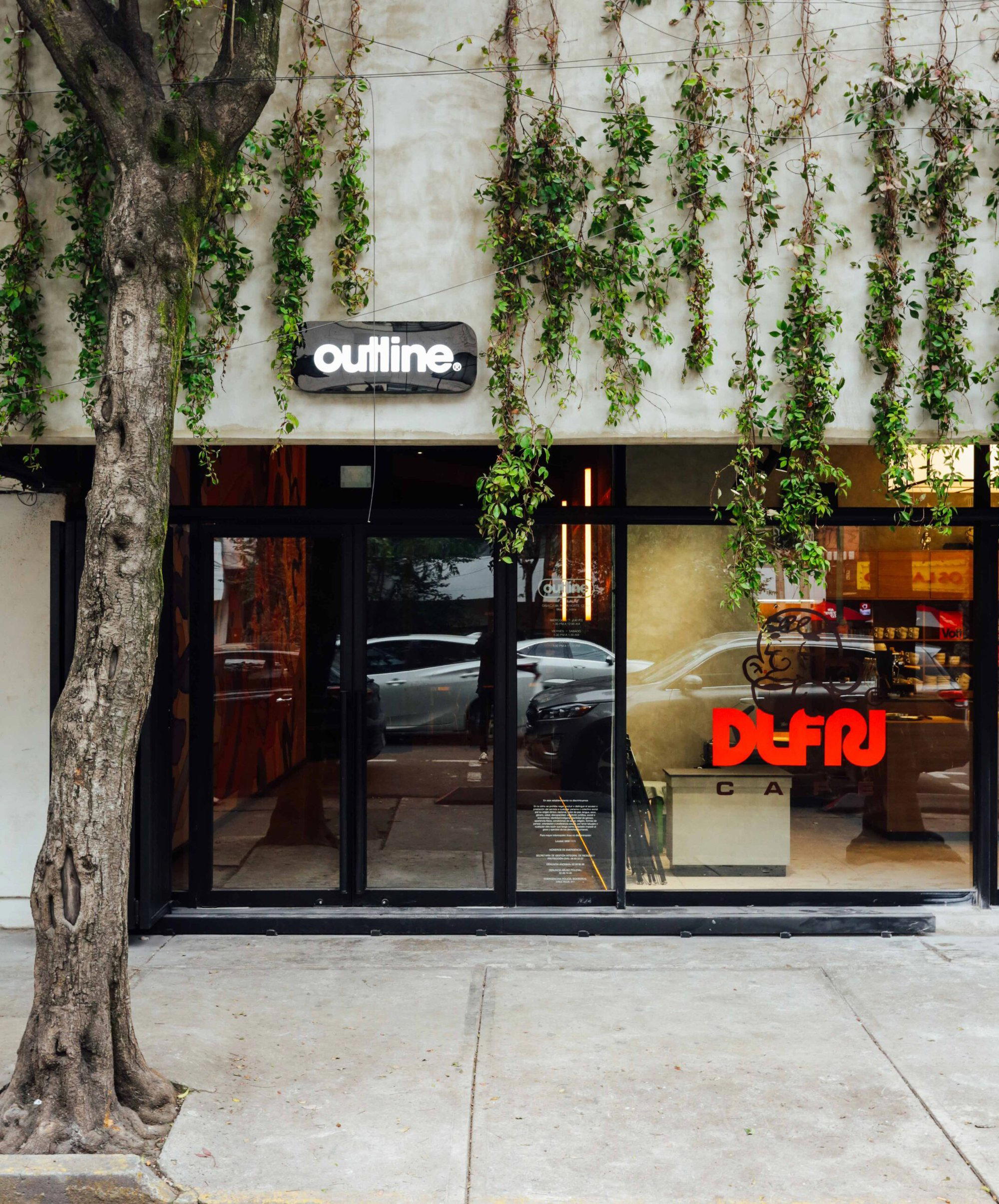
Xuna's Valladolid address puts it in a section of Roma Norte where the street fabric is relatively intact, less commercial pressure than Álvaro Obregón, more neighbourhood texture than the blocks immediately adjacent to Parque México. For design-led restaurants, location within the neighbourhood is as deliberate a choice as the materials used inside.
Mexico City's Mid-Tier Creative Bracket
Understanding where Xuna sits in the city's dining hierarchy requires mapping that hierarchy clearly. At the top of the Mexico City market, Pujol and Quintonil operate at the $$$$ tier, commanding global attention and multi-month booking windows. Below that bracket, a denser and arguably more interesting layer of restaurants works at the $$-$$$ range, places like Rosetta at $$ and Em at $$$, where the cooking is serious but the format is less ceremonial. Sud 777 operates in that creative register too, pushing ingredient-led cooking from its Pedregal address.
Xuna occupies a Roma Norte slot within this mid-to-upper creative bracket, a position that implies certain things about format and ambition without requiring the full apparatus of a tasting-menu operation. The neighbourhood's diners are accustomed to restaurants that take their sourcing and technique seriously while maintaining the kind of room energy that a three-hour tasting menu format doesn't permit. Roma Norte's leading addresses tend to achieve a particular combination: kitchens with clear culinary conviction operating inside spaces where the atmosphere justifies a two-hour dinner without a fixed script.
The Wider Mexican Scene as Context
Mexico City's restaurants don't exist in isolation from the country's broader culinary geography. Across Mexico, a generation of serious kitchens has emerged that treats regional ingredients and pre-Hispanic technique as primary material rather than nostalgic reference. Levadura de Olla in Oaxaca works from that position. KOLI Cocina de Origen in Monterrey takes a northern-ingredient approach to the same question. On the coasts, HA' in Playa del Carmen and Le Chique in Puerto Morelos push technique-forward formats. In Baja, Animalón in Valle de Guadalupe and Olivea Farm to Table in Ensenada anchor a wine-country dining culture with its own distinct character.
The capital absorbs and responds to all of these currents. Restaurants in Roma Norte draw on Oaxacan, Yucatecan, and northern Mexican traditions simultaneously, refracted through urban technique and cosmopolitan dining expectations. Alcalde in Guadalajara, Huniik in Merida, Pangea in San Pedro Garza García, and Lunario in El Porvenir each represent a regional node in a national conversation that Mexico City's better restaurants are expected to engage with. For international visitors arriving from New York dining rooms like Le Bernardin or Atomix, the Mexico City scene offers a different kind of rigour, ingredient-rooted, culturally specific, and operating at price points that make the comparison flattering.
Planning a Visit
Roma Norte operates at a pace where walk-ins remain possible at many addresses during shoulder hours, early weekday lunches, late Sunday evenings, but the neighbourhood's most sought-after rooms fill quickly on Thursday through Saturday. For a street like Valladolid, where multiple serious independents compete for the same Friday evening diner, arriving with a reservation is the reliable approach. The neighbourhood is walkable from Colonia Condesa and reachable from Polanco by a direct ride north on Insurgentes, making it a natural anchor for a multi-restaurant evening that moves between Roma Norte and adjacent blocks. For full context on where Xuna sits within the capital's wider dining map, our full Mexico City restaurants guide provides neighbourhood-by-neighbourhood framing.
Address: Valladolid 96, Roma Nte. Cuauhtémoc, 06700 Ciudad de México, CDMX, Mexico.
Frequently asked questions
What part of town is Xuna in?
Xuna is located at Valladolid 96, Roma Nte. Cuauhtémoc, 06700 Ciudad de México, CDMX, Mexico, Mexico City.
How does Xuna's location in Roma Norte compare to other Mexico City dining neighbourhoods?
Roma Norte on Valladolid 96 sits within one of Mexico City's most concentrated restaurant corridors, where Porfiriato-era townhouses and early-modernist commercial fronts house a range of kitchens competing at the creative mid-tier level. Compared to Polanco, which anchors the city's expense-account fine dining, or Centro Histórico, which leans on heritage and volume, Roma Norte operates at a pace that rewards neighbourhood regulars and first-time visitors equally. The Cuauhtémoc borough address puts Xuna within walking distance of the neighbourhood's core restaurant density.
What's the must-try dish at Xuna?
What Roma Norte restaurants at this Valladolid 96 address typically share is a focus on Mexico City's mid-tier creative bracket, kitchens working with regional Mexican ingredients and technique-forward approaches. Ask the front of house for the day's strongest plates when you arrive.
Can I walk in to Xuna?
Roma Norte accommodates walk-ins at many addresses, particularly during early weekday lunches or late Sunday evenings, but the Valladolid 96 corridor draws consistent foot traffic given the neighbourhood's dining density. Arriving outside peak dinner service, before 8pm on a weeknight, gives the best odds.
The Minimal Set
Comparable venues nearby, for context on price, style, and recognition.
| Venue | Cuisine | Price | Awards | Notes |
|---|---|---|---|---|
| XunaThis venue (the venue you are viewing) | Contemporary Mexican | Not listed | Michelin Plate | Not listed |
| Bencomo | Contemporary Mexican | $50–100 | Not listed | San Jeronimo Aculco, Contemporary Mexican |
| Apego, balcón del sur | Casual Mexican with terrace | $20–30 | Not listed | Sociedad Cooperativa Poder Popular, Casual Mexican with terrace |
| Mux Restaurante | Regional Mexican Cuisine | $50–100 | Not listed | Centro Urbano Benito Juarez, Regional Mexican Cuisine |
| Prendes | Classic Mexican & Spanish | $50–100 | Not listed | Los Morales Secc Palmas, Classic Mexican & Spanish |
| Spencer | Authentic Mexican | Not listed | Not listed | Actipan, Authentic Mexican |
Recognition history
Dated appearances from independent guides and award organizations, with the underlying list record or original source where available.
Michelin Plate
Michelin
Continue exploring
More in Mexico City
Restaurants in Mexico City
All restaurants in Mexico City →
Details
- Elegant
- Sophisticated
- Modern
- Special Occasion
- Date Night
- Tasting Menu
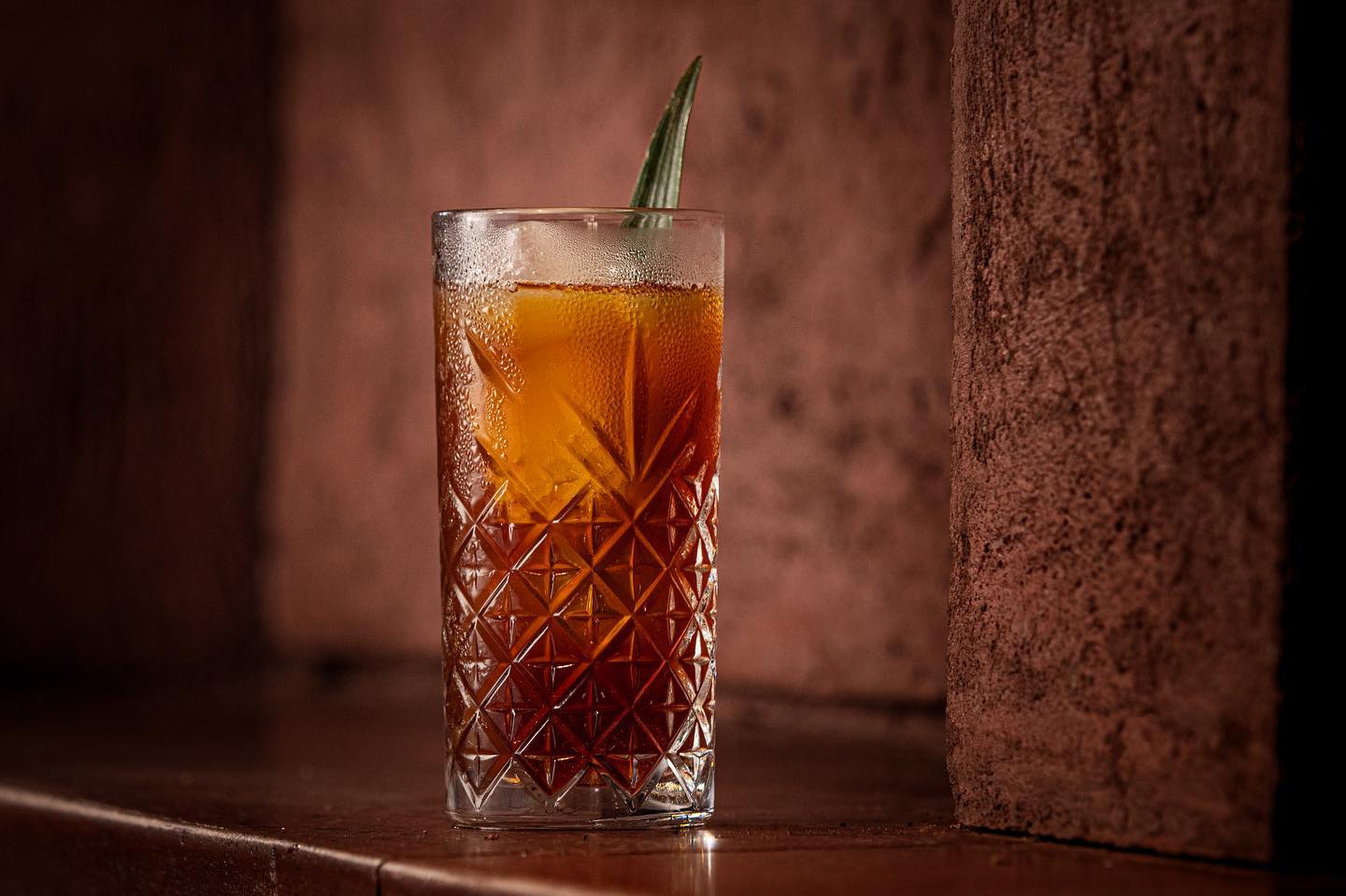
- Mezcal Old Fashioned
Current opening hours
- Monday
- 2–11 PM
- Tuesday
- 2–11 PM
- Wednesday
- 2–11 PM
- Thursday
- 2–11 PM
- Friday
- 2–11 PM
- Saturday
- 2–11 PM
- Sunday
- Closed
Hours can change for holidays and private events. Hours as of .
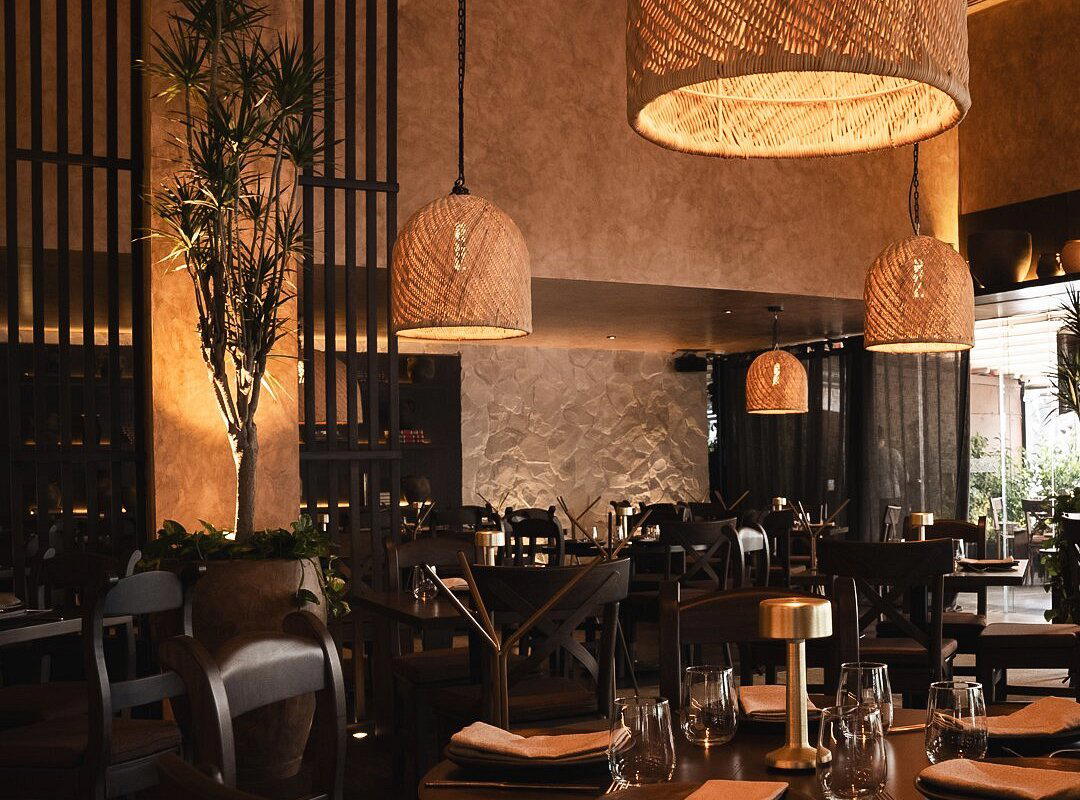
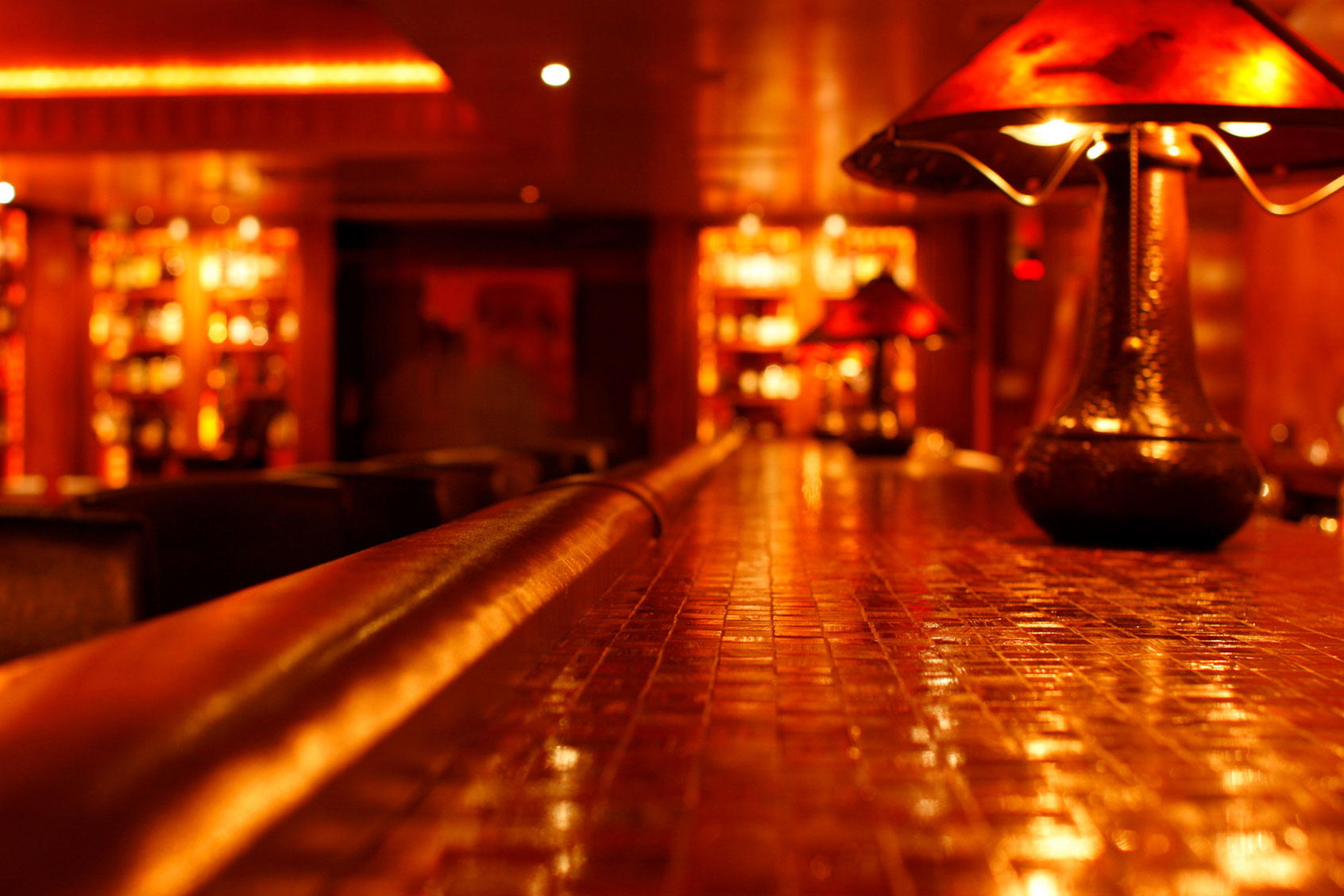
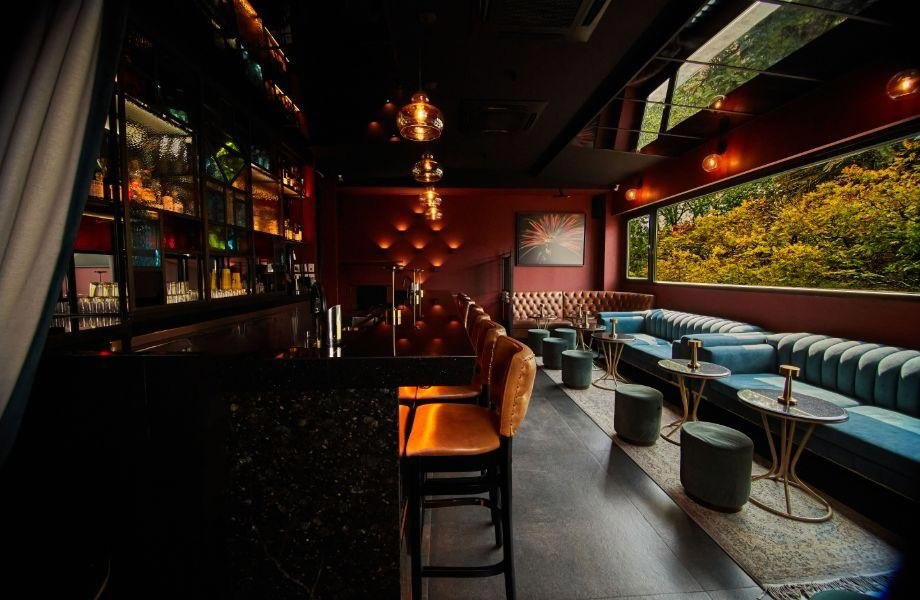
Stylish presentation in a moderate noise setting with high marks for service and ambience.