Agora
Our verdict
Agora occupies a townhouse-style space on 17th Street NW in Dupont Circle, positioning itself within Washington D.C.'s growing wave of ingredient-led dining that draws as much from the Eastern Mediterranean and Middle East as from the European-American mainstream. The address places it in a neighbourhood already dense with ambitious restaurants, where provenance-focused menus are increasingly the currency of serious operators.

Pearl is the En Primeur Club membership app, where members save venues, book tables and use the concierge.
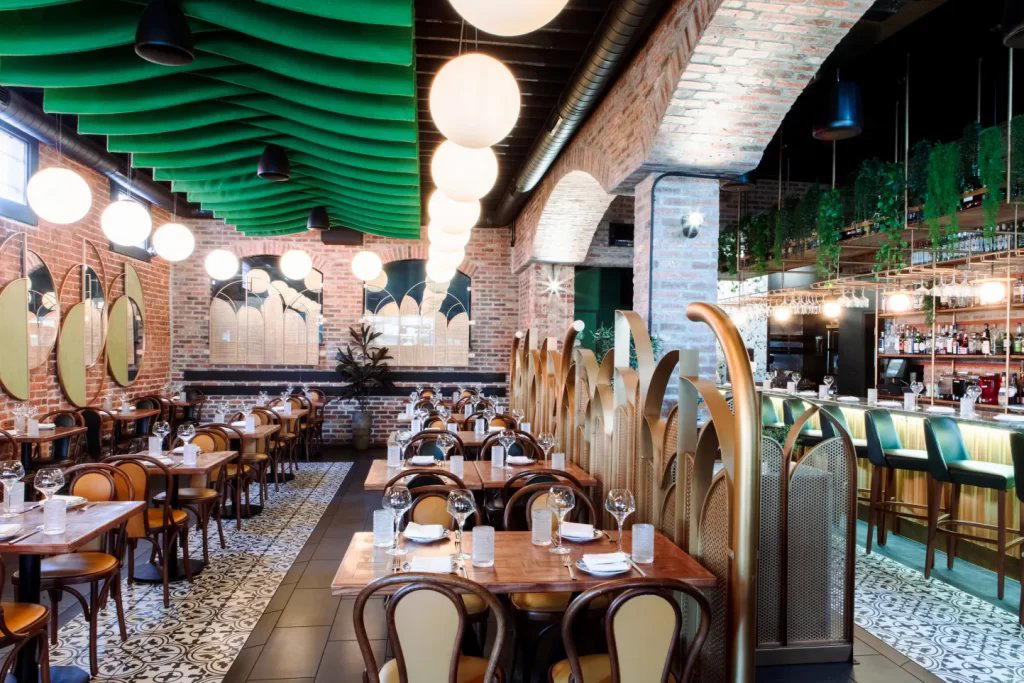
The menu
What to order
- Lamb Chops
- Branzino
- Falafel
- Hummus
- Octopus
Dupont Circle and the Case for Provenance-Led Dining
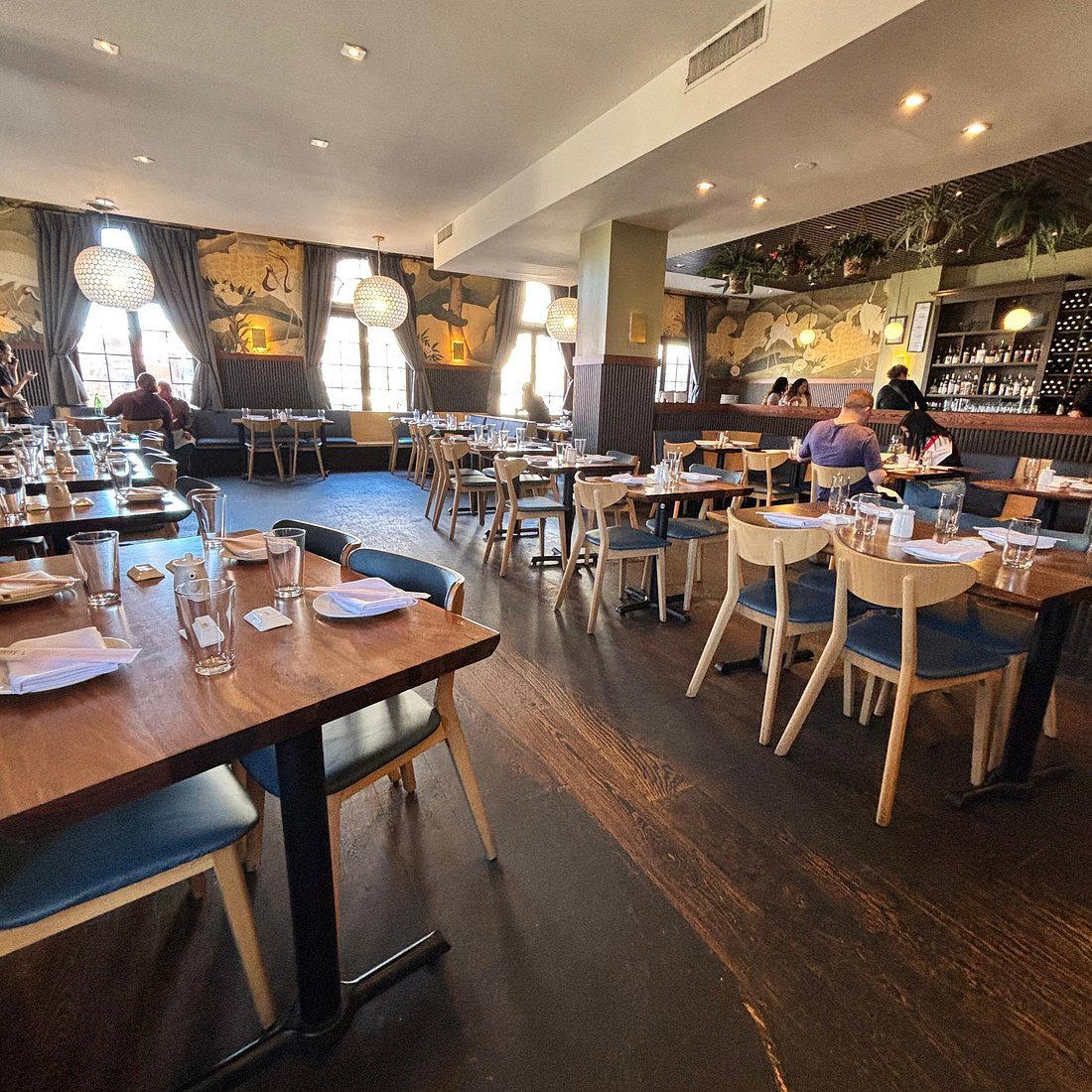
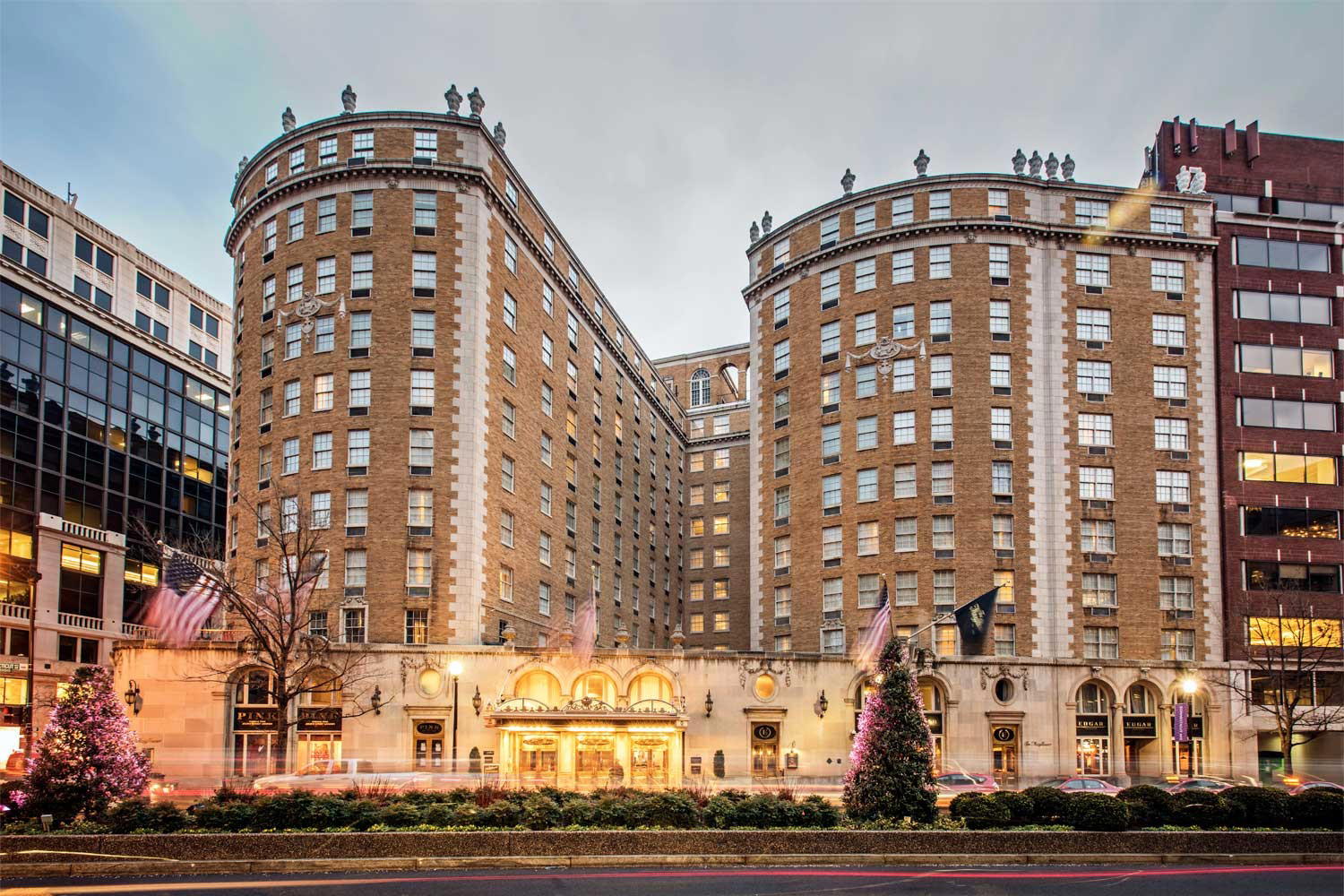
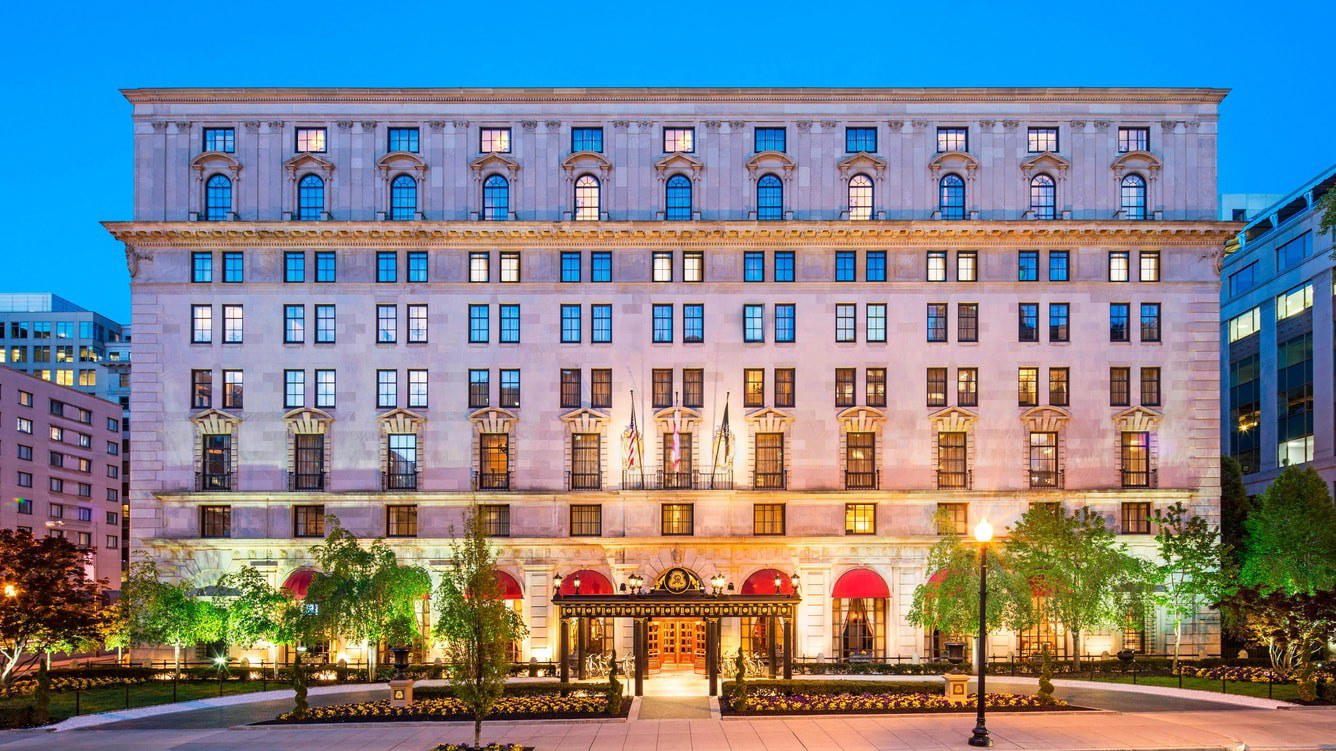
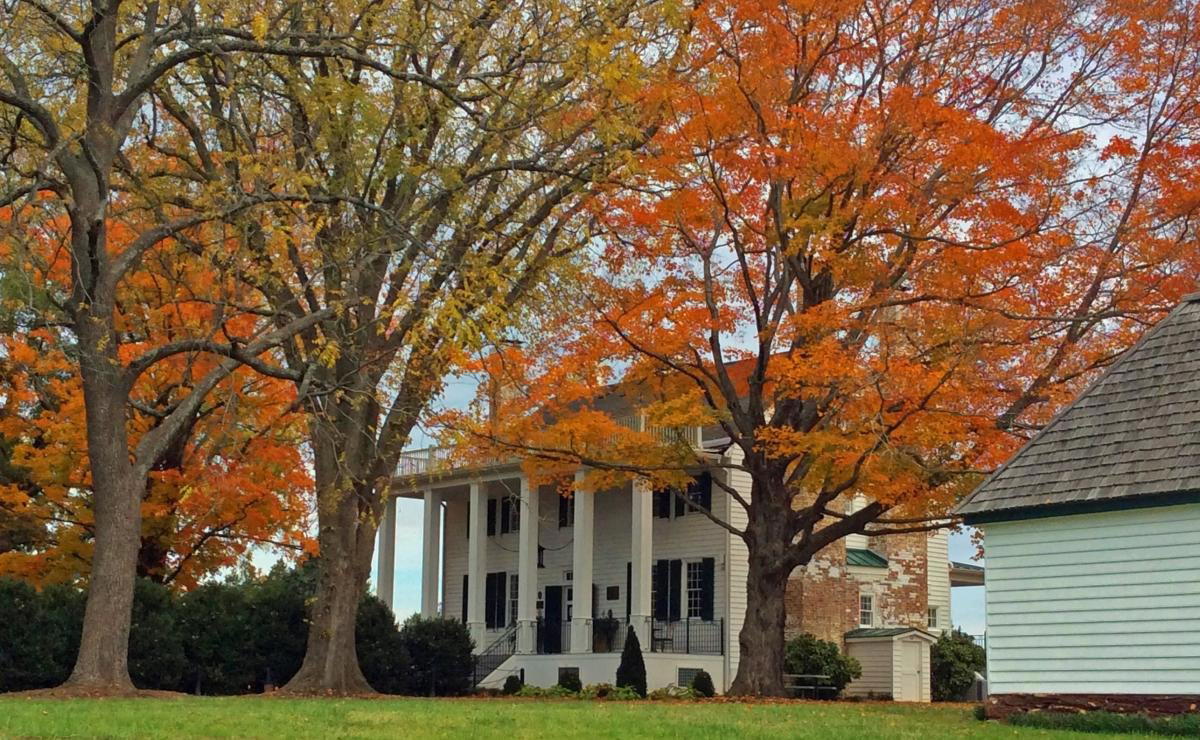
On 17th Street NW, the built fabric of Dupont Circle does a lot of the storytelling before you open a menu. The neighbourhood's brownstones and converted townhouses have long attracted the kind of operator who wants a room with architectural character rather than a blank slate fit-out, and the stretch between P and R Streets is now one of the denser concentrations of independent, chef-driven restaurants in the city. Agora sits on that corridor, at 1527 17th St NW, in a building whose proportions suggest a more domestic scale than the large-format dining rooms that dominate Penn Quarter or Georgetown. The physical environment primes a certain kind of meal: unhurried, specific, rooted in something other than occasion-dining spectacle.
That physical rootedness connects directly to a broader shift in how Washington D.C.'s serious restaurants are framing their menus. Across the city, ingredient sourcing has moved from a marketing footnote to a structural decision: where food comes from increasingly determines what a kitchen can plausibly cook, which seasons it can cook it in, and which price tier it can credibly occupy. The restaurants generating the most sustained critical attention in D.C. right now are, almost without exception, ones that have committed to a sourcing position and built their menus around it rather than the other way around.
Eastern Mediterranean Traditions and the Sourcing Argument
The Eastern Mediterranean culinary tradition that Agora draws from carries a particular set of assumptions about ingredients. Mezze culture, in its most considered form, is not a format for hiding undistinguished produce behind complex spicing; it is a format that exposes produce, asking each item to carry its own weight. A plate of roasted vegetables or labneh or cured fish in this tradition makes a direct argument about quality of sourcing, because there is no sauce architecture to fall back on. This is a different accountability than a French-derived tasting menu structure, where a seven-course sequence can redistribute attention across components.
Washington D.C. has a number of operators now working within this logic. Albi has been among the most discussed, approaching Middle Eastern cuisine with sourcing discipline that aligns it with the city's most ambitious kitchens regardless of cuisine category. Agora's position on 17th Street represents a different entry point into the same broader tradition: the Eastern Mediterranean as a framework for ingredient-first cooking, where the question of where something was grown or raised arrives before the question of how it will be prepared.
This sourcing-first framing places Agora in a peer conversation that extends beyond D.C.'s Middle Eastern and Mediterranean operators. Nationally, the most serious provenance arguments are being made at places like Blue Hill at Stone Barns in Tarrytown, where the farm-to-table framework is structurally embedded rather than decorative, and Single Thread Farm in Healdsburg, where the supply chain and the menu are effectively the same document. Agora operates at a different scale and within a different culinary tradition, but the underlying argument about ingredients preceding technique is shared.
What the D.C. Scene Provides as Context
Washington D.C.'s restaurant scene has shifted considerably over the past decade. The city spent years operating in the shadow of New York and San Francisco as a dining destination, but a combination of demographic change, increased chef ambition, and a genuine local food culture has moved it into a different tier. The Michelin Guide's presence in D.C. formalized some of what was already evident on the ground: that the city's restaurants were competing nationally, not just regionally.
Within that evolved scene, the Dupont Circle and 14th Street corridor has a specific character. It runs toward independent operators and away from hotel dining rooms, toward neighbourhood regulars and away from pure expense-account traffic. Restaurants like Oyster Oyster, which has built a reputation around sustainable sourcing within a New American framework, and Causa, which applies Peruvian culinary logic with similar ingredient focus, reflect the area's appetite for cooking with a clear point of view. Jônt and minibar represent the city's technical upper register, while Agora's 17th Street address suggests a different kind of ambition: one measured in the fidelity of a cuisine tradition rather than in the complexity of technique.
For a broader map of where Agora sits within the city's restaurant ecosystem, the EP Club Washington D.C. restaurants guide covers the full range of the scene, from the modern French precision of Jônt to the sustainable New American cooking at Oyster Oyster.
The Ingredient Sourcing Argument in Practice
Across the United States, the restaurants that have most credibly made the sourcing argument tend to share a structural commitment: the supply chain precedes the menu, not vice versa. At Smyth in Chicago, the kitchen's relationship with growers and producers determines what appears on the menu seasonally. At Providence in Los Angeles, sustainable seafood sourcing is embedded in the restaurant's identity rather than offered as an optional consideration. At Addison in San Diego, provenance forms part of the prix-fixe narrative. These are restaurants in different cities working within different culinary traditions, but they share the position that sourcing is a decision made before cooking begins.
Eastern Mediterranean cuisine, when practiced with this level of discipline, makes a similar argument from a different tradition. The spice routes and agricultural histories that define the cuisine bring with them a logic about seasonality and locality that predates the farm-to-table marketing vocabulary by centuries. Agora's location in a neighborhood where diners have demonstrated appetite for this kind of cooking positions it to participate in that argument at a neighbourhood scale that the larger, more theatrical operators in the city cannot easily replicate.
The comparison set extends internationally. At Atelier Moessmer Norbert Niederkofler in Brunico, the sourcing commitment is so foundational that the Alpine region itself functions as both supply chain and creative brief. That level of integration between place and plate remains the high-water mark for ingredient-led dining in formal settings. Agora operates at a different register, but the underlying philosophy of letting provenance lead is part of the same ongoing conversation in serious restaurants across the world.
Planning a Visit
Agora's address at 1527 17th St NW places it in the heart of Dupont Circle, walkable from the Dupont Circle Metro station on the Red Line and within easy reach of the 14th Street corridor. The neighbourhood functions well for pre- or post-dinner activity, with bars and cafes along 17th Street that reflect the area's independent operator character. Given the density of dining options on this stretch, reservations are advisable, particularly for weekend evenings when the corridor draws beyond its weekday regulars. Visitors comparing options in the same neighbourhood might look at The Inn at Little Washington for a different register of formal dining, or cross-reference the D.C. scene with comparable provenance-led restaurants nationally, including Lazy Bear in San Francisco, Le Bernardin in New York City, Emeril's in New Orleans, The French Laundry in Napa, and Atomix in New York City.
Frequently asked questions
What dish is Agora famous for?
Agora's reputation leans on its Eastern Mediterranean approach, where mezze-style formats and shared plates allow individual ingredients to be assessed directly rather than subordinated to a composed dish structure. The format itself, as much as any single dish, is what defines the kitchen's culinary position in Dupont Circle.
What's the ideal way to book Agora?
Given Agora's location in one of D.C.'s most active dining corridors, demand on Friday and Saturday evenings tends to outpace walk-in availability. If you are visiting during peak periods or travelling specifically for the meal, booking in advance is the practical approach. Check the restaurant's current reservation channels directly, as booking platforms and policies can shift. Comparing D.C. reservation windows: higher-demand rooms in the city, such as those in the Michelin-recognized tier, often require two to four weeks lead time for weekend seatings.
What is Agora known for?
Agora is associated with Eastern Mediterranean cuisine on the 17th Street NW corridor in Dupont Circle, placing it within a subset of Washington D.C. restaurants that approach ingredient sourcing as a structural commitment rather than a secondary consideration. Its position in the neighbourhood aligns it with the city's independent, chef-driven dining culture rather than the hotel-dining or event-format segment.
Is Agora in D.C. suitable for a special occasion dinner?
Agora's townhouse-scale setting on 17th Street NW lends itself to occasions where intimacy matters more than spectacle. Eastern Mediterranean cuisine in a shared-plate format tends to generate a convivial pace that suits celebratory meals, anniversaries, or professional dinners where conversation is as important as the food. For diners who want a more formal tasting-menu structure for a special occasion, D.C. offers alternatives at the Michelin-recognized level, but Agora's neighbourhood character and culinary focus represent a distinct option within the city's mid-to-upper dining tier.
Recognition, Side-by-Side
| Venue | Cuisine | Price | Awards | Notes |
|---|---|---|---|---|
| AgoraThis venue (the venue you are viewing) | Mediterranean Mezze (Turkish, Greek, Lebanese) | $30–50 | Not listed | Not listed |
| Oyster Oyster | Modern Vegetable-Focused Tasting Menu | Not listed | 1 Michelin Star · James Beard Award Outstanding Chef #1 | New American, Vegetarian, Vegetarian (Sustainable) |
| Albi | Modern Levantine Fine Dining | $300–500 | 1 Michelin Star · World's 50 Best #6 | United States, Middle Eastern |
| Causa | Modern Peruvian Fine Dining | $150–200 | 1 Michelin Star · James Beard Award Best Chef: Mid-Atlantic | Peruvian |
| Rooster & Owl | Modern Global Fusion Fine Dining | $50–100 | 1 Michelin Star · Washingtonian 100 Very Best Restaurants #65 | Contemporary |
| Rose’s Luxury | Modern American Fine Dining | $200–300 | 1 Michelin Star · James Beard Award Best Chefs | New American, Contemporary |
Continue exploring
More in Washington DC
Restaurants in Washington DC
All restaurants in Washington DC →
Bars in Washington DC
All bars in Washington DC →


Details
- Lively
- Cozy
- Elegant
- Date Night
- Group Dining
- Brunch
- Special Occasion
- Open Kitchen
- Private Dining
- Craft Cocktails
- Extensive Wine List
- Local Sourcing
- Small Plates
- Wine
- Cocktails
- Vegetarian Friendly
- Vegan Options
- Gluten Free Options
Current opening hours
- Monday
- 4:30–8 PM
- Tuesday
- 12–1:15 PM, 4:30–8 PM
- Wednesday
- 12–1 PM, 4:30–9 PM
- Thursday
- 12–2:30 PM, 4:30–9 PM
- Friday
- 12–2:30 PM, 4:30–10 PM
- Saturday
- 11 AM–4 PM, 5–10 PM
- Sunday
- 11 AM–4 PM, 5:30–8 PM
Hours can change for holidays and private events. Hours as of .
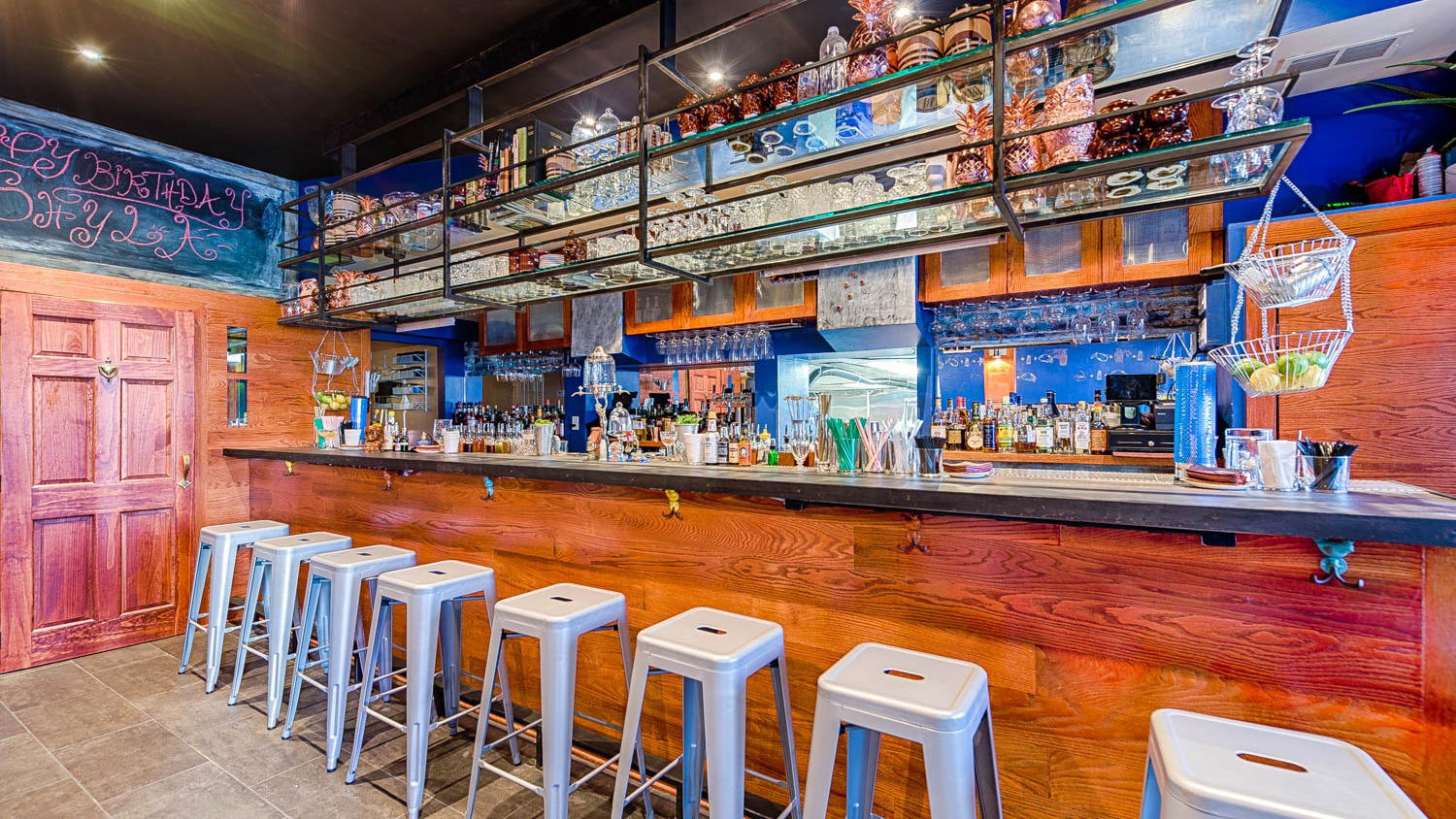
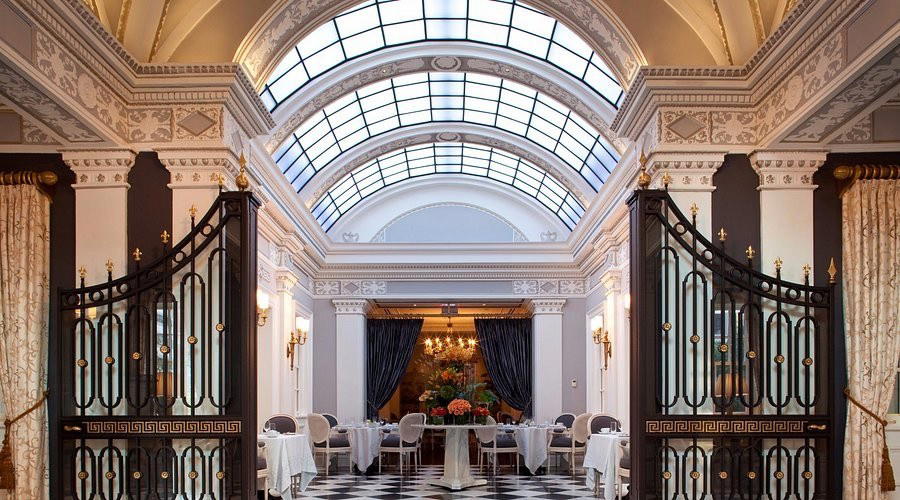
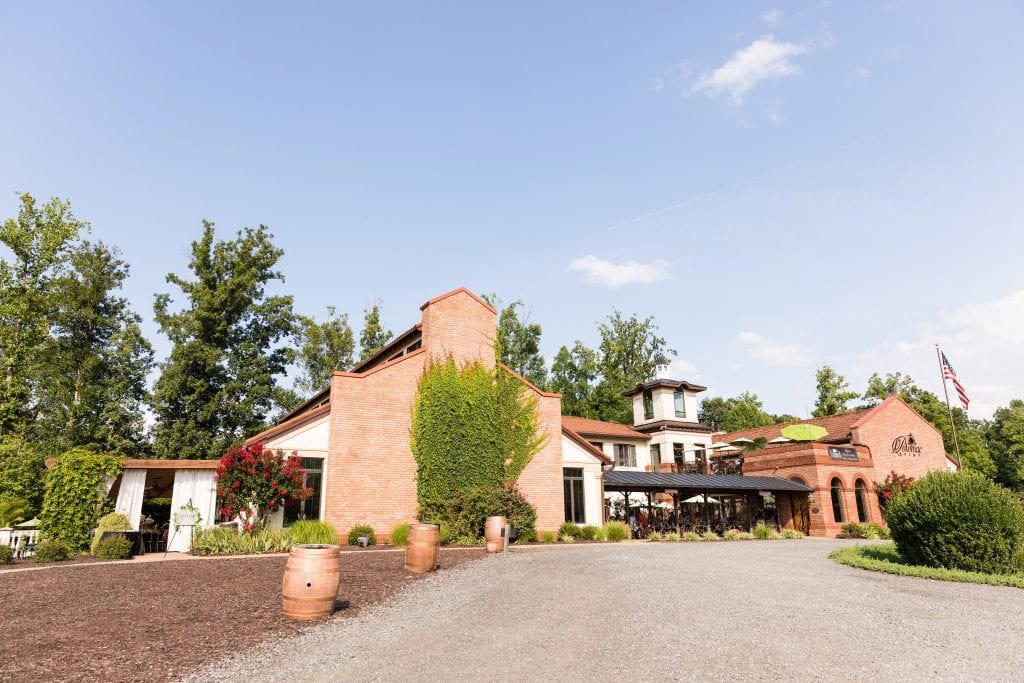
Inviting ambiance with modern decor creating a cozy and lively atmosphere well-suited for any occasion.