Osteria Nando
Osteria Nando occupies a particular address in the Upper East Side's Italian dining circuit, at 1589 Second Avenue, where neighbourhood trattorias and white-tablecloth rooms have long competed for the same loyal clientele. The restaurant draws on the collaborative discipline that defines serious Italian-American service culture, where the relationship between kitchen, floor, and cellar shapes the experience as much as any single dish.
Pearl is the En Primeur Club membership app — saves, bookings, and concierge access live there. Same editors, same standards.
- Address
- 1589 2nd Ave, New York, NY 10028
- Phone
- +12127314355
- Website
- bistronando.com
- Directions
- Get directions
 Saves & bookings on Pearl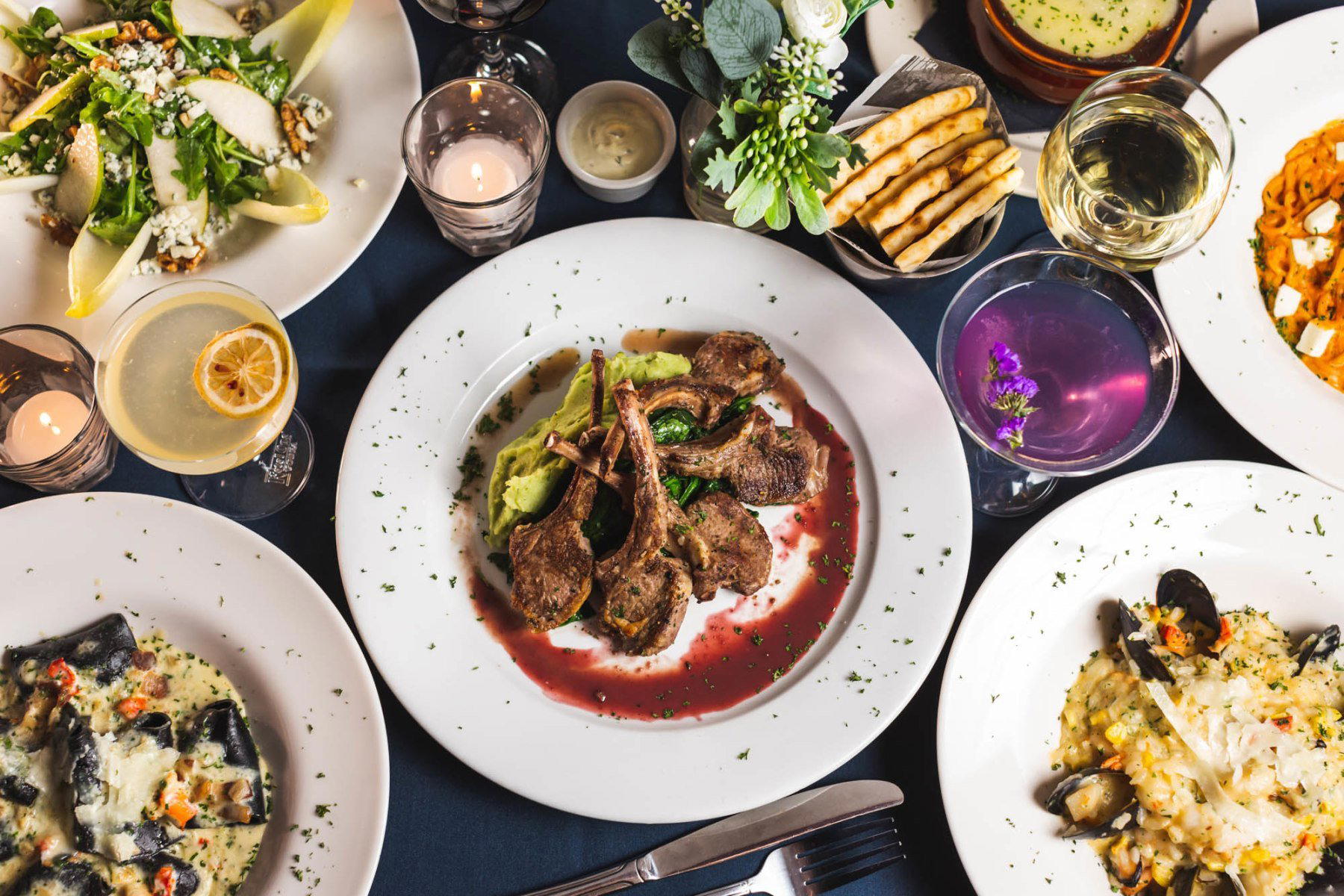
Italian Dining on the Upper East Side: Where Neighbourhood Loyalty Gets Tested
The Upper East Side has never lacked for Italian restaurants. From the direct red-sauce rooms that anchored Second Avenue through the 1970s and 1980s to the more considered osterie that began appearing in the following decades, the stretch between the 60s and 90s on the East Side has long been one of New York City's most competitive corridors for Italian cooking. In that context, longevity is the first credential. Restaurants that survive on this strip do so because regulars return, and regulars return because the kitchen, the floor, and the cellar are operating in alignment.
Osteria Nando, at 1589 Second Avenue, sits inside that tradition. The address places it within walking distance of a residential catchment that has historically supported the kind of osteria format that rewards repetition: dishes that improve on the second and third visit, a wine list that rewards conversation with the person pouring, and a front-of-house that remembers names. That model has produced some of New York's most durable Italian rooms, and it remains the frame through which Osteria Nando should be read.
The Service Architecture: Kitchen, Floor, and Cellar in Conversation
In Italian restaurant culture, the word osteria carries specific implications about how a room operates. It signals something less formal than a ristorante but more considered than a simple trattoria. The osteria format places particular weight on the relationship between guest and staff, and on the idea that the meal is guided rather than merely served. That guidance requires collaboration across departments: the kitchen setting a pace, the floor reading the table, the sommelier or wine-knowledgeable server connecting the list to what's being eaten.
Across the broader Italian-American dining circuit in New York, the rooms that sustain critical and popular attention tend to be those where that three-way collaboration is visible. At the summit of the market, venues like Le Bernardin have built their reputations in part on exactly this kind of service integration, where French discipline applied to seafood produces a coherent experience from greeting to final course. Italian rooms operate on a different register, with warmth as the dominant signal rather than precision, but the underlying logic of coordinated hospitality is the same.
Osteria Nando occupies the neighbourhood tier of that spectrum, where the collaboration between kitchen and floor is expressed through consistency and familiarity rather than through tasting-menu ceremony. That is not a lesser version of hospitality; it is a different discipline, and one that the Upper East Side's dining public tends to judge with considerable expertise.
What the Upper East Side Demands of Its Italian Rooms
The residential density of the Upper East Side, and its historically older, wealthier demographic, has shaped what Italian restaurants in the neighbourhood are expected to deliver. The standard is not adventurousness but reliability. Regulars at these rooms generally want pasta cooked correctly, proteins sourced without drama, and a wine list that offers genuine value at the middle of the price range rather than clustering at the premium end. They want to be recognized and to recognize the staff. These are not modest demands; executing them night after night requires a kitchen and floor team that genuinely communicates.
New York's wider Italian scene has moved in several directions simultaneously. The downtown rooms associated with the city's younger dining culture have pushed toward more regional specificity, toward natural wine programs, and toward open kitchens that make the kitchen-floor connection literal. The Upper East Side has been more resistant to those shifts, which means that the osteria format here is largely about executing a known repertoire with care rather than proposing something new. That is not complacency; it is craft, and it is harder to sustain than novelty.
For comparison across the city's premium tiers, Korean-influenced rooms like Atomix and Jungsik New York have built their reputations on a different kind of precision, one that foregrounds ingredient sourcing and technique in ways that Italian neighbourhood dining does not. These are reference points for understanding the range of what New York's restaurant market accommodates, not comparisons to Osteria Nando's positioning, which is neighbourhood-anchored and relationship-driven.
Second Avenue as a Dining Address
Second Avenue in the upper 70s and 80s is a specific kind of New York dining street: dense with options, pedestrian-heavy, and served by a clientele that tends to make decisions based on habit as much as discovery. Restaurants in this zone compete less with the destination dining of Midtown or the tasting-menu rooms further downtown and more with each other for a share of repeated local spend. The metric of success is retention rather than acquisition.
That dynamic shapes how the restaurant operates within its block. Diners arriving from outside the neighbourhood are, to some extent, guests in a local institution; the experience is calibrated to regulars first. This is a pattern repeated across Italian-American dining in New York's residential corridors, and it produces a different texture of hospitality than what you encounter at a destination restaurant built around first-time visitors. The trade-off is that first-time guests may need a visit or two before the room fully opens to them, which is itself a feature of the osteria tradition rather than a failure of welcome.
Comparable Italian-anchored hospitality traditions in other American cities can be explored through venues like Bacchanalia in Atlanta, Emeril's in New Orleans, or Lazy Bear in San Francisco, each of which demonstrates how chef-driven hospitality translates across regional American dining cultures. On the tasting-menu end of the American spectrum, Alinea in Chicago, The French Laundry in Napa, Single Thread Farm in Healdsburg, Providence in Los Angeles, Blue Hill at Stone Barns in Tarrytown, Addison in San Diego, and The Inn at Little Washington represent the far end of the formality spectrum against which neighbourhood osterie are implicitly positioned. Internationally, the Italian dining tradition at its most formal can be benchmarked against 8 1/2 Otto e Mezzo Bombana in Hong Kong or against the classical French precision of Alain Ducasse at Louis XV in Monte Carlo.
Know Before You Go
Address: 1589 Second Avenue, New York, NY 10028
Neighbourhood: Upper East Side, Manhattan
Cuisine: Italian (osteria format)
Price range: not confirmed; contact directly for current pricing
Hours: not confirmed; verify before visiting
Ideal time to visit: Upper East Side osterie tend to fill earlier in the week with regulars; weekend bookings in New York's residential corridors are typically tighter than equivalent Midtown tables
Comparable Options
Comparable venues nearby, for context on price, style, and recognition.
| Venue | Cuisine | Price | Notes |
|---|---|---|---|
| Osteria NandoThis venue — the venue you are viewing | Mediterranean French-Italian Bistro | $$$ | Not listed |
| Florisity | Seasonal Italian-Mediterranean with Botanical Elements | $$$ | Long Island City-Hunters Point |
| Shoo Shoo | Modern Israeli Mediterranean | $$$ | SoHo-Little Italy-Hudson Square |
| Pera Soho | Eastern Mediterranean with Turkish & Greek Influences | $$$ | SoHo-Little Italy-Hudson Square |
| ATIK Restaurant | Modern Mediterranean | $$$ | Pelham Bay-Country Club-City Island |
| Pera Mediterranean Brasserie | Eastern Mediterranean Brasserie | $$$ | Midtown-Times Square |
Continue exploring
More in New York City
Restaurants in New York City
Browse all →
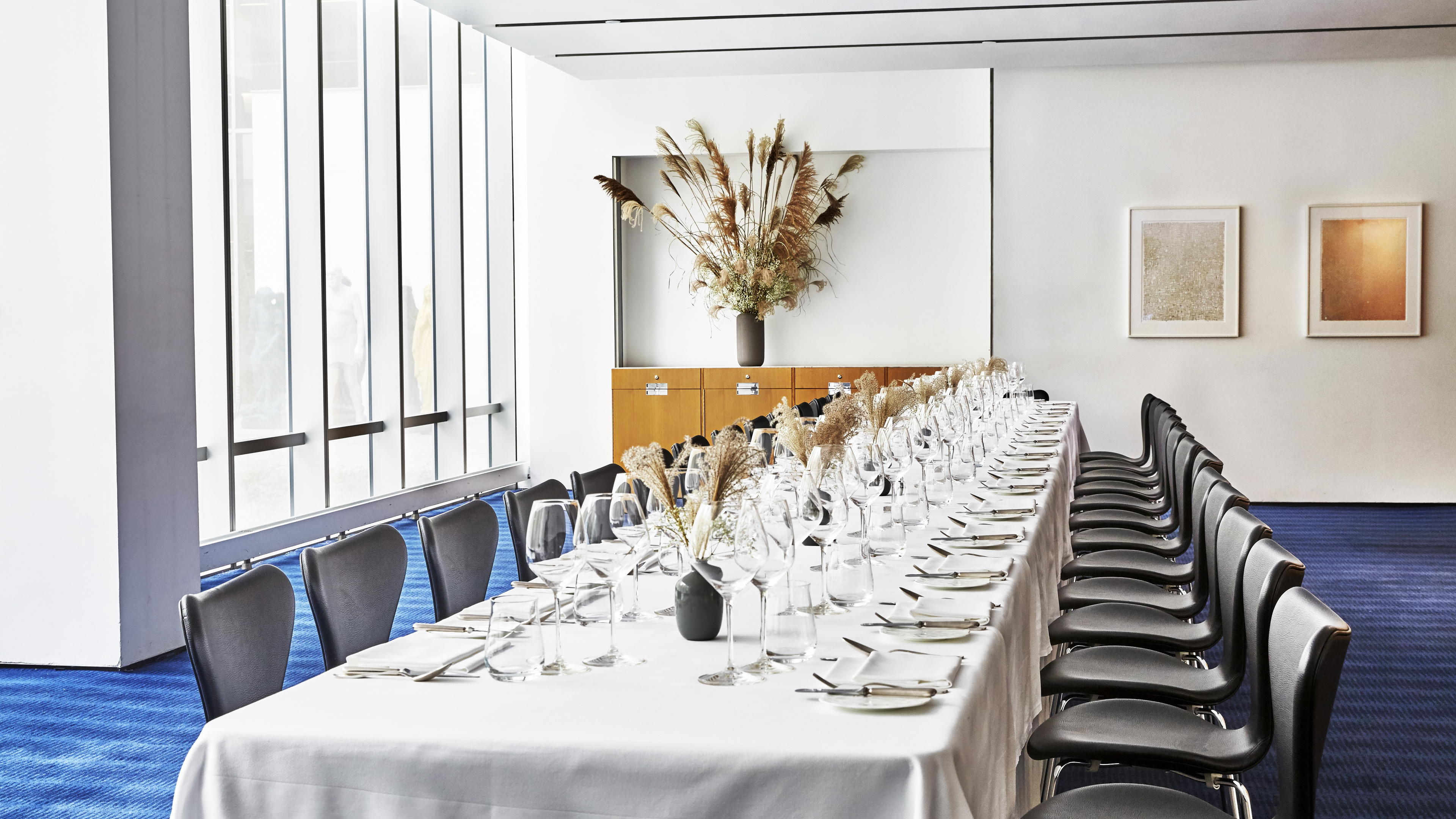
Bars in New York City
Browse all →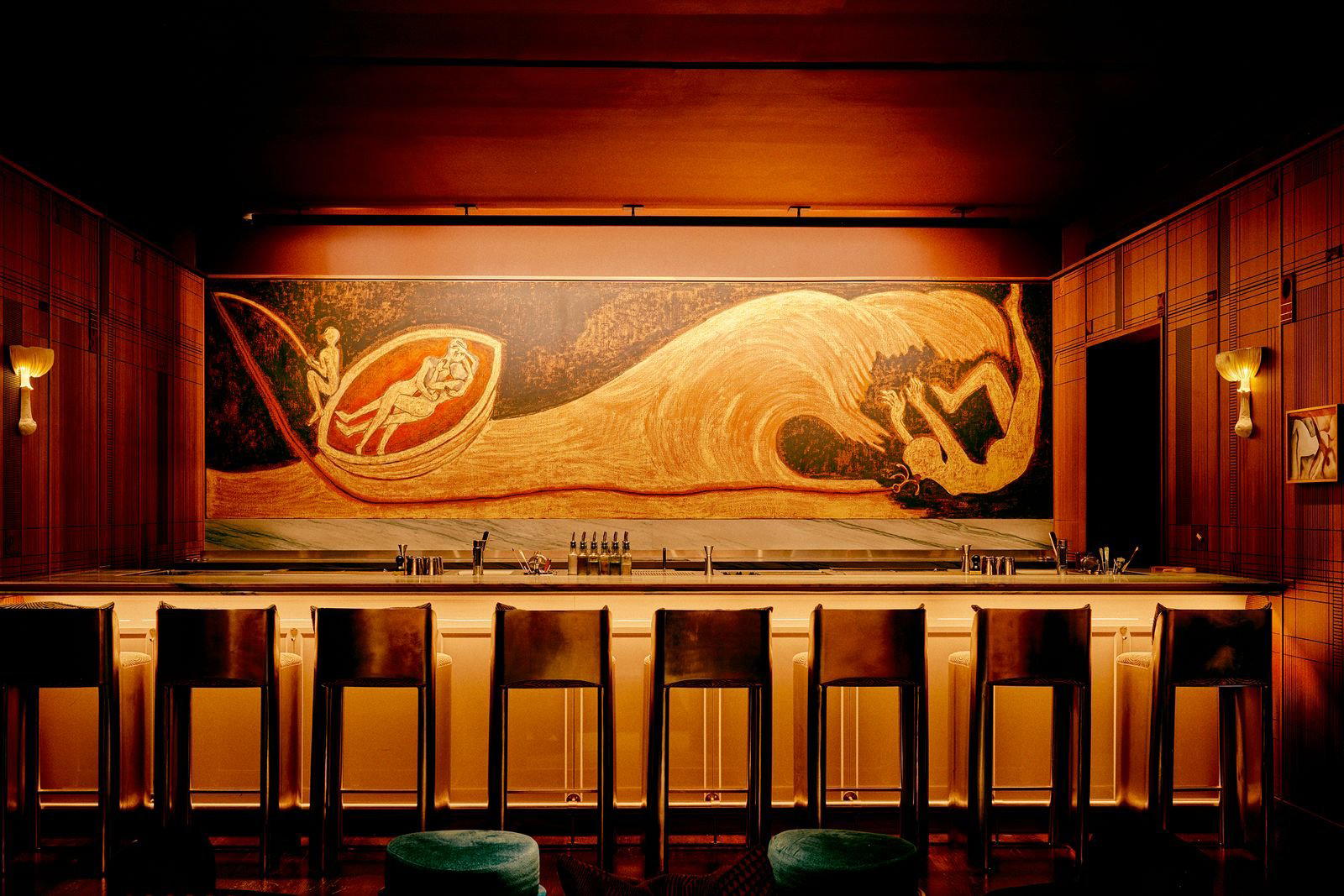
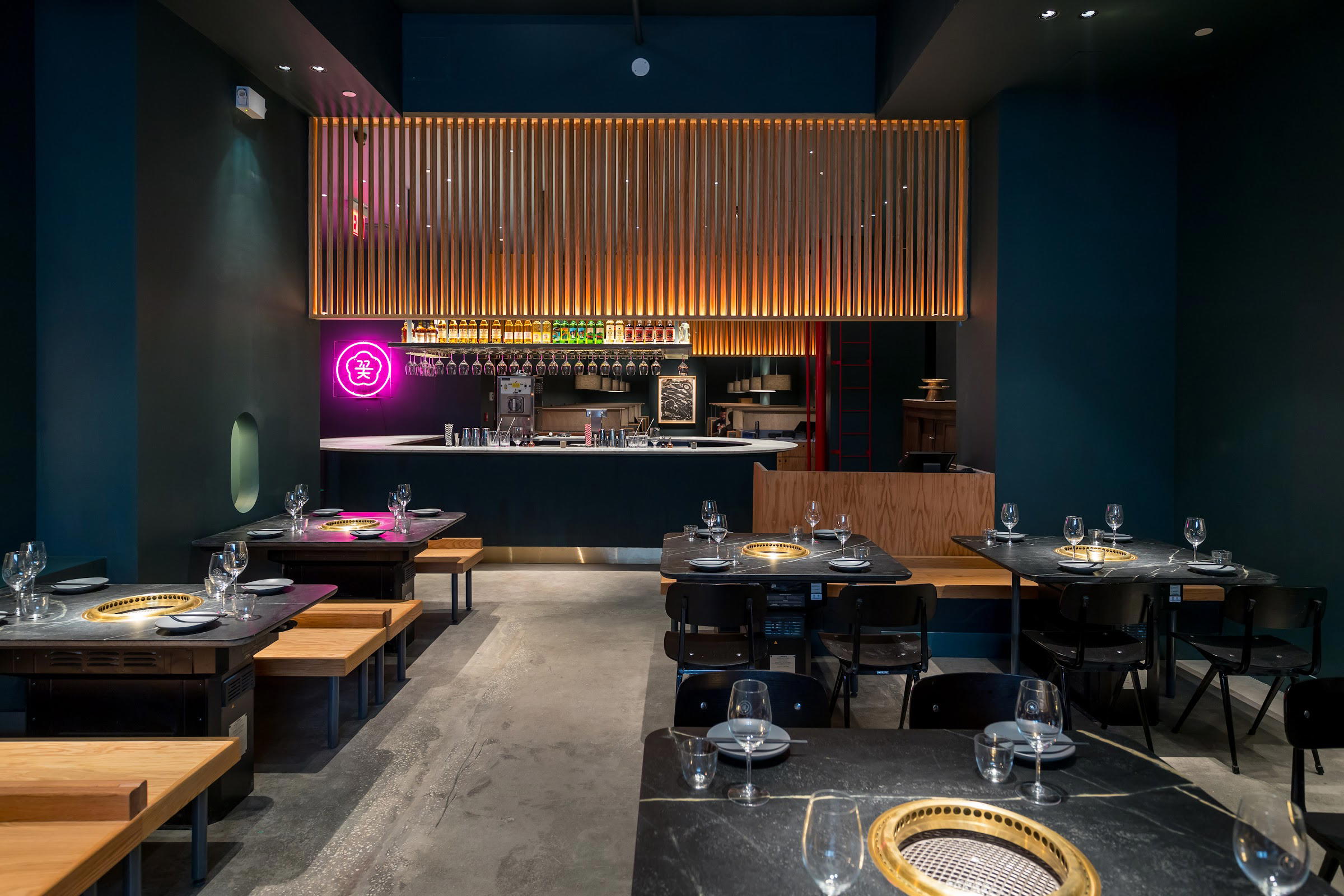
Hotels in New York City
Browse all →






At a Glance
- Cozy
- Elegant
- Romantic
- Classic
- Date Night
- Group Dining
- Brunch
- Special Occasion
- Terrace
- Craft Cocktails
Current opening hours
- Monday
- 12–10 PM
- Tuesday
- 12–10 PM
- Wednesday
- 12–10 PM
- Thursday
- 12–10 PM
- Friday
- 12–11 PM
- Saturday
- 11 AM–11 PM
- Sunday
- 11 AM–10 PM
Hours can change for holidays and private events. Last verified .
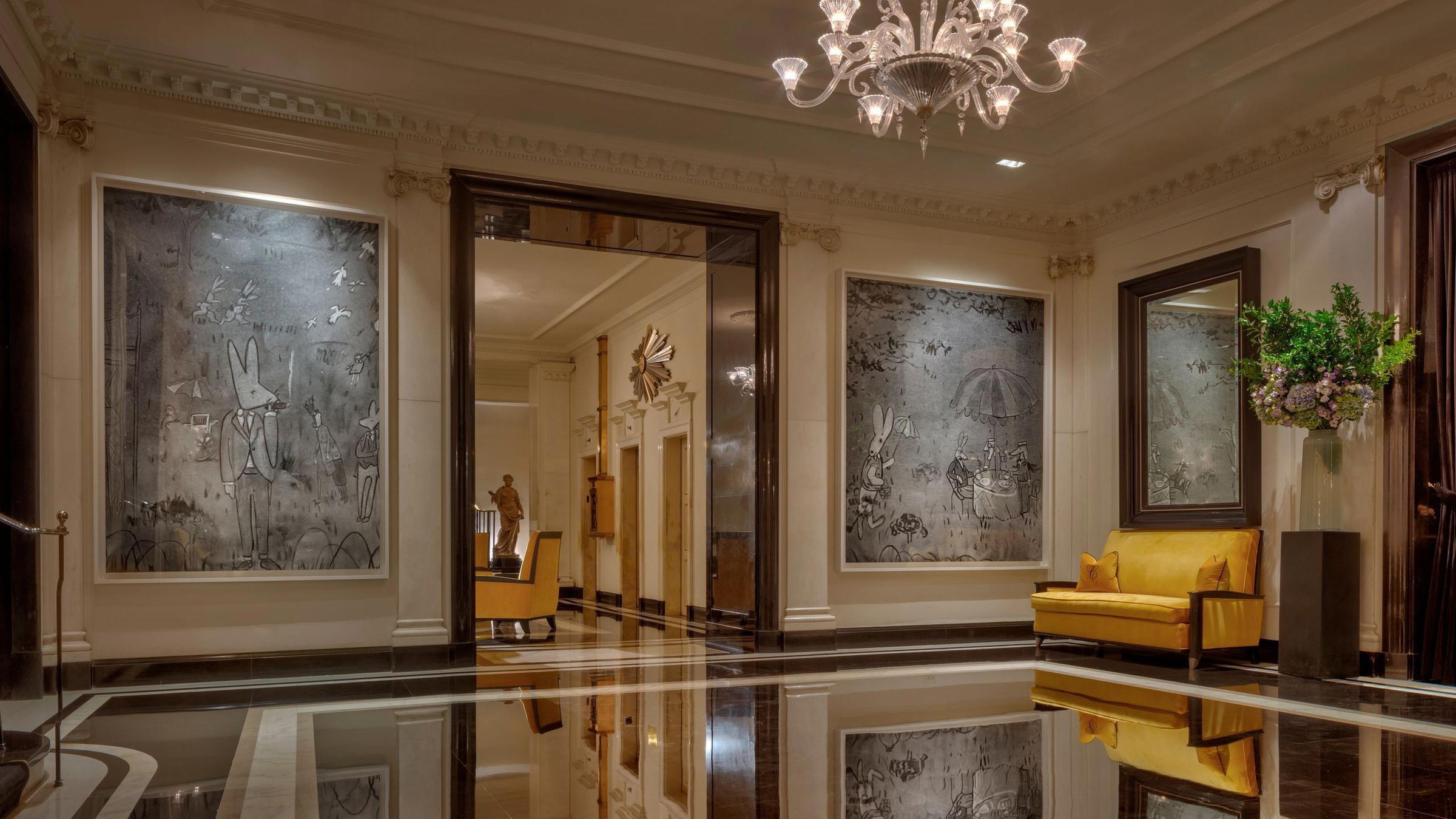
Casual-elegant atmosphere with heated patio dining, warm lighting, and thoughtful hospitality touches like complimentary tiramisu.