Pera Mediterranean Brasserie
Pera Mediterranean Brasserie at 303 Madison Avenue occupies a mid-block Midtown address where the Mediterranean brasserie format has found a durable foothold among business-lunch crowds and pre-theater diners. The format sits between the city's ultra-formal tasting-menu tier and its casual fast-casual Mediterranean wave, offering a middle register that Midtown has historically supported well.
Pearl is the En Primeur Club membership app — saves, bookings, and concierge access live there. Same editors, same standards.
- Address
- 303 Madison Ave, New York, NY 10017
- Phone
- +12128786301
- Website
- peranyc.com
- Directions
- Get directions
 Saves & bookings on Pearl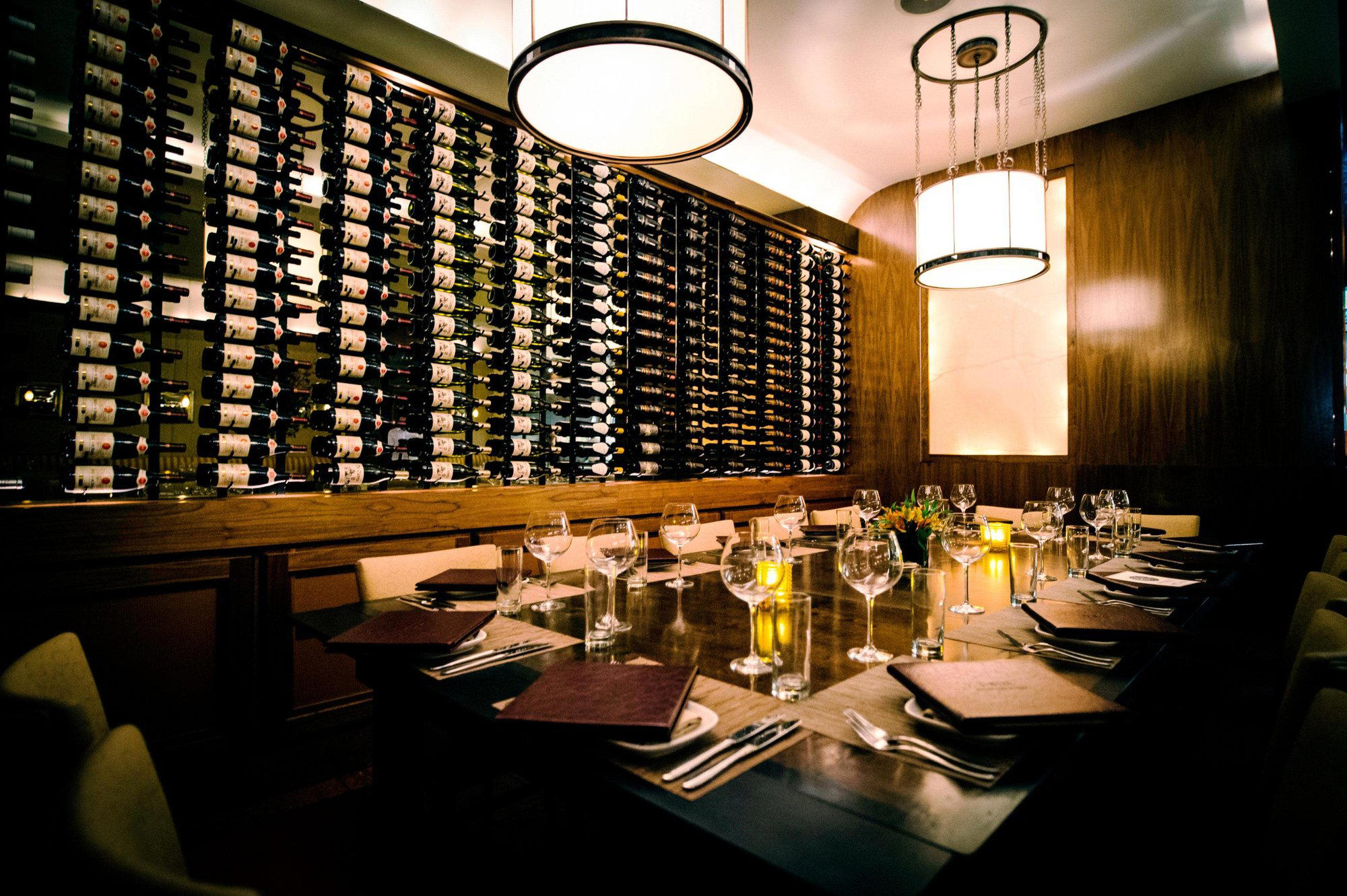
Midtown's Mediterranean Middle Register
New York's Mediterranean dining category has spent the past two decades pulling in opposite directions. At one end, chef-driven small plates concepts multiplied across the Lower East Side and West Village, chasing the Ottolenghi-influenced vegetable-forward wave. At the other, white-tablecloth Continental rooms held their ground in Midtown, leaning on expense-account traffic and prix-fixe formats. Pera Mediterranean Brasserie at 303 Madison Avenue has occupied a considered position between those poles: an Eastern Mediterranean Brasserie format that reads as relaxed enough for a working lunch but composed enough for a client dinner.
That positioning matters more in Midtown than almost anywhere else in the city. The blocks around Madison Avenue in the high 30s and low 40s generate a specific kind of dining demand: time-constrained, deal-motivated, and broadly international in clientele. A Mediterranean brasserie format answers that demand more cleanly than a tasting-menu counter or a neighbourhood trattoria would. The comparison set here is less Le Bernardin or Per Se and more the mid-tier brasseries and continental rooms that line the avenues between Grand Central and Bryant Park.
The Evolution of the Brasserie Format in This City
The brasserie as a dining category arrived in New York largely through French influence, then broadened into a looser European idiom through the 1990s and 2000s. By the time Mediterranean cooking began claiming serious critical attention in the city, the brasserie shell was already available as a vehicle: high ceilings, café-length hours, menus built for both bar seating and full table service. That format gave Mediterranean cuisine a framework that was familiar to New York diners accustomed to Balthazar-style rooms and the reliable rhythms of the French brasserie.
What changed through the 2010s was the sourcing vocabulary. Turkish, Lebanese, Israeli, and North African cooking gained more distinct identities in the city's dining conversation, partly through the rise of dedicated restaurants, partly through broader public awareness of the culinary traditions behind dishes that had previously been packaged under a generic Mediterranean label. A brasserie operating in this space in the 2020s cannot simply coast on hummus and grilled fish. The category has been sharpened by competition from more specific voices, from the Levantine-focused restaurants in Astoria and Bay Ridge to the chef-driven Turkish tables that have appeared in more prominent Manhattan real estate.
Pera's address on Madison Avenue places it in a peer group shaped more by geography than by cuisine type. The Midtown corridor from Grand Central north to 50th Street supports dozens of restaurants whose primary competition comes from proximity and occasion-type rather than from culinary kinship. A table here competes with the Japanese business-lunch rooms on 44th Street, the French bistros near Rockefeller Center, and the steakhouses that still anchor power-lunch culture in this part of the city.
Where the Format Sits Against the City's Range
New York's restaurant spectrum at the highest tier now runs from the multi-month booking windows of Masa and the tightly controlled reservation cadence of Atomix to the more accessible but still serious format of Jungsik New York. A Mediterranean brasserie on Madison Avenue is playing a different game entirely: Its competition is occupancy and occasion fit. This kind of room handles the business meal or the casual pre-theater dinner without requiring the planning overhead of a destination reservation.
Across the country, the mid-tier brasserie and regional-cuisine format occupies similar niches in other cities. Emeril's in New Orleans built its sustained relevance on occasion-appropriate dining in a recognizable culinary tradition. Bacchanalia in Atlanta demonstrates how a regionally inflected menu can hold long-term loyalty against more modish competition. The brasserie format's durability lies in its flexibility: it can absorb menu updates, seasonal shifts, and format adjustments without requiring a full concept overhaul. That adaptability is what the evolution of Mediterranean dining in Midtown has demanded.
Planning Your Visit: Comparison Context
| Venue | Format | Price Tier | Booking Lead Time |
|---|---|---|---|
| Pera Mediterranean Brasserie | Mediterranean brasserie | Mid-tier (estimated $$-$$$) | Short to same-week |
| Le Bernardin | French seafood, formal | $$$$ | 3-6 weeks |
| Atomix | Modern Korean, counter | $$$$ | 6-8 weeks |
| Per Se | French, contemporary tasting | $$$$ | 4-6 weeks |
| Jungsik New York | Progressive Korean, tasting | $$$$ | 2-4 weeks |
Price tiers and booking windows are general estimates based on category and format. Confirm current pricing and availability directly with each venue.
Context Within a Broader Itinerary
Travelers building a New York dining schedule around destination restaurants will often need a few meals that require less coordination. Pera's Madison Avenue address makes it a logical option for anyone staying in Midtown hotels or working near the Grand Central corridor. The surrounding blocks serve a dense concentration of office towers and hotel rooms, which sustains the consistent occupancy that brasserie formats require to operate well.
A mid-register brasserie lunch or dinner serves a practical function: it absorbs a meal slot without demanding the same preparation and occasion-framing as a three-hour tasting menu. The logic is similar in other cities, where reliable brasseries and mid-tier rooms provide contrast between grand-occasion dining and more casual but capable options.
Cost and Credentials
Comparable venues nearby, for context on price, style, and recognition.
| Venue | Price | Notes |
|---|---|---|
| Pera Mediterranean BrasserieThis venue — the venue you are viewing | $$$ | Not listed |
| Shoo Shoo | $$$ | SoHo-Little Italy-Hudson Square, Modern Israeli Mediterranean |
| Bubo | $$$ | Murray Hill-Kips Bay, Modern Mediterranean Small Plates |
| Essex | $$$ | Lower East Side, Mediterranean Steakhouse |
| 19 Cleveland | $$$ | SoHo-Little Italy-Hudson Square, Modern Mediterranean (Tel Avivian) |
| ZOI Mediterranean Cuisine | $$$ | Midtown South-Flatiron-Union Square, Modern Mediterranean & Asian Fusion |
Continue exploring
More in New York City
Restaurants in New York City
Browse all →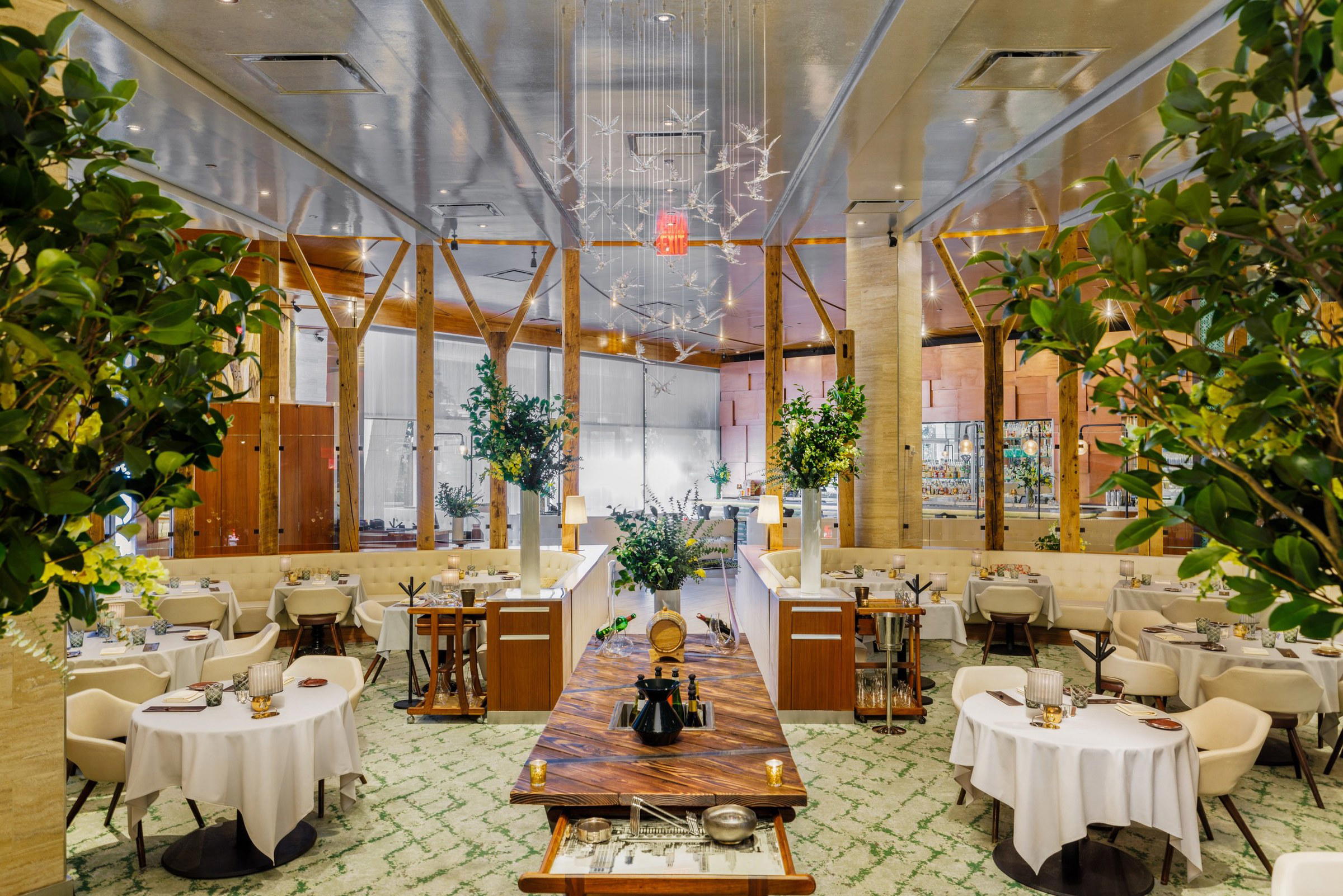
Bars in New York City
Browse all →
Hotels in New York City
Browse all →




At a Glance
- Elegant
- Sophisticated
- Lively
- Group Dining
- Special Occasion
- Date Night
- Live Music
- Open Kitchen
- Private Dining
Current opening hours
- Monday
- 11:45 AM–9:30 PM
- Tuesday
- 11:45 AM–9:30 PM
- Wednesday
- 11:45 AM–9:30 PM
- Thursday
- 11:45 AM–9:30 PM
- Friday
- 11:45 AM–9:30 PM
- Saturday
- 11:45 AM–10 PM
- Sunday
- Closed
Hours can change for holidays and private events. Last verified .
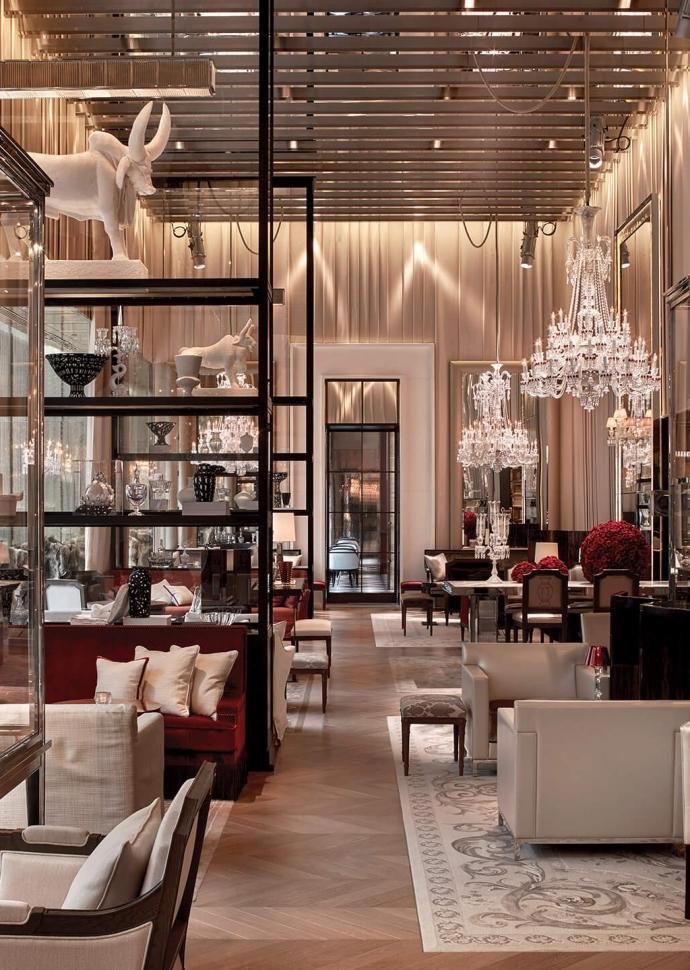
Lively earth-toned interior with open kitchen views, warm Mediterranean warmth blended with sophisticated New York charm.