Giardino D'Oro
Our verdict
At 5 Gold St in Lower Manhattan's Financial District, Giardino D'Oro occupies a neighbourhood where Italian-rooted cooking meets the rigour of New York's fine-dining tier. The kitchen works at the intersection of imported European technique and ingredients sourced from the northeastern American larder, placing it in a growing cohort of restaurants that treat regional produce as a compositional argument rather than a decorative gesture.

Pearl is the En Primeur Club membership app, where members save venues, book tables and use the concierge.

Lower Manhattan's Italian Fine-Dining Tier, Placed in Context
The Financial District has never been New York's most obvious address for serious Italian cooking. For decades, the neighbourhood's restaurants served a captive lunch crowd and emptied after 6pm. That pattern has shifted. A clutch of destination restaurants now anchor the area below Fulton Street, drawing diners who would once have defaulted to Midtown or the West Village. Giardino D'Oro, at 5 Gold St, sits inside that shift, representing a category of Italian-influenced fine dining that takes its structural cues from European kitchen tradition while working with the seasonal reality of the northeastern American table.
The broader context matters here. New York's Italian fine-dining cohort has always operated in the shadow of French-coded tasting menus. Venues like Le Bernardin and Per Se set the city's reference points for formal progression dining, and any kitchen working in the Italian register has to define itself against those benchmarks. The more interesting Italian-rooted restaurants in this city increasingly do so not by mimicking French architecture, but by anchoring their menus in something the French tradition rarely emphasises: the direct relationship between a specific place's ingredients and the techniques used to handle them. That is the logic Giardino D'Oro appears to follow.
The Local-Ingredient, Imported-Method Framework
Italian cooking has always been geographically specific in its ingredients, technically disciplined in its execution. What makes that tradition productive in a New York context is the density of the northeastern American larder: Hudson Valley farms, Long Island fisheries, Catskill foraged goods, New Jersey stone fruit. When a kitchen trained in Italian or broader European technique engages with that supply chain, the result tends to be more than fusion. It becomes a genuine argument about what a cuisine grounded in place can look like when the place itself has changed.
This is the same logic that animates the most considered restaurants in the American fine-dining tier. Blue Hill at Stone Barns in Tarrytown built its entire identity around the farm-to-table proposition made rigorous. Single Thread Farm in Healdsburg imports Japanese kaiseki discipline and applies it to Sonoma County ingredients with precise seasonal logic. Smyth in Chicago applies similar framework to the Midwest. The pattern across all of them is consistent: technique travels; ingredients stay local; the tension between the two is where the cooking becomes interesting.
Giardino D'Oro operates within that pattern from a Lower Manhattan address that gives it a specific kind of urban identity. Gold Street is close to the East River, a few blocks from the old Fulton Fish Market site, in a neighbourhood that has layered centuries of mercantile history over its current financial character. That context is not incidental to an Italian-rooted kitchen. Italian cooking, historically, has always been as much about trade routes and urban commerce as it is about rural tradition.
Placing Giardino D'Oro in the New York Italian Register
New York's Italian fine-dining scene has depth at every price tier, but the upper end is a relatively small cohort. The restaurants that sit in that bracket tend to distinguish themselves through one of three approaches: strict regional Italian identity (Piedmont, Emilia-Romagna, Campania), Italian technique applied to global ingredients, or Italian-influenced menus that treat the tradition as a starting point rather than a constraint. Each approach produces different results and attracts different audiences.
For comparison: Eleven Madison Park and Atomix each occupy the very leading of New York's fine-dining tier with tightly defined culinary identities and sustained critical recognition. Both demonstrate that New York rewards kitchens that commit to a coherent premise rather than defaulting to safe eclecticism. Masa makes a related argument from a Japanese sushi perspective: the relationship between a highly specific technique and the leading available ingredients, priced accordingly.
Giardino D'Oro, operating at 5 Gold St, appears to stake its position in this conversation from the Italian side of the ledger, in a neighbourhood that is still building its reputation as a dining destination rather than a dining convenience.
The Wider American Fine-Dining Map
The local-ingredient, global-technique argument Giardino D'Oro appears to pursue is not unique to New York. The French Laundry in Napa applies French classical rigour to California's agricultural abundance. Providence in Los Angeles brings French technique to Pacific seafood with a similar compositional logic. Lazy Bear in San Francisco takes that premise into a more communal, counter-format structure. Addison in San Diego and The Inn at Little Washington each represent regional variations on the same core tension: European training, American larder, distinctly local result.
Internationally, the conversation maps onto kitchens like Atelier Moessmer Norbert Niederkofler in Brunico, which applies Italian Alpine cooking to strictly regional ingredients with a commitment that has attracted serious critical attention, and Dal Pescatore in Runate, which has held its position in the Italian fine-dining hierarchy through generational consistency rather than reinvention. Both represent poles of the Italian fine-dining tradition that New York-based kitchens draw from and sometimes depart from. Frasca Food and Wine in Boulder and Emeril's in New Orleans each show that the Italian-influenced American kitchen operates across geographies, not just coastal cities.
See our full New York City restaurants guide for a broader map of where Giardino D'Oro sits relative to the city's dining tiers.
Planning Your Visit
Giardino D'Oro is located at 5 Gold St, New York, NY 10038, in the Financial District, accessible via several subway lines serving the Fulton St and Wall St stations. As with any restaurant in a neighbourhood that runs heavy at lunch and quieter at dinner, timing your visit matters: a weekday dinner in the Financial District typically offers a more considered pace than a weekend midday. Seasonal menu shifts at Italian-influenced kitchens in the Northeast tend to track the Hudson Valley harvest calendar, making late spring through autumn the period of greatest local-ingredient availability.
Quick reference: 5 Gold St, New York, NY 10038.
Frequently asked questions
Where exactly is Giardino D'Oro?
Giardino D'Oro is located at 5 Gold St, New York, NY 10038, New York City.
Is Giardino D'Oro a good option for dinner before or after a Financial District event?
The Gold Street location places it within walking distance of major Financial District venues, including Pier 17 and the South Street Seaport area, making it a practical pre- or post-event dinner option in a neighbourhood where serious sit-down options are thinner than in other parts of Manhattan. Italian fine dining at this level typically runs two or more hours for a full service, so factoring that into your timing is sensible. Confirming the kitchen's pacing and last-seating policy directly at 5 Gold St, New York, NY 10038 is advised for event-adjacent bookings.
What's the signature dish at Giardino D'Oro?
What the kitchen's Italian framework suggests is a menu built around seasonal, locally sourced ingredients interpreted through classical technique, the throughline of serious Italian cooking at this tier in New York City. Reaching out directly at 5 Gold St, New York, NY 10038 will give you the most accurate current picture of what the kitchen is running.
Do I need a reservation for Giardino D'Oro?
The Financial District operates on a different rhythm from Midtown or the West Village: weekday evenings draw the office crowd, while weekends tend to be quieter on Gold Street. That pattern cuts both ways, a Friday after work may fill the room quickly, while a Saturday reservation is often easier to secure. Booking ahead is the safer call regardless, and contacting the venue at 5 Gold St, New York, NY 10038 directly will confirm current availability.
What makes Giardino D'Oro worth seeking out?
Its Gold Street address puts it outside the corridors, Midtown, the West Village, the Upper East Side, where New York's Italian fine-dining cohort typically clusters. Restaurants that operate away from those circuits tend to earn their clientele on merit rather than location traffic. For anyone working or staying in Lower Manhattan, that positioning removes a practical barrier without requiring a concession on quality.
What if I have allergies at Giardino D'Oro?
Italian kitchens at the fine-dining level typically accommodate dietary requirements when given advance notice, but specifics, particularly around common allergens like gluten, shellfish, or dairy, should be confirmed directly before your visit.
Does Giardino D'Oro justify its prices?
The relevant benchmark is what comparable Italian fine dining runs elsewhere in New York City, at the upper end of that tier, you are typically looking at tasting menus in the $150–$250 range per person before wine. Whether Giardino D'Oro positions itself within or below that band is worth verifying before you book.
Peers You’d Cross-Shop
Comparable venues nearby, for context on price, style, and recognition.
| Venue | Cuisine | Price | Awards | Notes |
|---|---|---|---|---|
| Giardino D'OroThis venue (the venue you are viewing) | Fine Dining Italian | $50–100 | Not listed | Not listed |
| See No Evil Slice | Contemporary Pizza | $20–30 | Michelin Plate | Midtown Manhattan |
| AperiBar | Italianesque Mediterranean | $30–50 | Wine Spectator Award of Excellence | Midtown-Times Square |
| Osteria Delbianco Bryant Park | Traditional Northern Italian | $50–100 | Not listed | Midtown-Times Square |
| Altesi | Tuscan-Inspired Italian | $50–100 | Not listed | Upper East Side-Carnegie Hill |
| Nica Trattoria | Sicilian and Italian Trattoria | $30–50 | Not listed | Upper East Side-Yorkville |
Continue exploring
More in New York City
Restaurants in New York City
All restaurants in New York City →
Bars in New York City
All bars in New York City →





Details
- Cozy
- Elegant
- Romantic
- Date Night
- Business Dinner
- Special Occasion
- Standalone
- Extensive Wine List
- A La Carte
- Vegetarian Friendly
- Vegan Options
- Gluten Free Options
Current opening hours
- Monday
- 12–2:30 PM, 5–9:30 PM
- Tuesday
- 12–2:30 PM, 5–9:30 PM
- Wednesday
- 12–3 PM, 5–9:30 PM
- Thursday
- 12–3 PM, 5–9:30 PM
- Friday
- 12–3 PM, 5–9:30 PM
- Saturday
- 5–9:30 PM
- Sunday
- Closed
Hours can change for holidays and private events. Hours as of .
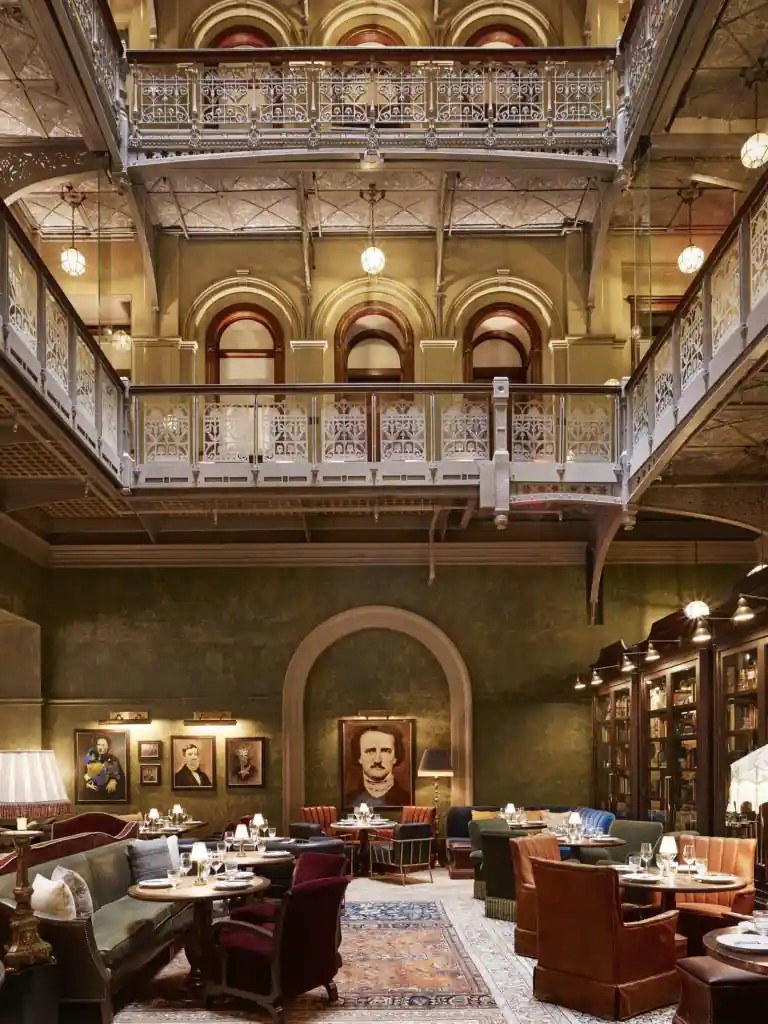
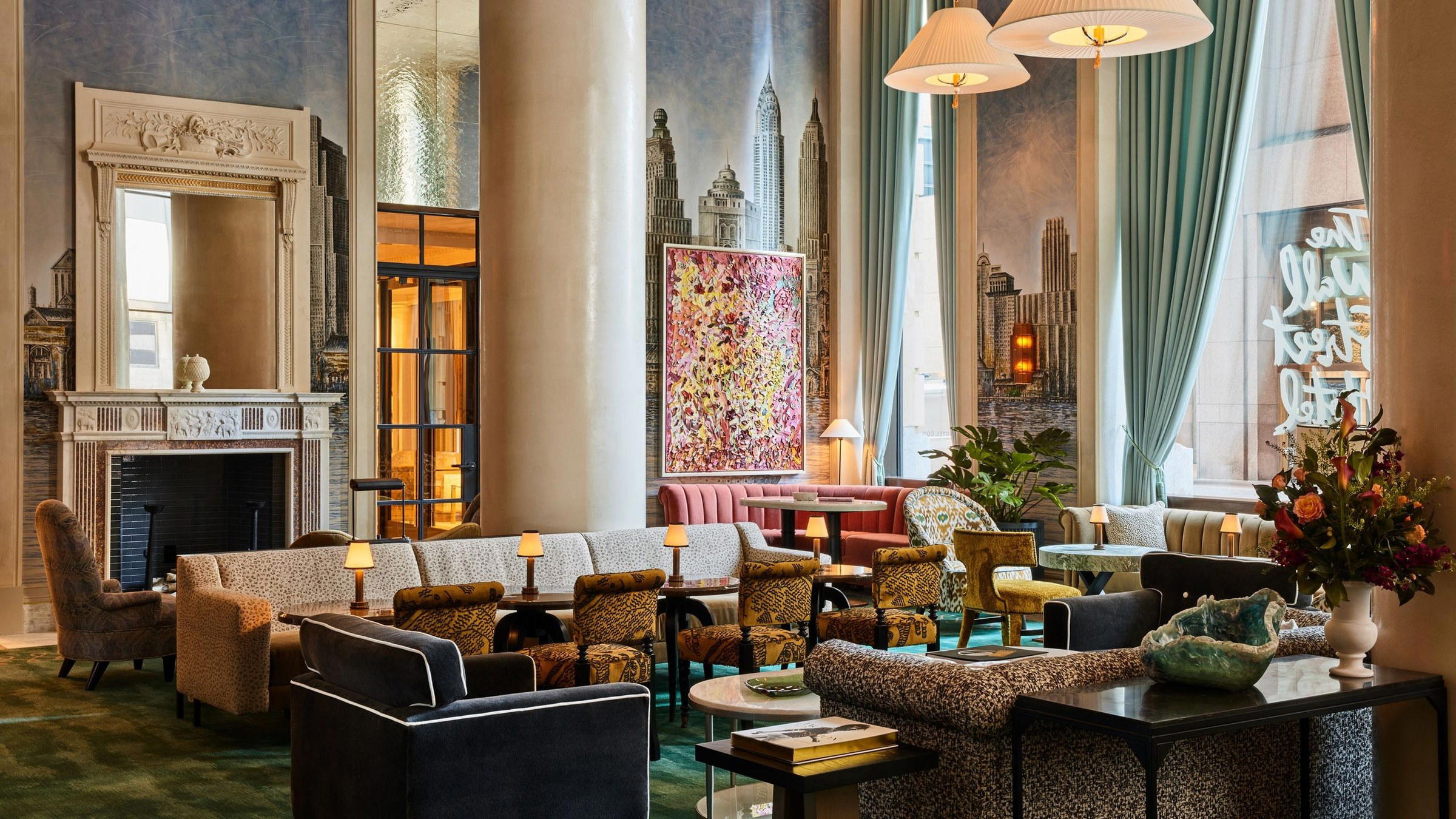
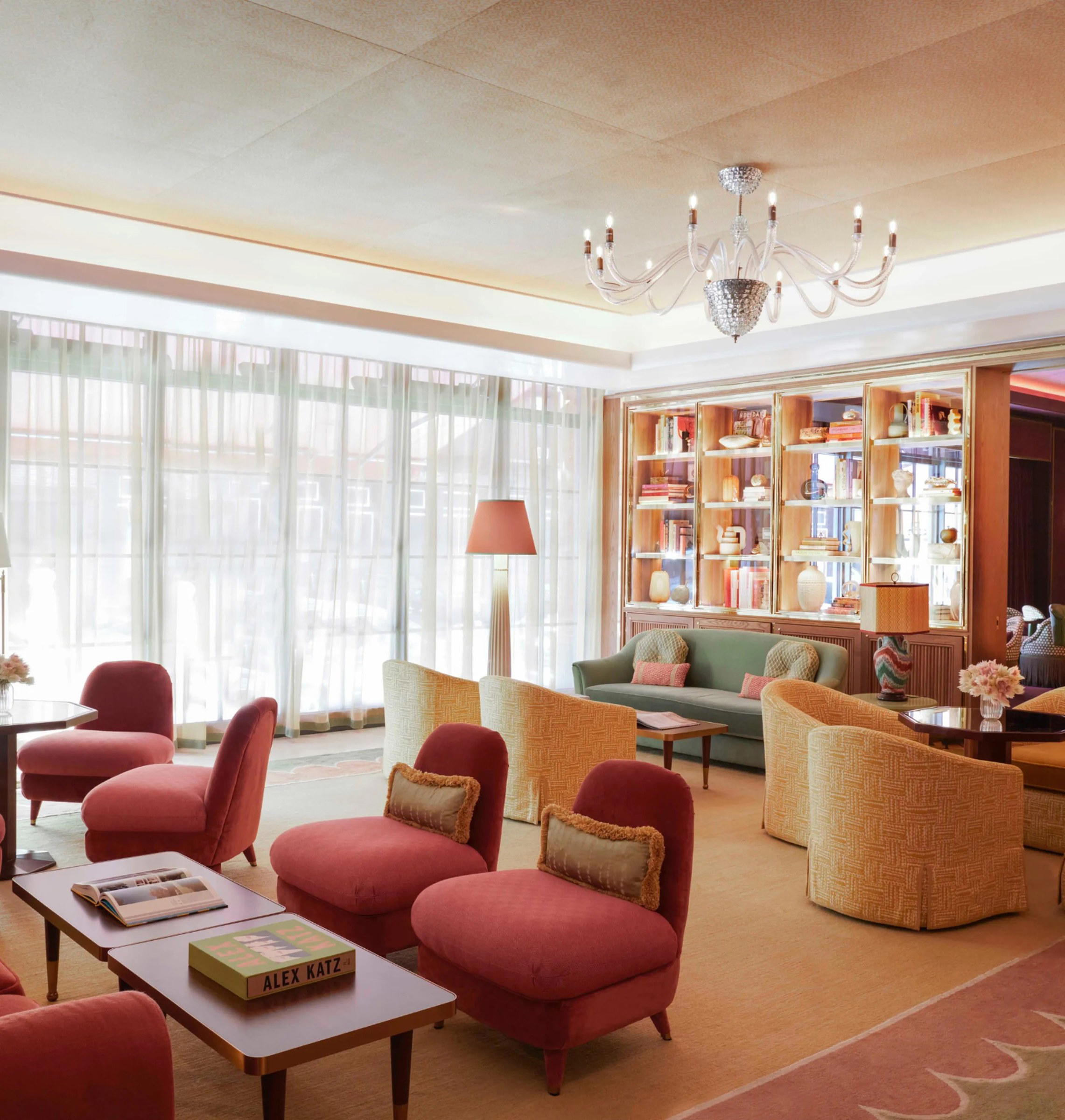
Cozy oasis with wine-lined walls and charming Italian countryside murals, creating an elegant and welcoming atmosphere.